
The Importance of Protected Areas
Protected areas in Albania represent territories of significant natural, ecological, economic, and cultural value, whose conservation and sustainable management are essential for ensuring long-term development. These areas encompass a wide variety of ecosystems, from mountainous regions and forests to wetlands, rivers, lakes, and coastal environments.
by:
Dritan Dhora (text)*
Alketa Misja (photography)**
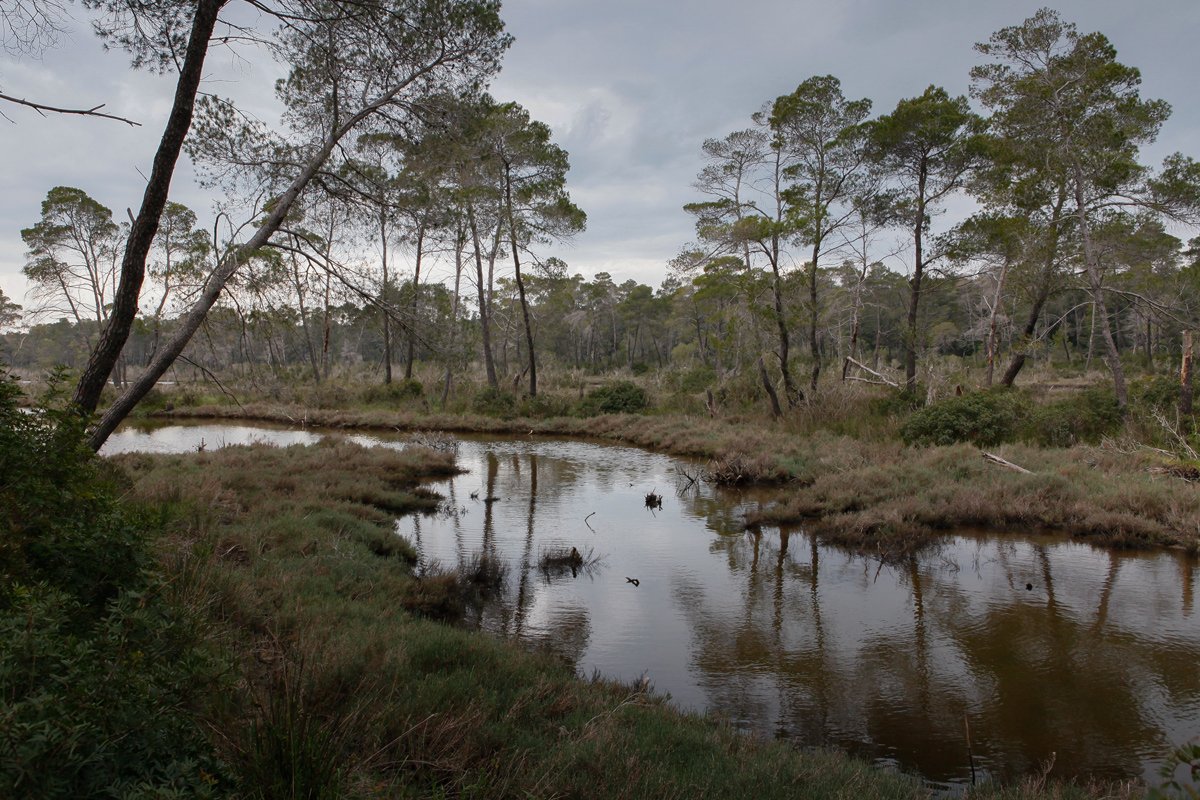
National Park Divjakë-Karavasta, Albania © Alketa Misja
Protected areas in Albania represent territories of significant natural, ecological, economic, and cultural value, whose conservation and sustainable management are essential for ensuring long-term development. These territories encompass a wide variety of ecosystems, from mountainous areas and forests to wetlands, rivers, lakes, and coastal environments. Due to their rich biodiversity and natural resources, protected areas play an important role in maintaining ecological balance and ensuring the essential ecosystem services that nature provides to society.
Their ecological importance is particularly related to the conservation of biodiversity and natural habitats. They provide conditions for the survival of numerous species of flora and fauna, including endemic and endangered species. At the same time, protected ecosystems contribute to regulating the water cycle, preventing soil erosion, absorbing carbon, and mitigating the impacts of climate change.
From an economic perspective, protected areas offer a wide range of resources and opportunities for sustainable development. The rational management of forests can provide timber products, while medicinal and aromatic plants represent significant potential for the rural economy and processing industries. In addition, agricultural land and pastures surrounding these areas support farming and livestock activities, while rivers, lakes, and coastal areas create opportunities for sustainable fishing. Alongside these resources, the development of ecotourism, agritourism, and nature-based tourism can generate income and employment opportunities for local communities.
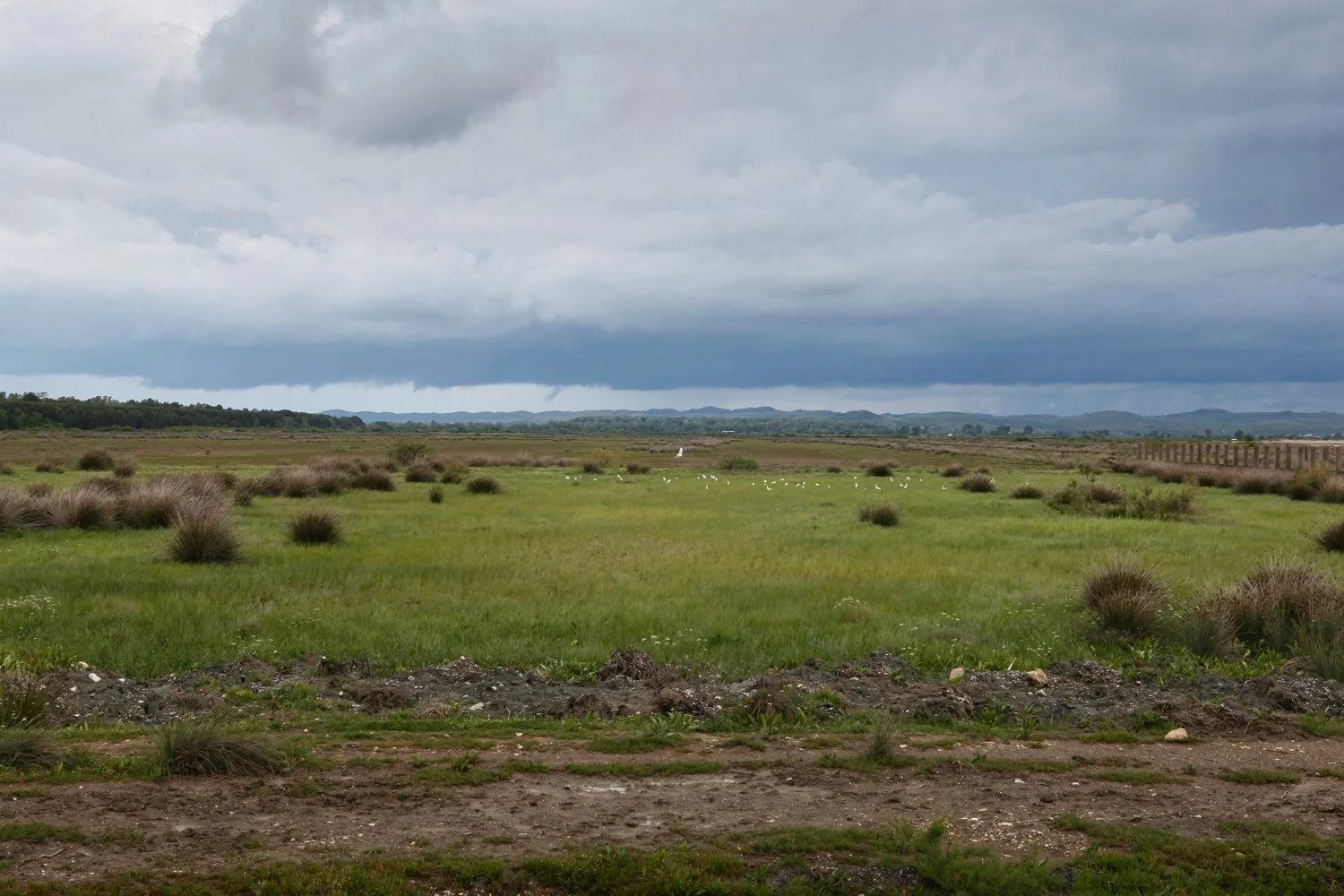
Karavasta Lagoon within the National Park Divjakë-Karavasta, © Alketa Misja
Finally, protected areas are of direct importance to public health and quality of life. Forests and natural ecosystems contribute to filtering air pollutants, producing oxygen, and regulating temperatures. The conservation of wetlands and water basins helps improve water quality, naturally filter pollutants, and ensure safer water resources for local communities. At the same time, the protection of soils reduces erosion and degradation, while the conservation of natural ecosystems helps prevent flooding and supports more effective water resource management. Natural areas also provide opportunities for physical activity, recreation, and relaxation, contributing positively to the physical and psychological well-being of individuals. For these reasons, the conservation and effective management of protected areas should be regarded as a strategic investment in Albania’s natural capital, public health, economic sustainability, and the preservation of ecosystem balance for future generations.
Karavasta Lagoon within the National Park Divjakë-Karavasta, © Alketa Misja
Potential Profitable Economic Activities in a Protected Area:
Sustainable agriculture
Traditional livestock farming
Beekeeping
Agritourism
Ecotourism
Mountain tourism
Adventure tourism
Rural tourism
Cultural tourism
Camping and glamping (camping with more luxurious eco-accommodation)
Tourist guiding and nature interpretation
Tourist accommodation (guesthouses, homestays)
Gastronomy and restaurants featuring local products
Sustainable fishing (where permitted)
Traditional aquaculture (in designated areas)
Collection and marketing of medicinal and aromatic plants
Collection and marketing of wild fruits, mushrooms, and other non-timber forest products (where permitted)
Processing and sale of agricultural and livestock products
Processing and marketing of honey and other beekeeping products
Traditional crafts and handicrafts
Production and sale of souvenirs
Nature photography and videography for commercial purposes
Organization of outdoor recreational activities (hiking, cycling, kayaking, horseback riding, etc., in accordance with applicable regulations)
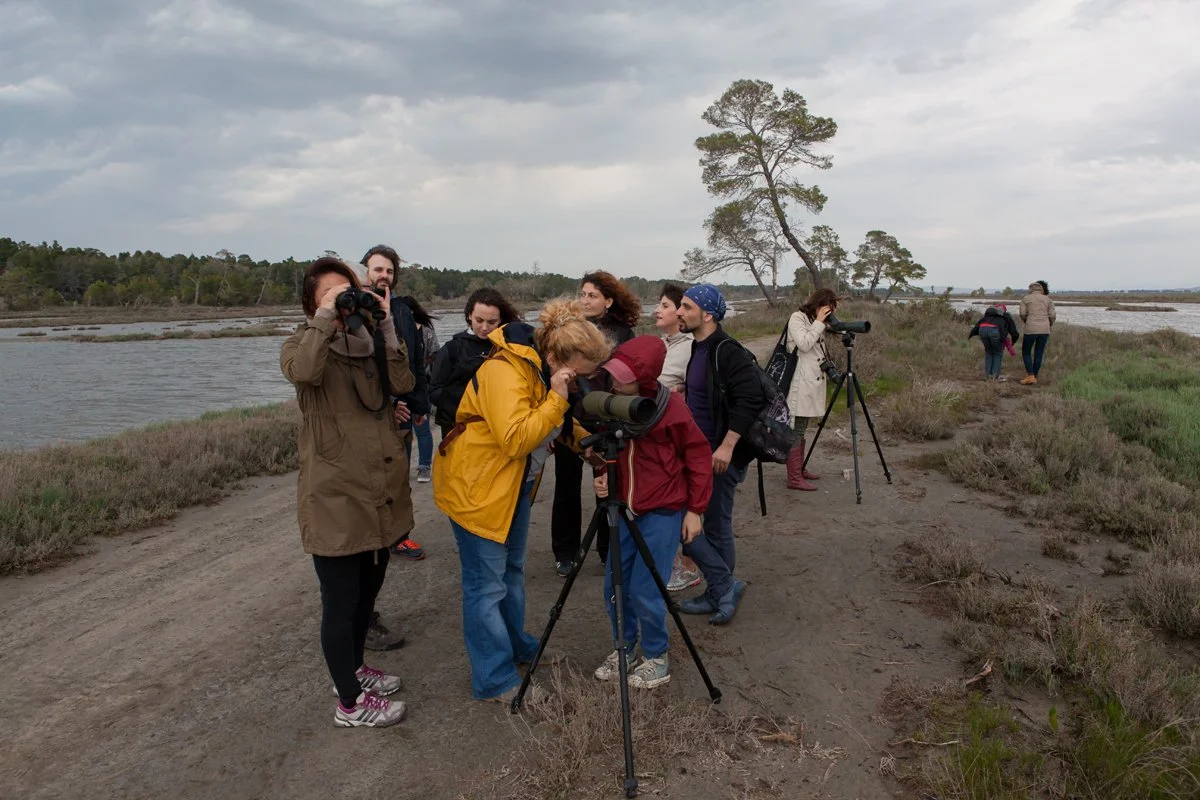
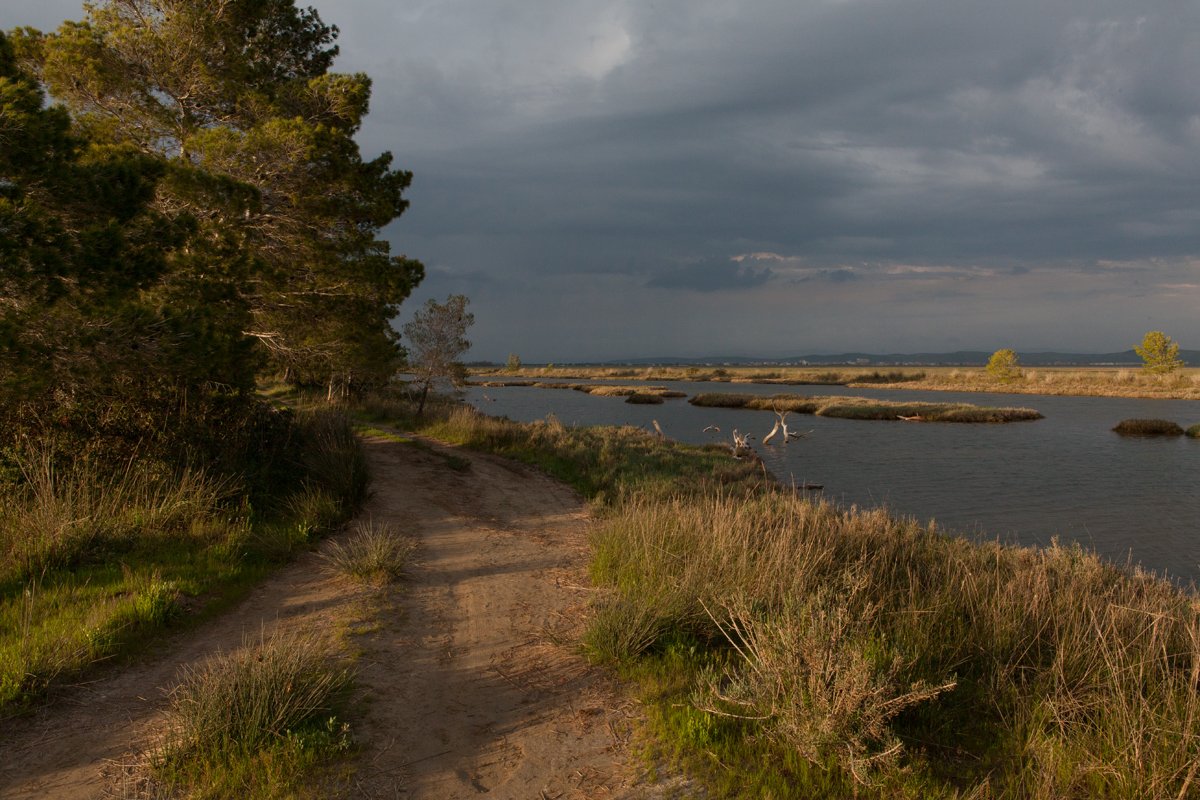
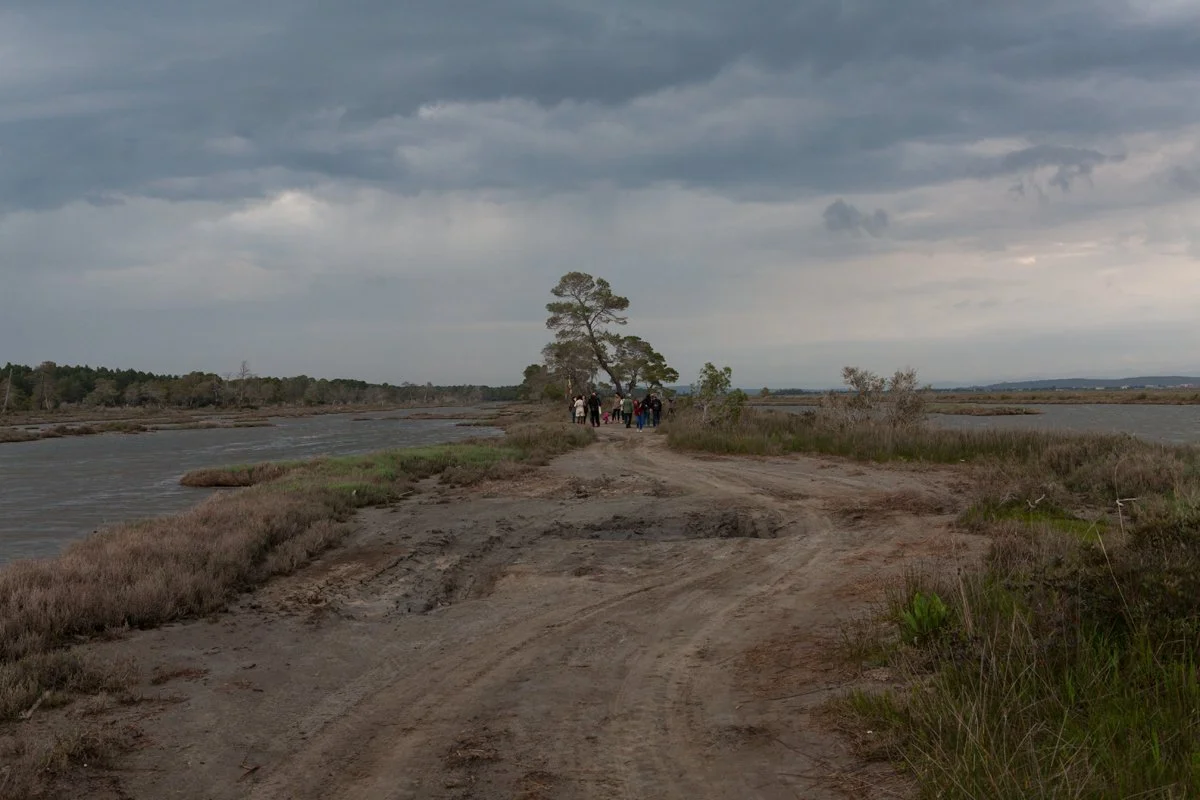
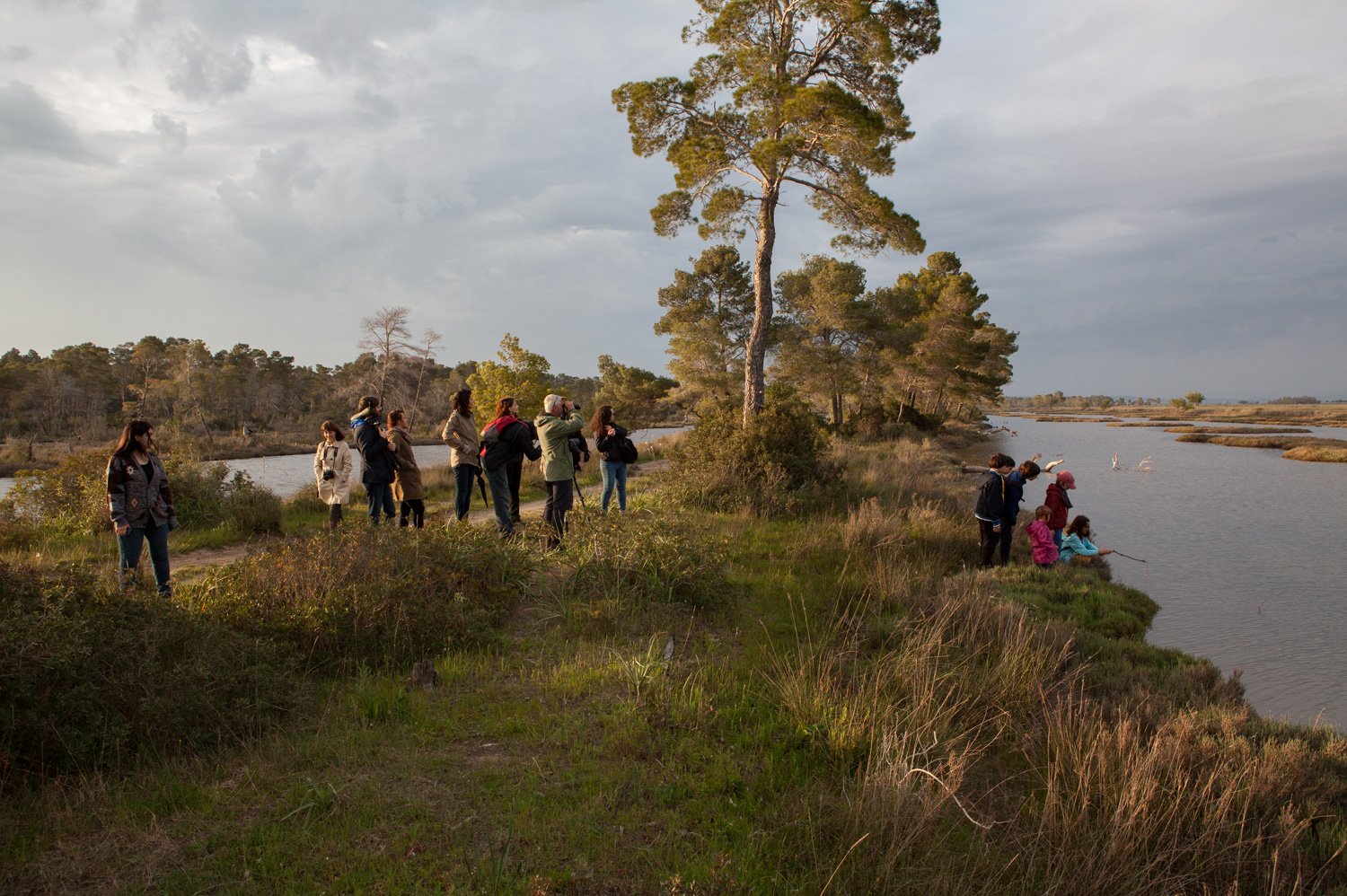
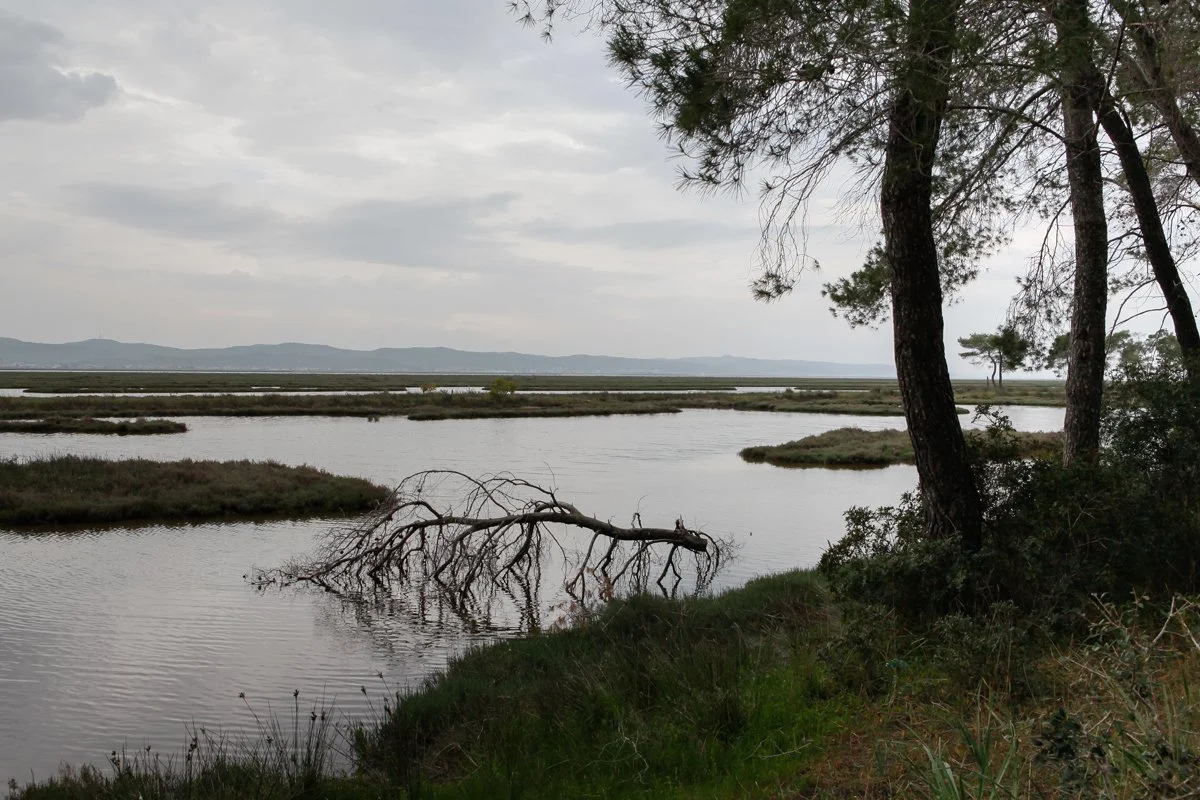
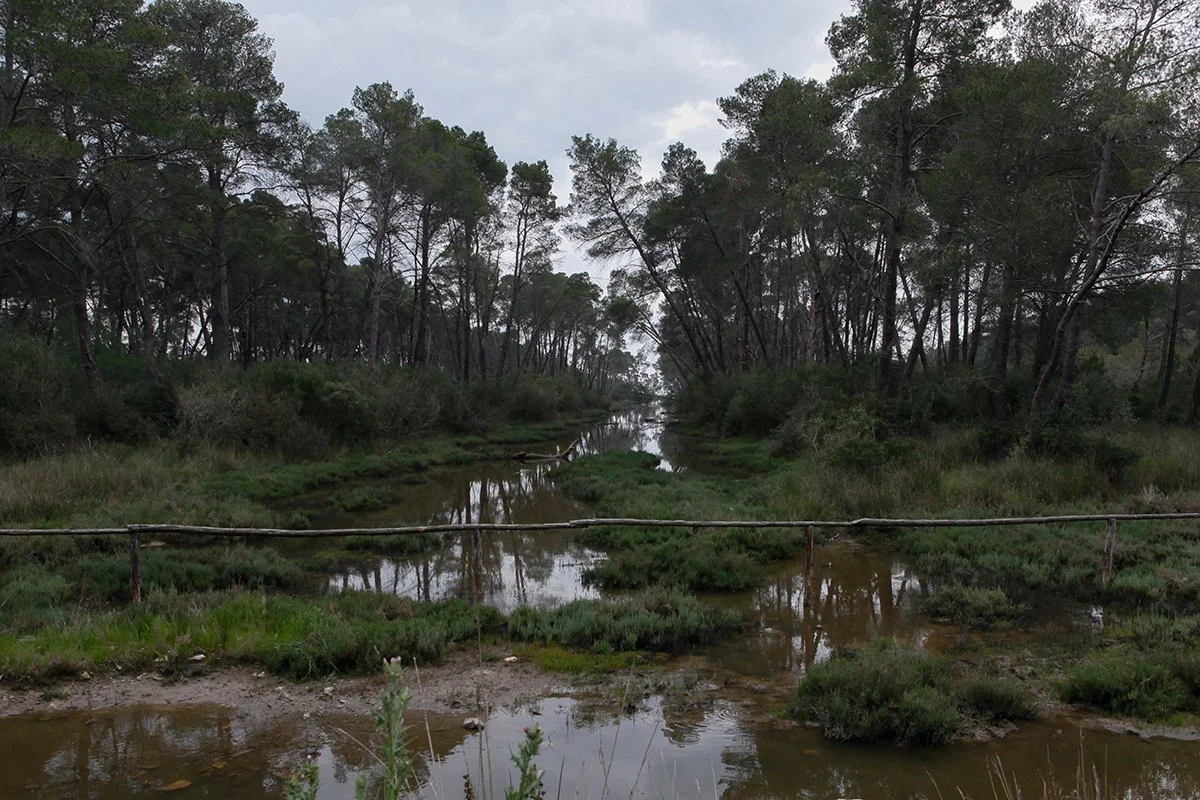
The Photos are taken inside Karavasta Lagoon within the National Park Divjakë-Karavasta,, © Alketa Misja
Albania has 52 protected areas, divided into categories such as national parks, natural parks/managed nature reserves, and protected landscapes. These areas cover approximately 624,460 hectares, representing around 21.8% of Albania’s territory.
In addition, Albania has approximately 750 natural monuments, which constitute the third category of protected areas.
According to Albanian legislation on protected areas, which is based on the categorization established by the IUCN (International Union for Conservation of Nature), the categories of protected areas, ranked according to their level of importance, are:
1. Strict Nature Reserve – Areas subject to a very high level of protection, where human activity is highly restricted and primarily scientific research is permitted.
2. National Park – Large areas of significant natural value and high biodiversity, protected for conservation, education, and sustainable tourism.
3. Natural Monument – Natural features or formations of particular scientific, geological, biological, or aesthetic value, such as caves, waterfalls, canyons, and monumental trees.
4. Managed Nature Reserve (or Natural Park) – Areas where nature conservation is combined with the sustainable use of natural resources.
5. Protected Landscape – Areas where the interaction between nature and human activity has created landscapes of particular natural, cultural, and recreational value.
6. Managed Resource Protected Area – Areas designated for the conservation of ecosystems and the sustainable use of natural resources.
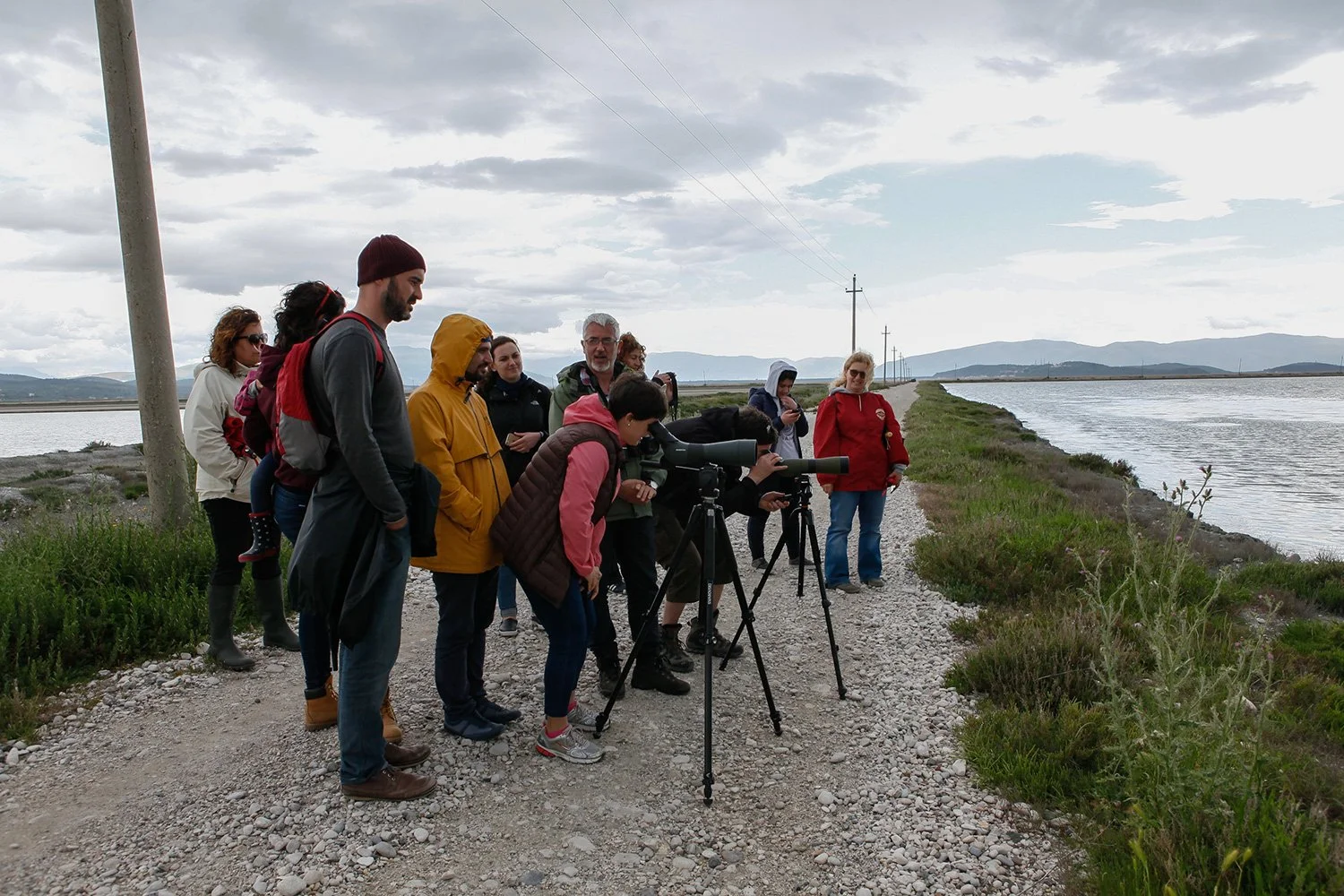
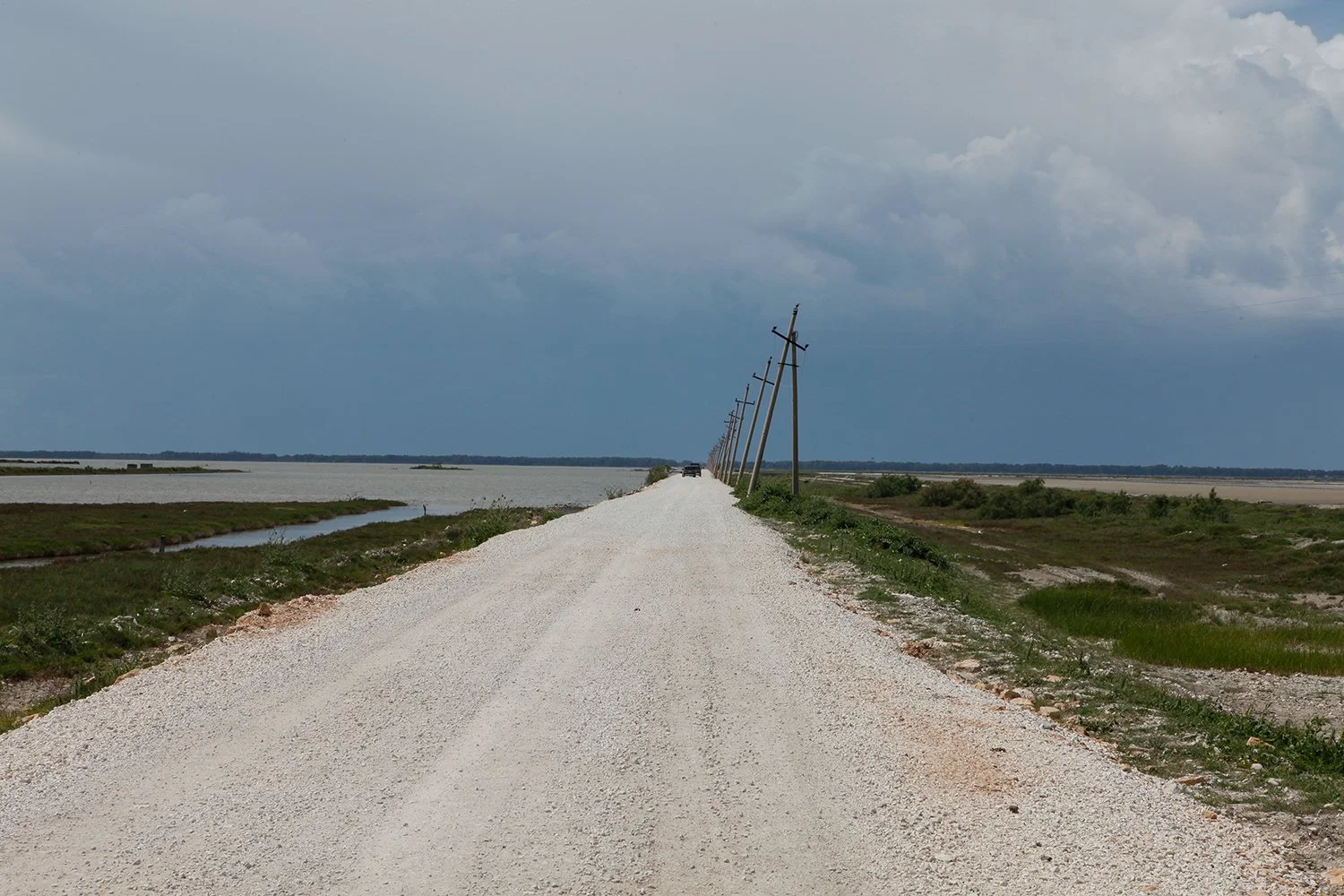
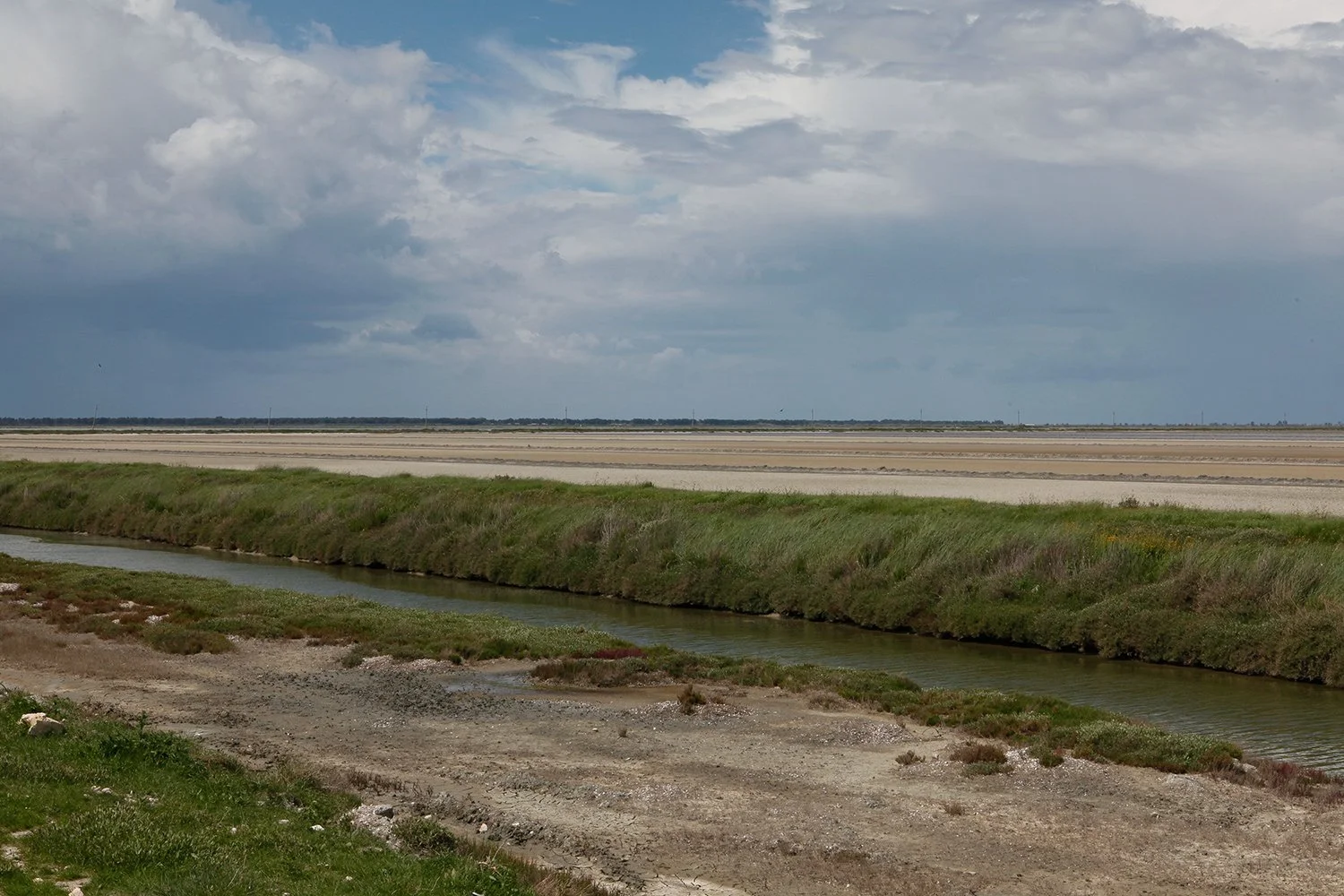
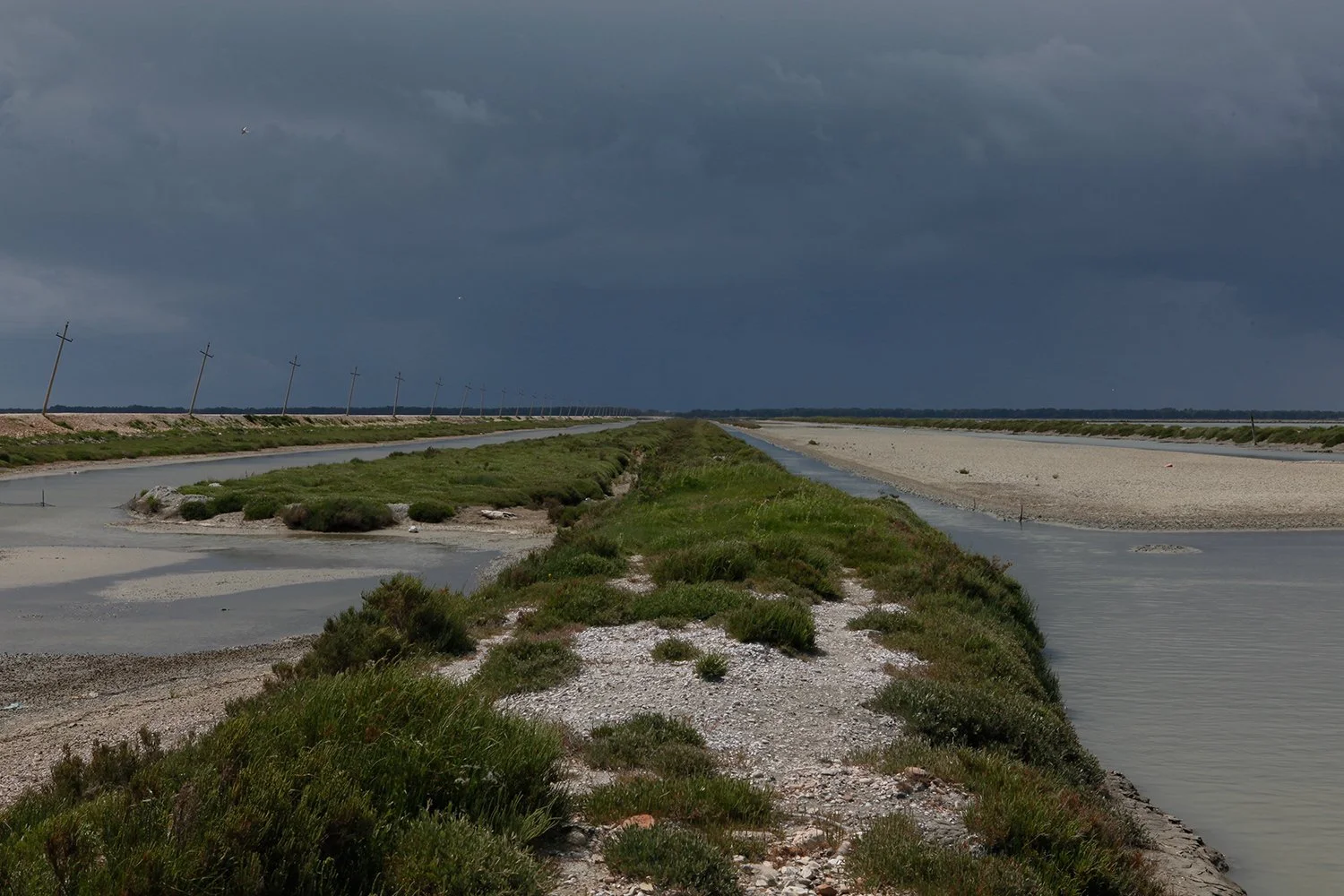
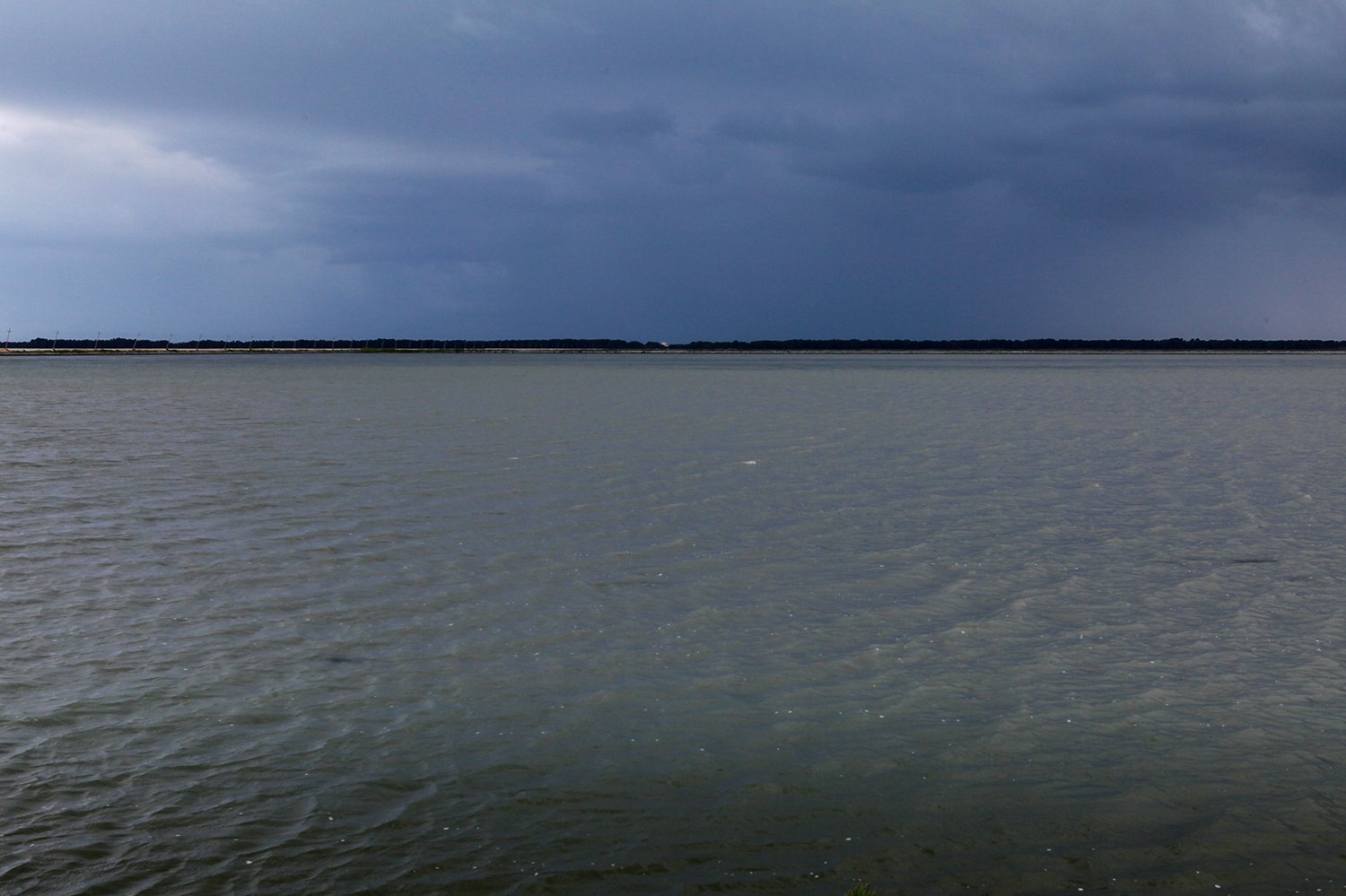
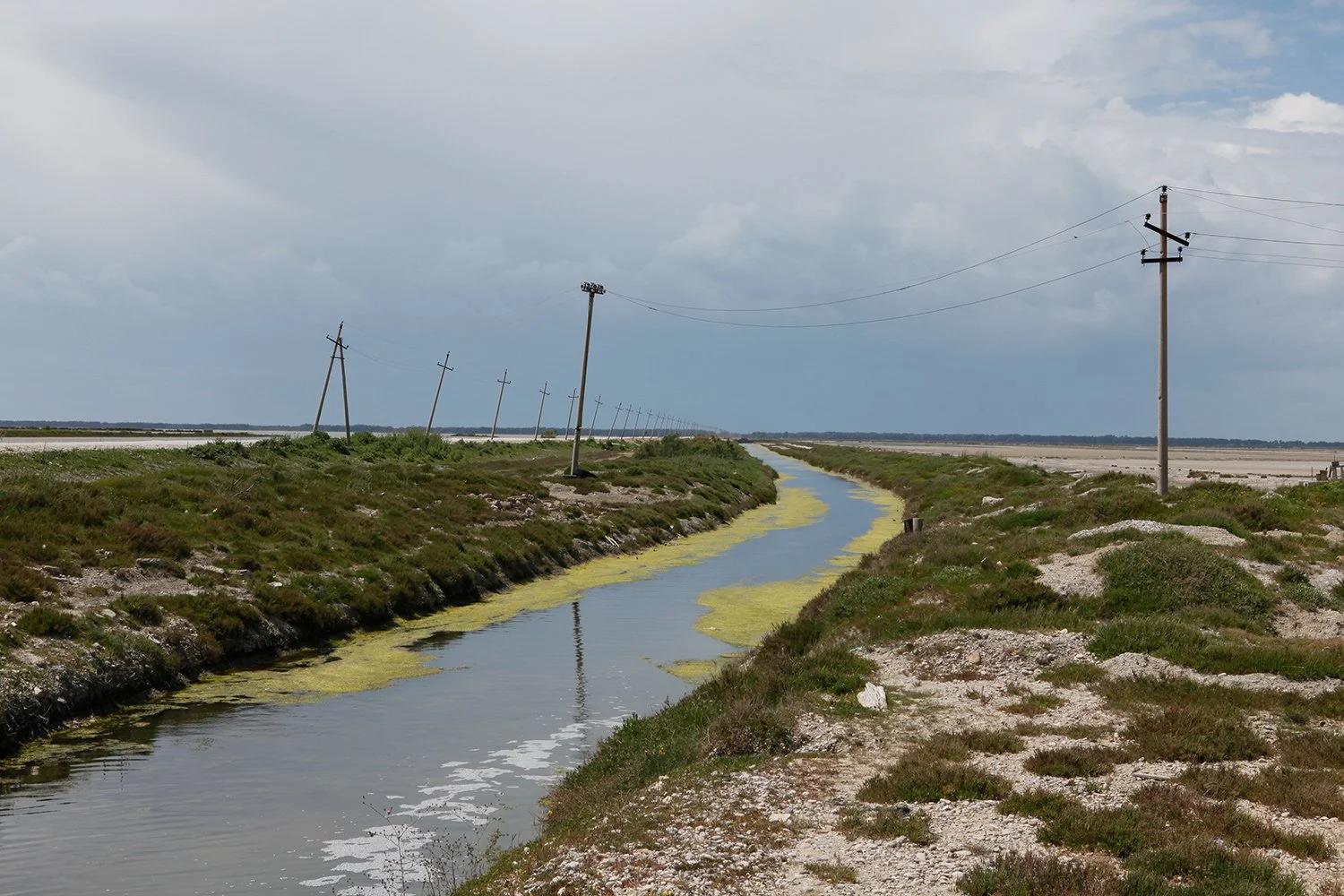
Photos from the Narta Salinas within the Pishë-Porro–Nartë Protected Landscape, © Alketa Misja
*Dritan Dhora is an environmental expert and environmental project coordinator with over 25 years of professional experience in the environmental field. His expertise includes biodiversity, the protection and management of aquatic ecosystems, natural resources, environmental assessment, and sustainable development. He has extensive experience in managing and coordinating national and international projects, as well as collaborating with public institutions, organizations, and academic partners. He also has considerable experience in higher education, scientific research, and the preparation of professional studies and publications. His work focuses particularly on environmental issues in the Shkodër region, including Lake Shkodër, the Buna River, biodiversity, and the integrated management of natural resources.
**© Alketa Misja. The photographs were taken at Karavasta Lagoon, within the Divjakë–Karavasta National Park, and at the Narta Salinas, within the Pishë-Porro–Nartë Protected Landscape, during an organized Bird Guided Tour led by AOS – Albanian Ornithological Society Albania.
When the Flamingos Descend Upon the City
For more than a decade as an urban planner, I have come to understand that the city is more than a built environment—a product of human creativity. It is also the place where people are shaped, where social relationships are formed, and where they learn whether or not to become creative themselves. For nearly two centuries, urban space has been not only the setting in which the modern citizen has emerged, but also the environment that has shaped the way people understand both the world and themselves as social beings.
A Reflection on the Flamingo Revolution
by Kedis Burrja
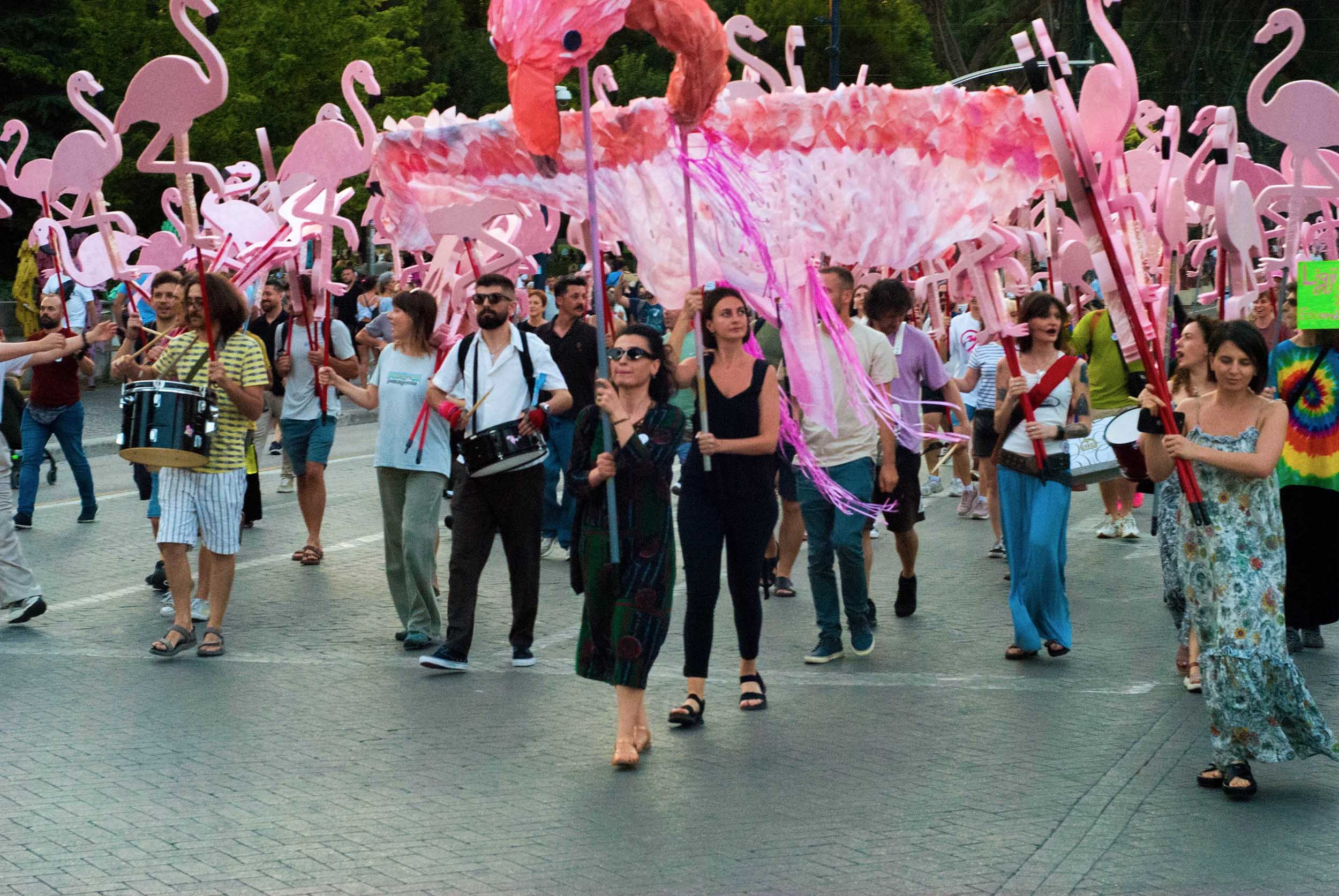
© Kedis Burrja, Flamingo Revolution
For more than a decade as an urban planner, I have come to understand that the city is more than a built environment—a product of human creativity. It is also the place where people are shaped, where social relationships are formed, and where they learn whether or not to become creative themselves. For nearly two centuries, urban space has been not only the setting in which the modern citizen has emerged, but also the environment that has shaped the way people understand both the world and themselves as social beings.
My experience over the past three years in landscape architecture has reinforced my belief that the urban environment is defined by more than its streets, buildings, and public spaces. It is also shaped by something that is often overlooked: people's emotional connection to the places where they live. This cultural and emotional bond is just as important as the city's physical conditions. Human beings are not merely biological creatures; they are also cultural beings, shaped by history, language, and memory. These dimensions are reflected in the way we live in and interact with the city. Nowhere is this relationship more evident than in the social life that unfolds within urban spaces.
For more than sixty days, citizens have filled the public squares, expressing a shared concern. Yet beyond this concern, a new vision of the future is beginning to emerge. Although it has not yet been fully articulated, this aspiration reveals itself through a sustained resistance to an established order that no longer makes such a future possible. This resistance is not merely bringing together different demands; it is also transforming the people themselves, who are discovering within themselves courage, love, and possibilities they had never imagined before. For this reason, it has marked the beginning of a new era, one that is coming to be known as the Flamingo Revolution.
At first glance, this may appear to be a large civic protest. But it is more than that. The demonstrations and the broad public participation are only the visible expressions of a much deeper process that is taking shape. To better understand what is happening, I would like to highlight three characteristics that, in my view, define this phenomenon.
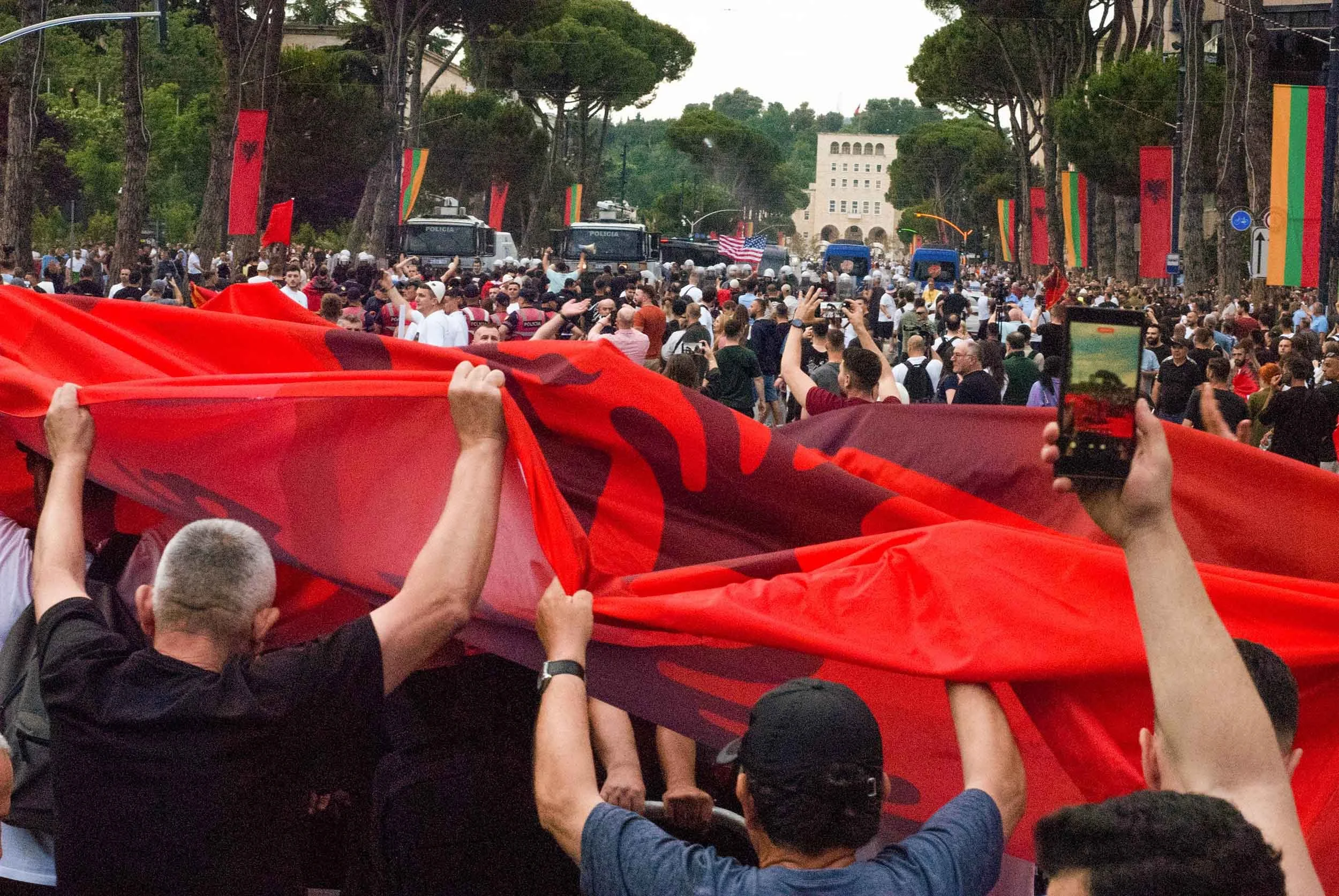
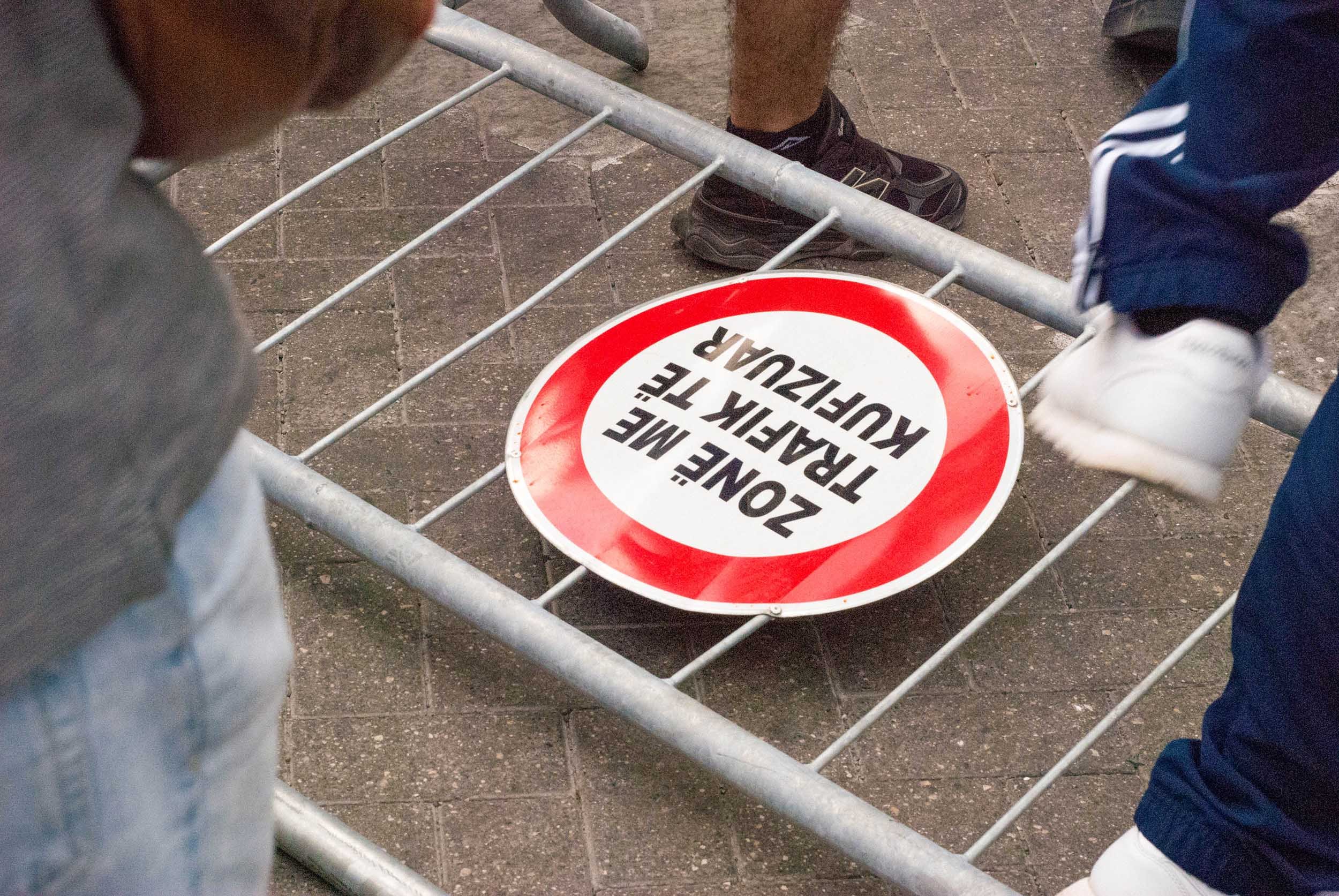
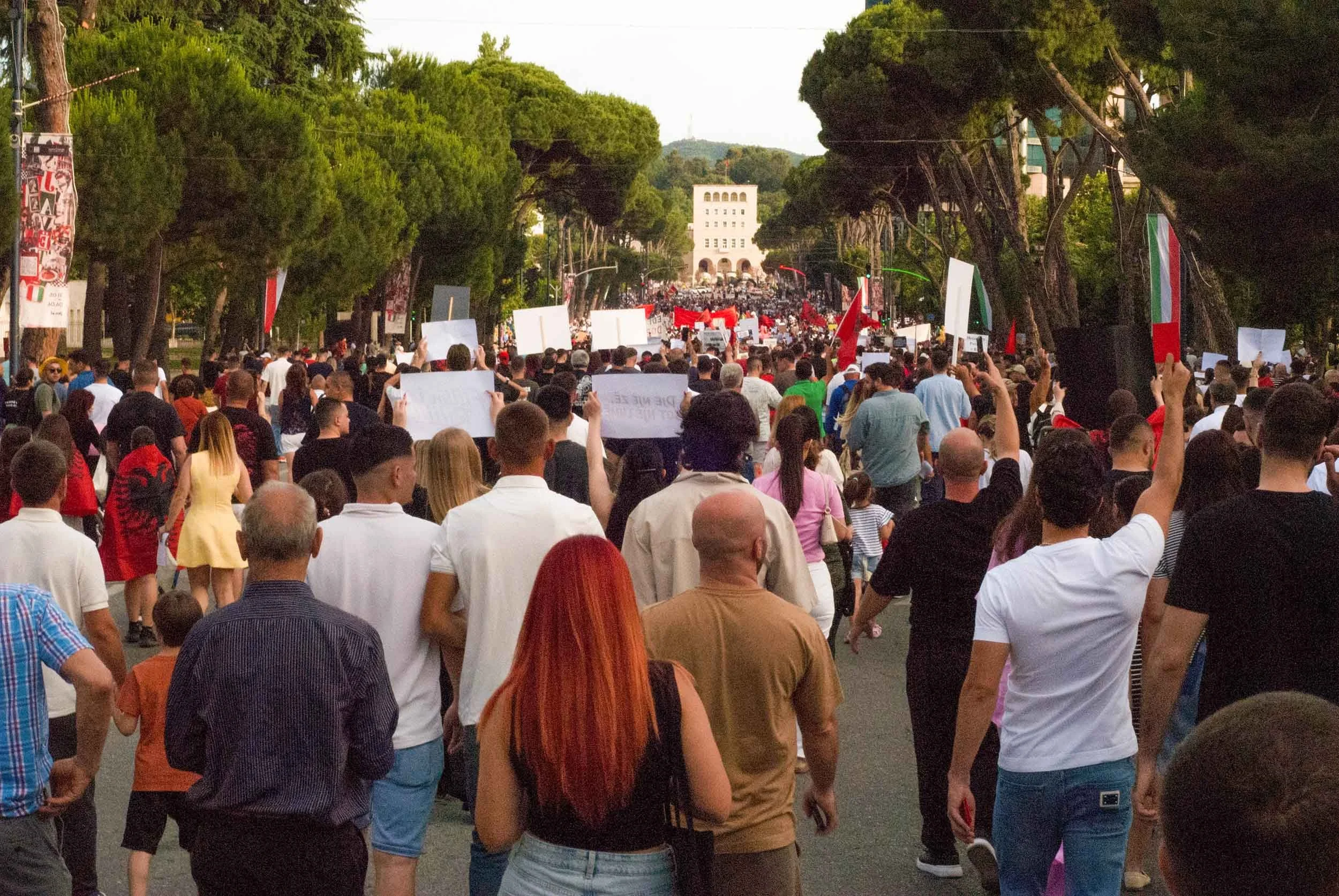
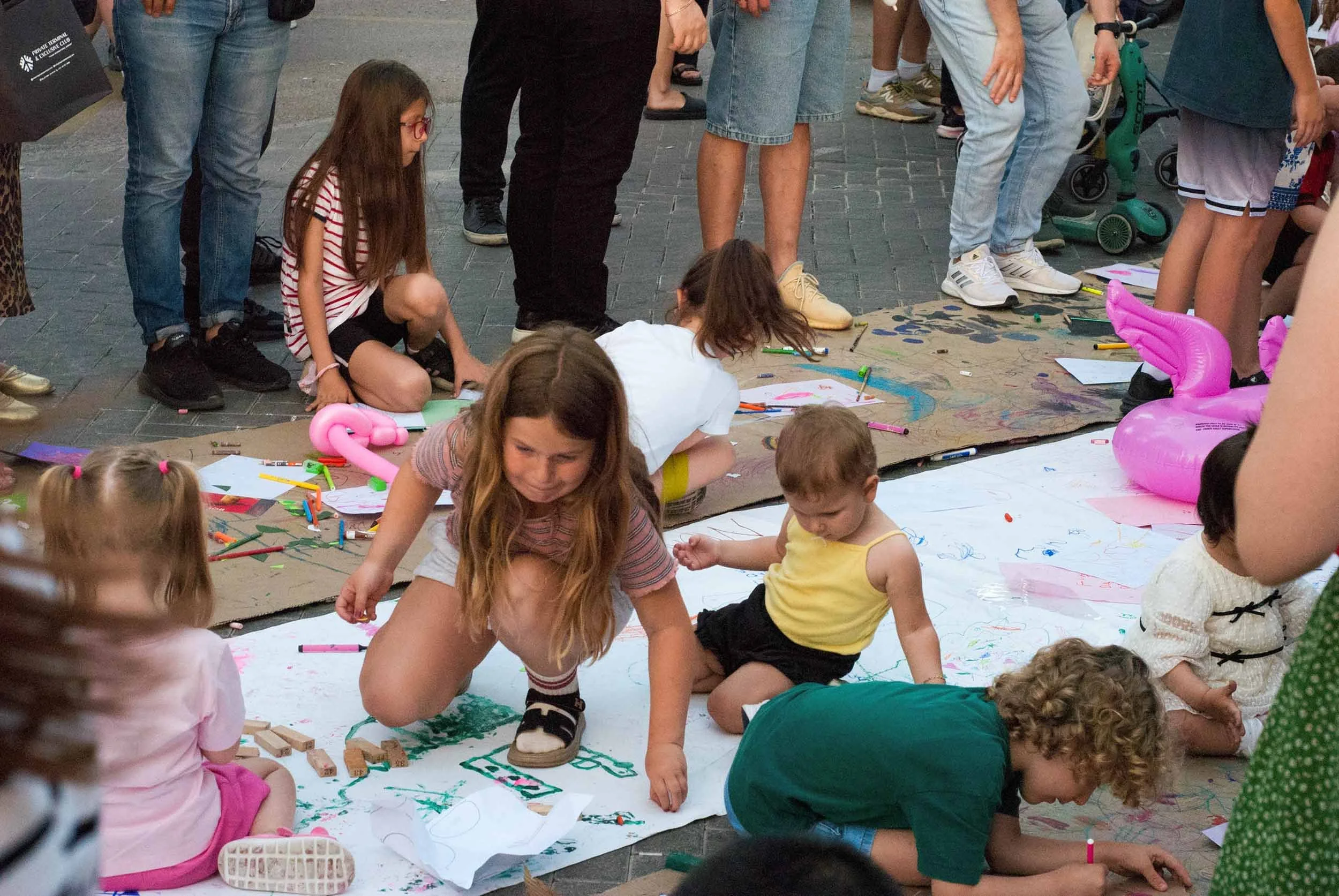
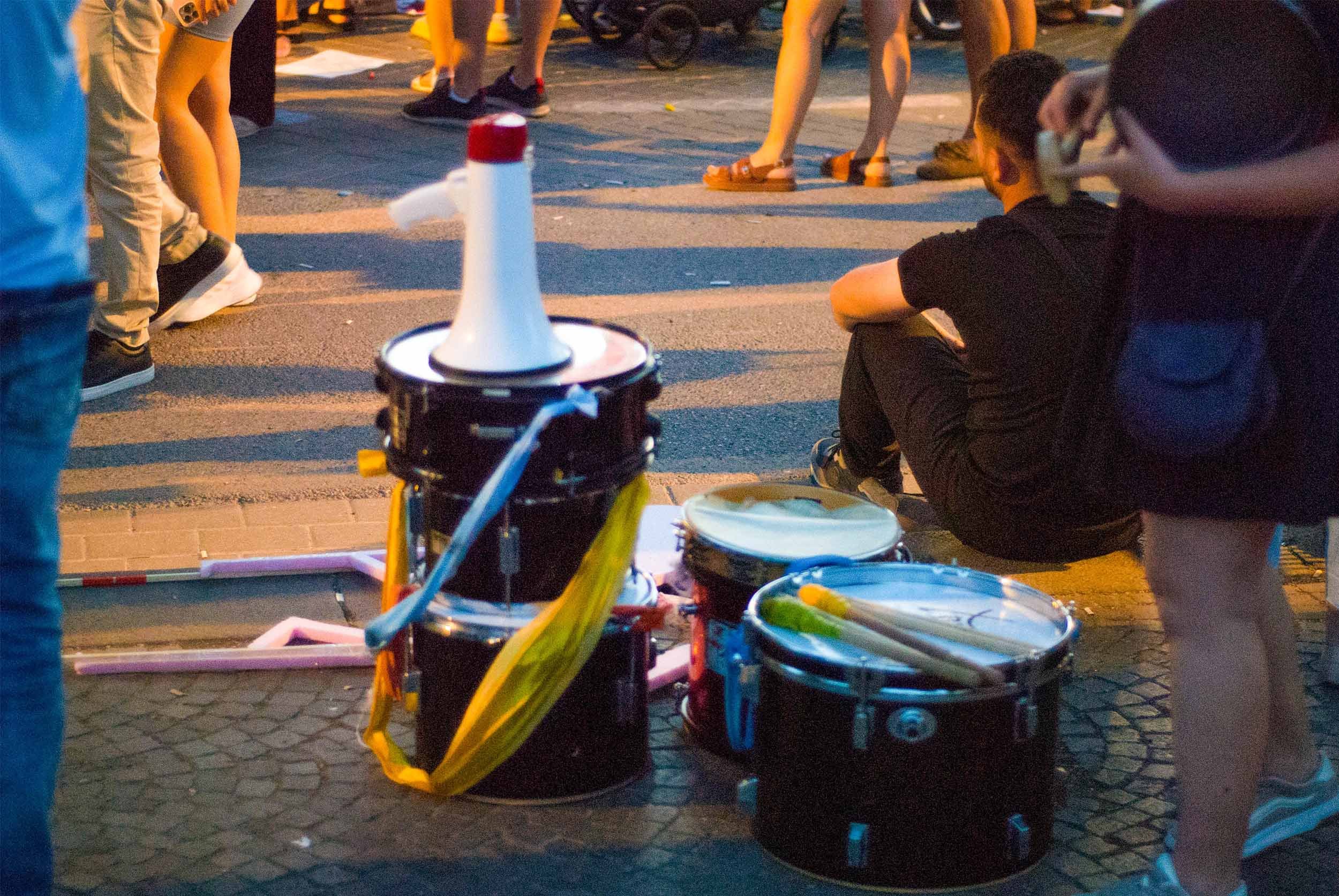
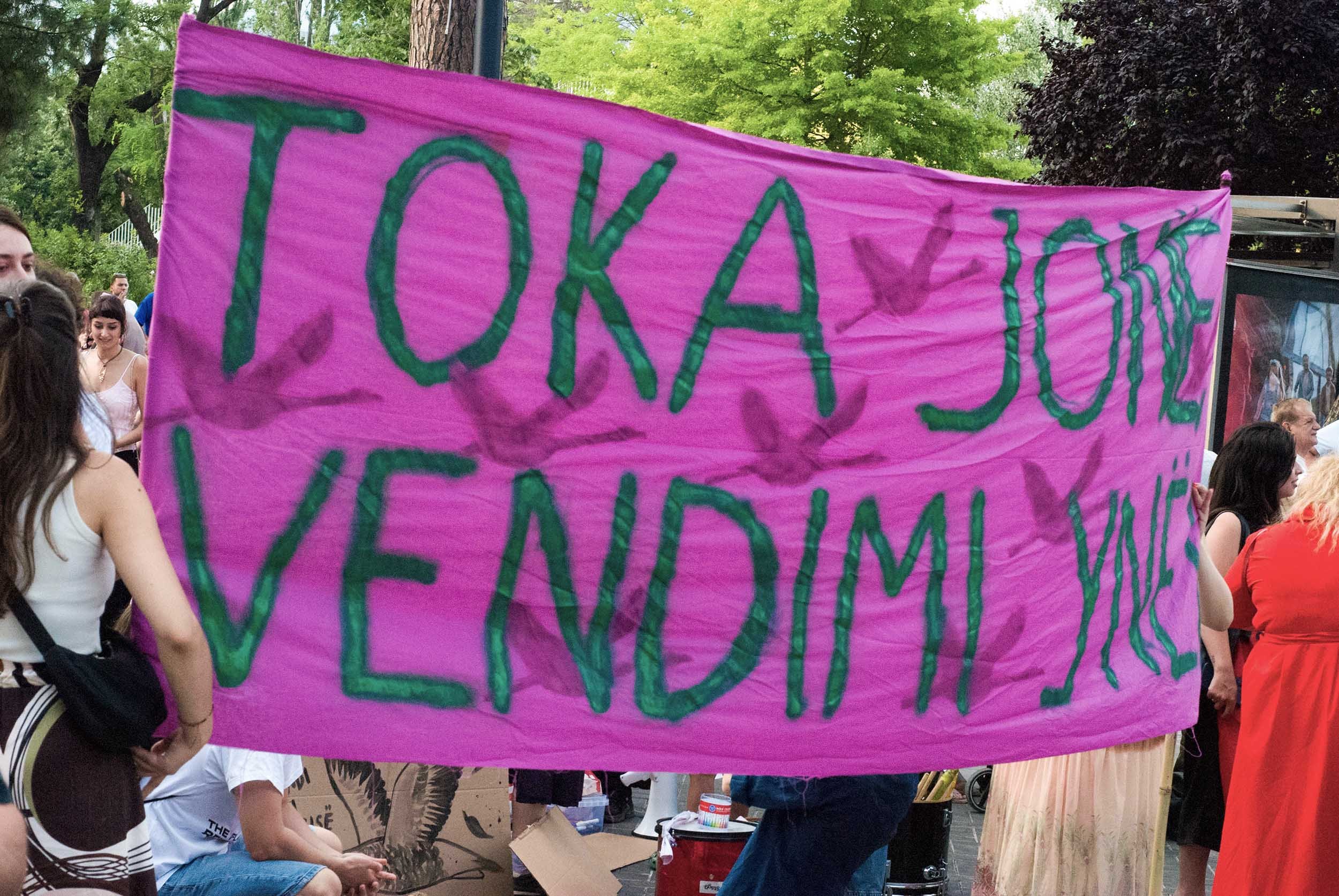
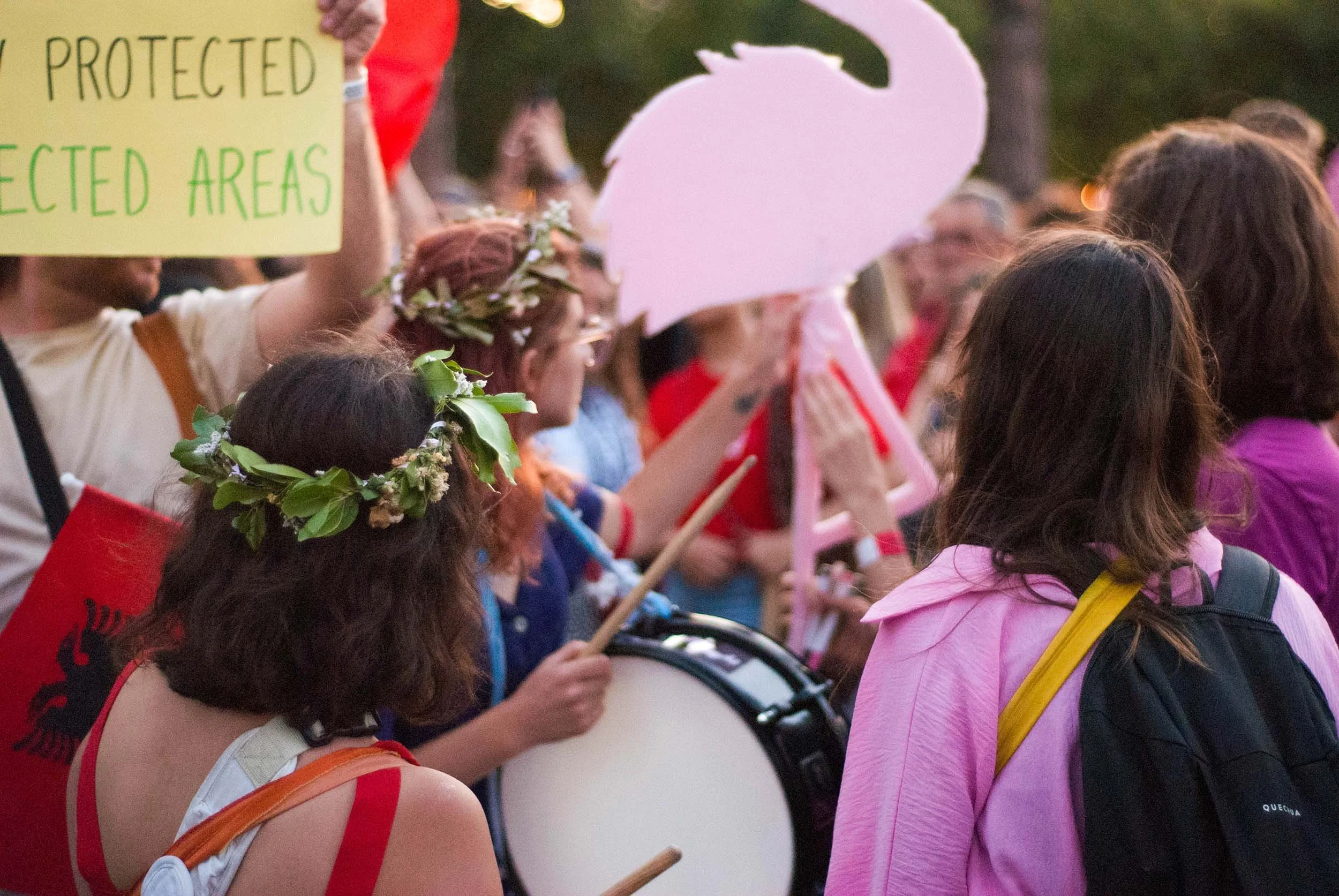
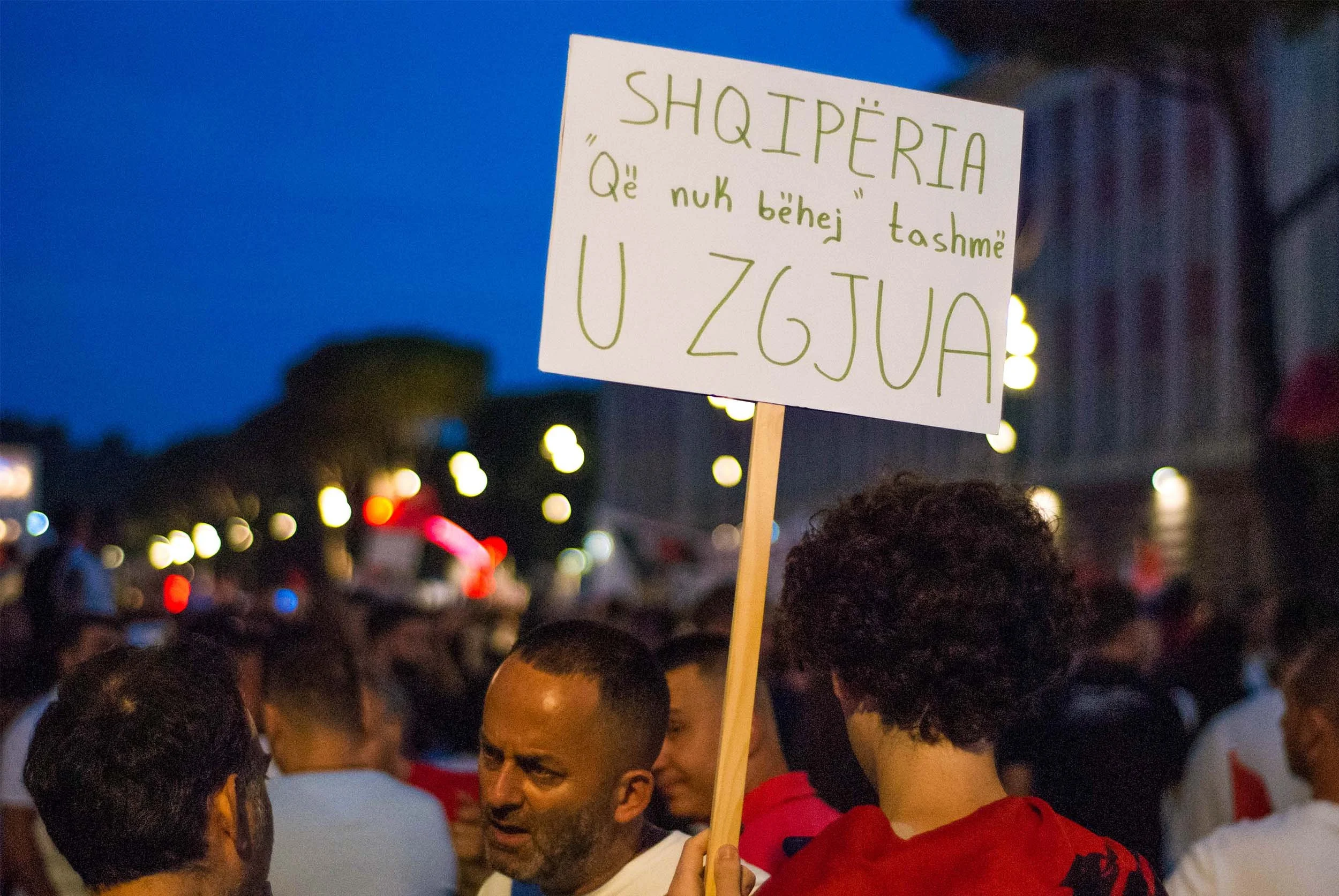
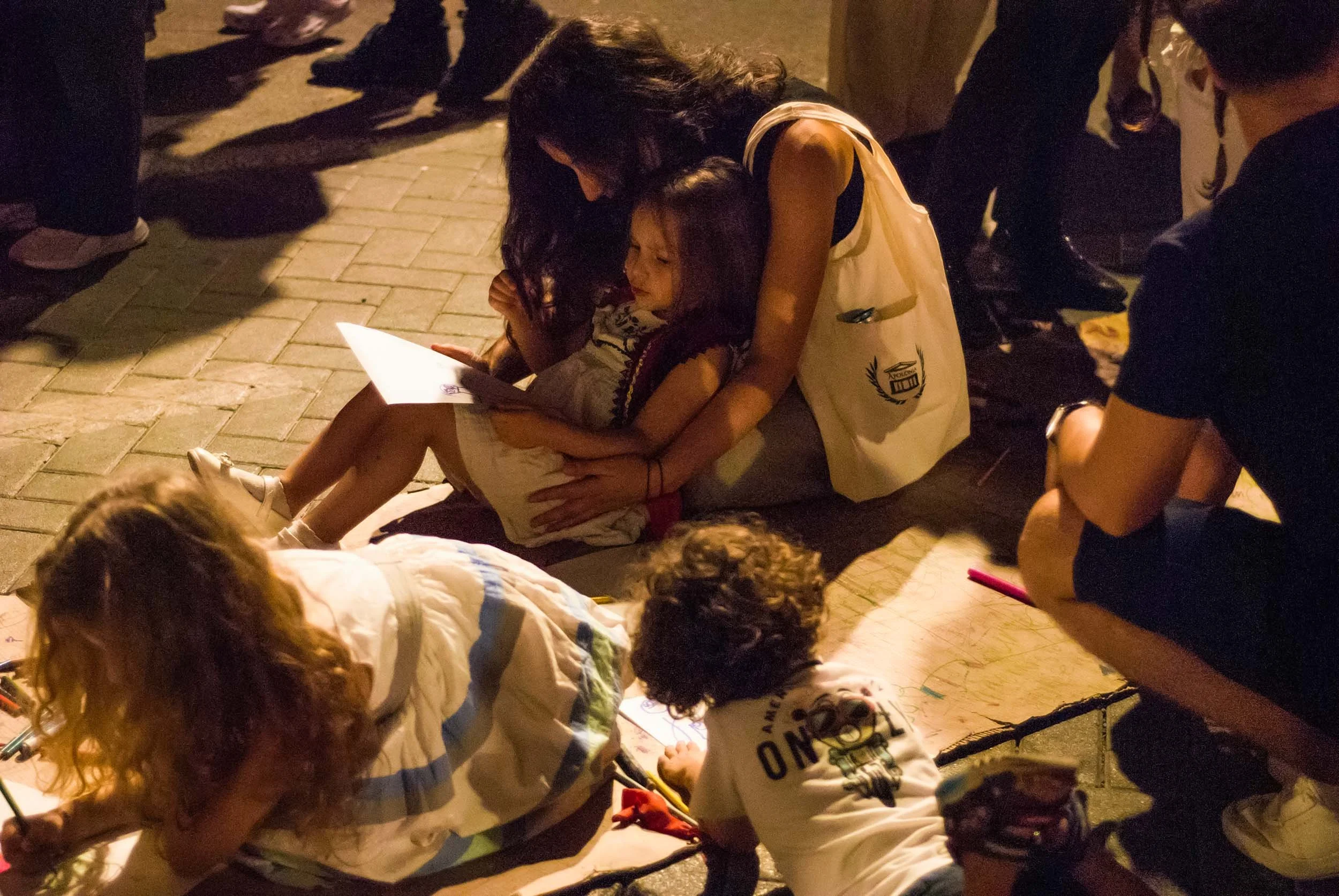
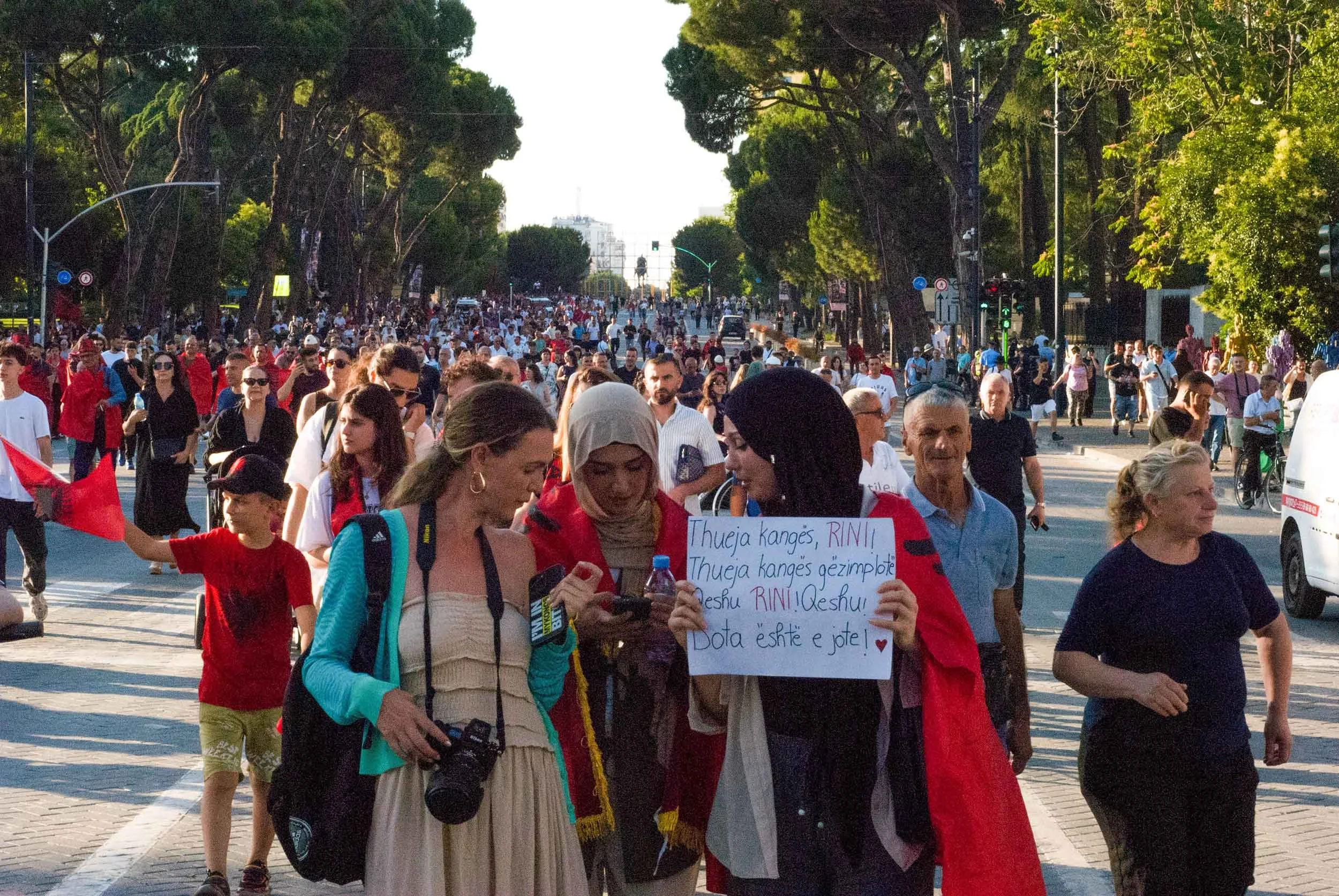
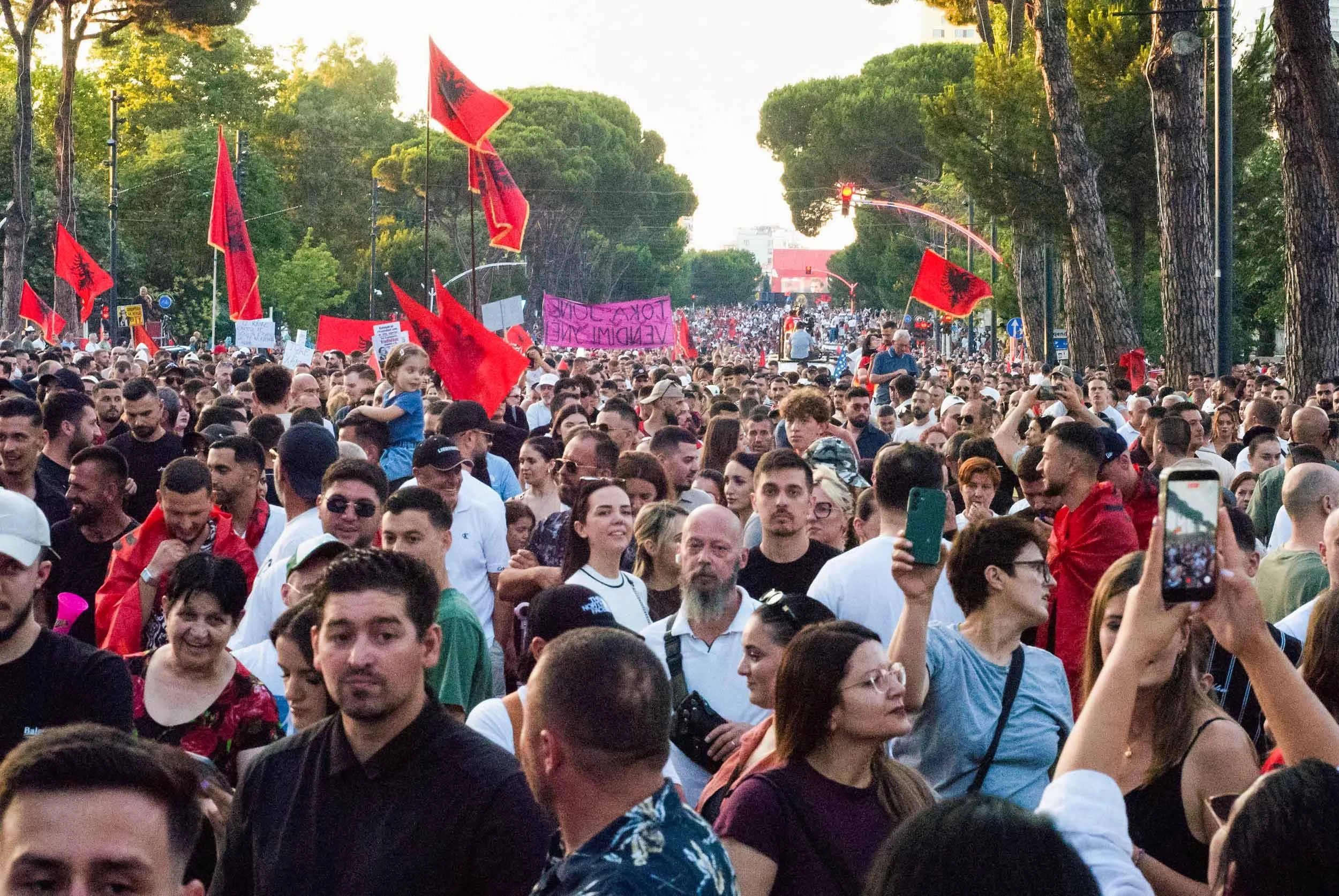
The first characteristic is its national character. This movement is not confined to Tirana alone. Although the capital remains the main center of the protests, demonstrations are taking place in cities, towns, and communities across Albania. The same is true in cities around the world where Albanians live. Taken together, these gatherings show that the movement has transcended both the capital and the country's borders, bringing Albanians together wherever they are in a shared sense of national belonging.
The second characteristic is its civic nature. Through this movement, Albanians are discovering within themselves a form of citizenship unlike any they have encountered, even in the Western world. For more than two months, they have sustained a peaceful resistance in defense of an area of exceptional natural value. Yet this is not merely a struggle to protect a natural landscape. It also springs from people's deep attachment to the place where they grew up and which they refuse to lose. It is precisely this bond with the environment, combined with a peaceful and responsible civic spirit, that makes this movement in Albania a new model of civic engagement —at once deeply personal and genuinely public.
The third characteristic lies in the way this movement has transformed how people speak and understand one another. The words heard in slogans, discussions, and public gatherings are not new. What is new are the meanings they have acquired. This transformation is most readily understood by those who experience the movement firsthand, while it remains more difficult to grasp for those who know it only through screens. In this way, language is being enriched through its collective use. It is no longer employed merely to express dissatisfaction, but also to articulate new questions and concerns that, until recently, seemed impossible even to raise.
The territory is the stage upon which this new social event is unfolding. To understand it, one must leave the comfort zone and experience it directly. Perhaps by walking through the public square, perhaps by visiting the threatened places, or by speaking with the people who are striving to protect them. Only then does it become clear that this is not an ordinary protest, but the emergence of a new relationship between people and the place they inhabit. Each person must choose where to begin that journey. But without participation, no meaningful change can come to those who truly seek it.
The author of text and photos, Kedis Burrja was born in the city of Shkodër, Albania, in 1988, where he developed both his love of landscape and his early interest in painting. He completed his higher education in Tirana, where he continues to live and work. He is an urban planner with professional experience in local planning and the design of public and private spaces dedicated to human activity. For many years, he has also been an urban activist advocating for the protection of public spaces and the right to the city. His recent studies in landscape architecture have inspired him to explore public perception more closely, both through design and through documentary photography in the public spaces of urban environments.