
When the Flamingos Descend Upon the City
A Reflection on the Flamingo Revolution
by Kedis Burrja
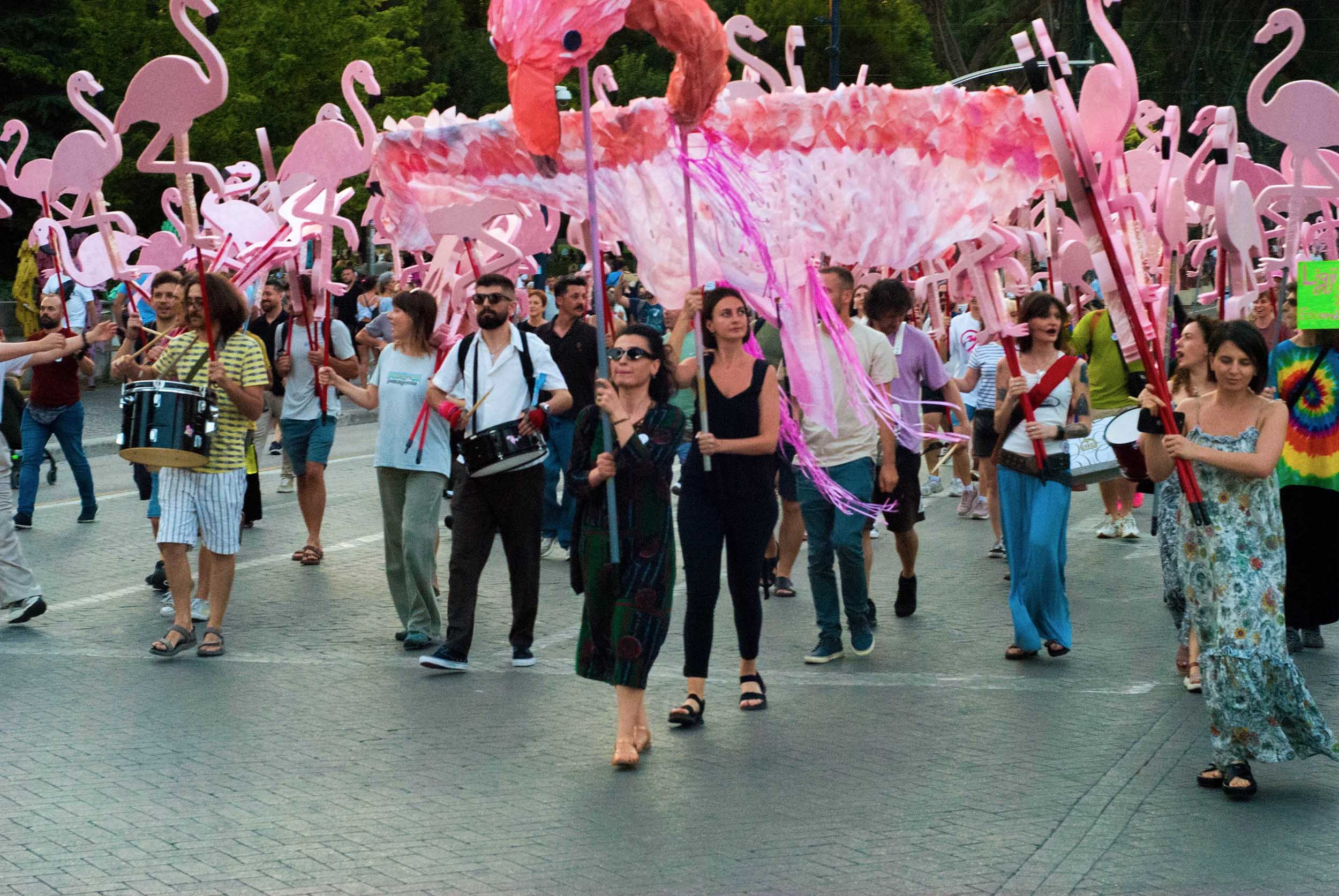
© Kedis Burrja, Flamingo Revolution
For more than a decade as an urban planner, I have come to understand that the city is more than a built environment—a product of human creativity. It is also the place where people are shaped, where social relationships are formed, and where they learn whether or not to become creative themselves. For nearly two centuries, urban space has been not only the setting in which the modern citizen has emerged, but also the environment that has shaped the way people understand both the world and themselves as social beings.
My experience over the past three years in landscape architecture has reinforced my belief that the urban environment is defined by more than its streets, buildings, and public spaces. It is also shaped by something that is often overlooked: people's emotional connection to the places where they live. This cultural and emotional bond is just as important as the city's physical conditions. Human beings are not merely biological creatures; they are also cultural beings, shaped by history, language, and memory. These dimensions are reflected in the way we live in and interact with the city. Nowhere is this relationship more evident than in the social life that unfolds within urban spaces.
For more than sixty days, citizens have filled the public squares, expressing a shared concern. Yet beyond this concern, a new vision of the future is beginning to emerge. Although it has not yet been fully articulated, this aspiration reveals itself through a sustained resistance to an established order that no longer makes such a future possible. This resistance is not merely bringing together different demands; it is also transforming the people themselves, who are discovering within themselves courage, love, and possibilities they had never imagined before. For this reason, it has marked the beginning of a new era, one that is coming to be known as the Flamingo Revolution.
At first glance, this may appear to be a large civic protest. But it is more than that. The demonstrations and the broad public participation are only the visible expressions of a much deeper process that is taking shape. To better understand what is happening, I would like to highlight three characteristics that, in my view, define this phenomenon.
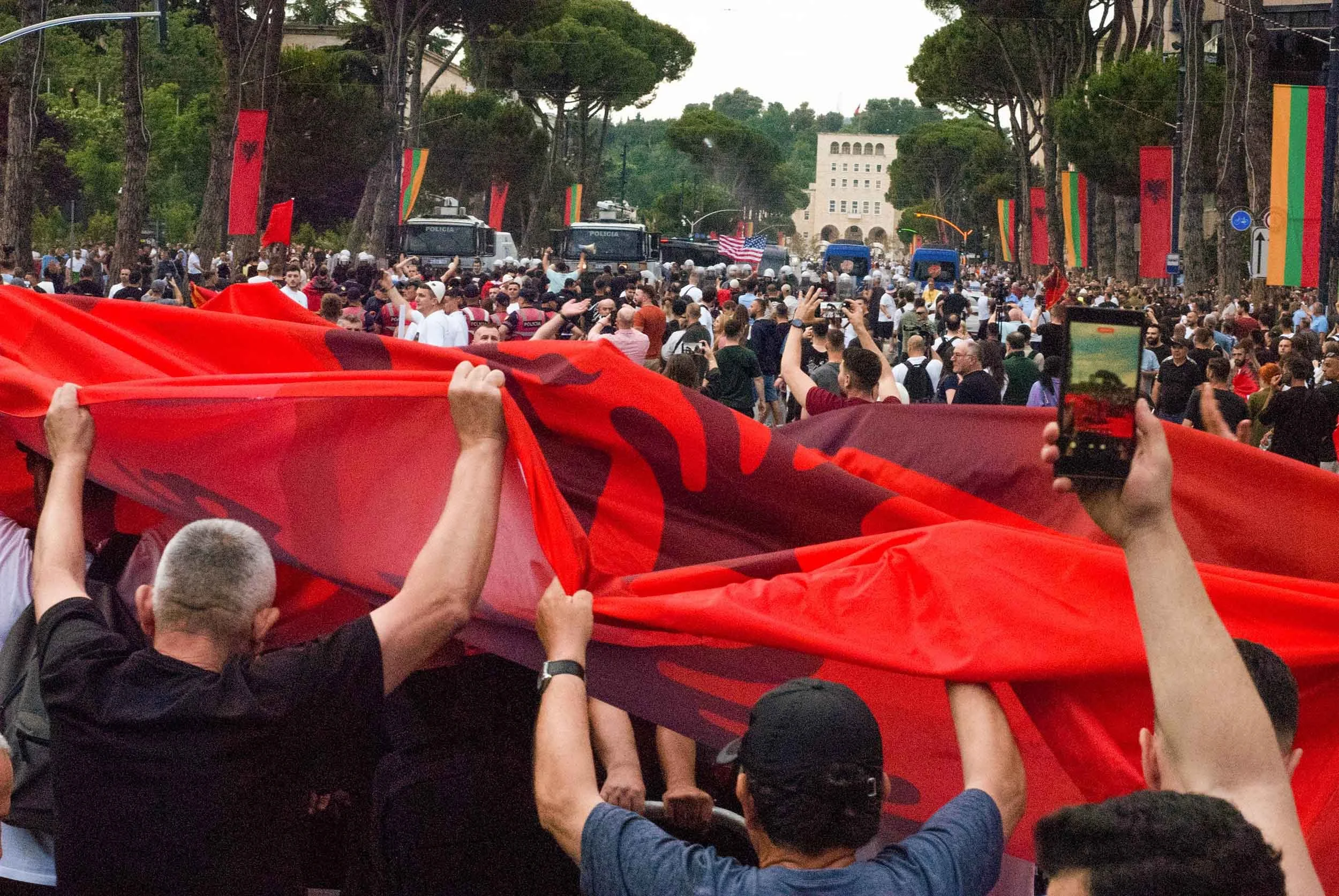
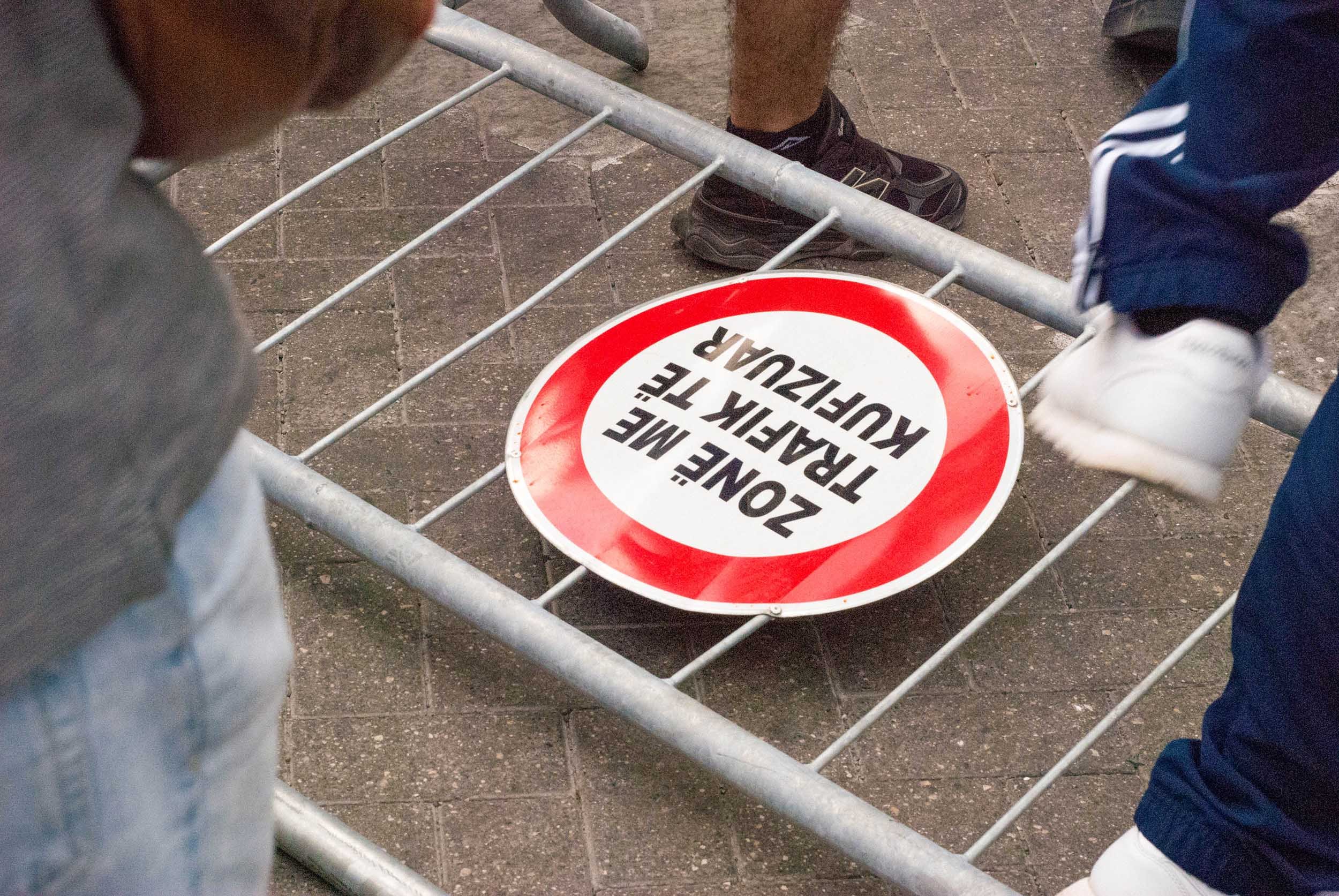
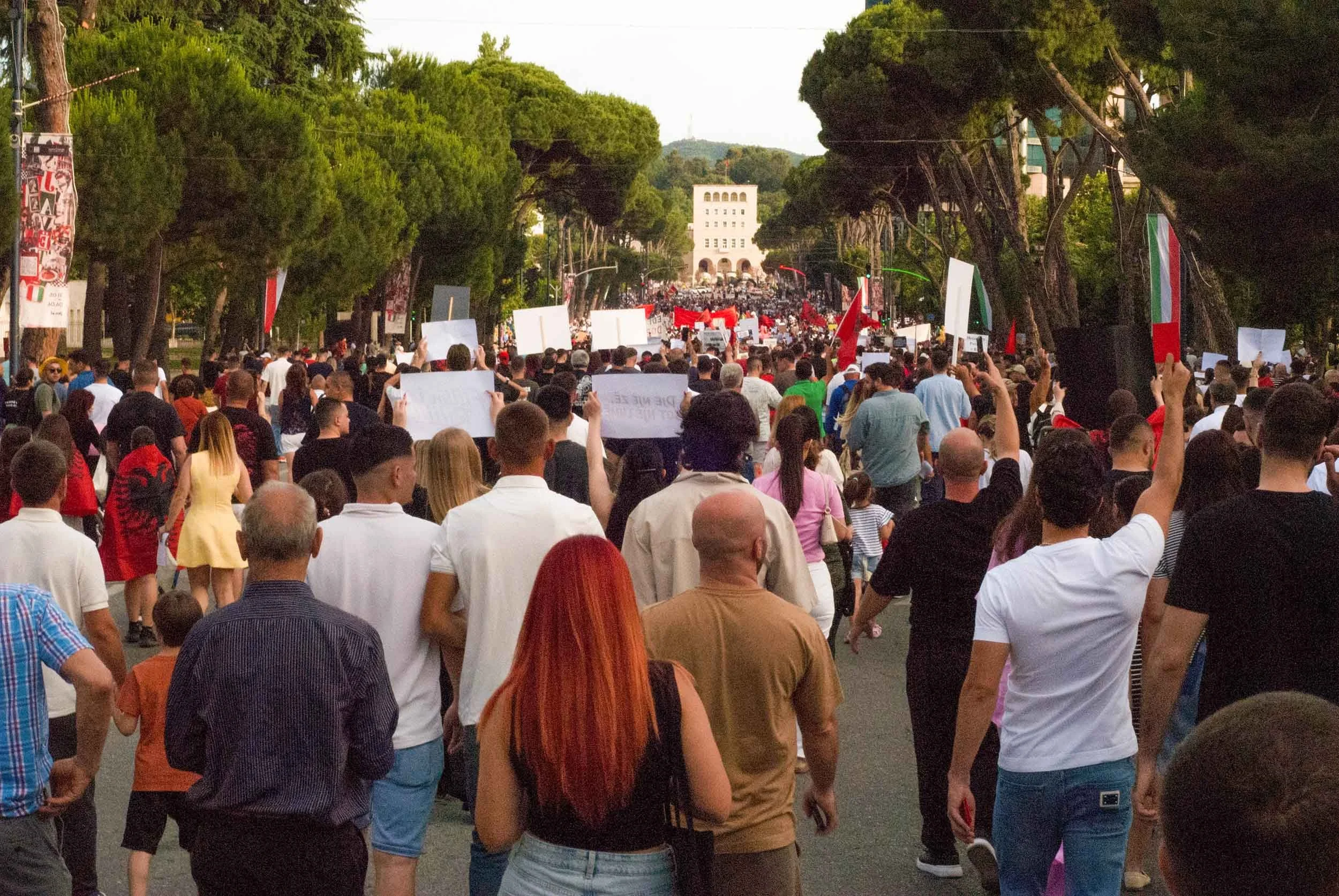
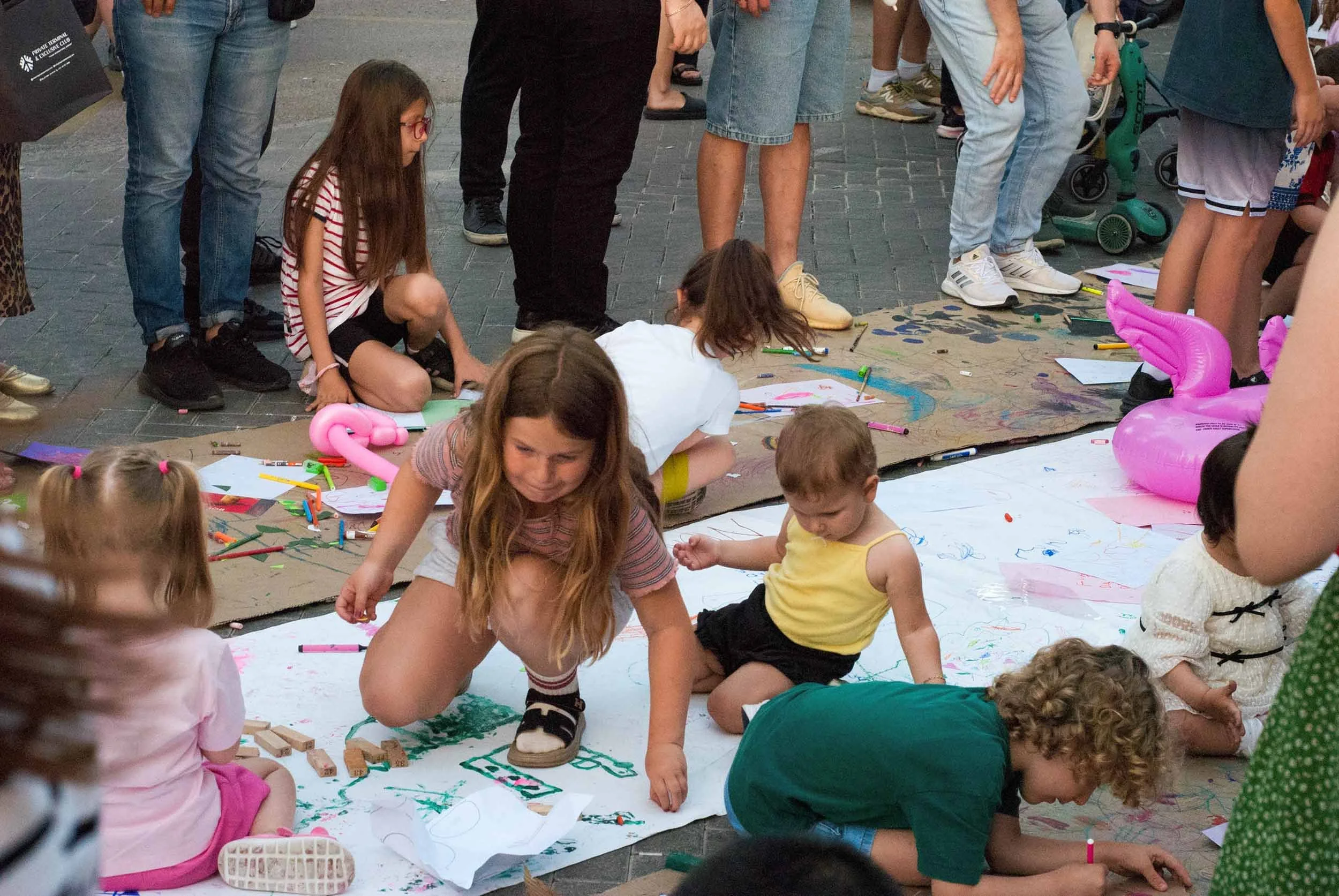
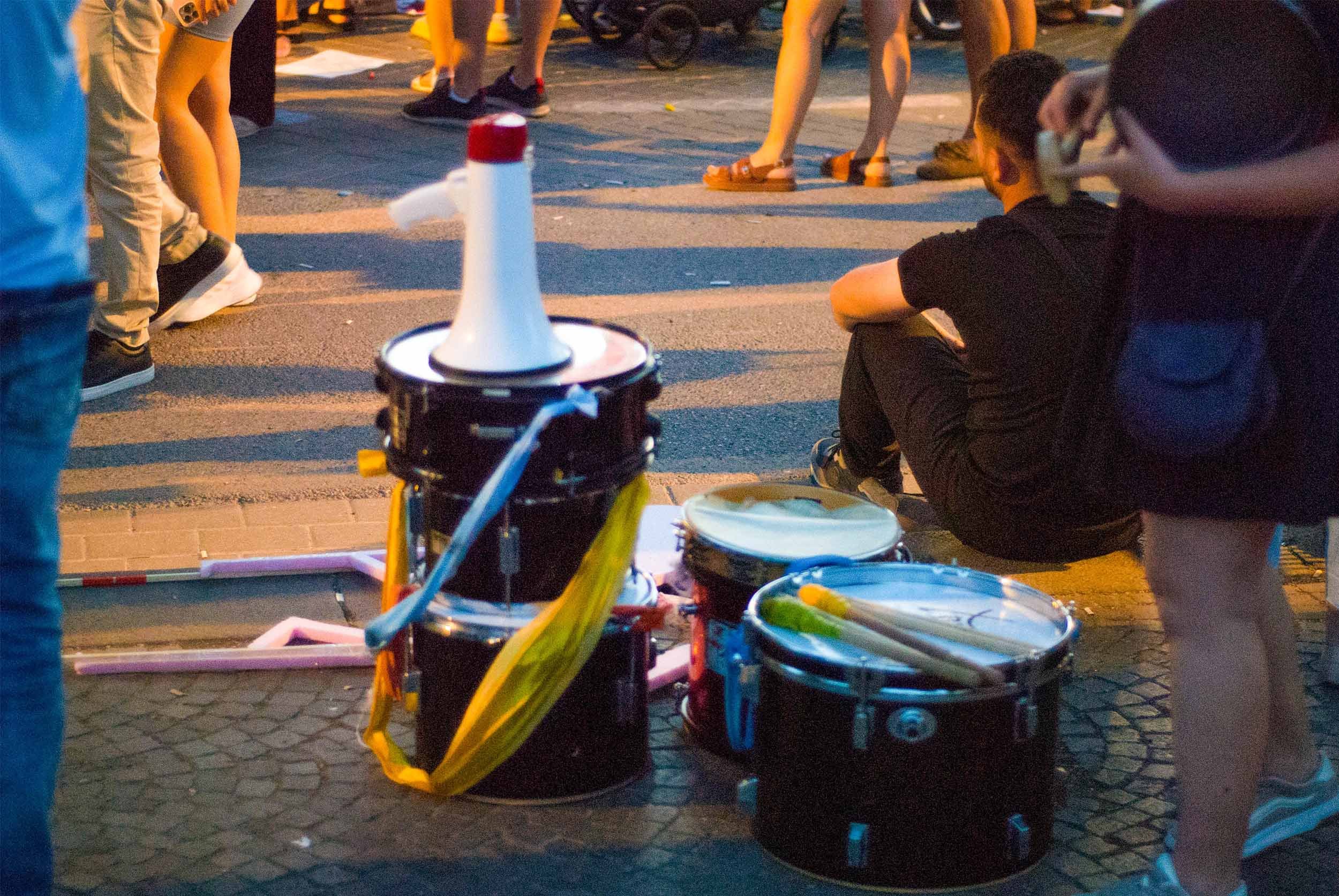
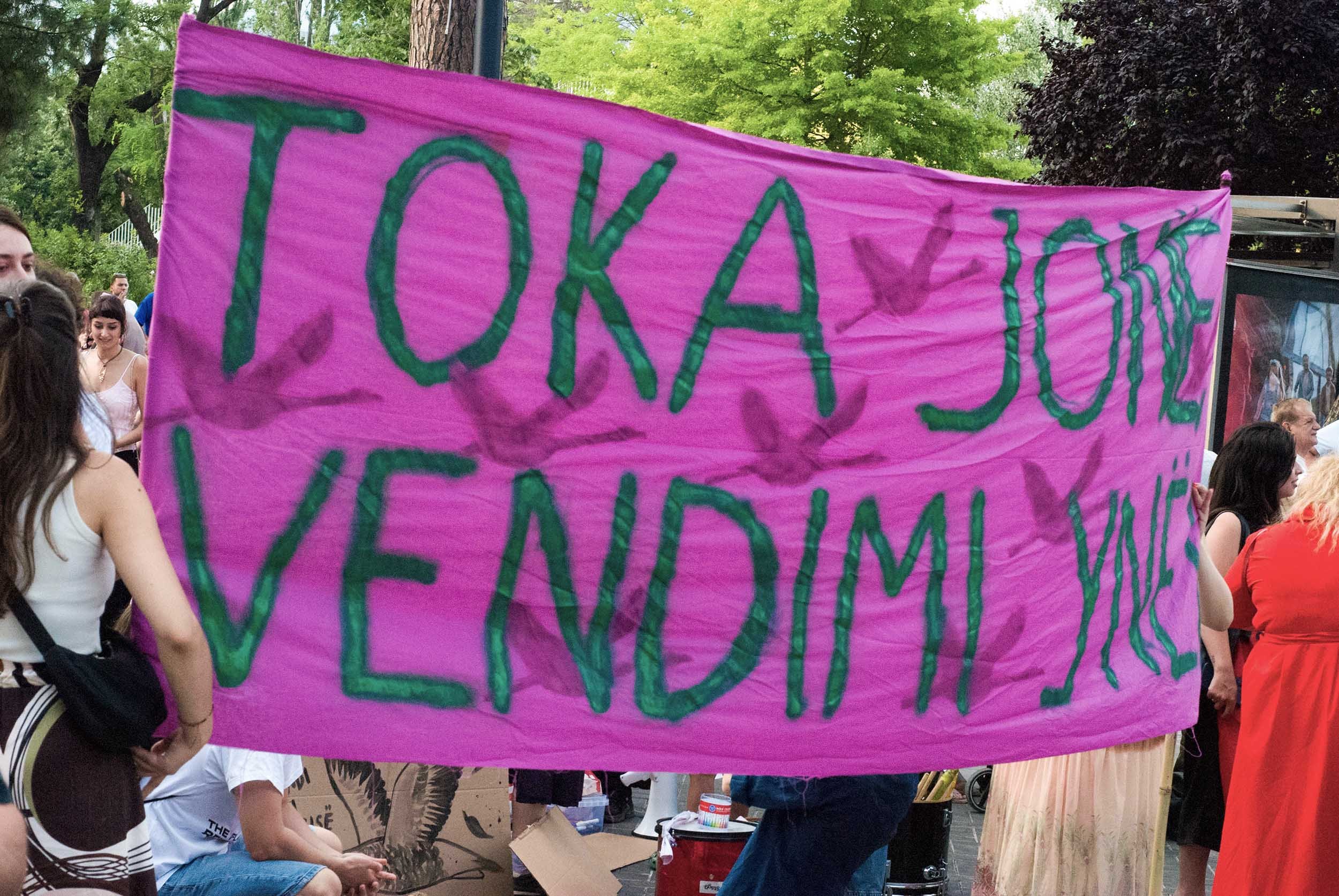
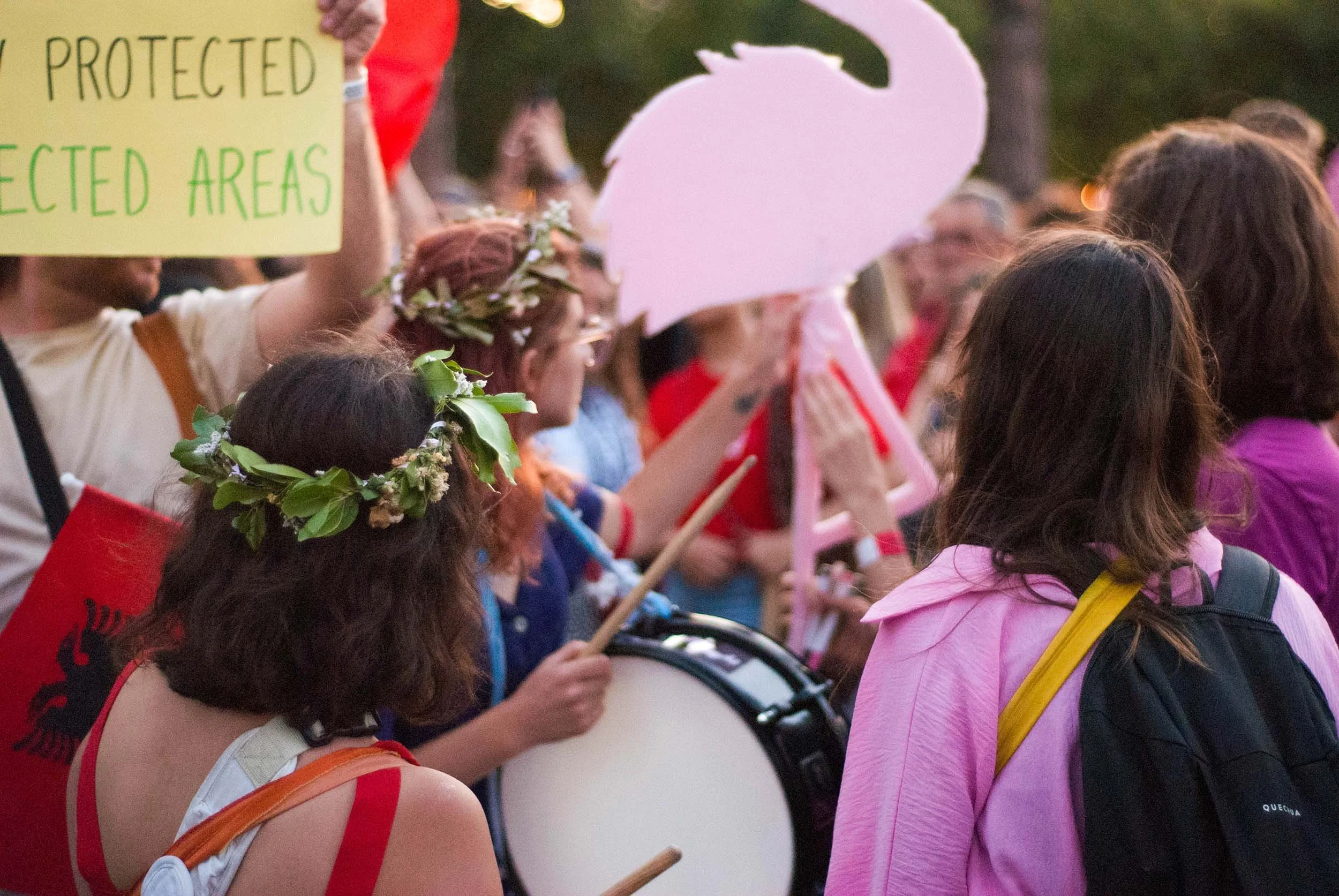
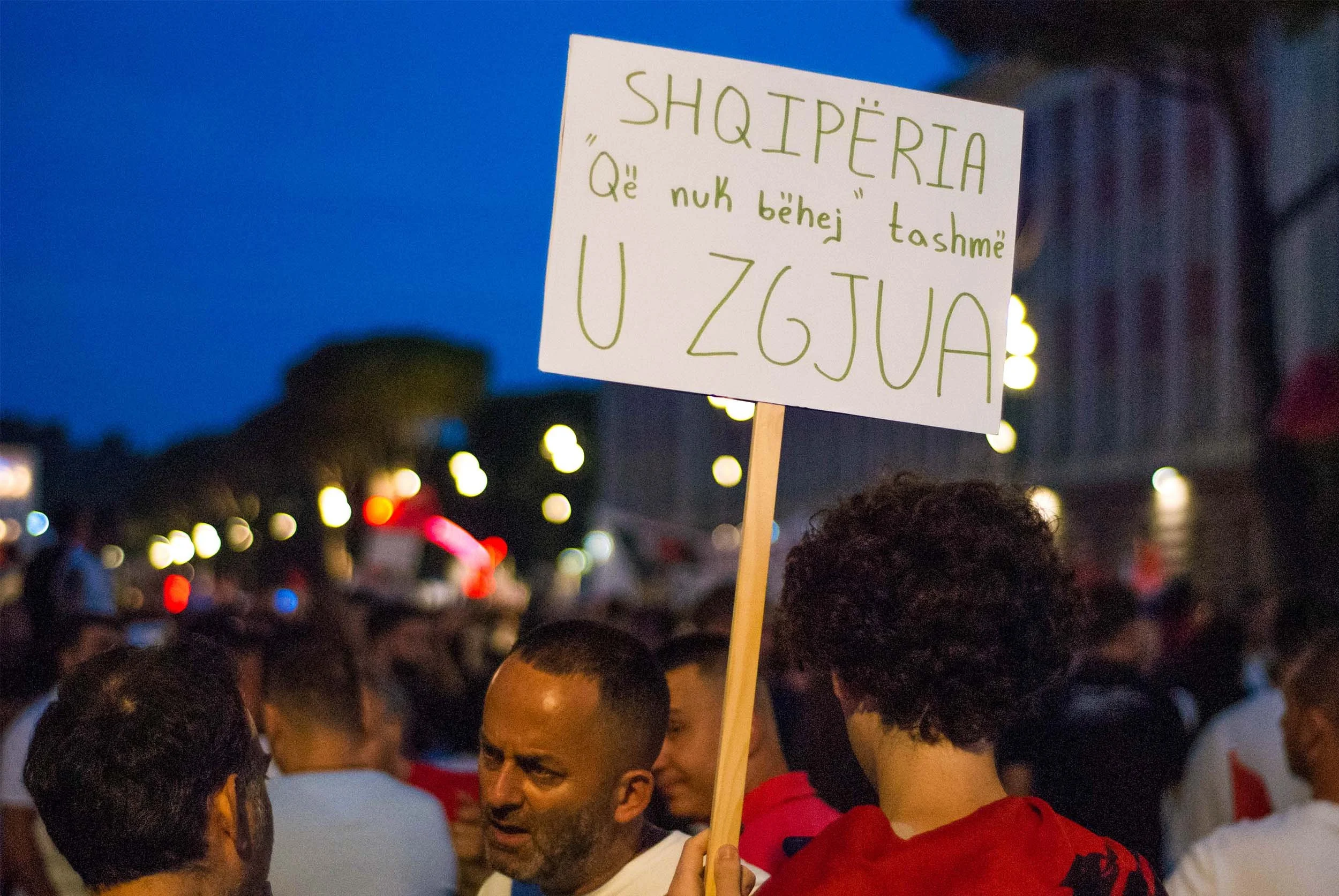
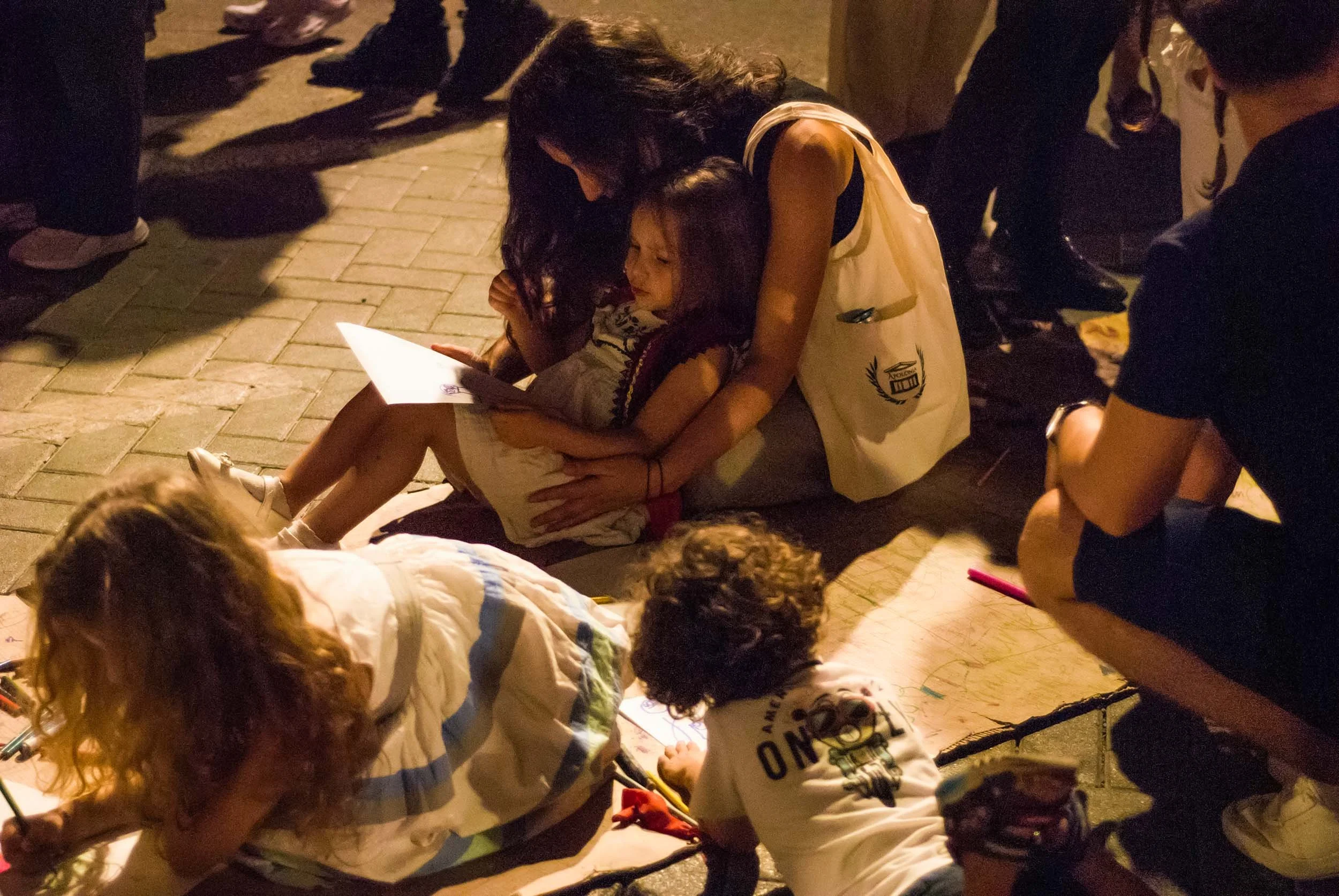
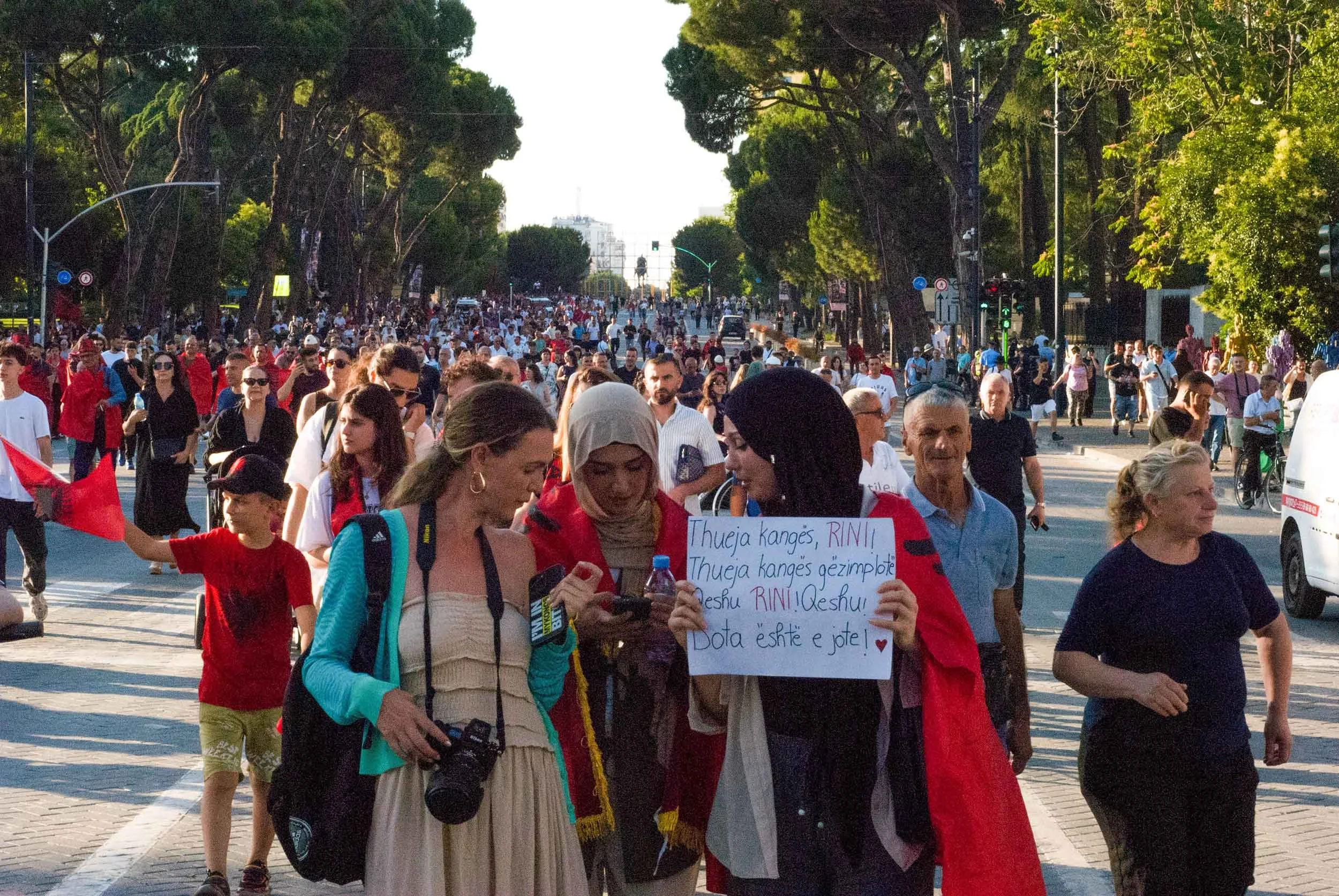
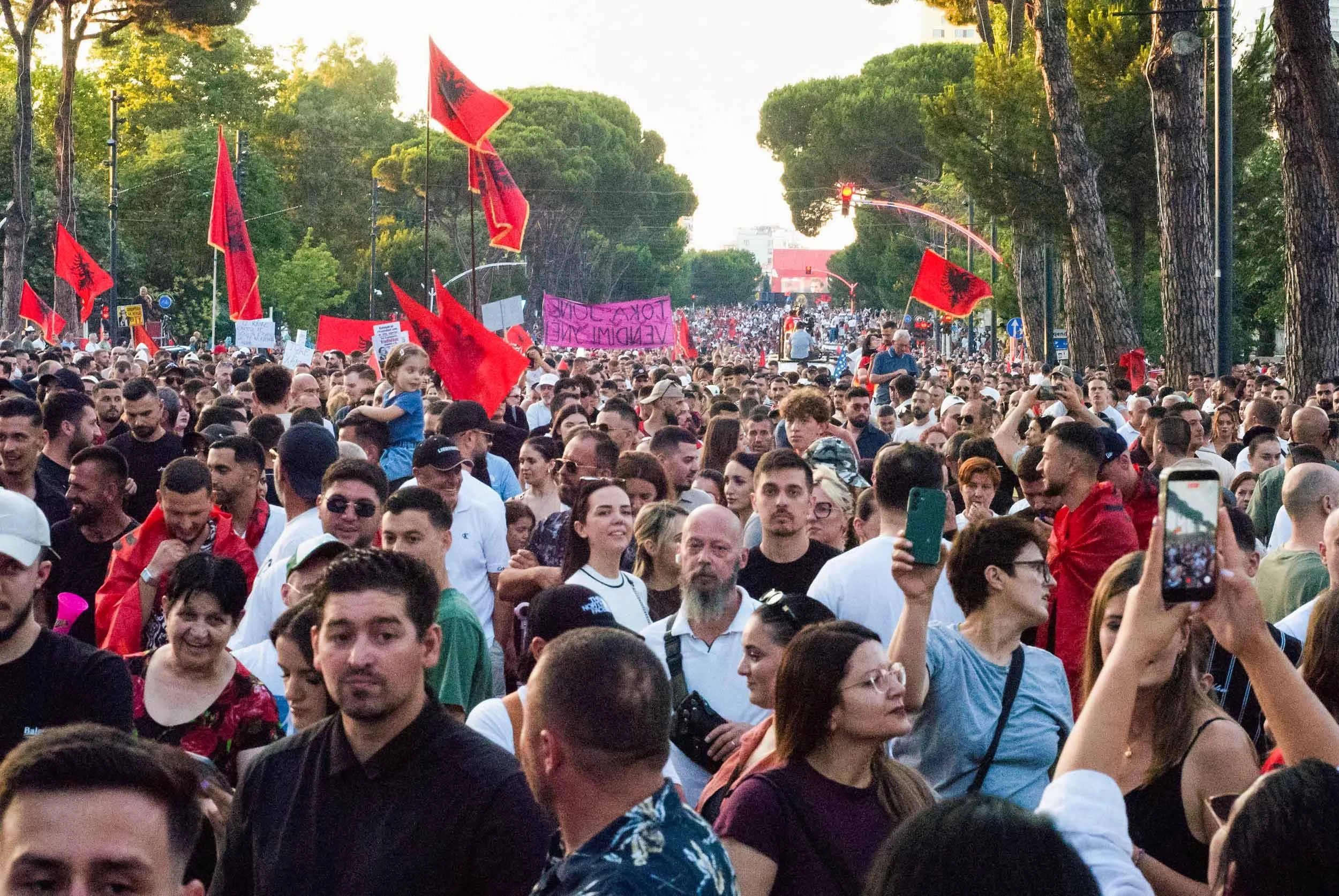
The first characteristic is its national character. This movement is not confined to Tirana alone. Although the capital remains the main center of the protests, demonstrations are taking place in cities, towns, and communities across Albania. The same is true in cities around the world where Albanians live. Taken together, these gatherings show that the movement has transcended both the capital and the country's borders, bringing Albanians together wherever they are in a shared sense of national belonging.
The second characteristic is its civic nature. Through this movement, Albanians are discovering within themselves a form of citizenship unlike any they have encountered, even in the Western world. For more than two months, they have sustained a peaceful resistance in defense of an area of exceptional natural value. Yet this is not merely a struggle to protect a natural landscape. It also springs from people's deep attachment to the place where they grew up and which they refuse to lose. It is precisely this bond with the environment, combined with a peaceful and responsible civic spirit, that makes this movement in Albania a new model of civic engagement —at once deeply personal and genuinely public.
The third characteristic lies in the way this movement has transformed how people speak and understand one another. The words heard in slogans, discussions, and public gatherings are not new. What is new are the meanings they have acquired. This transformation is most readily understood by those who experience the movement firsthand, while it remains more difficult to grasp for those who know it only through screens. In this way, language is being enriched through its collective use. It is no longer employed merely to express dissatisfaction, but also to articulate new questions and concerns that, until recently, seemed impossible even to raise.
The territory is the stage upon which this new social event is unfolding. To understand it, one must leave the comfort zone and experience it directly. Perhaps by walking through the public square, perhaps by visiting the threatened places, or by speaking with the people who are striving to protect them. Only then does it become clear that this is not an ordinary protest, but the emergence of a new relationship between people and the place they inhabit. Each person must choose where to begin that journey. But without participation, no meaningful change can come to those who truly seek it.
The author of text and photos, Kedis Burrja was born in the city of Shkodër, Albania, in 1988, where he developed both his love of landscape and his early interest in painting. He completed his higher education in Tirana, where he continues to live and work. He is an urban planner with professional experience in local planning and the design of public and private spaces dedicated to human activity. For many years, he has also been an urban activist advocating for the protection of public spaces and the right to the city. His recent studies in landscape architecture have inspired him to explore public perception more closely, both through design and through documentary photography in the public spaces of urban environments.