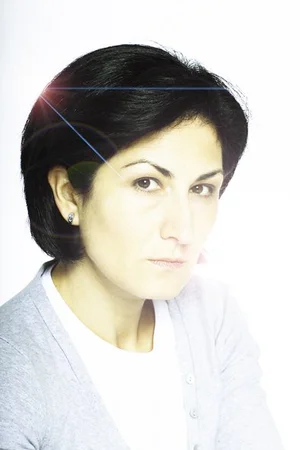
Thomas Krempke — Seeing the City Between Reality and Dream
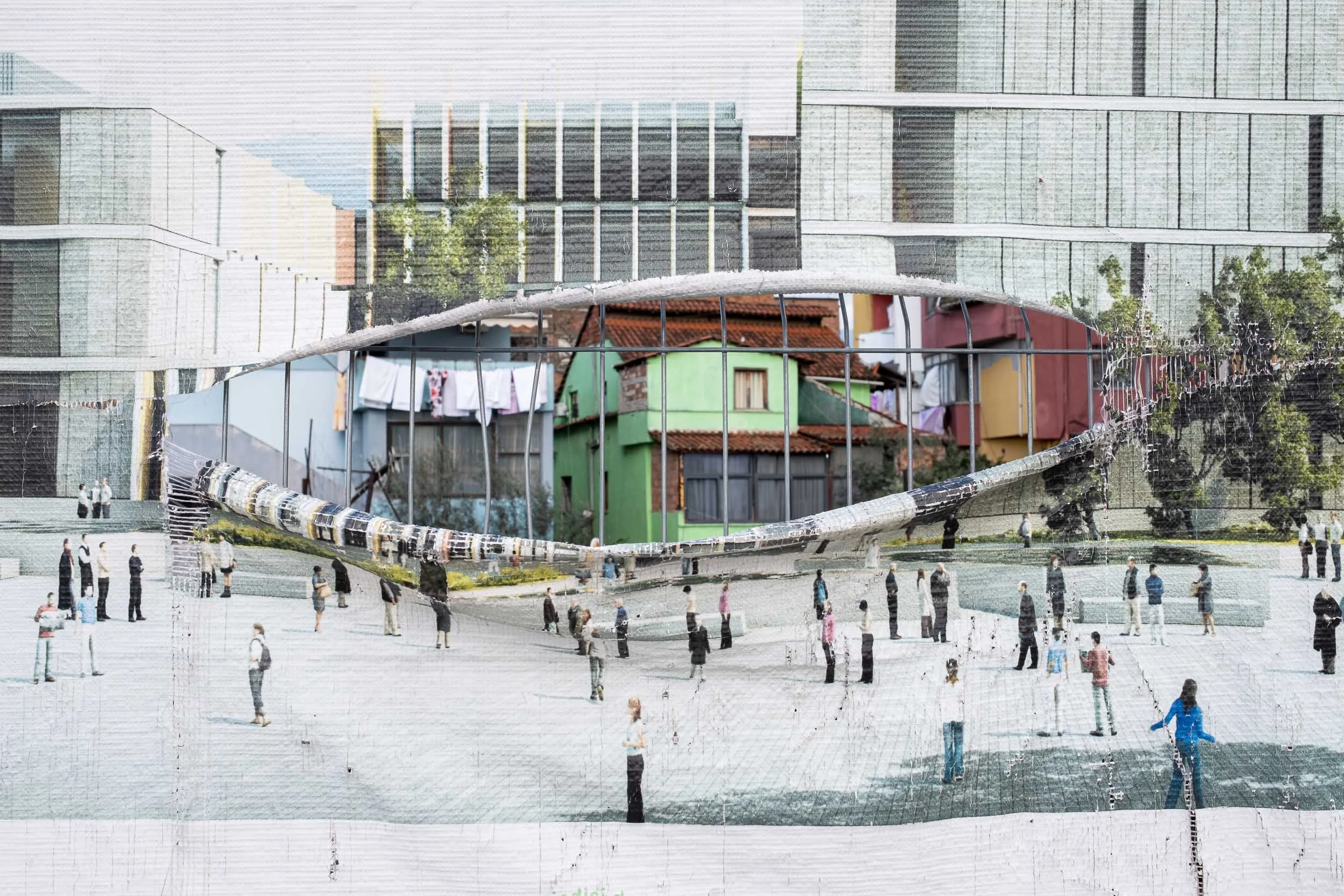
© Thomas Krempke, Tirana New Boulevard, 2020
There are cities you can read clearly—and others that unfold slowly, somewhere between presence and perception. In Albania, the urban landscape often feels suspended between past and future, between rapid transformation and unfinished narratives. It is precisely within this in-between condition that Thomas Krempke positions his gaze.
A Swiss photographer with a distinct sensitivity to atmosphere and spatial ambiguity, Krempke does not simply document the city—he reframes it. His images invite us to pause, to question what we see, and to consider how architecture is experienced not only as form, but as mood, memory, and projection.
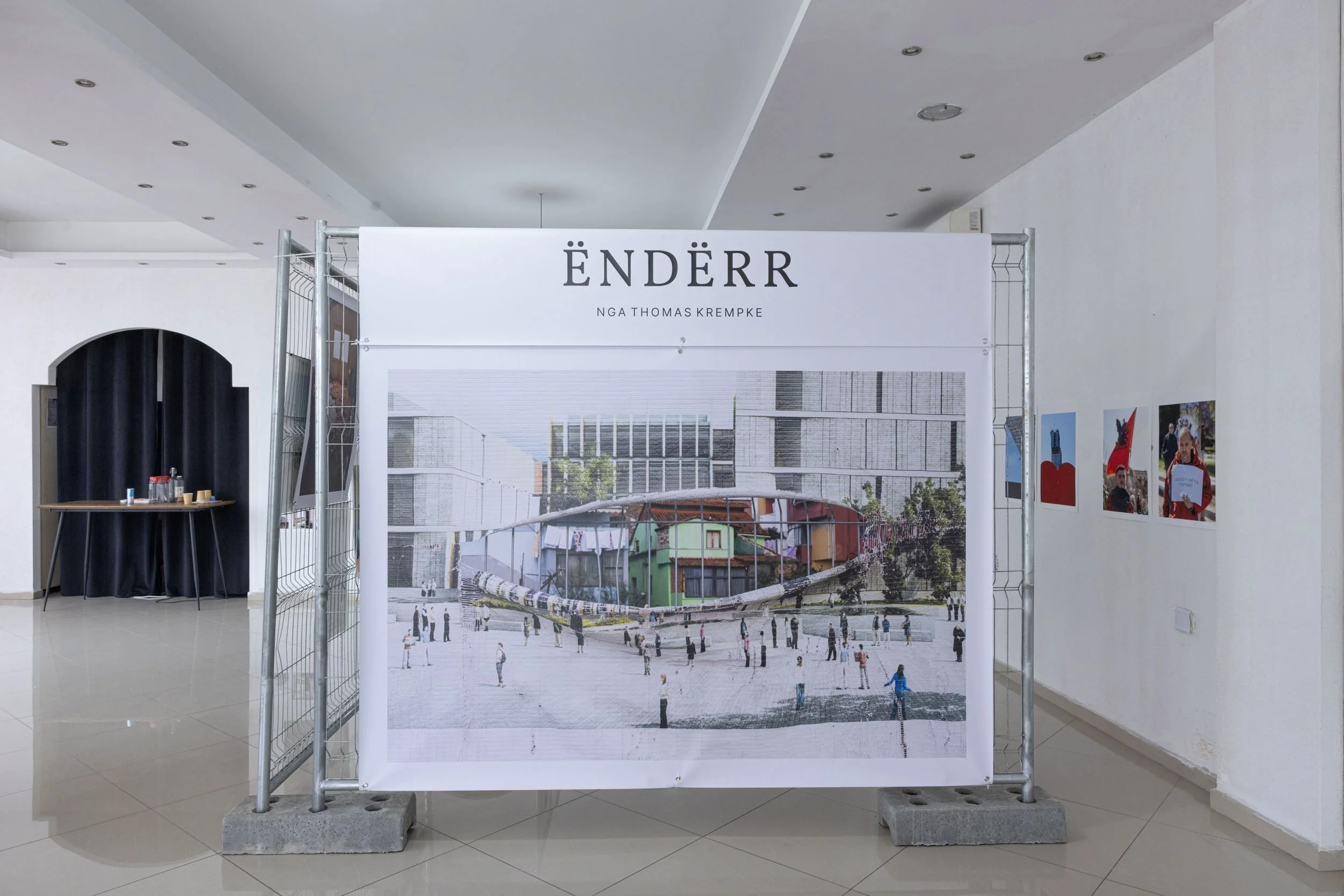
His latest project, ËNDËRR (“Dream”), developed in Albania, moves along this delicate line between the real and the imagined. Through fragments of streets, buildings, and everyday moments, the work constructs a quiet, introspective portrait of a country in flux.
We spoke with him about his photographic approach, his experience in Albania, and how images can reshape the way we understand urban space.
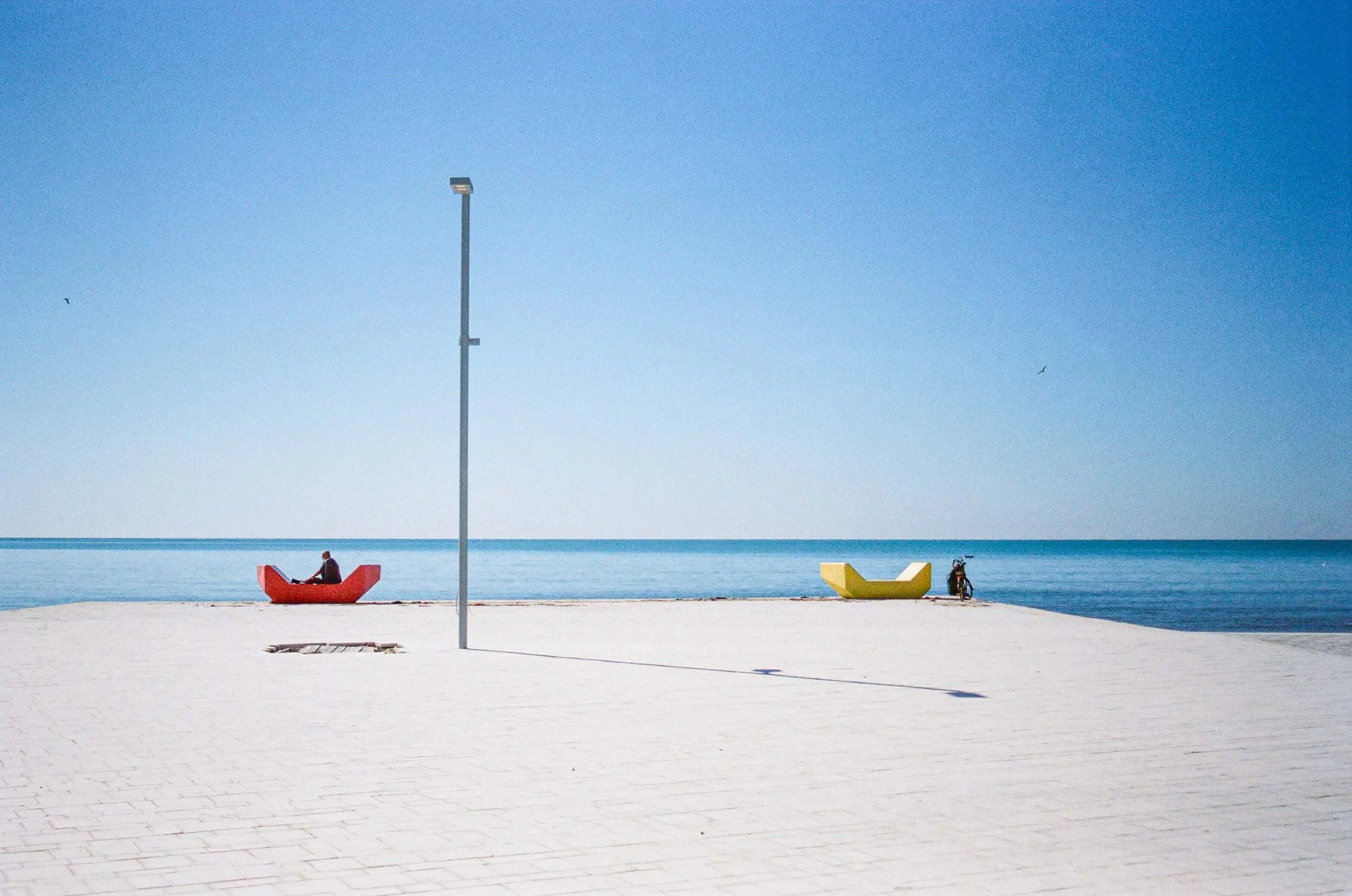
© Thomas Krempke, Durres 2020
Alketa Misja for Tatì Space: Hello Mr.Thomas! First of all, thank you very much for accepting the invitation to be interviewed by Tatì Space and sharing your work with our readers. Can you please tell us more about yourself? How did your journey into photography begin, and what drew you to urban and architectural subjects?
Your work lies between urban observation and poetic interpretation. You create visual narratives that go beyond simple documentation, inviting viewers to experience the city as an emotional landscape. How do you approach this tension between reality and representation in your images?
Thomas Krempke: I began making films at the age of 16 with a short film. At 22, I started studying Literature for two years, and then I attended Art School for Photography in Zurich from 1979 to 1983, as it was the closest field to cinematography, for which there was no school at the time. I have always been interested in places—where people live and how they live.
In 1980, I made a film with co-authors about house squatting in Zurich, during the 80-es movement of young artists for more cultural spaces in city. For the next 40 years, I made documentary films until 2008, when I returned to photography.
I began my first photography project, The Whispering of Things, as a photographic diary, but after two or three years I realized it had the potential to be developed more seriously, and it eventually became a photobook in 2016. The book is a diary of perception—how I perceive, what my gaze is, and what it means to look. There are no portraits in this work.
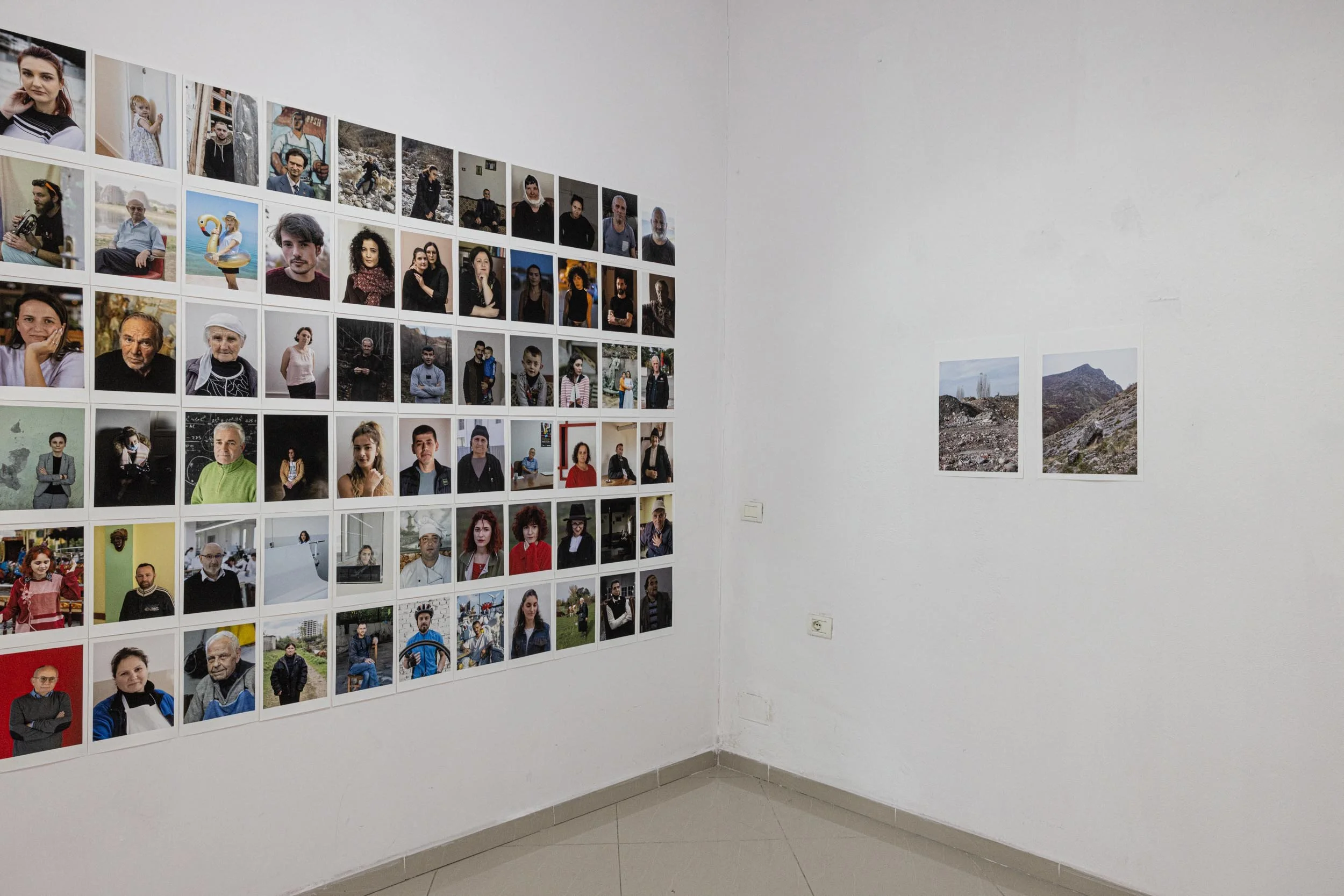
I started making portraits for the project Ëndërr, as I wanted from the beginning to include people. I attended a workshop in Arles with the well-known photographer Yann Rabanier to learn portraiture. I was always afraid of photographing people, but now I take pleasure in it.
As in all my projects, I do not aim to be too realistic. I want people to see reality differently after experiencing my photographs. It is all about perception.
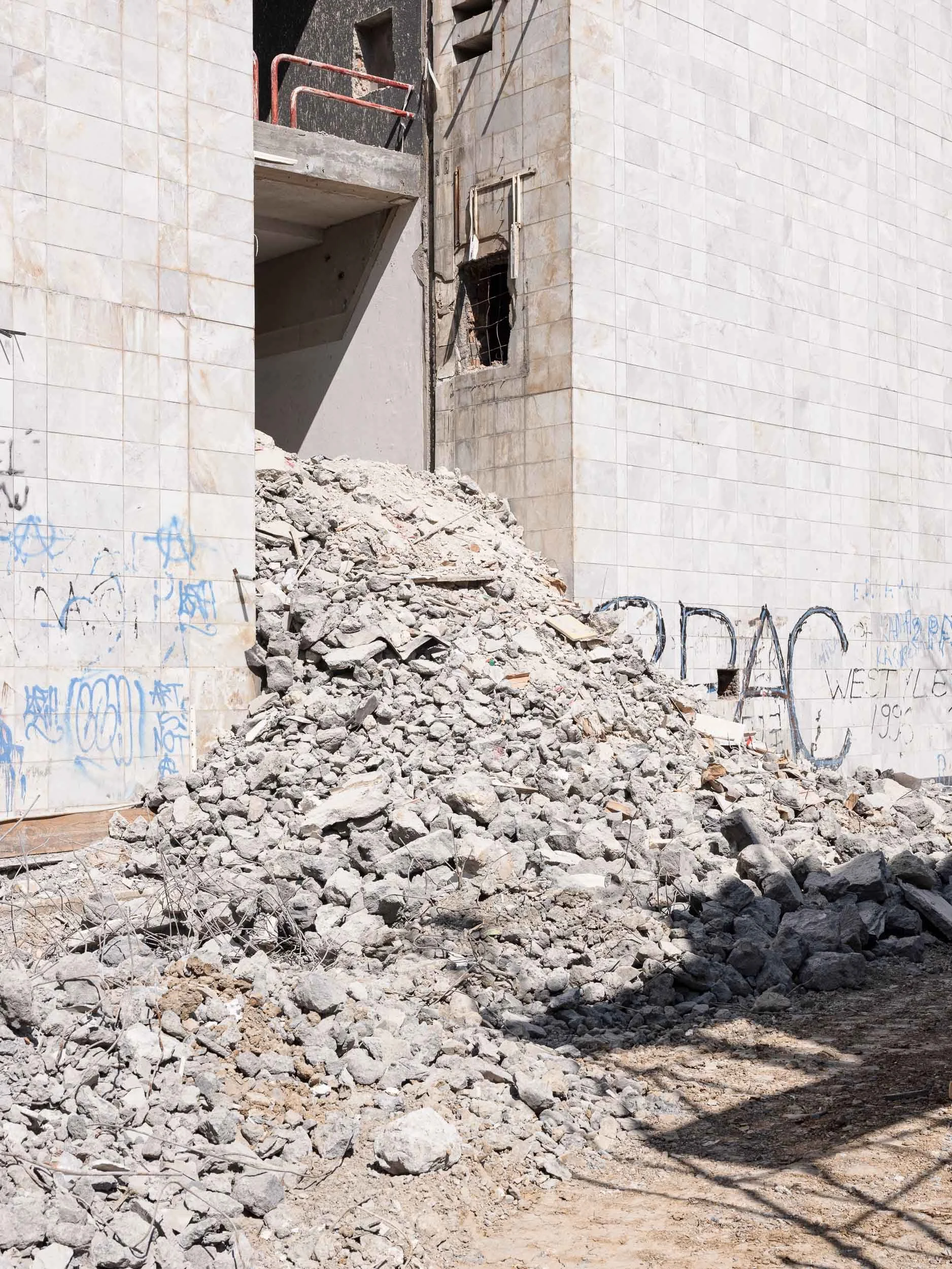
©Thomas Krempke, Piramida of Dictator, Tirana 2022
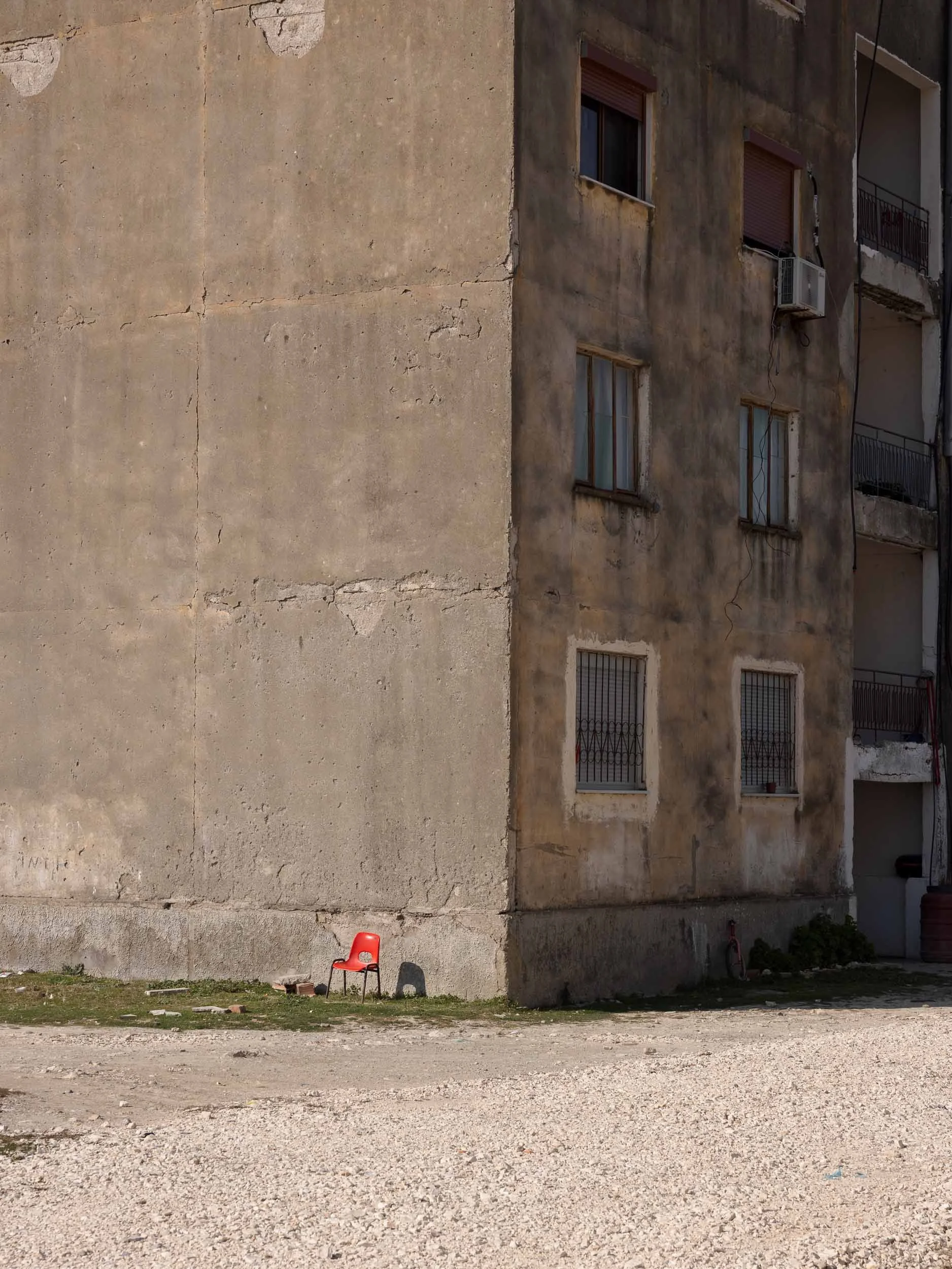
©Thomas Krempke, Adriatik 2022
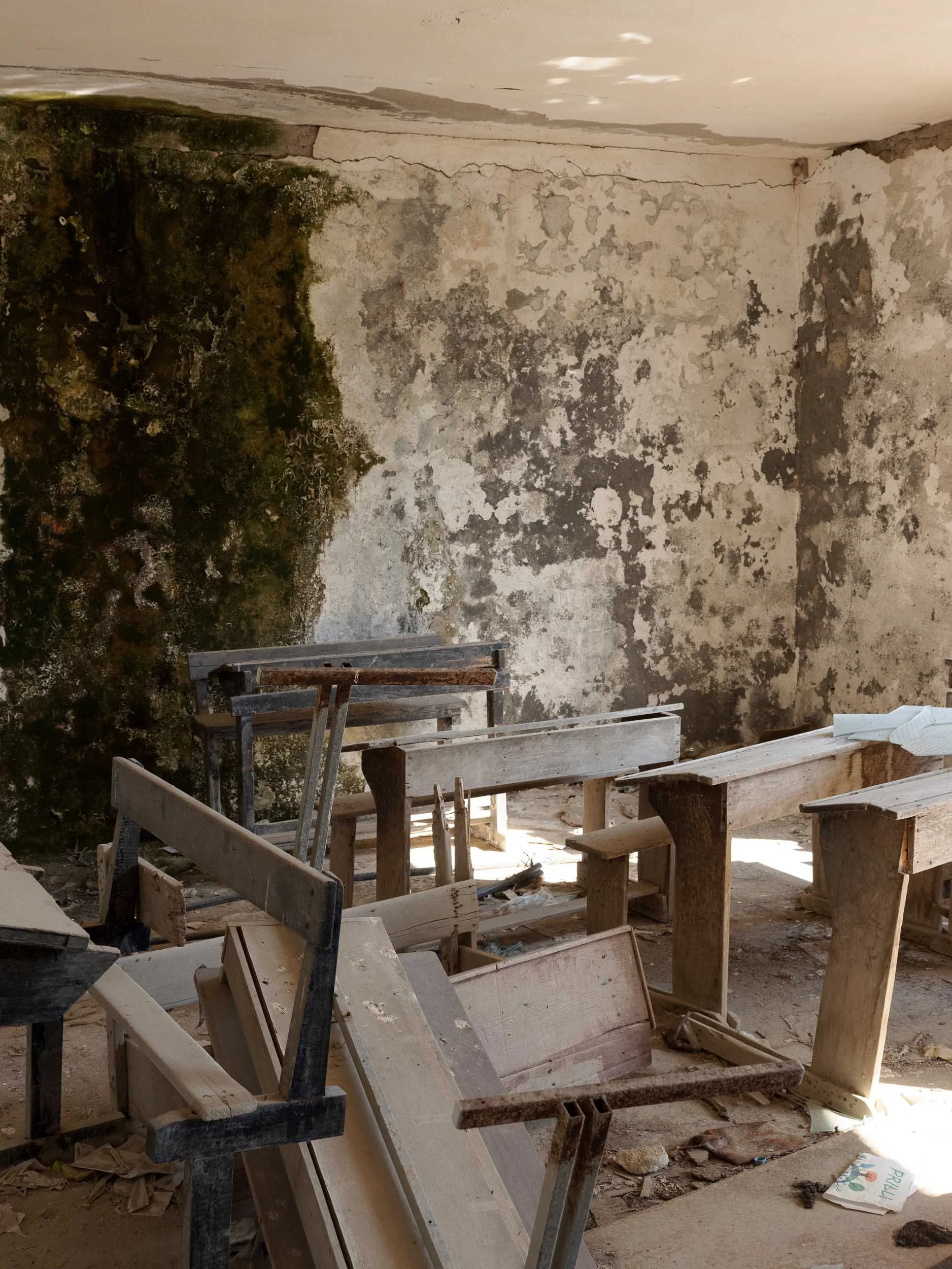
©Thomas Krempke, Adriatik School 2022
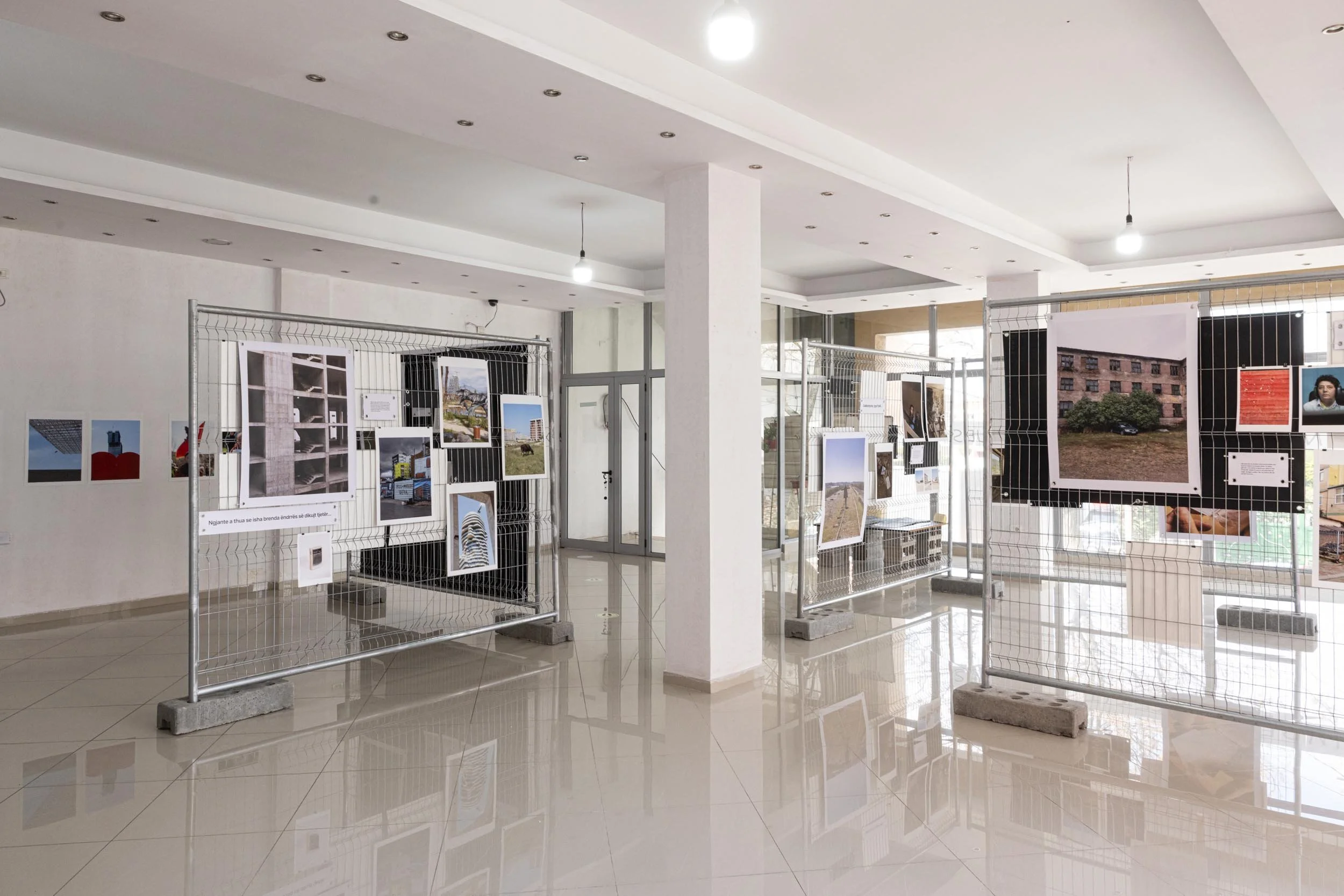
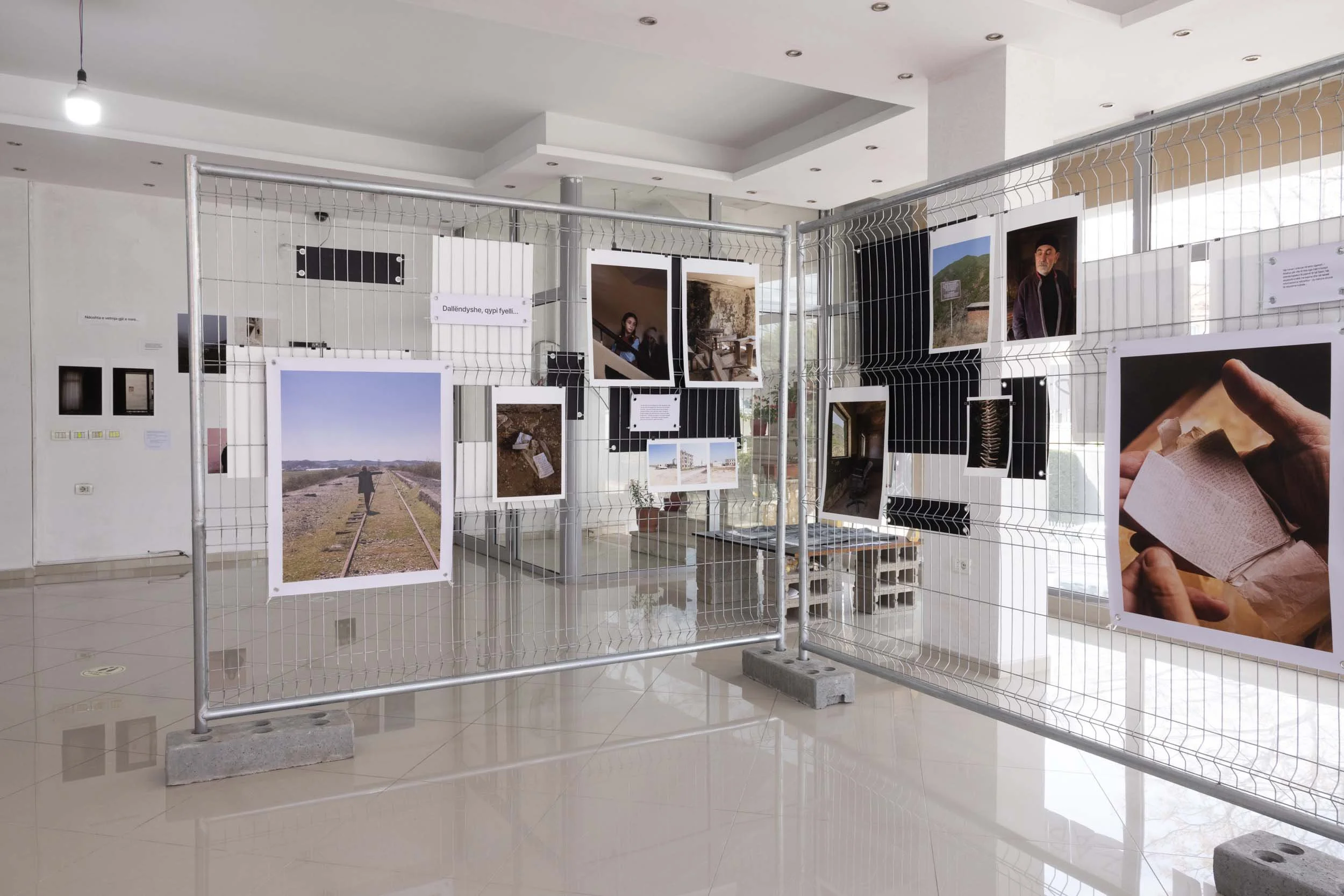
Tatì Space: From 5 years now you are photographing in Albania. Your recent project ËNDËRR was presented in the exhibition at Grupi ATA in Kamza, Tirana from March 26- April 16, 2026. What was the starting point or impulse behind this project?
The title ËNDËRR (dream) suggests a subjective or poetic layer—how does this idea translate into your visual language? What kind of spaces or urban conditions were you most interested in capturing in this series?
Thomas Krempke: The project on Albania began with my first visit in 2017. I was fascinated from the very beginning. What captured my interest was how the contrasts and contradictions of society are highly visible in the urban fabric. It is a post-communist society in transformation, but in some respects different from other Eastern European countries. Albania was very closed during the regime, and its openness to democracy and capitalism happened very quickly—almost like an explosion—which makes these contrasts and contradictions more visible than in other countries.
I began photographing during my second visit in 2019. I walked extensively through the city and was amazed by its chaotic development. For me, this was particularly interesting, because the houses and places seem to have stories to tell. There is the Boulevard and the Center, but the more you go out in periphery, the planning disappears.
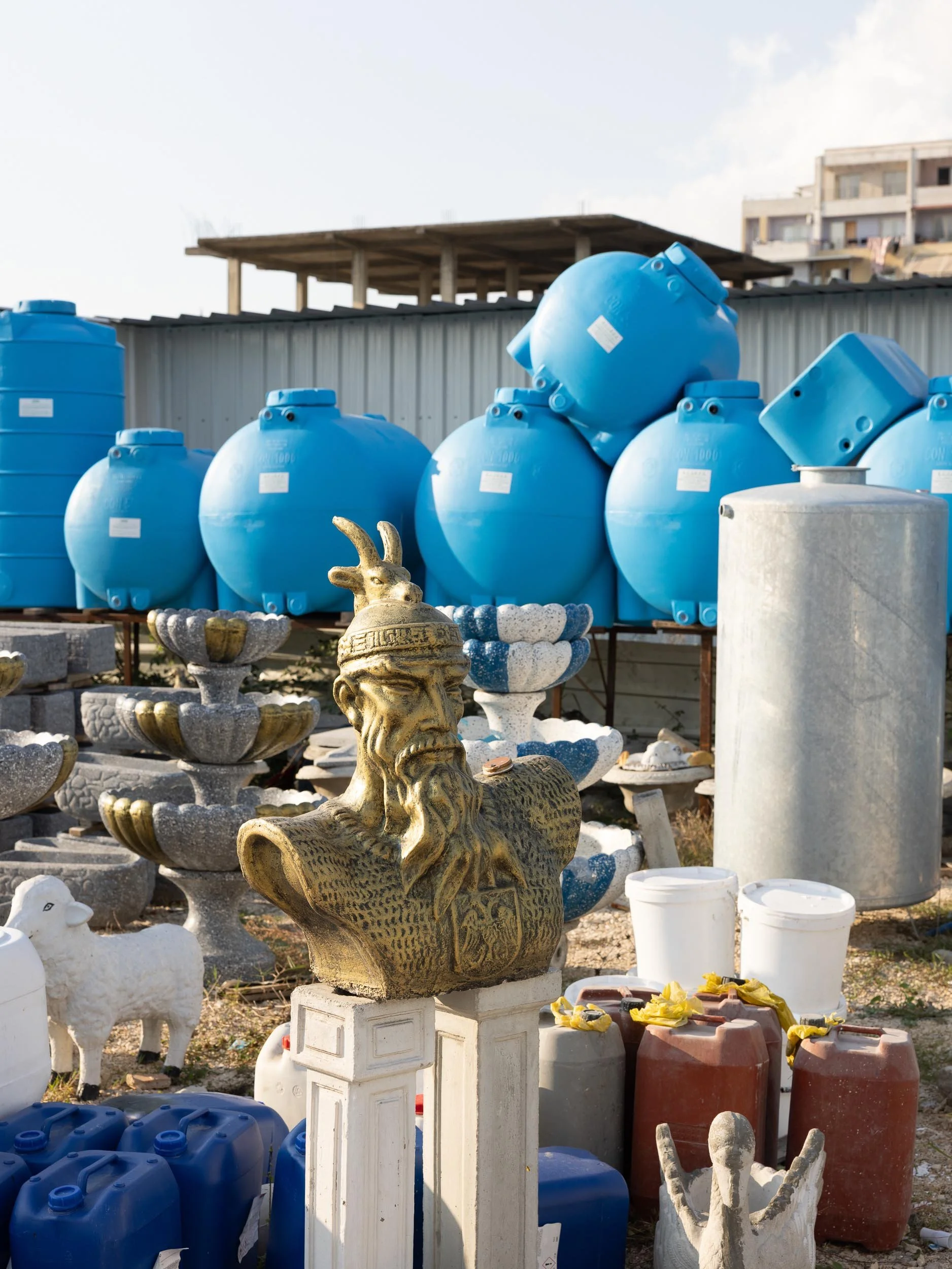
©Thomas Krempke, Kamza 2021
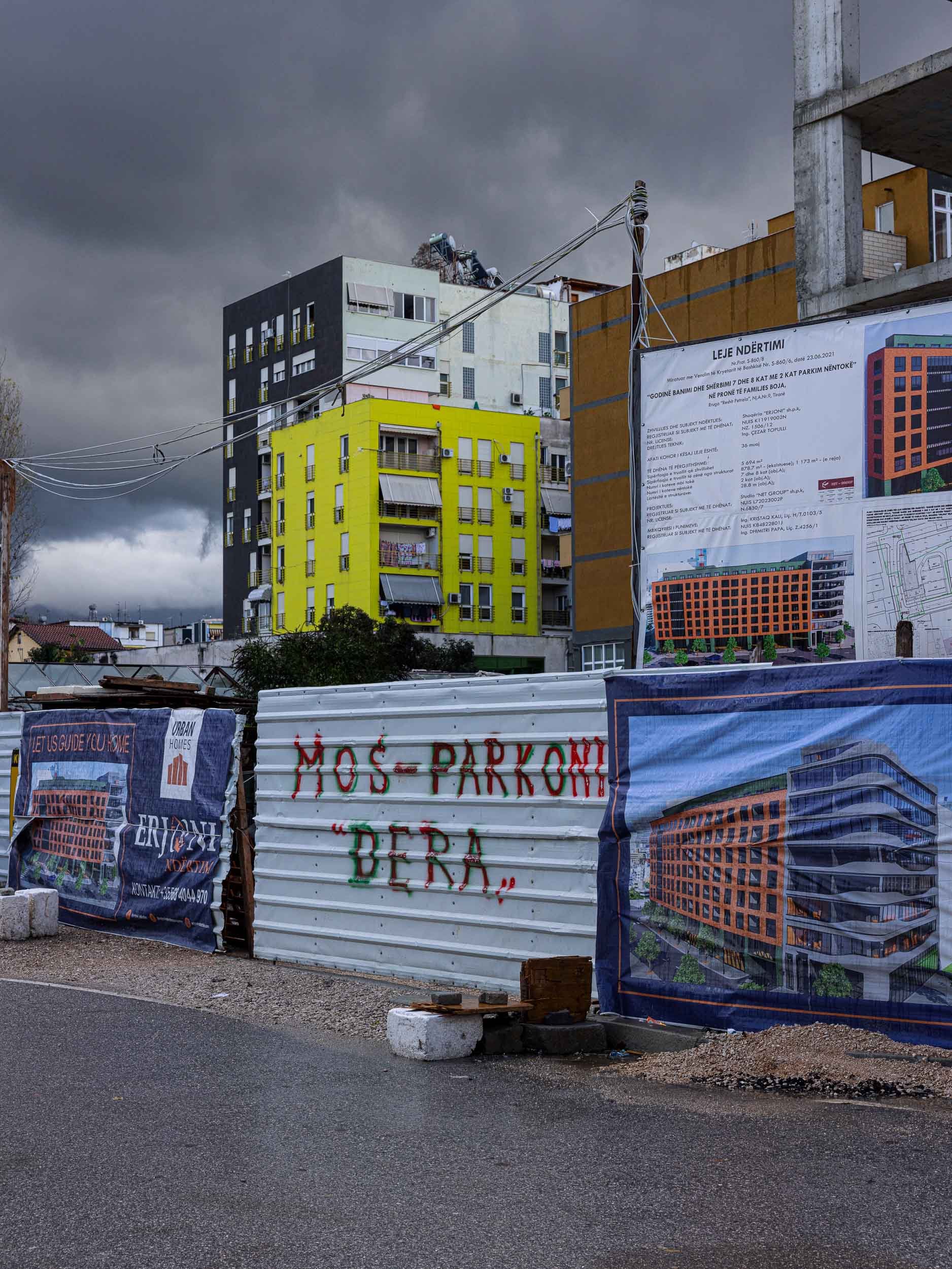
©Thomas Krempke, Tirana New Constructions 2022
The first part of the project was exhibited in 2022 under the title “Shi bie në Tiranë” (It’s raining in Tirana) at Gallery Kriens. In 2023, part of the project was exhibited under the title “Today–Yesterday–After Tomorrow” at Galerie am Platz, Eglisau, Switzerland. However, the title of the photographic project has remained the same from the beginning: ËNDERR (Dream). It is exhibited under its original name for the first time here in Albania, at the premises of Group ATA in Kamza. The exhibition is supported by Group ATA and the Swiss Embassy in Tirana, to whom I am very grateful.
The title refers to the Albanian dream of finding fortune and happiness—either as an emigrant abroad or in the capital, Tirana. At the same time, it reflects the opposite dream of Central Europeans searching for an undiscovered, “authentic” tourist destination. What fascinated me was how these two dreams intersect in a place that no one quite knows how to locate. This is what I wanted to convey through my photographs from the very beginning.
During my research on Albania, I also noticed the word “dream” recurring everywhere—in novels, poems, and song lyrics—accompanying me like a leitmotif. I therefore decided it was a very fitting title for the project.
Interestingly, I have always been drawn to dreams. I dream frequently at night, and for a time I kept journals in which I wrote them down. I no longer do this. Instead, I photograph situations that feel contradictory, like dreams—where old and new, finished and unfinished, all come together in a non-rational way, such as in the image of the unfinished hotel in Golem with white columns.
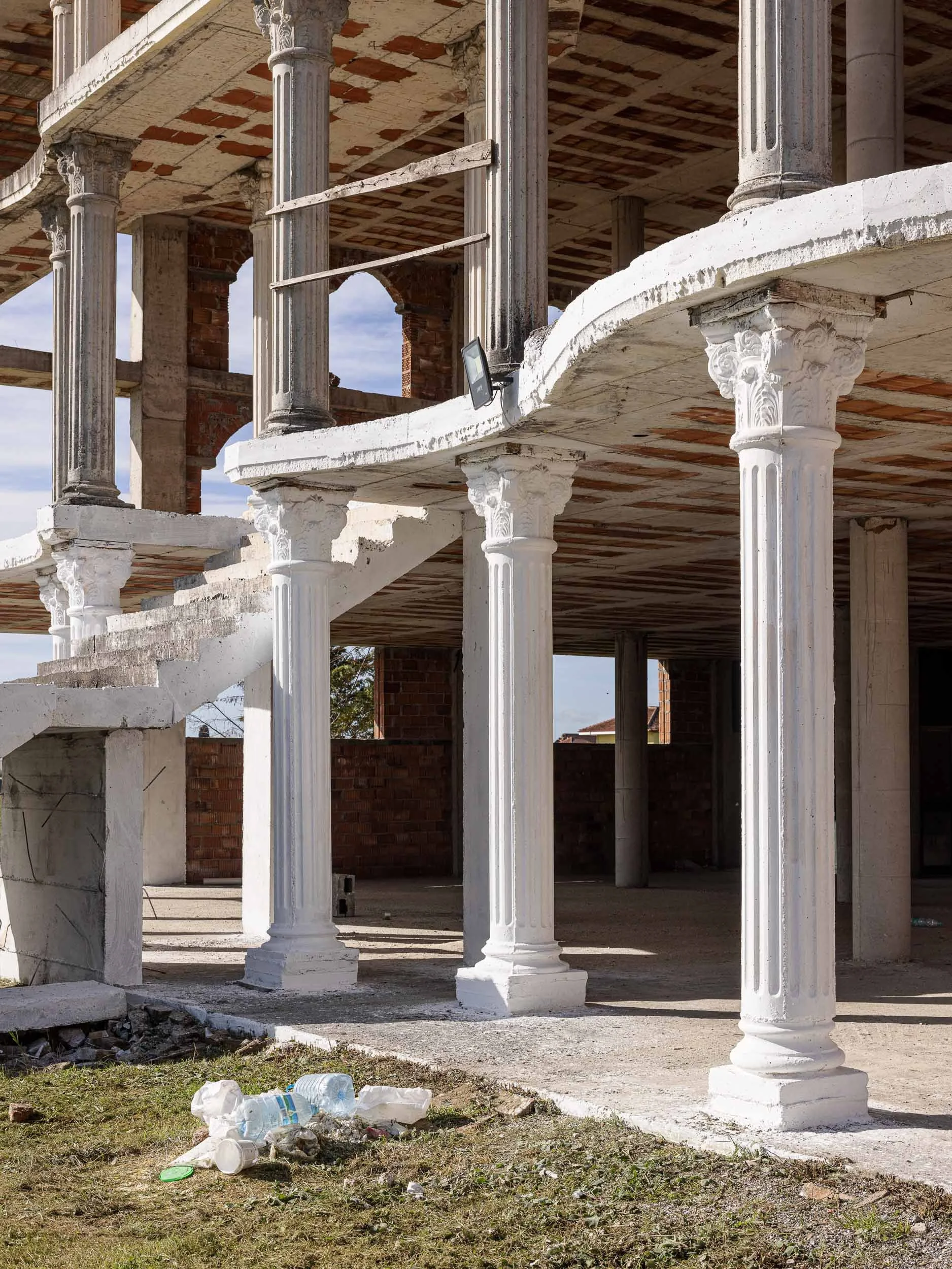
©Thomas Krempke, White Colomns, Golem 2024
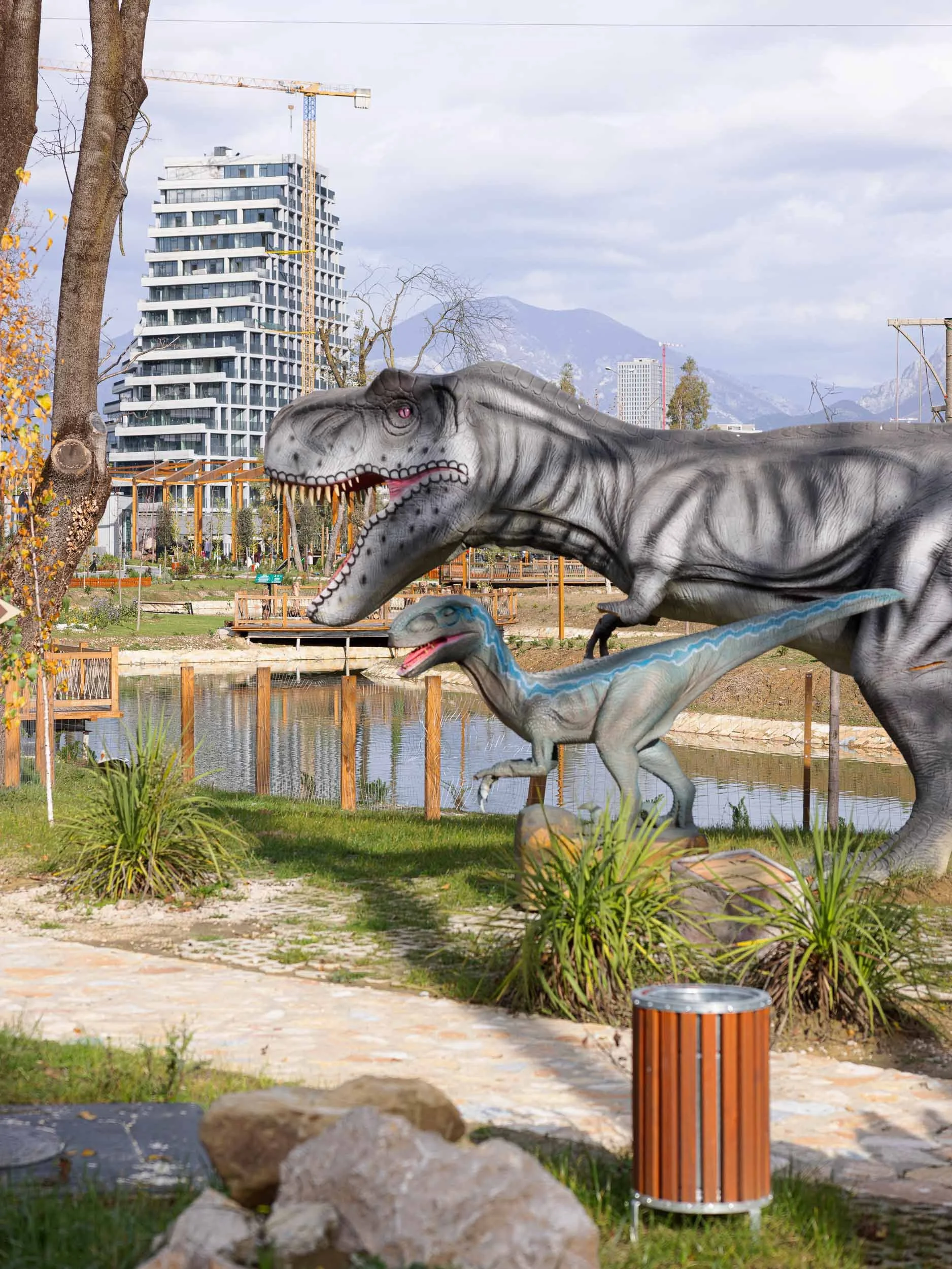
©Thomas Krempke, Tirana Zoo, 2022
Tatì Space: In your images appear different elements like informality, rapid development, layered histories, the past and the future both competing for supremacy in a place that is striving to live in the present (quoting you). Did you encounter specific urban phenomena that influenced your way of seeing or framing?
One of the poems that you have chosen for the Exhibition, that I like very much, is “Ënderr” of Visar Zhiti, written in 1982 during his political imprisonment in the infamous Spaçi prison. How does the idea of “dream” shape the way you see and photograph the people and places? How do you see the role of photography in shaping memory and understanding of urban space?
Thomas Krempke: The project is about individual dreams—about people who build their own dreams in their country. From the beginning, I wanted to make portraits of different people. I did not want to focus on immigration; it is an easy subject, and many others have already explored it. I was more interested in meeting people who have chosen to build a life here, often facing many difficulties.
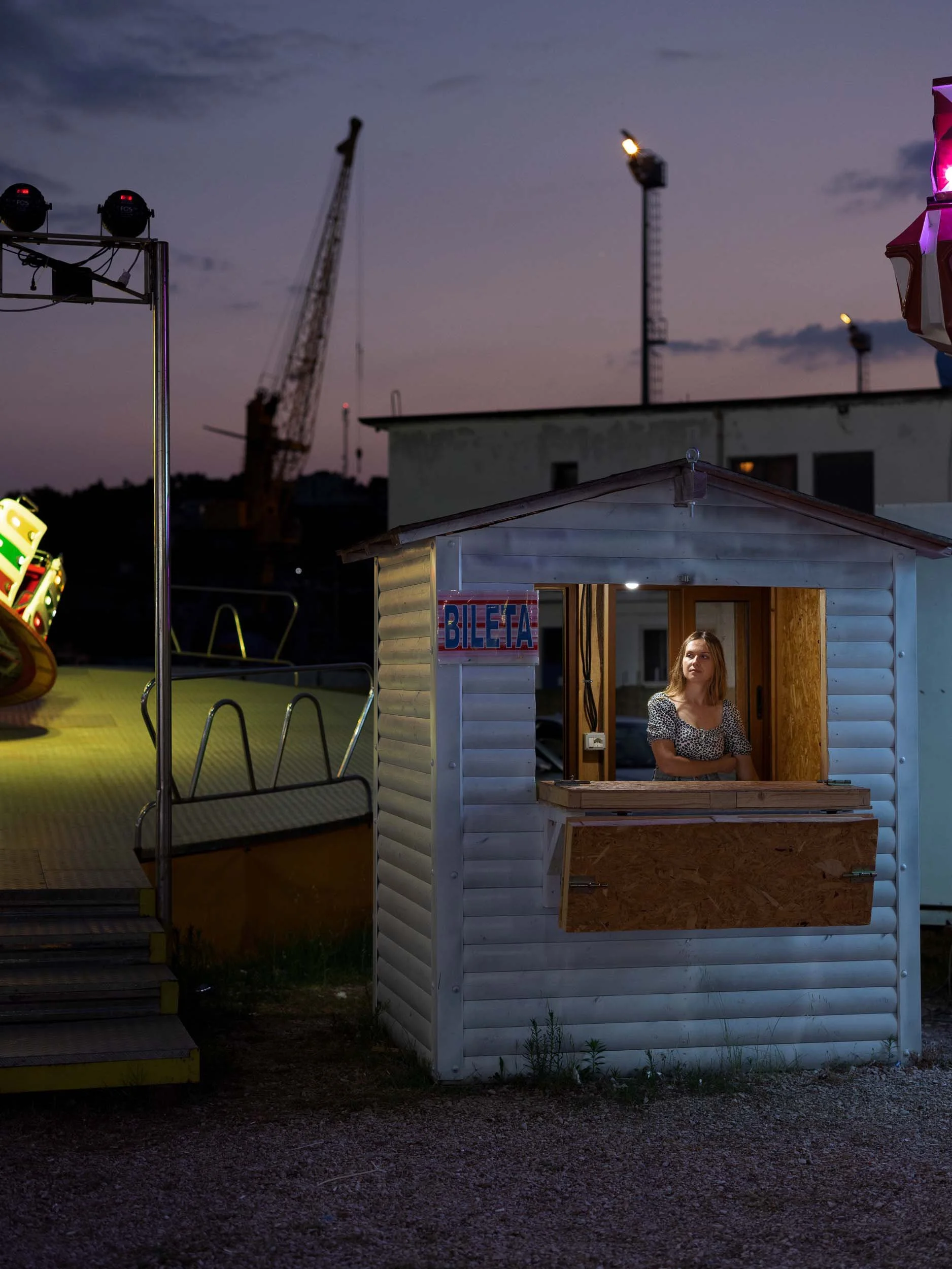
©Thomas Krempke, Shengjin Theme Park, 2021
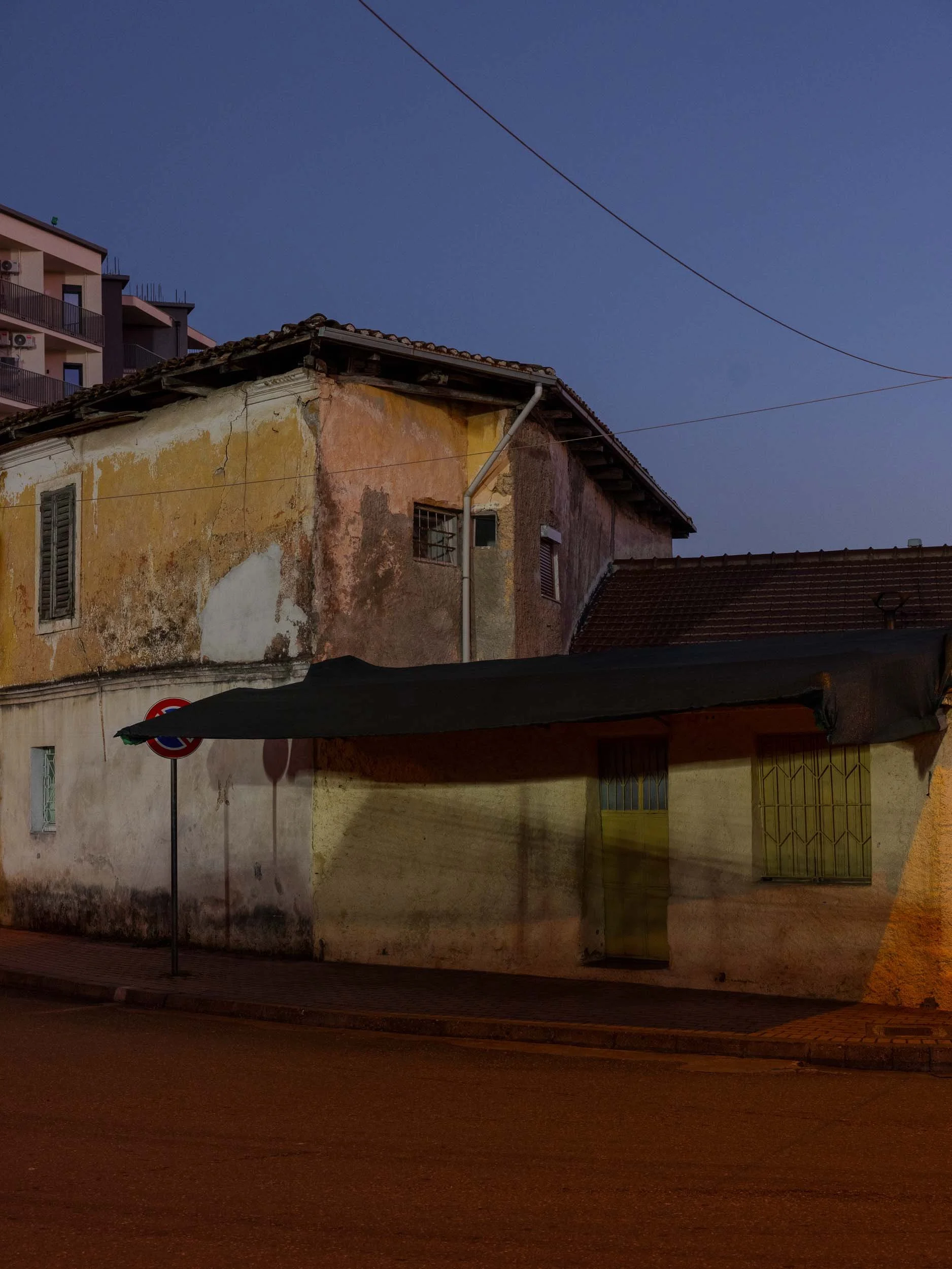
©Thomas Krempke, Shkodra 2024
While accompanying activists in their work, they showed me places such as Tropoja, Zall Gjocaj, Kamza and Bathore. The project “Tirana Riverside” in Lagja 5 Maji was probably the most important one, which I followed for quite some time. However, I was not there as a photojournalist. For my project, it is very important not to be too realistic or naturalistic. I want viewers to see reality differently after encountering my photographs. As in the book The Whispering of Things, I continue to explore the idea of perception—what it means to look and to perceive.
In some way, photographing in Albania has changed my way of seeing, because it is the first time I have worked on such an extensive project over five years. I have visited 16 times, and altogether I have spent more than one year. I have never immersed myself so deeply in a project in another country before. Now I look more precisely. Albania has become like a mirror, changing the way I see my own country.
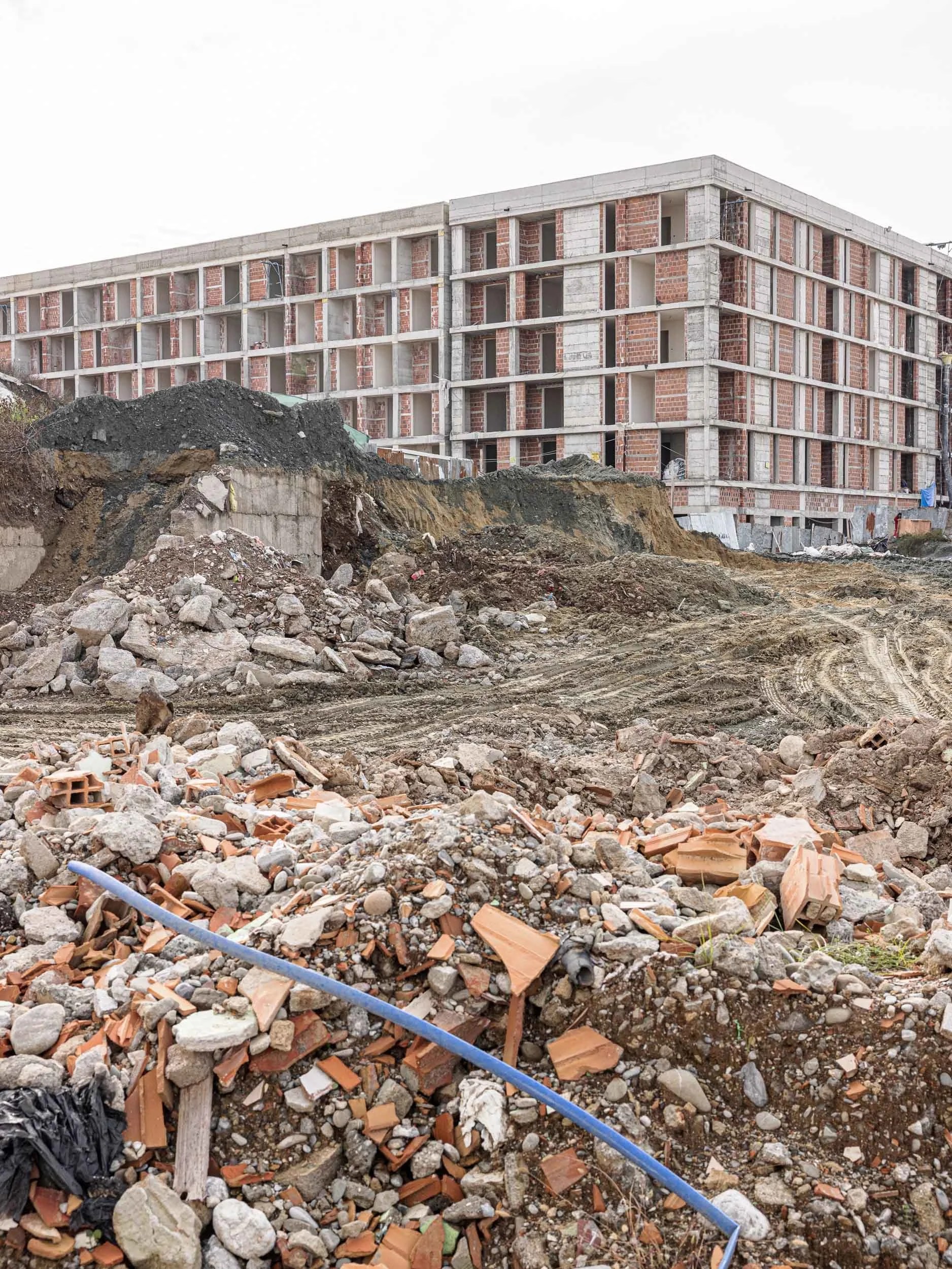
©Thomas Krempke, New Constructions “Tirana Riverside” Project in 5 Maji Neighborhood, Tirana 2022
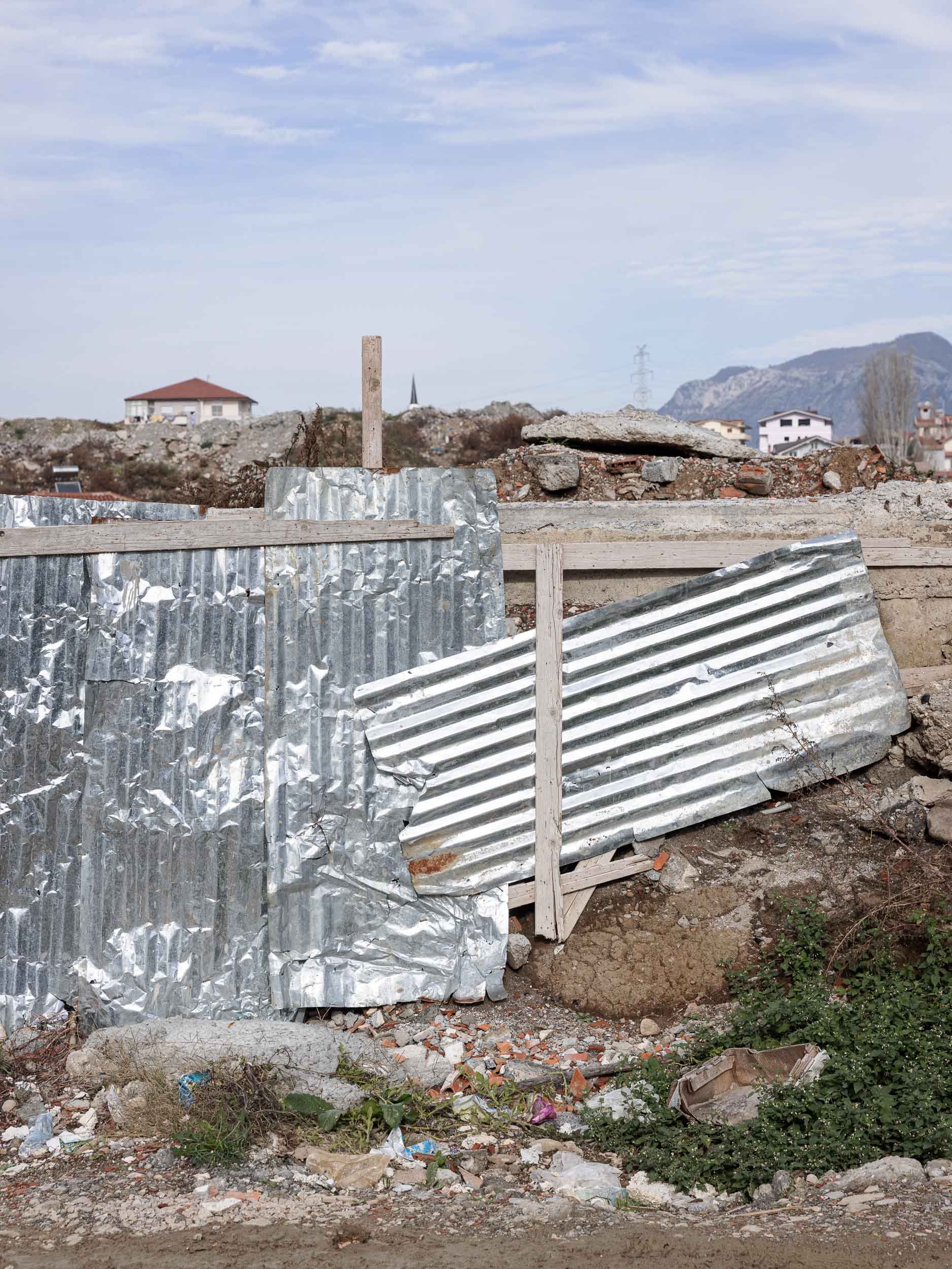
Demolition of informal housing in 5 Maji Neighborhood Tirana 2022
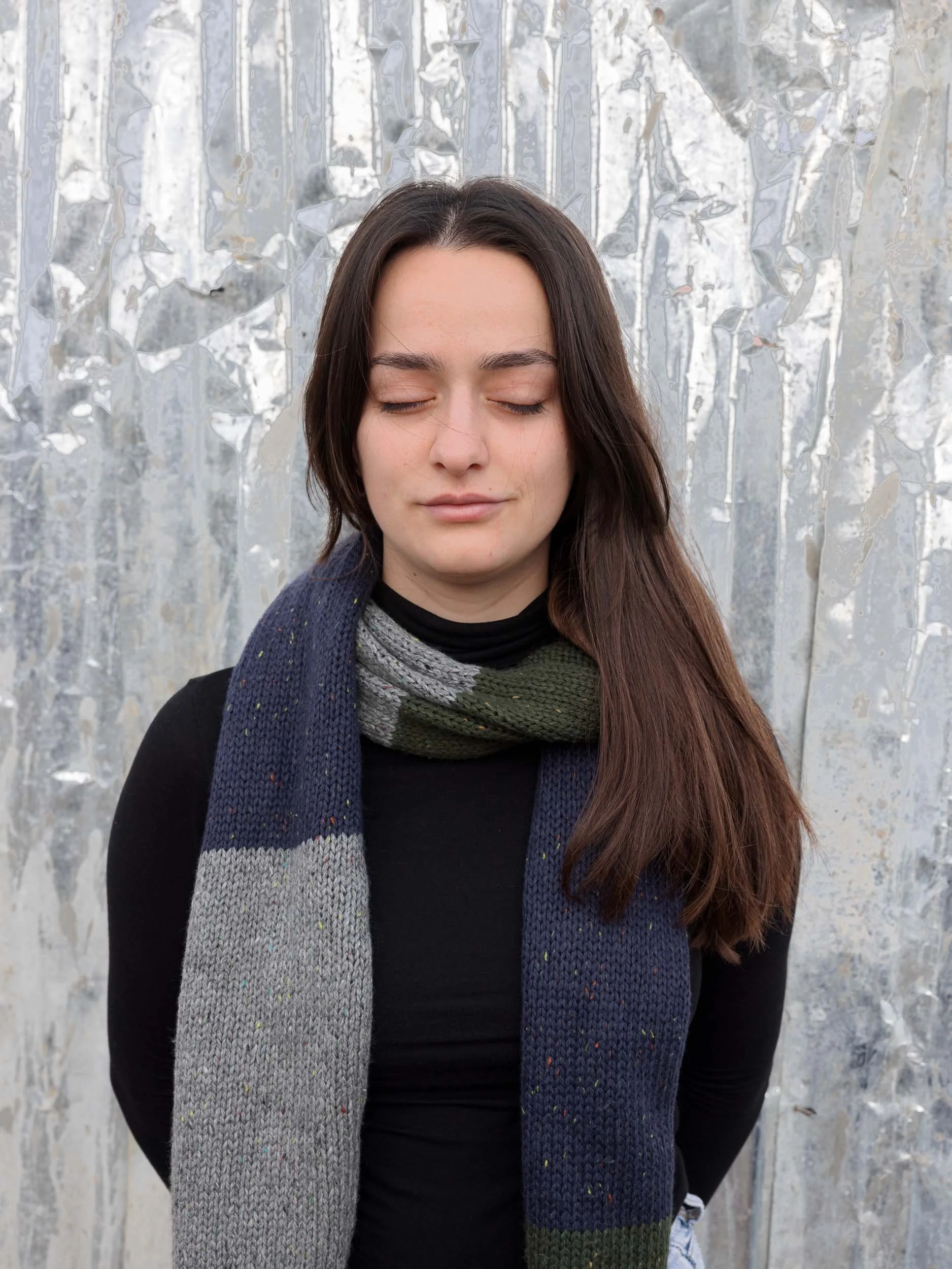
Sidorela, Portrait of Activist in 5 Maji Neighborhood, Tirana 2022
Tatì Space: What projects are you currently working on, or planning for the near future? Are there other cities or contexts you are interested in exploring next?
Finally, what advice would you give to young photographers who are interested in urban and architectural photography? How can they develop a critical voice rather than just a technical skillset?
Thomas Krempke: I want to publish the book ËNDËRR. For the past year, I have been working on completing the book, both in terms of photographs and text, and I hope to find a good editor. I am also planning a small project, which I hope to develop with a young musician, focused on the theme of perception of time.
In terms of urban themes, I would like to create a small project in my own city, approaching it with a new way of seeing, similar to the perspective I developed in Albania.
My advice for young photographers would be to look and to walk—and to use books and photobooks as a source of inspiration.
TatìSpace: Thank you very much for the interview, and I hope to see more of your work about Albania.
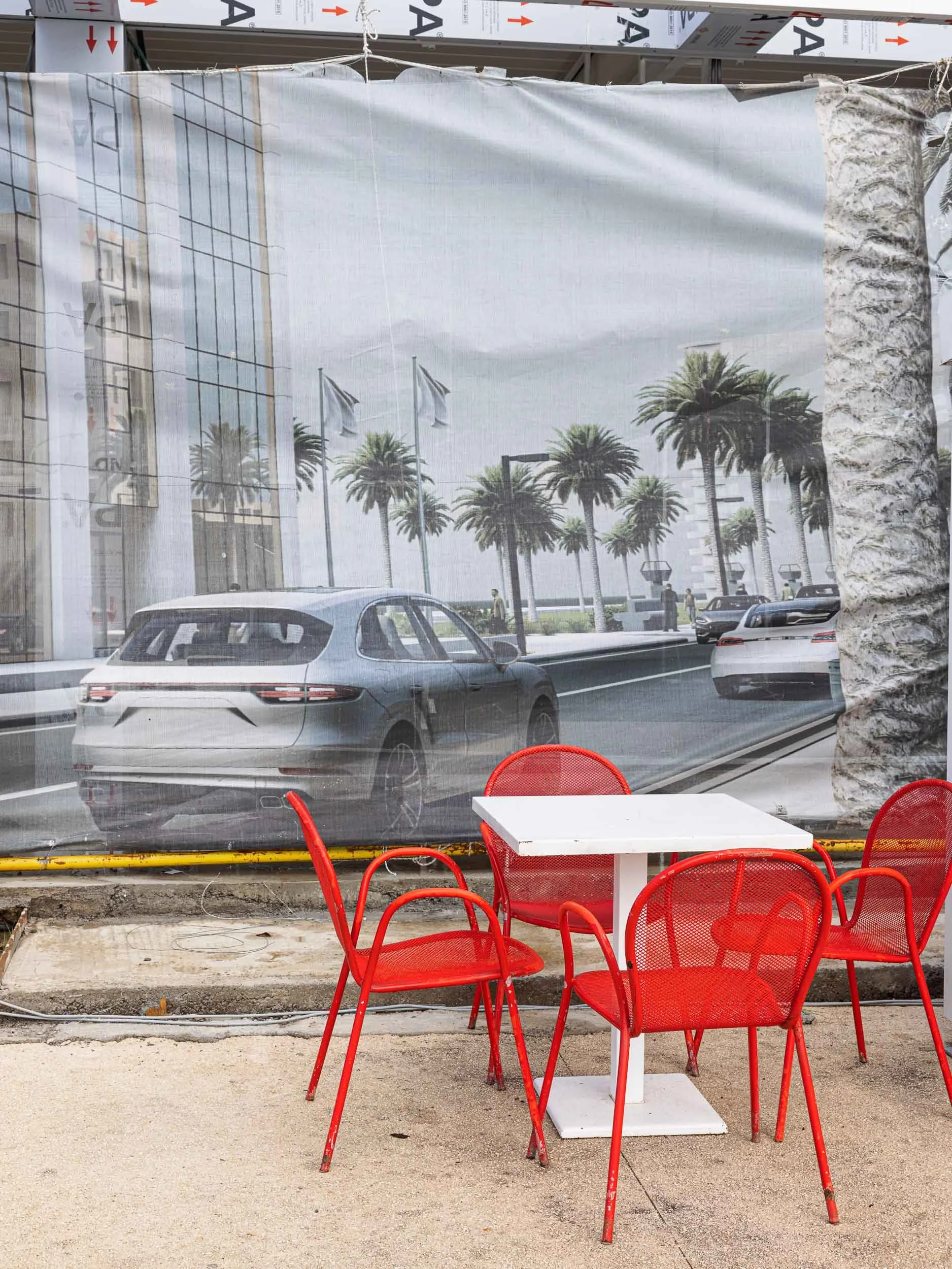
©Thomas Krempke, Durres Albania 2022