
THE WAY WE LIVE - Eight Voices on Architecture, Urban Life and the Changing Landscape
How do we inhabit, shape, and experience the spaces around us? This article brings together eight authors and eight diverse voices in architecture and urban photography, offering critical and contemporary perspectives on The Way We Live. Through distinct visual approaches, their work explores how we inhabit, shape, and relate to the spaces around us—from the overlooked details of everyday urban life and the legacies of post-socialist transformation to disappearing architectures, threatened landscapes, cultural heritage, environmental vulnerability, and the changing dynamics of public space. Moving between documentary observation and personal interpretation, these projects reveal the complex connections between architecture, society, memory, and identity. Together, Leonard Qylafi, Olson Lamaj, Thomas Krempke, Robert Pichler, Nick St.Oegger, Wandrille Potez, Ilir Tsouko, and Vlasov Sulaj invite us to look beyond the visible environment and consider the broader social, cultural, and political forces that shape the places we call home and the ways we live.
How do we inhabit, shape, and experience the spaces around us? This article brings together eight authors and eight diverse voices in architecture and urban photography, offering critical and contemporary perspectives on The Way We Live. Through distinct visual approaches, their work explores how we inhabit, shape, and relate to the spaces around us—from the overlooked details of everyday urban life and the legacies of post-socialist transformation to disappearing architectures, threatened landscapes, cultural heritage, environmental vulnerability, and the changing dynamics of public space. Moving between documentary observation and personal interpretation, these projects reveal the complex connections between architecture, society, memory, and identity. Together, Leonard Qylafi, Olson Lamaj, Thomas Krempke, Robert Pichler, Nick St.Oegger, Wandrille Potez, Ilir Tsouko, and Vlasov Sulaj invite us to look beyond the visible environment and consider the broader social, cultural, and political forces that shape the places we call home and the ways we live.
Leonard Qylafi - The Book of Negatives
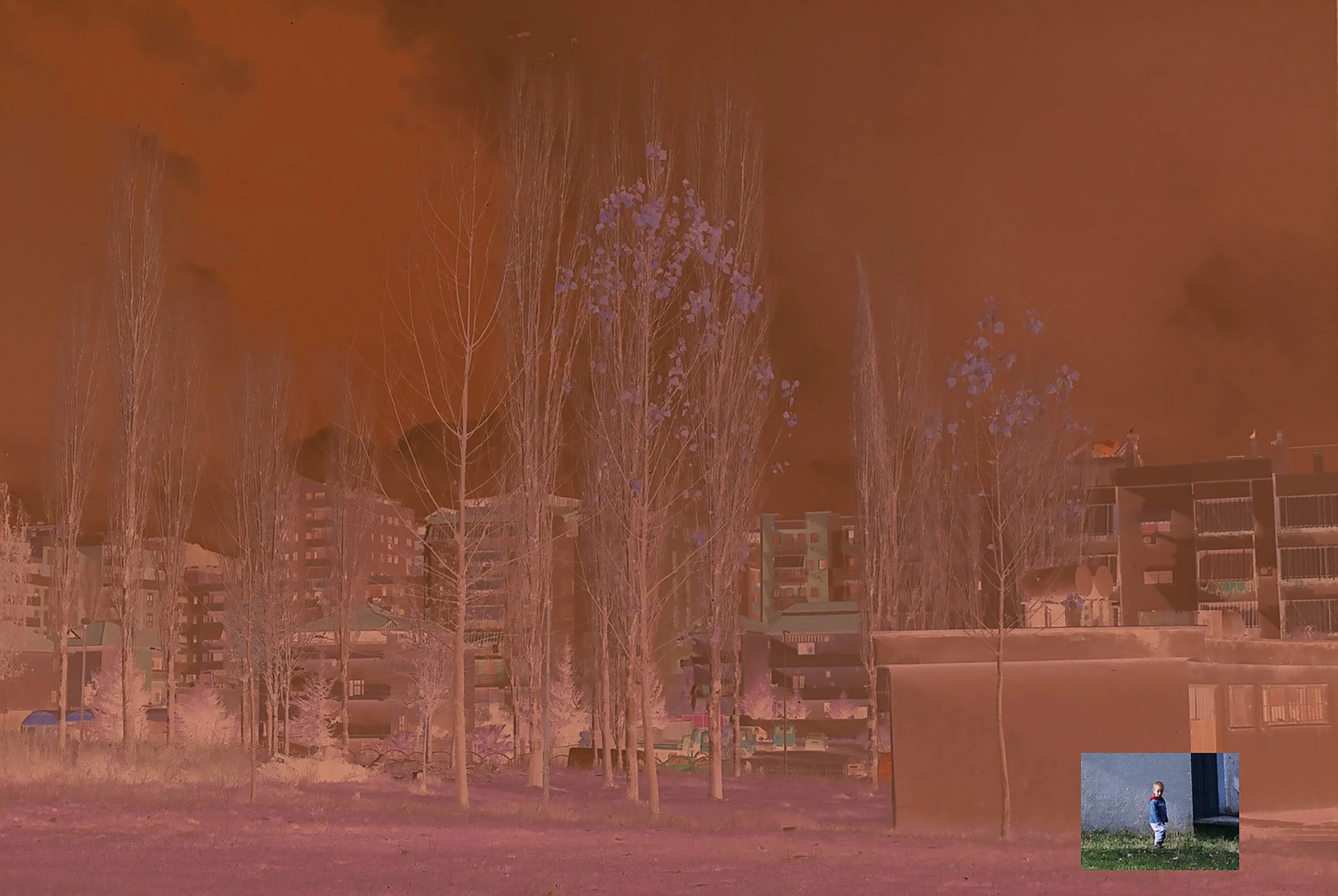
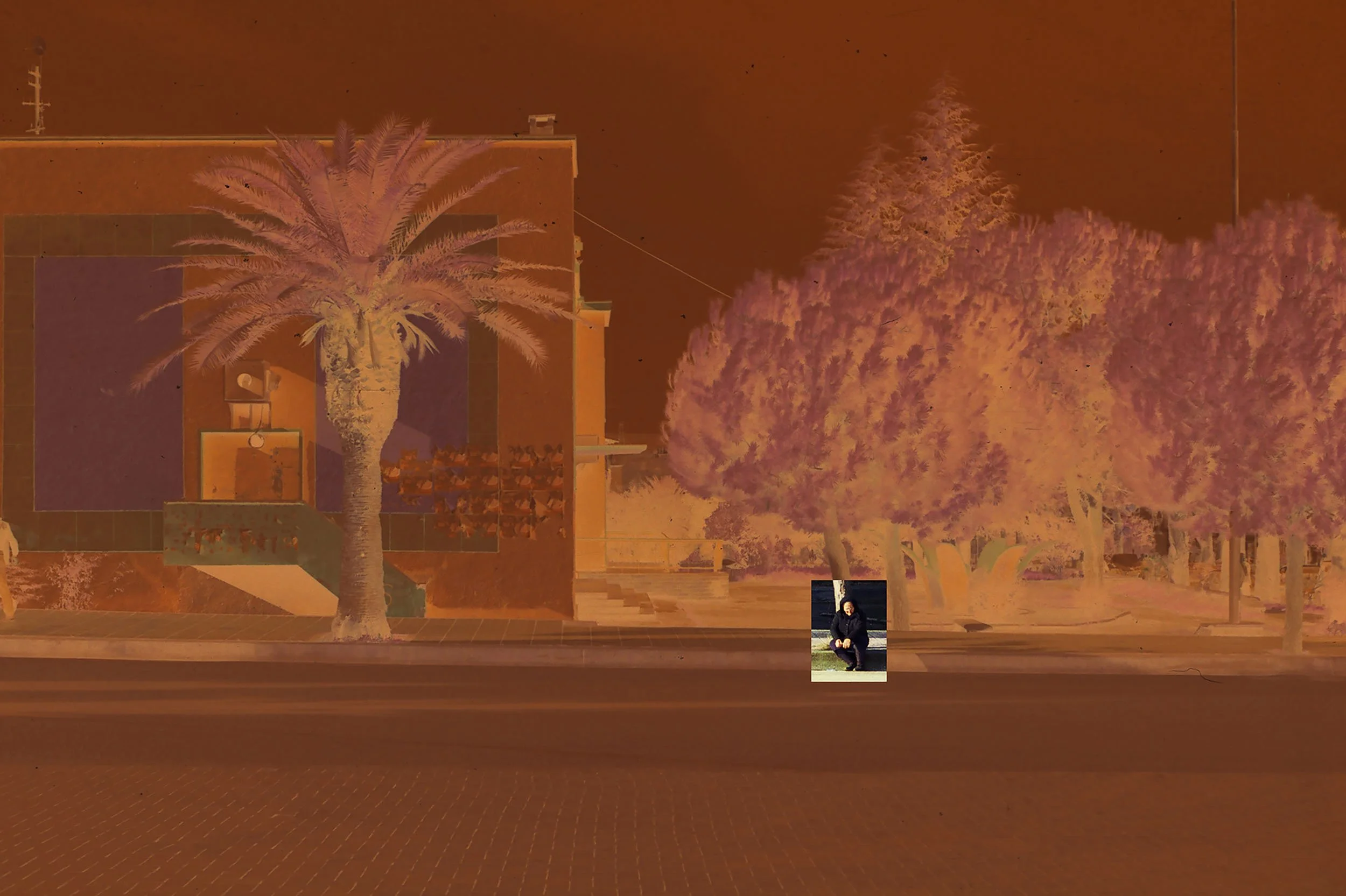
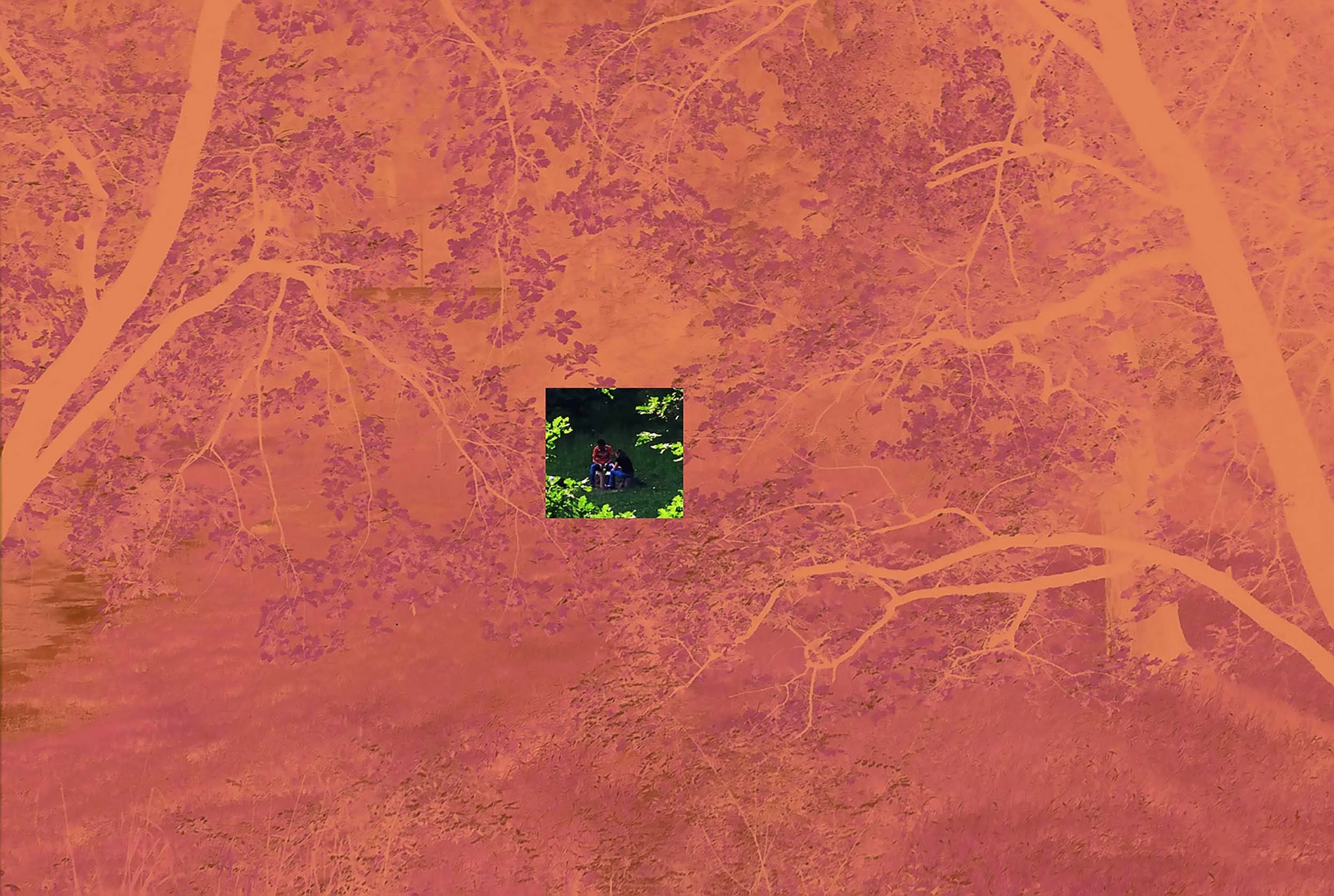
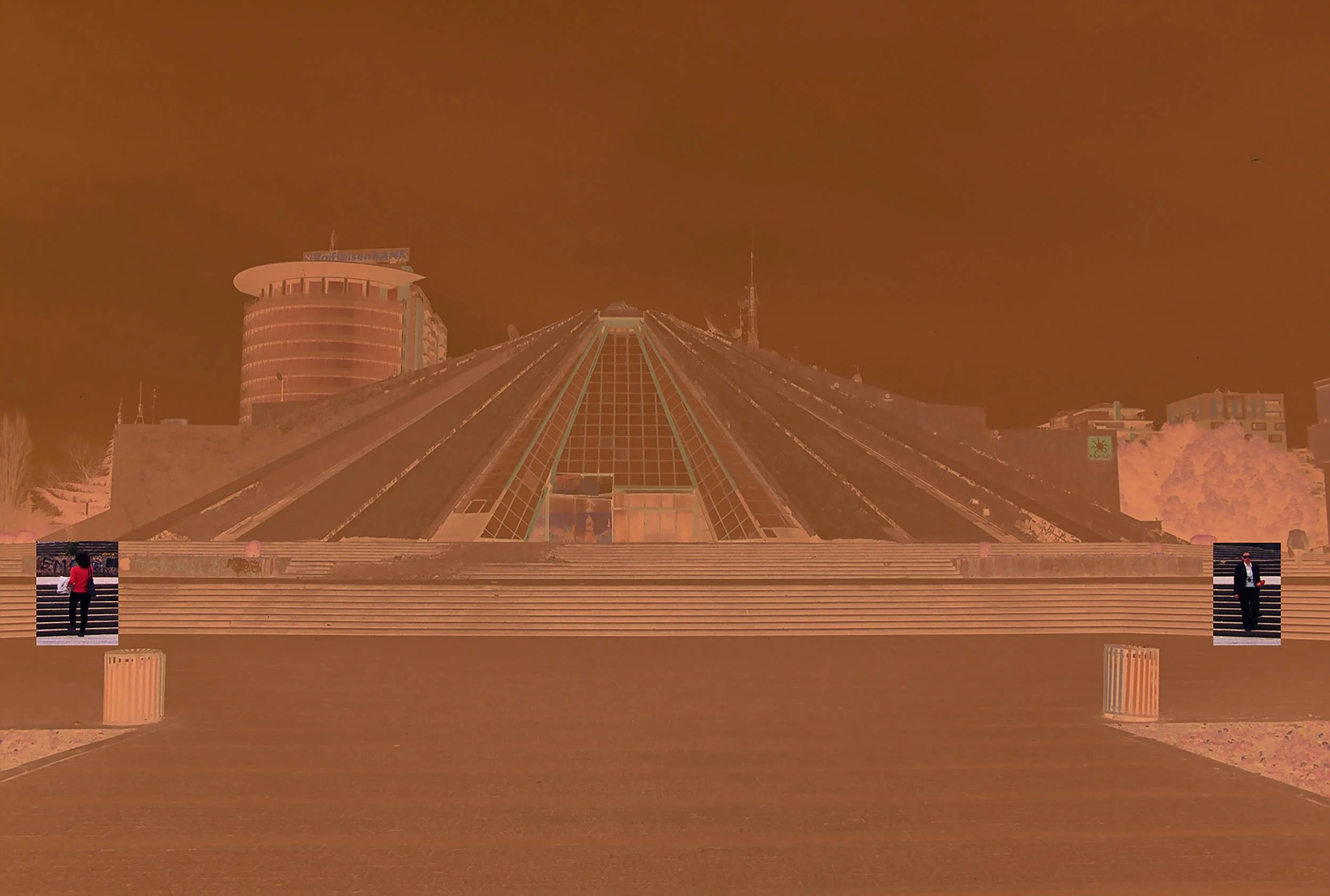
“The Book of Negatives” of the visual artist Leonard Qylafi is a photographic series made on 35mm film, created during the artist’s walks through the city, capturing moments of everyday life, people, landscapes, gestures that might otherwise go unnoticed. Years later, while scanning the negatives, Qylafi revisits these images from a different perspective, discovering and highlighting details that once seemed insignificant. At the end of the creative process, the selected fragments appear positive, isolated, against the negative image of the film. The subject is not displaced, but simply brought into attention, by changing the relationship between centre and periphery. The Book of Negatives reminds us that even the most ordinary moments can hold something unexpected, waiting to be discovered when we take the time to look a little closer.
Olson Lamaj - Between Pattern and Shadow
Olson Lamaj is a visual artist and photographer whose practice explores the relationship between image, ideology, and collective memory, examining how political, social, and cultural systems shape identity and representation.
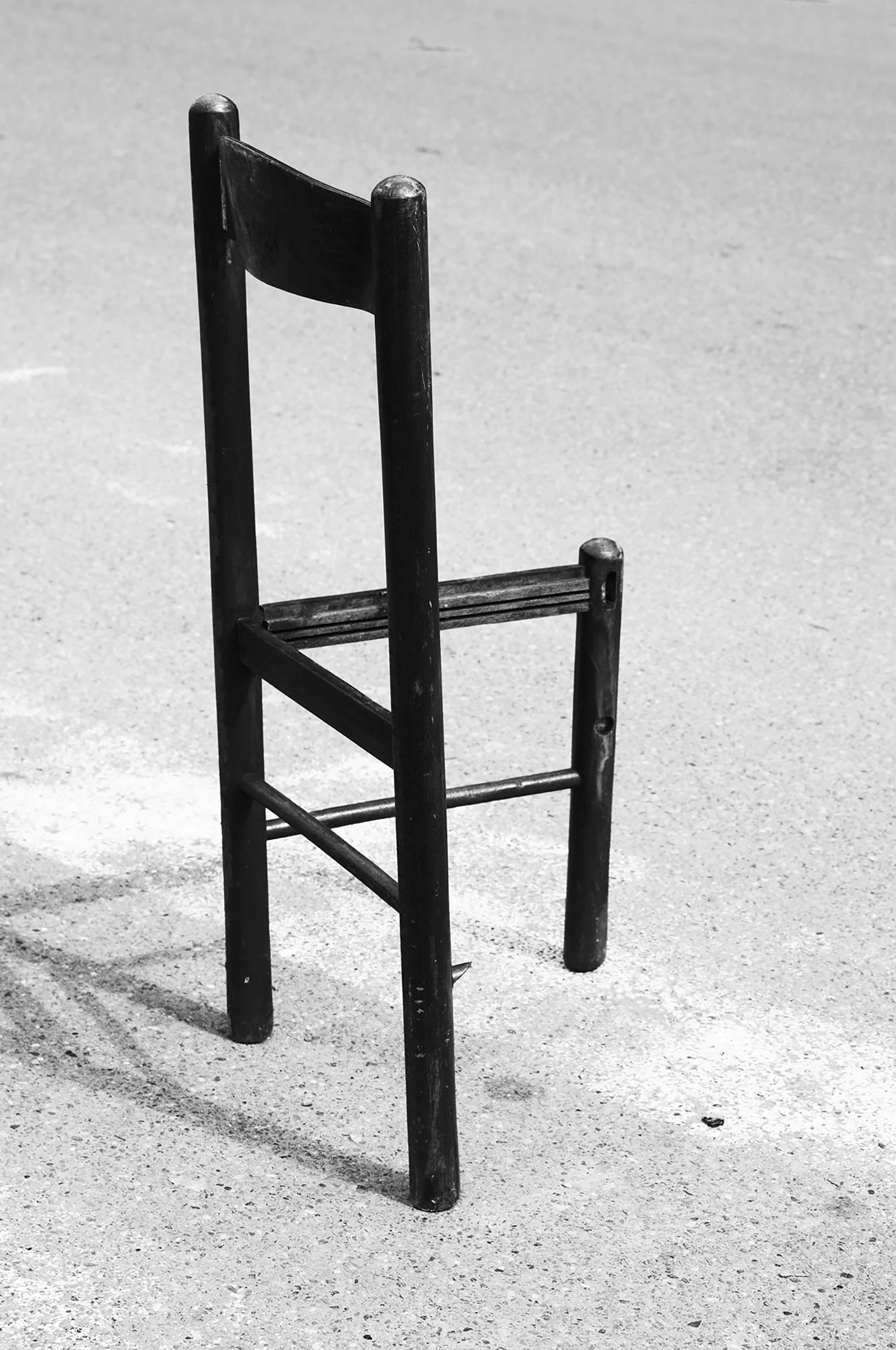
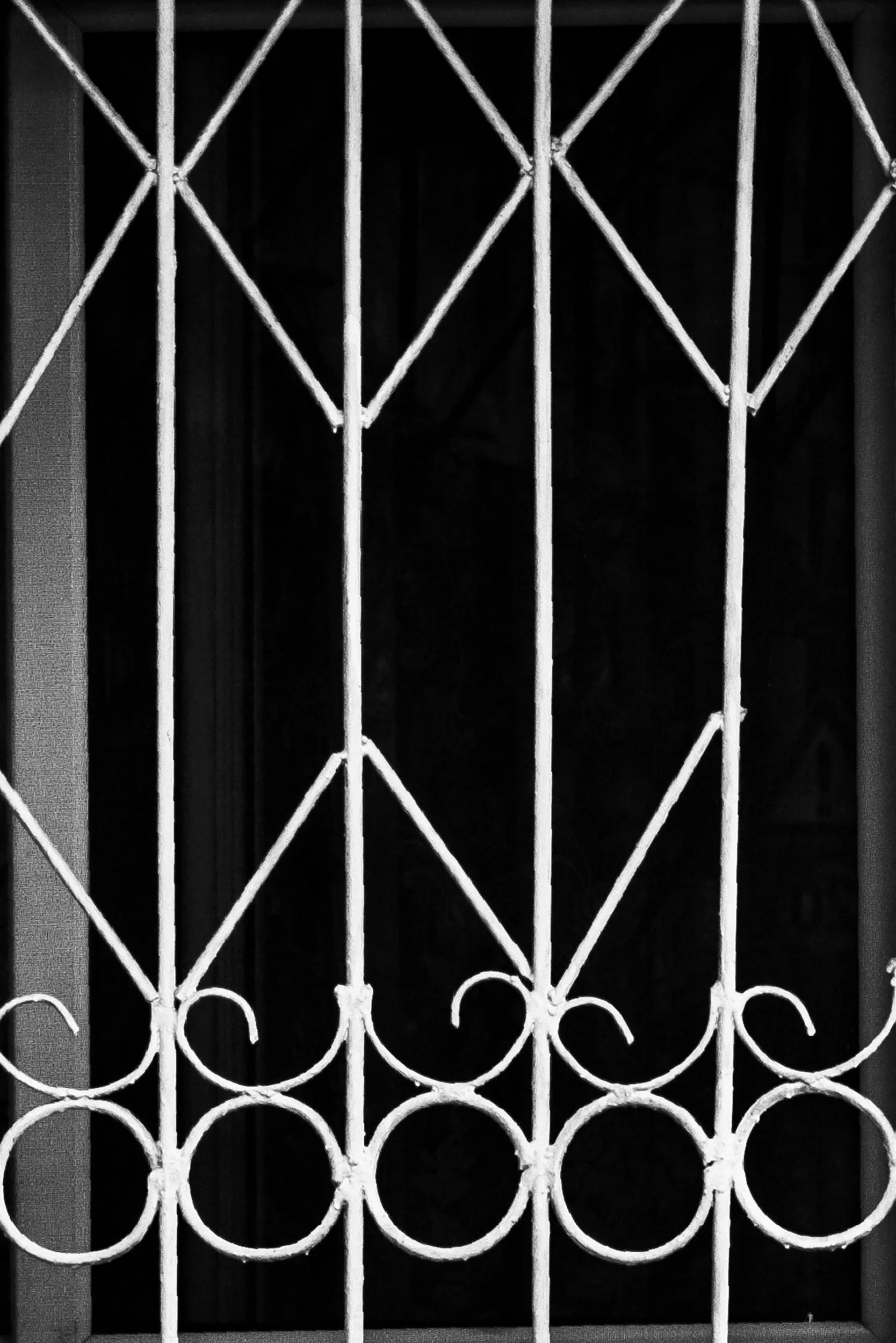
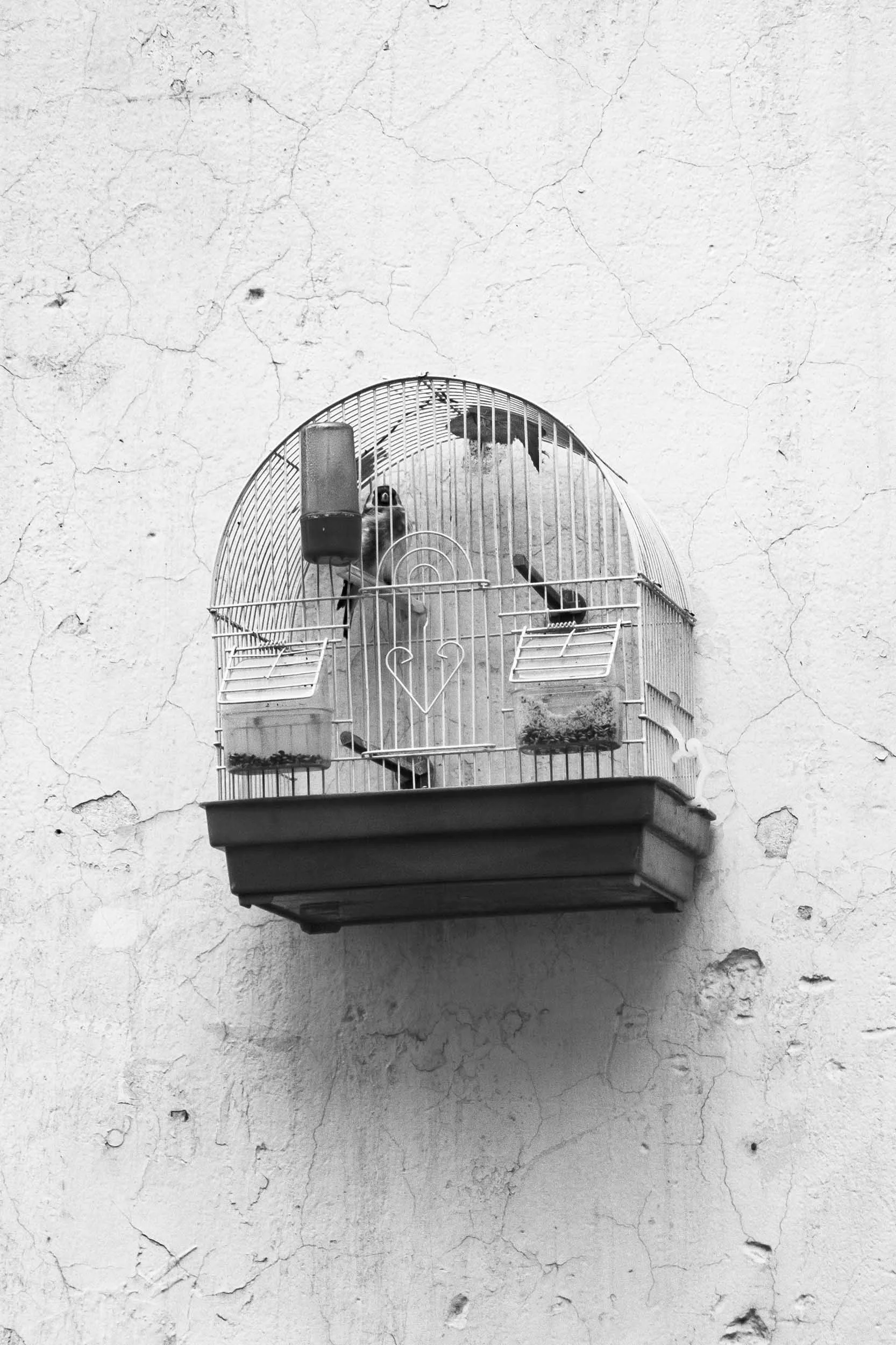
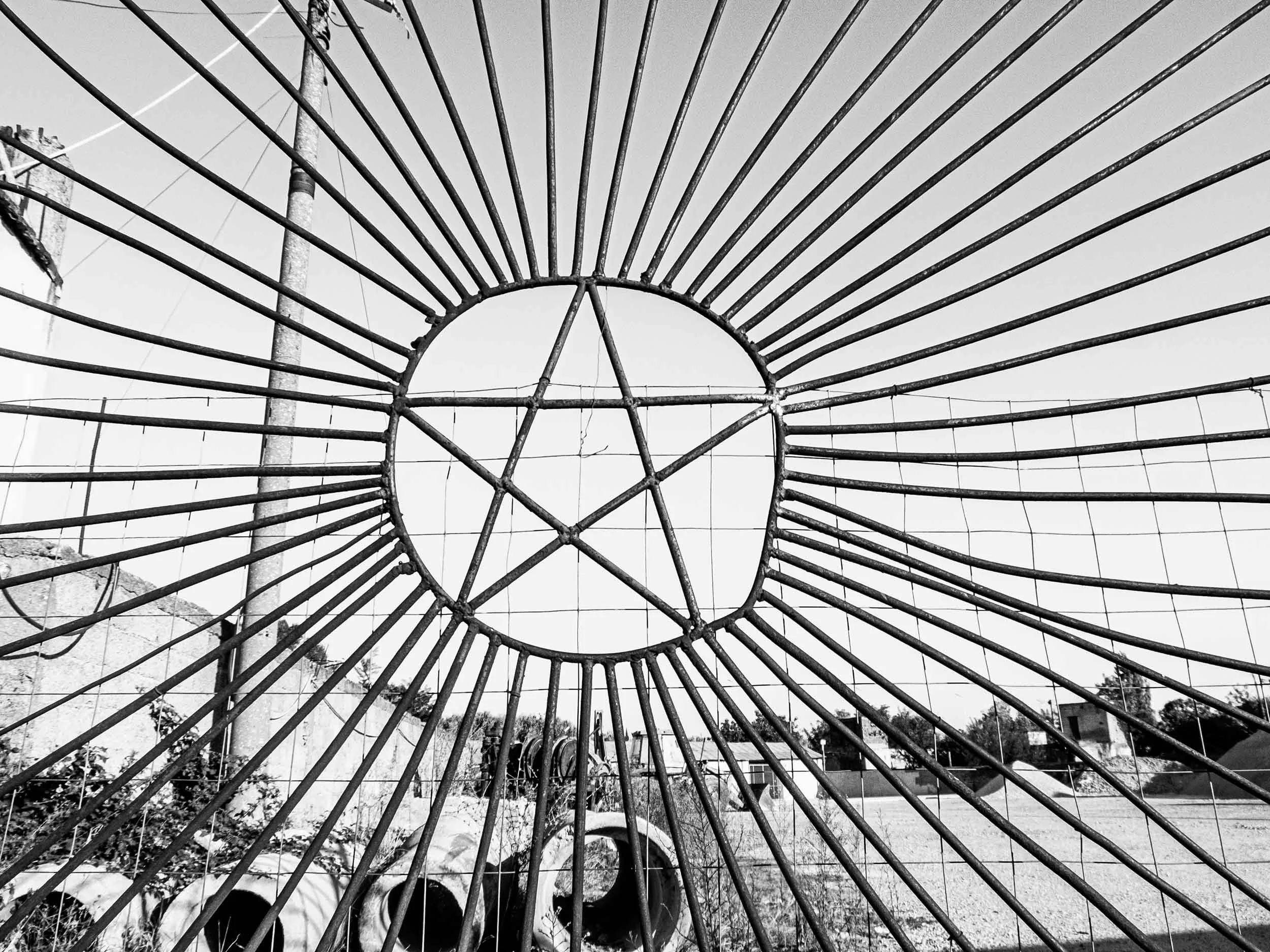
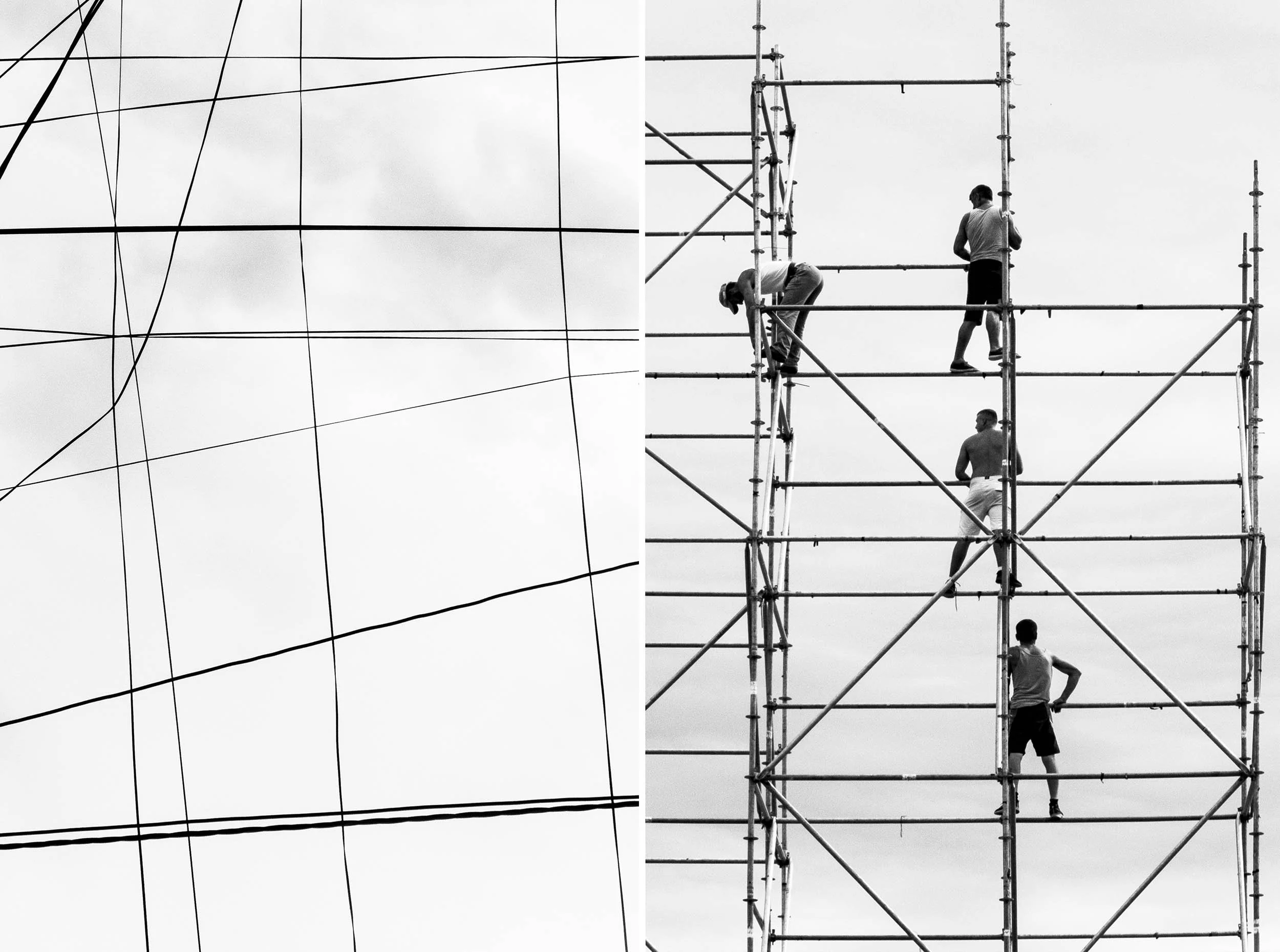
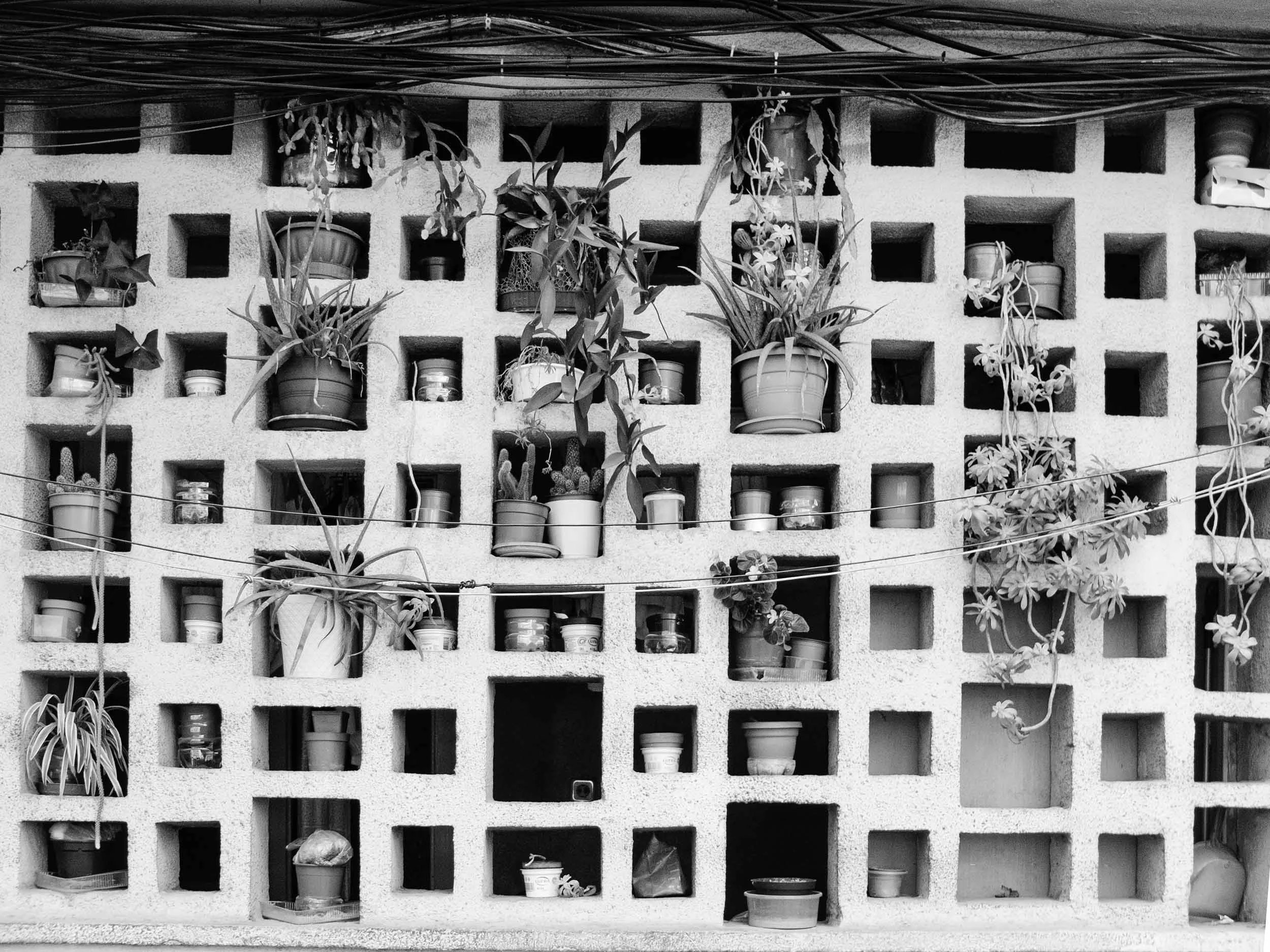
In his photographic series “Between Pattern and Shadow”, Lamaj focuses on the overlooked details of Tirana’s urban landscape. Plastic chairs, improvised structures, exposed cables, unfinished buildings, and nationalist symbols become traces of the social and historical forces shaping the city. Through daily observation, he builds a personal archive of Albania’s post-socialist transformation, revealing how past and present coexist in an ever-changing urban environment.
Drawing on his background in painting, Lamaj combines compositional precision with a documentary attentiveness to everyday life. His carefully constructed images transform urban elements into graphic patterns of form, shadow, and texture, while humour and irony reveal the contradictions embedded in the landscape.
Thomas Krempke - Dream
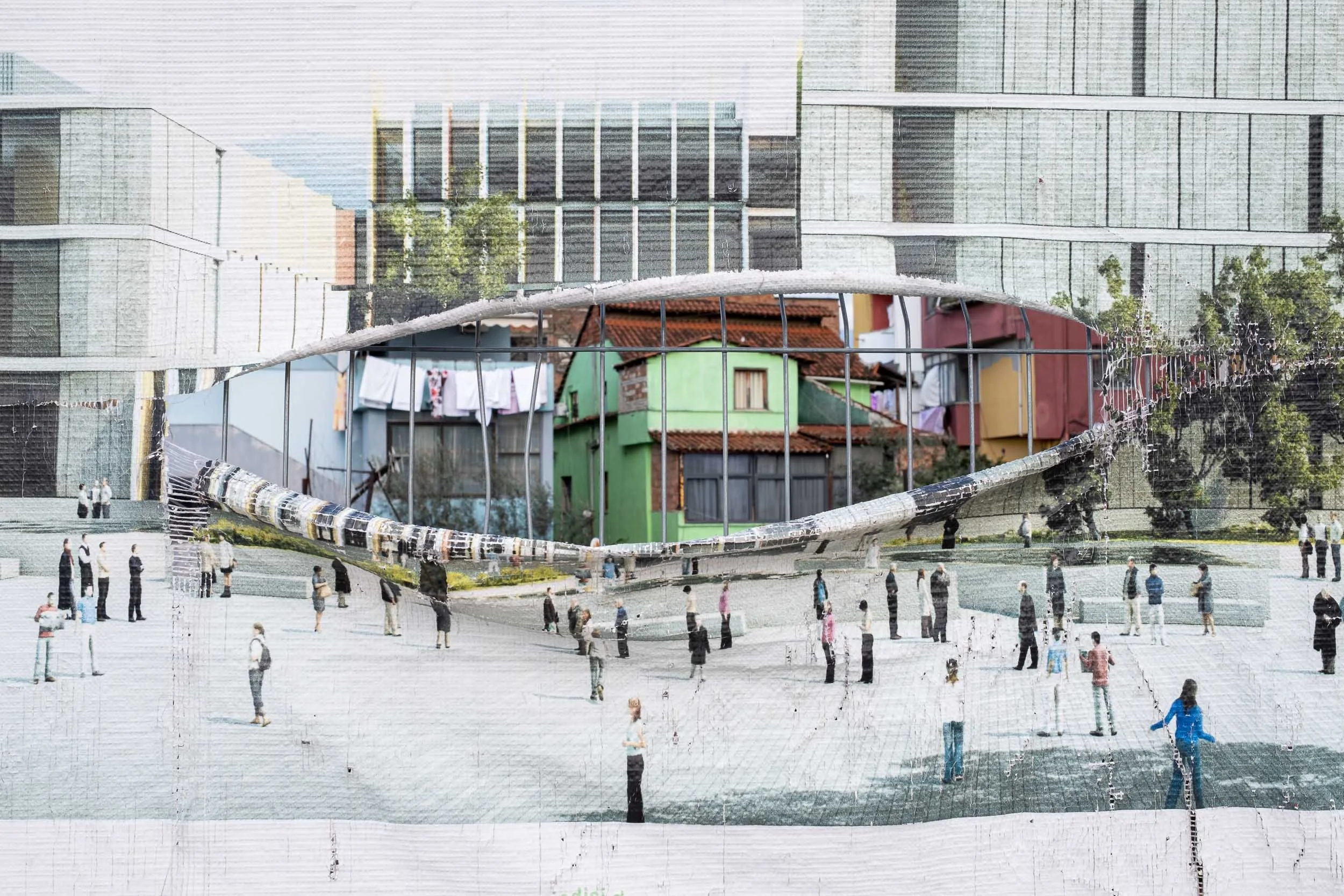
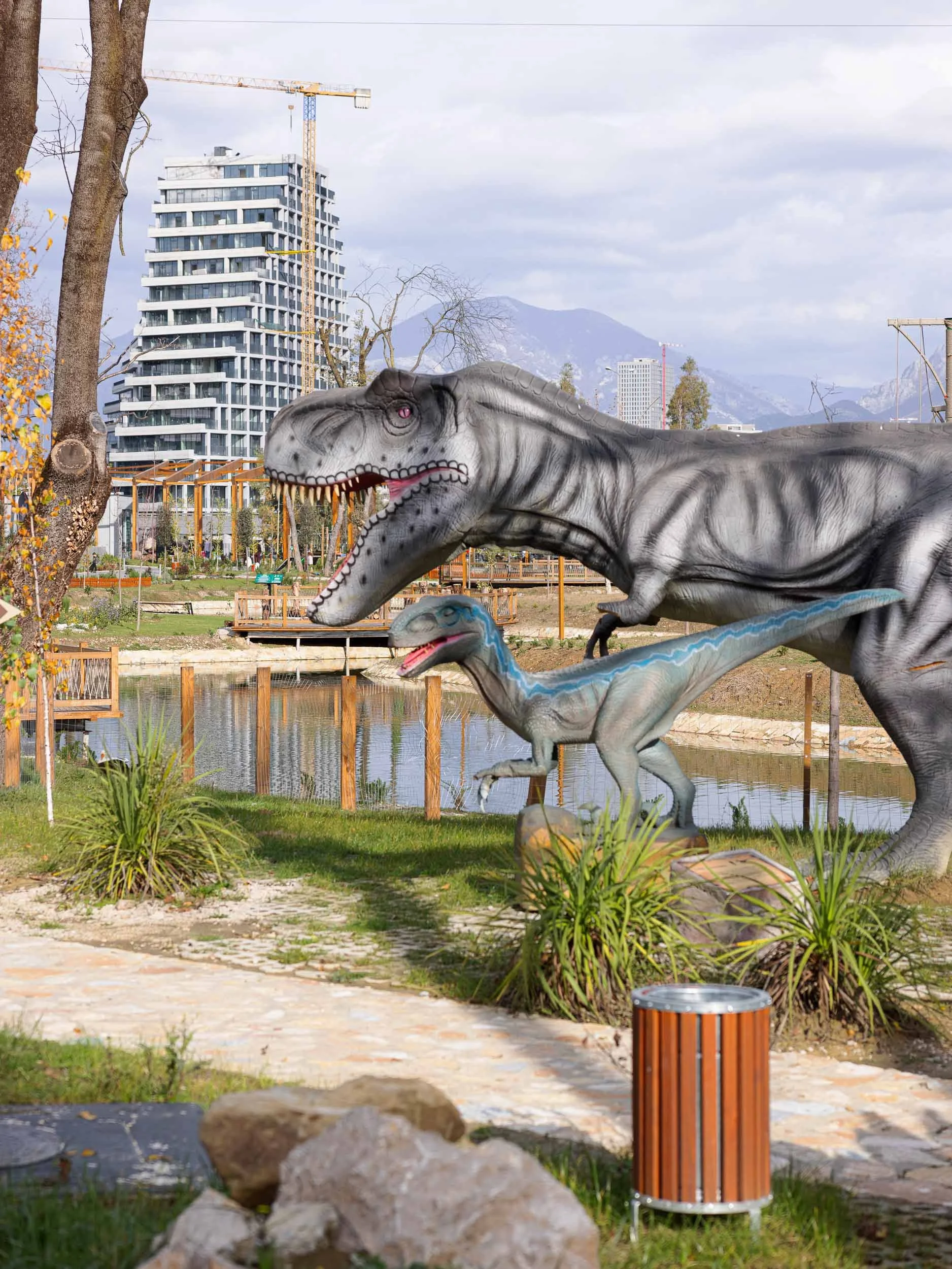
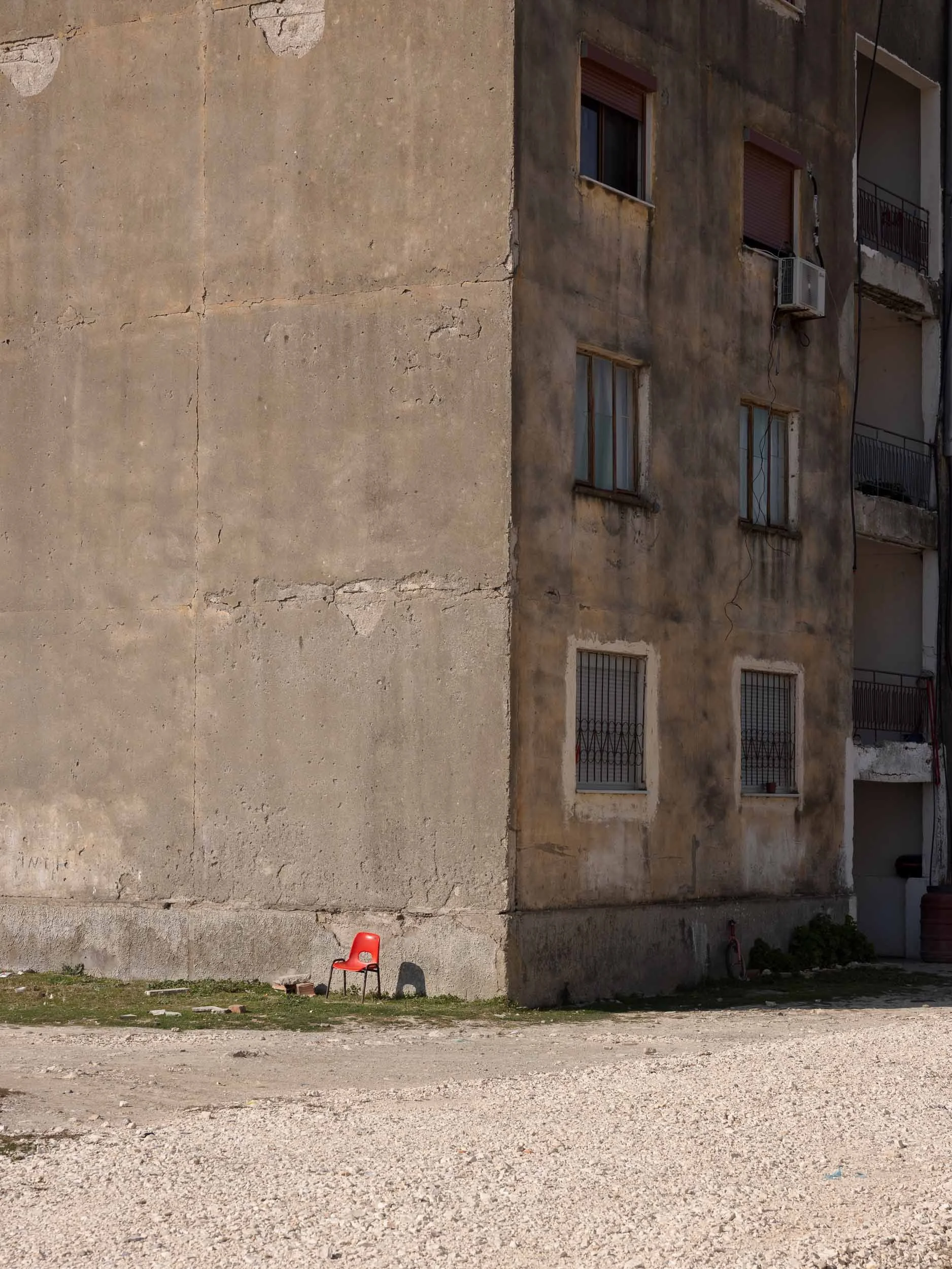
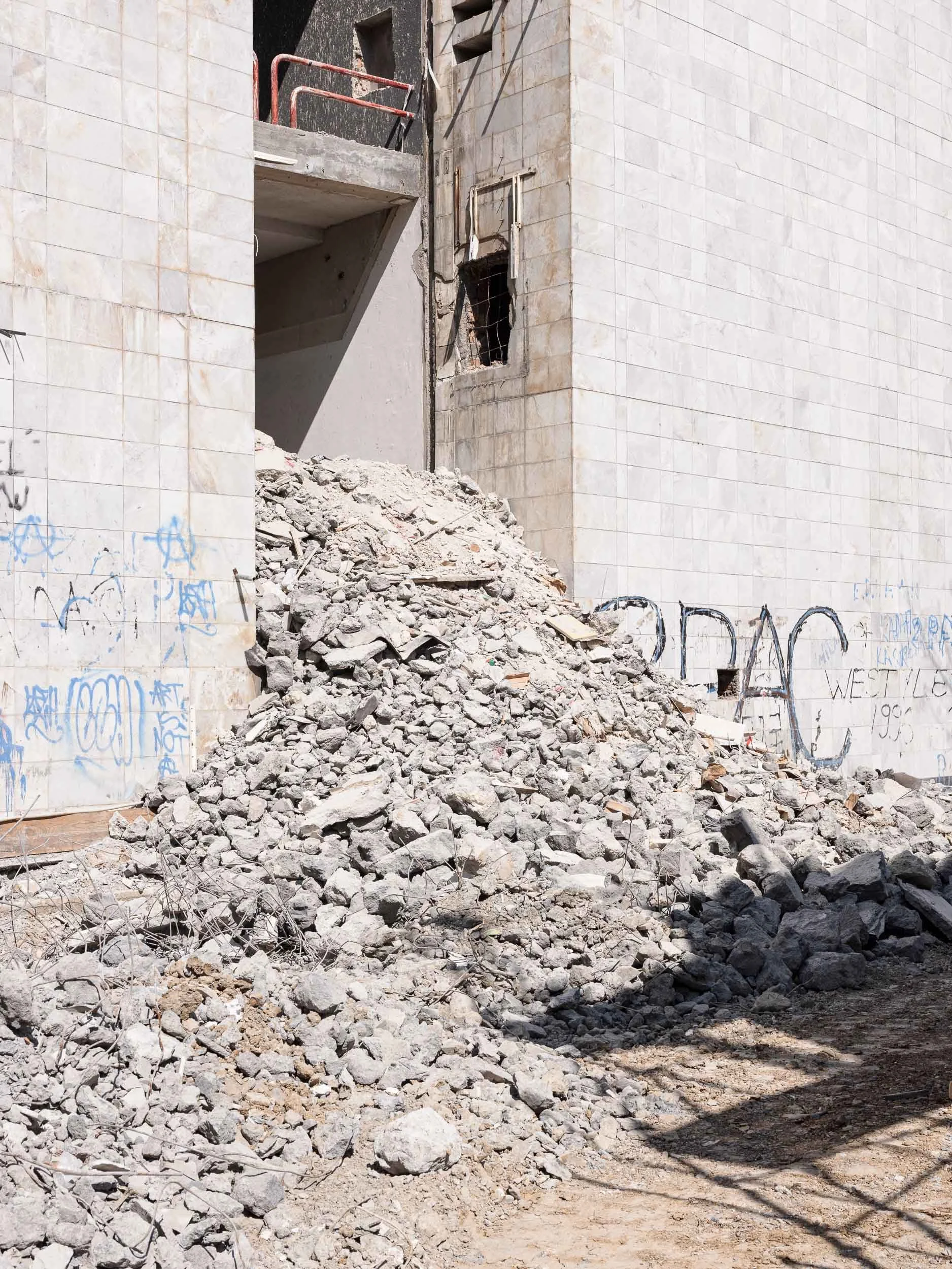
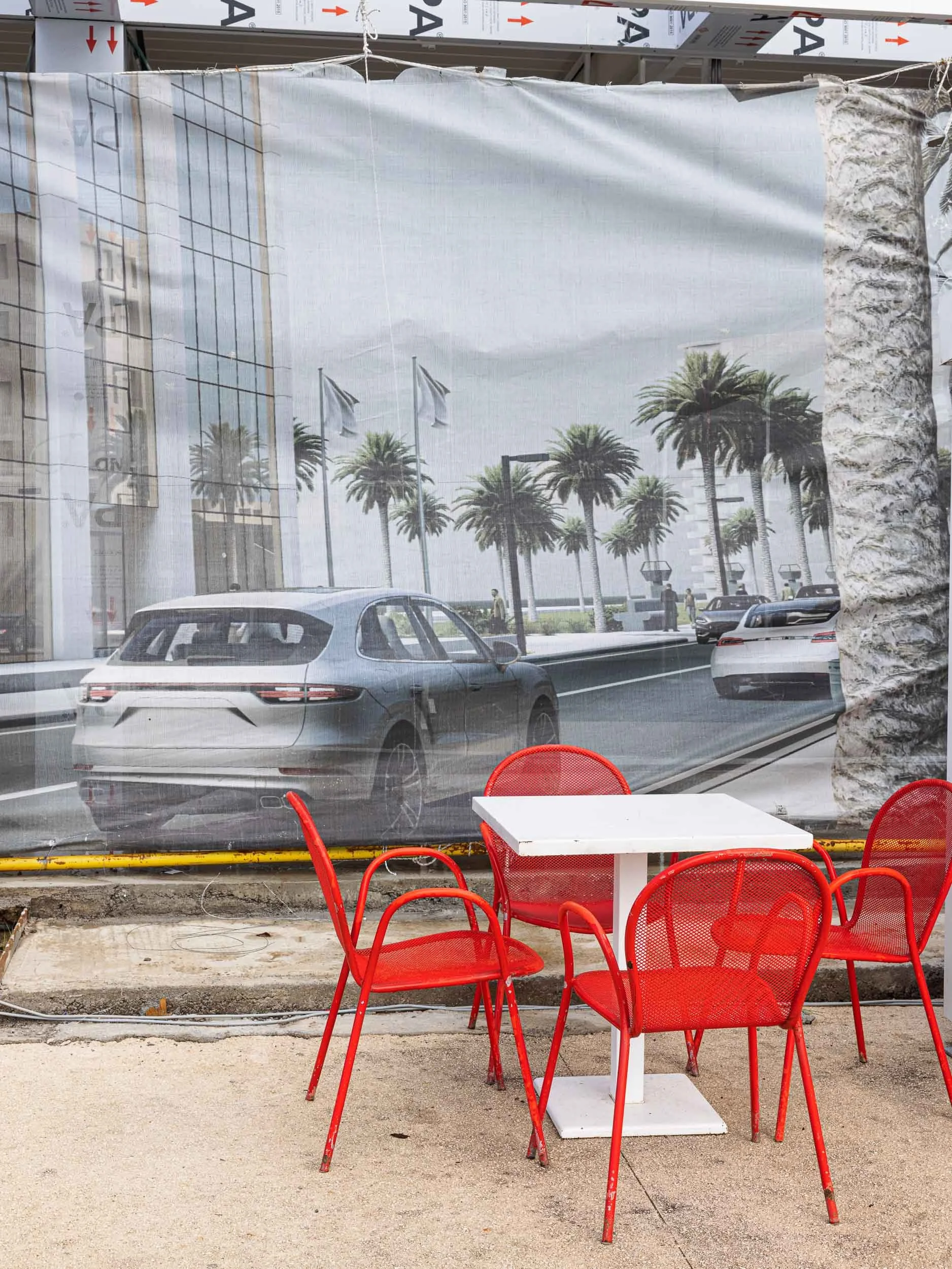
Thomas Krempke is a Swiss photographer whose work moves between urban observation and poetic interpretation. His images explore the tension between architecture as a physical reality and the way it is perceived, remembered, and reimagined through photography. With a sensitive eye for atmosphere, light, and spatial ambiguity, Krempke builds visual narratives that go beyond documentation, inviting viewers to experience the city as both a constructed and emotional landscape.
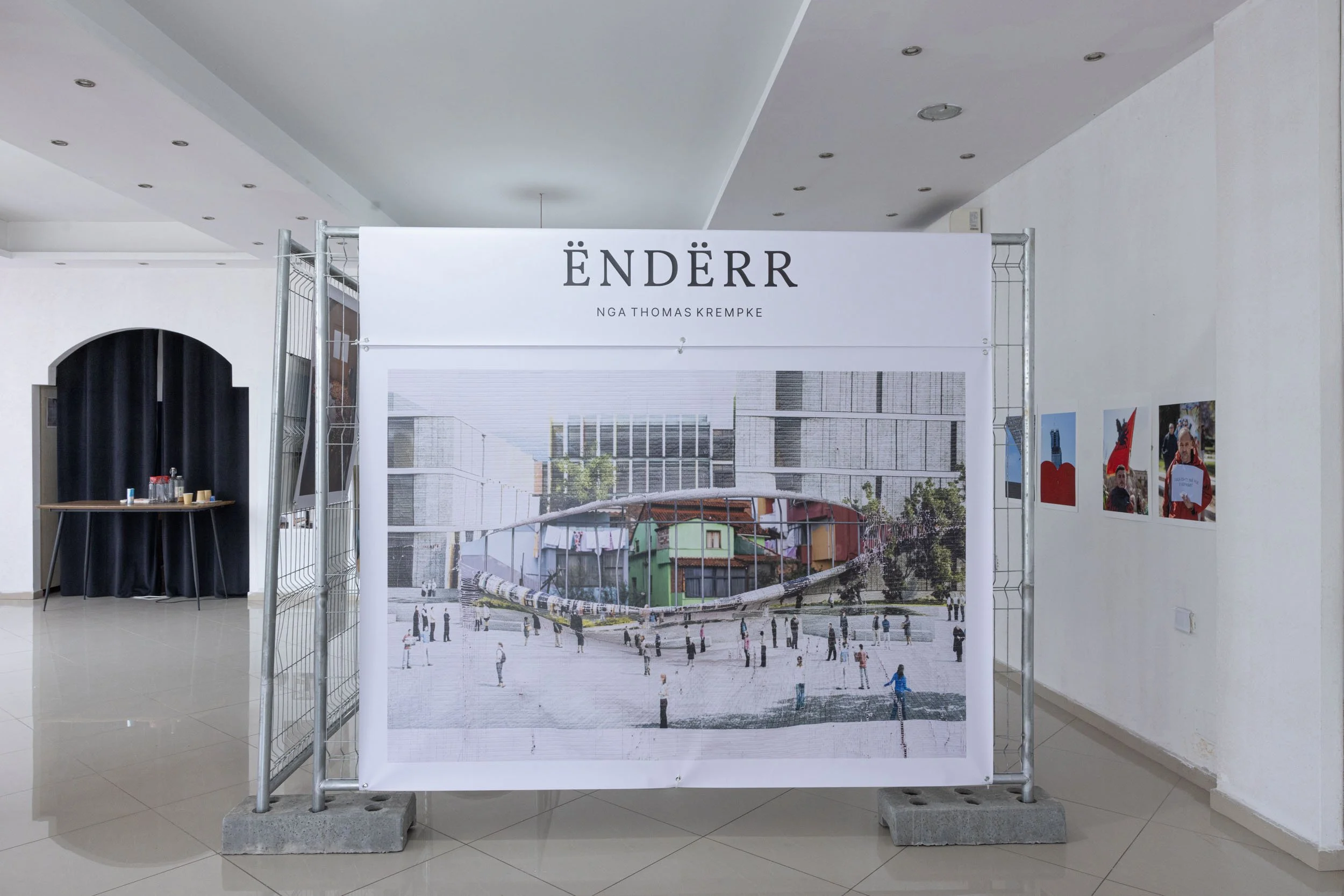
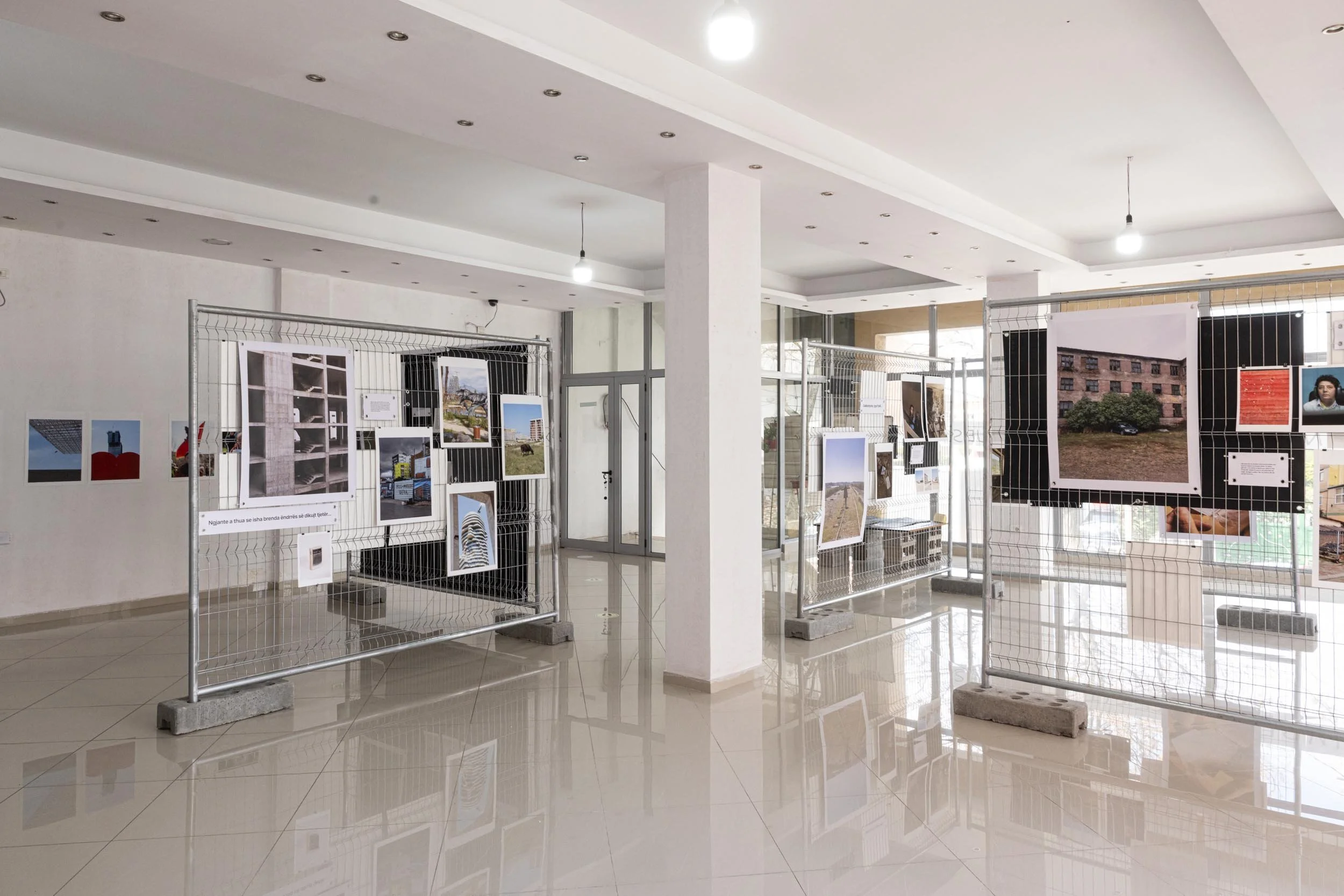
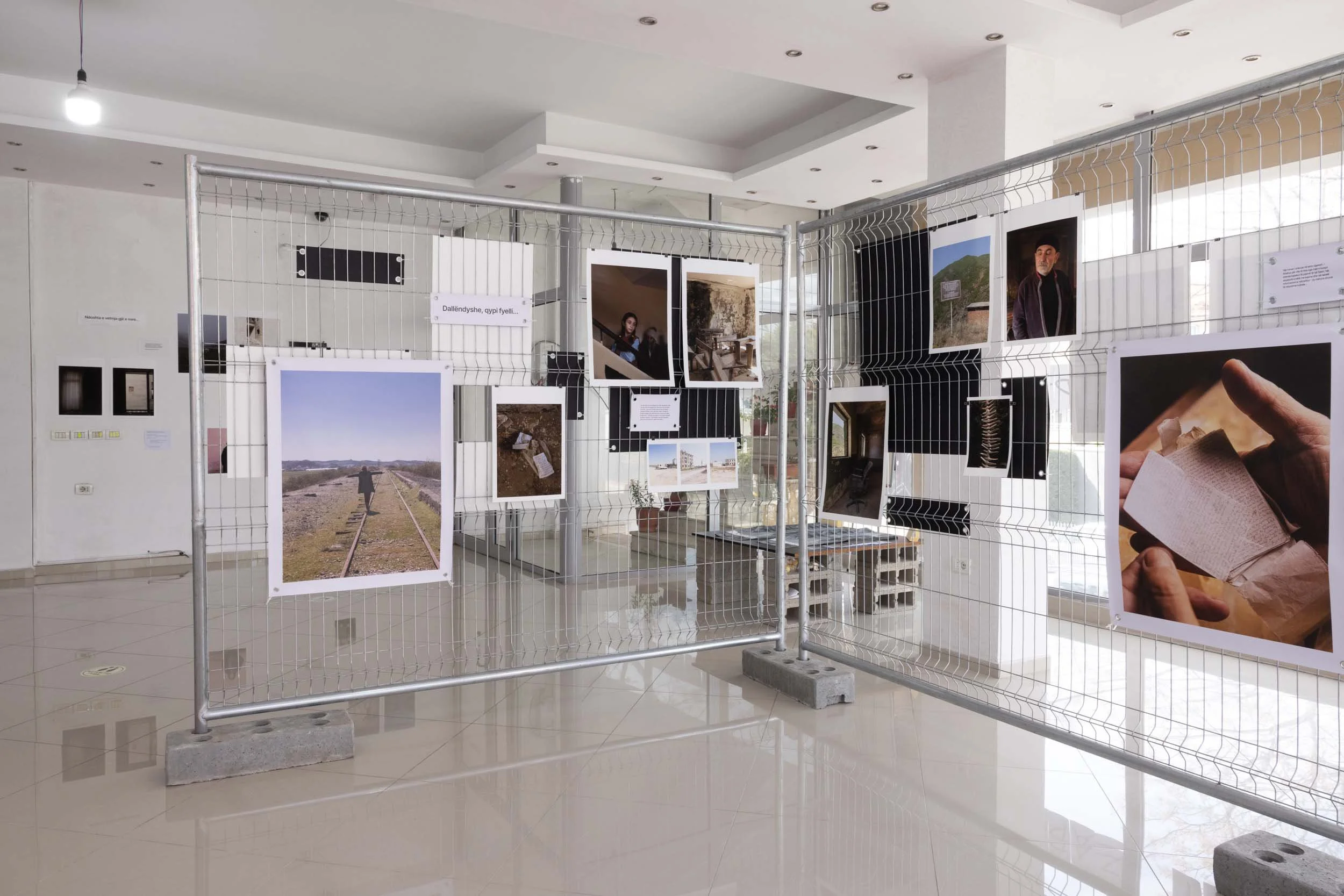
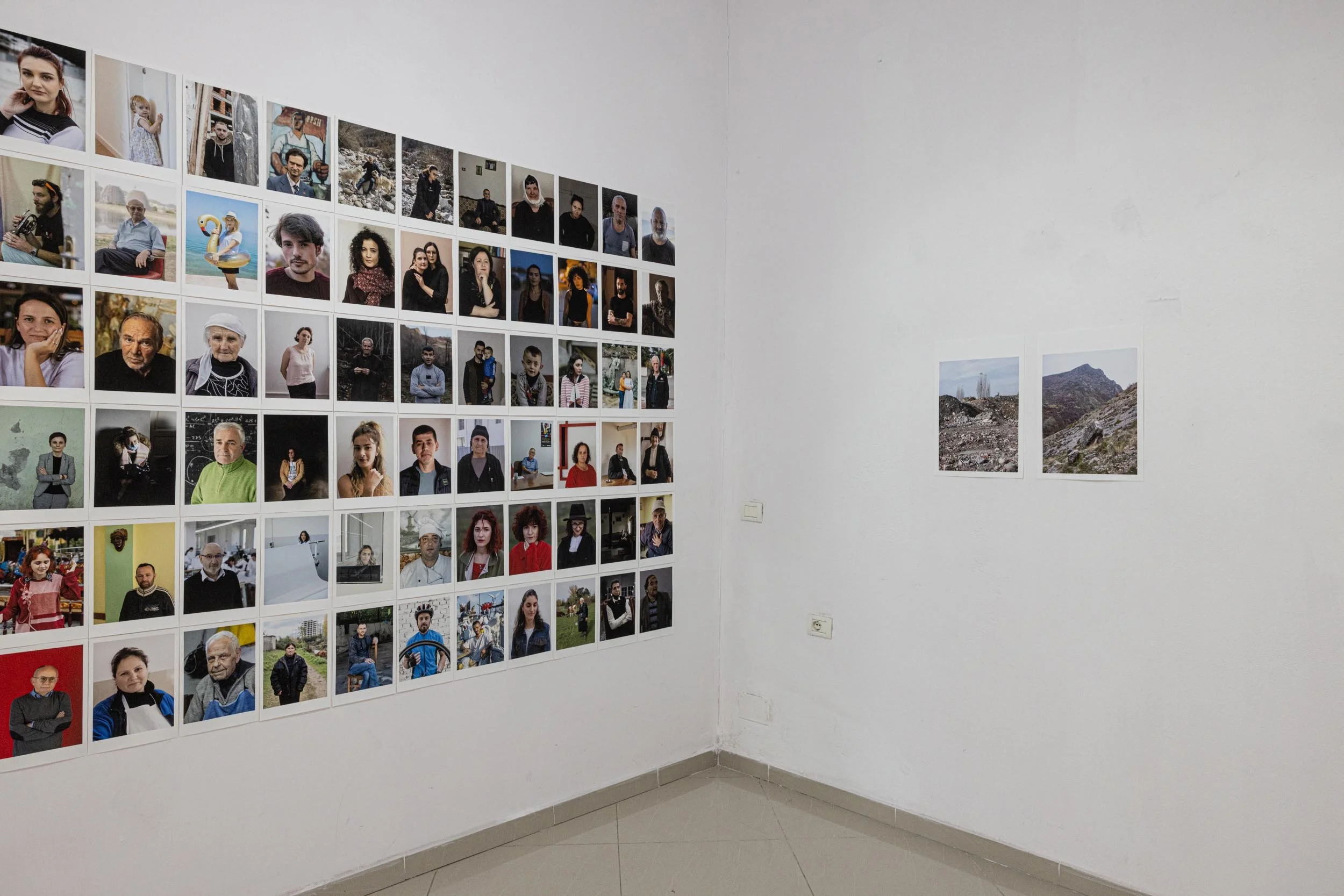
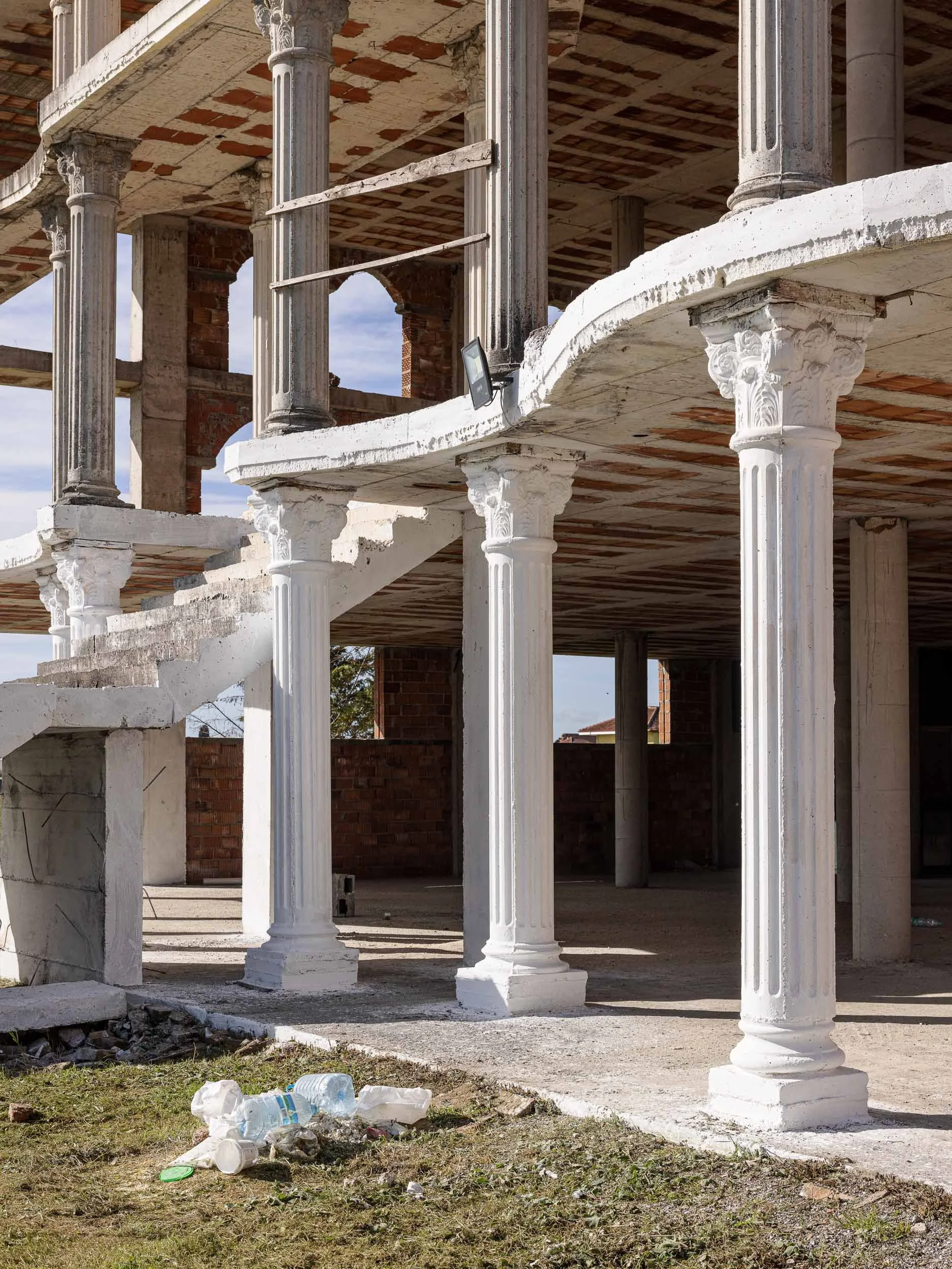
His recent project in Albania, “Ëndërr” (Dream), reflects this approach—capturing fragments of urban life, architecture, and transformation through a lens that feels both precise and elusive. Developed over five years, the project emerged from his fascination with the country’s rapid transformation, where communist legacies, informal development, and aspirations for the future coexist in a complex urban fabric. Through photographs of buildings, everyday situations, and portraits of people pursuing their dreams, Krempke looks beyond documentary representation to explore how we perceive and experience the places we inhabit. The title reflects both the Albanian dream of finding fortune and happiness at home or abroad and the Central European search for an undiscovered destination. Ëndërr is an ongoing reflection on individual aspirations, urban transformation, and the shifting boundaries between the real and the imagined.
Robert Pichler - Kiosks
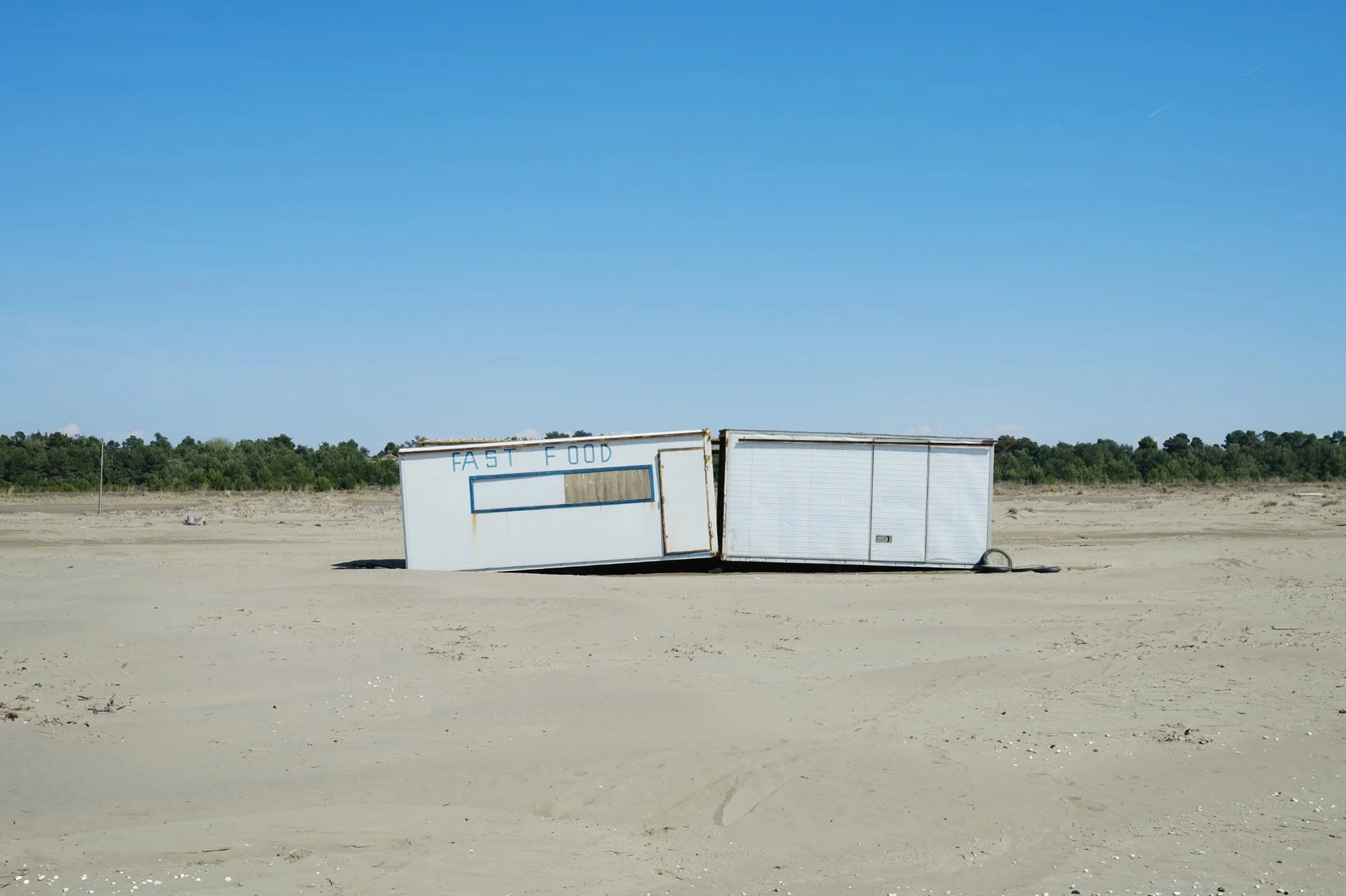
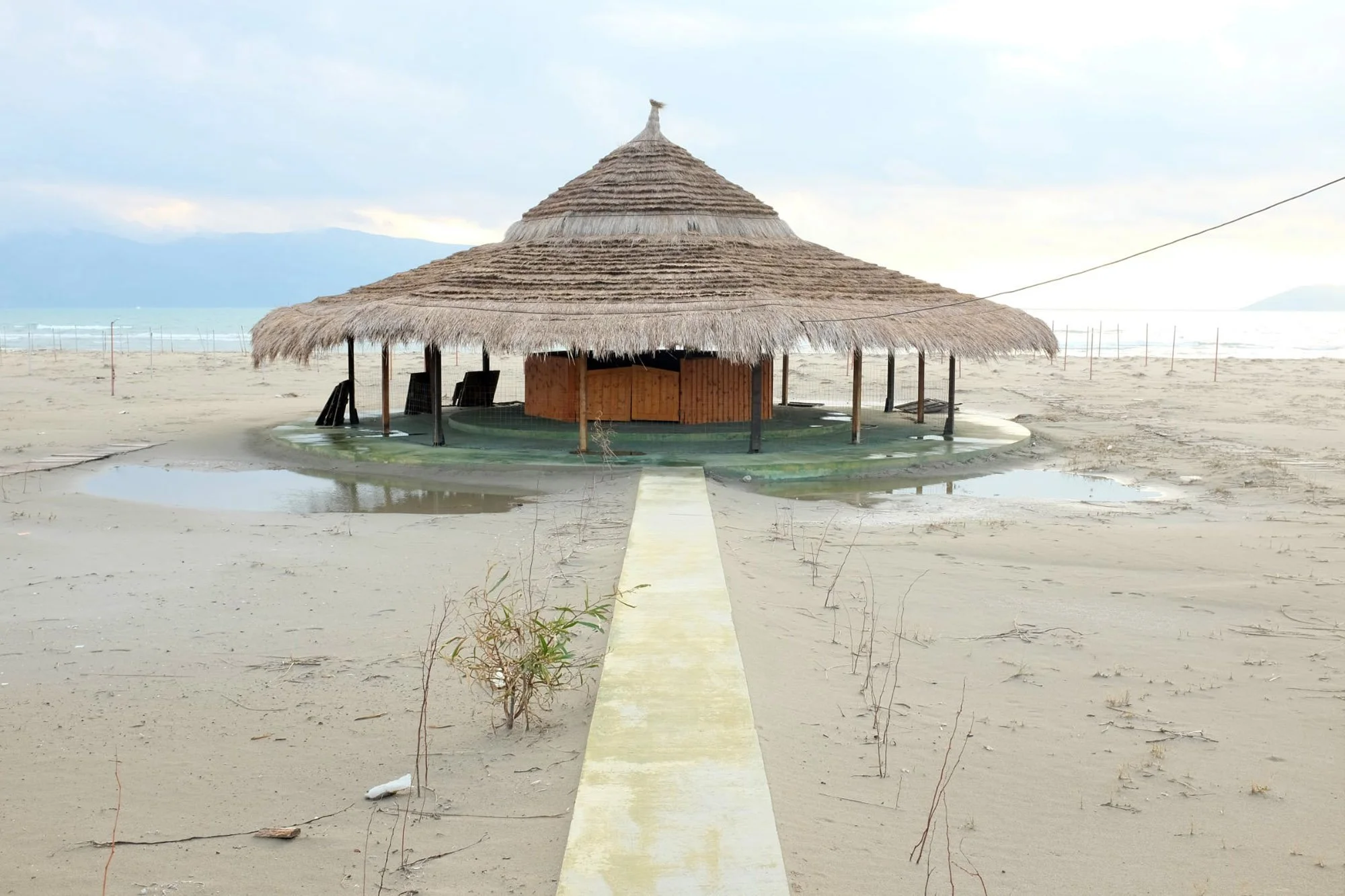
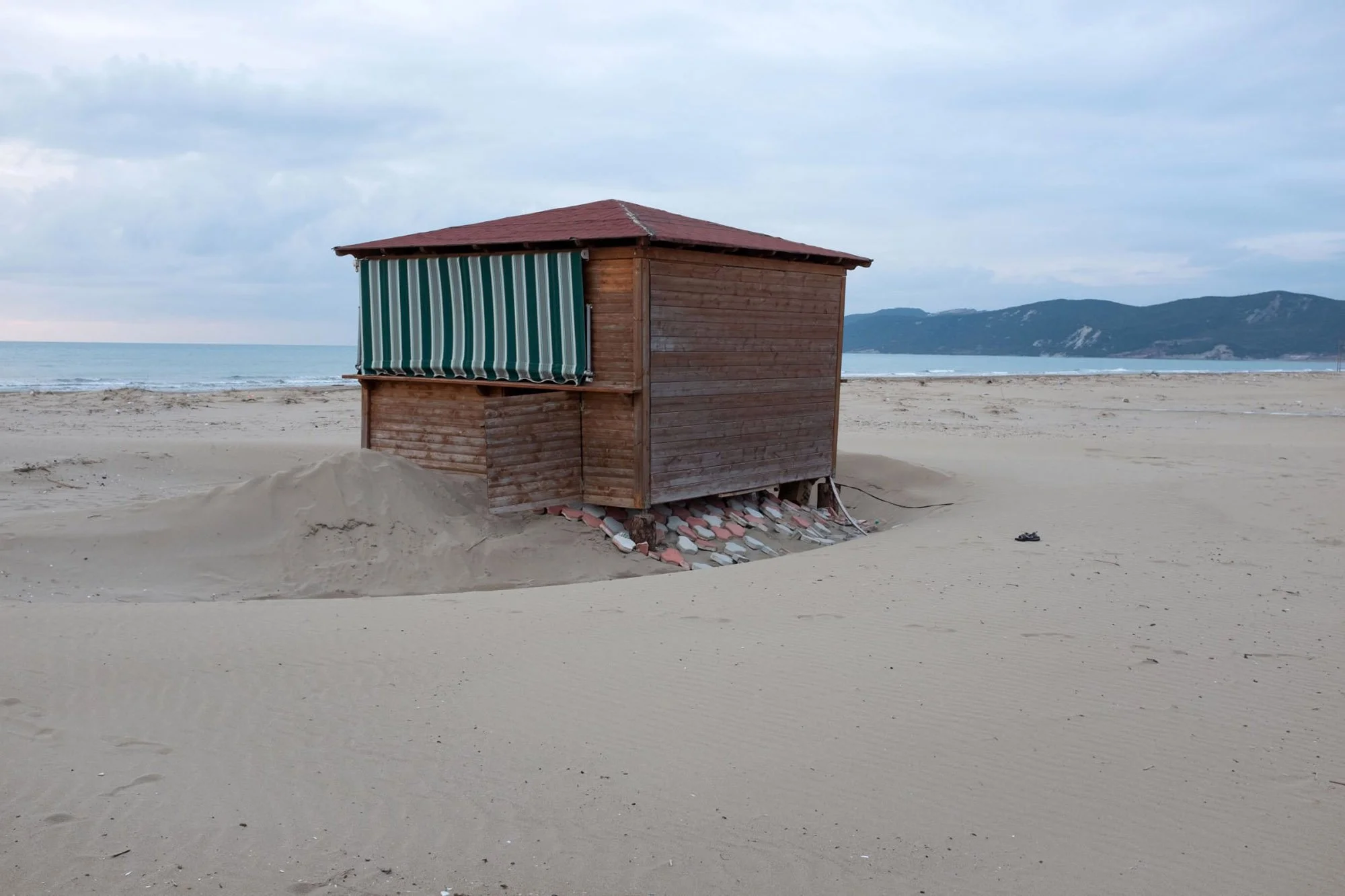
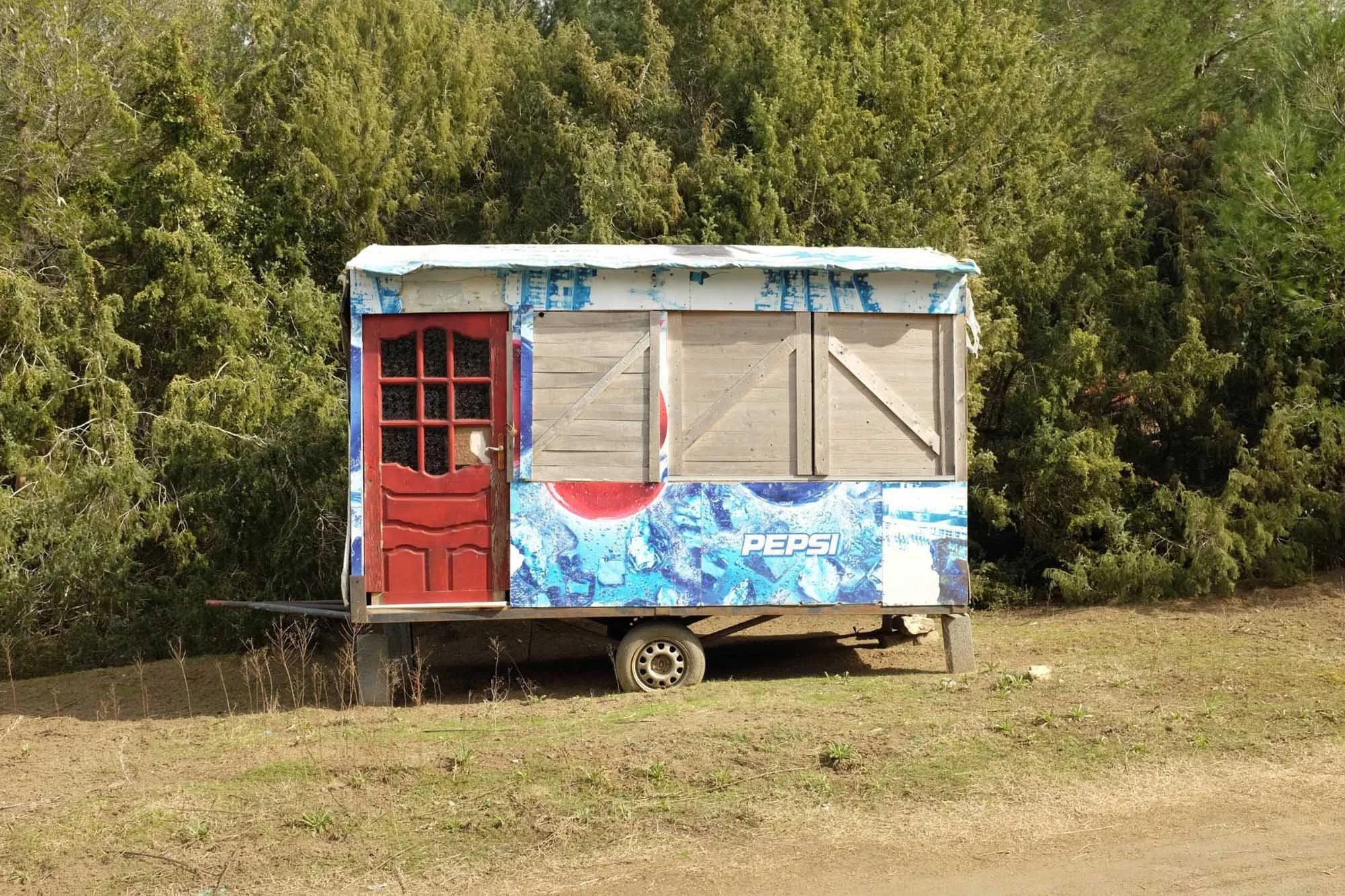
“Kiosks” is the latest project by Austrian photographer and anthropologist Robert Pichler, presented in the photobook “Kiosks: Temporary Architecture and Living Social Environments on the Albanian Coast”.
Emerging in the early 1990s, as Albania opened its economy to the free market, kiosks responded to an urgent need for commercial spaces. Over the following two decades, they became emblems of individual initiative and a vital source of livelihood for thousands of Albanian families in the wake of the mass closure of state-owned enterprises. Today, these ephemeral structures are gradually disappearing, displaced by the relentless concrete development of the coastline and the expansion of mass tourism. Through this photographic series, Pichler seeks to preserve their image at a moment of disappearance, documenting not only a vernacular building typology but also a defining chapter in Albania’s post-socialist transition.
The photographs constitute a tribute to the kiosk as an expression of informality and impermanence. Produced between 2010 and 2022, the series presents these improvised structures through rigorously composed, minimalist frontal views. The formal precision of the images stands in striking contrast to the provisional nature of their subjects, bringing their modest architectural forms, materials and individual character into focus. Pichler interweaves these architectural portraits with portraits and stories of the people who inhabit Albania’s coastal landscape, creating a nuanced account of everyday life and the social realities of transition. At once a record of what is vanishing and a reflection on what is taking its place, Kiosks traces a shifting coastal landscape in which the fragile, improvised structures of an earlier era give way to the increasingly dominant presence of concrete.


Nick St.Oegger - The Lament of the Mountains
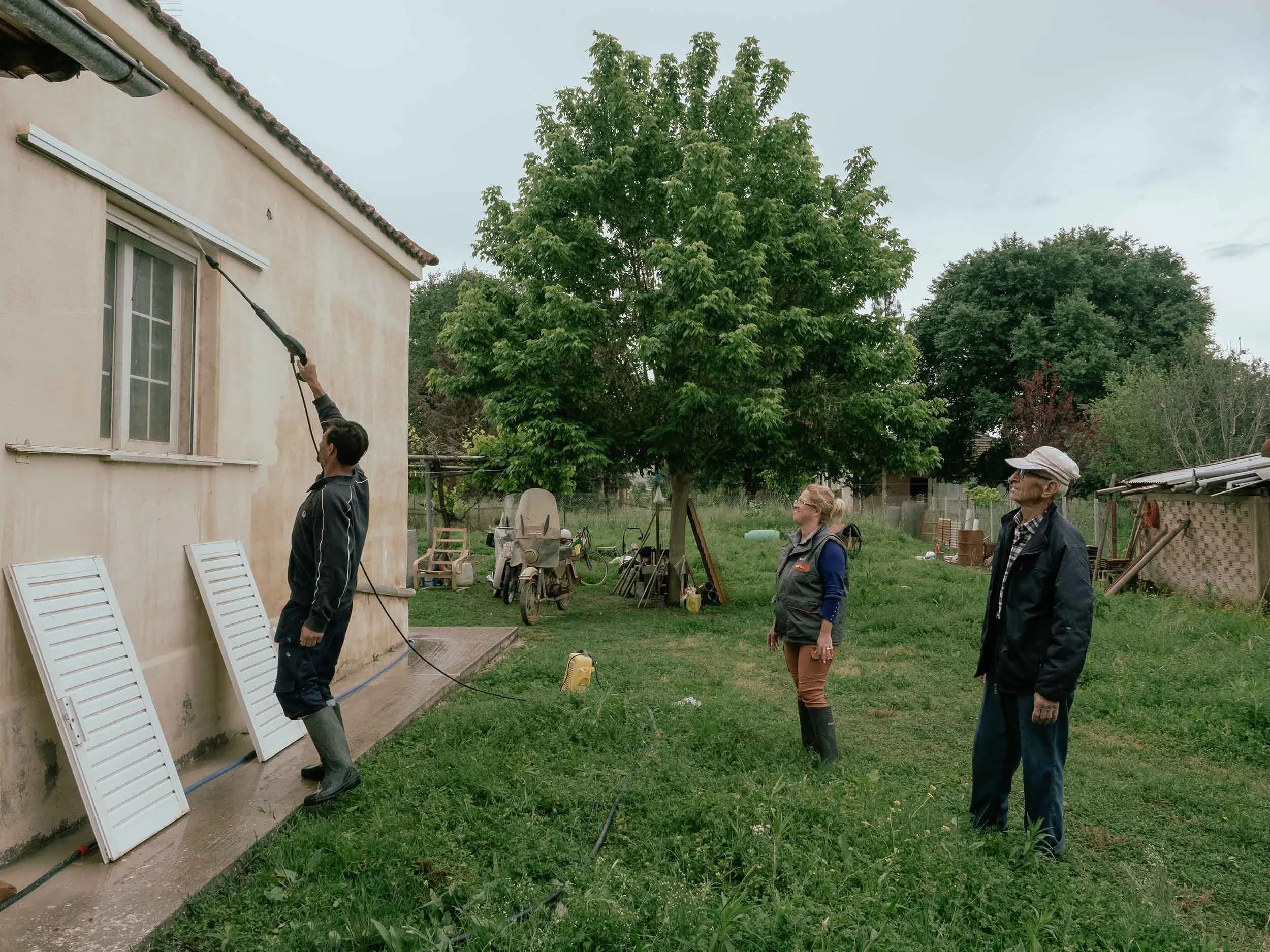
Nick St.Oegger is an american documentary photographer whose work explores the relationship between people and places. He has been working in the Western Balkans since 2013, developing an extensive body of work addressing a sensitive issue: the construction of hydropower projects on the rivers of the region known as the “Blue Heart of Europe,” and their impact on its rich biodiversity and the unique cultures of local communities. In “Kuçedra”, St.Oegger explores the Vjosa, one of Europe’s last wild rivers, and the proposed hydropower projects along its course that threaten to alter its flow, damage its exceptional biodiversity, and displace thousands of people through the creation of reservoirs. A vital habitat for numerous endangered plant and animal species, many of which have disappeared from other European rivers, the Vjosa also holds cultural and economic significance for the rural communities along its banks, which once played an important role in Albania’s agricultural industry. Through landscapes, portraits, and interior details, he documents the river’s environment in its natural state as it faces the threat of irreversible transformation.
In “The Lament of the Mountains”, St.Oegger turns his attention to the malësorët of Kelmendi, a pastoral shepherd culture and one of the last of its kind in Europe, whose livelihood is threatened by a dozen dams planned along alpine rivers. As the government receives subsidies and loans from Western banks to address the energy crisis through the construction of small-scale hydropower plants, public consultation on the potential consequences for biodiversity and the traditional lifestyle of highland shepherds remains absent. While Italy, Austria, and Greece have secured UNESCO recognition and protection for pastoral shepherding practices, no equivalent status exists in Albania, making the survival of this cultural tradition even more precarious.


Wandrille Potez - Eagles and Angels
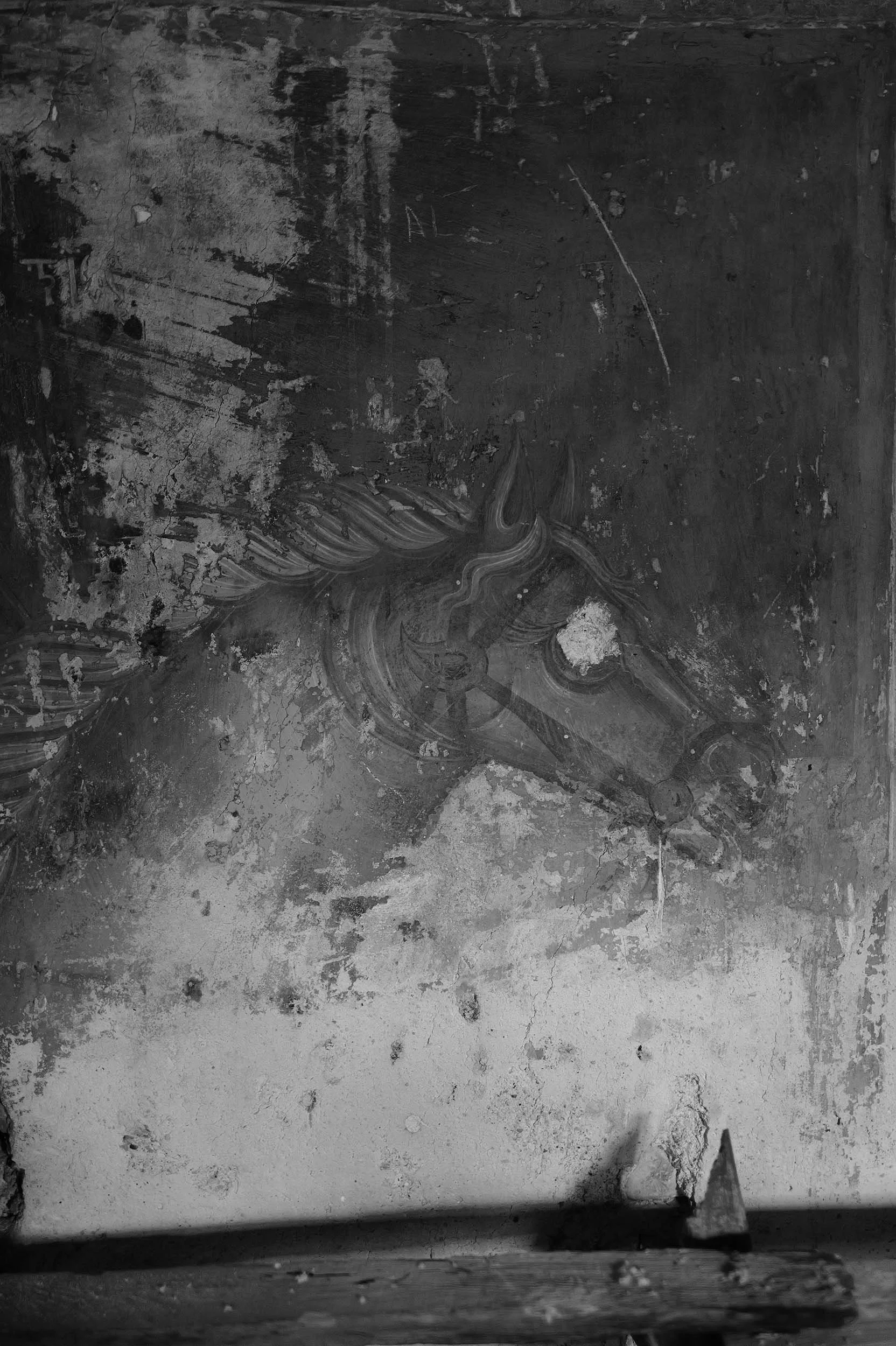
For photographer and researcher Wandrille Potez, Albania’s Drino Valley is a place where history, faith, and nature coexist in a fragile balance. Since 2017, and through repeated journeys from 2022 onward, he has explored its remote post-Byzantine churches and monasteries, documenting abandoned frescoes, weathered stone walls, and traces of devotion that have endured centuries of political change, neglect, and environmental exposure. Combining photography, art history, and documentary research, Potez approaches these sites as living testimonies to cultural heritage, sustained by the quiet rituals and care of local communities. His work reveals not only their architectural and artistic significance, but also their vulnerability and the intimate relationship between sacred spaces, landscape, and everyday life.
Potez’s commitment to preserving this overlooked heritage has extended beyond photography. At his initiative, the monasteries of the Drino Valley were included in the World Monuments Fund’s Watch List 2025, bringing international attention to their conservation. Following exhibitions in Albania and France, including a presentation at the Collège des Bernardins in Paris in 2025, his research deepened during his 2024–2025 residency at Vila 31 – Art Explora in Tirana. There, he developed the narrative structure of “Eagles and Angels”, a forthcoming publication bringing together photographs, historical research, and texts. Through this ongoing project, Potez invites us to encounter a little-known landscape where centuries of history, enduring faith, and the forces of nature converge.



Ilir Tsouko - Beyond Destruction
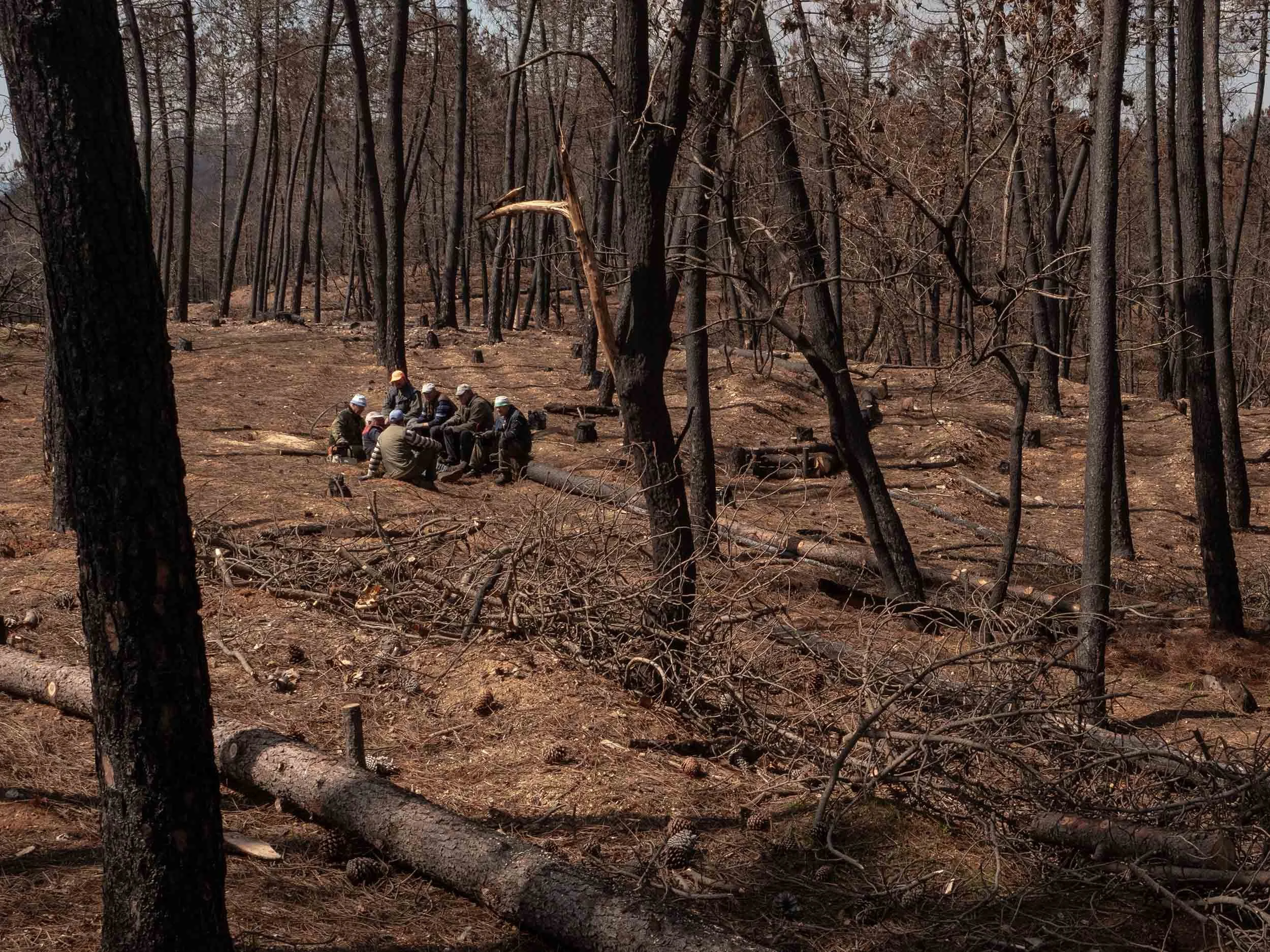
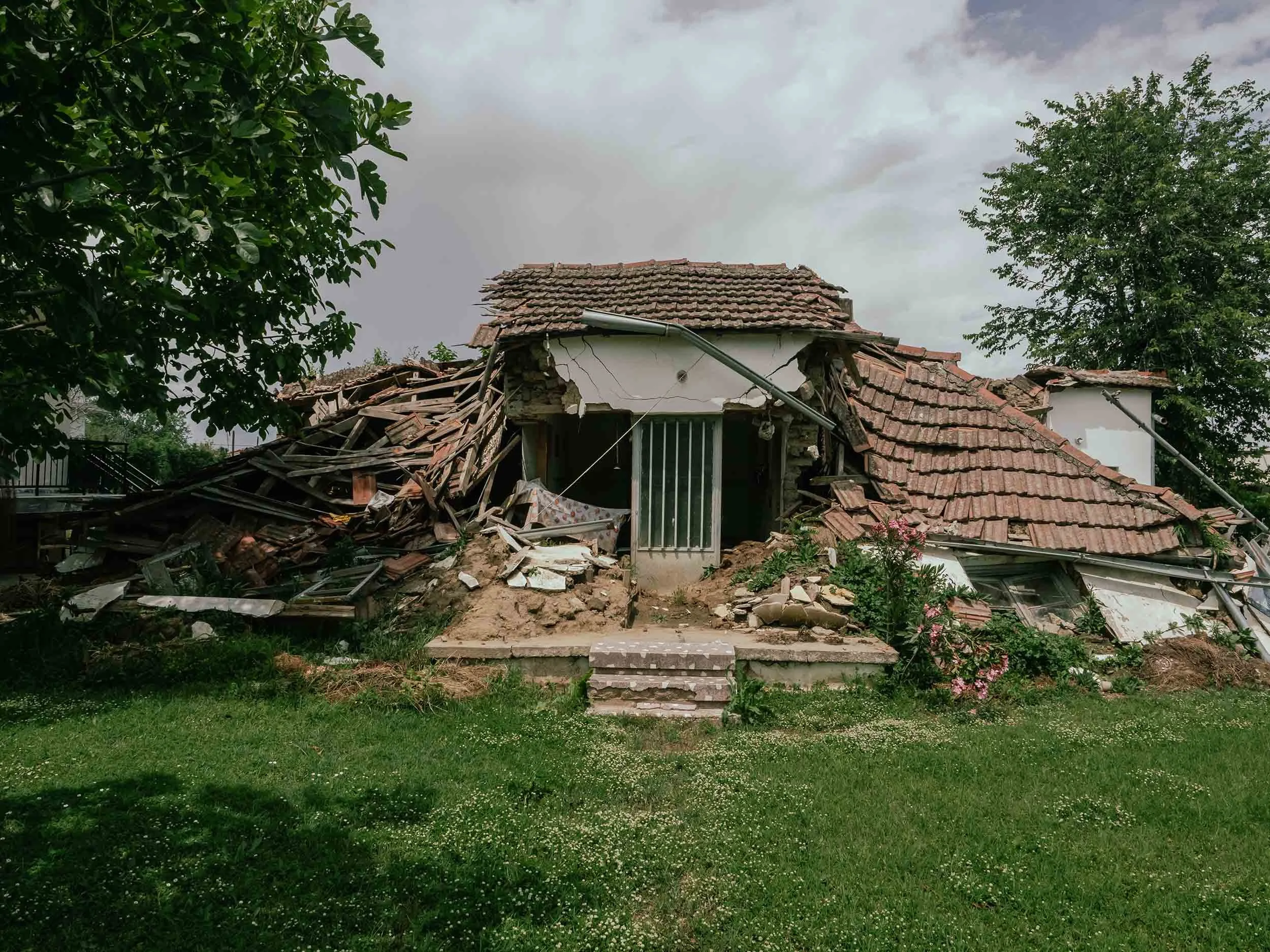
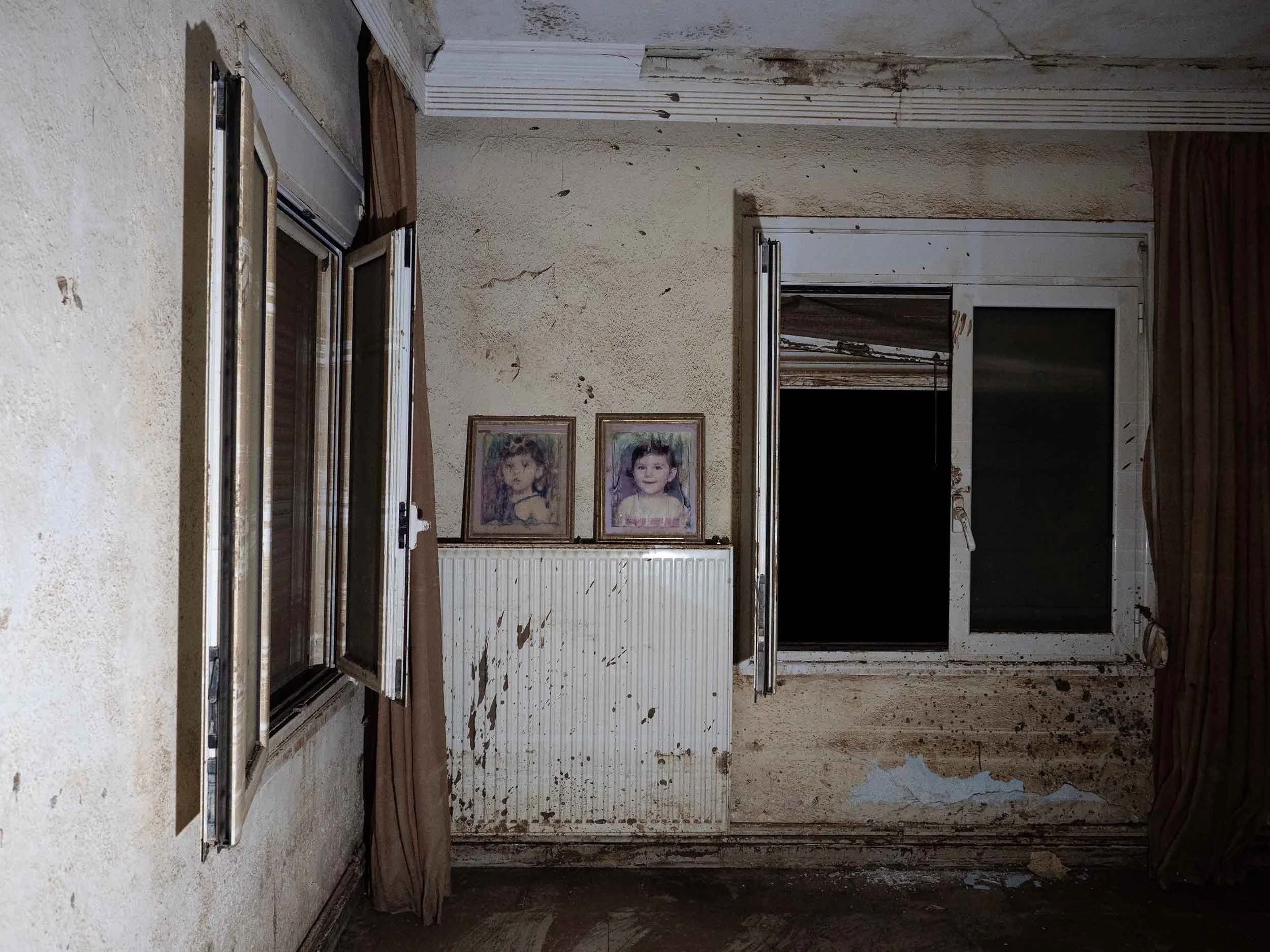
Ilir Tsouko is an Albanian-born visual storyteller, documentary photographer, and filmmaker whose work explores themes of identity creation, migration, political and climate change. The project “Beyond Destruction” is developed in the areas of Greece that in 2023 experienced a series of devastating natural disasters. Wildfires and floods took numerous lives, destroyed homes and transformed entire landscapes, leaving communities grappling with grief, loss and uncertainty. Months later, the photographer Ilir Tsouko and writer Anja Troelenberg travelled to the affected areas, seeking to understand what remains after the media spotlight fades. They encountered a profound paradox: even in the darkest moments, catastrophe can reveal the brightest aspects of human nature. Disasters do more than destroy; they expose the realities of our society, showing how we fracture or unite when confronted with the unimaginable. Beyond Destruction explores survival, the power of community and the resilience of the human spirit.
The project follows a new chapter in Albania, shifting its focus to the period before disaster strikes and to the often-unseen work that becomes vital in times of crisis. It follows firefighters, civil protection teams and others working on the front lines of preparedness, anticipating risks and preparing for what may lie ahead.
Vlasov Sulaj - The City as a Place of Dissent
Vlasov Sulaj is an Albanian visual artist and photojournalist whose experimental approach blends documentary and abstract photography in the search for a distinct visual language, earning international recognition through exhibitions and awards.
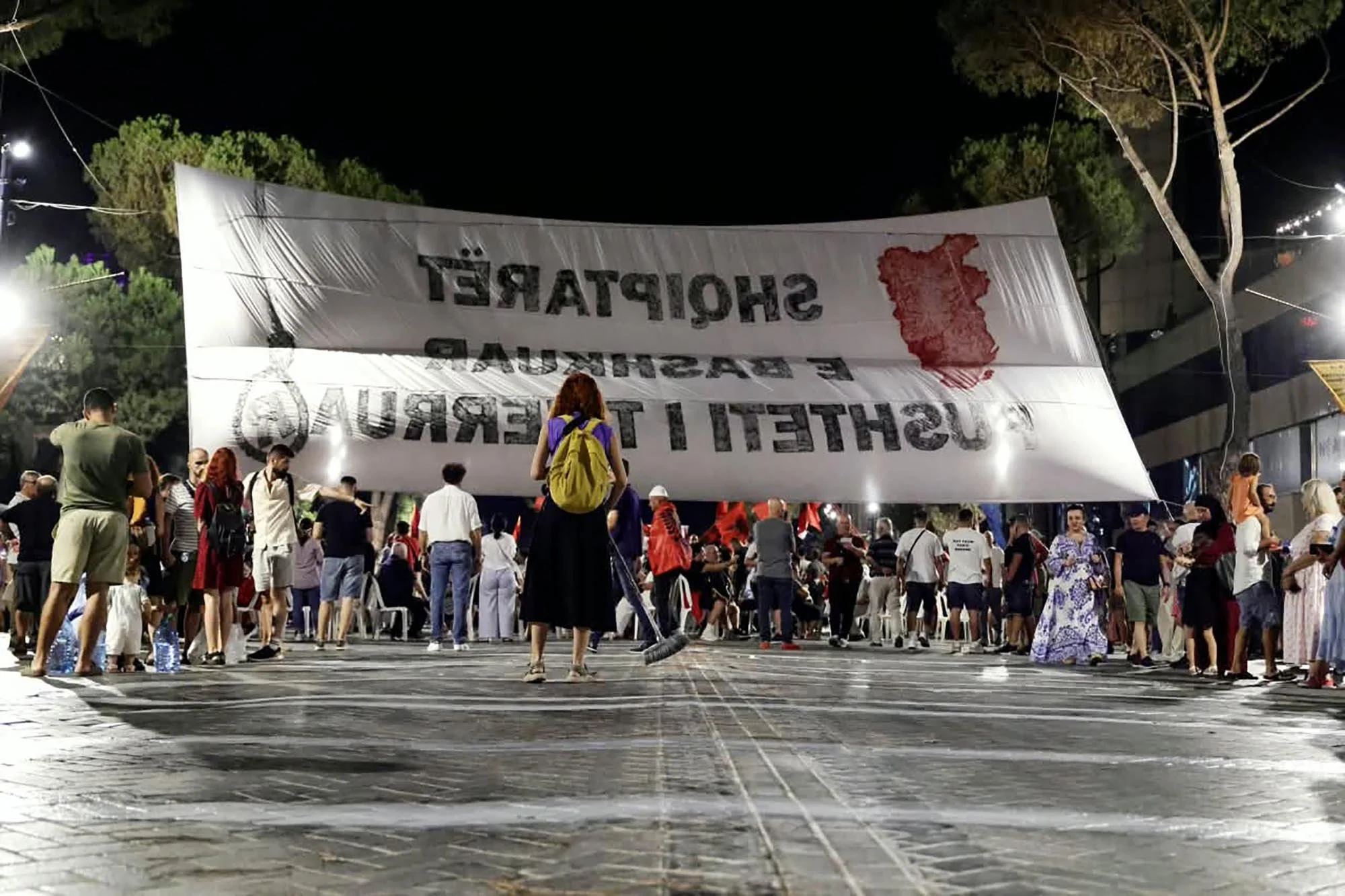
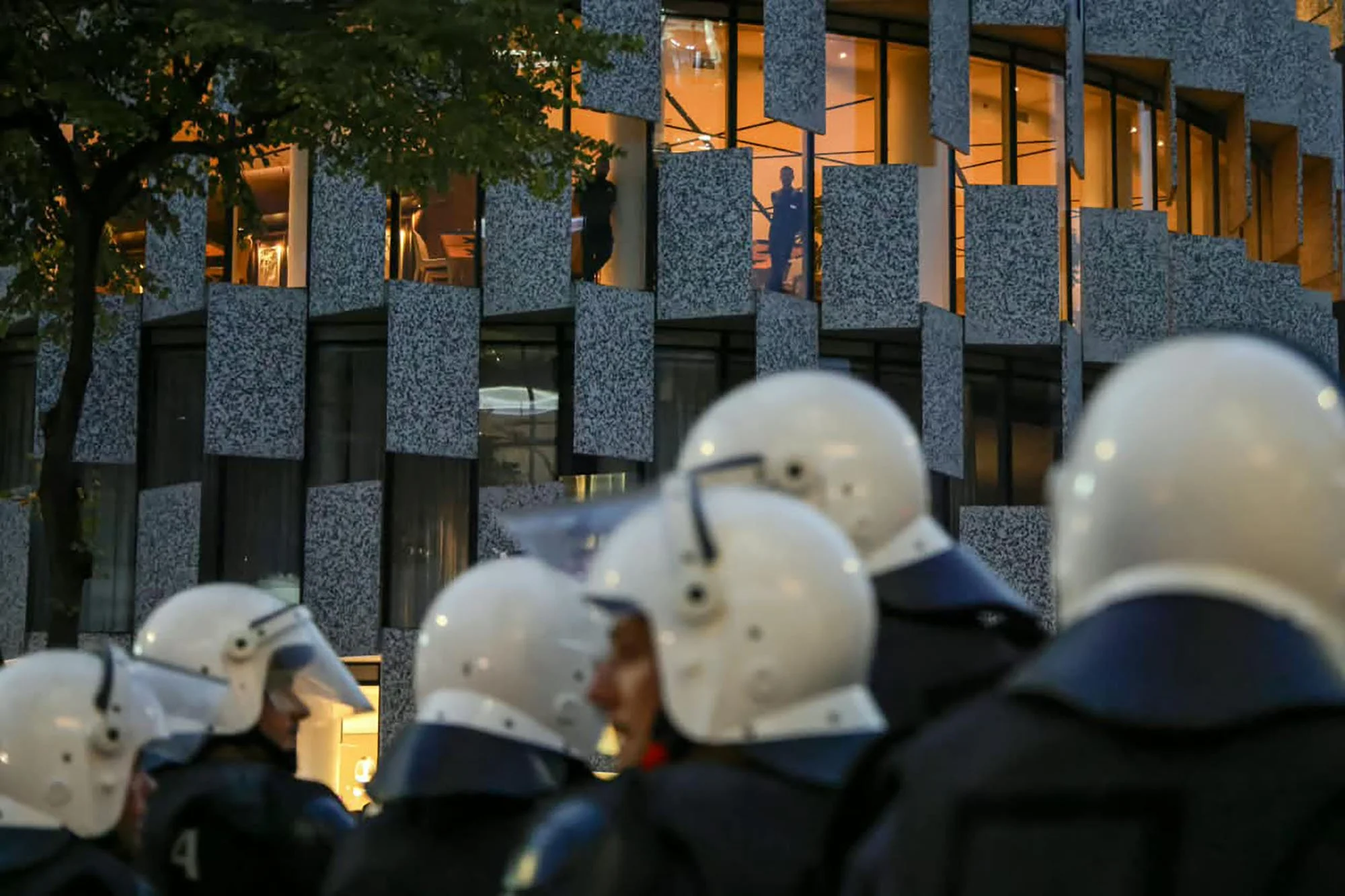
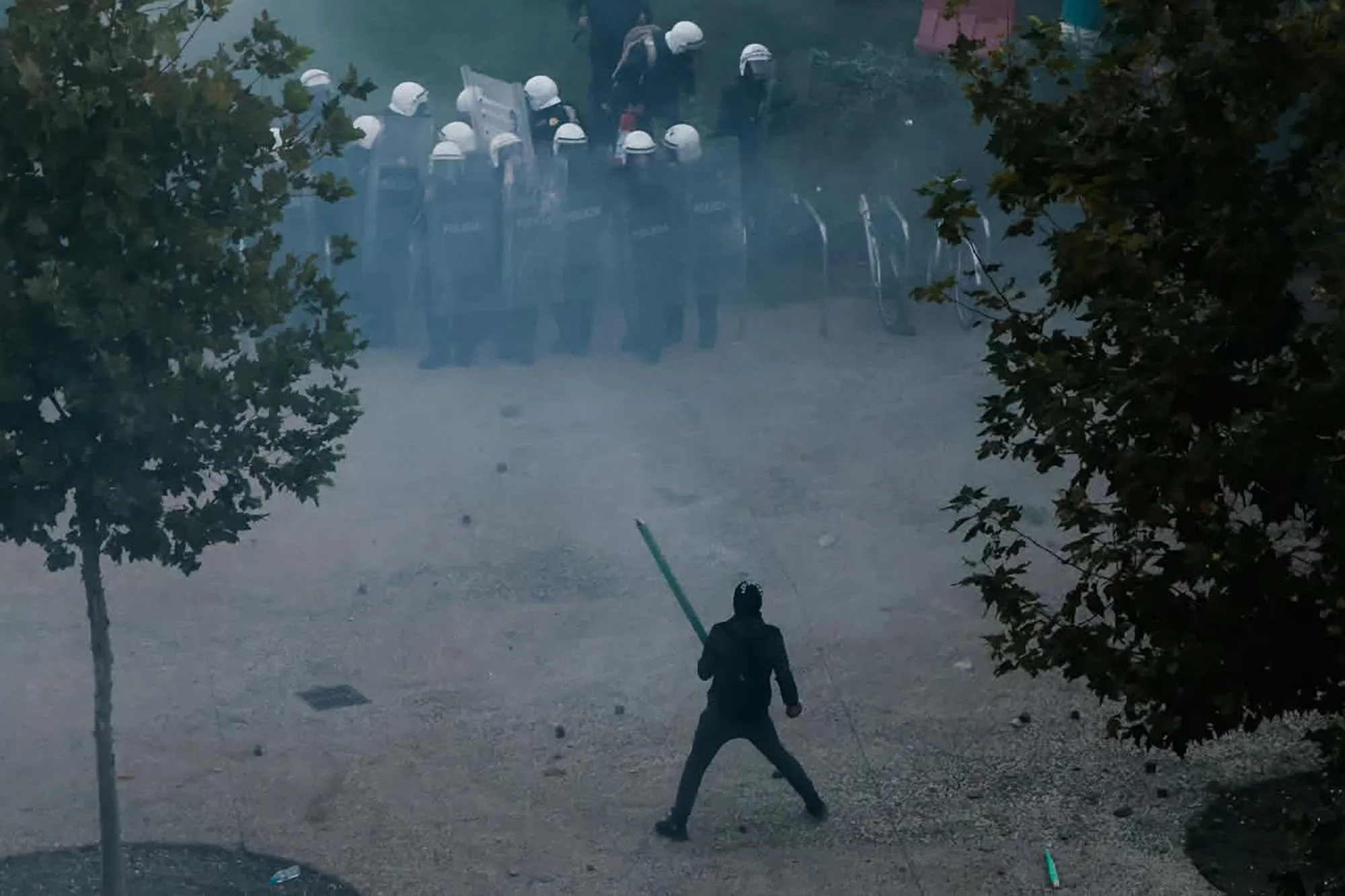
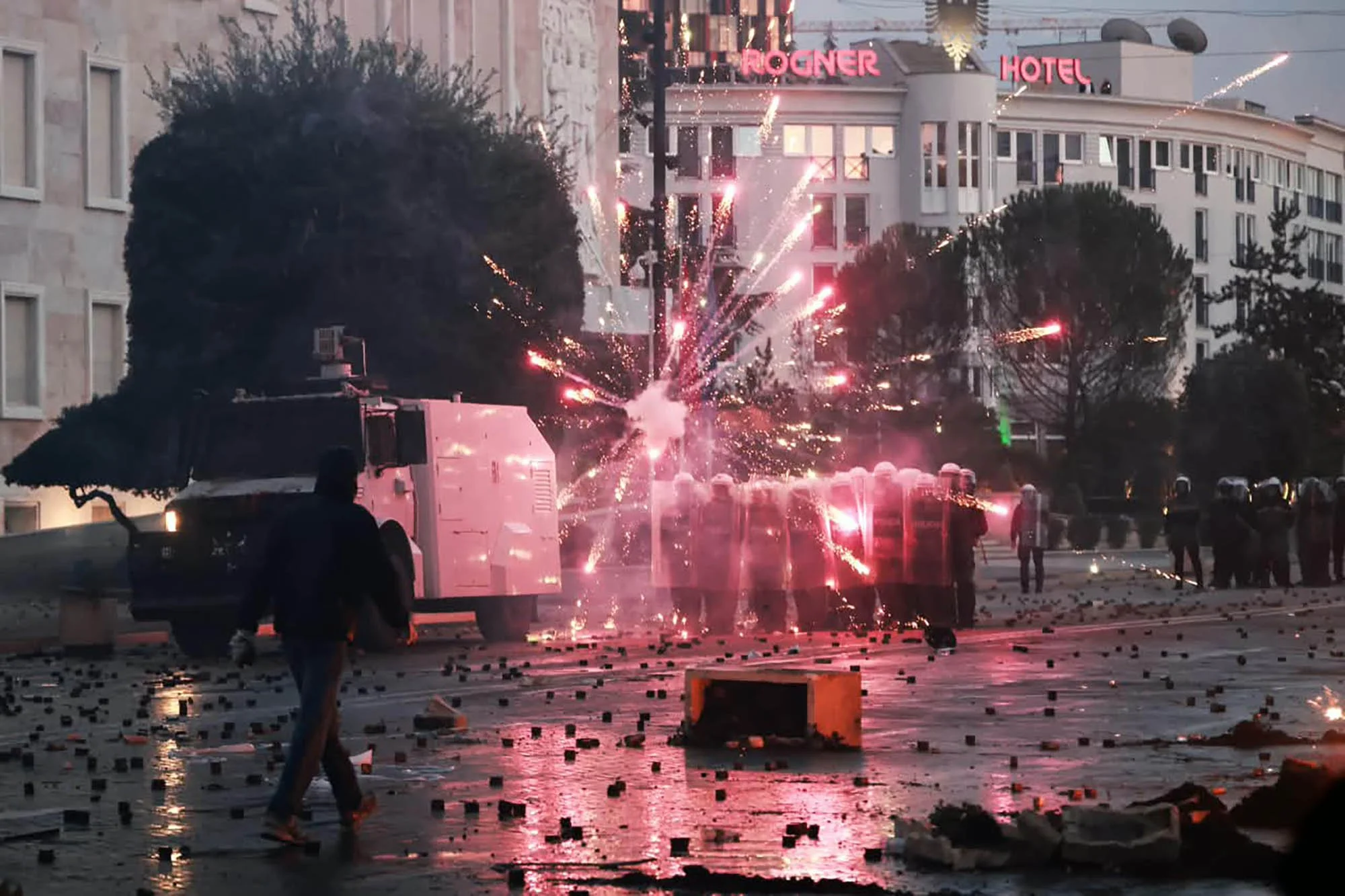
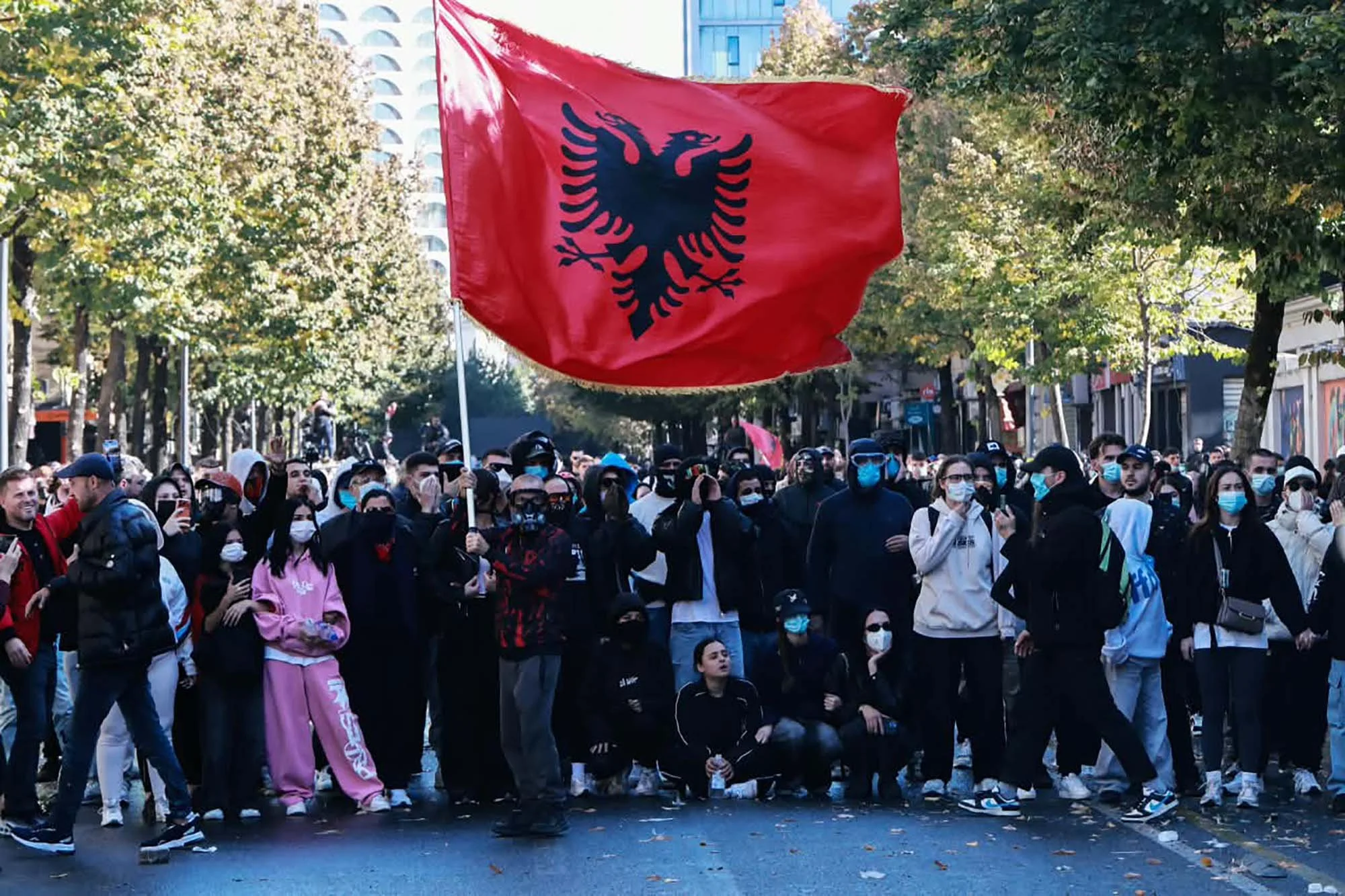
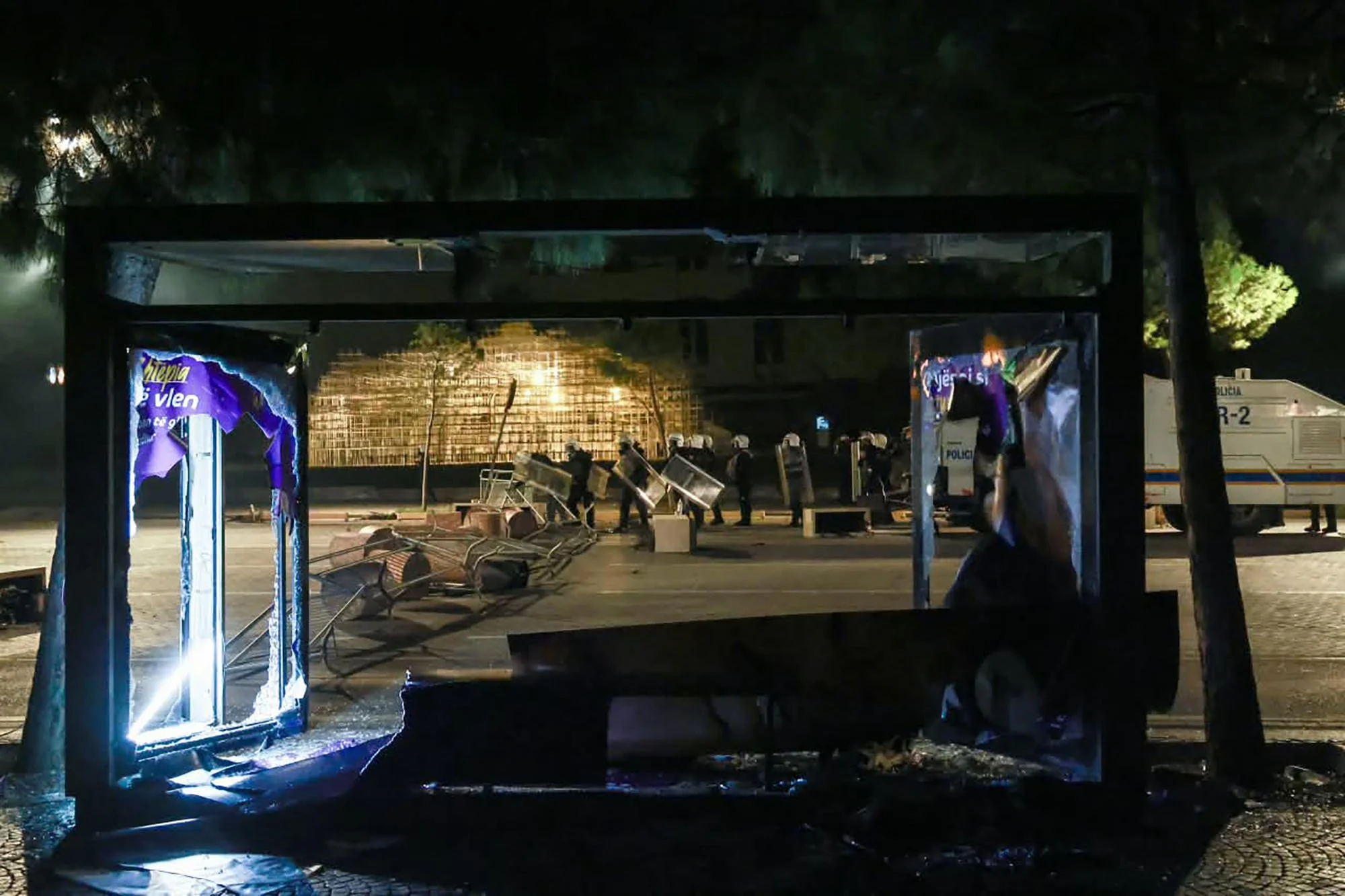
Student-led protests of October 2026 in Tirana transformed public spaces into sites of assembly, political dissent and demands for accountability. Gathering around the Ministry of Education, the Prime Minister’s Office, Skanderbeg Square and the main boulevard, demonstrators reshaped familiar urban settings into places of collective expression and confrontation. Government facades, institutional entrances and police barriers framed these encounters, revealing the tension between the architecture of power and the ways citizens inhabit and reclaim public space. Through images of marches, national flags, police barriers and solitary figures facing institutional facades, Sulaj explores the changing relationship between people and their urban surroundings, reflecting on visibility, participation and the right to make demands in the heart of the city.

Thomas Krempke — Seeing the City Between Reality and Dream
Thomas Krempke is a Swiss photographer whose work moves between urban observation and poetic interpretation. His recent project in Albania, ENDERR (“Dream”), reflects this approach—capturing fragments of urban life, architecture, and transformation through a lens that feels both precise and elusive. In this conversation, we speak with him about his practice, his experience in Albania, and how photography can shape the way we understand cities.
© Thomas Krempke, Tirana New Boulevard, 2020
There are cities you can read clearly—and others that unfold slowly, somewhere between presence and perception. In Albania, the urban landscape often feels suspended between past and future, between rapid transformation and unfinished narratives. It is precisely within this in-between condition that Thomas Krempke positions his gaze.
A Swiss photographer with a distinct sensitivity to atmosphere and spatial ambiguity, Krempke does not simply document the city—he reframes it. His images invite us to pause, to question what we see, and to consider how architecture is experienced not only as form, but as mood, memory, and projection.
His latest project, ËNDËRR (“Dream”), developed in Albania, moves along this delicate line between the real and the imagined. Through fragments of streets, buildings, and everyday moments, the work constructs a quiet, introspective portrait of a country in flux.
We spoke with him about his photographic approach, his experience in Albania, and how images can reshape the way we understand urban space.
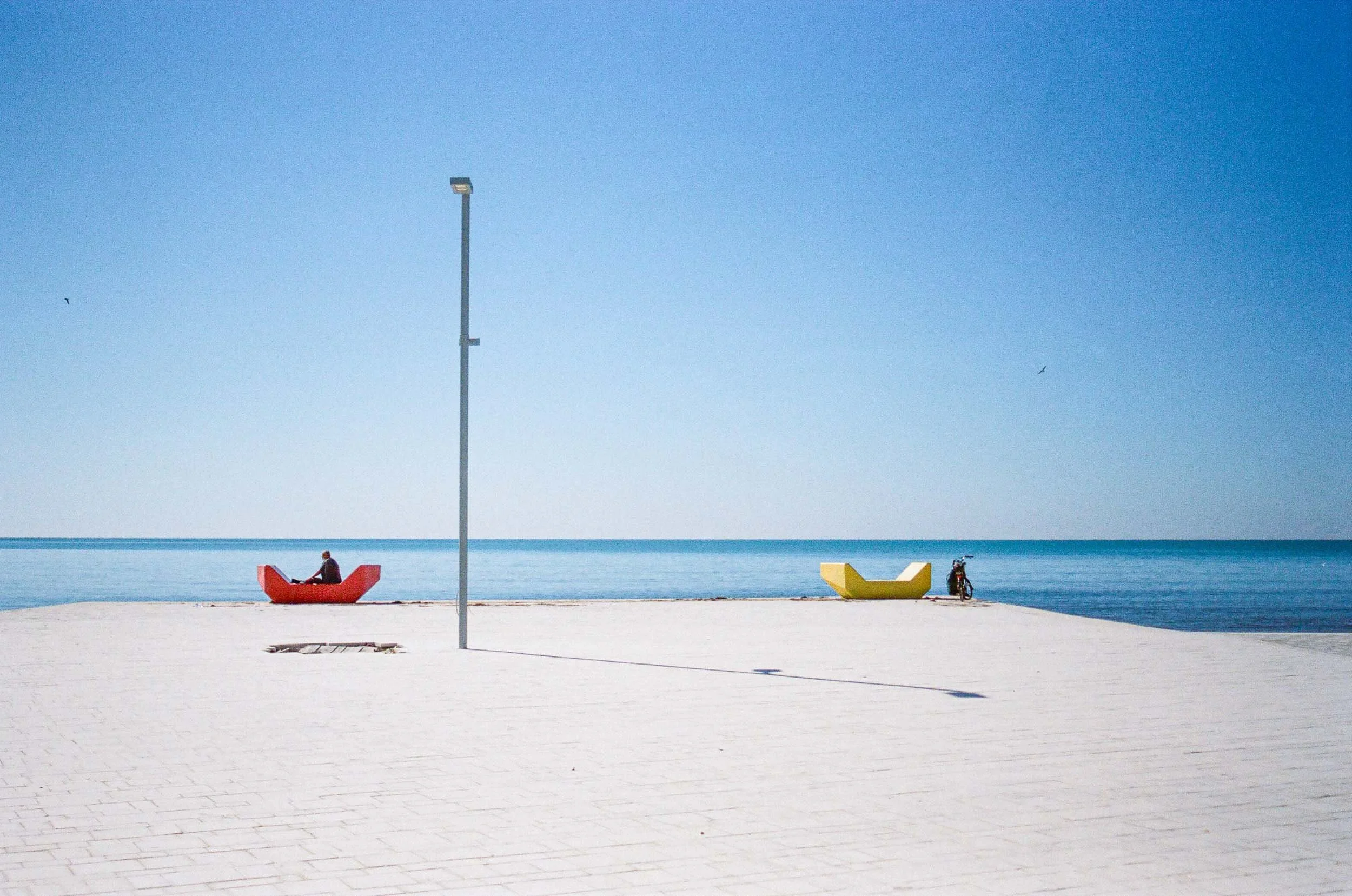
© Thomas Krempke, Durres 2020
Alketa Misja for Tatì Space: Hello Mr.Thomas! First of all, thank you very much for accepting the invitation to be interviewed by Tatì Space and sharing your work with our readers. Can you please tell us more about yourself? How did your journey into photography begin, and what drew you to urban and architectural subjects?
Your work lies between urban observation and poetic interpretation. You create visual narratives that go beyond simple documentation, inviting viewers to experience the city as an emotional landscape. How do you approach this tension between reality and representation in your images?
Thomas Krempke: I began making films at the age of 16 with a short film. At 22, I started studying Literature for two years, and then I attended Art School for Photography in Zurich from 1979 to 1983, as it was the closest field to cinematography, for which there was no school at the time. I have always been interested in places—where people live and how they live.
In 1980, I made a film with co-authors about house squatting in Zurich, during the 80-es movement of young artists for more cultural spaces in city. For the next 40 years, I made documentary films until 2008, when I returned to photography.
I began my first photography project, The Whispering of Things, as a photographic diary, but after two or three years I realized it had the potential to be developed more seriously, and it eventually became a photobook in 2016. The book is a diary of perception—how I perceive, what my gaze is, and what it means to look. There are no portraits in this work.
I started making portraits for the project Ëndërr, as I wanted from the beginning to include people. I attended a workshop in Arles with the well-known photographer Yann Rabanier to learn portraiture. I was always afraid of photographing people, but now I take pleasure in it.
As in all my projects, I do not aim to be too realistic. I want people to see reality differently after experiencing my photographs. It is all about perception.
©Thomas Krempke, Piramida of Dictator, Tirana 2022
©Thomas Krempke, Adriatik 2022
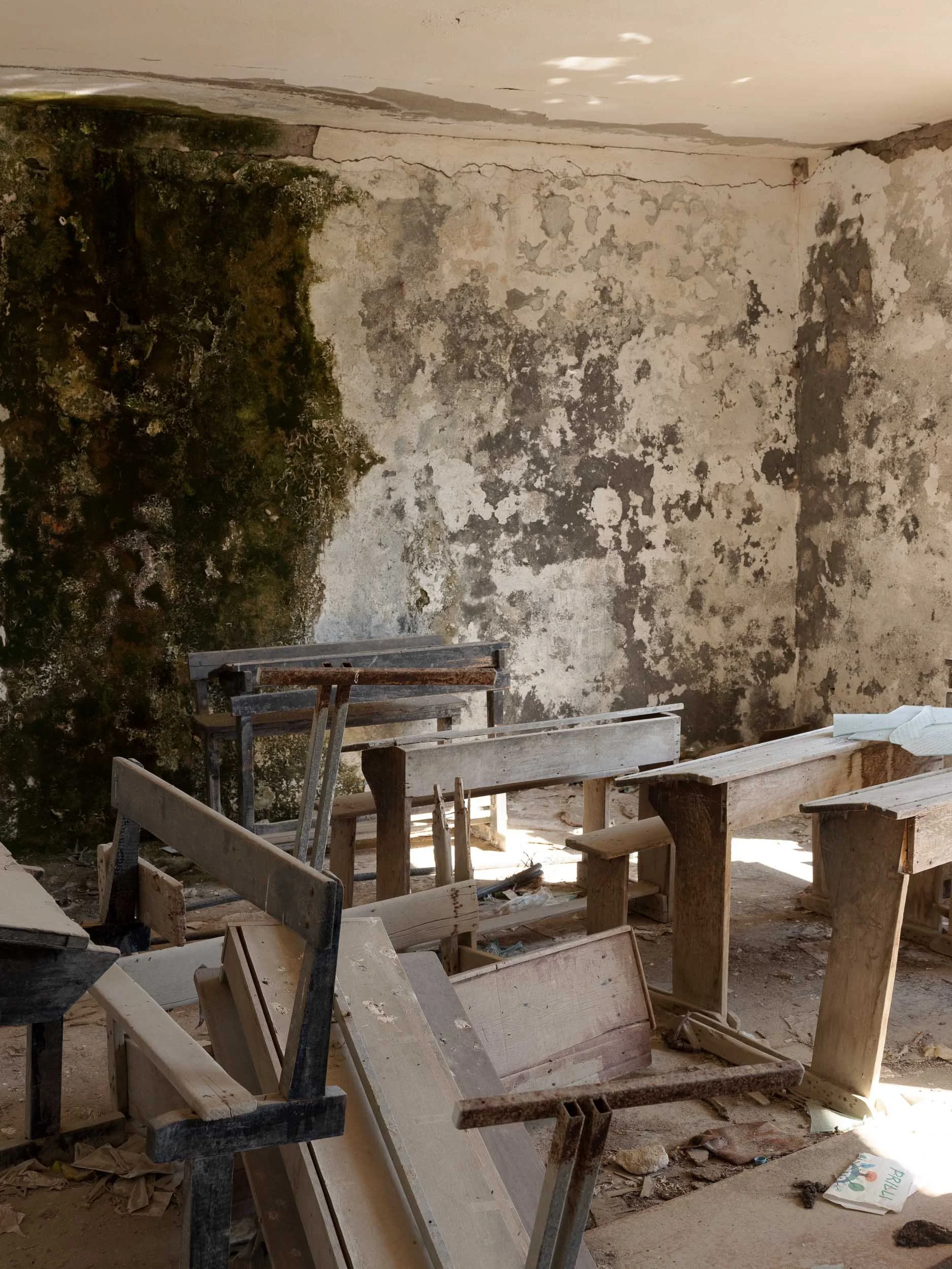
©Thomas Krempke, Adriatik School 2022
Tatì Space: From 5 years now you are photographing in Albania. Your recent project ËNDËRR was presented in the exhibition at Grupi ATA in Kamza, Tirana from March 26- April 16, 2026. What was the starting point or impulse behind this project?
The title ËNDËRR (dream) suggests a subjective or poetic layer—how does this idea translate into your visual language? What kind of spaces or urban conditions were you most interested in capturing in this series?
Thomas Krempke: The project on Albania began with my first visit in 2017. I was fascinated from the very beginning. What captured my interest was how the contrasts and contradictions of society are highly visible in the urban fabric. It is a post-communist society in transformation, but in some respects different from other Eastern European countries. Albania was very closed during the regime, and its openness to democracy and capitalism happened very quickly—almost like an explosion—which makes these contrasts and contradictions more visible than in other countries.
I began photographing during my second visit in 2019. I walked extensively through the city and was amazed by its chaotic development. For me, this was particularly interesting, because the houses and places seem to have stories to tell. There is the Boulevard and the Center, but the more you go out in periphery, the planning disappears.
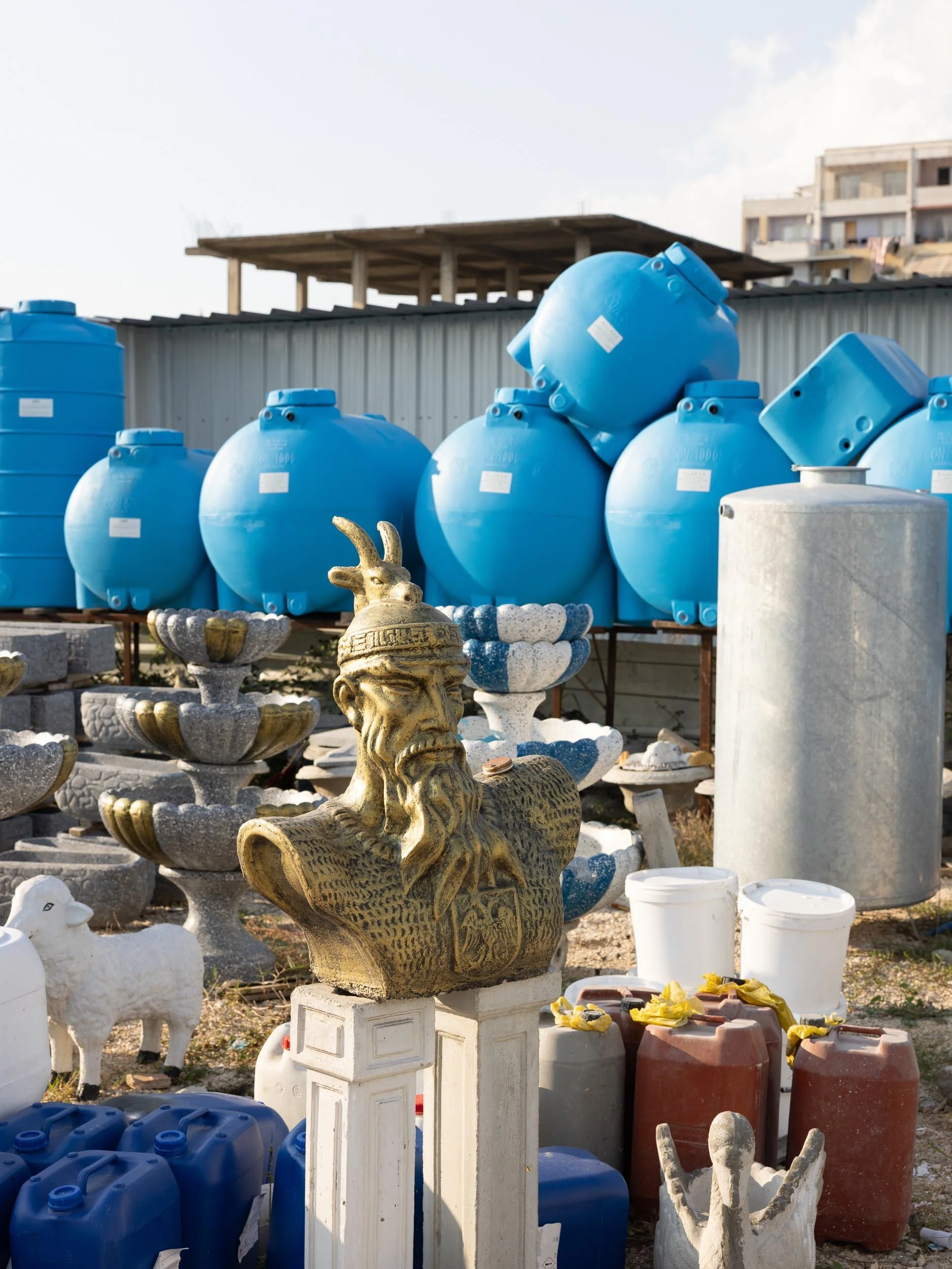
©Thomas Krempke, Kamza 2021
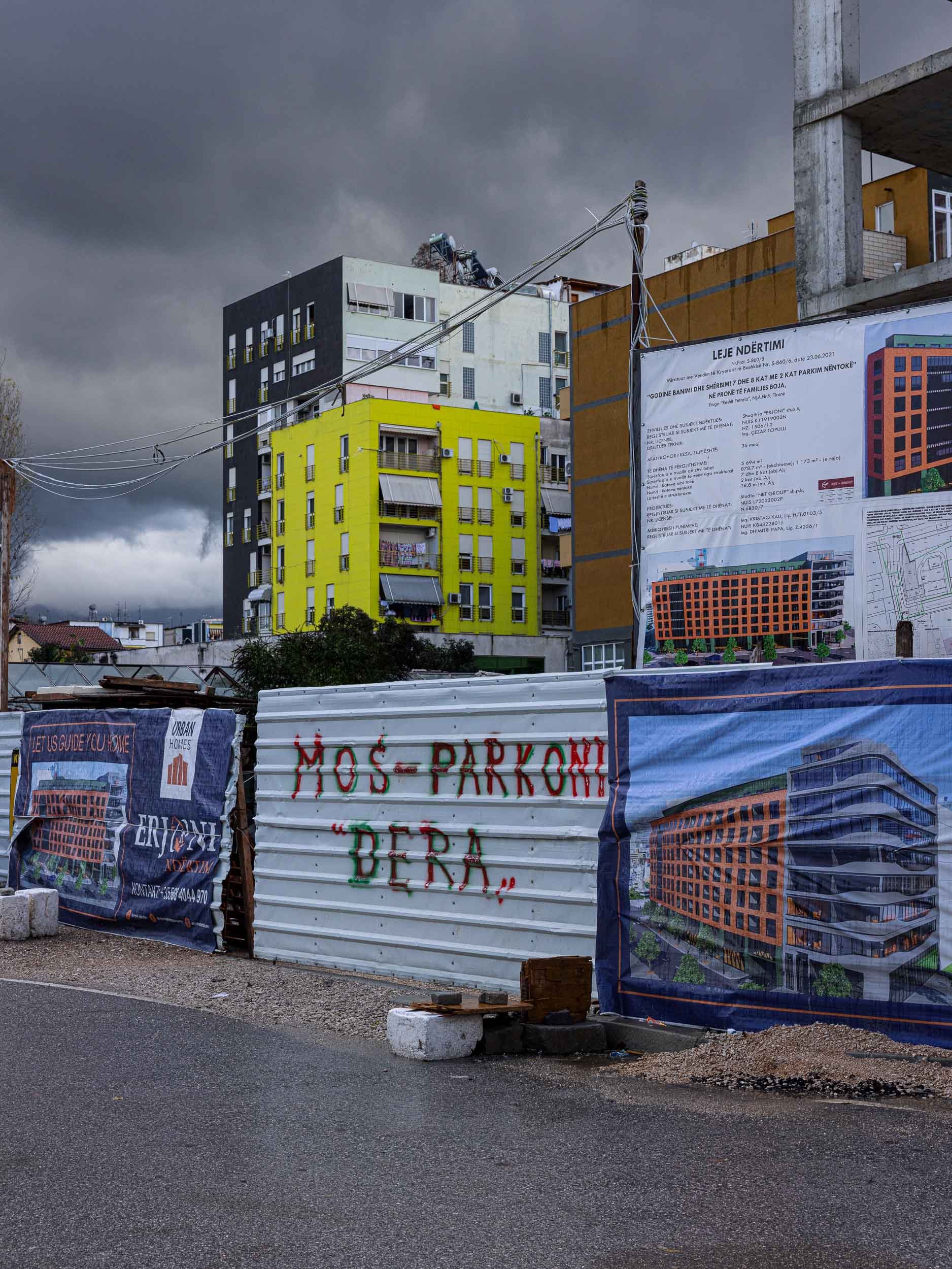
©Thomas Krempke, Tirana New Constructions 2022
The first part of the project was exhibited in 2022 under the title “Shi bie në Tiranë” (It’s raining in Tirana) at Gallery Kriens. In 2023, part of the project was exhibited under the title “Today–Yesterday–After Tomorrow” at Galerie am Platz, Eglisau, Switzerland. However, the title of the photographic project has remained the same from the beginning: ËNDERR (Dream). It is exhibited under its original name for the first time here in Albania, at the premises of Group ATA in Kamza. The exhibition is supported by Group ATA and the Swiss Embassy in Tirana, to whom I am very grateful.
The title refers to the Albanian dream of finding fortune and happiness—either as an emigrant abroad or in the capital, Tirana. At the same time, it reflects the opposite dream of Central Europeans searching for an undiscovered, “authentic” tourist destination. What fascinated me was how these two dreams intersect in a place that no one quite knows how to locate. This is what I wanted to convey through my photographs from the very beginning.
During my research on Albania, I also noticed the word “dream” recurring everywhere—in novels, poems, and song lyrics—accompanying me like a leitmotif. I therefore decided it was a very fitting title for the project.
Interestingly, I have always been drawn to dreams. I dream frequently at night, and for a time I kept journals in which I wrote them down. I no longer do this. Instead, I photograph situations that feel contradictory, like dreams—where old and new, finished and unfinished, all come together in a non-rational way, such as in the image of the unfinished hotel in Golem with white columns.
©Thomas Krempke, White Colomns, Golem 2024
©Thomas Krempke, Tirana Zoo, 2022
Tatì Space: In your images appear different elements like informality, rapid development, layered histories, the past and the future both competing for supremacy in a place that is striving to live in the present (quoting you). Did you encounter specific urban phenomena that influenced your way of seeing or framing?
One of the poems that you have chosen for the Exhibition, that I like very much, is “Ënderr” of Visar Zhiti, written in 1982 during his political imprisonment in the infamous Spaçi prison. How does the idea of “dream” shape the way you see and photograph the people and places? How do you see the role of photography in shaping memory and understanding of urban space?
Thomas Krempke: The project is about individual dreams—about people who build their own dreams in their country. From the beginning, I wanted to make portraits of different people. I did not want to focus on immigration; it is an easy subject, and many others have already explored it. I was more interested in meeting people who have chosen to build a life here, often facing many difficulties.
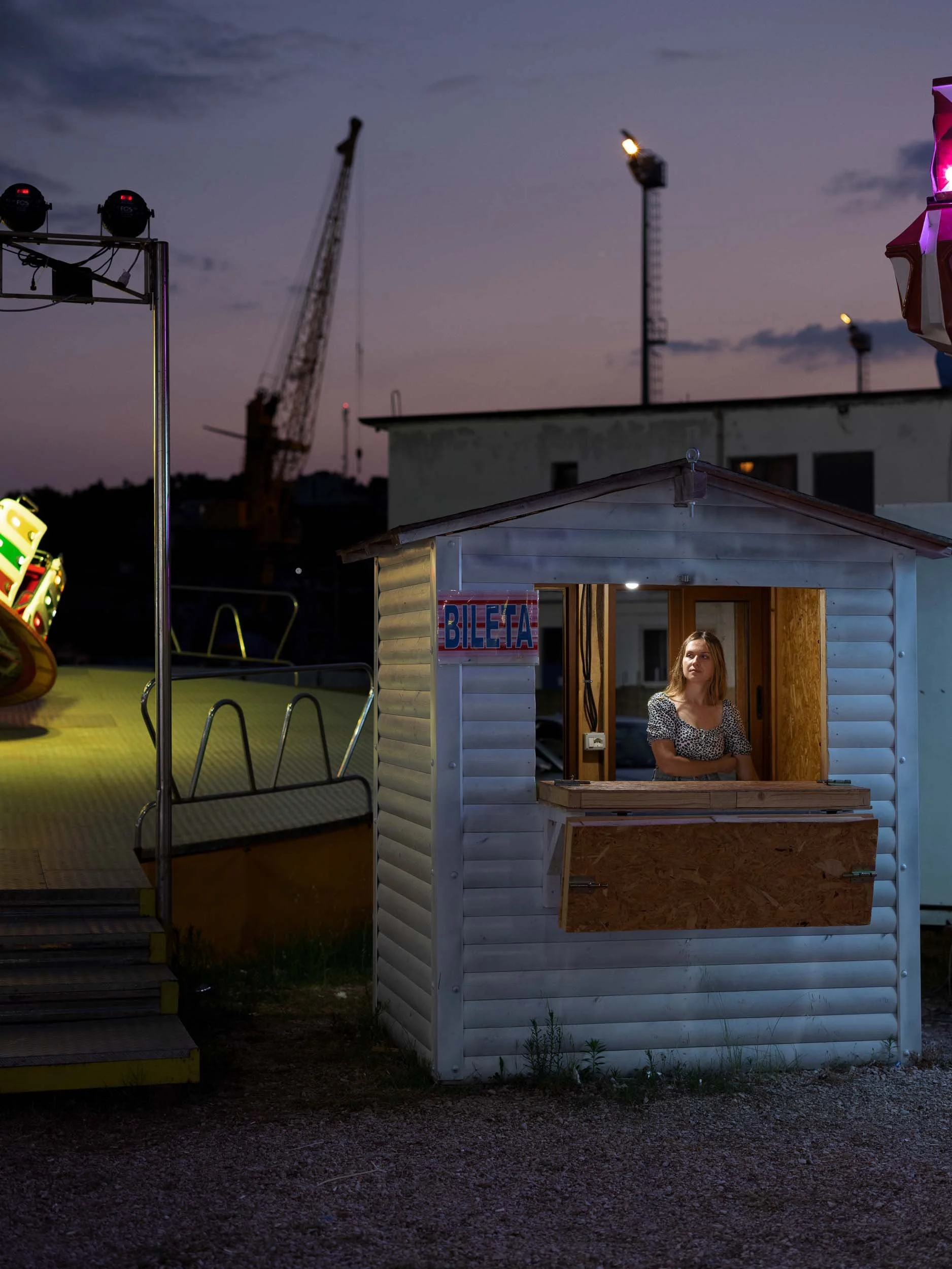
©Thomas Krempke, Shengjin Theme Park, 2021
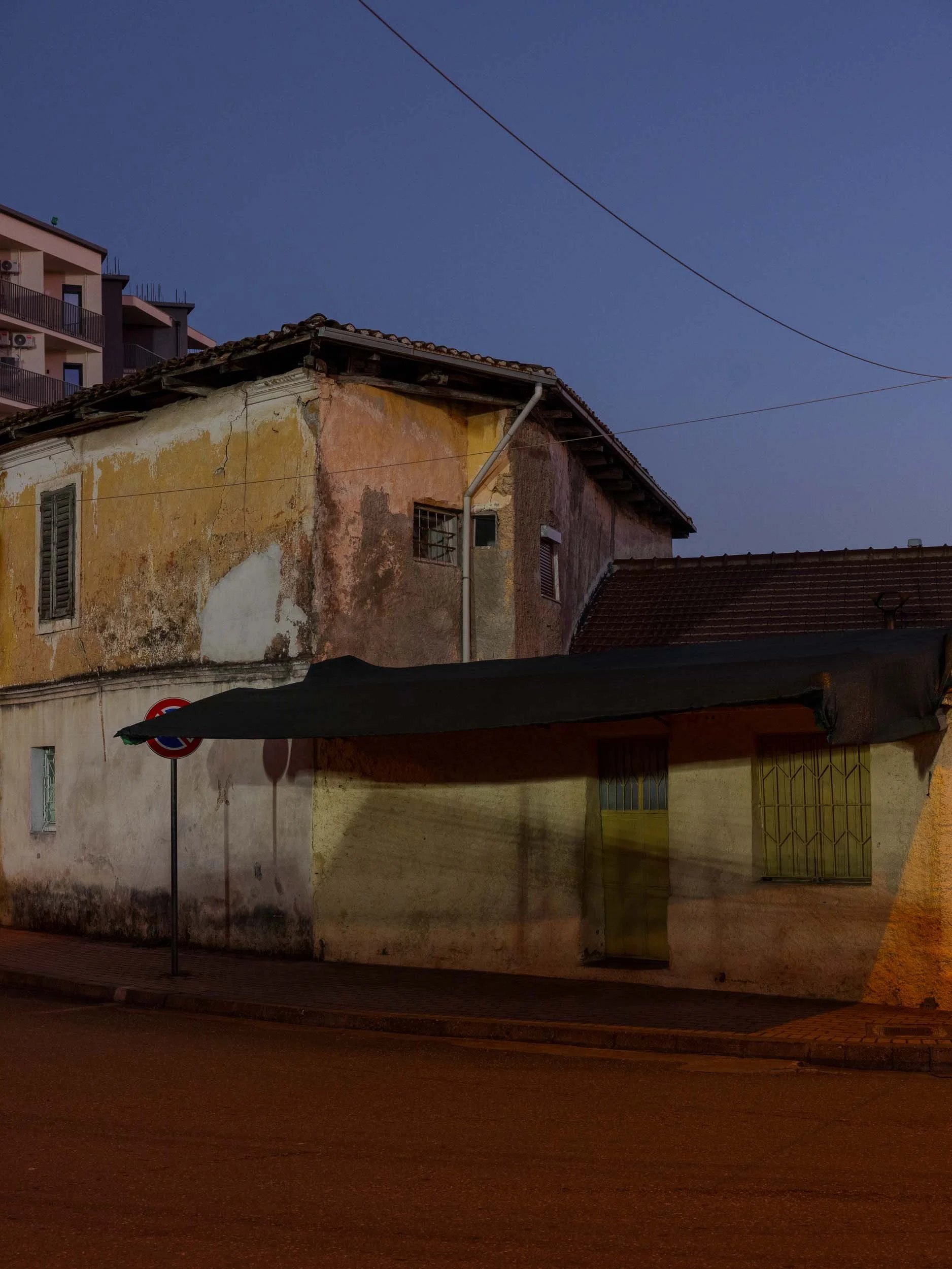
©Thomas Krempke, Shkodra 2024
While accompanying activists in their work, they showed me places such as Tropoja, Zall Gjocaj, Kamza and Bathore. The project “Tirana Riverside” in Lagja 5 Maji was probably the most important one, which I followed for quite some time. However, I was not there as a photojournalist. For my project, it is very important not to be too realistic or naturalistic. I want viewers to see reality differently after encountering my photographs. As in the book The Whispering of Things, I continue to explore the idea of perception—what it means to look and to perceive.
In some way, photographing in Albania has changed my way of seeing, because it is the first time I have worked on such an extensive project over five years. I have visited 16 times, and altogether I have spent more than one year. I have never immersed myself so deeply in a project in another country before. Now I look more precisely. Albania has become like a mirror, changing the way I see my own country.
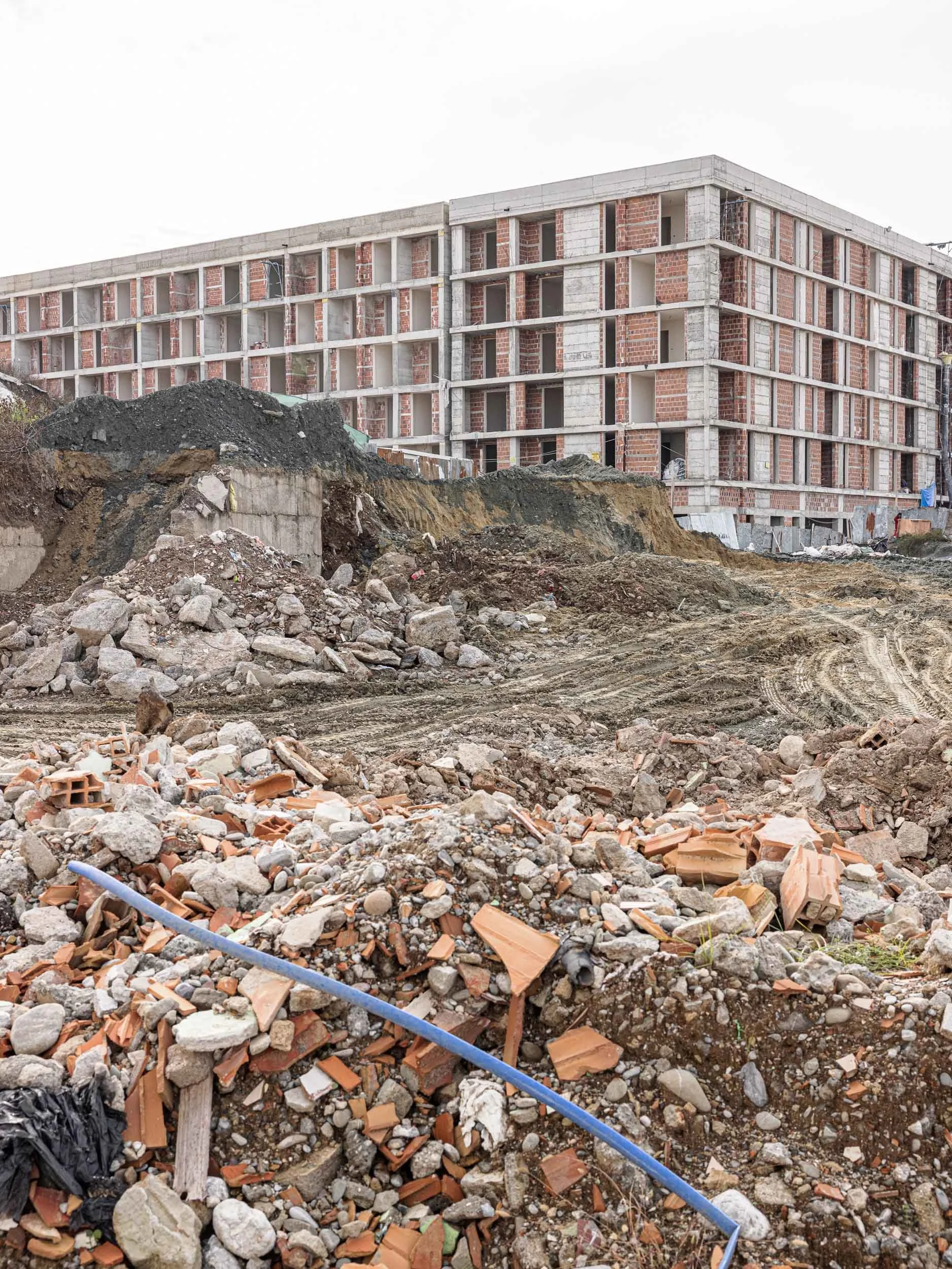
©Thomas Krempke, New Constructions “Tirana Riverside” Project in 5 Maji Neighborhood, Tirana 2022
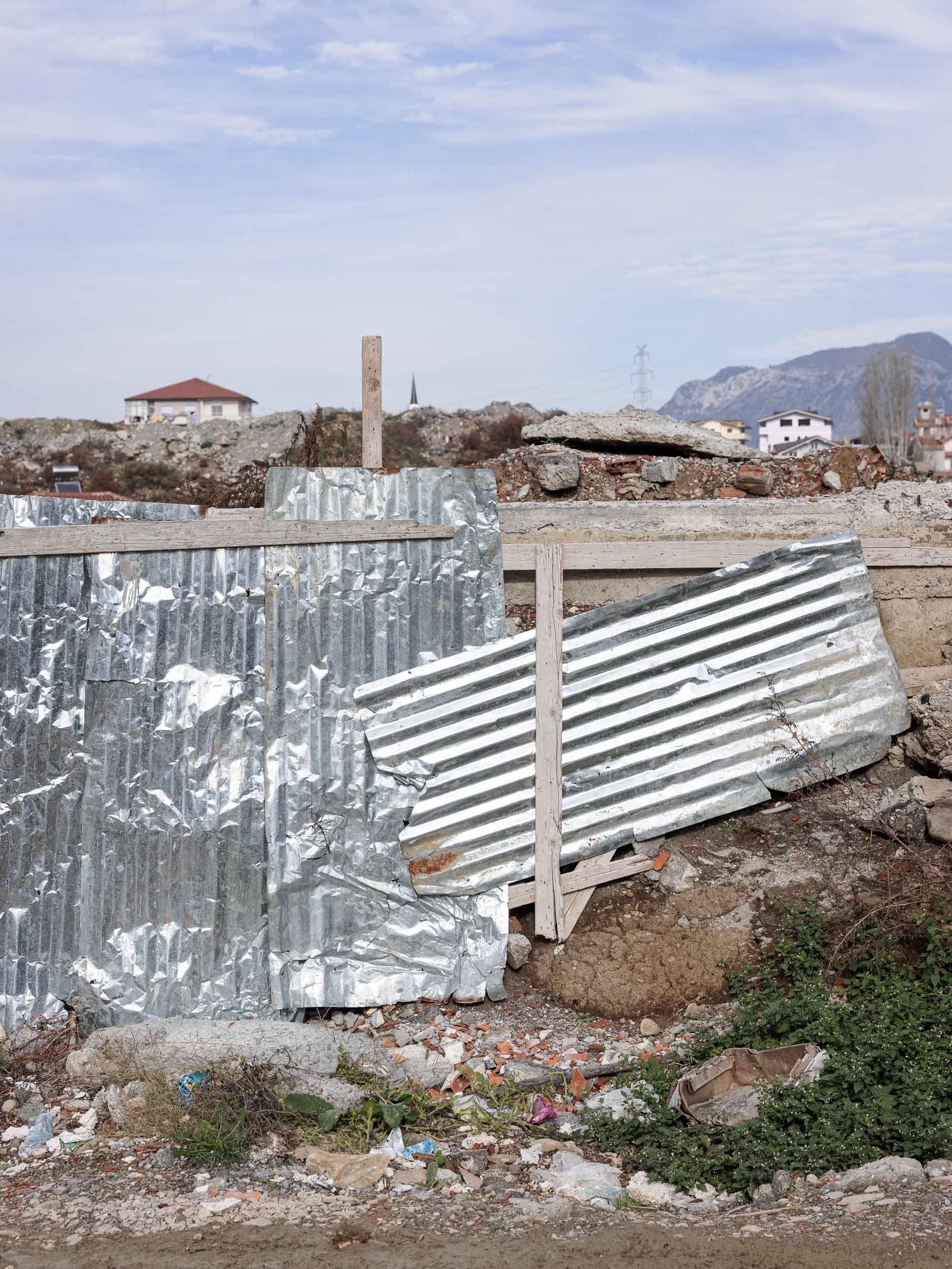
Demolition of informal housing in 5 Maji Neighborhood Tirana 2022
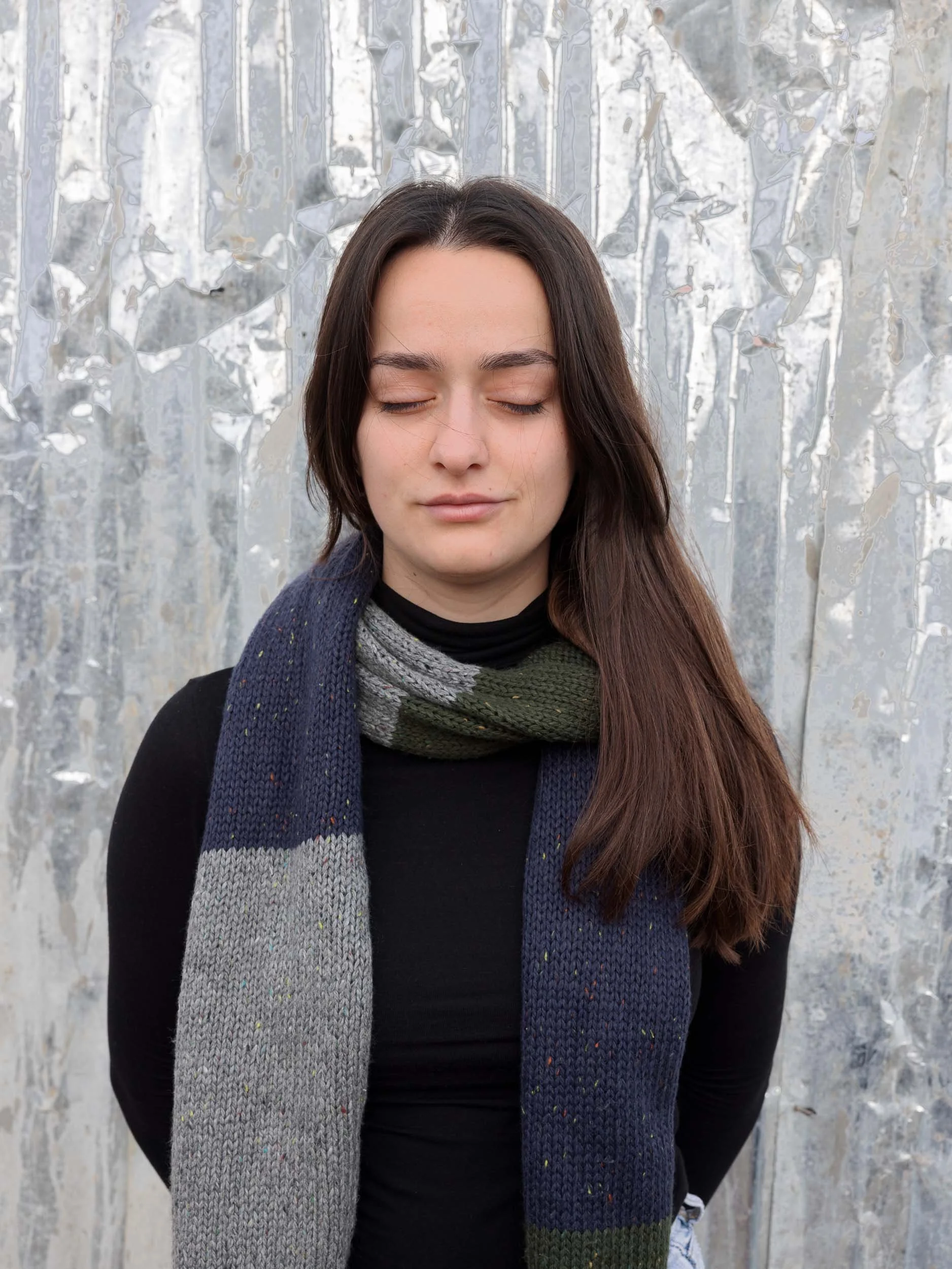
Sidorela, Portrait of Activist in 5 Maji Neighborhood, Tirana 2022
Tatì Space: What projects are you currently working on, or planning for the near future? Are there other cities or contexts you are interested in exploring next?
Finally, what advice would you give to young photographers who are interested in urban and architectural photography? How can they develop a critical voice rather than just a technical skillset?
Thomas Krempke: I want to publish the book ËNDËRR. For the past year, I have been working on completing the book, both in terms of photographs and text, and I hope to find a good editor. I am also planning a small project, which I hope to develop with a young musician, focused on the theme of perception of time.
In terms of urban themes, I would like to create a small project in my own city, approaching it with a new way of seeing, similar to the perspective I developed in Albania.
My advice for young photographers would be to look and to walk—and to use books and photobooks as a source of inspiration.
TatìSpace: Thank you very much for the interview, and I hope to see more of your work about Albania.
©Thomas Krempke, Durres Albania 2022