
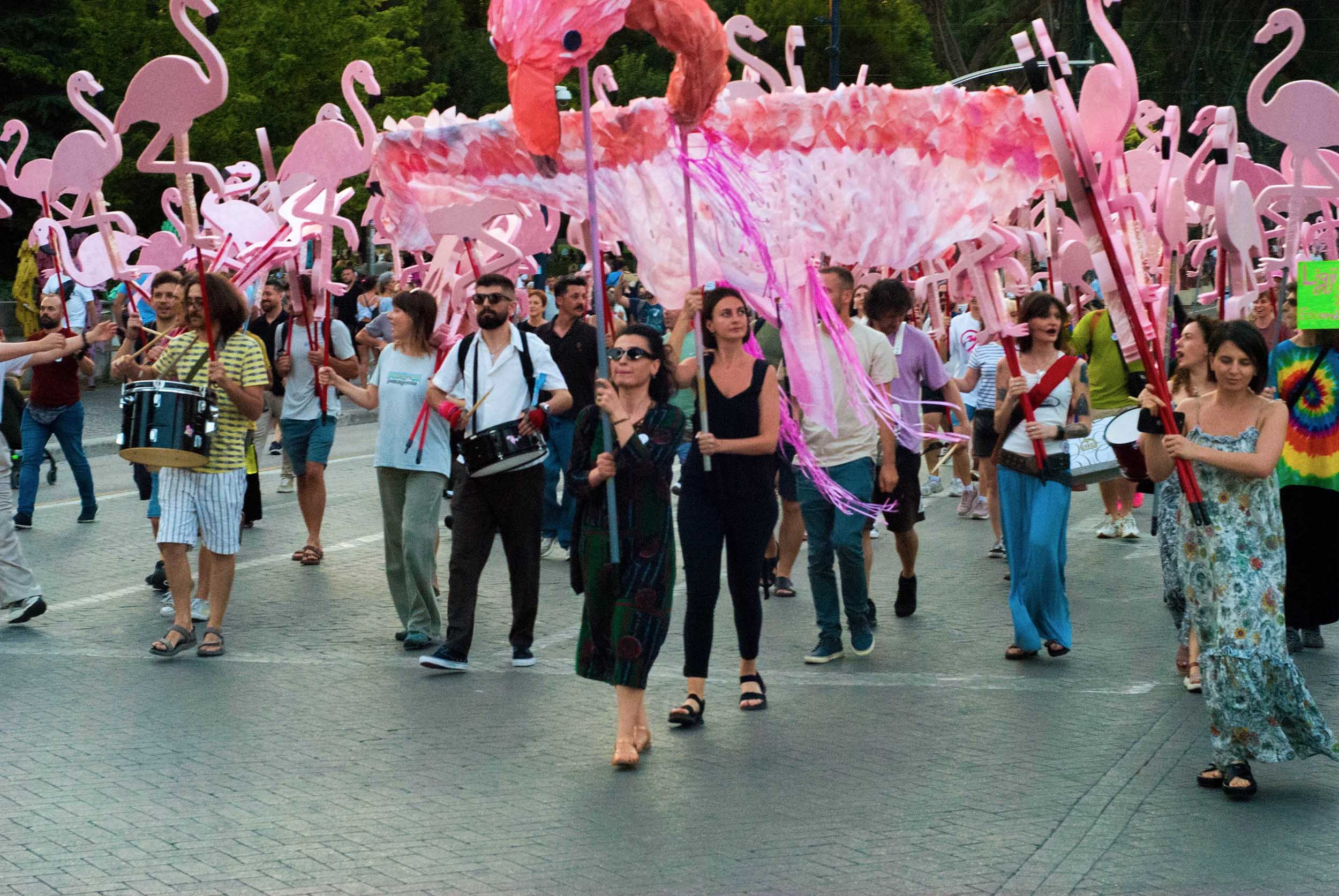
When the Flamingos Descend Upon the City
For more than a decade as an urban planner, I have come to understand that the city is more than a built environment—a product of human creativity. It is also the place where people are shaped, where social relationships are formed, and where they learn whether or not to become creative themselves. For nearly two centuries, urban space has been not only the setting in which the modern citizen has emerged, but also the environment that has shaped the way people understand both the world and themselves as social beings.
A Reflection on the Flamingo Revolution
by Kedis Burrja
© Kedis Burrja, Flamingo Revolution
For more than a decade as an urban planner, I have come to understand that the city is more than a built environment—a product of human creativity. It is also the place where people are shaped, where social relationships are formed, and where they learn whether or not to become creative themselves. For nearly two centuries, urban space has been not only the setting in which the modern citizen has emerged, but also the environment that has shaped the way people understand both the world and themselves as social beings.
My experience over the past three years in landscape architecture has reinforced my belief that the urban environment is defined by more than its streets, buildings, and public spaces. It is also shaped by something that is often overlooked: people's emotional connection to the places where they live. This cultural and emotional bond is just as important as the city's physical conditions. Human beings are not merely biological creatures; they are also cultural beings, shaped by history, language, and memory. These dimensions are reflected in the way we live in and interact with the city. Nowhere is this relationship more evident than in the social life that unfolds within urban spaces.
For more than sixty days, citizens have filled the public squares, expressing a shared concern. Yet beyond this concern, a new vision of the future is beginning to emerge. Although it has not yet been fully articulated, this aspiration reveals itself through a sustained resistance to an established order that no longer makes such a future possible. This resistance is not merely bringing together different demands; it is also transforming the people themselves, who are discovering within themselves courage, love, and possibilities they had never imagined before. For this reason, it has marked the beginning of a new era, one that is coming to be known as the Flamingo Revolution.
At first glance, this may appear to be a large civic protest. But it is more than that. The demonstrations and the broad public participation are only the visible expressions of a much deeper process that is taking shape. To better understand what is happening, I would like to highlight three characteristics that, in my view, define this phenomenon.
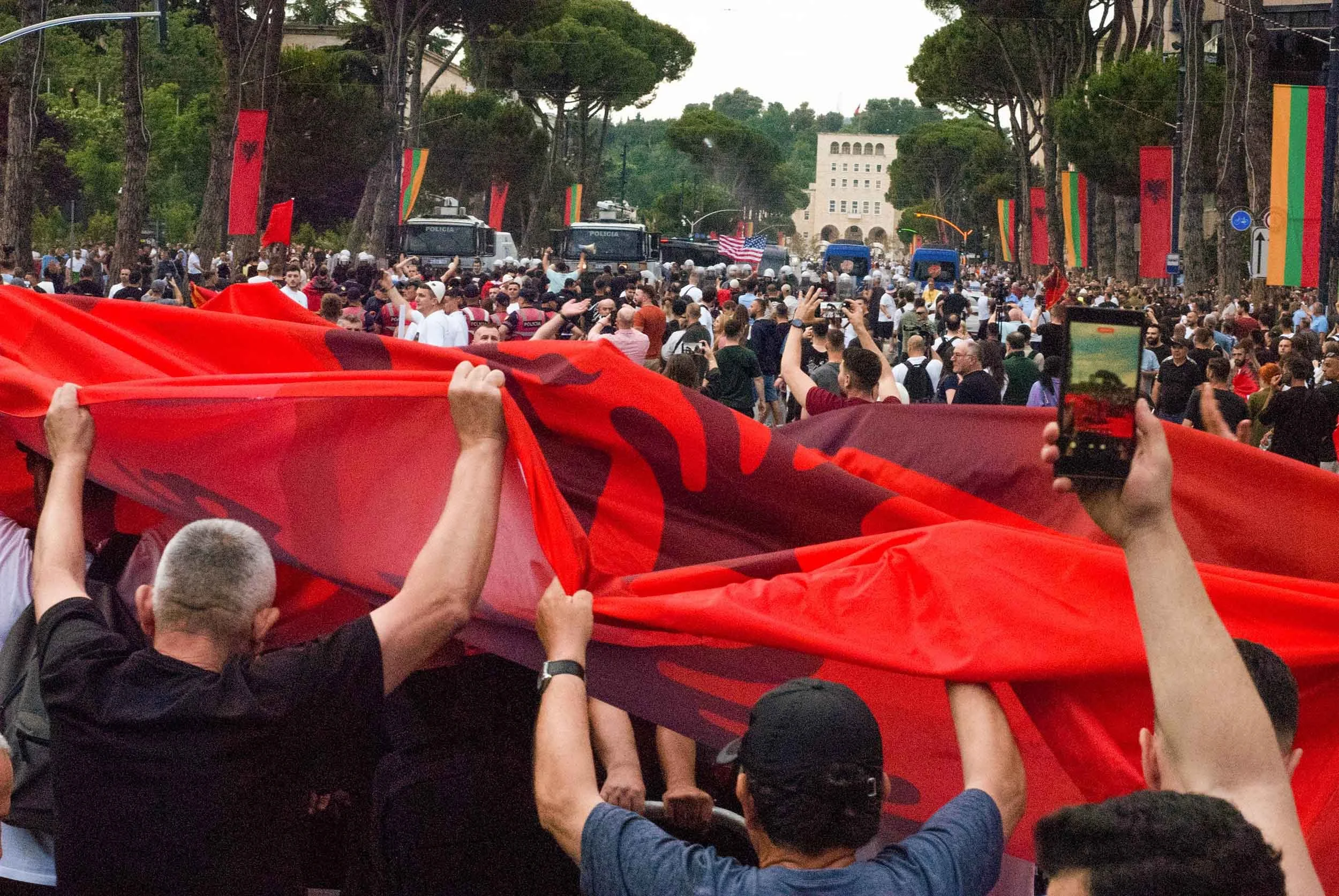
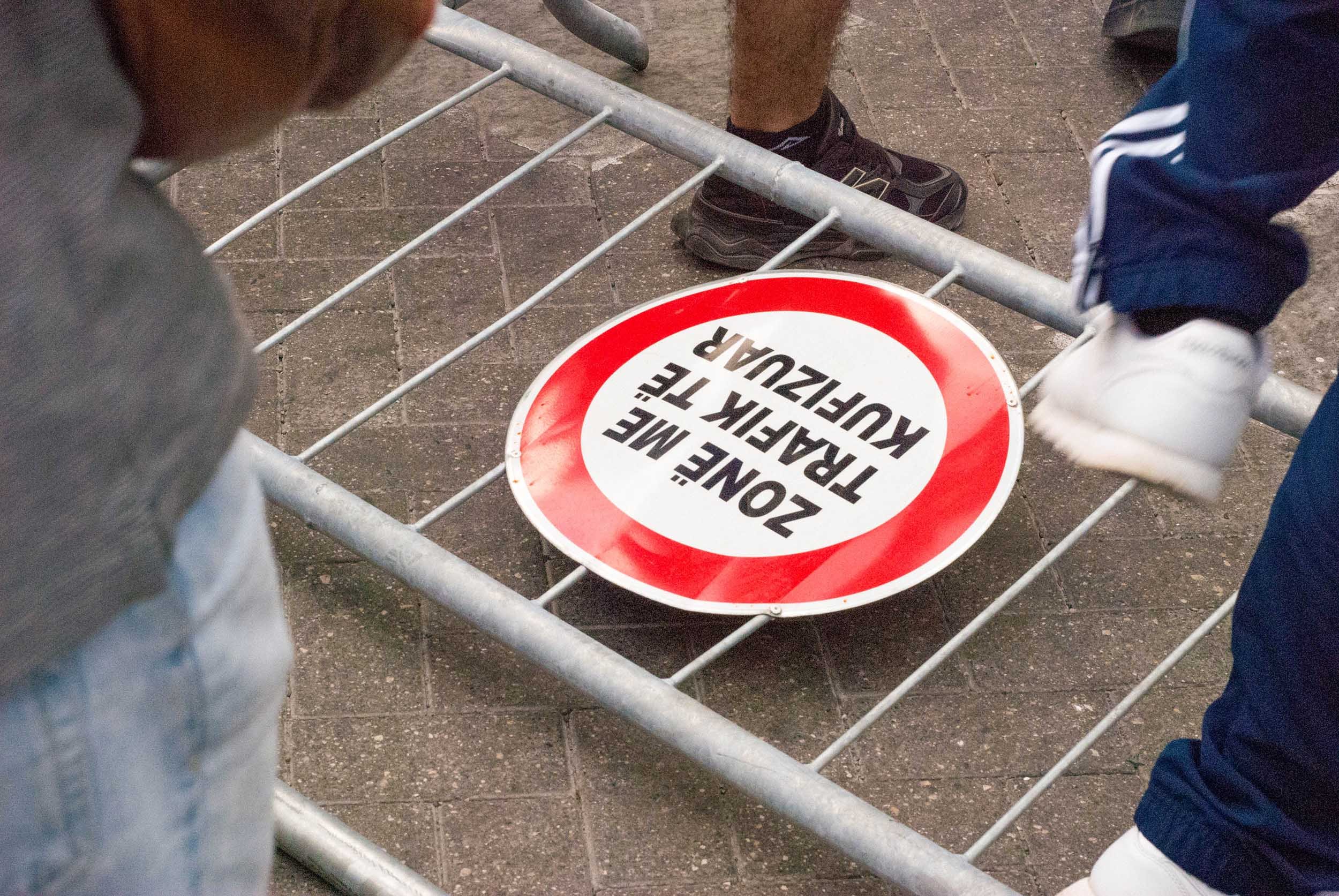
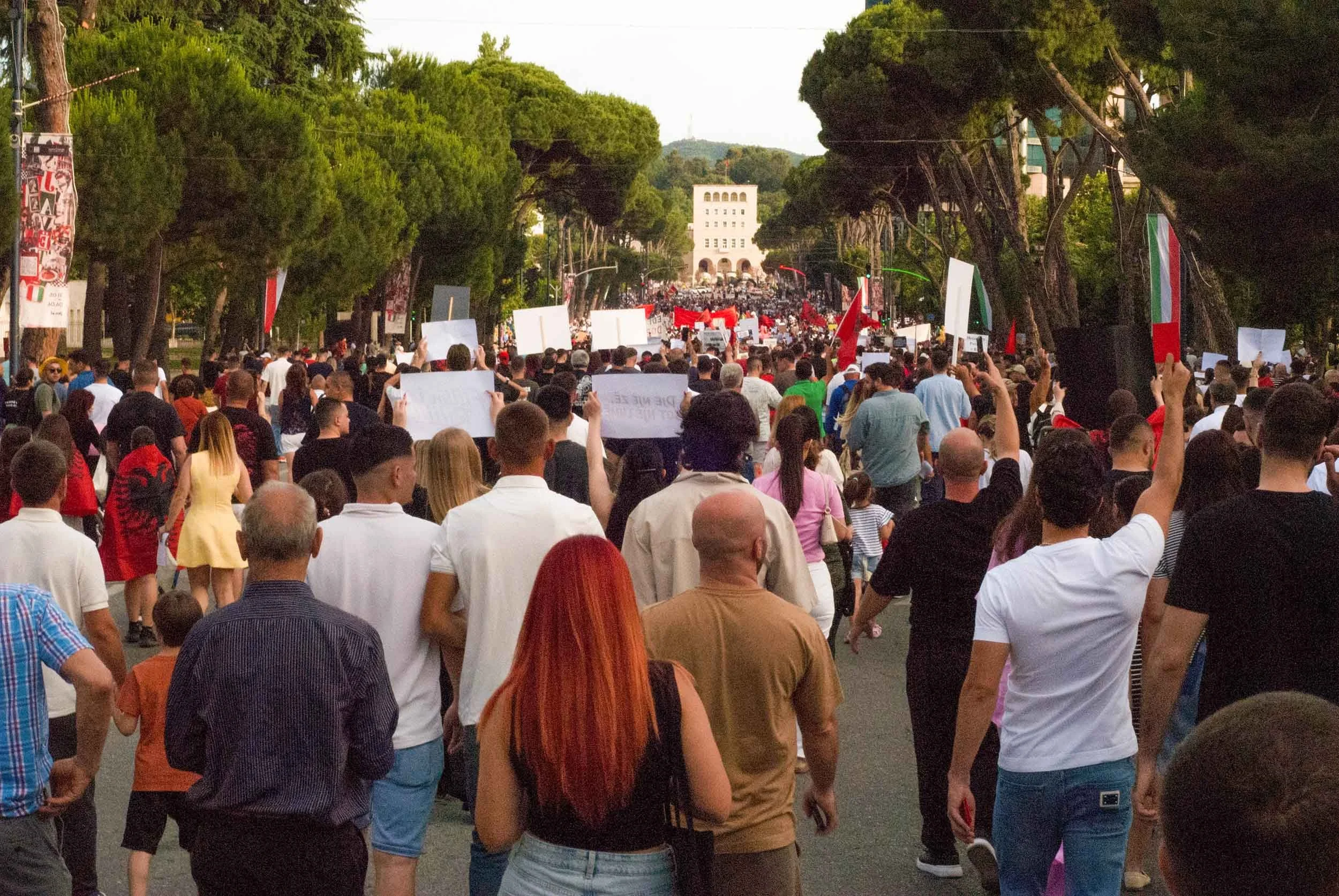
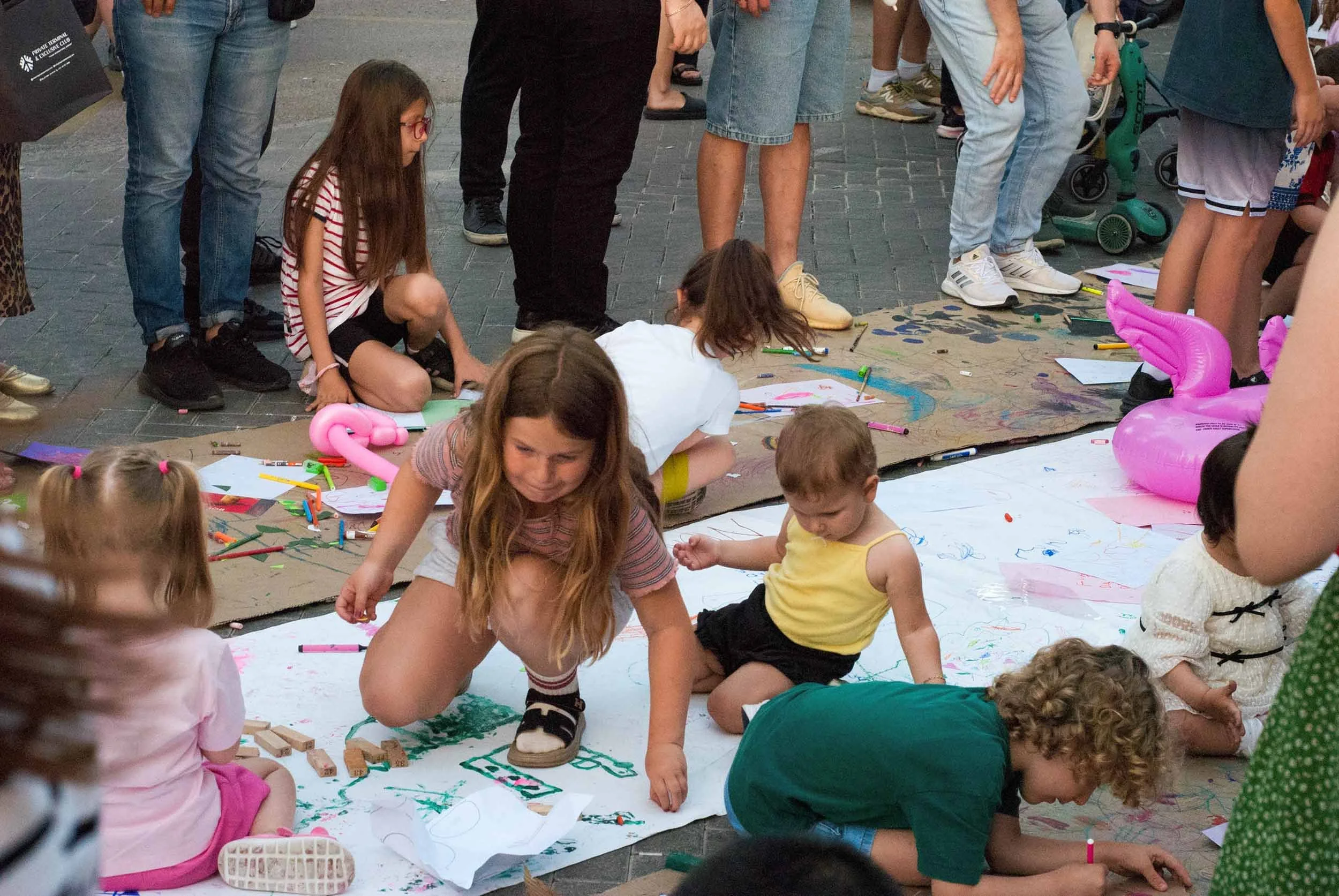
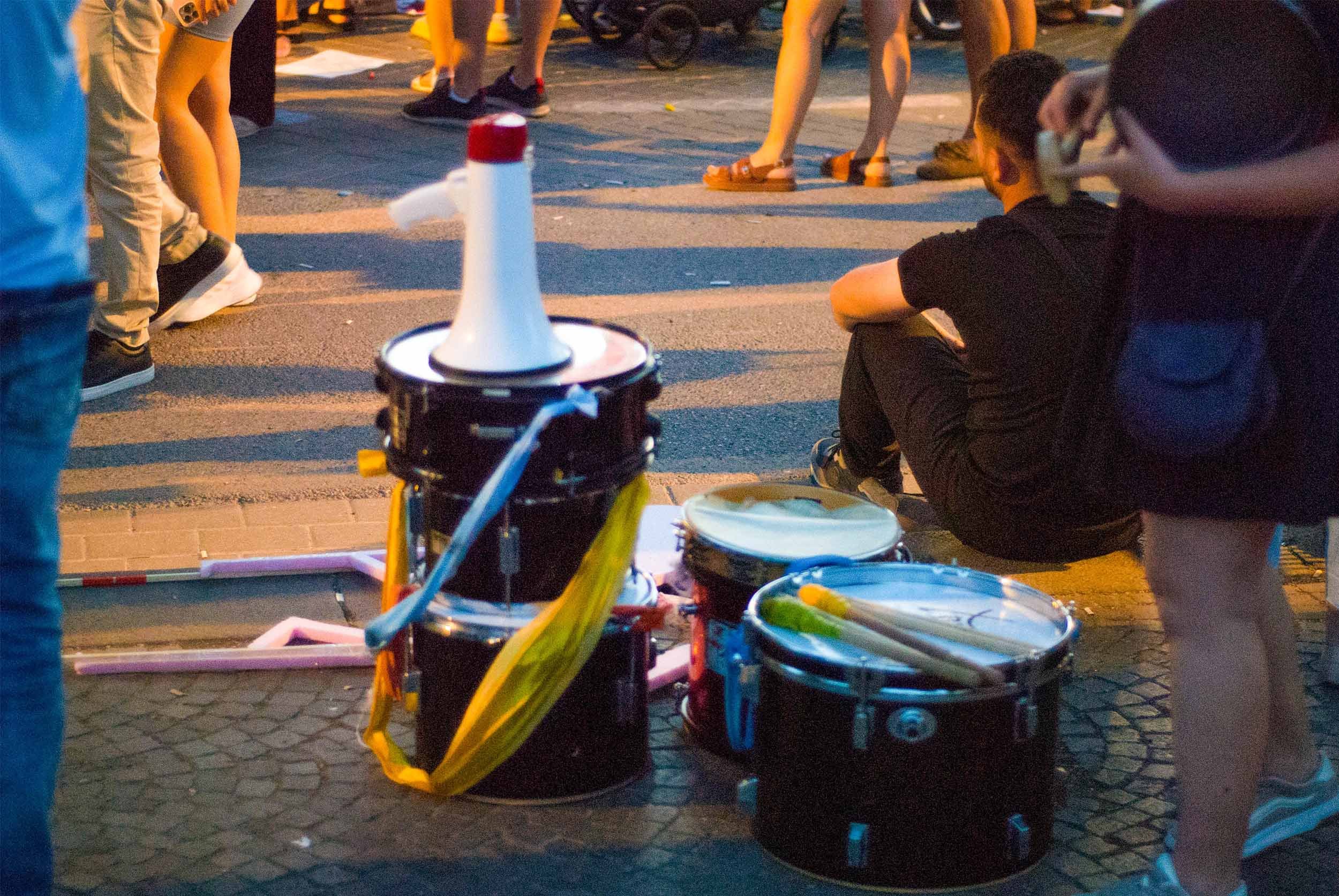
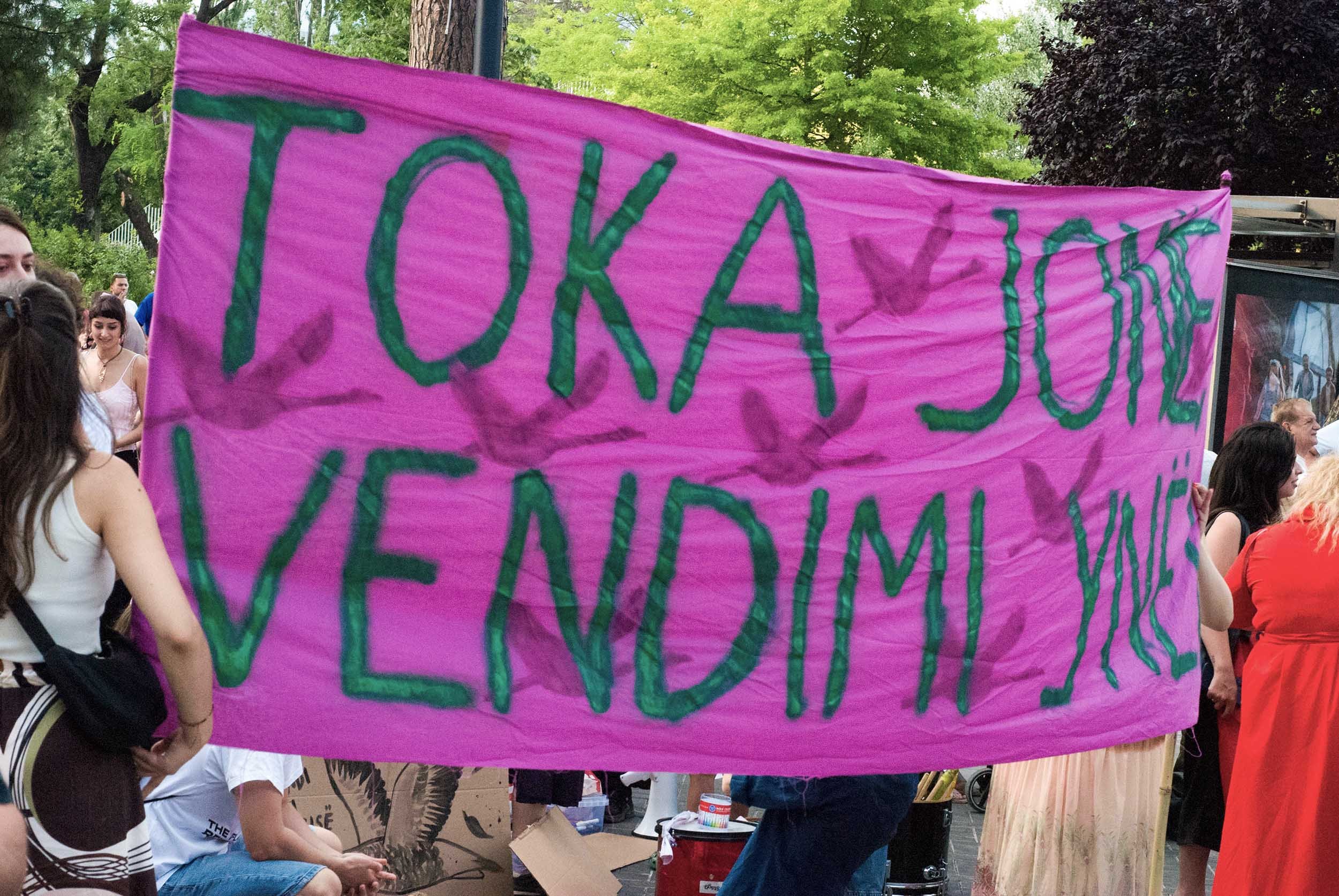
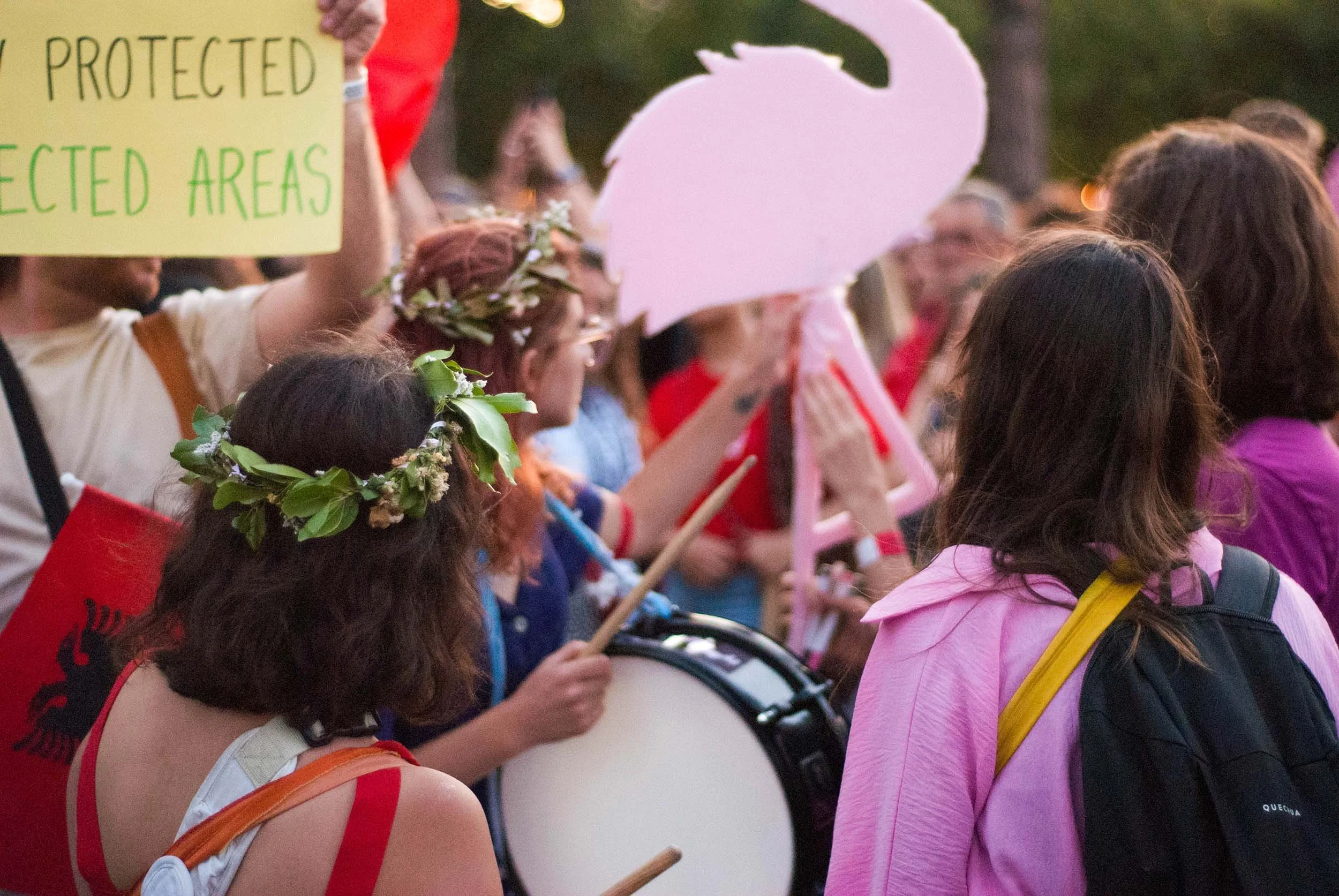
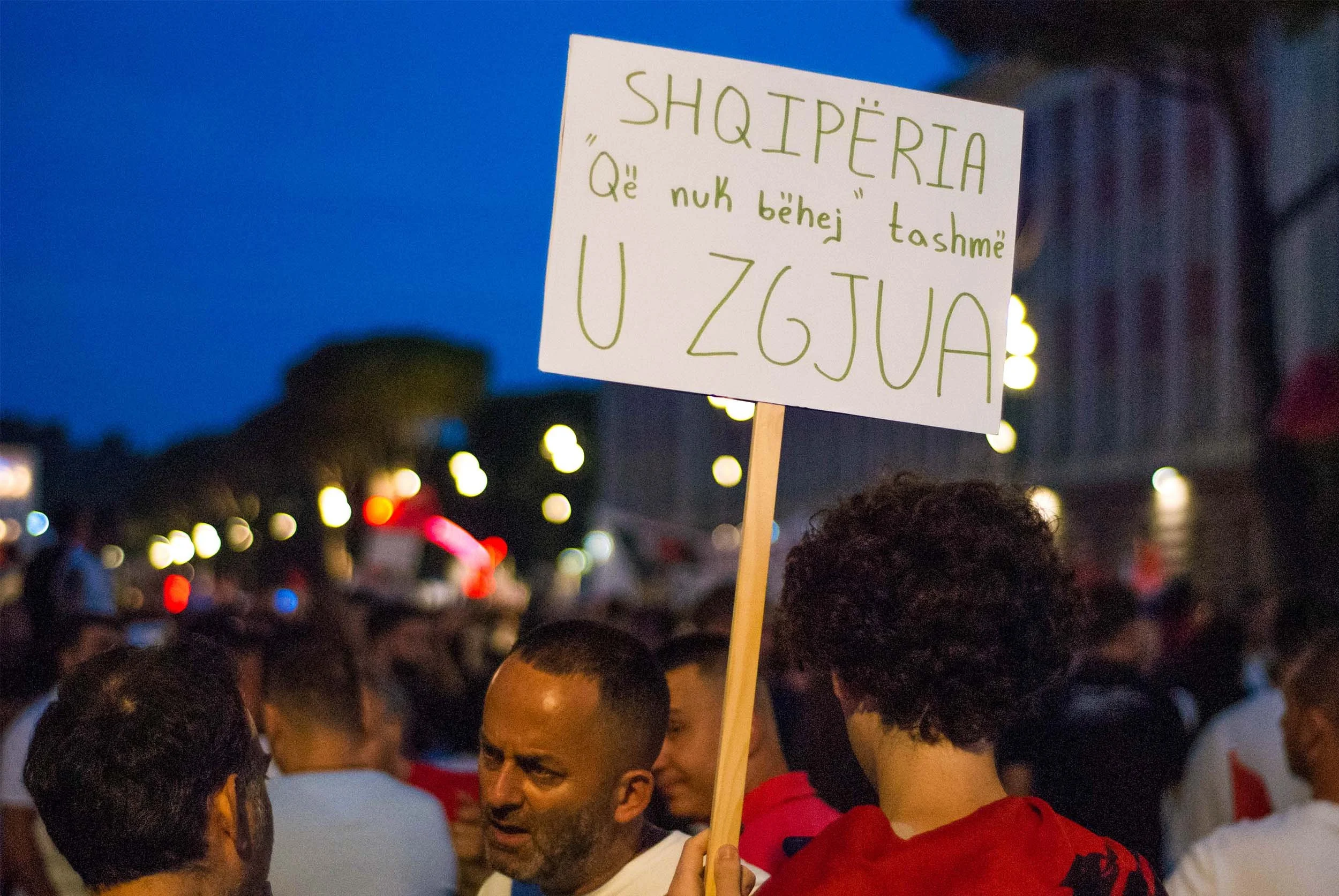
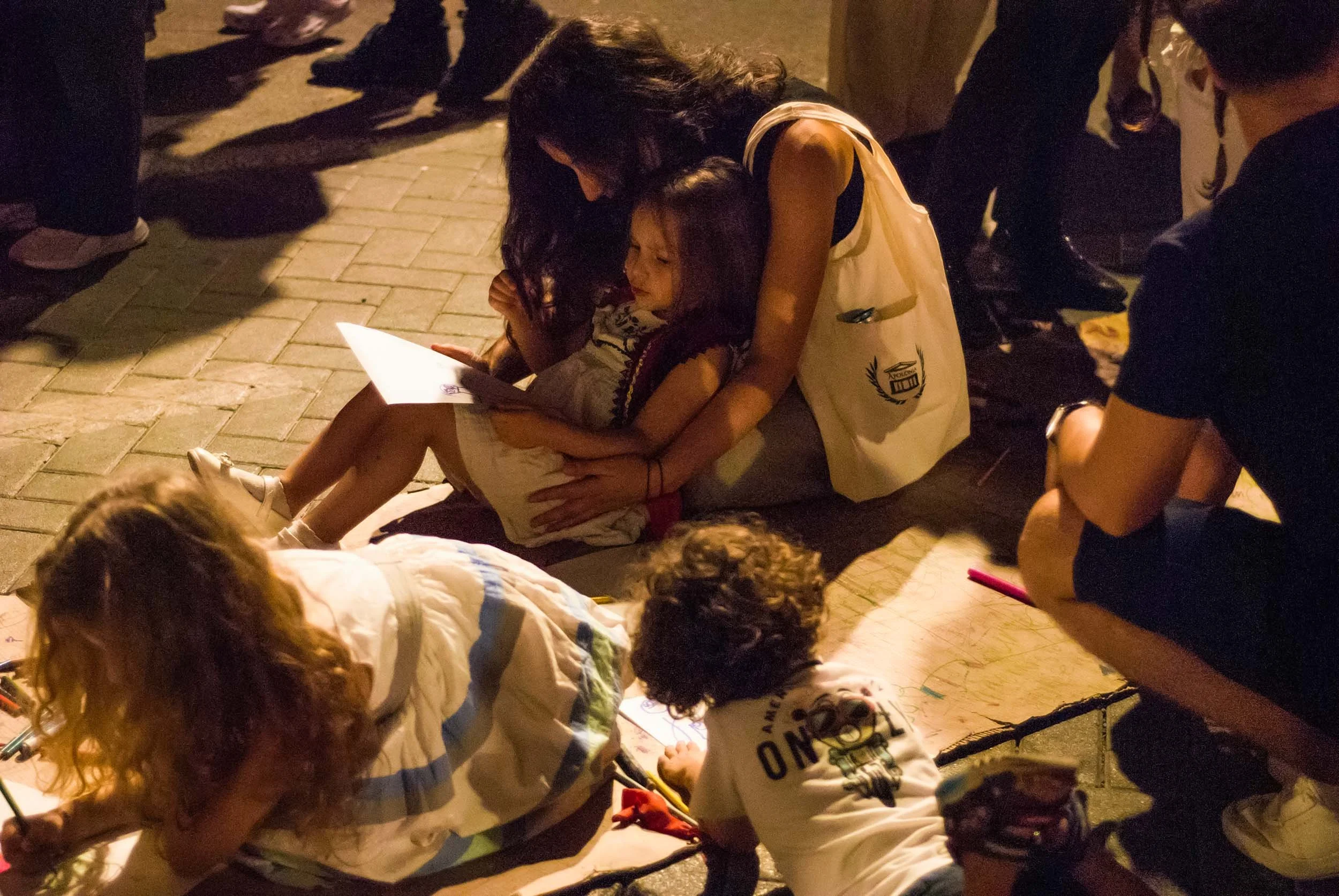
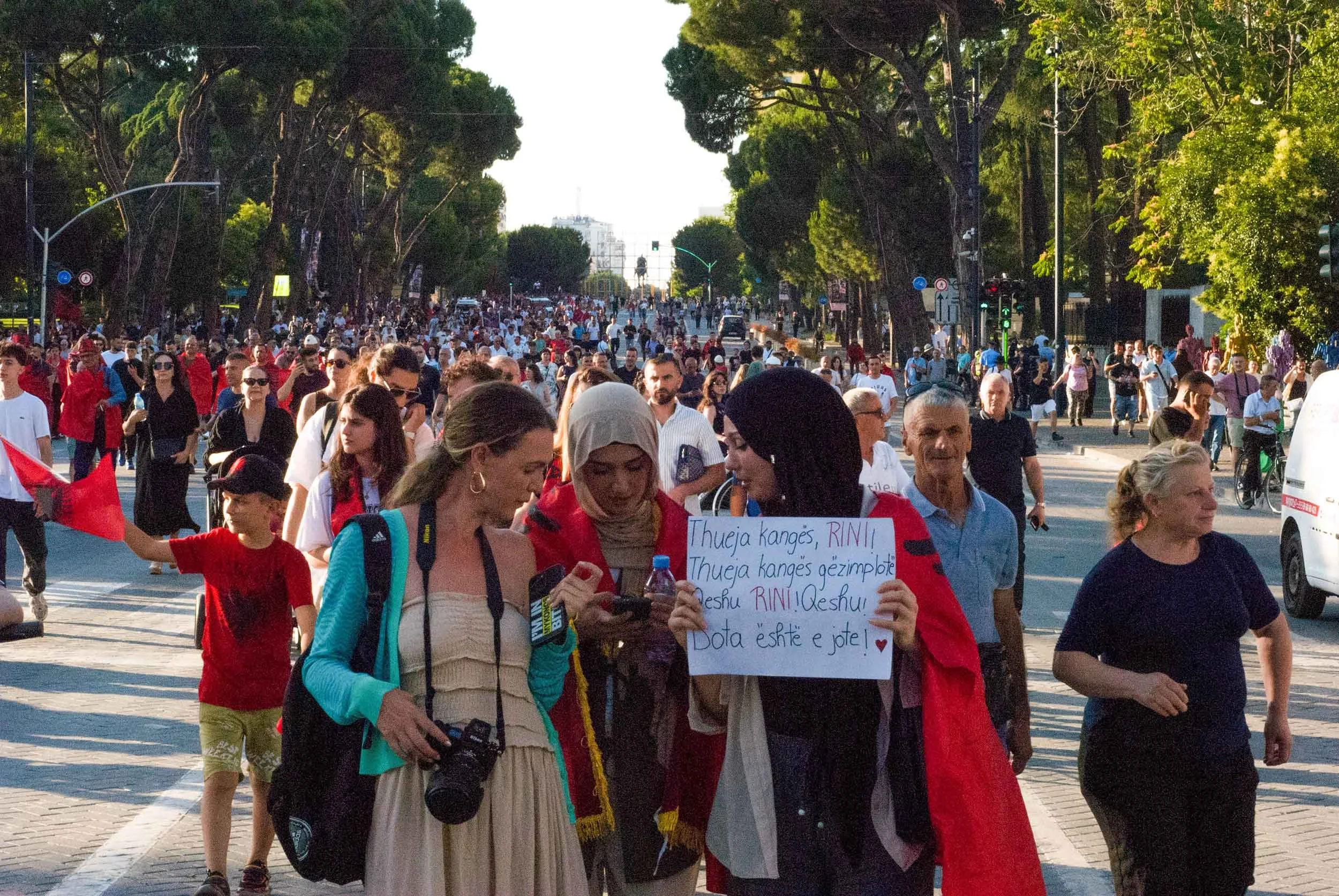
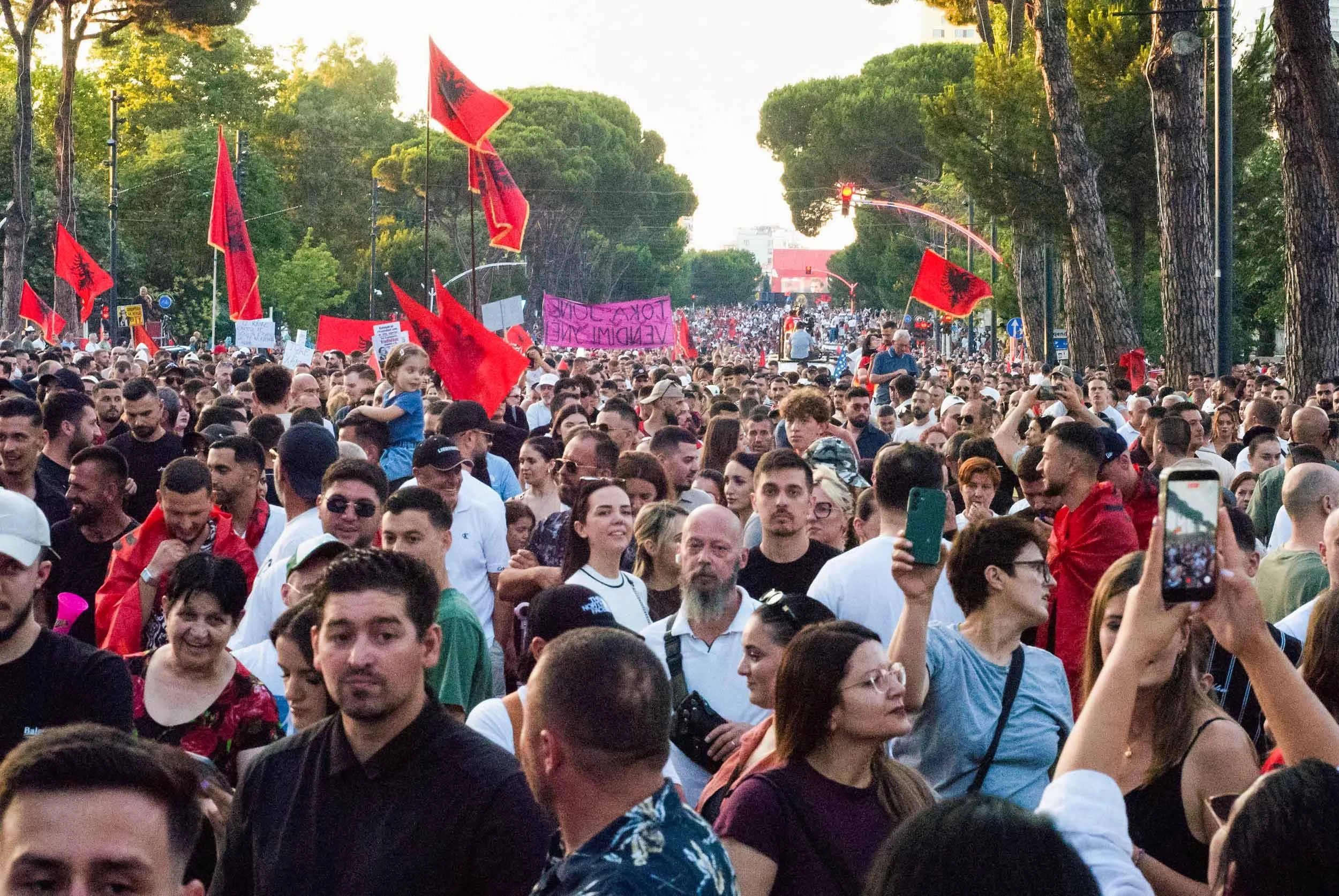
The first characteristic is its national character. This movement is not confined to Tirana alone. Although the capital remains the main center of the protests, demonstrations are taking place in cities, towns, and communities across Albania. The same is true in cities around the world where Albanians live. Taken together, these gatherings show that the movement has transcended both the capital and the country's borders, bringing Albanians together wherever they are in a shared sense of national belonging.
The second characteristic is its civic nature. Through this movement, Albanians are discovering within themselves a form of citizenship unlike any they have encountered, even in the Western world. For more than two months, they have sustained a peaceful resistance in defense of an area of exceptional natural value. Yet this is not merely a struggle to protect a natural landscape. It also springs from people's deep attachment to the place where they grew up and which they refuse to lose. It is precisely this bond with the environment, combined with a peaceful and responsible civic spirit, that makes this movement in Albania a new model of civic engagement —at once deeply personal and genuinely public.
The third characteristic lies in the way this movement has transformed how people speak and understand one another. The words heard in slogans, discussions, and public gatherings are not new. What is new are the meanings they have acquired. This transformation is most readily understood by those who experience the movement firsthand, while it remains more difficult to grasp for those who know it only through screens. In this way, language is being enriched through its collective use. It is no longer employed merely to express dissatisfaction, but also to articulate new questions and concerns that, until recently, seemed impossible even to raise.
The territory is the stage upon which this new social event is unfolding. To understand it, one must leave the comfort zone and experience it directly. Perhaps by walking through the public square, perhaps by visiting the threatened places, or by speaking with the people who are striving to protect them. Only then does it become clear that this is not an ordinary protest, but the emergence of a new relationship between people and the place they inhabit. Each person must choose where to begin that journey. But without participation, no meaningful change can come to those who truly seek it.
The author of text and photos, Kedis Burrja was born in the city of Shkodër, Albania, in 1988, where he developed both his love of landscape and his early interest in painting. He completed his higher education in Tirana, where he continues to live and work. He is an urban planner with professional experience in local planning and the design of public and private spaces dedicated to human activity. For many years, he has also been an urban activist advocating for the protection of public spaces and the right to the city. His recent studies in landscape architecture have inspired him to explore public perception more closely, both through design and through documentary photography in the public spaces of urban environments.
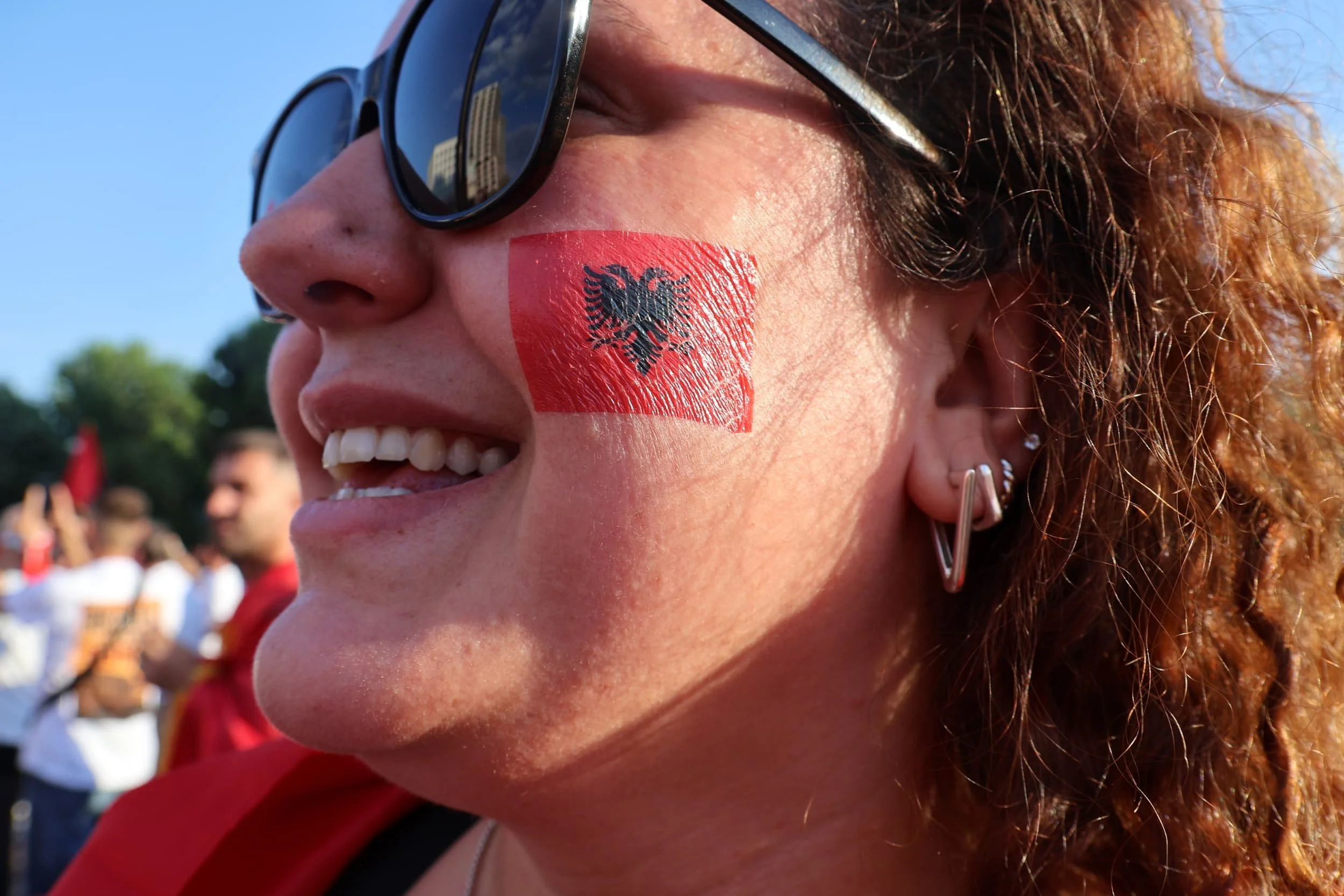
Beyond the Myth
Documenting the Flamingo Revolution. For years, one of the most deeply rooted beliefs in Albanian society has been that Albanians do not unite and rarely stand up for their rights. The Flamingo Revolution challenged that belief. What began as a protest to protect the Zvërnec Protected Area quickly evolved into a peaceful civic movement. Since 31 May 2026, thousands of Albanians have gathered in the streets every day, marching side by side.
Documenting the Flamingo Revolution
by Megi Bega
© Megi Bega, Painted face with Albanian flag, Flamingo Revolution
For years, one of the most deeply rooted beliefs in Albanian society has been that Albanians do not unite and rarely stand up for their rights. The Flamingo Revolution challenged that belief. What began as a protest to protect the Zvërnec Protected Area quickly evolved into a peaceful civic movement. Since 31 May 2026, thousands of Albanians have gathered in the streets every day, marching side by side.
One of the movement’s defining characteristics is that it has no leader. Its strength does not come from a single individual or political force, but from the people themselves. When the movement faced scepticism, propaganda, and criticism in its early days, it was not a leader who kept it alive; it was ordinary citizens who refused to stop showing up, day after day.
© megi bega, flamingo revolution flares
© megi bega, flamingo revolution protest
© megi bega, justice banner
It did not take long for the protest to become about more than Zvërnec. It grew into a platform where thousands of people voiced their frustration with corruption, healthcare, education, the lack of meritocracy, the emigration of young people, and a state that, in the eyes of many protesters, has failed to serve its citizens. Above all, it became a rejection of Albania’s old political establishment and a call for a new kind of representation. It is no coincidence that some of its defining slogans became: “Rama to Prison, Berisha to Prison”, “A New Albania”, and “Without Youth, There Is No Albania”.
© megi bega, red flares
© megi bega, night march
© megi bega, albanian flag
© megi bega, flamingo painting
© megi bega, flamingo revolution night
© megi bega, flag hero
© megi bega, peaceful wish
This is a movement of ordinary people: workers, students, parents, pensioners, and members of the Albanian diaspora. Every day, families march with their children, reminding everyone that this is not only about the present, but also about the future they want to leave behind.
It is a movement of people standing up for one another. Through the power of social media—especially Gen Z—the movement found its voice and built its identity long before it received widespread attention from the traditional media.
These photographs document these extraordinary days and the people who chose not to remain silent, but to march together. They show that when citizens unite around a common cause, the long-held belief that Albanians cannot stand together no longer holds true.
The movement continues. No one knows for how long. But one thing is certain: the hope it has awakened in the hearts of many Albanians will remain part of the country’s collective memory for years to come.
© megi bega, unity
© megi bega, protest posters
© megi bega, protest sign
© megi bega, justice
© megi bega, peaceful march
© megi bega, prison
© megi bega, protest crowd
Megi Bega (b. 1999) the author of the photos and the text, is an emerging documentary photographer with a background in economics and research. She believes photography is a form of testimony. Through documentary photography, she seeks to preserve moments that, over time, become part of history and collective memory.

"Journey beyond the horizon" - photography Meti Spahiu
In the rubric ‘Albanian Emergent Photographers’ in the field of architecture and urban photography, we bring the young Kosovar photographer Meti Spahiu, who for several years lives and works in Vienna, after his graduation as architect in the Technical Faculty TU WIEN.
In the rubric ‘Albanian Emergent Photographers’ in the field of architecture and urban photography, we bring the young Kosovar photographer Meti Spahiu, who for several years lives and works in Vienna, after his graduation as architect in the Technical Faculty TU WIEN. Meti Spahiu comes for the second time in TatiSpace, after his first presentation with the Photo Series in black & white untitled "Big Cities in my Eyes". This time, his photos are mostly in colour, but there are also black and white ones. The motif is the same- his favourite subject, the Architectural Photography of European cities, shot during his travels. Each of the photos brings back personal memories from cities like Innsbruck and Zurich. Other photographs were taken in Vienna, Munich, Bratislav. The author untitles the series "Journey beyond the Horizon" (dedicated to A.Sh). As he mentioned before, “The idea of my photographs is to bring beautiful images, to draw the public's attention to the aesthetic of the object photographed. I would like people, who pass every day carelessly near a building, to discover the beauty of its architecture when they see the photograph. For me, photography is a field that will never disappoint and that will go hand in hand with the profession of architect."
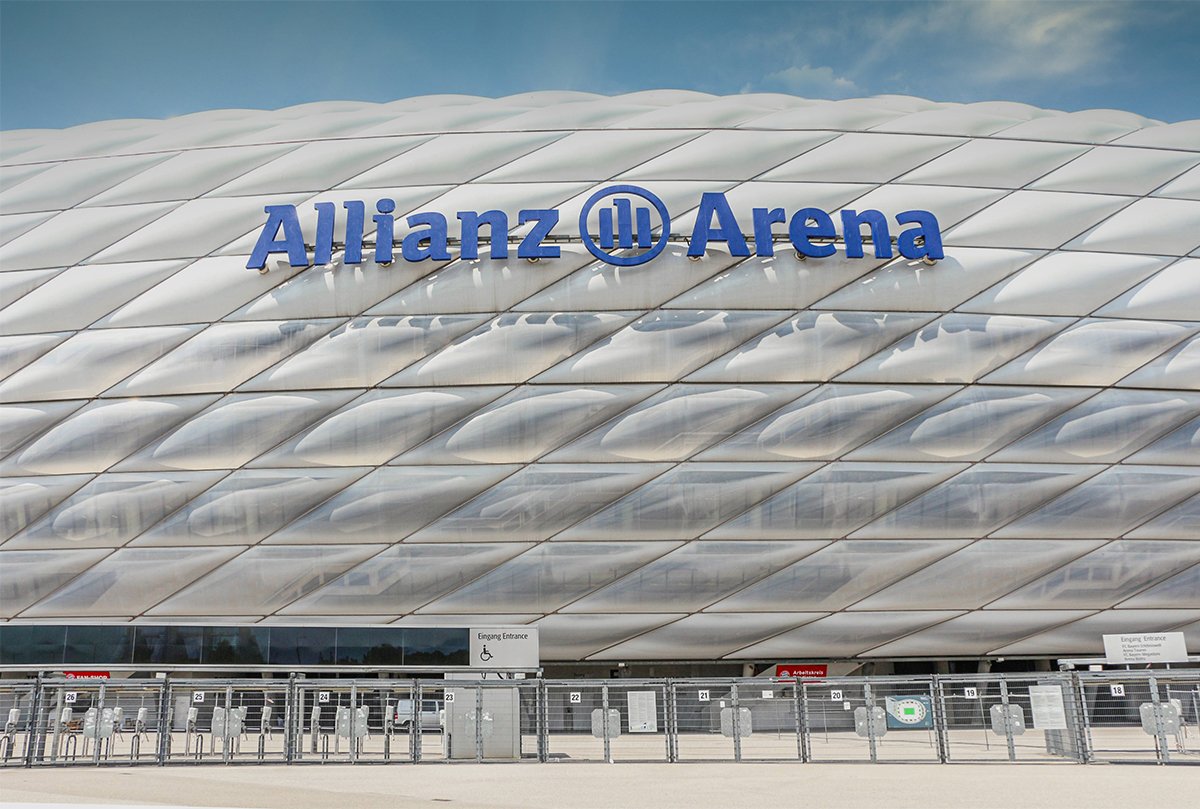
Allianz Arena, Munich, photography © Meti Spahiu

An den Kohlenrutschen 5, Vienna, photography © Meti Spahiu

Bratislava Bridge, Bratislava, photography © Meti Spahiu

Helmut Zilk Park 1100, Vienna, photography © Meti Spahiu

Odenburgerstrasse 19 1210, Vienna, photography © Meti Spahiu

Hofwiesenstrasse 16 78057, Zyrih , photography © Meti Spahiu

Schlachthausgasse 1030, Vienna, photography © Meti Spahiu
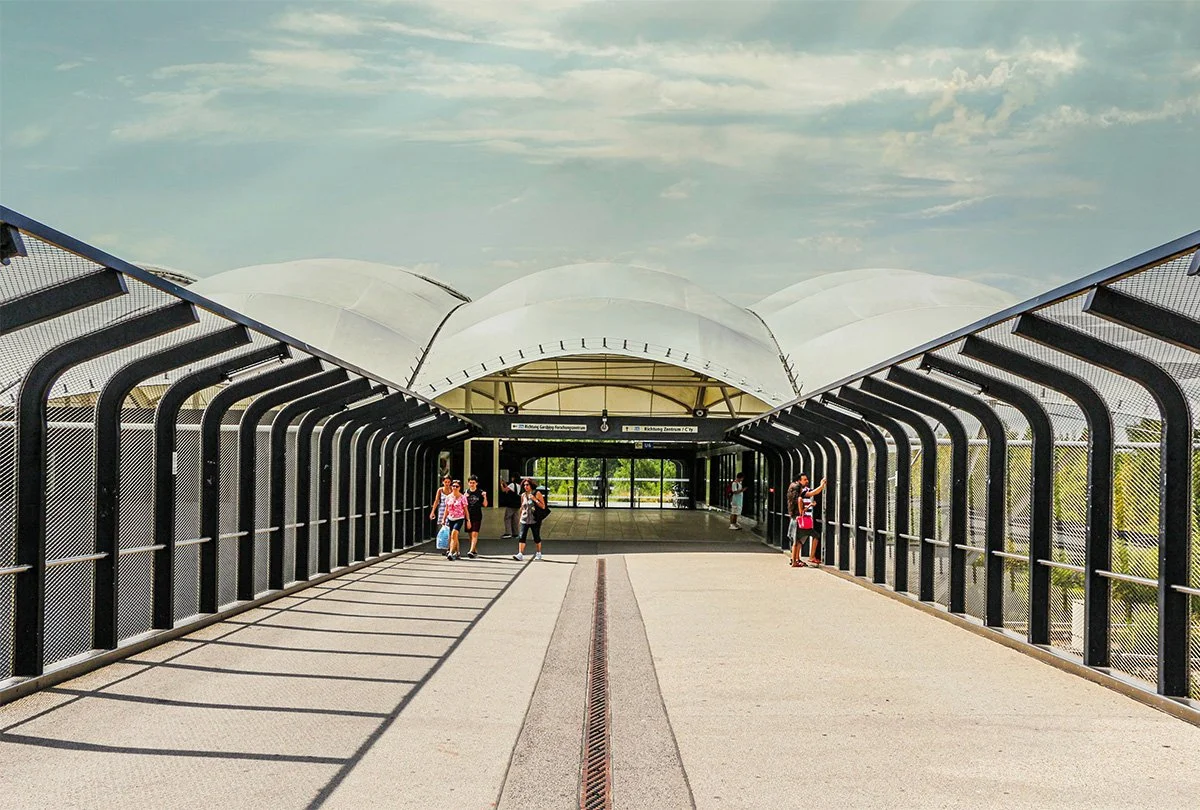
Subway Station Fröttmaning, Munich, photography © Meti Spahiu

Südbahnstrasse_Innsbruck, photography © Meti Spahiu

Taborstrasse 1020 Vienna, photography © Meti Spahiu

UBS Europaallee 23 8004 Zyrih, photography © Meti Spahiu
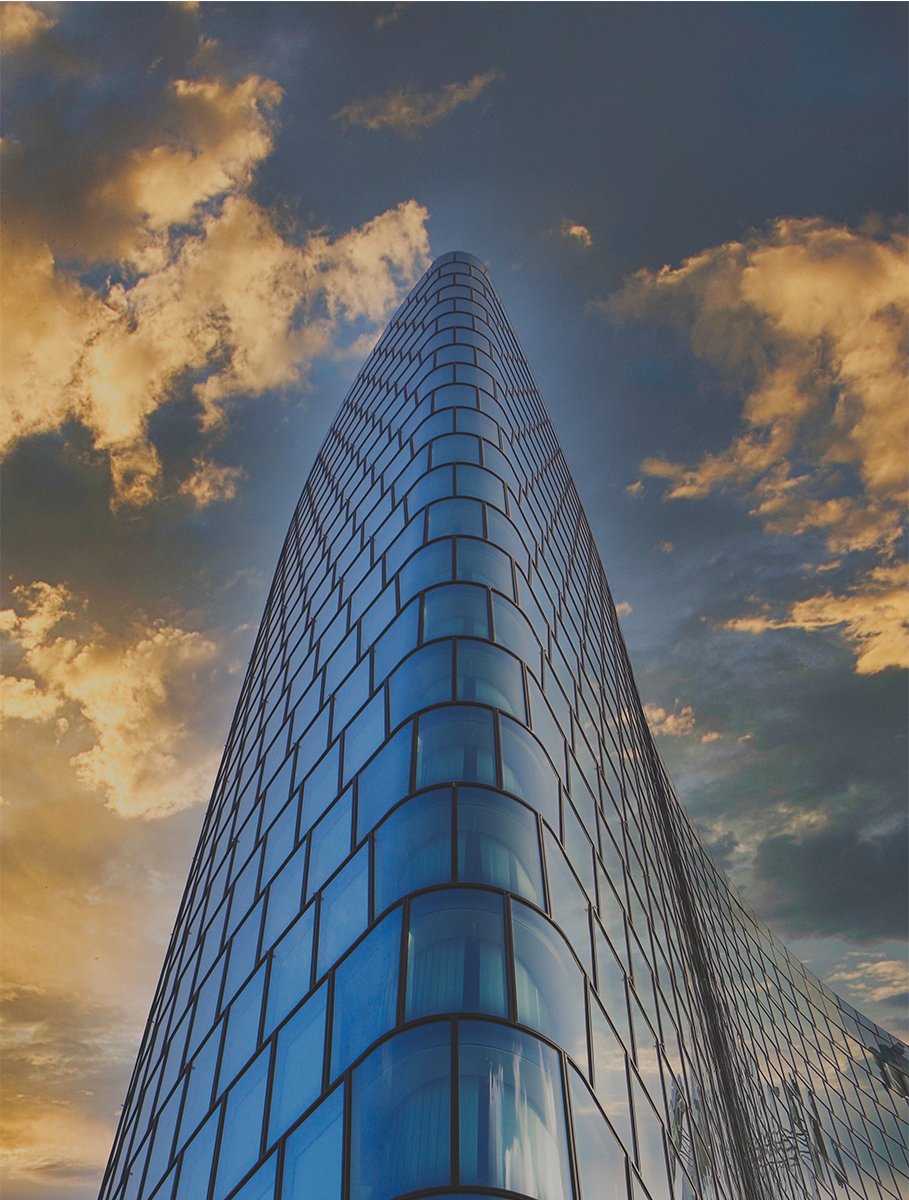
Hoch Zwei 1020, Vienna, photography © Meti Spahiu

Rozafa Shpuza
Rozafa Shpuza is a poet and a photographer, a uniqueness that creates a connection between two arts. She writes poetry in Gheg dialect, but she is as well productive in the field of photography, mainly in the genre of urban and street photography. Her photos are mostly shot in the streets of her hometown, Shkodra.

Rozafa Shpuza, Selfportrait
Rozafa Shpuza
(Albania 1969-)
Rozafa Shpuza is a poet and a photographer, a uniqueness that creates a connection between two arts. She writes poetry in Gheg dialect, but she is as well productive in the field of photography, mainly in the genre of urban and street photography. Her photos are mostly shot in the streets of her hometown, Shkodra. The subjects of her photography are urban moments of city scenes, captured in an abstract way, often surreal, with humor and well composed. The second photo gallery, perhaps the most important, is the portraits of the city dwellers, spontaneously shot in the public spaces, while performing activities or meditating in their tranquillity, captured unaware, creating a particular emotional state. What do city characters, silent passers-by, photographed in isolation, think in the midst of the urban chaos? It seems as if each of them is closed in their inner world, immersed in their thoughts and personal worries. In an individualistic society, where everyone thinks for themselves, Rozafa naturally seeks to penetrate the individual and his psychology. A third photo gallery, which I like very much, is the series of self-portraits on the streets of city, shot on sidewalks, shop windows or cafeterias, captured in superposition of different planes, alluding to a complex and confusing world in which the artist and the individual live in the modern city. Rozafa’s photographs, although unique in the Albanian photography scene, are nurtured by a rich international tradition of street photography, created and inspired by the photography of Walker Evans, Garry Winogrand, William Klein, Diane Arbus, Vivian Mayer, and others.
Below you can read a description that Rozafa Shpuza makes of her urban photography, given to TatiSpace. How did the creative process start, what was the beginning and the inspiration?
Rozafa Shpuza: Photography is a long-standing love of mine, which continues to inspire me and be an important part of my daily life. I have been dealing with photography for many years, sometimes more intensely and sometimes more calmly, and I can say without fear that photography has made my life beautiful. I bought my first camera in Denmark when I went to do a specialization course in 1994. The dynamics of that country, the architecture, the people, the different way of conceiving public spaces tempted me to fix all this on my incredibly modest camera. Since then I have not stopped. I photograph on the street because I feel that the characters I capture are real and convey the message of life without frames. Street photography is the most important part of my artistic creativity. I travel a lot because I feel like cities have a lot of surprises for my camera. The last album with street photos is the one I made in Shkodra during the isolation period of the Covid 19 pandemic. An empty city, scared characters in a hurry, closed windows and doors, all these sensations are already fixed in my album "The diary of an anxious season". I have participated in many activities dedicated to photography, in joint and personal exhibitions, at home and abroad, with the good desire to get to know photographer artists and to see where my photography stands compared to their photos. 3 years ago I opened an art gallery in Shkodra, at the old parents' house, with the good desire to promote artists from all over the world.
Urban Moments
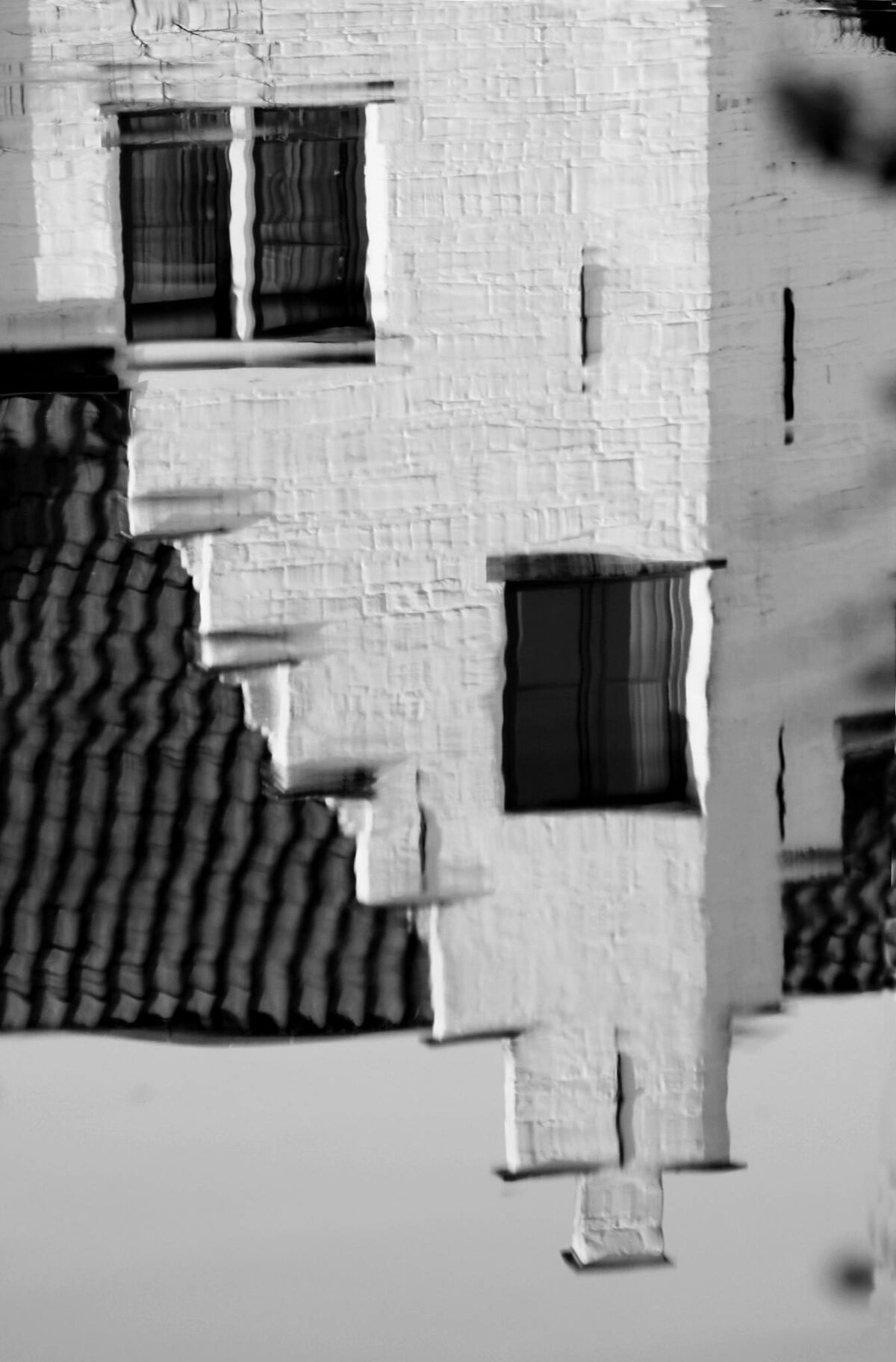
© Rozafa Shpuza, Watery

© Rozafa Shpuza, Shkodra News

© Rozafa Shpuza, Shkodra

© Rozafa Shpuza, Kafja e Madhe, Shkodër

© Rozafa Shpuza, Showcase Approach
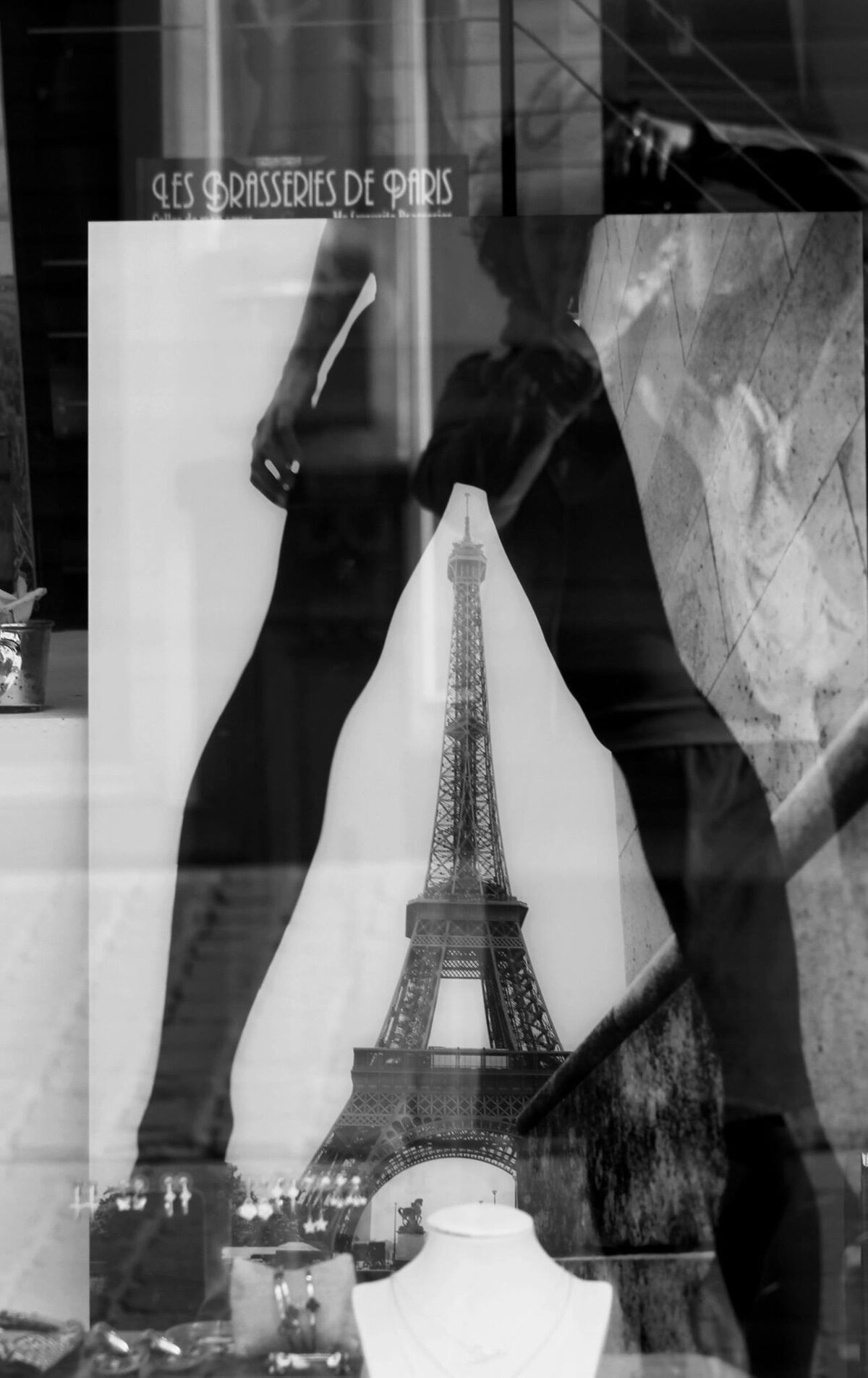
© Rozafa Shpuza, Selfportrait

© Rozafa Shpuza, Trille Vitrinash

© Rozafa Shpuza, No Smoking

© Rozafa Shpuza, Daily

© Rozafa Shpuza, The Floor F

© Rozafa Shpuza, Bike Repair
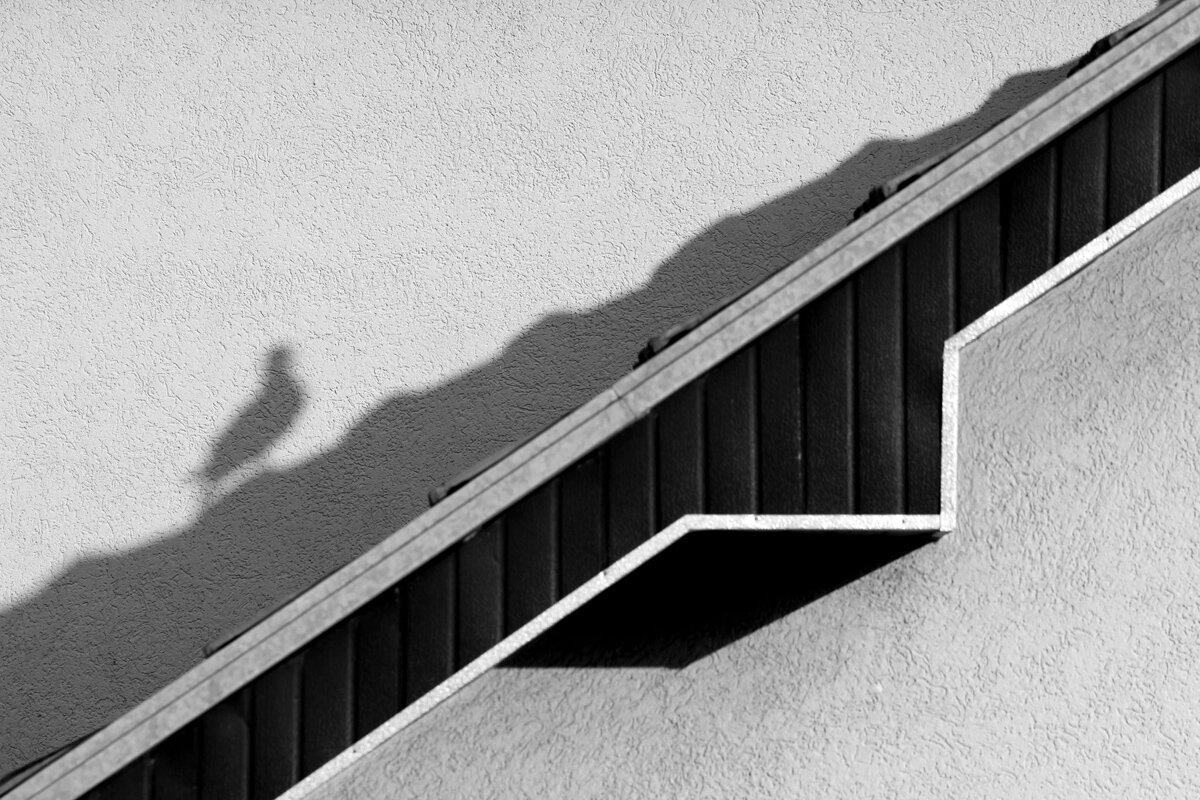
© Rozafa Shpuza, Chez Majlo, Gjilan
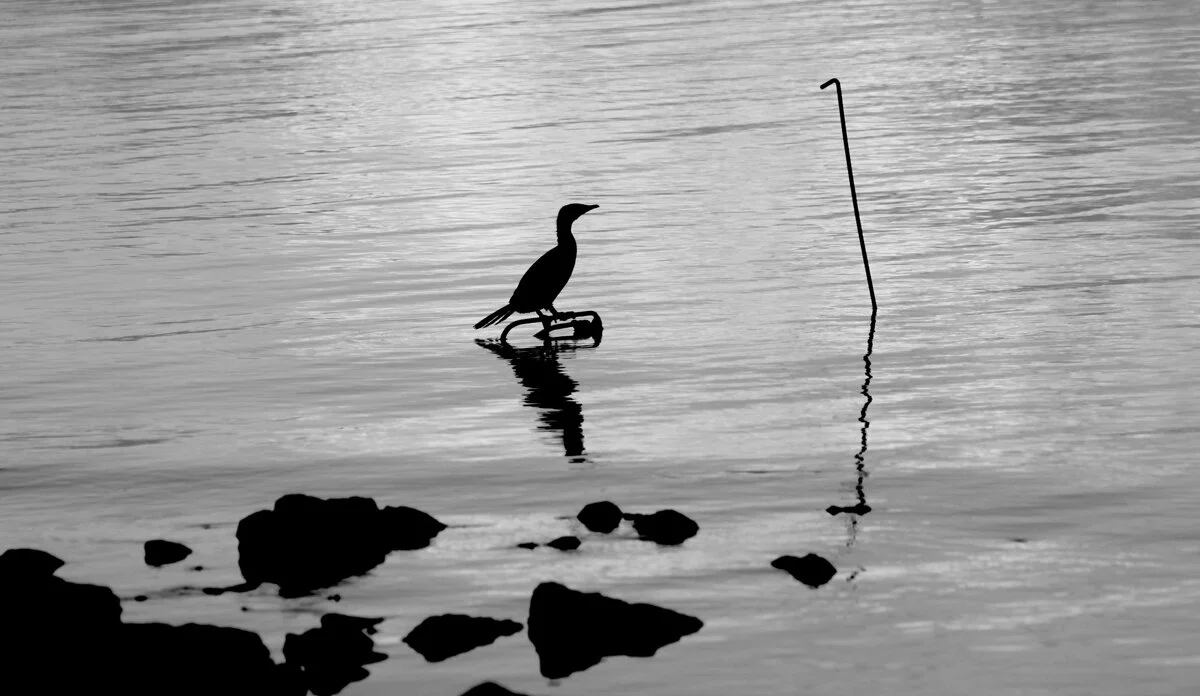
© Rozafa Shpuza, Pogradec
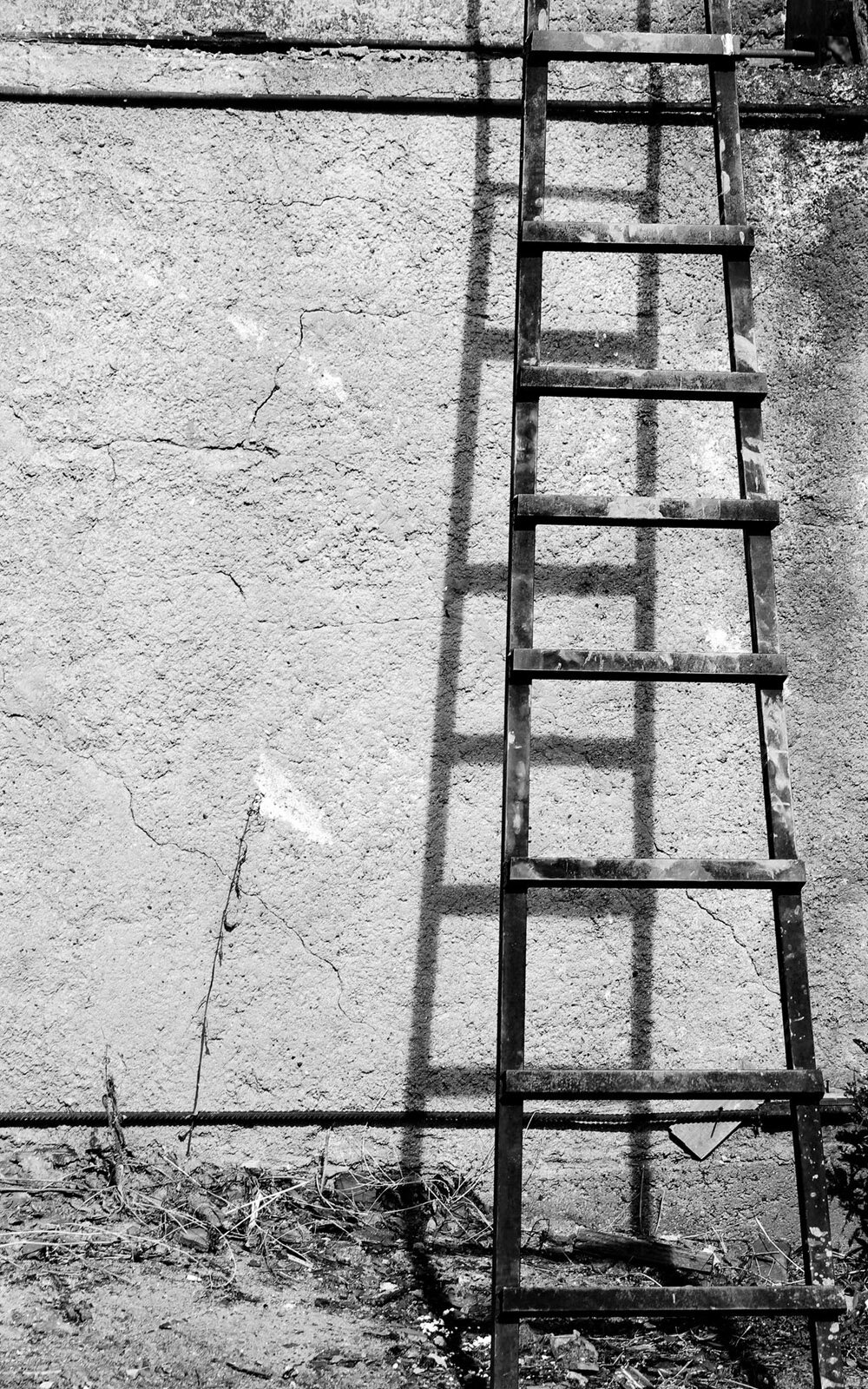
© Rozafa Shpuza, Nowhere

© Rozafa Shpuza, Communication, Koman Shkoder

© Rozafa Shpuza, Trumnajë bore

© Rozafa Shpuza, My Nowhere
Portraits of Passers-by
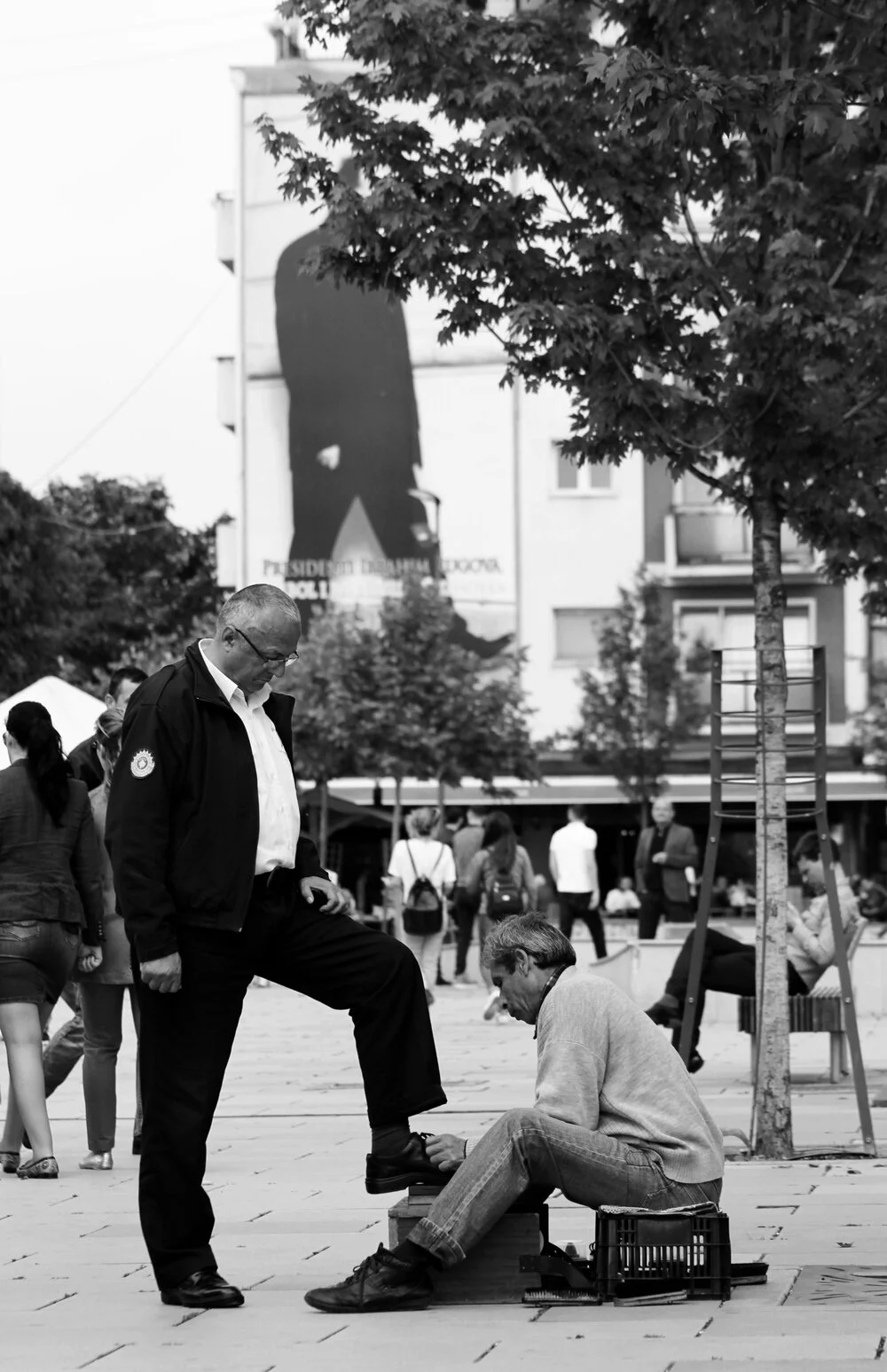
© Rozafa Shpuza,

© Rozafa Shpuza

© Rozafa Shpuza, showcase traps

© Rozafa Shpuza, Piano

© Rozafa Shpuza, Daily Time

© Rozafa Shpuza, Taxes that are forgiven

© Rozafa Shpuza, Children

© Rozafa Shpuza, Curiosity

© Rozafa Shpuza, The Walk

© Rozafa Shpuza, Icy Memories

© Rozafa Shpuza, Njomza
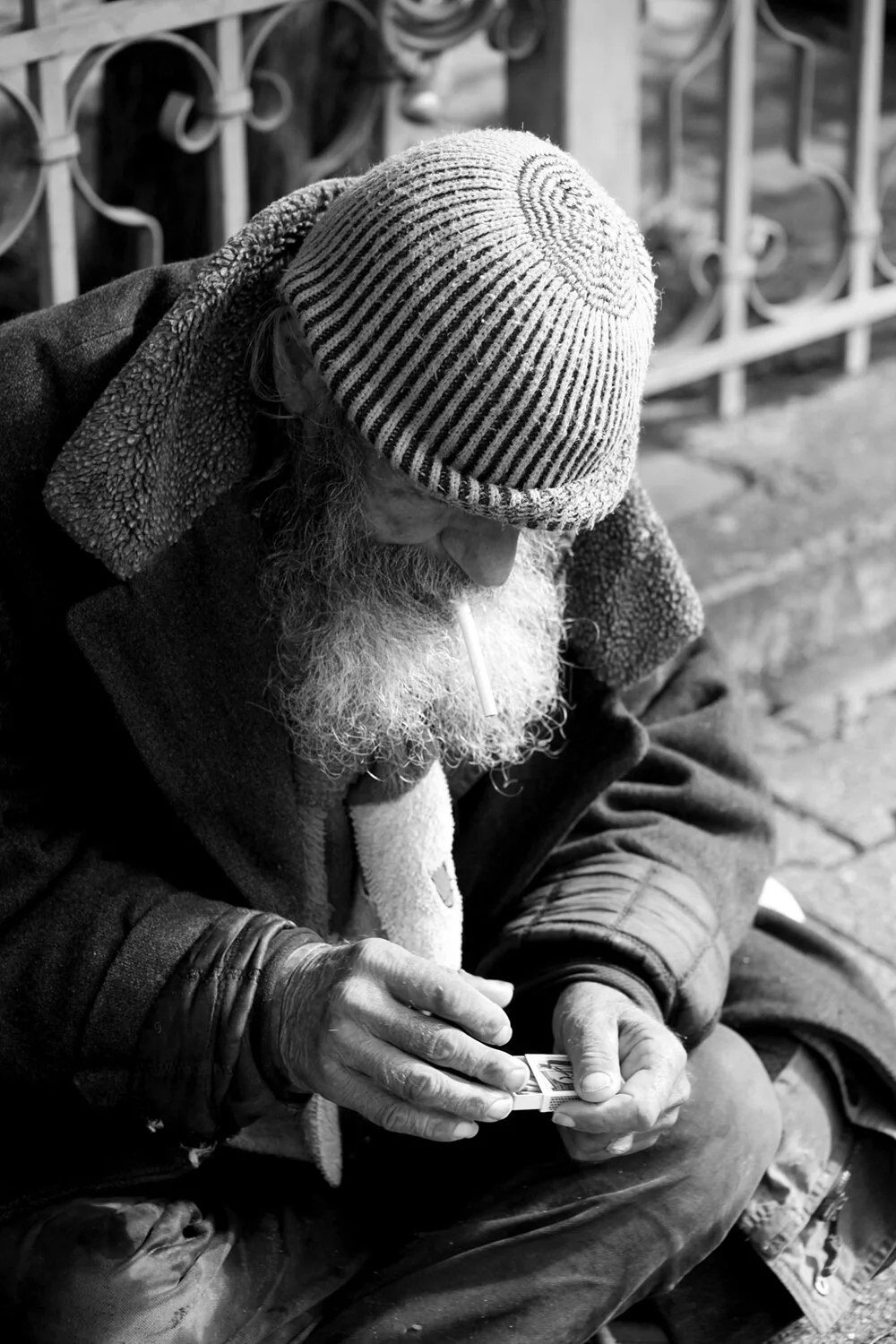
© Rozafa Shpuza, from the Series ‘Diary of an anxious season’

© Rozafa Shpuza, Time to pray, Shkodër

© Rozafa Shpuza, from the Series ‘Diary of an anxious season’

© Rozafa Shpuza, from the Series ‘Diary of an anxious season’
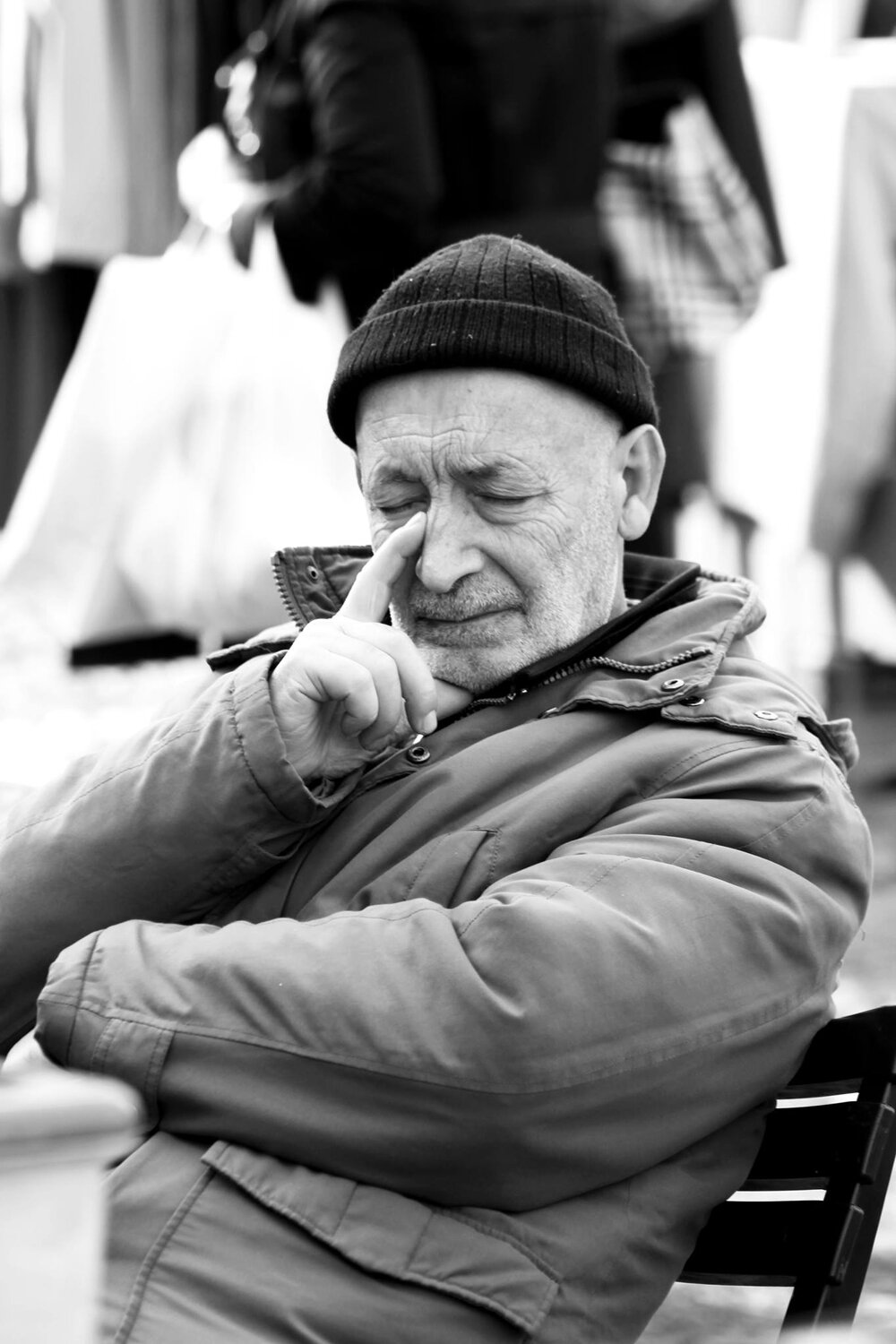
© Rozafa Shpuza

© Rozafa Shpuza, Wanderer

© Rozafa Shpuza, The Selector, from the Series ‘The Diary of an anxious season”

© Rozafa Shpuza, Lunch
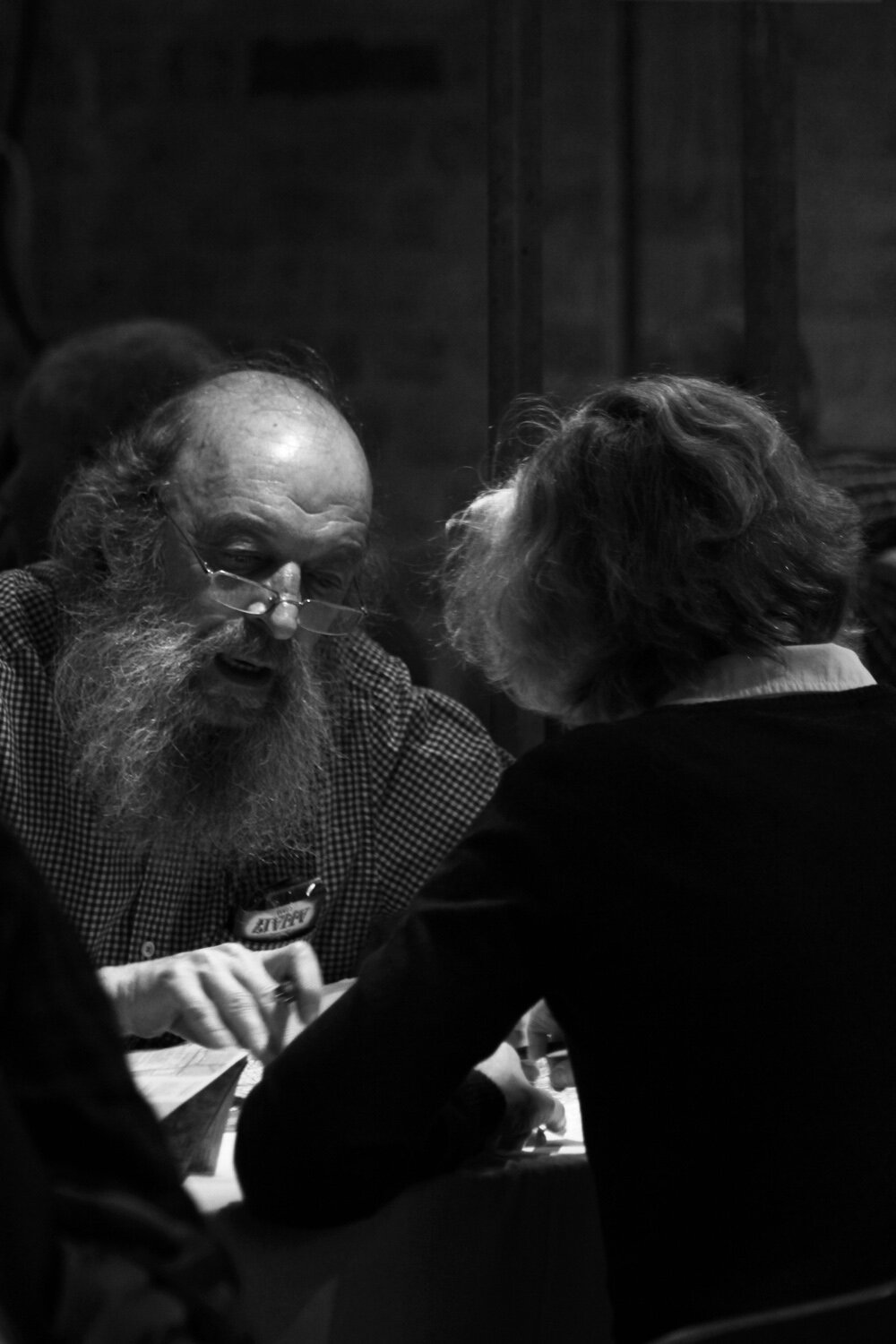
© Rozafa Shpuza

© Rozafa Shpuza, Plisa

© Rozafa Shpuza, At ‘Dugajt e Reja’, Shkodër

© Rozafa Shpuza, the Neighbor
Color Photography

© Rozafa Shpuza, Salty twilight

© Rozafa Shpuza, Communication
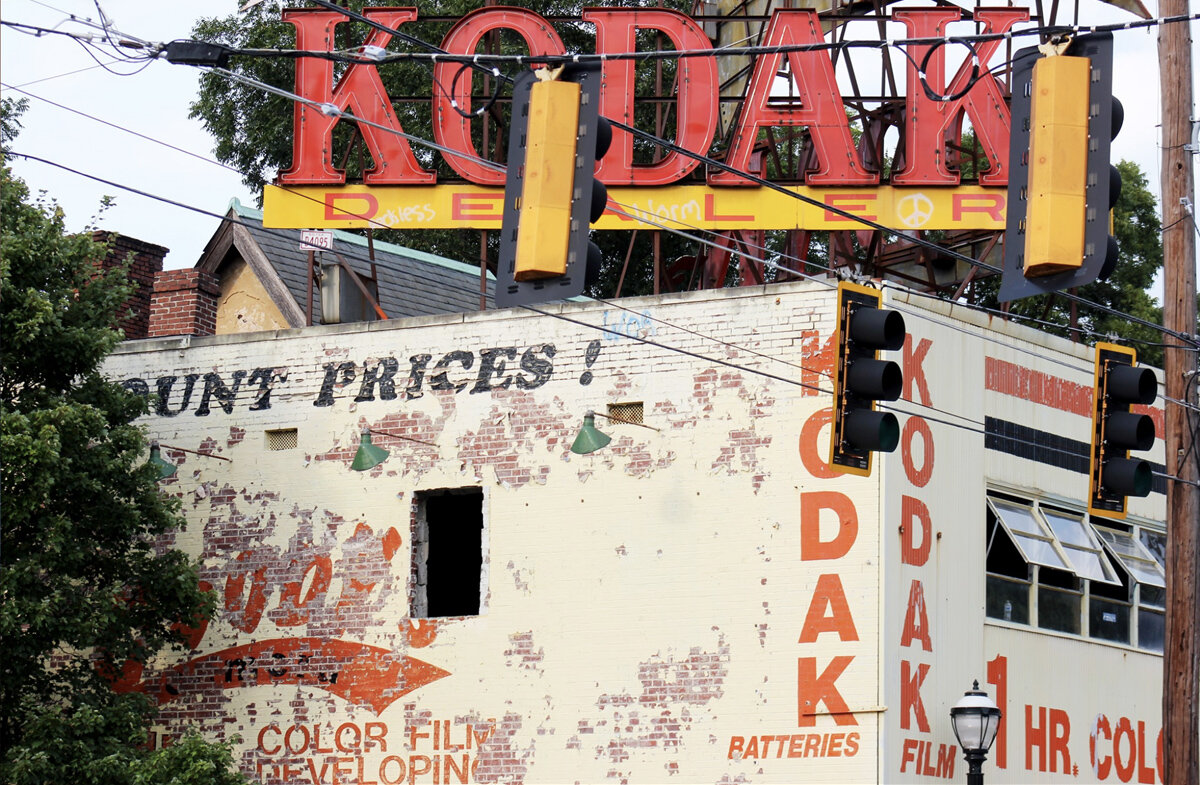
© Rozafa Shpuza, Once Upon a Time
You can see more of Rozafa Shpuza photos, in her social media, Facebook, Instagram and Galleria Oda.

"Big cities in my eyes" - photography Meti Spahiu (English)
At TATÌ SPACE we are opening a new series of blogposts on Albanian emerging photographers in the field of Architectural Photography. Meti Spahiu is a recent graduate architect at the Technical Faculty of Vienna (TU WIEN), who pursues the passion of Architectural Photography. The subject of his photograph are the residential and commercial buildings in Vienna and other European cities.
At TATÌ SPACE we are opening a new series of blogposts on Albanian emerging photographers in the field of Architectural Photography. Meti Spahiu is a recent graduate architect at the Technical Faculty of Vienna (TU WIEN), who pursues the passion of Architectural Photography. The subject of his photographs are the residential and commercial buildings in Vienna and other European cities. Born in Kamenica, Kosovo, where he lived until the age of 25, Meti moved to study and live in Vienna, Austria. He sees his journey in architecture closely linked to photography. His black and white photographs express the verticality and horizontality in architecture, reinforcing the aesthetic of the building. As he says, “The idea of my photographs is to bring beautiful images, to draw the public's attention to the aesthetics of the objects photographed. I would like people who pass every day carelessly near a building to discover the beauty of its architecture when they see the photograph. "For me, photography is a field that will never disappoint and that will go hand in hand with the profession of architect."

City gate Aderklaaerstrasse - Vienna, © Meti Spahiu

Fernheizwerk Arsenal - Vienna, © Meti Spahiu

Harry SeidlerTurm - Vienna, © Meti Spahiu

JanisJoplin Promenade - Vienna, © Meti Spahiu

Leonard-Bernstein-Strasse - Vienna, © Meti Spahiu

Maintrain Station -Vienna, © Meti Spahiu
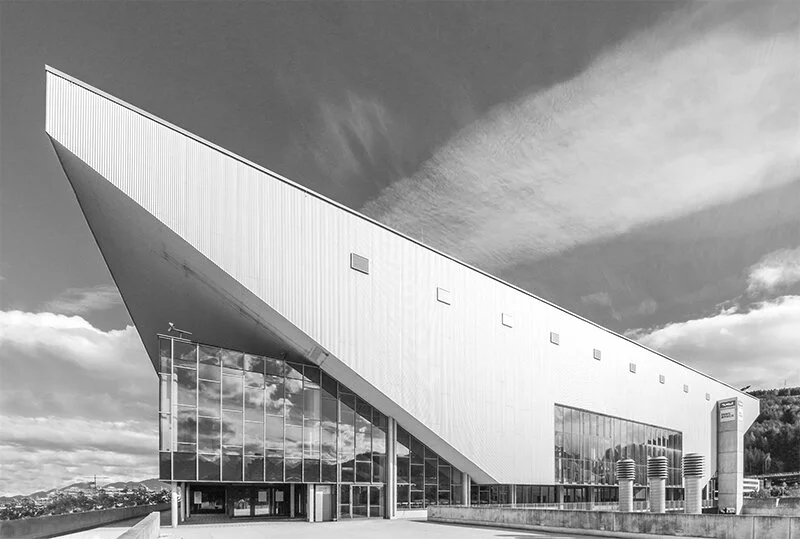
Olympiahalle 6020 Innsbruck, © Meti Spahiu

Strasse der Wiener Wirtschaft - Vienna, © Meti Spahiu

The stairs school “Eusebio da Guarda”, © Meti Spahiu

Via Dell’annunciata Milano, © Meti Spahiu