
The Importance of Protected Areas
Protected areas in Albania represent territories of significant natural, ecological, economic, and cultural value, whose conservation and sustainable management are essential for ensuring long-term development. These areas encompass a wide variety of ecosystems, from mountainous regions and forests to wetlands, rivers, lakes, and coastal environments.
by:
Dritan Dhora (text)*
Alketa Misja (photography)**
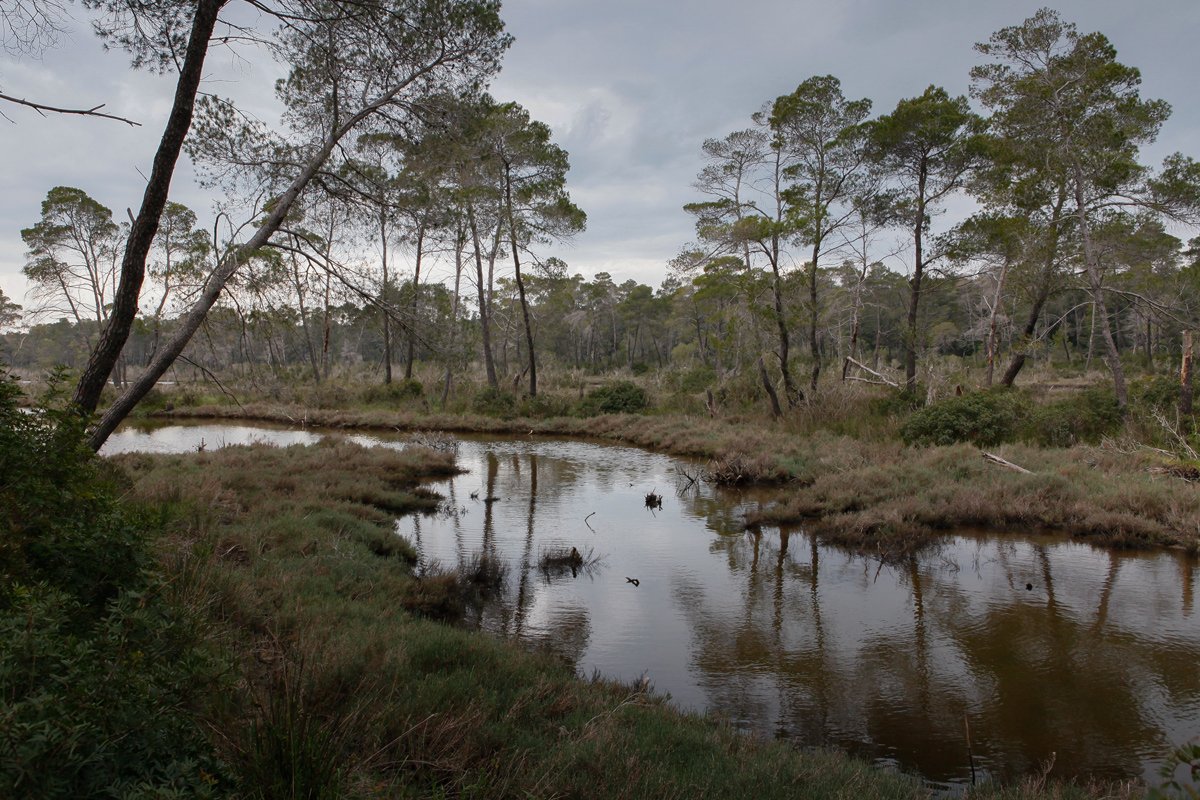
National Park Divjakë-Karavasta, Albania © Alketa Misja
Protected areas in Albania represent territories of significant natural, ecological, economic, and cultural value, whose conservation and sustainable management are essential for ensuring long-term development. These territories encompass a wide variety of ecosystems, from mountainous areas and forests to wetlands, rivers, lakes, and coastal environments. Due to their rich biodiversity and natural resources, protected areas play an important role in maintaining ecological balance and ensuring the essential ecosystem services that nature provides to society.
Their ecological importance is particularly related to the conservation of biodiversity and natural habitats. They provide conditions for the survival of numerous species of flora and fauna, including endemic and endangered species. At the same time, protected ecosystems contribute to regulating the water cycle, preventing soil erosion, absorbing carbon, and mitigating the impacts of climate change.
From an economic perspective, protected areas offer a wide range of resources and opportunities for sustainable development. The rational management of forests can provide timber products, while medicinal and aromatic plants represent significant potential for the rural economy and processing industries. In addition, agricultural land and pastures surrounding these areas support farming and livestock activities, while rivers, lakes, and coastal areas create opportunities for sustainable fishing. Alongside these resources, the development of ecotourism, agritourism, and nature-based tourism can generate income and employment opportunities for local communities.
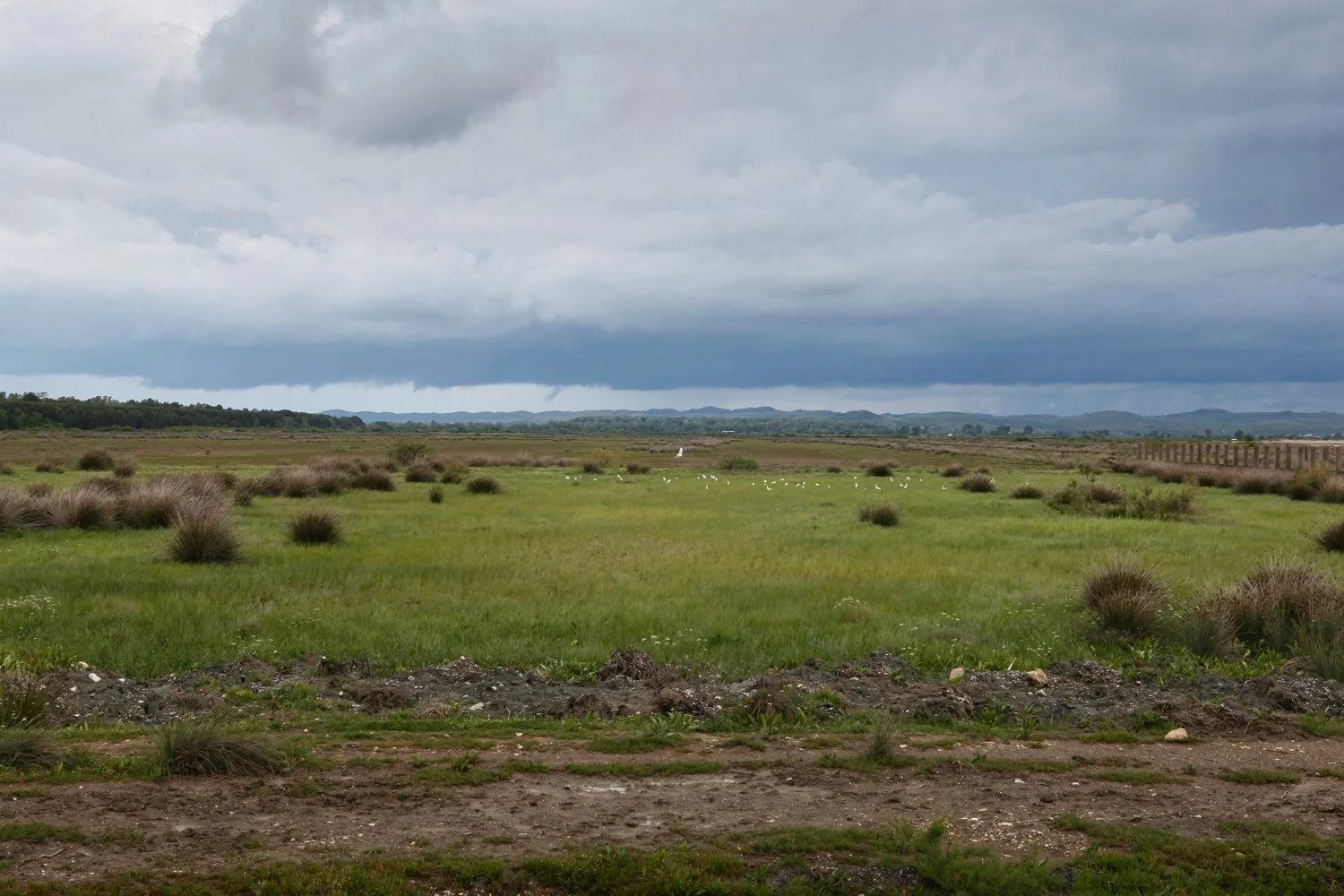
Karavasta Lagoon within the National Park Divjakë-Karavasta, © Alketa Misja
Finally, protected areas are of direct importance to public health and quality of life. Forests and natural ecosystems contribute to filtering air pollutants, producing oxygen, and regulating temperatures. The conservation of wetlands and water basins helps improve water quality, naturally filter pollutants, and ensure safer water resources for local communities. At the same time, the protection of soils reduces erosion and degradation, while the conservation of natural ecosystems helps prevent flooding and supports more effective water resource management. Natural areas also provide opportunities for physical activity, recreation, and relaxation, contributing positively to the physical and psychological well-being of individuals. For these reasons, the conservation and effective management of protected areas should be regarded as a strategic investment in Albania’s natural capital, public health, economic sustainability, and the preservation of ecosystem balance for future generations.
Karavasta Lagoon within the National Park Divjakë-Karavasta, © Alketa Misja
Potential Profitable Economic Activities in a Protected Area:
Sustainable agriculture
Traditional livestock farming
Beekeeping
Agritourism
Ecotourism
Mountain tourism
Adventure tourism
Rural tourism
Cultural tourism
Camping and glamping (camping with more luxurious eco-accommodation)
Tourist guiding and nature interpretation
Tourist accommodation (guesthouses, homestays)
Gastronomy and restaurants featuring local products
Sustainable fishing (where permitted)
Traditional aquaculture (in designated areas)
Collection and marketing of medicinal and aromatic plants
Collection and marketing of wild fruits, mushrooms, and other non-timber forest products (where permitted)
Processing and sale of agricultural and livestock products
Processing and marketing of honey and other beekeeping products
Traditional crafts and handicrafts
Production and sale of souvenirs
Nature photography and videography for commercial purposes
Organization of outdoor recreational activities (hiking, cycling, kayaking, horseback riding, etc., in accordance with applicable regulations)
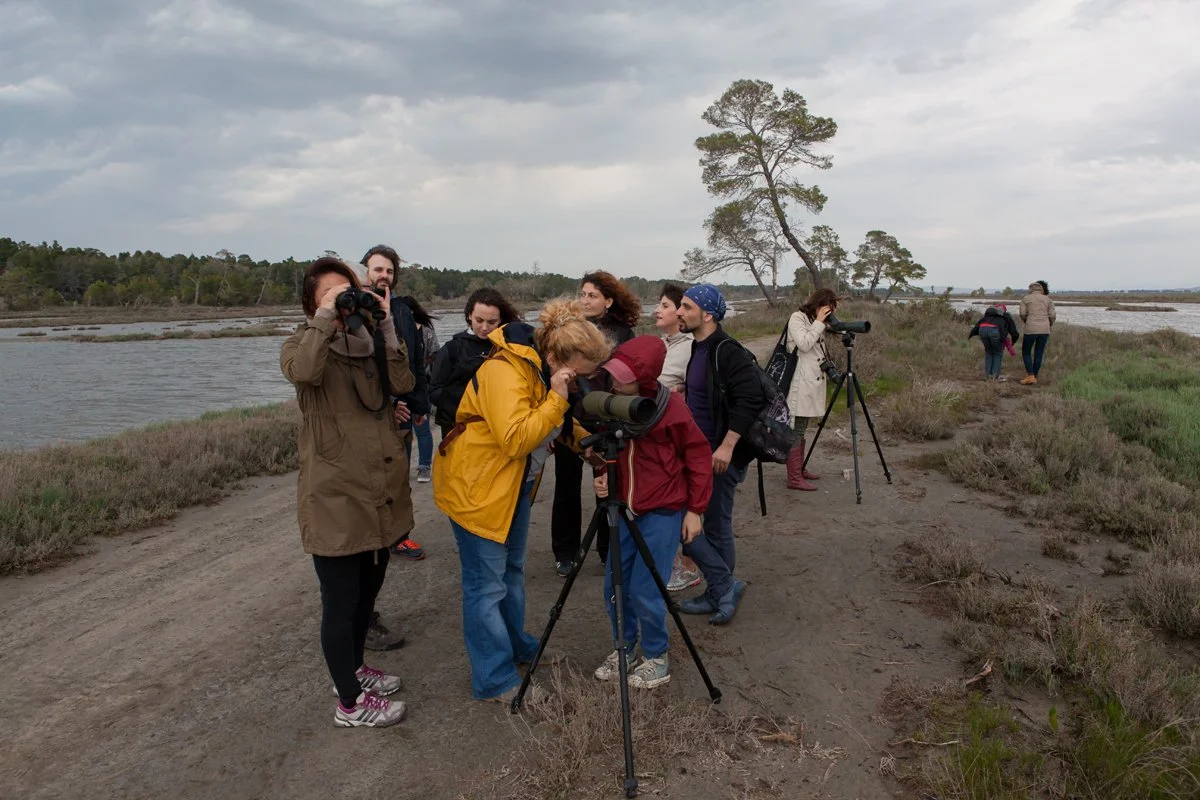
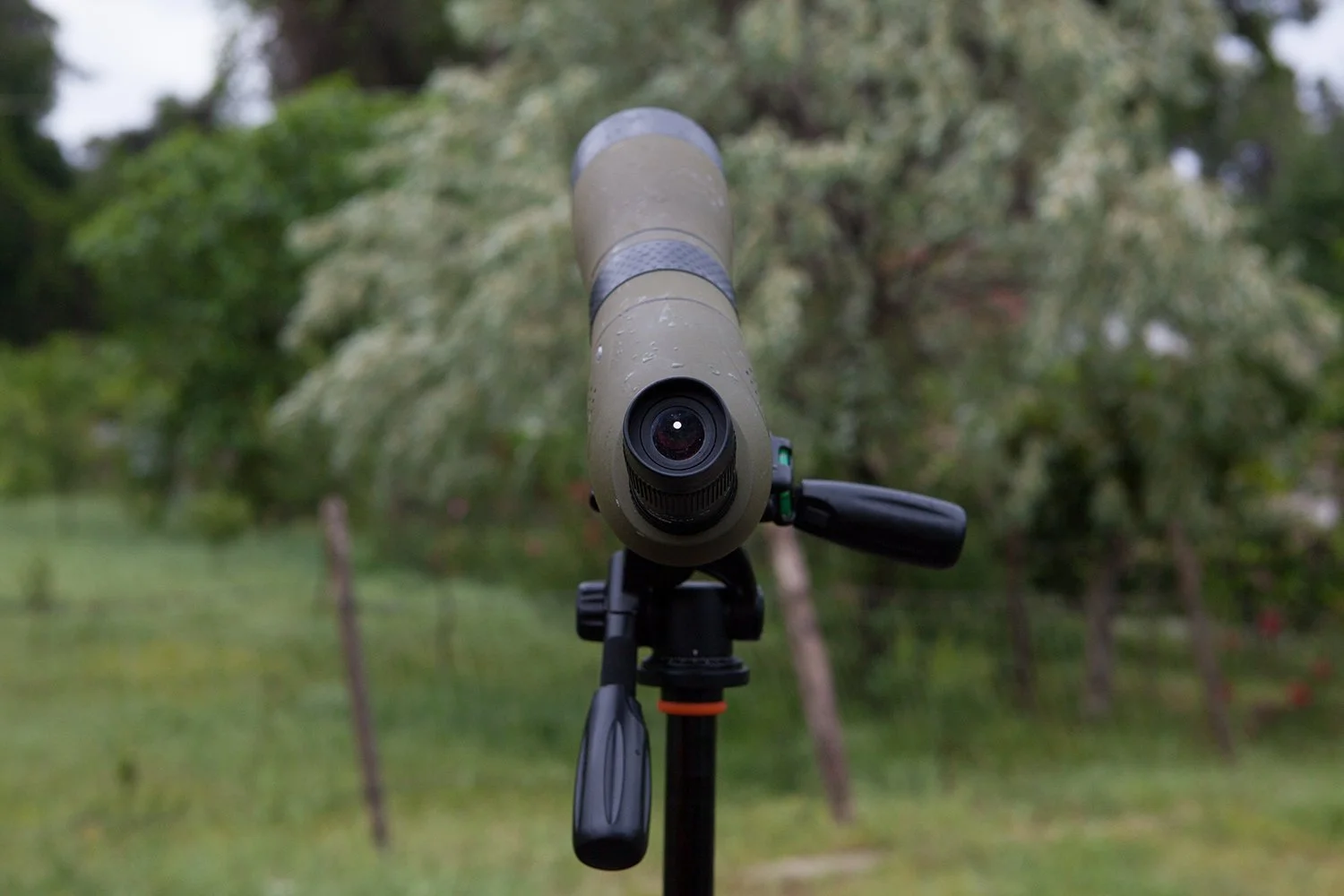
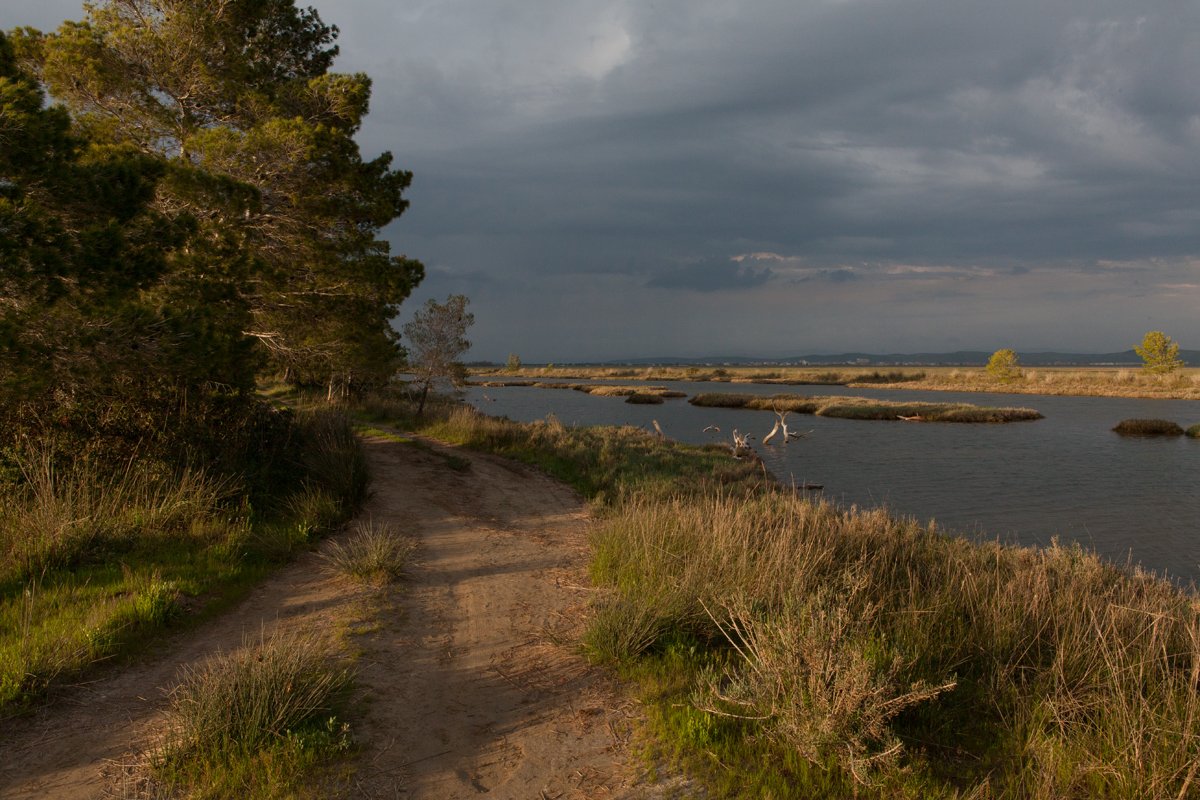
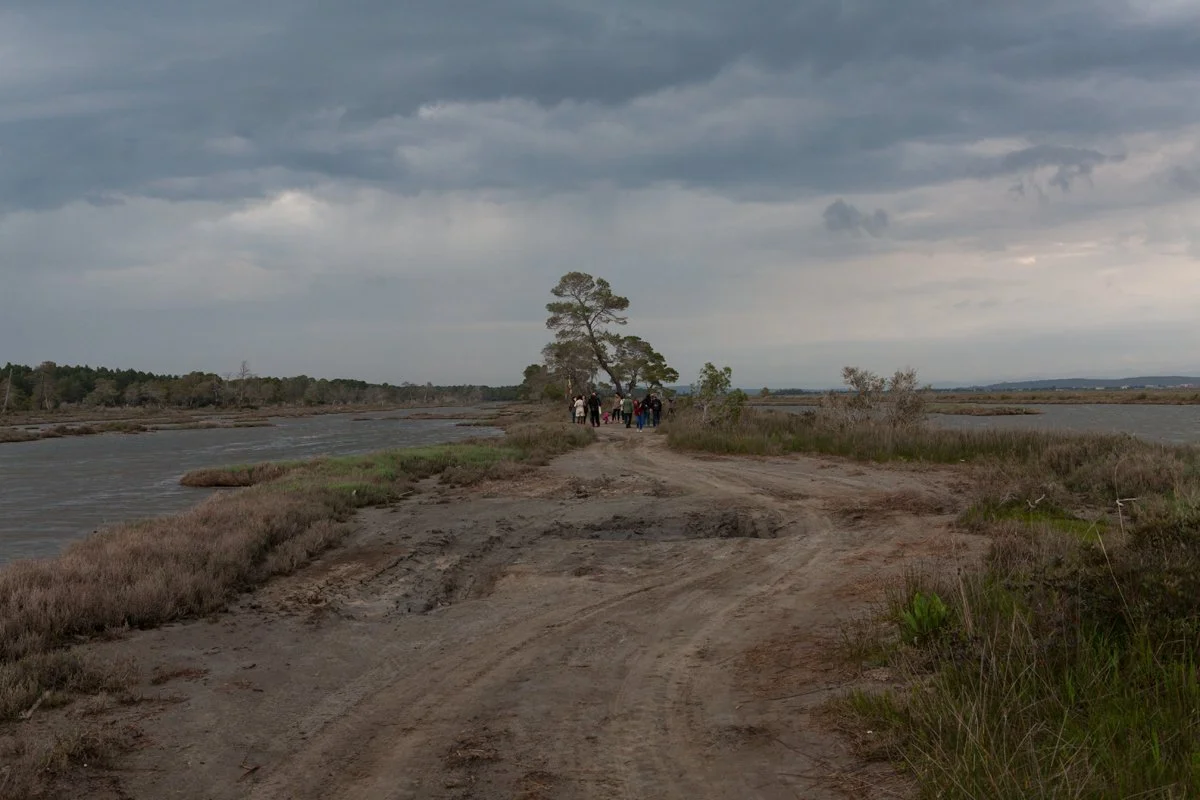
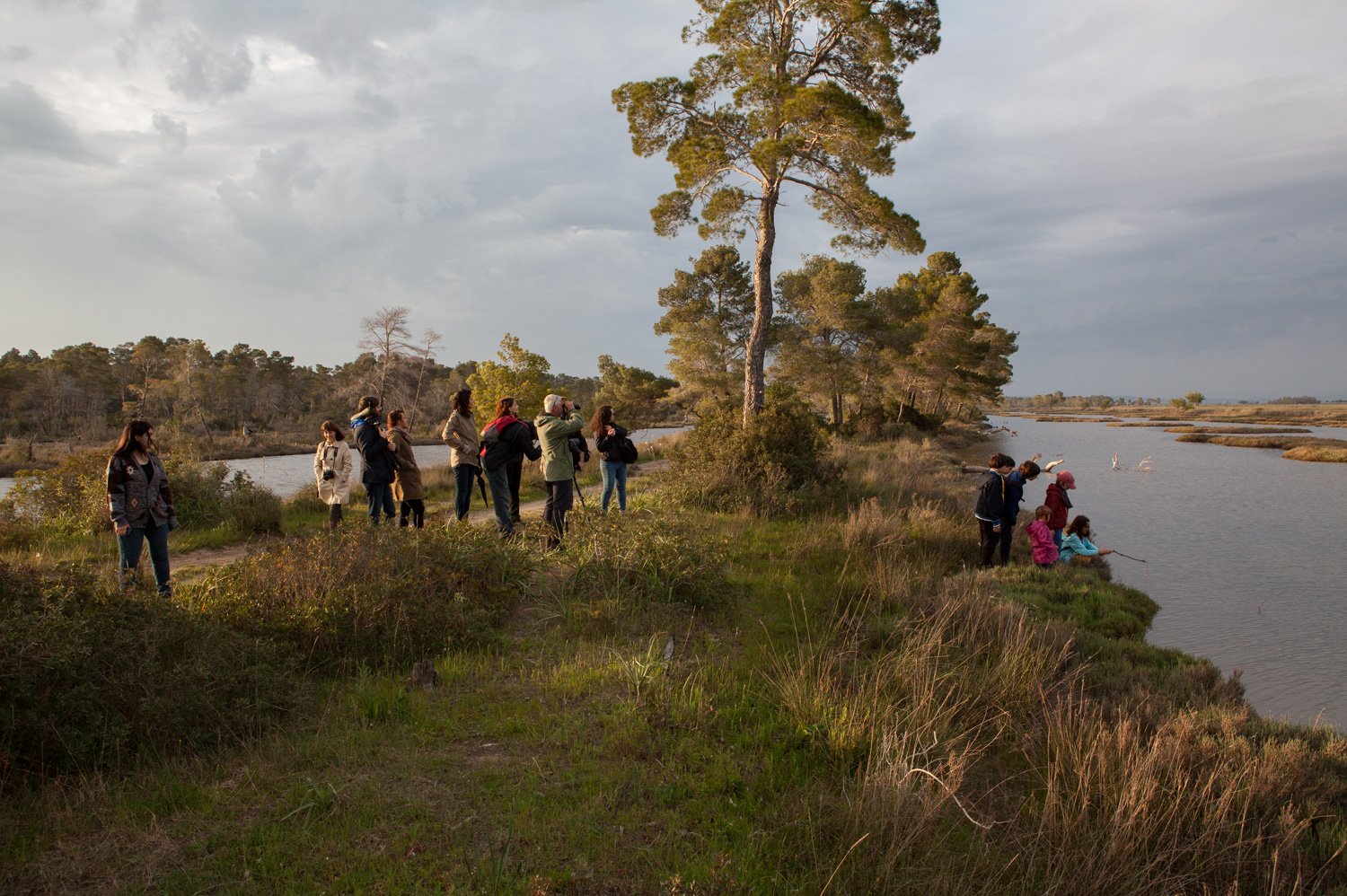
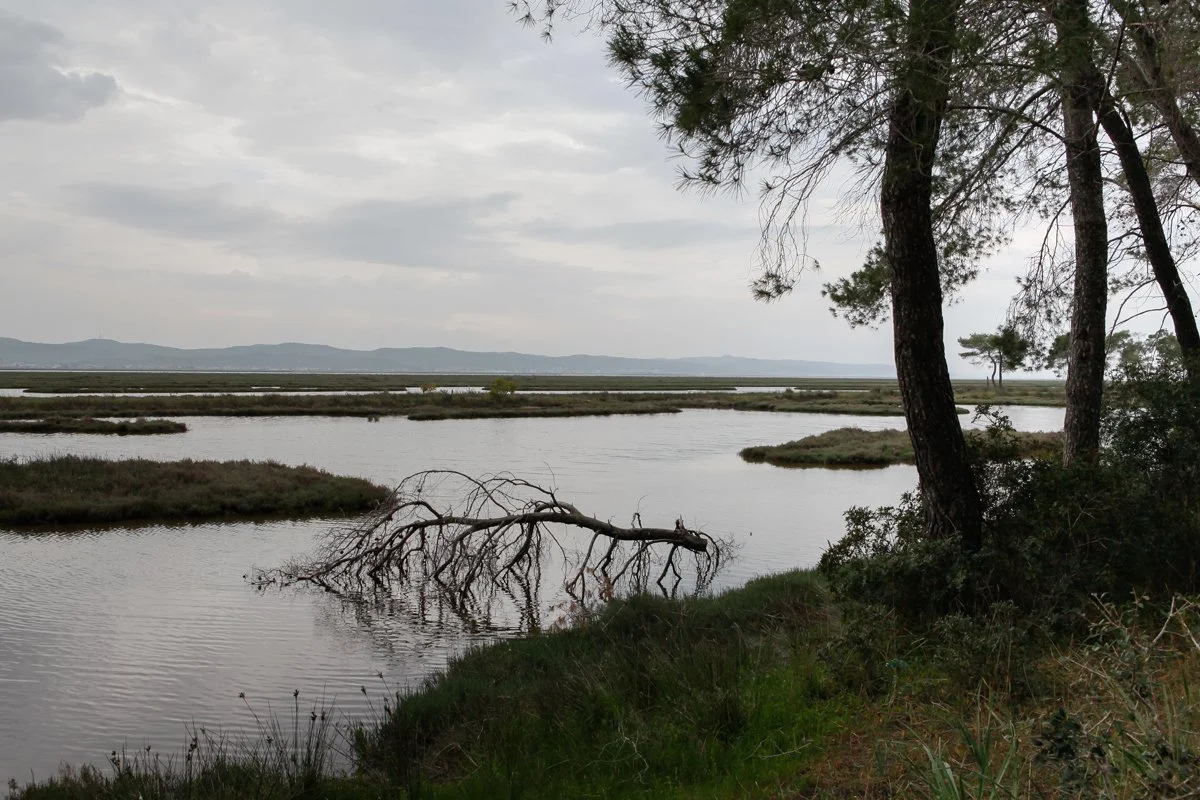
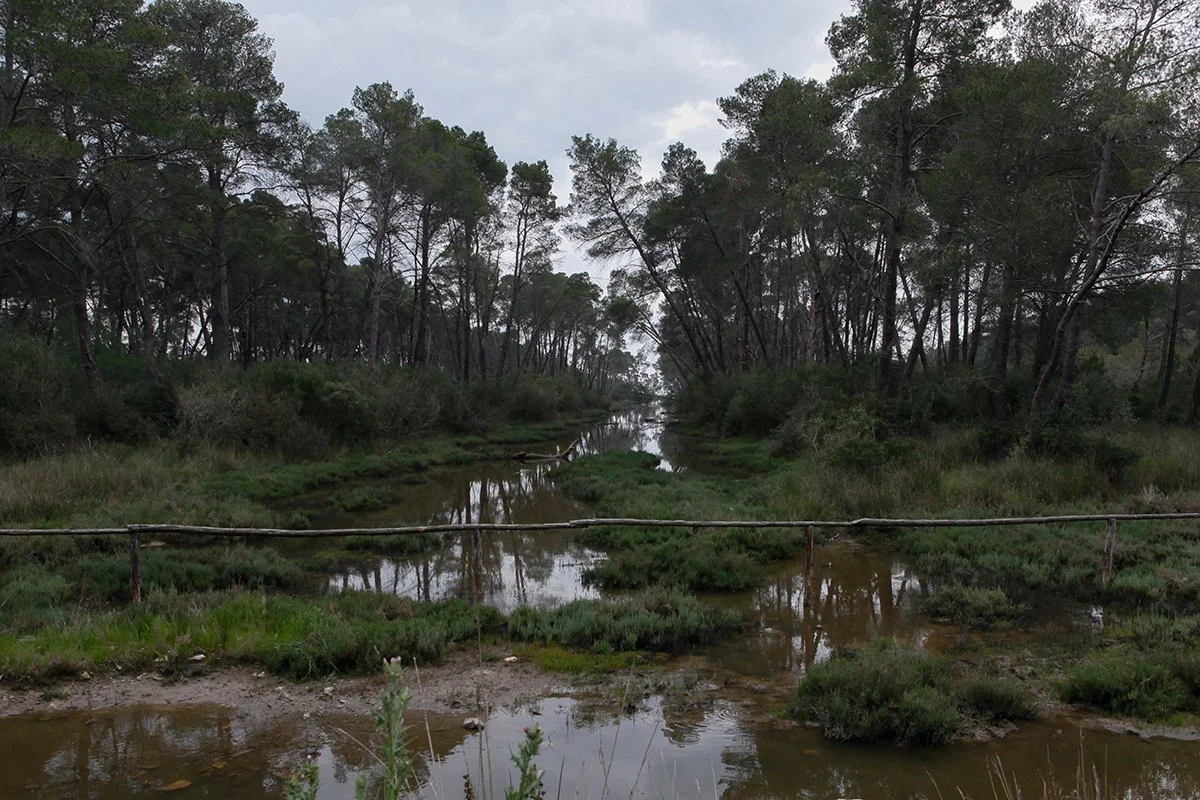
The Photos are taken inside Karavasta Lagoon within the National Park Divjakë-Karavasta,, © Alketa Misja
Albania has 52 protected areas, divided into categories such as national parks, natural parks/managed nature reserves, and protected landscapes. These areas cover approximately 624,460 hectares, representing around 21.8% of Albania’s territory.
In addition, Albania has approximately 330 natural monuments, which constitute the third category of protected areas.
According to Albanian legislation on protected areas, which is based on the categorization established by the IUCN (International Union for Conservation of Nature), the categories of protected areas, ranked according to their level of importance, are:
1. Strict Nature Reserve – Areas subject to a very high level of protection, where human activity is highly restricted and primarily scientific research is permitted.
2. National Park – Large areas of significant natural value and high biodiversity, protected for conservation, education, and sustainable tourism.
3. Natural Monument – Natural features or formations of particular scientific, geological, biological, or aesthetic value, such as caves, waterfalls, canyons, and monumental trees.
4. Managed Nature Reserve (or Natural Park) – Areas where nature conservation is combined with the sustainable use of natural resources.
5. Protected Landscape – Areas where the interaction between nature and human activity has created landscapes of particular natural, cultural, and recreational value.
6. Managed Resource Protected Area – Areas designated for the conservation of ecosystems and the sustainable use of natural resources.
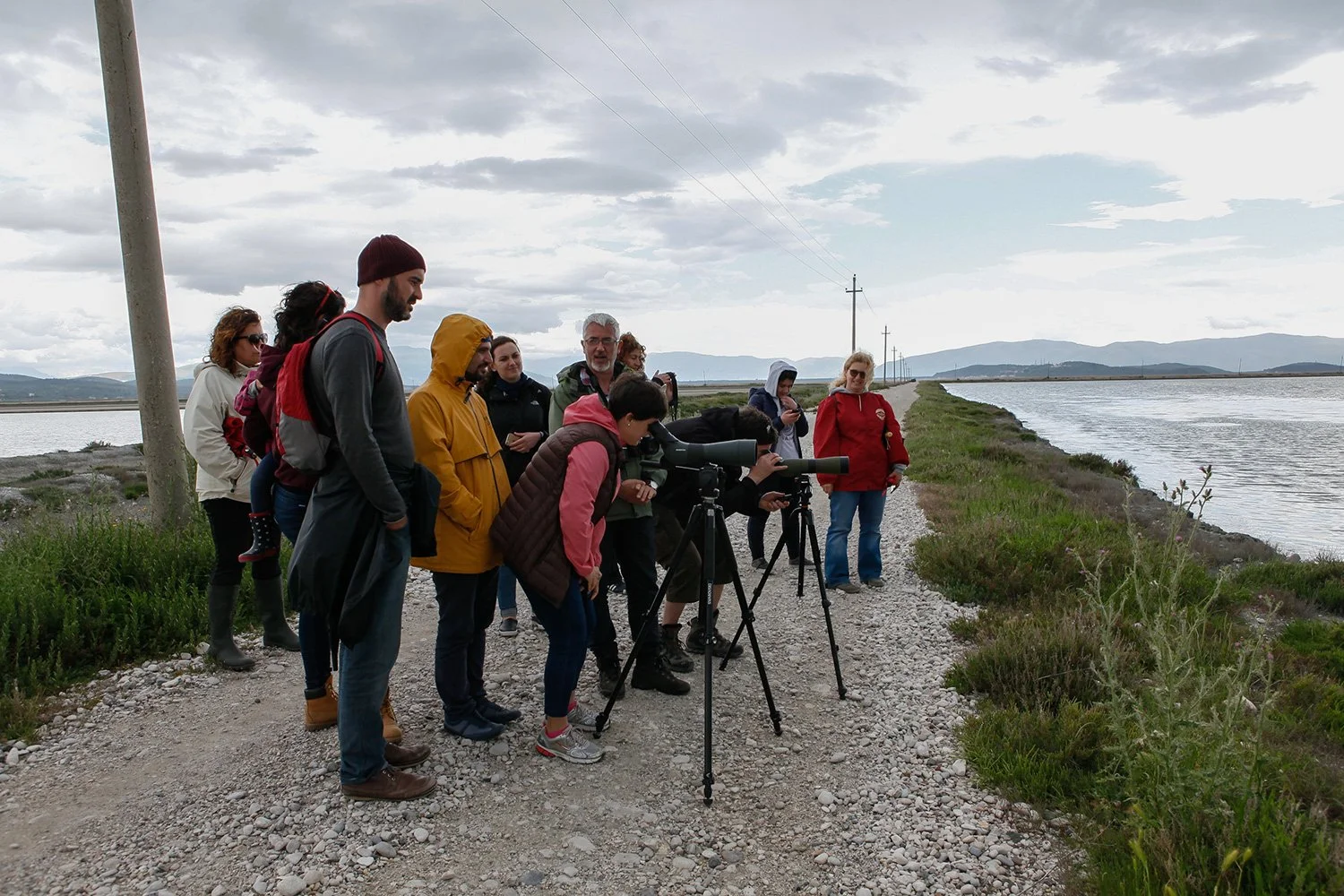
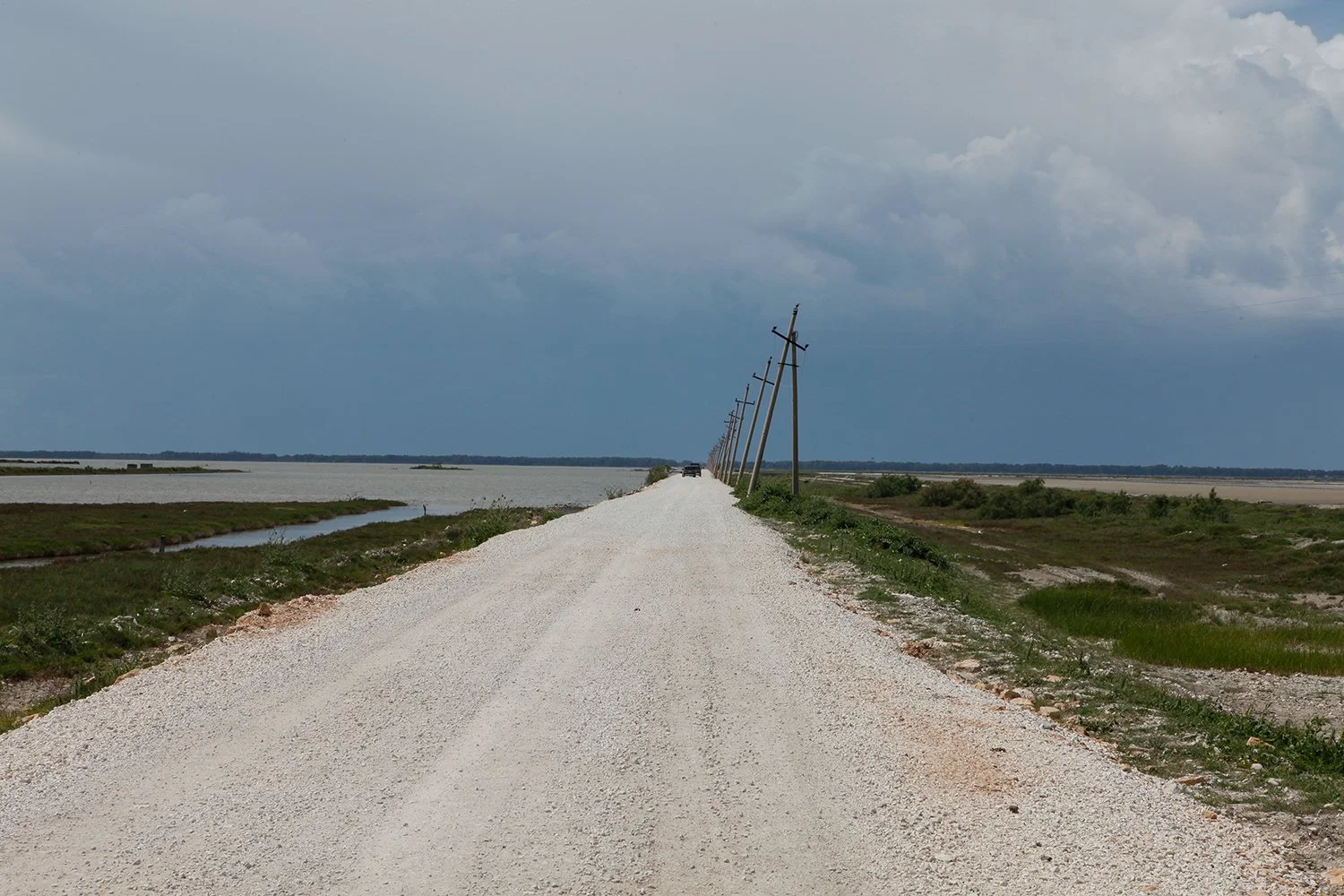
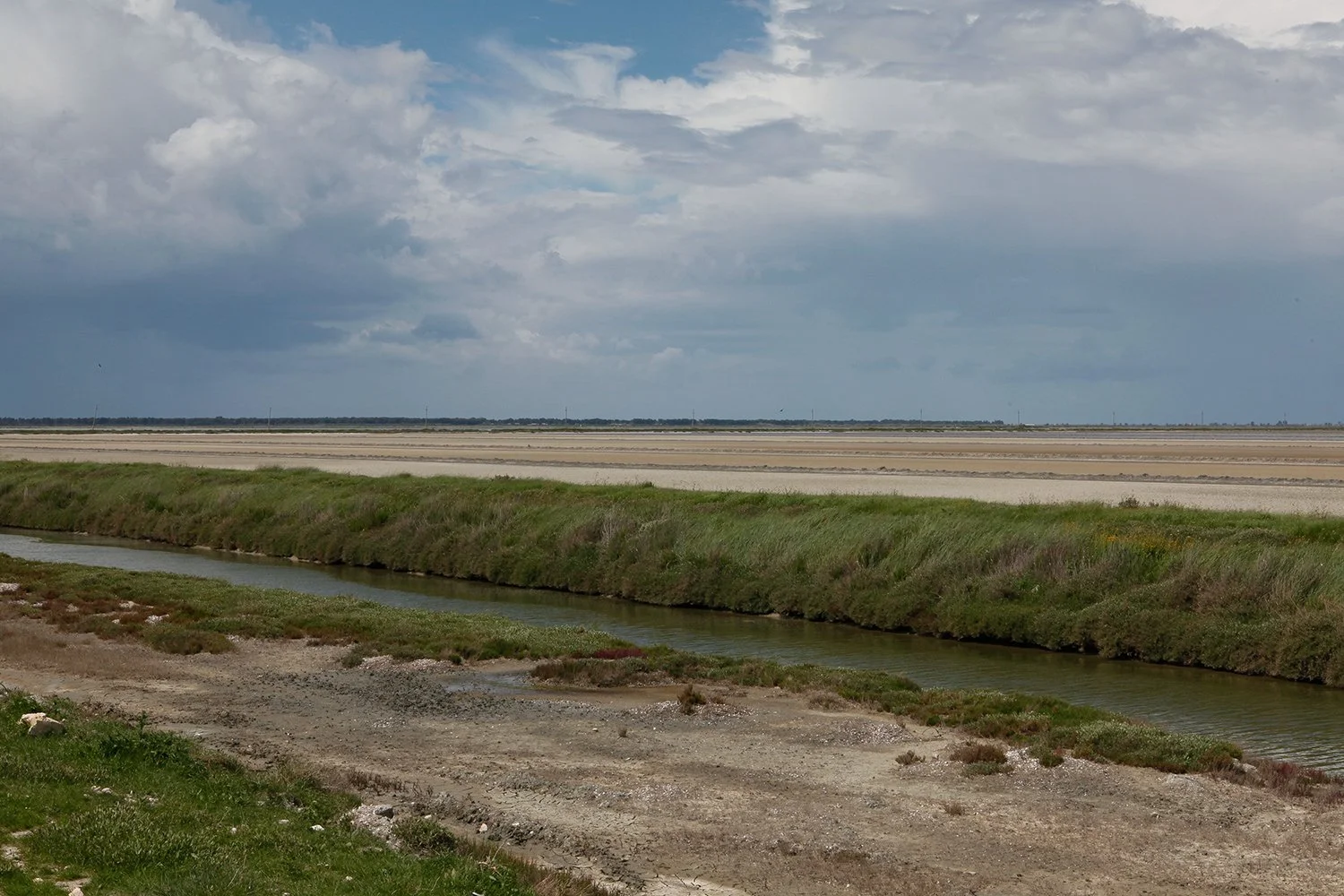
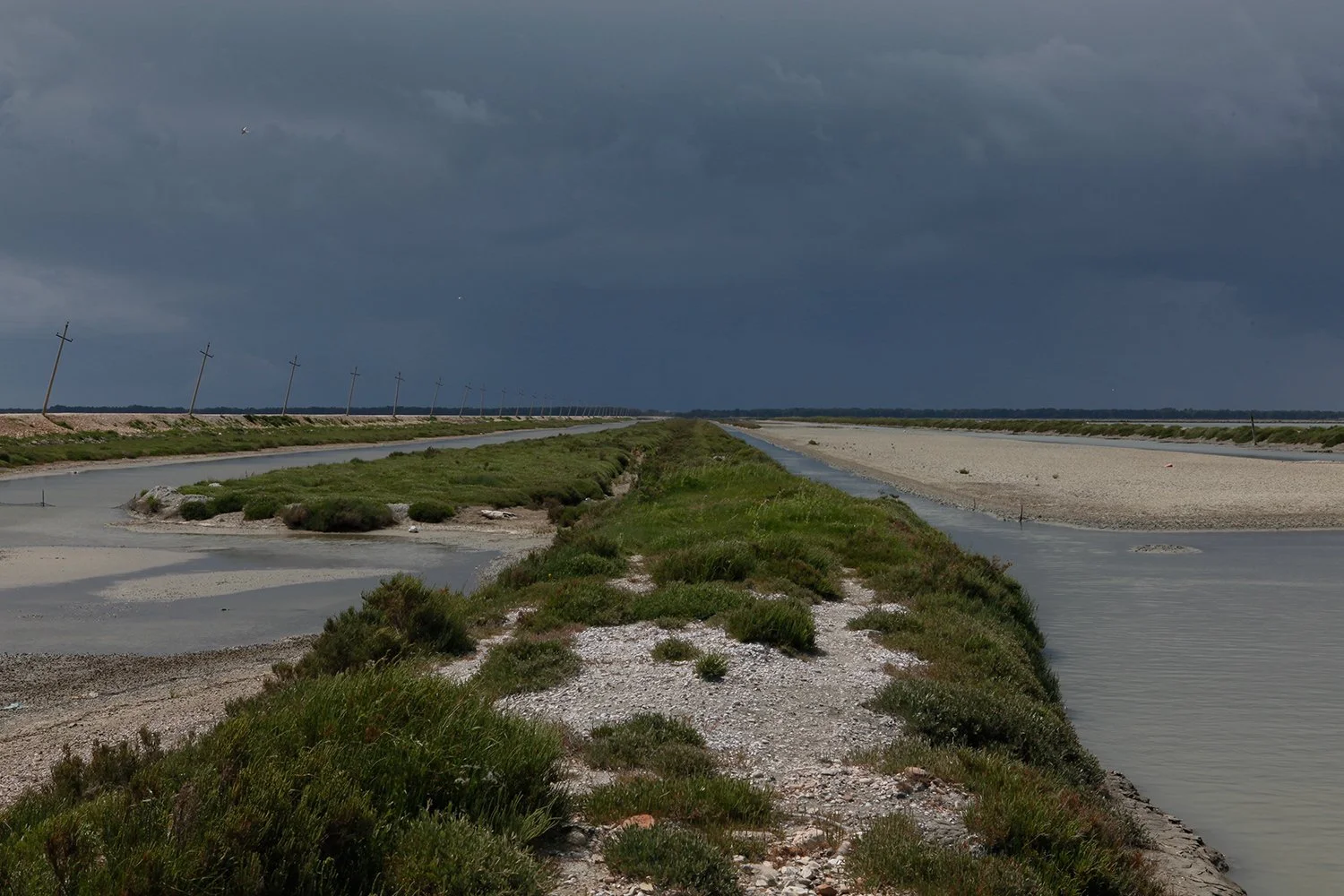
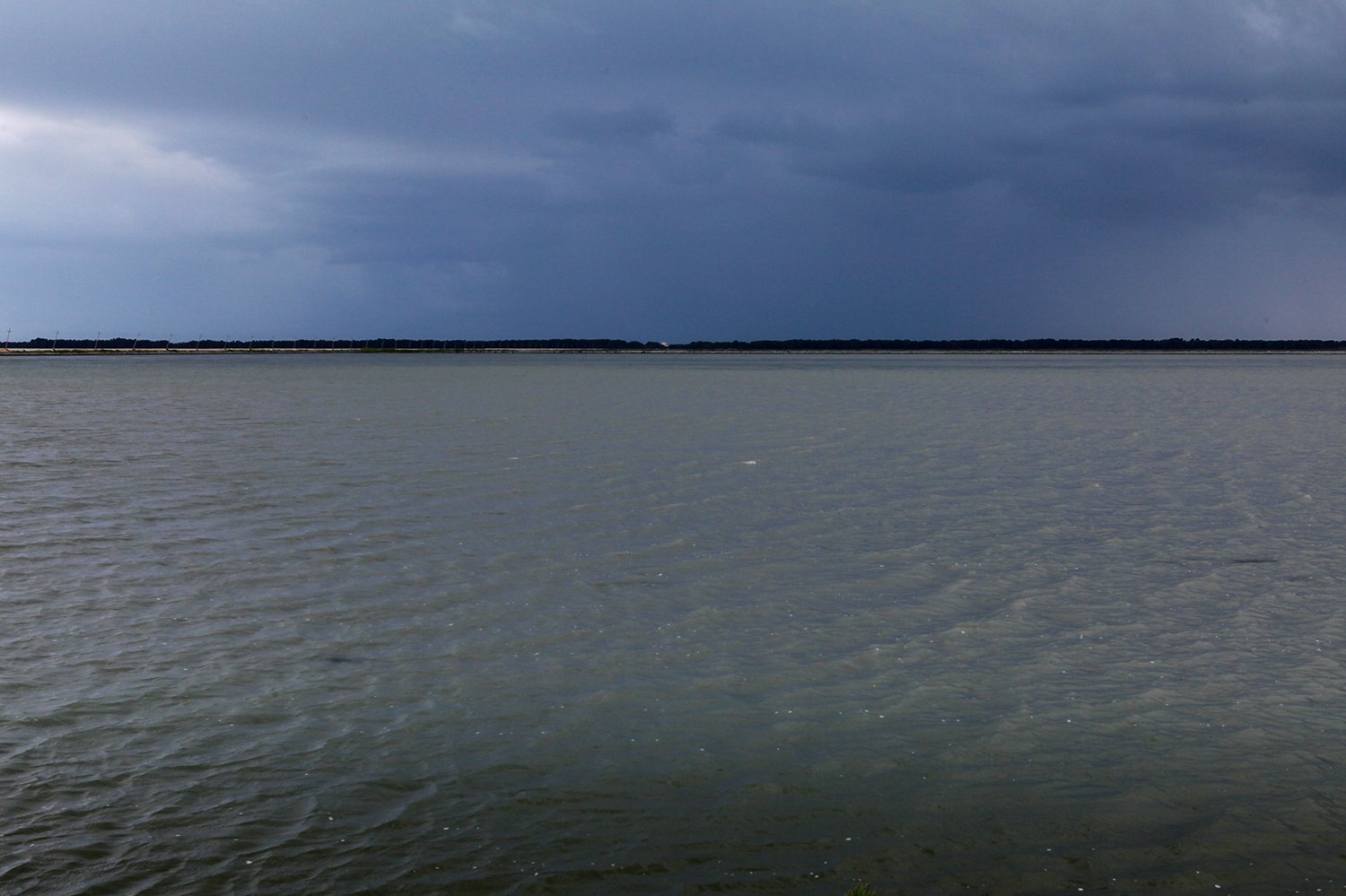
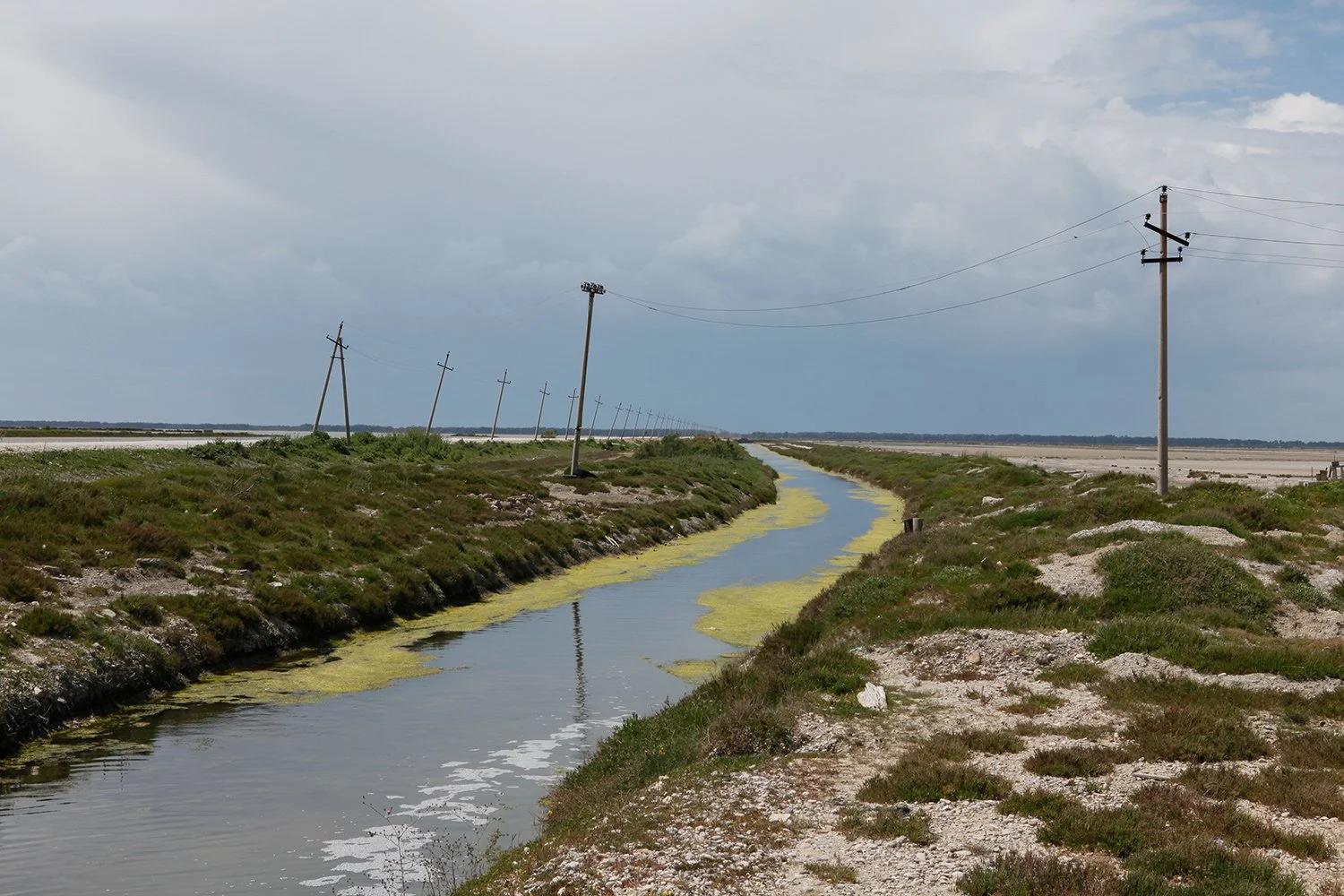
Photos from the Narta Salinas within the Pishë-Porro–Nartë Protected Landscape, © Alketa Misja
*Dritan Dhora is an environmental expert and environmental project coordinator with over 25 years of professional experience in the environmental field. His expertise includes biodiversity, the protection and management of aquatic ecosystems, natural resources, environmental assessment, and sustainable development. He has extensive experience in managing and coordinating national and international projects, as well as collaborating with public institutions, organizations, and academic partners. He also has considerable experience in higher education, scientific research, and the preparation of professional studies and publications. His work focuses particularly on environmental issues in the Shkodër region, including Lake Shkodër, the Buna River, biodiversity, and the integrated management of natural resources.
**© Alketa Misja. The photographs were taken at Karavasta Lagoon, within the Divjakë–Karavasta National Park, and at the Narta Salinas, within the Pishë-Porro–Nartë Protected Landscape, during an organized Bird Guided Tour led by AOS – Albanian Ornithological Society Albania.
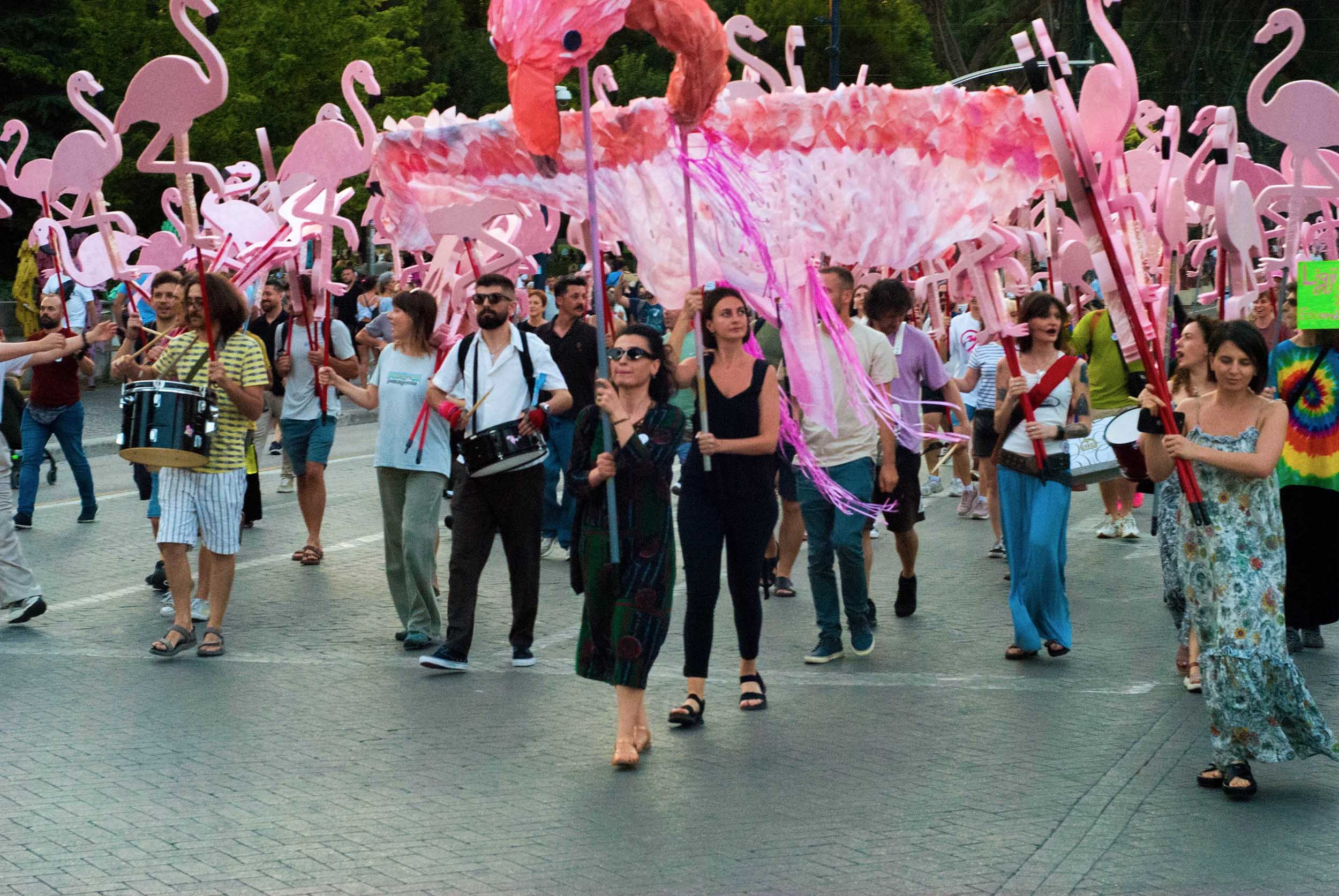
When the Flamingos Descend Upon the City
For more than a decade as an urban planner, I have come to understand that the city is more than a built environment—a product of human creativity. It is also the place where people are shaped, where social relationships are formed, and where they learn whether or not to become creative themselves. For nearly two centuries, urban space has been not only the setting in which the modern citizen has emerged, but also the environment that has shaped the way people understand both the world and themselves as social beings.
A Reflection on the Flamingo Revolution
by Kedis Burrja
© Kedis Burrja, Flamingo Revolution
For more than a decade as an urban planner, I have come to understand that the city is more than a built environment—a product of human creativity. It is also the place where people are shaped, where social relationships are formed, and where they learn whether or not to become creative themselves. For nearly two centuries, urban space has been not only the setting in which the modern citizen has emerged, but also the environment that has shaped the way people understand both the world and themselves as social beings.
My experience over the past three years in landscape architecture has reinforced my belief that the urban environment is defined by more than its streets, buildings, and public spaces. It is also shaped by something that is often overlooked: people's emotional connection to the places where they live. This cultural and emotional bond is just as important as the city's physical conditions. Human beings are not merely biological creatures; they are also cultural beings, shaped by history, language, and memory. These dimensions are reflected in the way we live in and interact with the city. Nowhere is this relationship more evident than in the social life that unfolds within urban spaces.
For more than sixty days, citizens have filled the public squares, expressing a shared concern. Yet beyond this concern, a new vision of the future is beginning to emerge. Although it has not yet been fully articulated, this aspiration reveals itself through a sustained resistance to an established order that no longer makes such a future possible. This resistance is not merely bringing together different demands; it is also transforming the people themselves, who are discovering within themselves courage, love, and possibilities they had never imagined before. For this reason, it has marked the beginning of a new era, one that is coming to be known as the Flamingo Revolution.
At first glance, this may appear to be a large civic protest. But it is more than that. The demonstrations and the broad public participation are only the visible expressions of a much deeper process that is taking shape. To better understand what is happening, I would like to highlight three characteristics that, in my view, define this phenomenon.
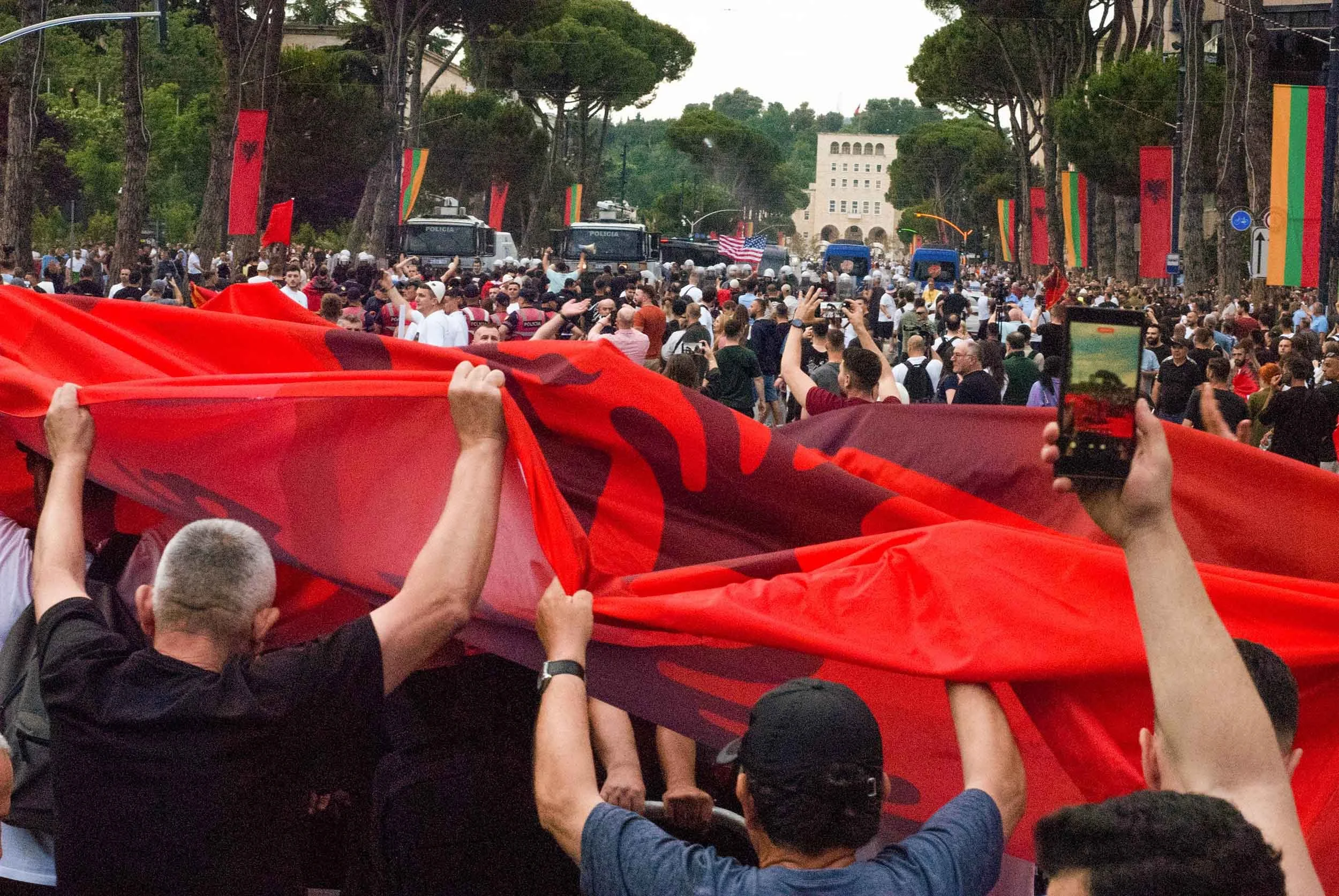
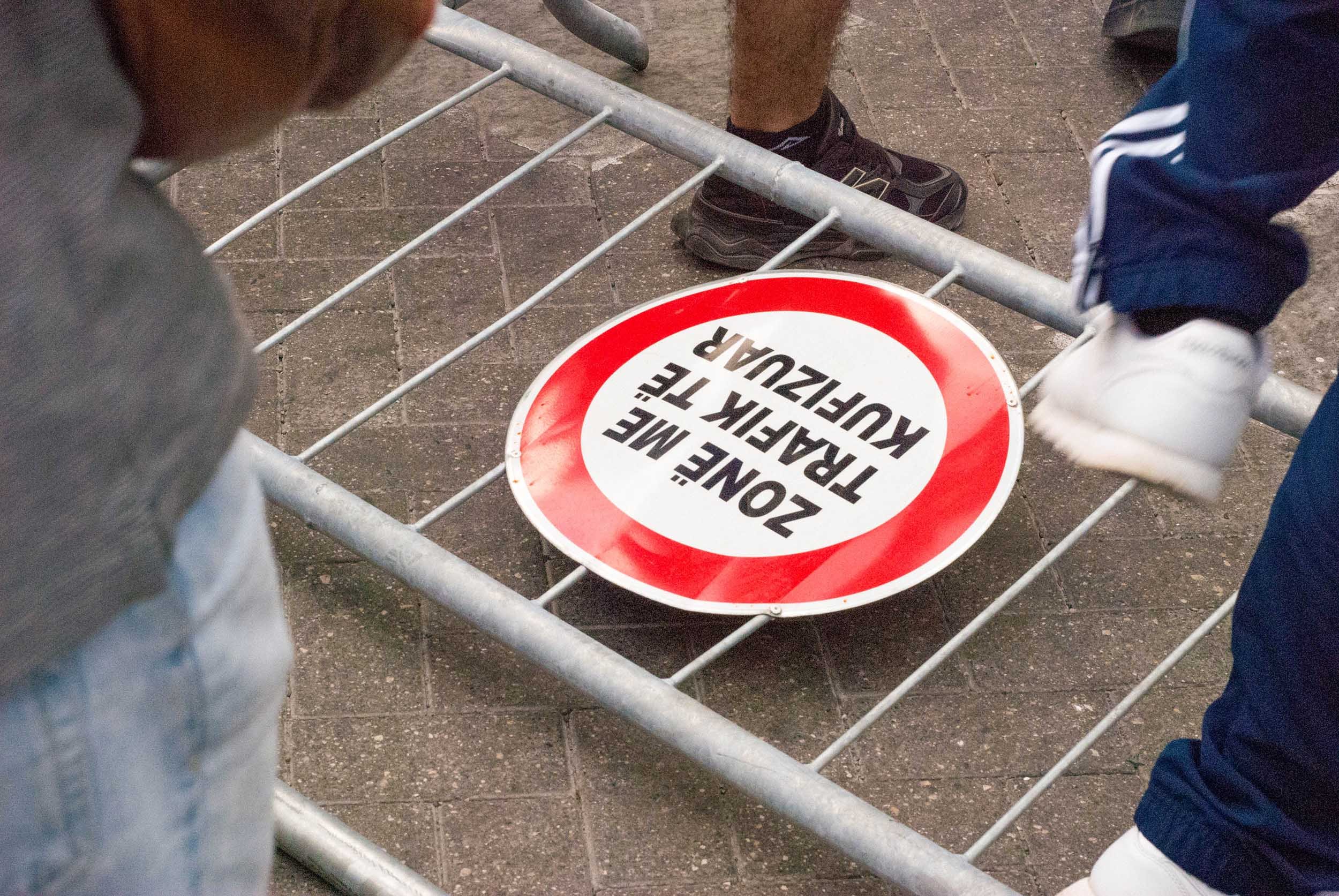
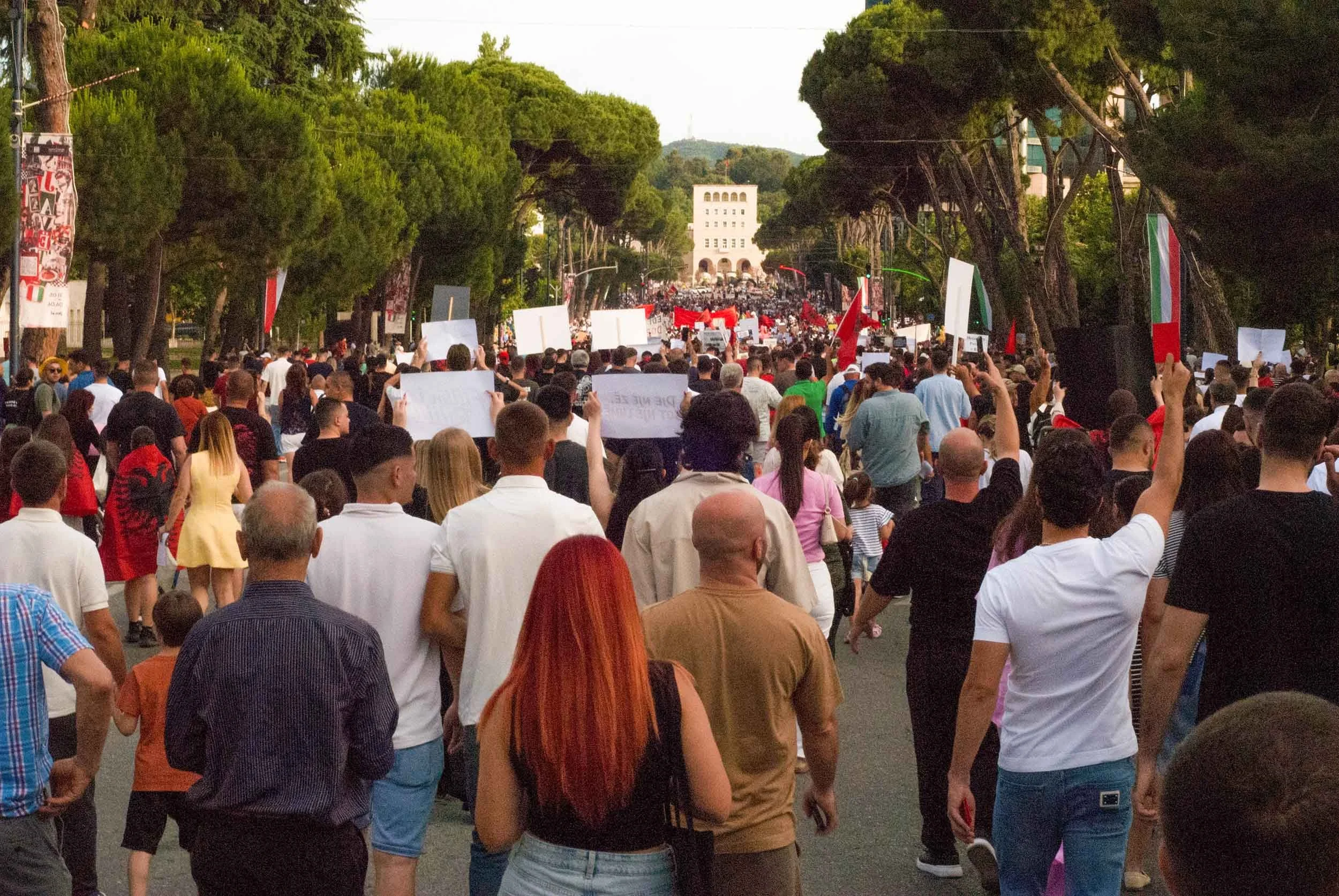
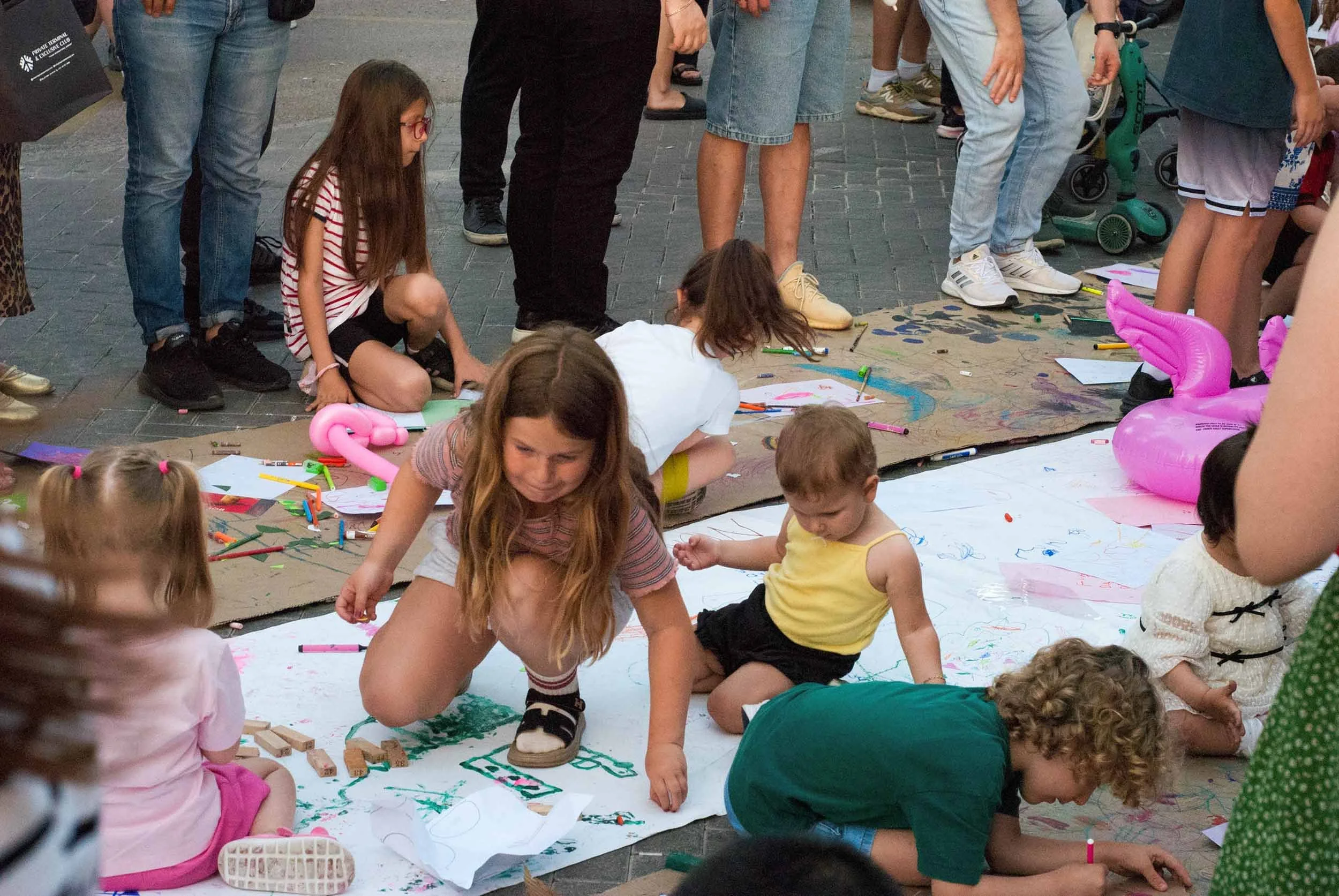
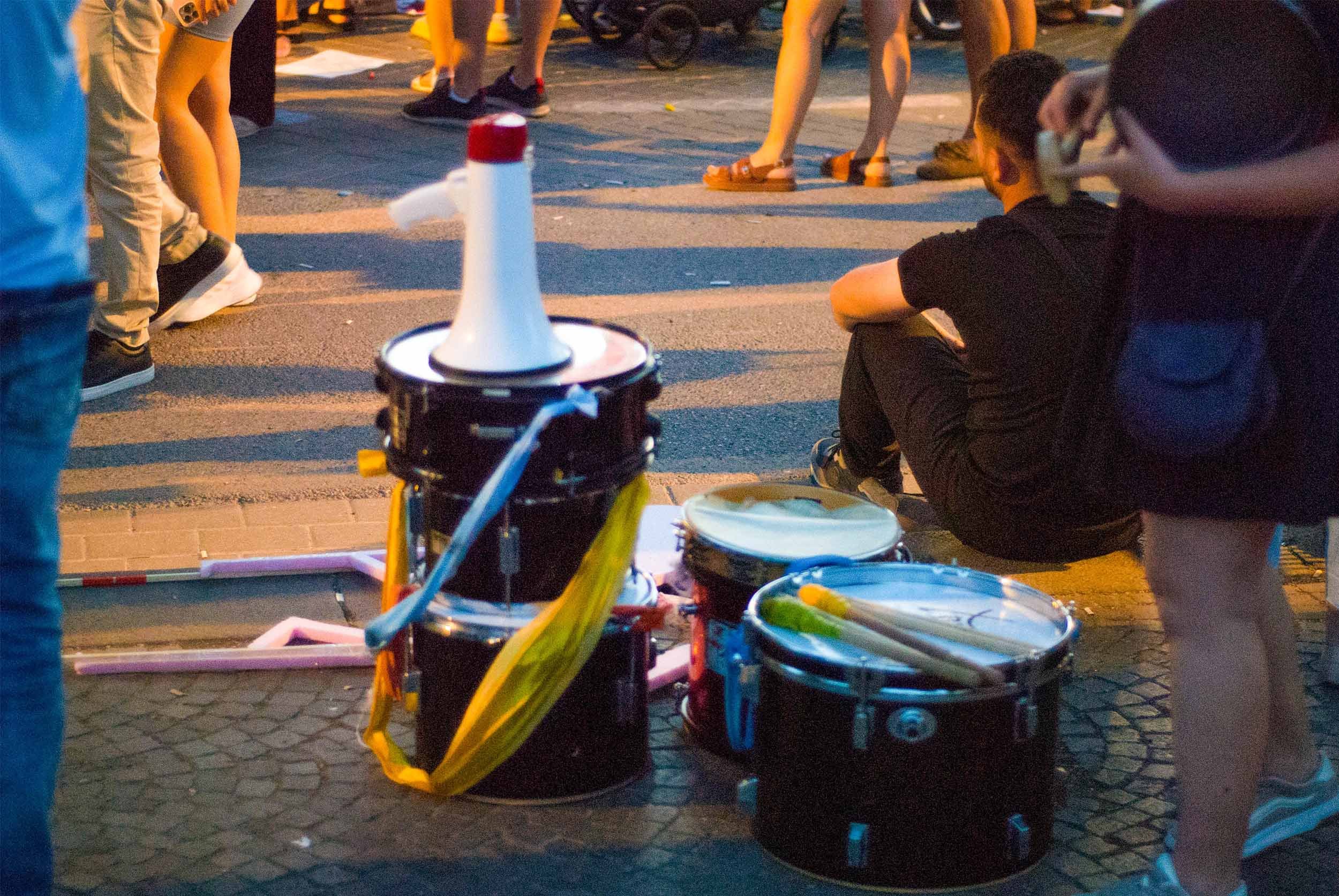
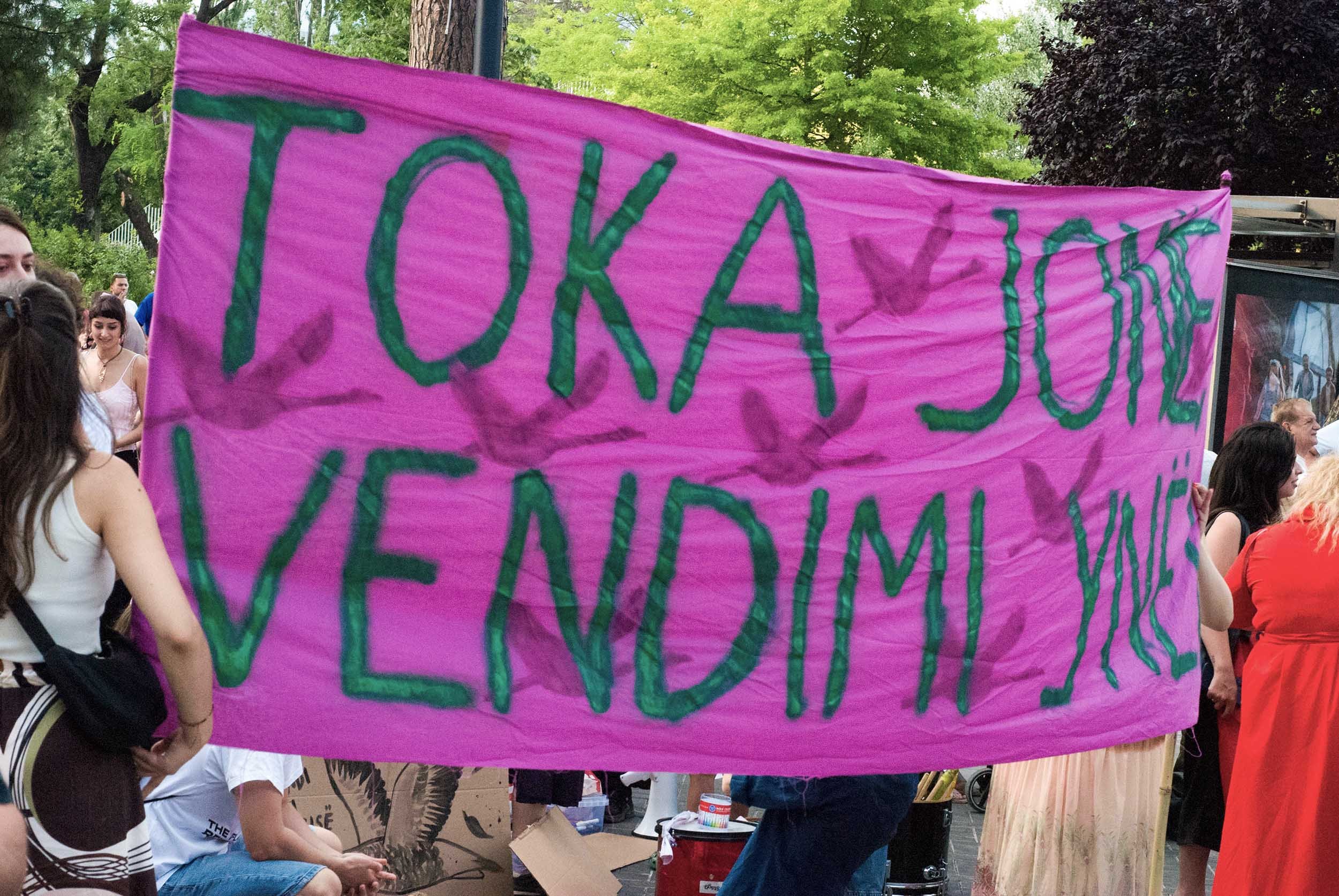
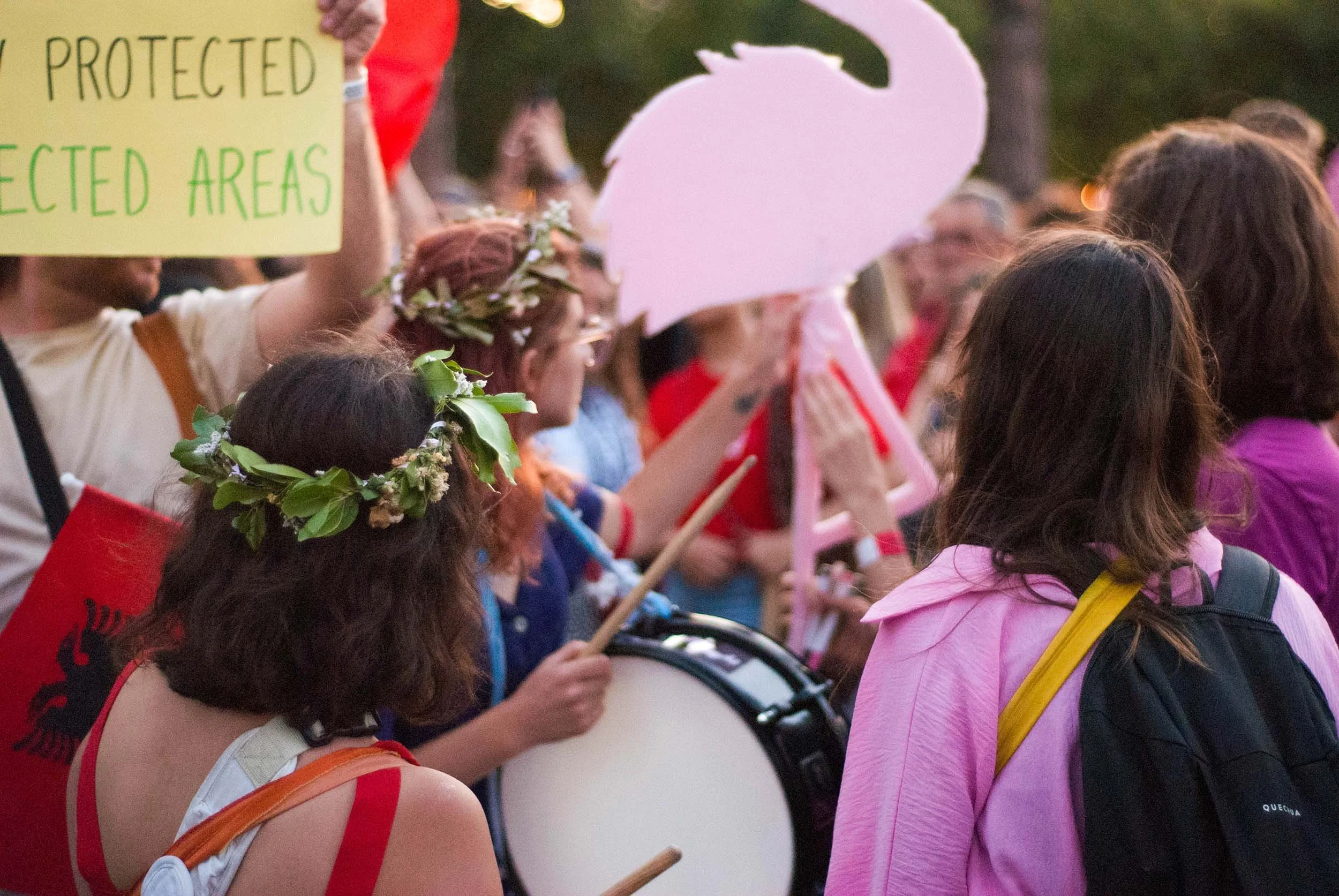
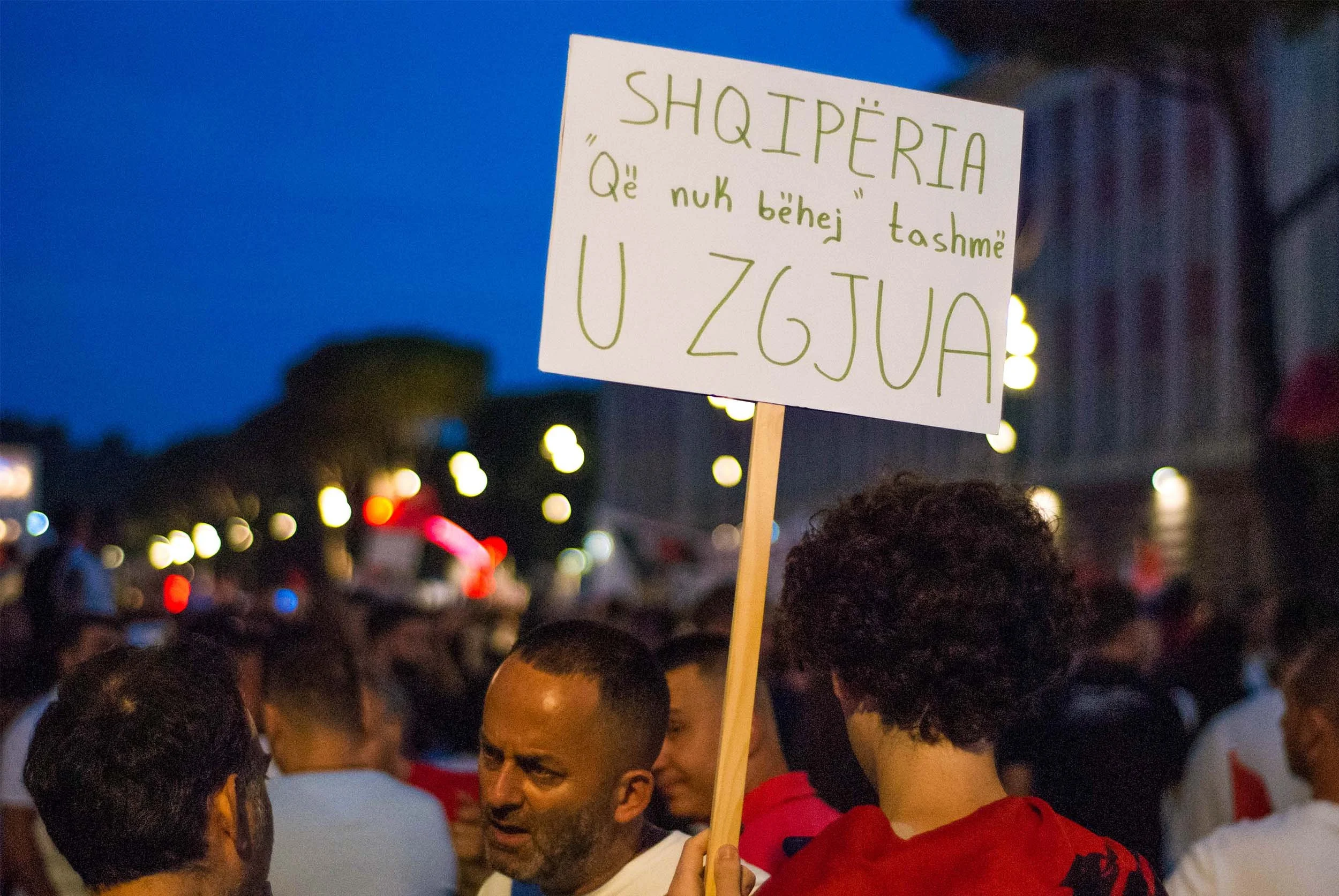
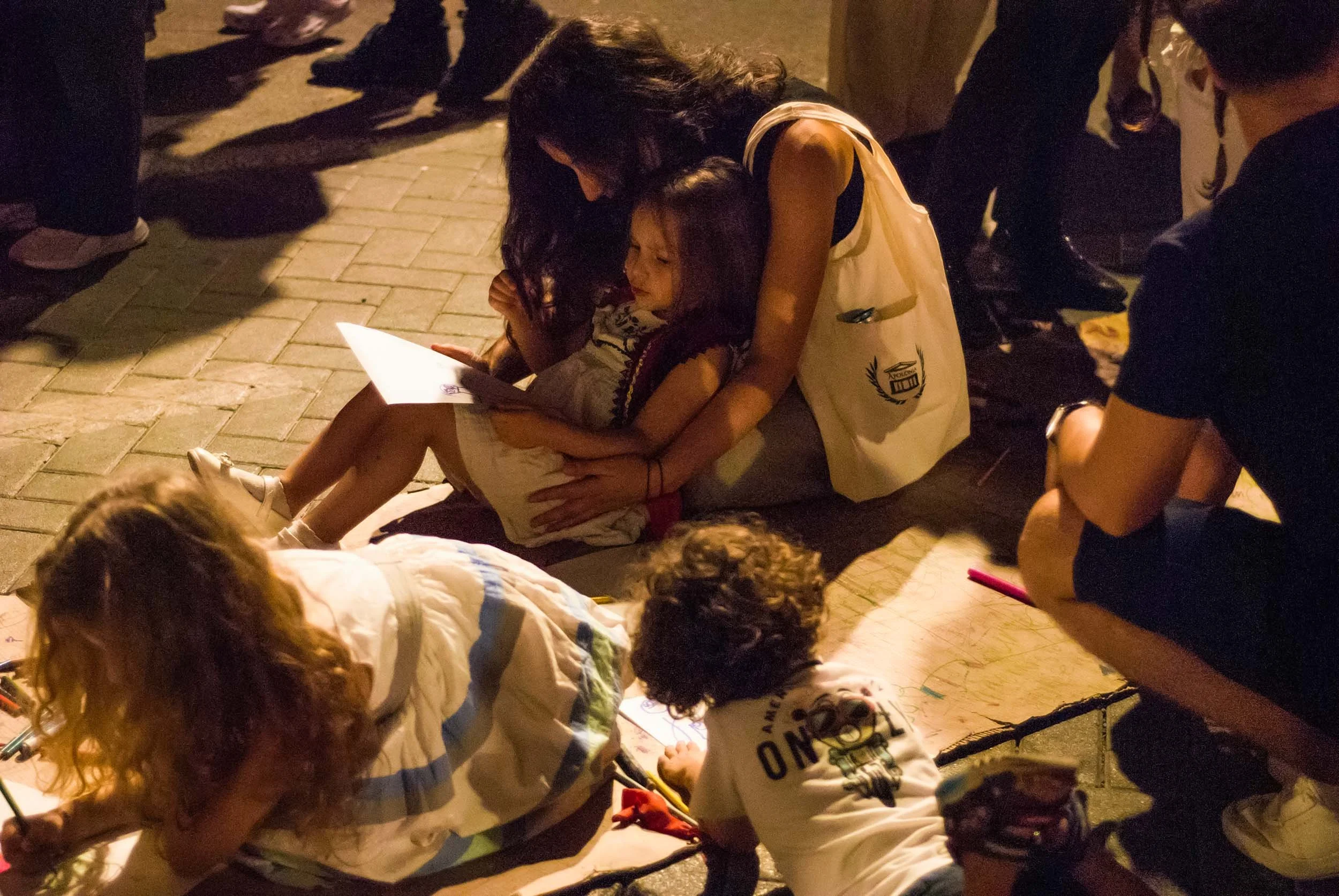
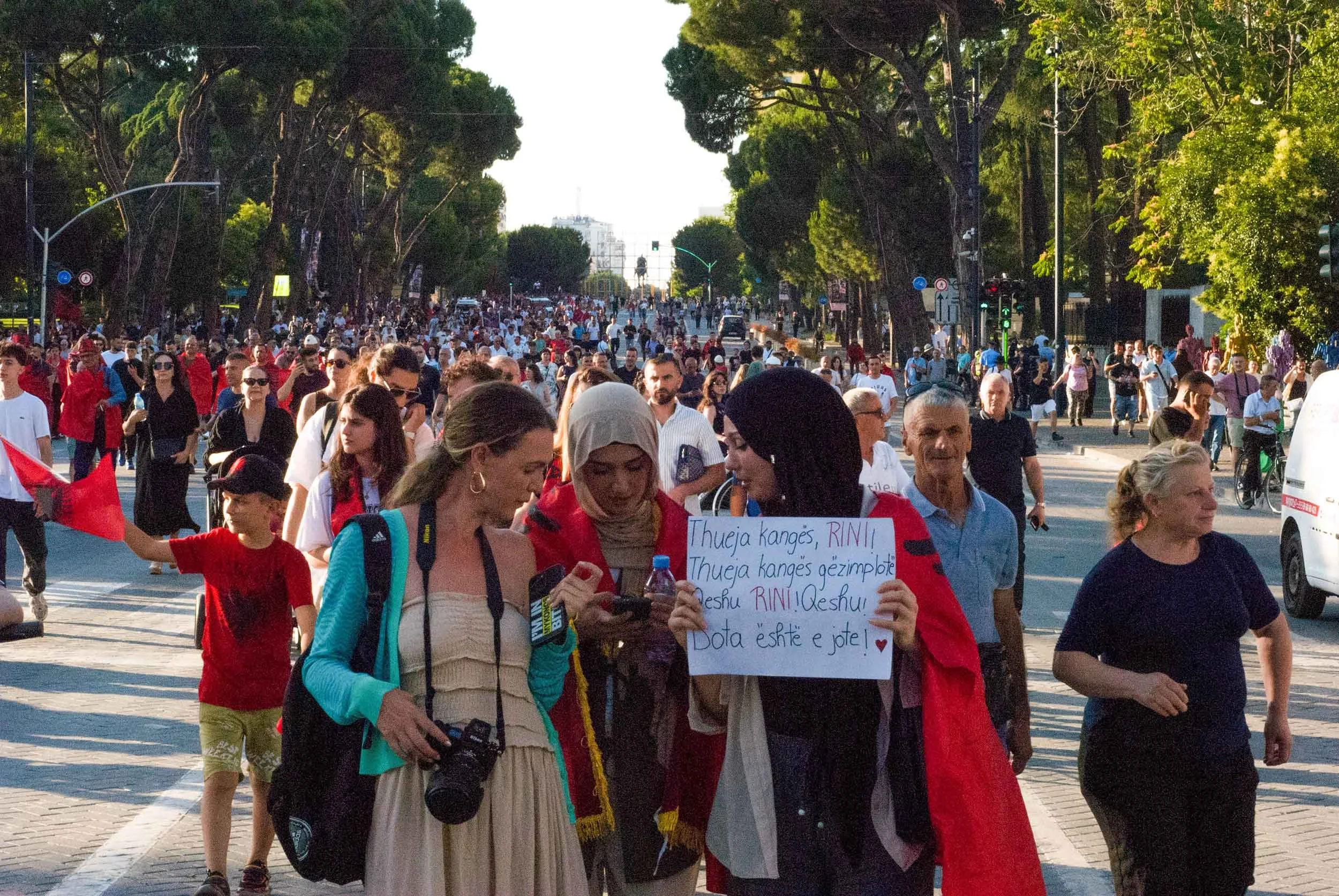
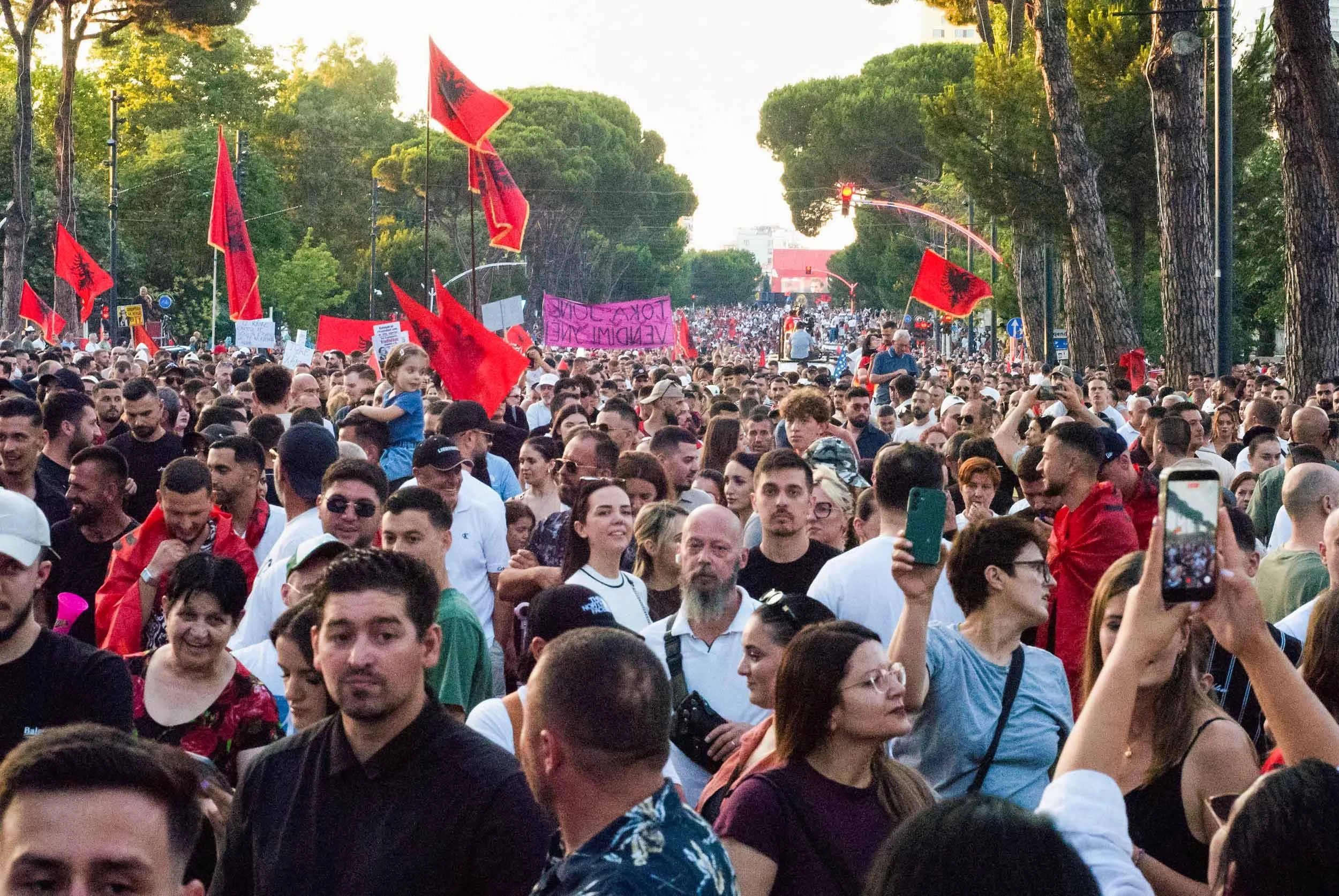
The first characteristic is its national character. This movement is not confined to Tirana alone. Although the capital remains the main center of the protests, demonstrations are taking place in cities, towns, and communities across Albania. The same is true in cities around the world where Albanians live. Taken together, these gatherings show that the movement has transcended both the capital and the country's borders, bringing Albanians together wherever they are in a shared sense of national belonging.
The second characteristic is its civic nature. Through this movement, Albanians are discovering within themselves a form of citizenship unlike any they have encountered, even in the Western world. For more than two months, they have sustained a peaceful resistance in defense of an area of exceptional natural value. Yet this is not merely a struggle to protect a natural landscape. It also springs from people's deep attachment to the place where they grew up and which they refuse to lose. It is precisely this bond with the environment, combined with a peaceful and responsible civic spirit, that makes this movement in Albania a new model of civic engagement —at once deeply personal and genuinely public.
The third characteristic lies in the way this movement has transformed how people speak and understand one another. The words heard in slogans, discussions, and public gatherings are not new. What is new are the meanings they have acquired. This transformation is most readily understood by those who experience the movement firsthand, while it remains more difficult to grasp for those who know it only through screens. In this way, language is being enriched through its collective use. It is no longer employed merely to express dissatisfaction, but also to articulate new questions and concerns that, until recently, seemed impossible even to raise.
The territory is the stage upon which this new social event is unfolding. To understand it, one must leave the comfort zone and experience it directly. Perhaps by walking through the public square, perhaps by visiting the threatened places, or by speaking with the people who are striving to protect them. Only then does it become clear that this is not an ordinary protest, but the emergence of a new relationship between people and the place they inhabit. Each person must choose where to begin that journey. But without participation, no meaningful change can come to those who truly seek it.
The author of text and photos, Kedis Burrja was born in the city of Shkodër, Albania, in 1988, where he developed both his love of landscape and his early interest in painting. He completed his higher education in Tirana, where he continues to live and work. He is an urban planner with professional experience in local planning and the design of public and private spaces dedicated to human activity. For many years, he has also been an urban activist advocating for the protection of public spaces and the right to the city. His recent studies in landscape architecture have inspired him to explore public perception more closely, both through design and through documentary photography in the public spaces of urban environments.
Beyond the Myth
Documenting the Flamingo Revolution. For years, one of the most deeply rooted beliefs in Albanian society has been that Albanians do not unite and rarely stand up for their rights. The Flamingo Revolution challenged that belief. What began as a protest to protect the Zvërnec Protected Area quickly evolved into a peaceful civic movement. Since 31 May 2026, thousands of Albanians have gathered in the streets every day, marching side by side.
Documenting the Flamingo Revolution
by Megi Bega
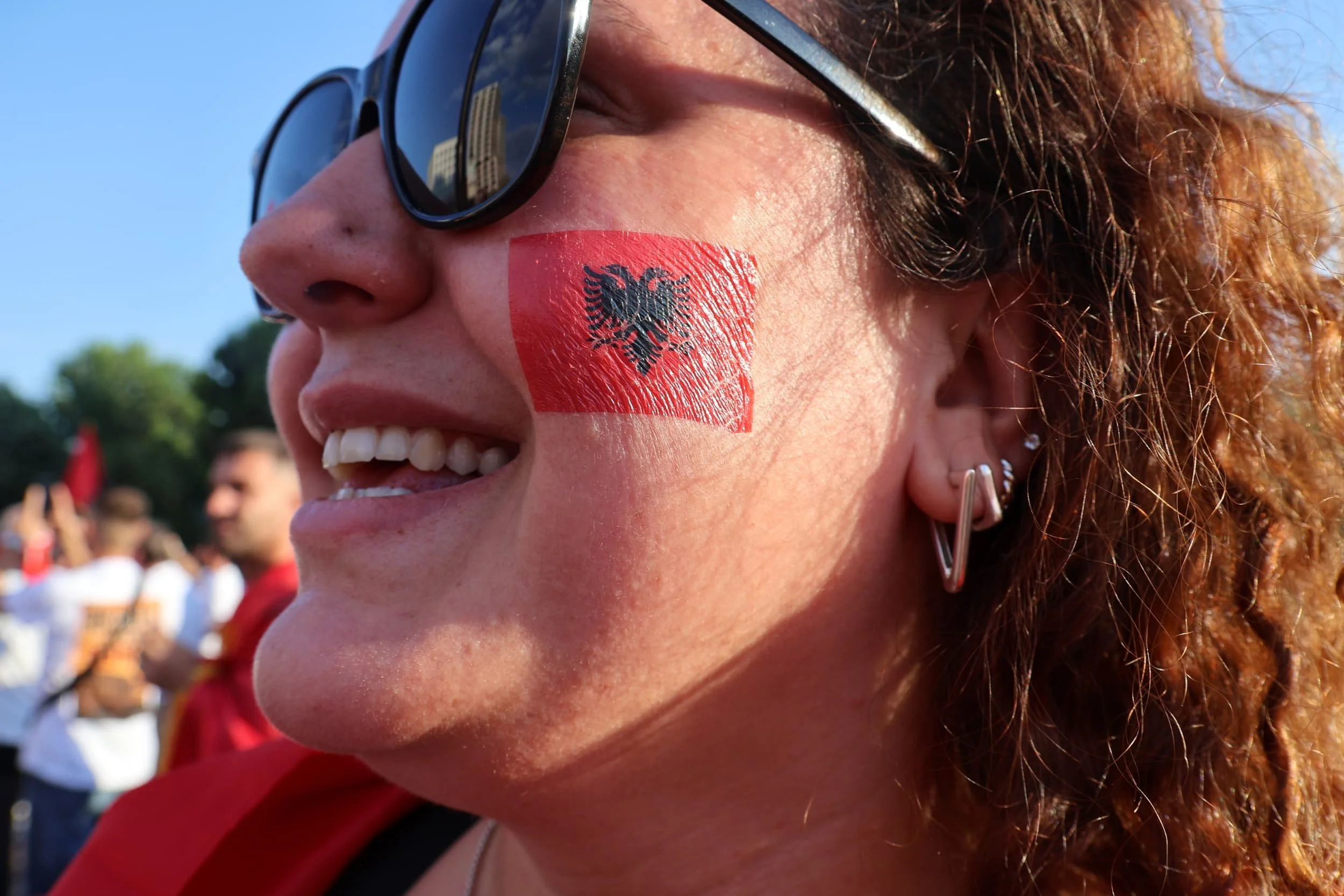
© Megi Bega, Painted face with Albanian flag, Flamingo Revolution
For years, one of the most deeply rooted beliefs in Albanian society has been that Albanians do not unite and rarely stand up for their rights. The Flamingo Revolution challenged that belief. What began as a protest to protect the Zvërnec Protected Area quickly evolved into a peaceful civic movement. Since 31 May 2026, thousands of Albanians have gathered in the streets every day, marching side by side.
One of the movement’s defining characteristics is that it has no leader. Its strength does not come from a single individual or political force, but from the people themselves. When the movement faced scepticism, propaganda, and criticism in its early days, it was not a leader who kept it alive; it was ordinary citizens who refused to stop showing up, day after day.
© megi bega, flamingo revolution flares
© megi bega, flamingo revolution protest
© megi bega, justice banner
It did not take long for the protest to become about more than Zvërnec. It grew into a platform where thousands of people voiced their frustration with corruption, healthcare, education, the lack of meritocracy, the emigration of young people, and a state that, in the eyes of many protesters, has failed to serve its citizens. Above all, it became a rejection of Albania’s old political establishment and a call for a new kind of representation. It is no coincidence that some of its defining slogans became: “Rama to Prison, Berisha to Prison”, “A New Albania”, and “Without Youth, There Is No Albania”.
© megi bega, red flares
© megi bega, night march
© megi bega, albanian flag
© megi bega, flamingo painting
© megi bega, flamingo revolution night
© megi bega, flag hero
© megi bega, peaceful wish
This is a movement of ordinary people: workers, students, parents, pensioners, and members of the Albanian diaspora. Every day, families march with their children, reminding everyone that this is not only about the present, but also about the future they want to leave behind.
It is a movement of people standing up for one another. Through the power of social media—especially Gen Z—the movement found its voice and built its identity long before it received widespread attention from the traditional media.
These photographs document these extraordinary days and the people who chose not to remain silent, but to march together. They show that when citizens unite around a common cause, the long-held belief that Albanians cannot stand together no longer holds true.
The movement continues. No one knows for how long. But one thing is certain: the hope it has awakened in the hearts of many Albanians will remain part of the country’s collective memory for years to come.
© megi bega, unity
© megi bega, protest posters
© megi bega, protest sign
© megi bega, justice
© megi bega, peaceful march
© megi bega, prison
© megi bega, protest crowd
Megi Bega (b. 1999) the author of the photos and the text, is an emerging documentary photographer with a background in economics and research. She believes photography is a form of testimony. Through documentary photography, she seeks to preserve moments that, over time, become part of history and collective memory.
On the Artistic Practice of Olson Lamaj
Olson Lamaj is a visual artist and photographer based in Tirana, Albania. He studied Painting at the Academy of Fine Arts in Florence and completed a Master's degree in Artistic Photography at the Brera Academy of Fine Arts in Milan. His artistic practice explores the relationship between image, ideology, and collective memory, focusing on how political, social, and cultural systems construct identities and modes of representation…
Olson Lamaj
The City as Ideology, the Object as Symptom
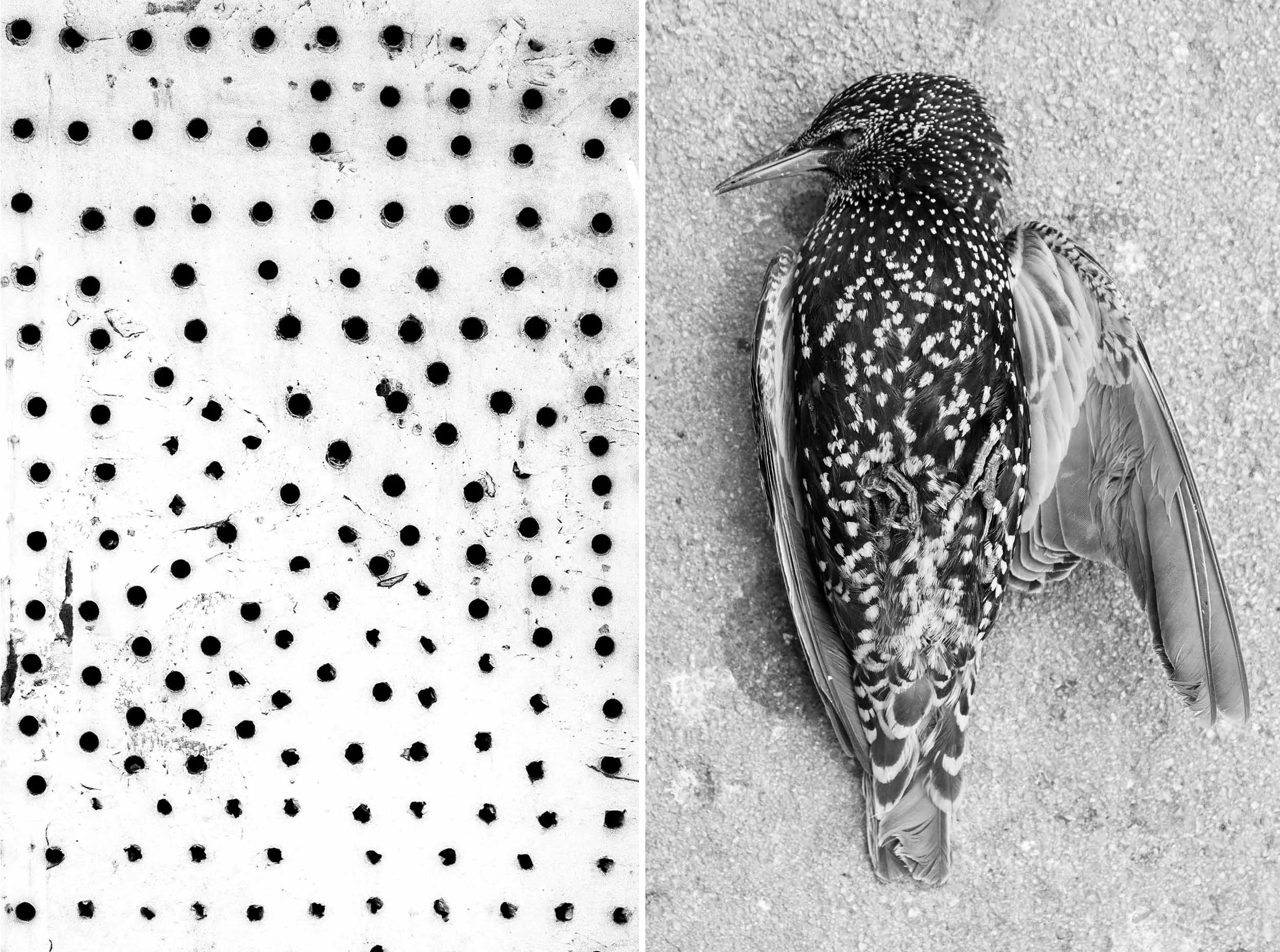
© Olson Lamaj, Autoportrait from the series Between Pattern and Shadow
Olson Lamaj is a visual artist and photographer based in Tirana, Albania. He studied Painting at the Academy of Fine Arts in Florence and completed a Master's degree in Artistic Photography at the Brera Academy of Fine Arts in Milan. His artistic practice explores the relationship between image, ideology, and collective memory, focusing on how political, social, and cultural systems construct identities and modes of representation. Photography is the primary medium of his work, which he combines with research, artists' publications, and installation to create narratives that move between documentation and interpretation. In his work, photography functions not merely as a record of reality but as an artistic language capable of producing poetic, ironic, and at times theatrical narratives about everyday urban life.
Lamaj's artistic practice develops alongside his commitment to shaping and promoting the contemporary art scene in Albania. From 2012 to 2017, he co-founded MIZA Gallery, an alternative art space dedicated to supporting emerging artists and fostering a critical platform for contemporary art in Tirana. He is also the founder and editor of Pararoja Publishing House, an independent publishing platform focused on artists' books and the dissemination of visual narratives through zines and limited-edition publications.
Among his best-known projects and exhibitions are Between Pattern and Shadow, Transitioning into Green, Holy Muscle, (Over)Identification, and The Cat Above and the Mouse Below. He is the recipient of the Ardhje Award and has participated in international artist residencies in New York, Vienna, and Tirana. His work has been exhibited in museums, institutions, and galleries throughout Albania and across Europe.
About the Series Between Pattern and Shadow
Between Pattern and Shadow is a photographic series born out of the everyday observation of the city of Tirana. It can be understood as a visual study of the aesthetics of Albania's post-socialist transition—not through major historical events, but through the urban landscape, ordinary objects, and the traces that architecture and everyday life have left upon the city.
In Lamaj's photographs, the city is not presented as a monumental landscape but as an organism composed of fragments. His attention is drawn to the elements that usually remain outside our field of vision: a plastic chair abandoned on the sidewalk, an improvised window, a crooked fence, a discarded tire, a dead bird lying on the asphalt, or the dense web of electrical cables stretching across building façades. These are not merely ordinary objects; they function as symptoms of a society in transformation. Rather than photographing tourist landmarks or the representative urban spaces of the city centre, Lamaj turns his gaze toward its margins. This approach aligns his practice with a kind of archaeology of the present, where the most commonplace objects become material evidence of the ideologies that continue to shape everyday life.
The Albania that emerged from the post-socialist transition did not produce a coherent Western modernity, but rather an urban landscape composed of historical layers, informal construction, architectural improvisation, and the remnants of a brutalist legacy. It is precisely this contradictory terrain that constitutes the material of Lamaj's photographs. Within this urban chaos, he seeks to uncover an everyday aesthetic, suggesting that chance, improvisation, and imperfection can themselves generate a visual language with a distinct identity.
In this sense, the city is not portrayed through heroic landscapes or romantic notions of national identity, but through fragments of contemporary Albanian reality. Post-socialist capitalism intertwines with nationalist symbolism: eagles, stars, and patriotic iconography coexist alongside unfinished roads, exposed concrete, and informal construction, producing a landscape in which the contradictions of transition become unmistakably visible.
His compositions are calm, frontal, and carefully controlled. This distance is not intended to suggest neutrality; rather, it establishes a particular mode of reading. Objects are photographed as though they were archaeological artefacts—material witnesses to a historical period that continues to generate new forms of urban life. Lamaj is particularly interested in the ways urban elements produce accidental visual rhythms: electrical cables trace abstract compositions, shadows interrupt façades, while plastic, metal, and concrete establish unexpected formal relationships.
Photography here operates not simply as a means of recording reality, but as an analytical tool through which the urban landscape can be read as a cultural and ideological structure.
The title itself, Between Pattern and Shadow, encapsulates this relationship. "Pattern" refers not only to the graphic arrangements that emerge across the photographic surface, but also to the invisible political, economic, and cultural structures that organise urban life. "Shadow," by contrast, represents everything that escapes planning: improvisation, chance, memory, and those spaces where systems lose control.
Between Pattern and Shadow is ultimately more than a photographic series about Tirana. It is a reflection on how photography can read the city as a cultural text, where every object, every surface, and every trace contains invisible histories. Lamaj does not photograph the city simply to show what Tirana looks like; he photographs it to understand how history, politics, and ideology continue to manifest themselves upon its surface. In this sense, the urban landscape is not merely the backdrop to social life, but the material form through which history continues to be written.
Interview with Olson Lamaj
Alketa Misja for Tatì Space: Hello Mr. Lamaj! Thank you very much for accepting the invitation to be interviewed by Tatì Space and sharing your thoughts about your work with our readers.
In your series Between Pattern and Shadow, you repeatedly return to the everyday fragments of the city. What draws you to these urban details, and how do you understand the relationship between Albania's post-socialist transition and the aesthetic produced by the city?
Olson Lamaj: For years, I have made it a habit that whenever I leave home, I take my camera with me—even when I'm not sure I'll use it. This constant routine, combined with an attentiveness to the materiality of the city, has gradually allowed me to build a personal archive of the urban landscape in its everyday condition.
What has always interested me is not the city as a finished image, nor architecture as an isolated object, but the way the city is produced through small interventions, improvisations, and everyday gestures. Within these fragments I have found an unexpected aesthetic, where the old and the new are not in clear opposition but coexist in an irregular and often contradictory way.
In this sense, transition is not merely a historical backdrop but an ongoing condition of the city itself, continuously generating new visual forms—often unexpected, yet deeply revealing of the way we experience the spaces we inhabit.
Tatì Space: Cables, plastic, fences, concrete, stray animals, and temporary structures frequently appear in your photographs as central elements of the image. Rather than remaining incidental details of the urban landscape, they can be read as signs of a broader social and ideological reality. What do these ordinary objects represent for you, and why do you think they are important to understanding post-socialist Albania?
Olson Lamaj: These urban objects are, in a way, the raw material from which I construct my photographs. Cables, concrete, plastic, fences, and temporary structures are not simply accidental features of the city; I see them as traces of the way it has been built and continues to transform. They constitute a kind of visual matter through which one can read not only the city's physical form, but also its social and historical condition.
At the same time, stray animals—birds and dogs in particular—play a very important role in my work. For me, they are equal inhabitants of the city, inseparable from its existence. I often feel a sense of empathy towards them, as though, in a quiet way, I recognize something of myself in their presence—in the way they move, adapt, and negotiate the urban environment.
There is something profoundly genuine in this coexistence between nature and the city, even when it unfolds under difficult conditions. In a way, these figures embody a quiet resilience and an ability to find their place within urban chaos. That sensitivity, that direct relationship with them, often becomes part of the way I observe and photograph the city.
Tatì Space: Your compositions are often frontal, calm, and marked by a noticeable emotional distance. At the same time, many of your photographs create graphic rhythms and abstract relationships between form, shadow, and texture. To what extent do you see photography as a document of social reality, and to what extent as a formal or abstract visual structure?
Olson Lamaj: I believe this way of photographing is directly connected to my artistic education. Having studied painting and coming from a visual arts background has led me to think constantly in terms of composition. There is a natural need for me to organize the elements within the frame with precision, often pursuing a certain kind of compositional "perfection."
When I stand before a subject, I frequently change my point of view until every element within the frame functions as part of a single visual structure. It is a highly intuitive process, yet at the same time a very controlled one—a kind of dialogue between myself and the subject.
In this sense, photography, for me, comes close to constructing a painting. Urban elements such as cables, wires, or architectural structures often appear to me as brushstrokes within an informal painting, where the city itself becomes an open canvas.
Tatì Space: Patriotic symbols, advertisements, kitsch objects, and traces of urban decay often coexist in your work, creating a subtle sense of humour and absurdity. These images can be read as reflections on the ways consumerism and national identity have become intertwined in post-socialist Albania. Do you see post-socialist consumerism as a new form of visual ideology, and what role does irony play in the construction of your images?
Olson Lamaj: Political and social concerns are not simply thematic layers in my work; they are structural conditions that shape it. In the Albanian context, where politics does not function merely as a background but as a regime of everyday life, urban space itself becomes a field in which ideologies are constantly materialized through objects, remnants, and built forms.
My practice seeks to read the city as an open archive of transition, where past and present are not separated in a linear way but coexist as overlapping layers. The post-socialist landscape does not produce a new homogeneous order, but rather an economy of fragments: abandoned structures, unfinished infrastructure, and signs of late capitalism that continuously intervene upon one another. Within this entanglement, the ordinary object is never neutral; it functions as a symptom of a historical and ideological system in constant transformation.
In this sense, what is often perceived as urban chaos is not the absence of order, but a new form of visual rationality, where ideology is no longer articulated through official statements but through the materiality of everyday life. Humour and irony, in this context, do not serve as aesthetic relief but as mechanisms of critical distance, making the internal contradictions of this visual regime visible.
Tatì Space: Your practice seems less interested in constructing linear narratives than in examining how power, memory, and culture become materialized within urban space and everyday objects. Do you see photography as a tool capable of revealing the invisible social, political, and cultural structures of a society?
Olson Lamaj: Yes, fundamentally that is precisely what my photography attempts to do: to read and make visible the structures that usually remain invisible in everyday life. I am not interested in photography as a straightforward record of reality, but as a means of analyzing it.
Within urban space, power, memory, and culture rarely appear in explicit or narrative forms. Instead, they materialize through dispersed, often modest manifestations: objects, architectural interventions, the organization of space, and the ways in which that space is occupied and used. Photography allows me to read these layers as a kind of open text.
In this sense, the image is not simply a representation of reality, but a mode of thinking—an instrument through which reality can be understood by reading its visual traces.
Tatì Space: Thank you, Olson, for sharing your thoughts and reflections with us. We wish you every success with your future artistic projects

Leonard Qylafi
Leonard Qylafi (b. 1980) is an Albanian visual artist, whose practice explores several mediums such as photography, painting, video and music, where the theme of the City and its Architecture occupies a certain role. The Photography and Video Projects that reflect on the transformation of urban spaces are (real) ESTATE, Estate, Whispers & Shadows, Solo Show.
Leonard Qylafi (b. 1980) is an Albanian visual artist, whose practice explores several mediums such as photography, painting, video and music, where the theme of the City and its Architecture occupies a certain role. The Photography and Video Projects that reflect on the transformation of urban spaces are (real) ESTATE, Estate, Whispers & Shadows, Solo Show. Deeply linked with personal experience, Leonardi's artworks are a process of research and meditation between subjects and mediums. Since his graduation from the Academy of Fine Arts in Tirana, the Atelie of Painting 2003, Leonard Qylafi has been present in the local and international art scene. During the last years his works have been shown in several galleries and international events, such as: Centre de création contemporane, Olivier Debré, Tours-France (2021); Belvedere 21 Vienna, Austria (2019); NiMAC Cyprus (2018); National Gallery Tirana, Albania (2017); MuCEM, Marseilles, Izolyatsia, Kiev in (2016); The 55th October Salon, Belgrade (2014); Künstlerhaus Bethanien, Berlin and Kunst Raum Riehen Basel/Switzerland (2012); MODEM Centre for Modern and Contemporary Arts, Debrecen, Hungary (2011); TICAB-Tirana International Biennial of Contemporary Art, Bjcm- XIII Biennal of young artists from Europe and Mediterranean, Puglia, Italy and ISCP- New York /USA in (2009) among other places. His work is published internationally and is collected by; The Albanian National Gallery of Art, MuCEM- Musée des Civilisations de l'Europe et de la Méditerranée, Marseille; Contemporary Art museum Belvedere 21, Vienna, video collection and several private collections. In 2017, Leonard Qylafi represented Albania in the 57th edition of the Venice Biennale, with the multidisciplinary project "Occcurrence in the Present Tense" curated by Vanessa Joan Müller. I am very pleased that Leonardi accepted to be interviewed for Tatì Space and talk about his projects in regarding Architecture and Urban Photography.
Alketa Misja for Tatì Space: Hello Leonard. You are a visual artist who explores several mediums, among them Photography and Video. What is the place Photography occupy in your artistic practice? How did you become interested in Urban and Architecture Photography?
Leonard Qylafi: My interest in photography came when I was studying at the Academy of Arts, in the painting atelie. Until then I had an art school education, focusing on drawing and painting. Photography was new to me and took time to master technically and use as a medium for special projects. What I can say is that it has had a huge impact on my practice as an artist either directly or indirectly and remains present in my work. Mainly, special projects that I have realized in photography have always been solutions started from a conceptual approach. In the case of urban photography, it has naturally been part of projects that focuse on urban transformations.
Tatì Space: What is your approach, in respect to Architecture and Urban Photography? You have several projects about the new construction in a rapidly growing city like Tirana. What is the idea, the concept behind these works?
Leonard Qylafi: I have been dealing with urban photography mainly in function of the artistic projects that I have developed. Around 2007-2011, urban space has taken an important place in my projects. The (Real) Estate and Estate projects are based entirely on photography, even though Estate is a photo animation turned into a video. Other projects always with the same theme have been in the form of videos such as Private Show or Whispers&Shadows. In each of them, a special aspect of the relationship we have with the space we live in is addressed, and in particular the idea of change and memory in relation to what we call Polis or city, as a complex entity and an expression of the culture and worldview of human society.
Tatì Space: How do you see the artistic scene in Albania in relation to Urban Photography? (if you can share an opinion). The photo can provoke a thought or nurture a discussion about city's problems. In this sense, what advice can you give to young photographers who want to explore urban and architecture photography?
Leonard Qylafi: Looking at the artistic scene in a general view, I can say that unfortunately there is a total lack of spaces, structures that are necessary for the promotion and exposure of art as a whole and of course contemporary photography. This makes it difficult to recognize and introduce new artist-photographers. The other part that makes it even more difficult, in the case of photography in particular, is its massification as a practice with the development of technology. It would be necessary to create special structures with a focus on photography. Regarding urban and architectural photography, I can say that Tirana today is a very rich subject to explore. I would suggest young photographers to see it as a unique opportunity on which to build their research either in terms of the city as a subject or architecture in particular.
Tatì Space: Thank you Leonard, We wish you all the best for your artistic plans and projects.
Below we give a summary of Leonard Qylafi's works, with regard to Urban and Architecture Photography, focused on theme of City and construction developments.
(real) ESTATE


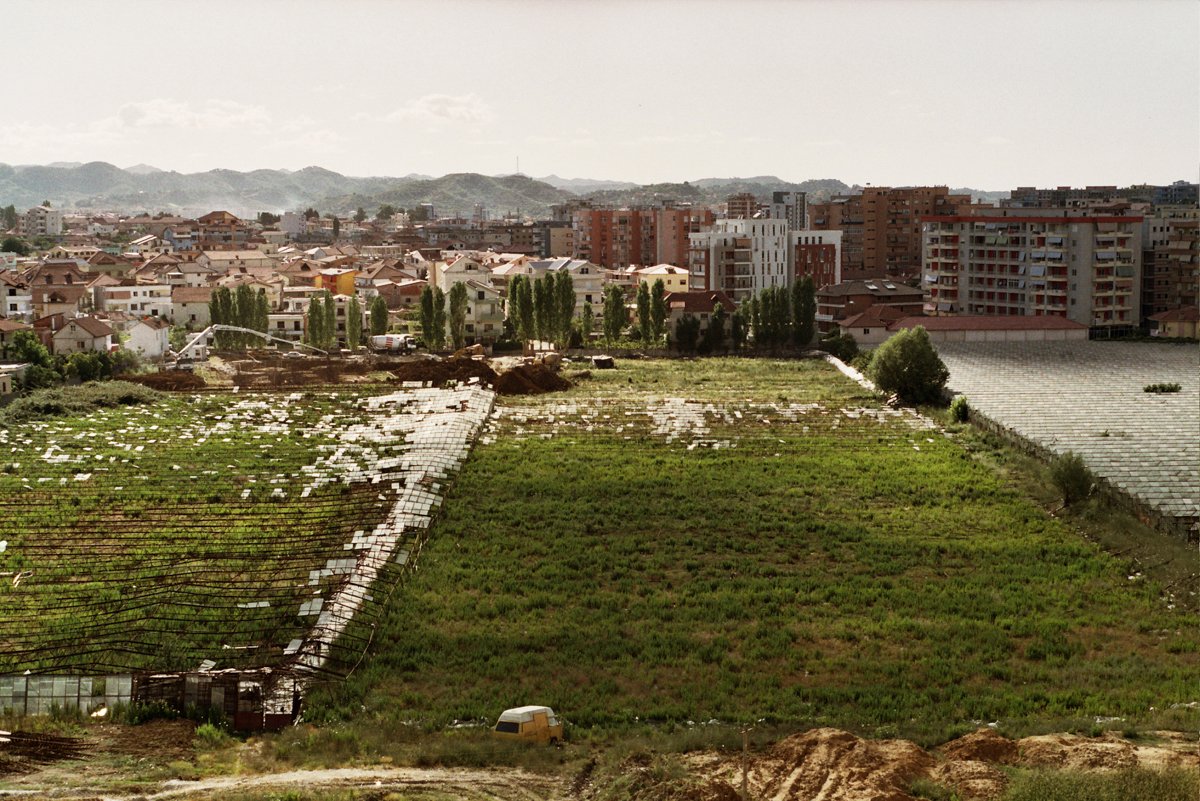
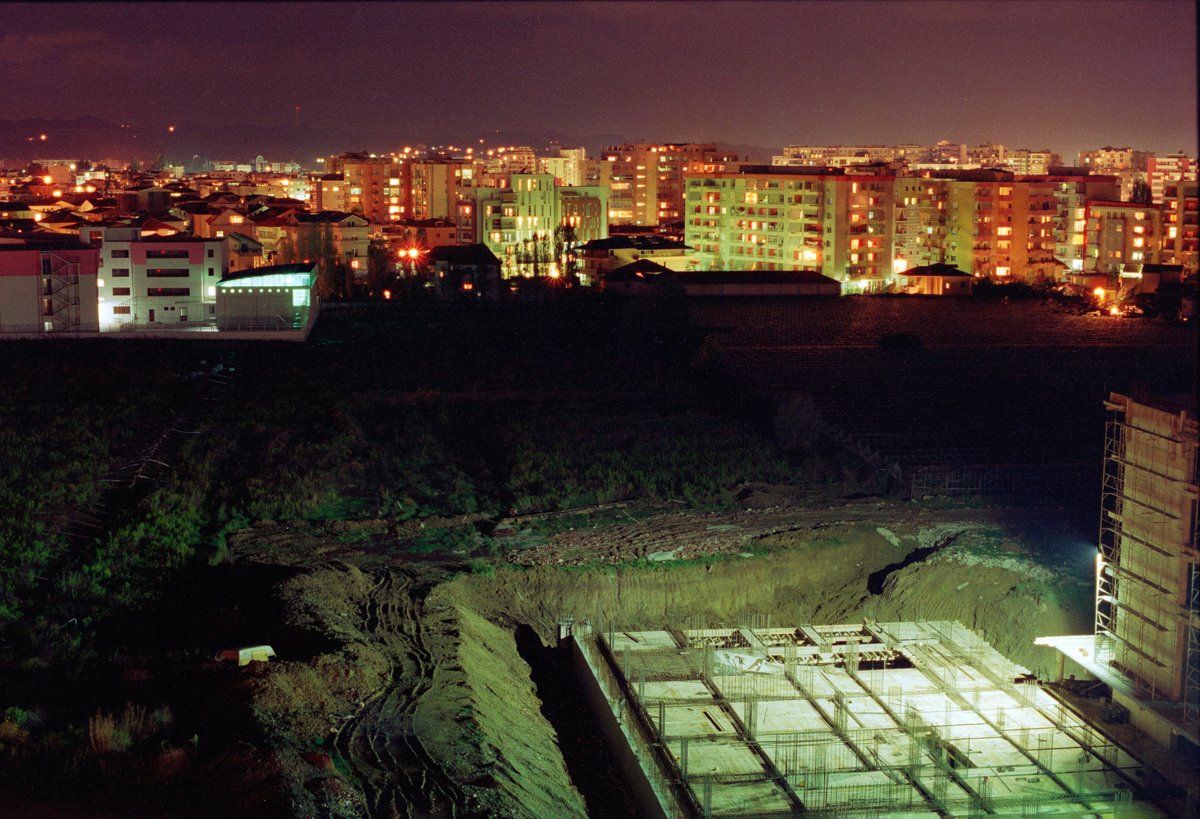
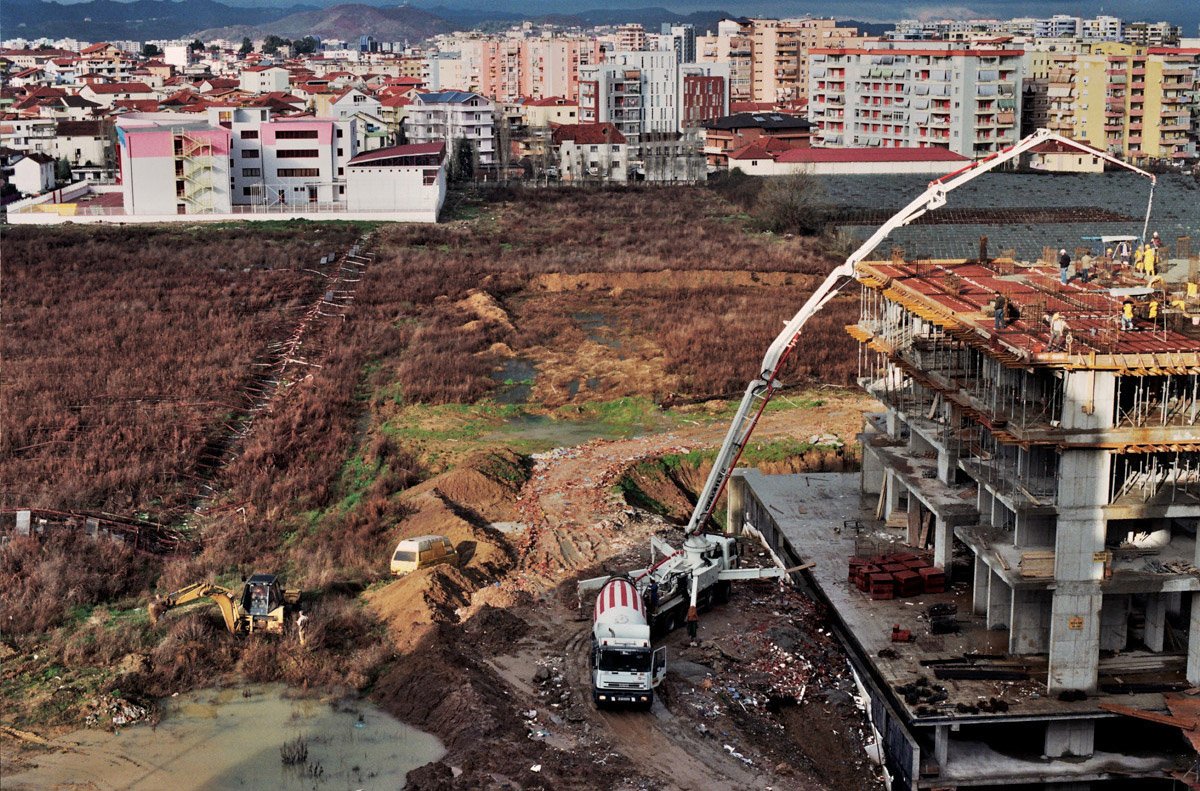
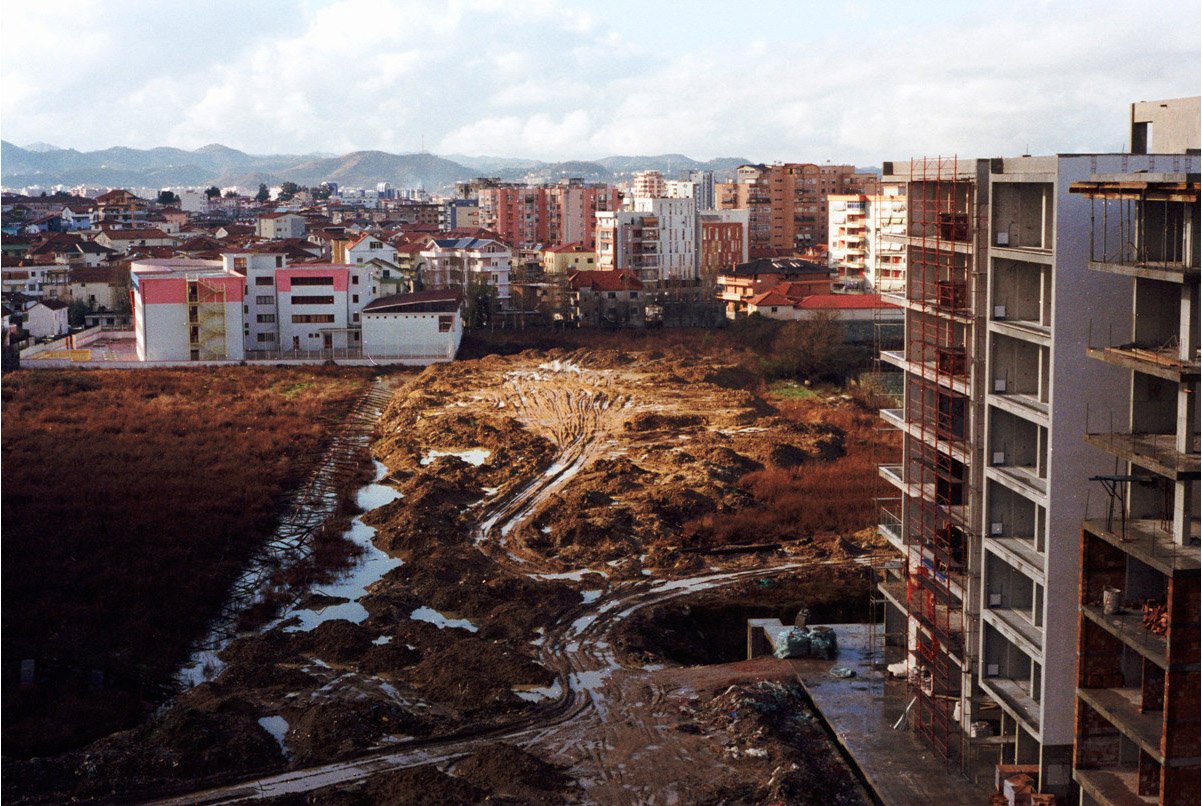
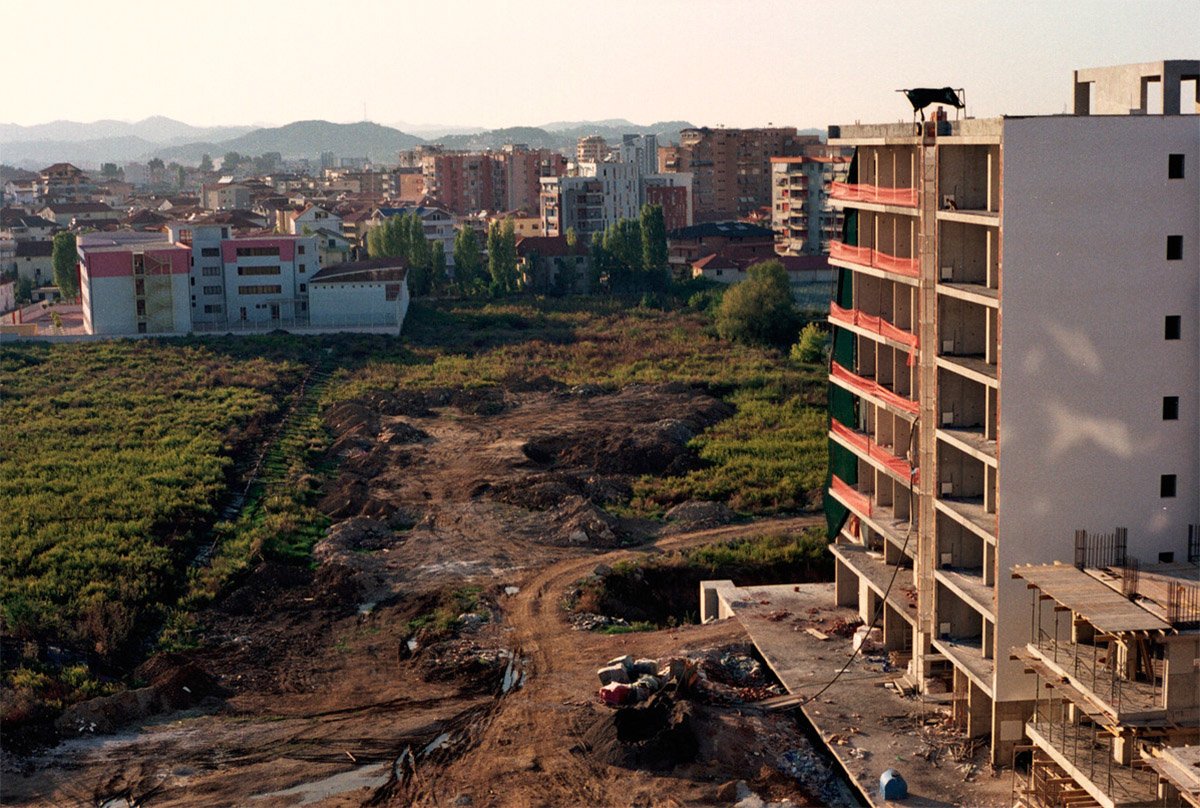
(real) ESTATE, courtesy of Leonard Qylafi
The series of photographs were developed within a three year period and together with the video works Estate and Whispers & Shadows reflect on the transformation of the urban space in Tirana. In this particular project that was the starting point of my research on this topic the documentary style of photography plays the role of the critical awarnes of how the space is transformed. How a different ecomomic and political system overlapes a previous one. The greenhouse use to exist in suburb of Tirana during the communist regime and now is in a middle of a new neighborhood . This masive transformation more than having a shocking effects rises the question of how much do we participate as people living in a city. Do we decide how this city should be shaped to fit our needs ? Unfortunately the people don't play any role but the spectator.
Whispers & Shadows / 2011 / Video installation / Standard Pal 4:3 aspect with sound / 5:24 min/sec

Fragment from the Video installation “Whispers & Shadows” / 2011 / Standard Pal 4:3 aspect with sound / 5:24 min/sec. courtesy of Leonard Qylafi
The ambiance of the site introduces the viewer with the happening; constructions machines excavating in the ground covered by the darkness of the night. Their loud noises give place to a female voice reading selected text by Aristotle’s Politics. The verses which speak about Polis and the sense of living together sound utopia in the today machine-like model of urban centre where the role of the public seems to get eclipsed somehow. The ideal of living together, sharing the goods and the space sounds like millenniums away indeed, once the noise of the machines is firmly back.
ESTATE / 2007 / Video installation / Full HD (no sound) / 8:58 min/sec
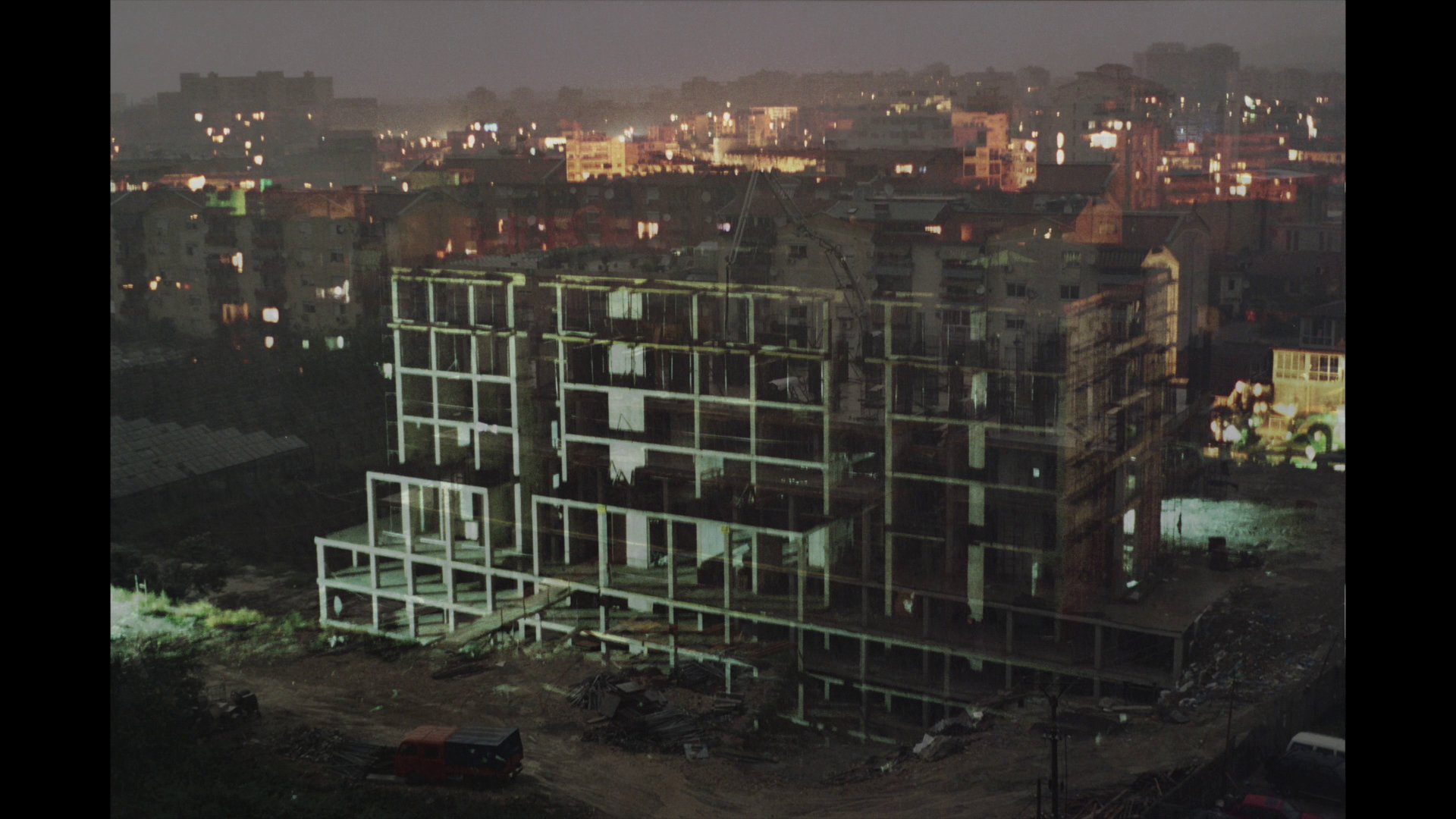
Fragment from the Video installation ESTATE / 2007 , Full HD (no sound) / 8:58 min/sec courtesy of Leonard Qylafi
The silent animation lump numerous photographs making this way notes of the construction process of a massive building. The perceptive aspect of the process becomes a key element of the work. The physical time of a two year process of construction is concentrated in nine minutes of animation but it does so by challenging the viewer attention with an apparently freeze look.
Private show / 2006 / Video installation / Standard Pal 4:3 / Music by Leonard Qylafi / 3:19 min/sec
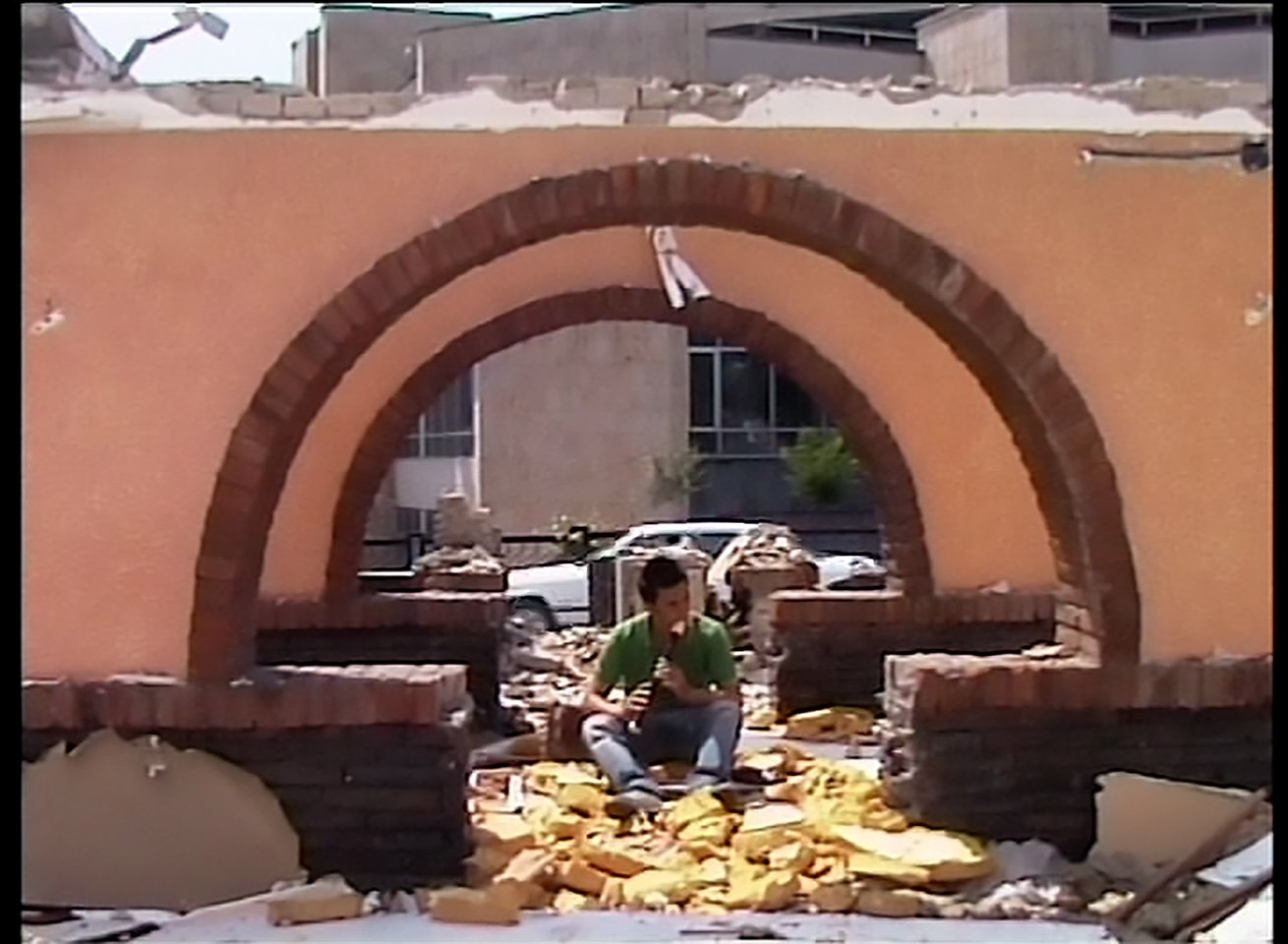
Fragment from the Video installation “ Private show”, 2006, Standard Pal 4:3 / Music by Leonard Qylafi / 3:19 min/sec. courtesy of Leonard Qylafi
The relations we have with places is very complex and somehow impossible to describe in words. In Tirana where I live is very usual to see buildings demolished for building new ones. This violent transformation impacts the life of people living in the city. When you see that a building that you know is demolished the kind of shock you experience can not be described. This was also the case with the building that becomes the stage of my performance. I go there and play a short music piece I have composed as a memoriam to the relation I use to have with that place
To see more about author’s work on his website: www.leonardqylafi.com

Photography Exhibition and Book Presentation ALBANIAN SCAPES
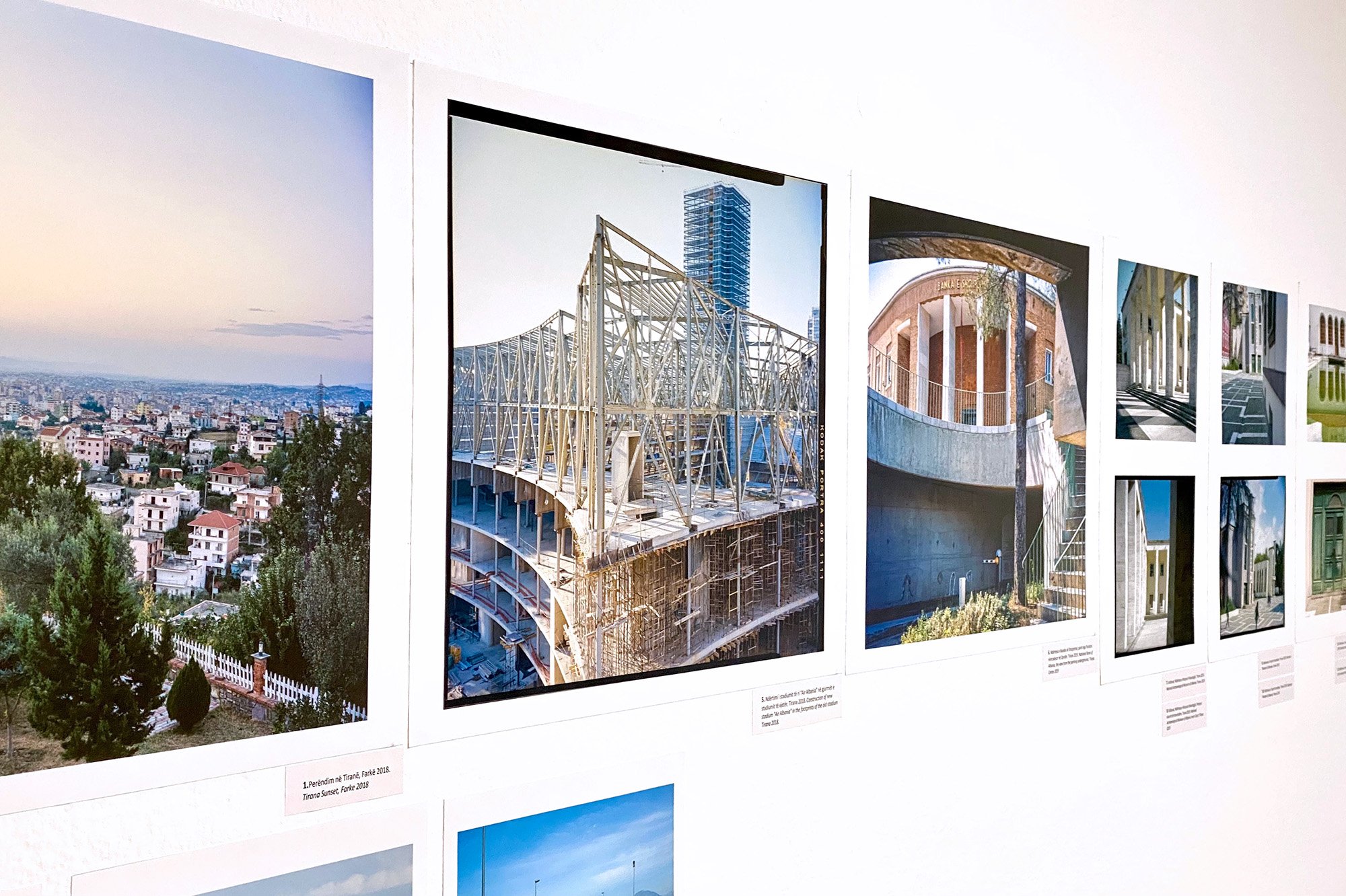
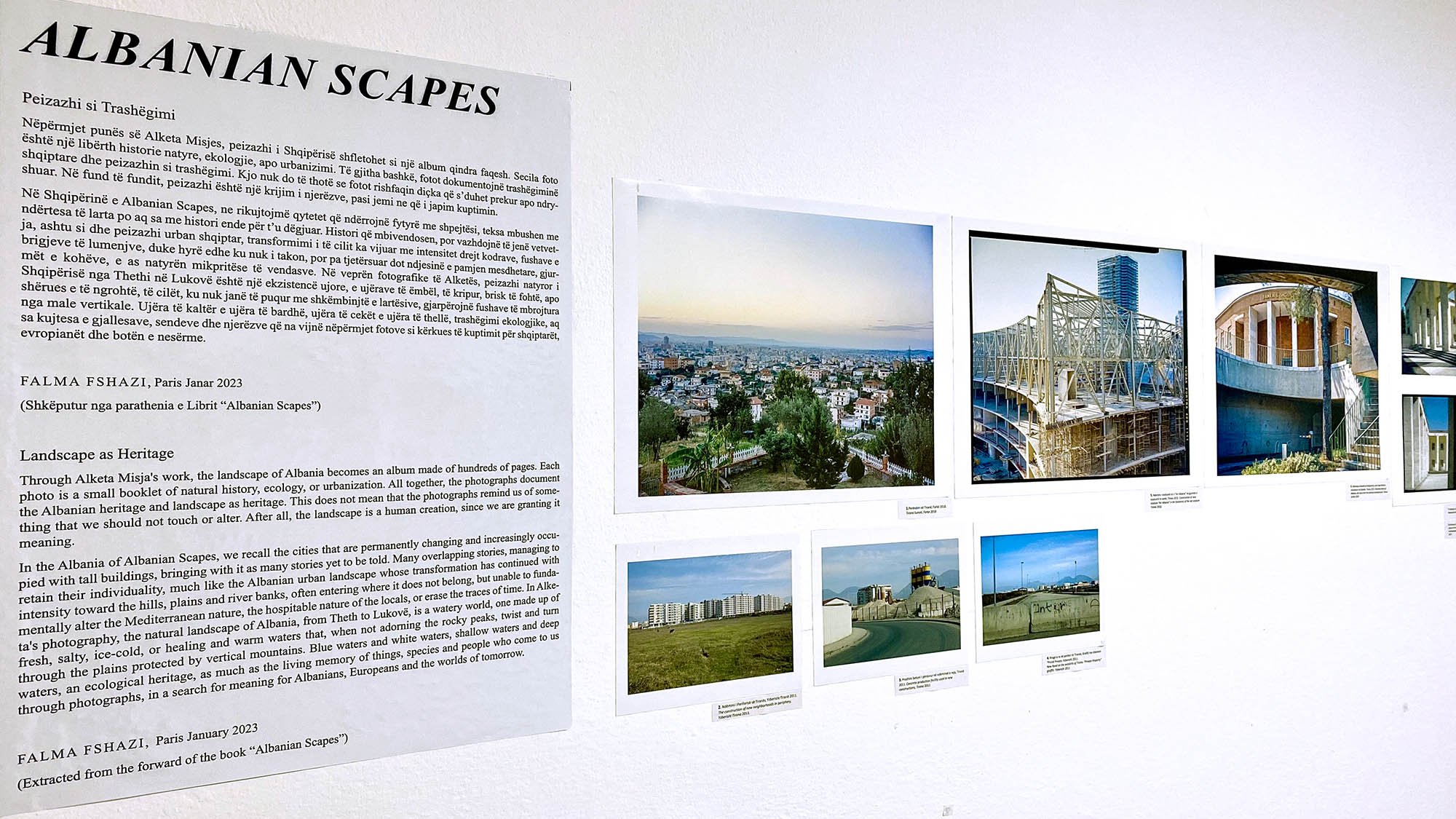
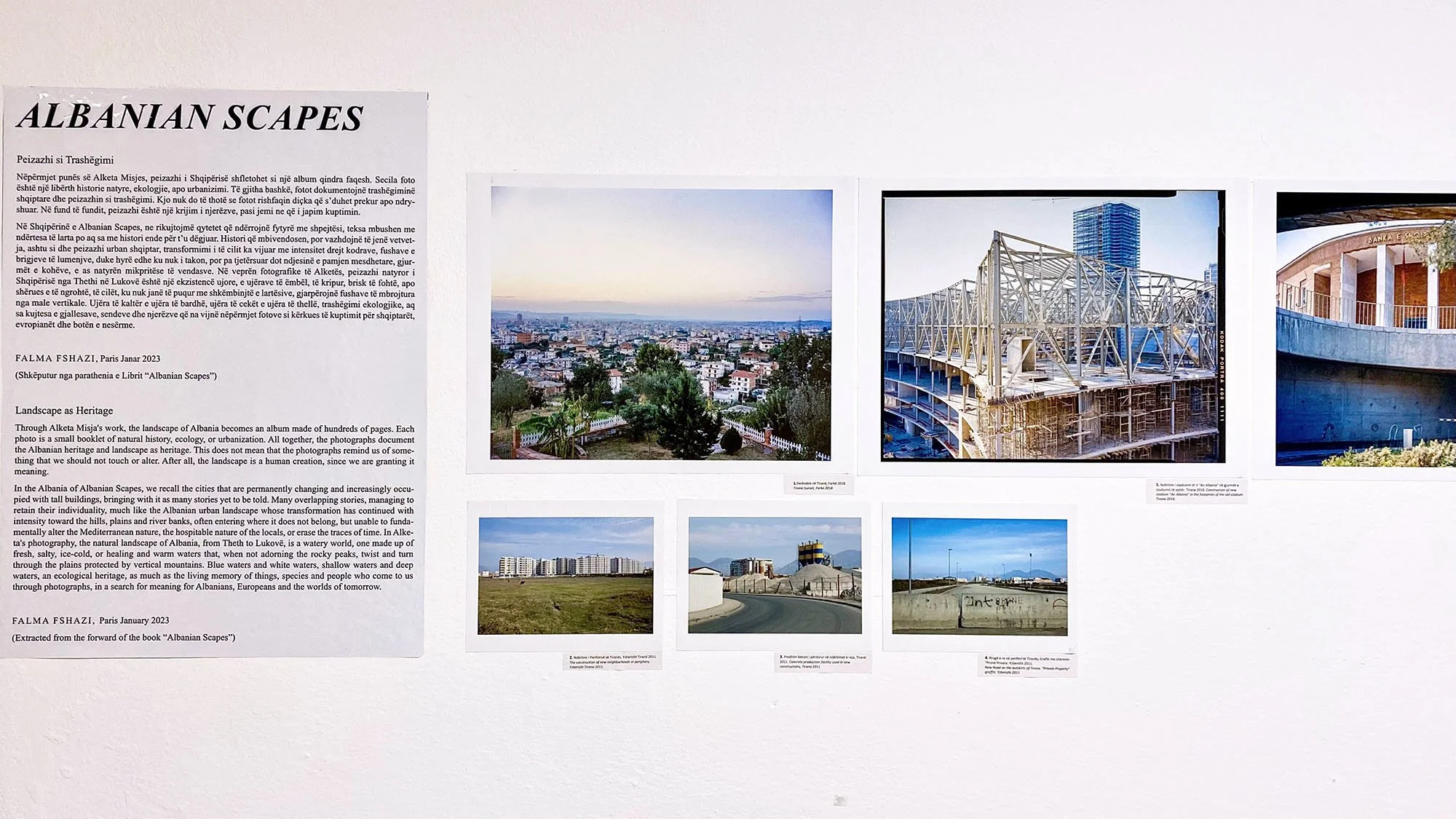
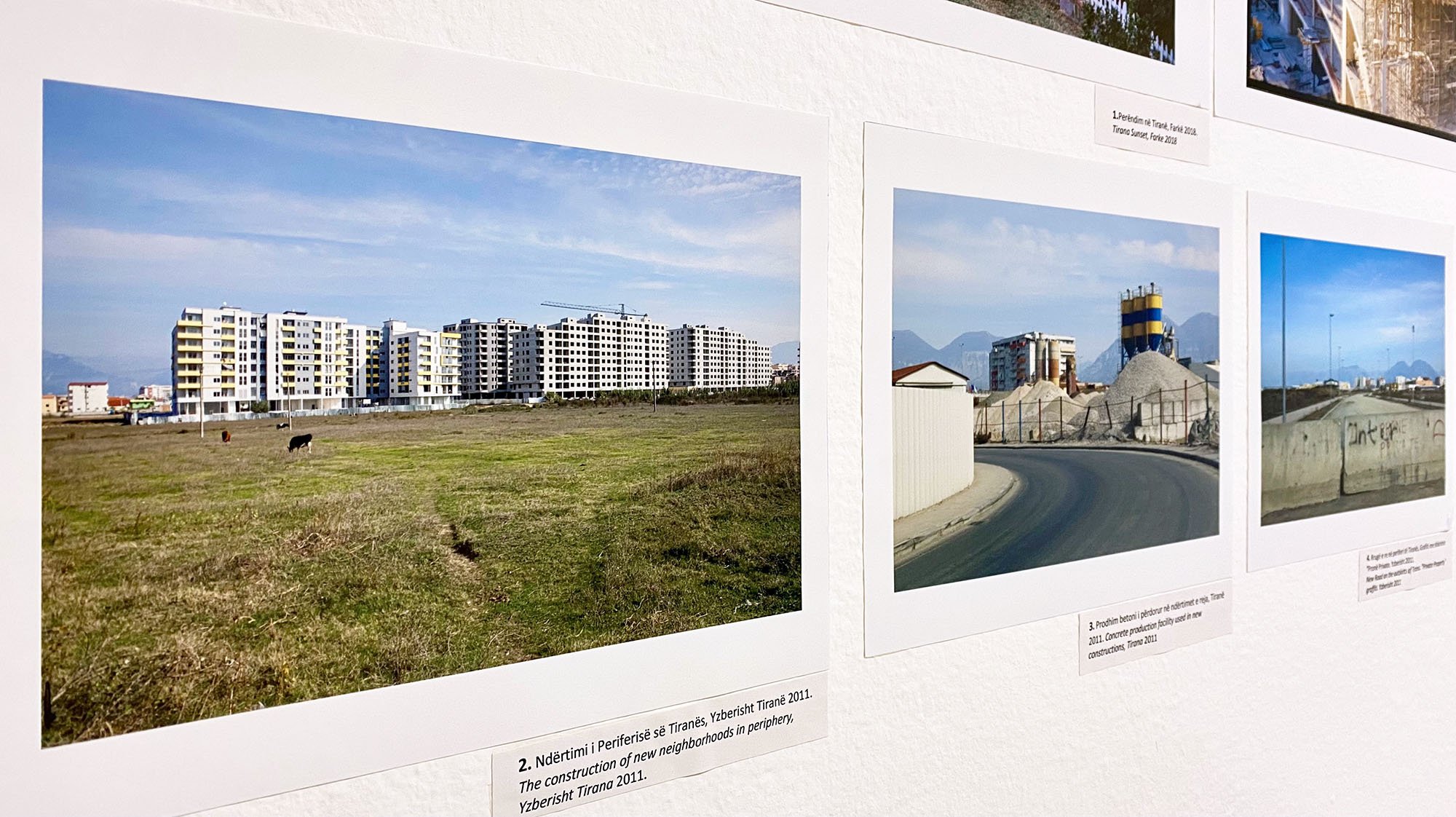
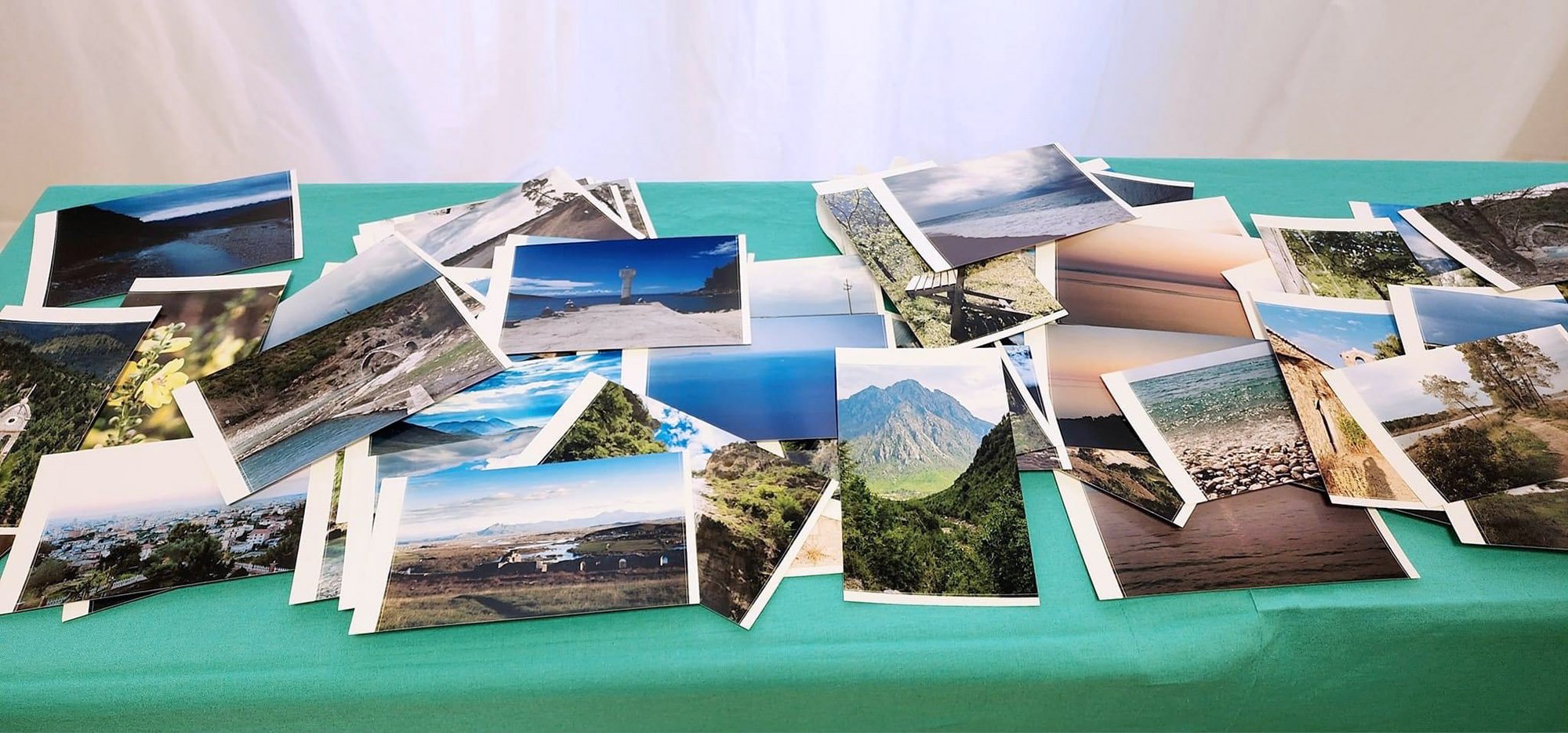
On Saturday, March 18, 2023, at 11:00 a.m., in the premises of the TATI SPACE Photography Center, is open the Exhibition "ALBANIAN SCAPES - a photographic journey into Albanian Landscape" with photography and prints by Alketa Misja. The photos are part of the photography series ALBANIAN SCAPES, that cover a period of time 2008 to 2022. A part of the prints are published in the book ALBANIAN SCAPES by the author. While another part are presented for the first time in this exhibition. The exhibition will remain open until April 22, International Earth Day.
On Saturday, March 18, 2023, at 11:00 a.m., in the premises of the TATI SPACE Photography Center, is open the Exhibition "ALBANIAN SCAPES - a photographic journey into Albanian Landscape" with photography and prints by Alketa Misja. The photos are part of the photography series ALBANIAN SCAPES, that cover a period of time 2008 to 2022. A part of the prints are published in the book ALBANIAN SCAPES by the author. While another part are presented for the first time in this exhibition. The exhibition will remain open until April 22, International Earth Day.

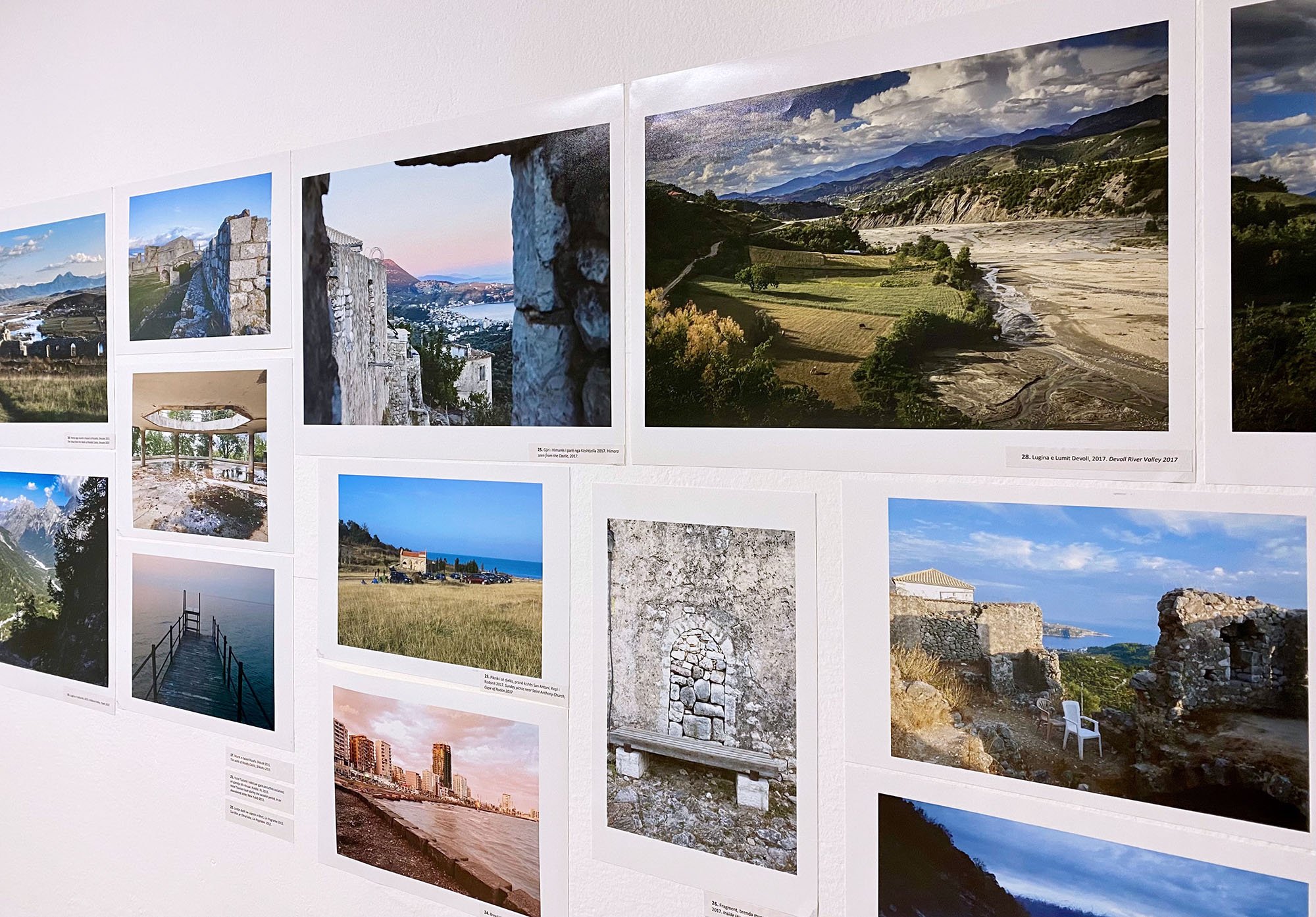
Project Description
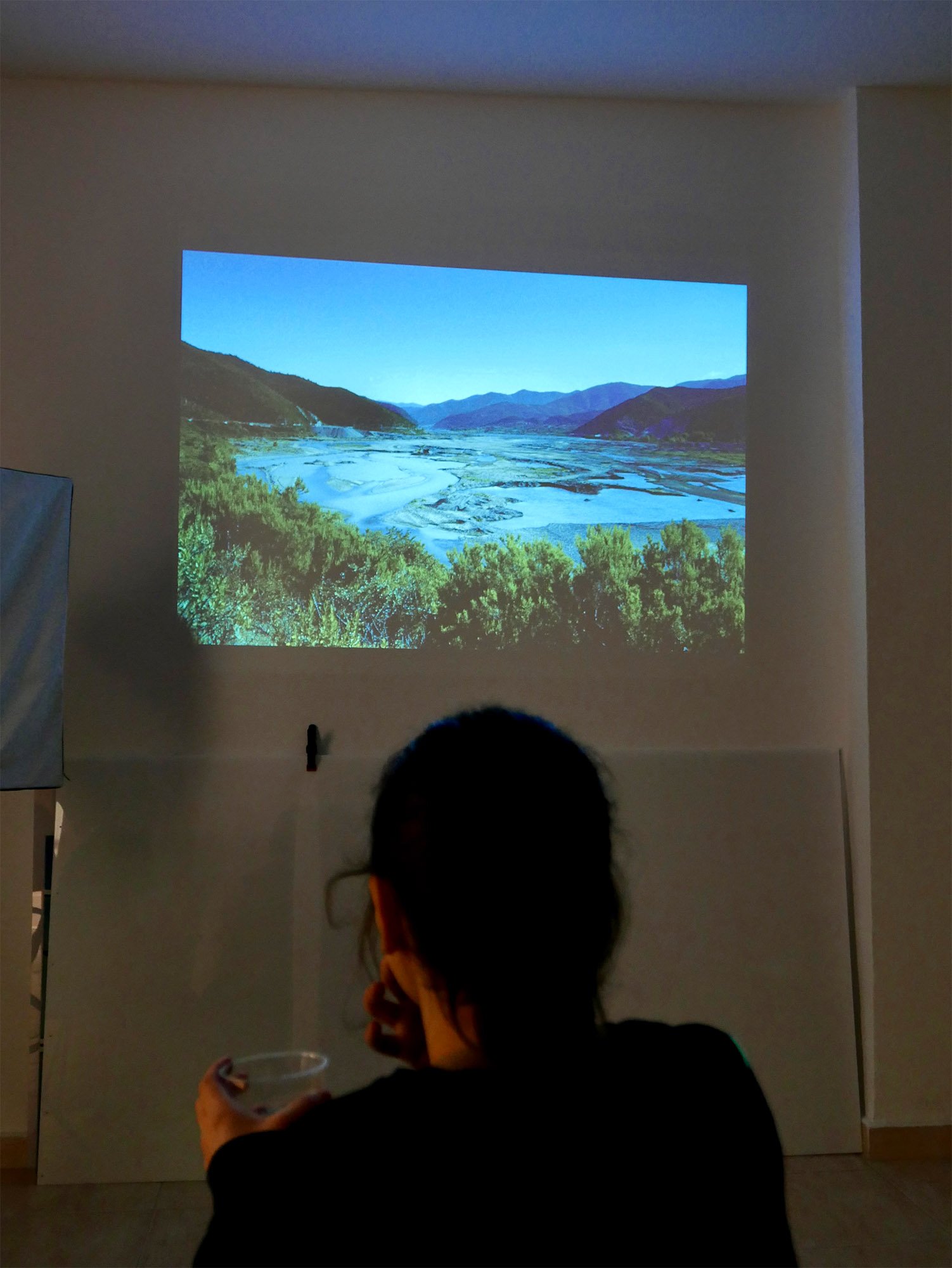
Albanian Scapes is a photographic series about the Albanian landscape, as the title suggests (Albanian + Landscapes).During these last 25 years, we have witnessed the changes that the Albanian landscape has undergone from rapid urbanization, the territory’s use for commercial purposes, and the exploitation of natural resources with no protection criteria. Photography has helped me document this transformation. For this reason, the photos serve as a moment frozen in time of a landscape that will never be the same. Alternatively, Albanian Scapes can be viewed as a meditation on the current state of the Albanian landscape, constantly shifting, much like the interests of the society of which nature is a part. The album is organized like a photographic journey from north to south, traversing the natural riches of Albania and its contrasts. On one end, we see the nature of Theth and Orosh, which remains untouched by mass tourism, and on the opposite one, the artificial landscape of Tirana, which is being transformed by mass urbanization daily.”



In the introduction to the book "Albanian Scapes", arch. Andi Papastefani writes- “The pleasing sights in this aesthetic edition captivate both the eye and mind. Alketa has been able to draw attention to the complexity, contrast, and problems of this country with which nature has been so generous. She portrays all of these juxtapositions in her photographic narrative about Albania as an architect and photographer, using iconic images that urge people to think and consider the true value of the landscape, culture, and history, as well as what we have lost”


While Falma Fshazi writes- “In the Albania of Albanian Scapes, we recall the cities that are permanently changing and increasingly occupied with tall buildings, bringing with it as many stories yet to be told. Many overlapping stories, managing to retain their individuality, much like the Albanian urban landscape whose transformation has continued with intensity toward the hills, plains and river banks, often entering where it does not belong, but unable to fundamentally alter the Mediterranean nature, the hospitable nature of the locals, or erase the traces of time. In Alketa's photography, the natural landscape of Albania, from Theth to Lukovë, is a watery world, one made up of fresh, salty, ice-cold, or healing and warm waters that, when not adorning the rocky peaks, twist and turn through the plains protected by vertical mountains. Blue waters and white waters, shallow waters and deep waters, an ecological heritage, as much as the living memory of things, species and people who come to us through photographs, in a search for meaning for Albanians, Europeans and the worlds of tomorrow.”
Available on Amazon and Blurb Bookstore
Amazon Store: ISBN Hardcover, ImageWrap: 9798881301958
Blurb Bookstore: ISBN Hardcover, ImageWrap: 9798881287856
Blurb Bookstore: ISBN Hardcover, Dust Jacket: 9798210988904
Language: English, Albanian
Standard Landscape, 10x8 inch, 25x20cm
100 pages, 87 photos, Premium Lustre Paper

PhotoBook "Albanian Scapes"
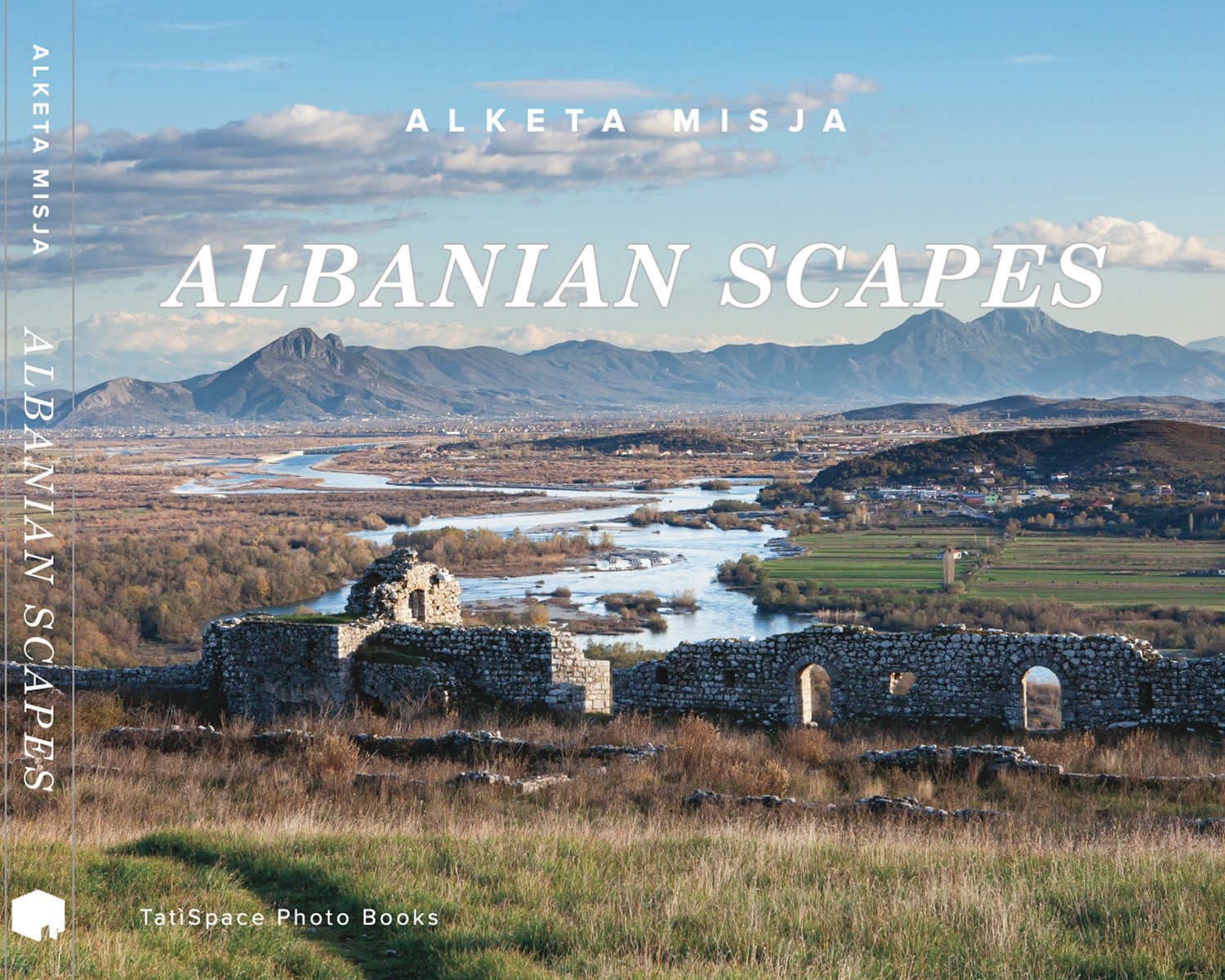
The Photobook "Albanian Scapes" is the first publication of Tati Space, with photographs by Alketa Misja and foreword by Andi Papastefani and Falma Fshazi. Now available on Amazon and Blurb Bookstore. A photographic journey into Albanian Landscape as seen from an architect and urban planner. A Landscape in a constant transformation under the pressure of human activities and rapid urbanization. A fragile landscape that will not be the same.

Albanian Scapes, Alketa Misja
The Photobook "Albanian Scapes" is the first publication of Tati Space, with photographs by Alketa Misja and foreword by Andi Papastefani and Falma Fshazi.
Now available on Amazon and Blurb Bookstore
Amazon Store: ISBN Hardcover, ImageWrap: 9798881301958
Blurb Bookstore: ISBN Hardcover, ImageWrap: 9798881287856
Blurb Bookstore: ISBN Hardcover, Dust Jacket: 9798210988904
Language: English, Albanian
Standard Landscape, 10x8 inch, 25x20cm
100 pages, 87 photos, Premium Lustre Paper
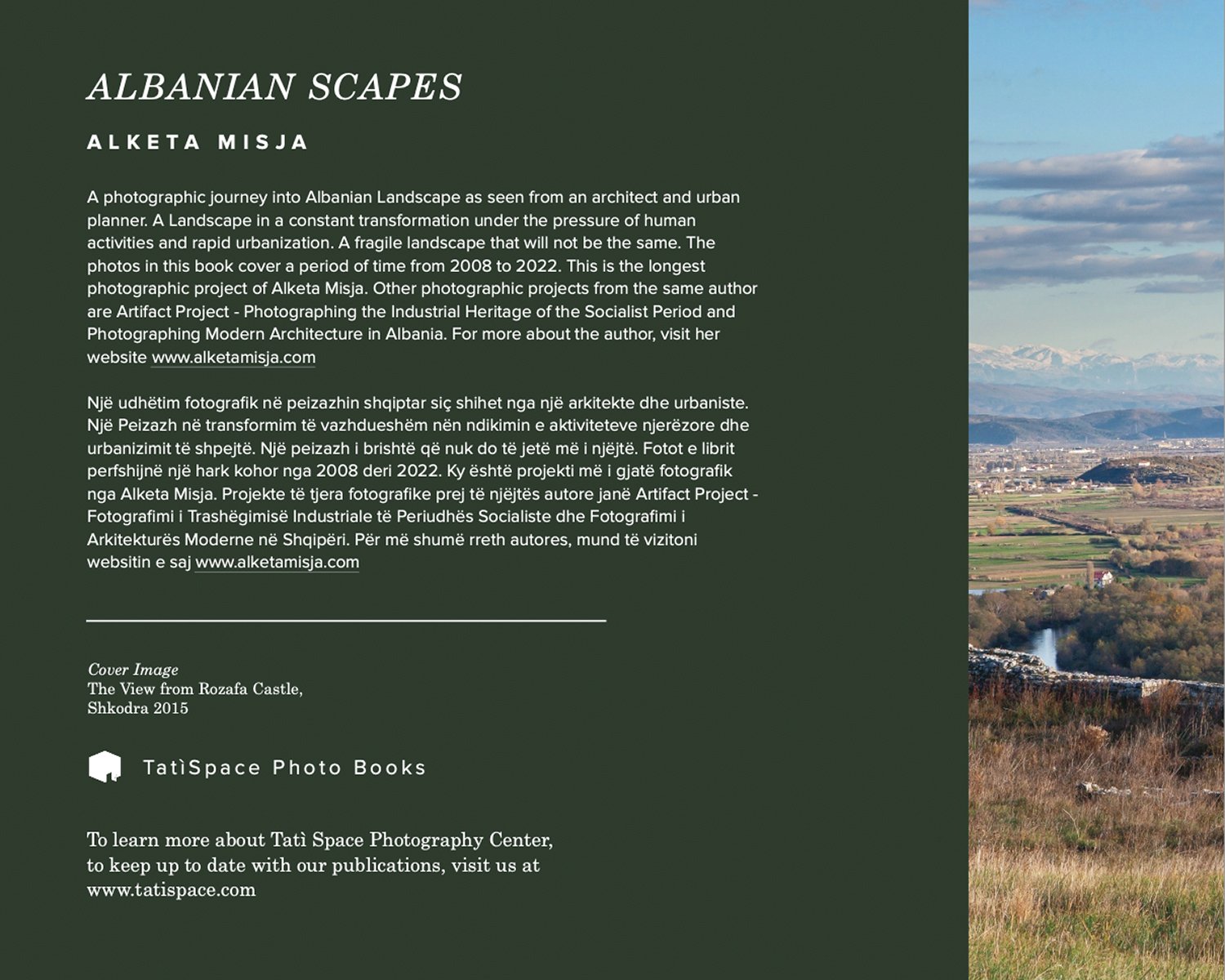
A photographic journey into Albanian Landscape as seen from an architect and urban planner. A Landscape in a constant transformation under the pressure of human activities and rapid urbanization. A fragile landscape that will not be the same. The photos in this book cover a period of time from 2008 to 2022. This is the longest photographic project of Alketa Misja. Other photographic projects from the same author are Artifact Project - Photographing the Industrial Heritage of the Socialist Period and Photographing Modern Architecture in Albania.
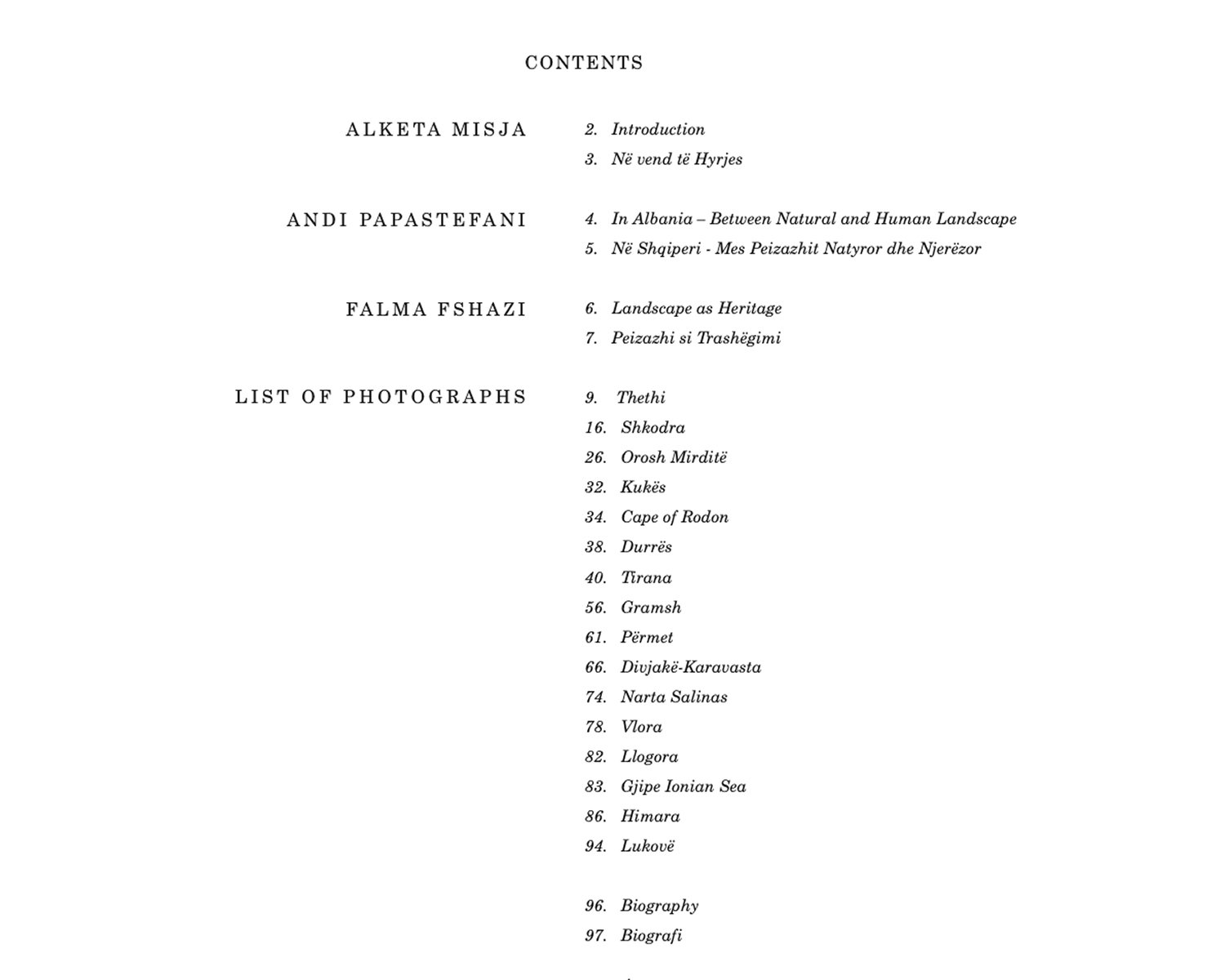
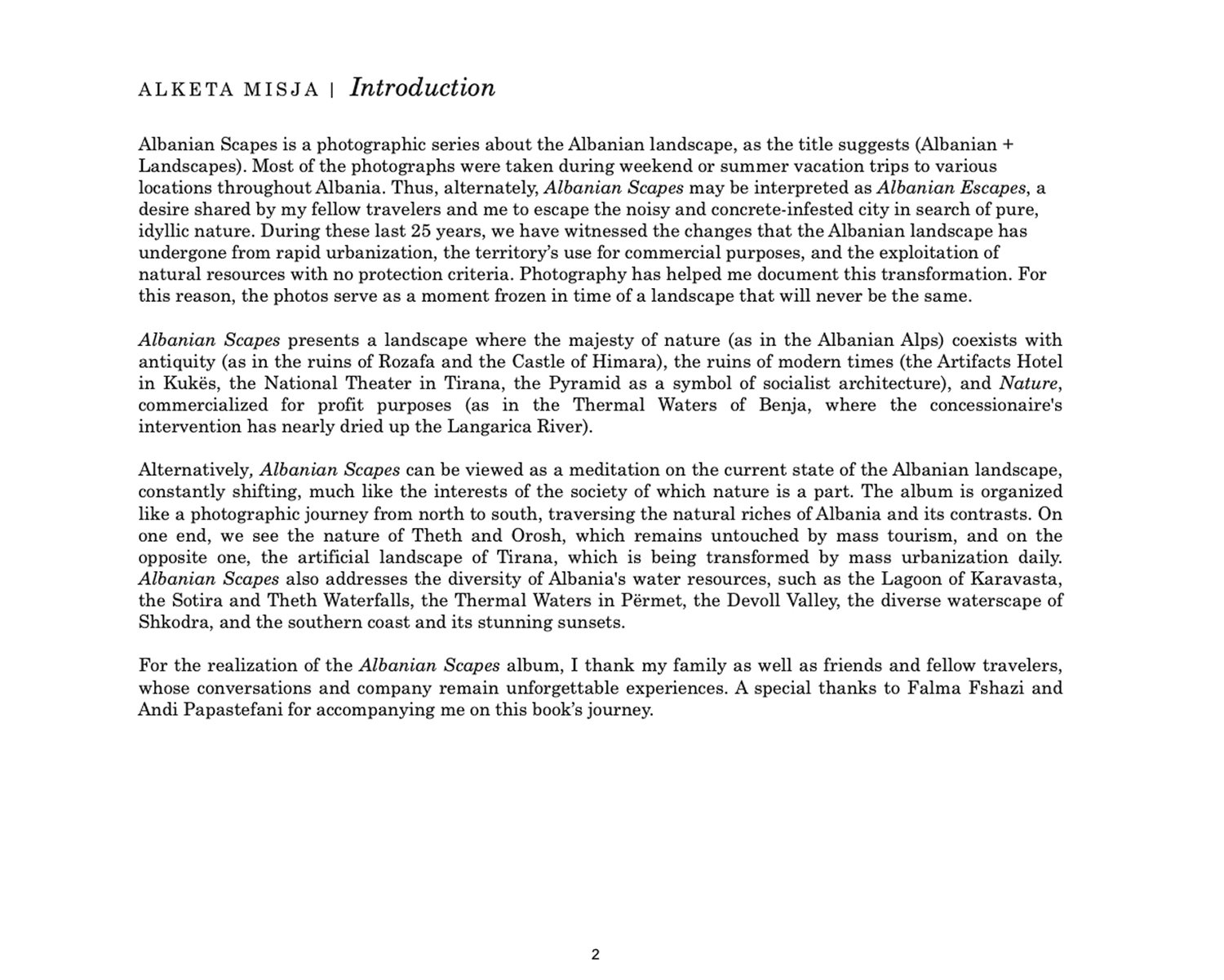
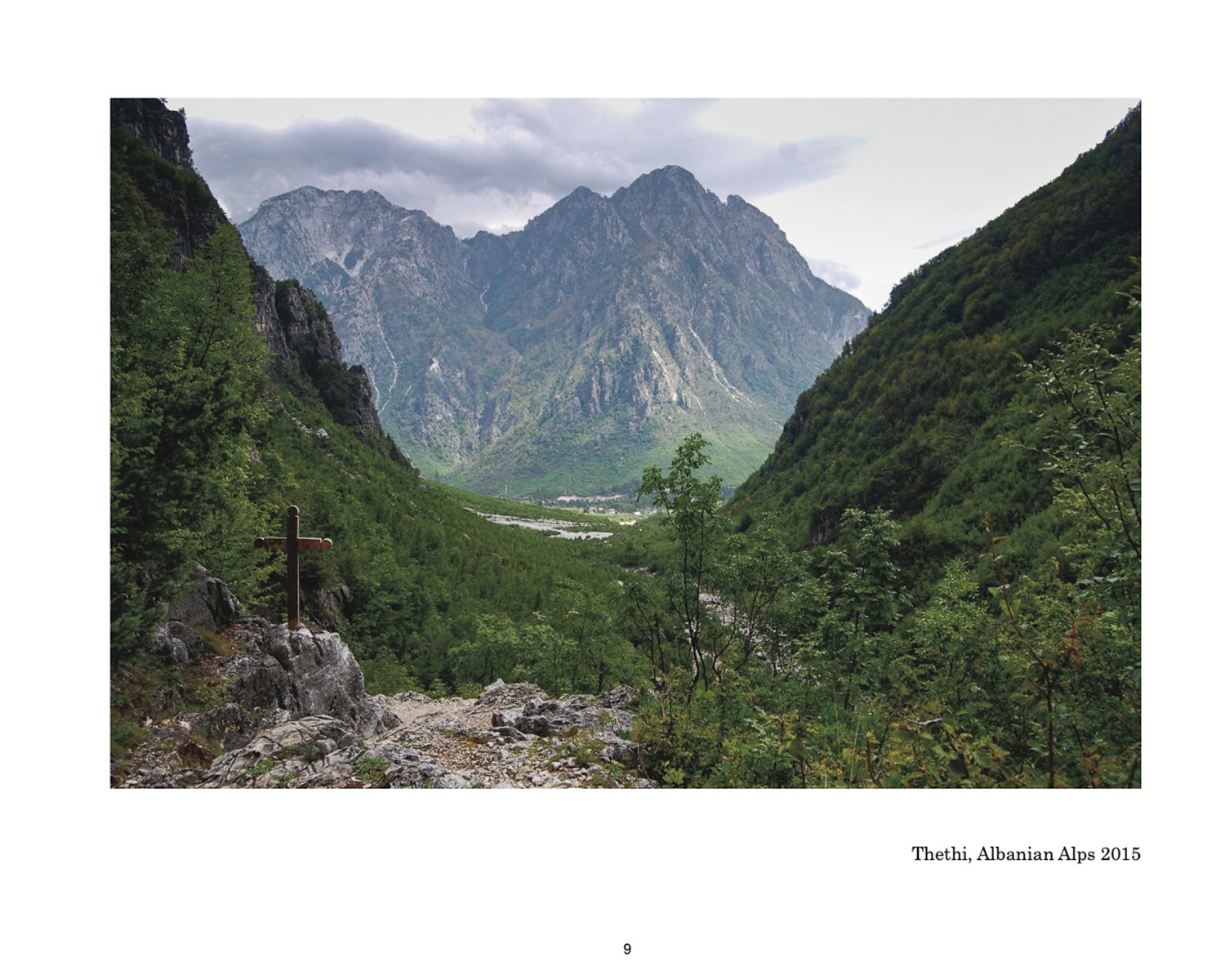
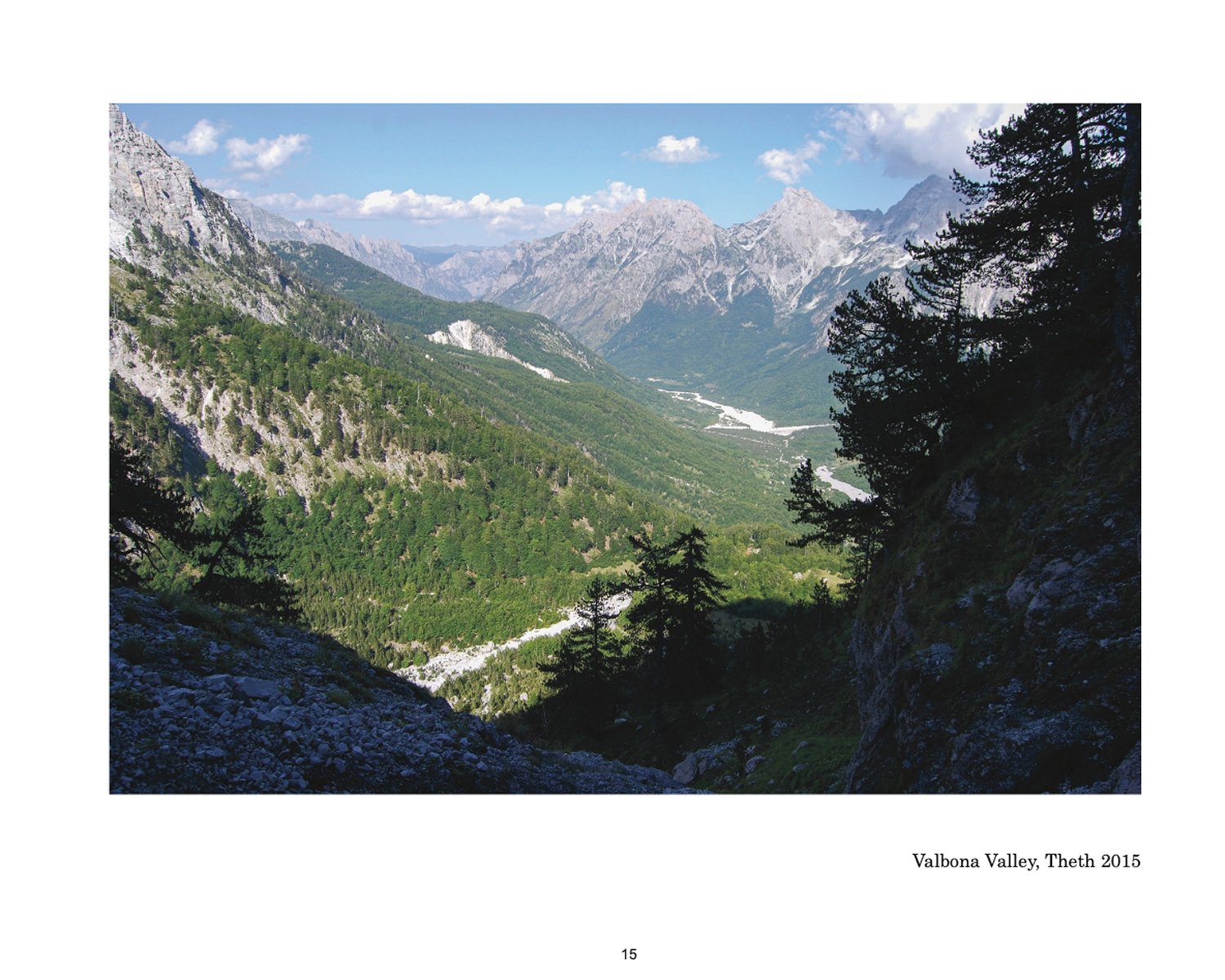
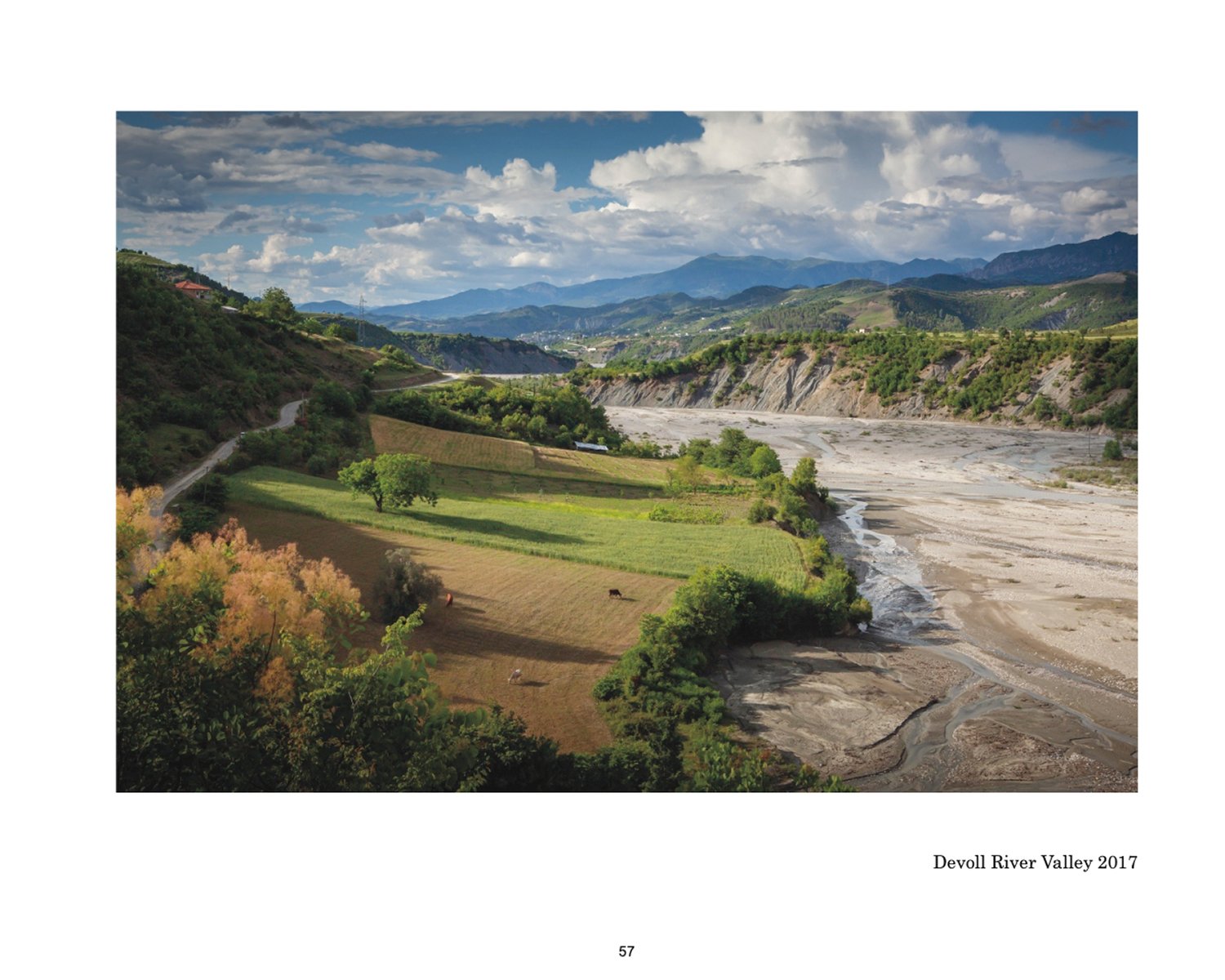
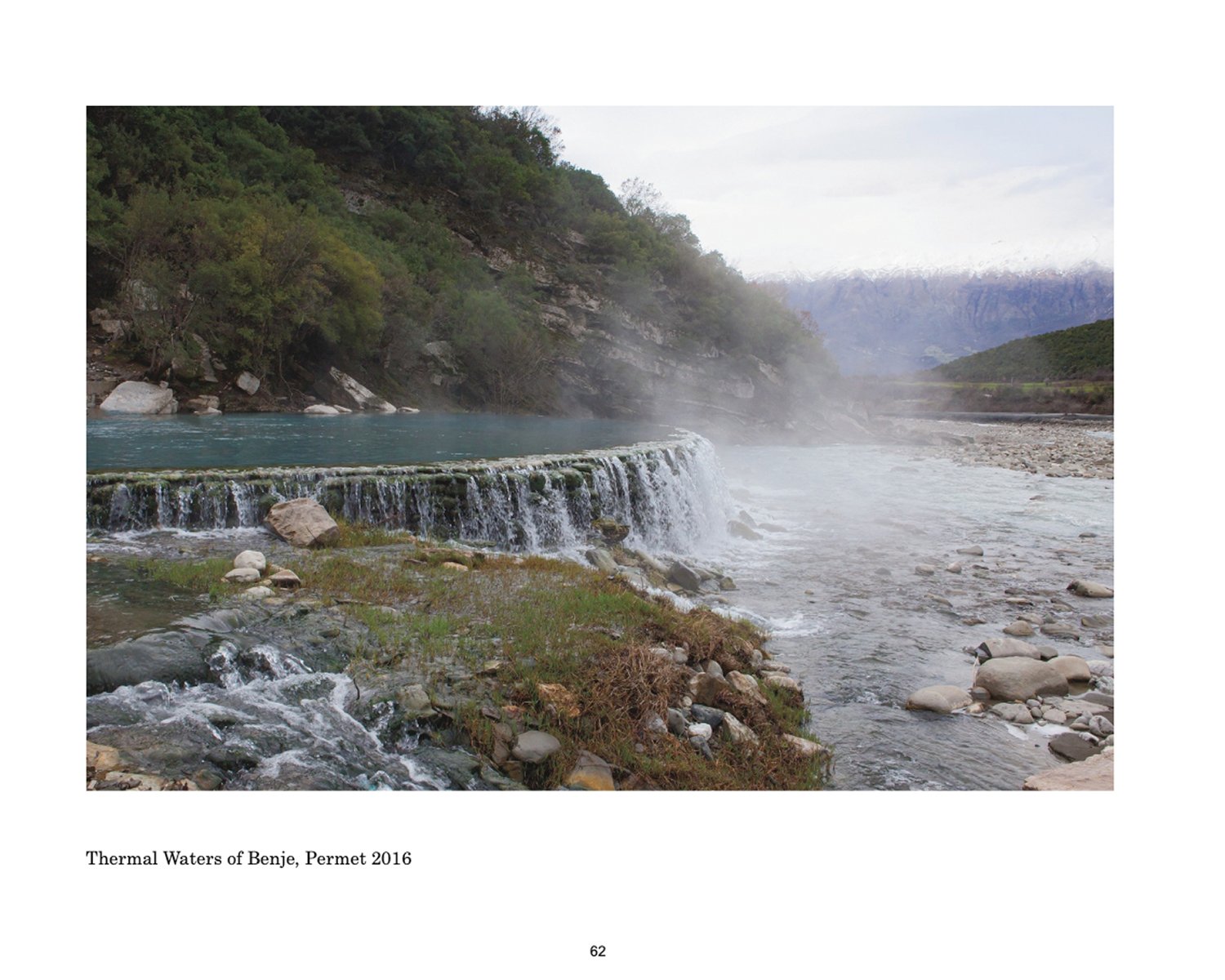
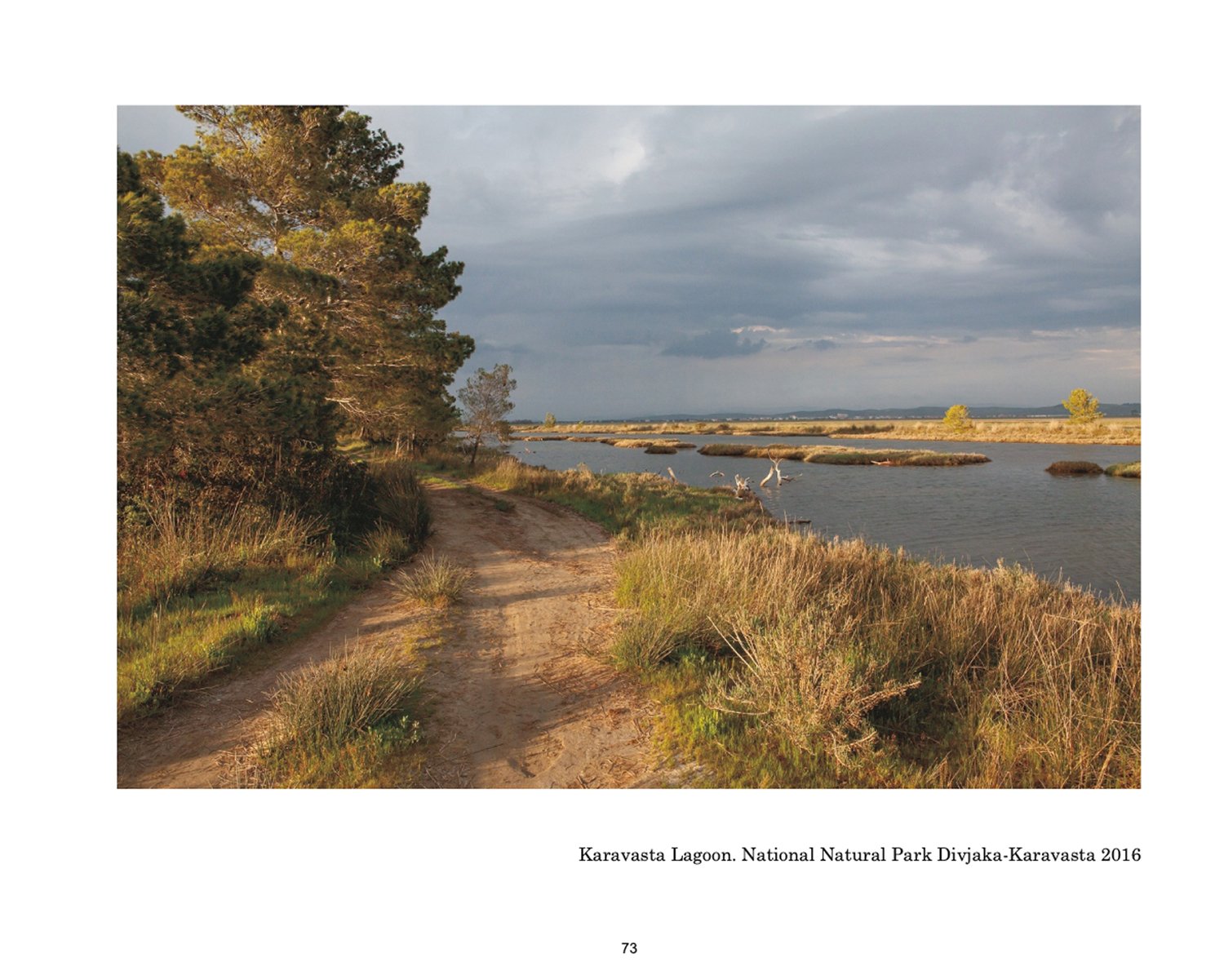
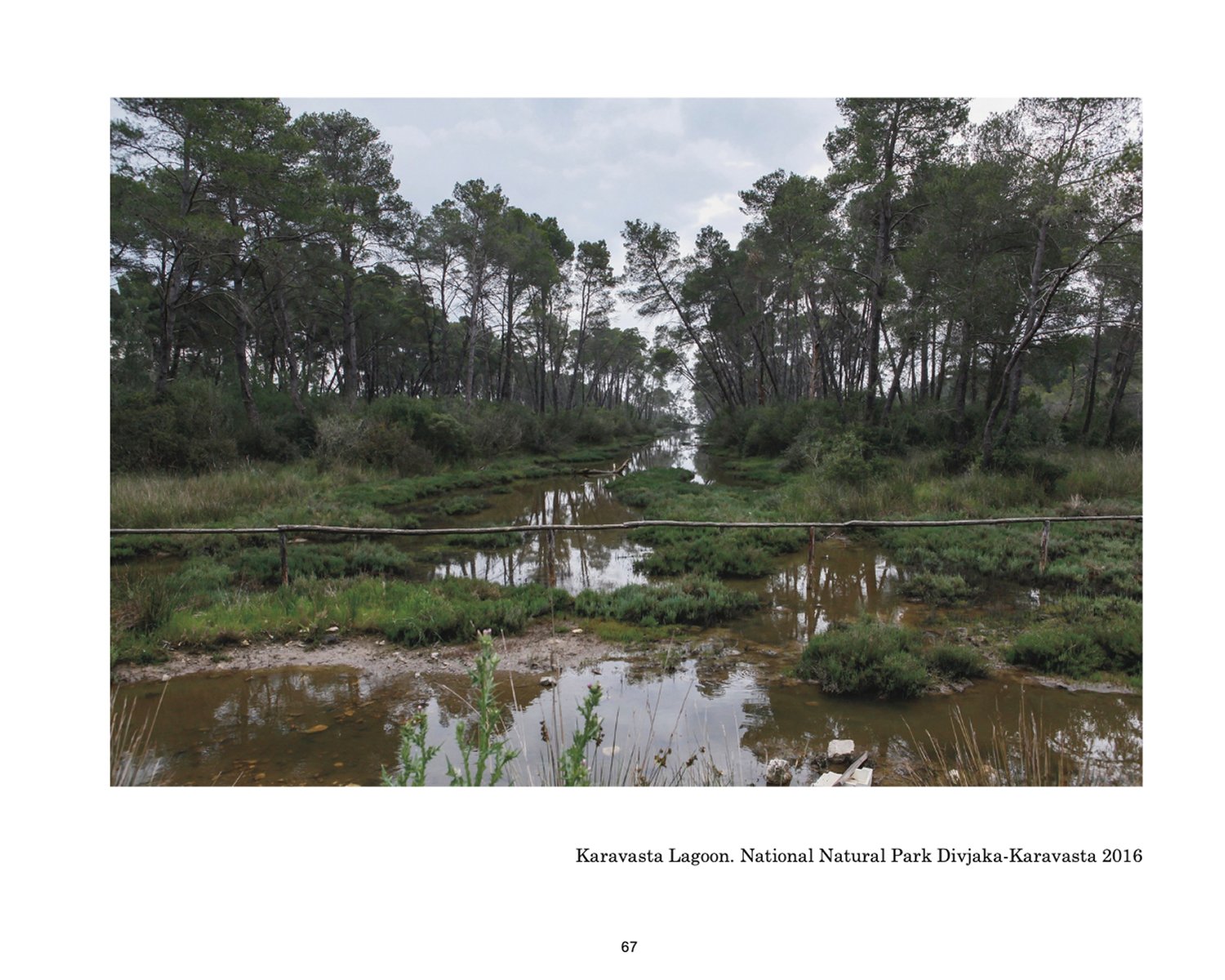
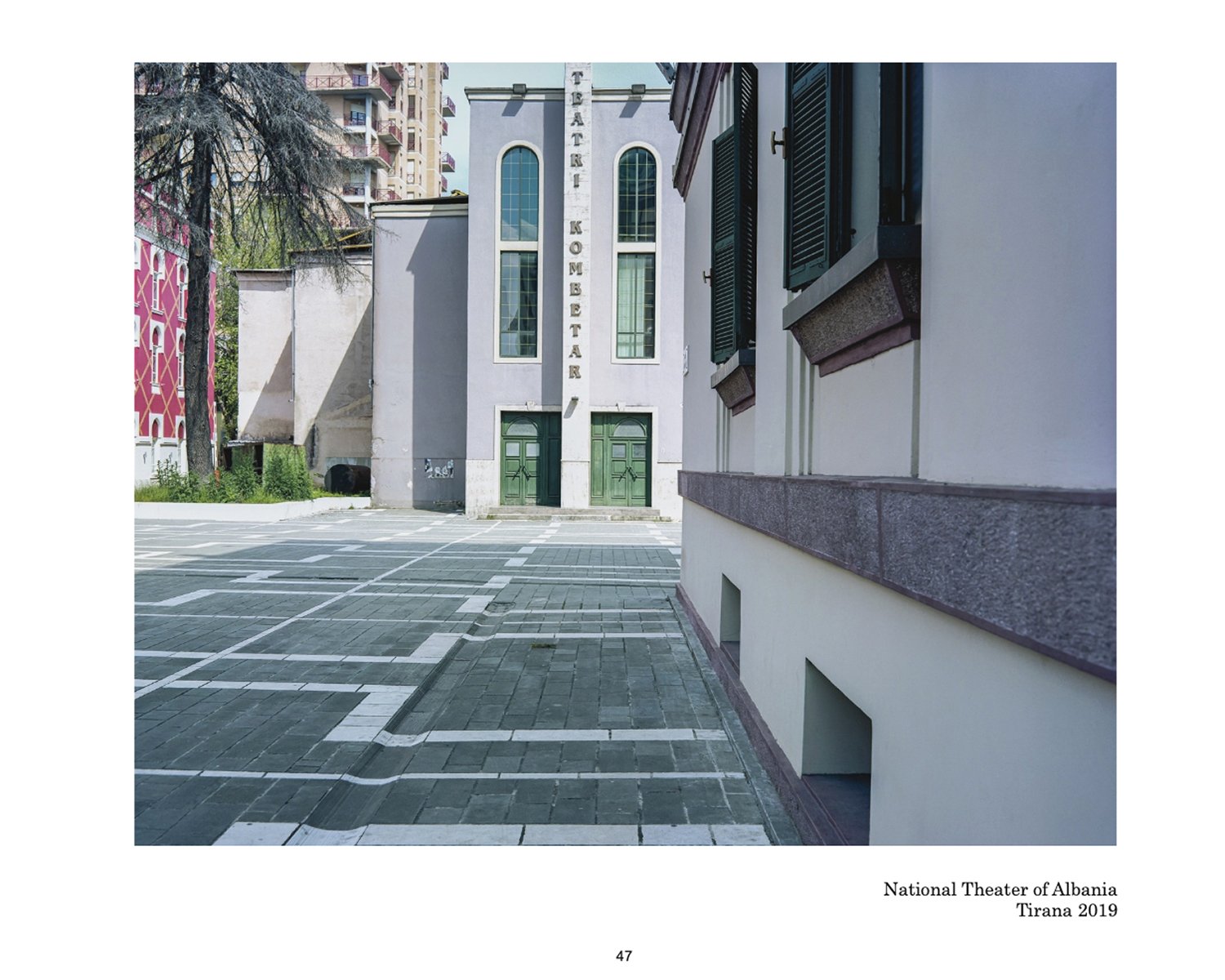
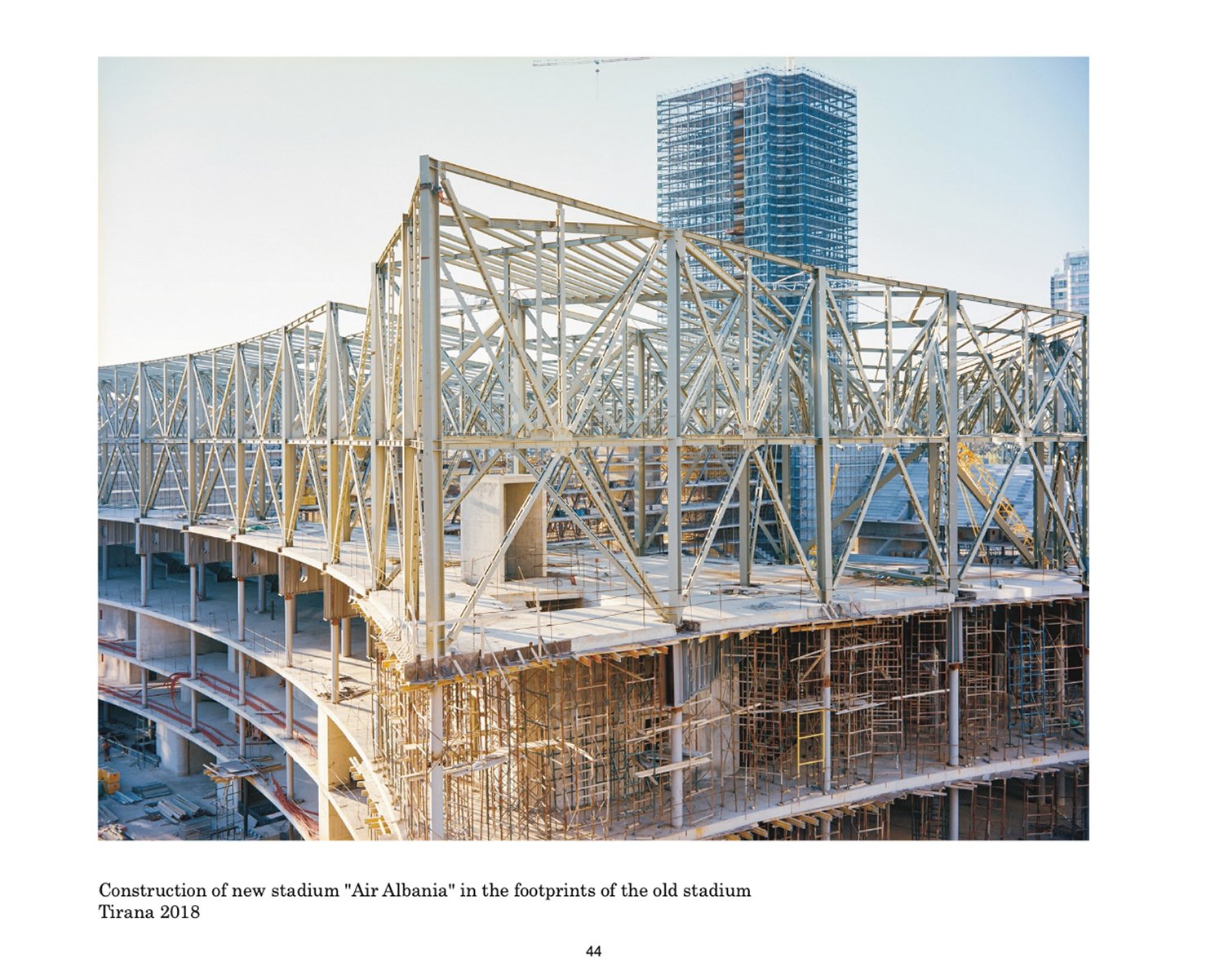
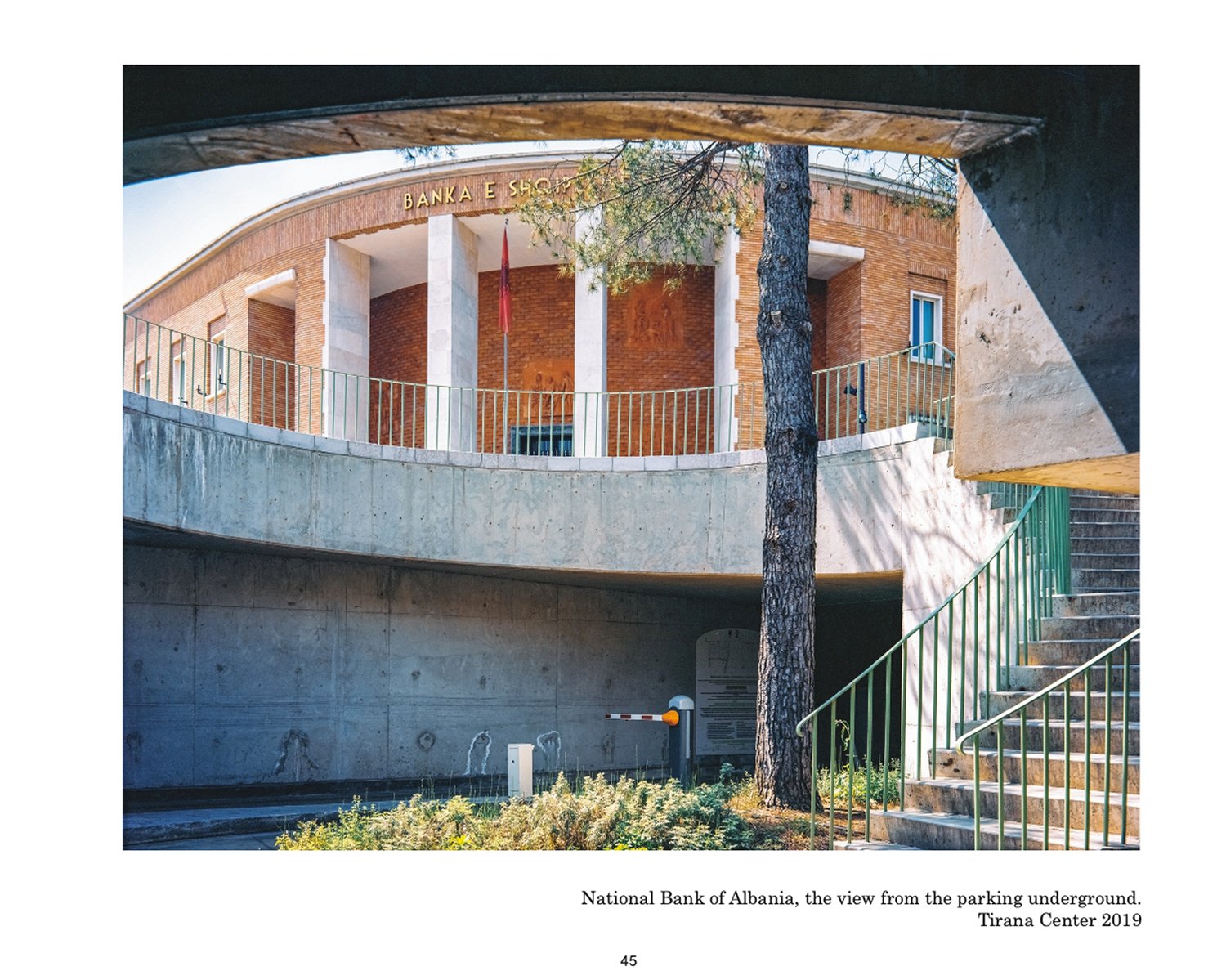
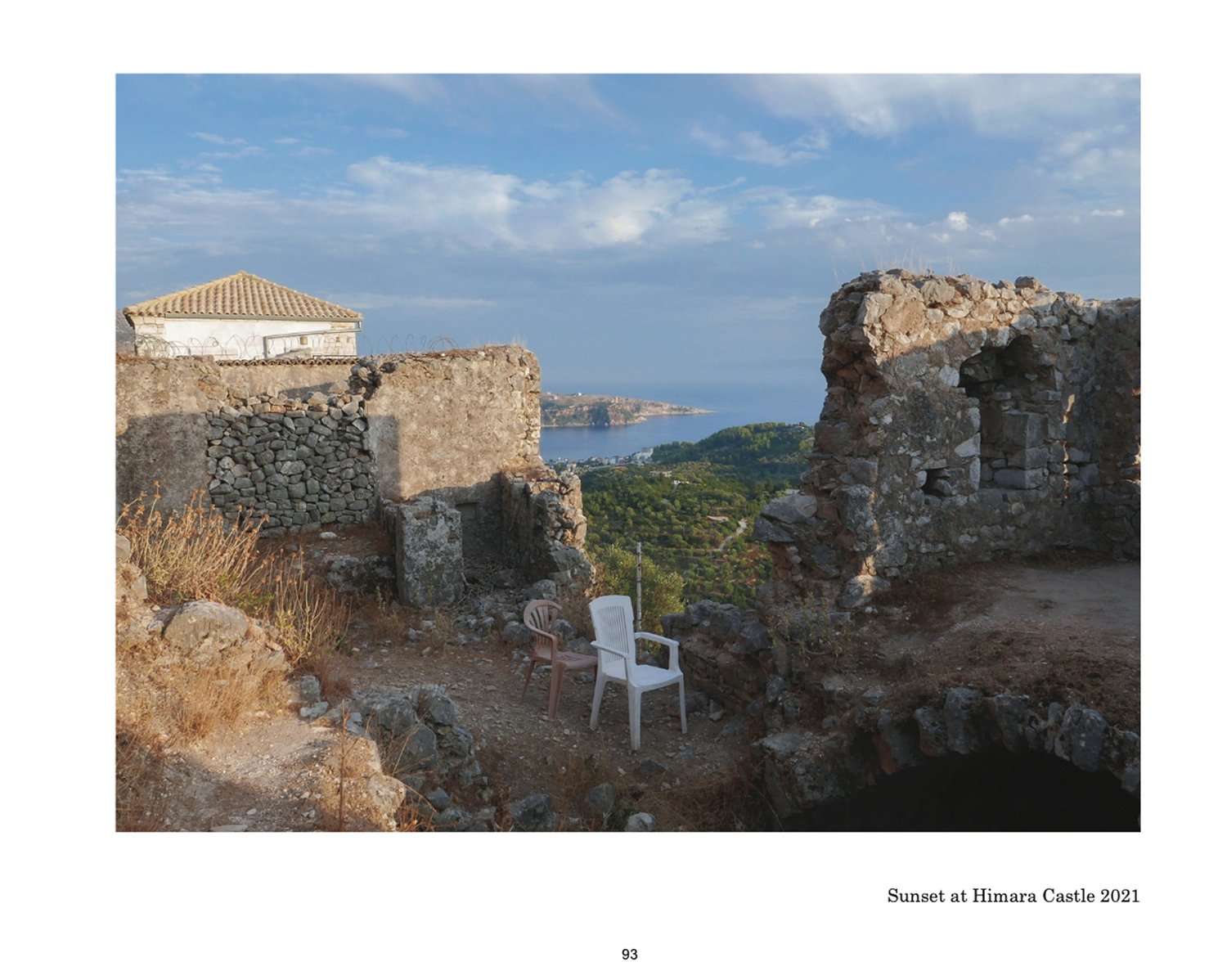
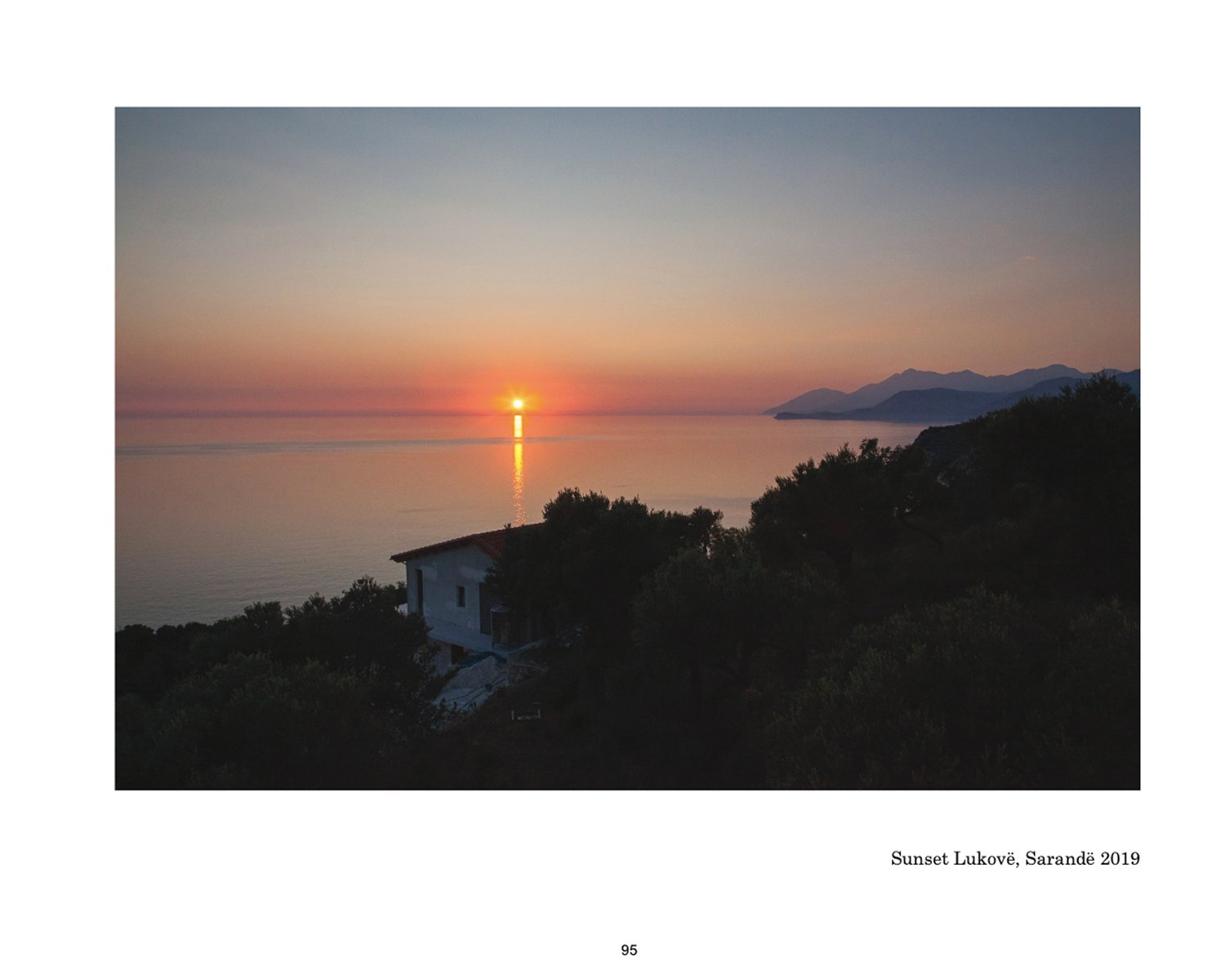
In her preface Landscape as Heritage, Falma Fshazi writes: “Through Alketa Misja's work, the landscape of Albania becomes an album made of hundreds of pages. Each photo is a small booklet of natural history, ecology, or urbanization. All together, the photographs document the Albanian heritage and landscape as heritage.
In the Albania of Albanian Scapes, we recall the cities that are permanently changing and increasingly occupied with tall buildings, bringing with it as many stories yet to be told. Many overlapping stories, managing to retain their individuality, much like the Albanian urban landscape whose transformation has continued with intensity toward the hills, plains and river banks, often entering where it does not belong, but unable to fundamentally alter the Mediterranean nature, the hospitable nature of the locals, or erase the traces of time.”
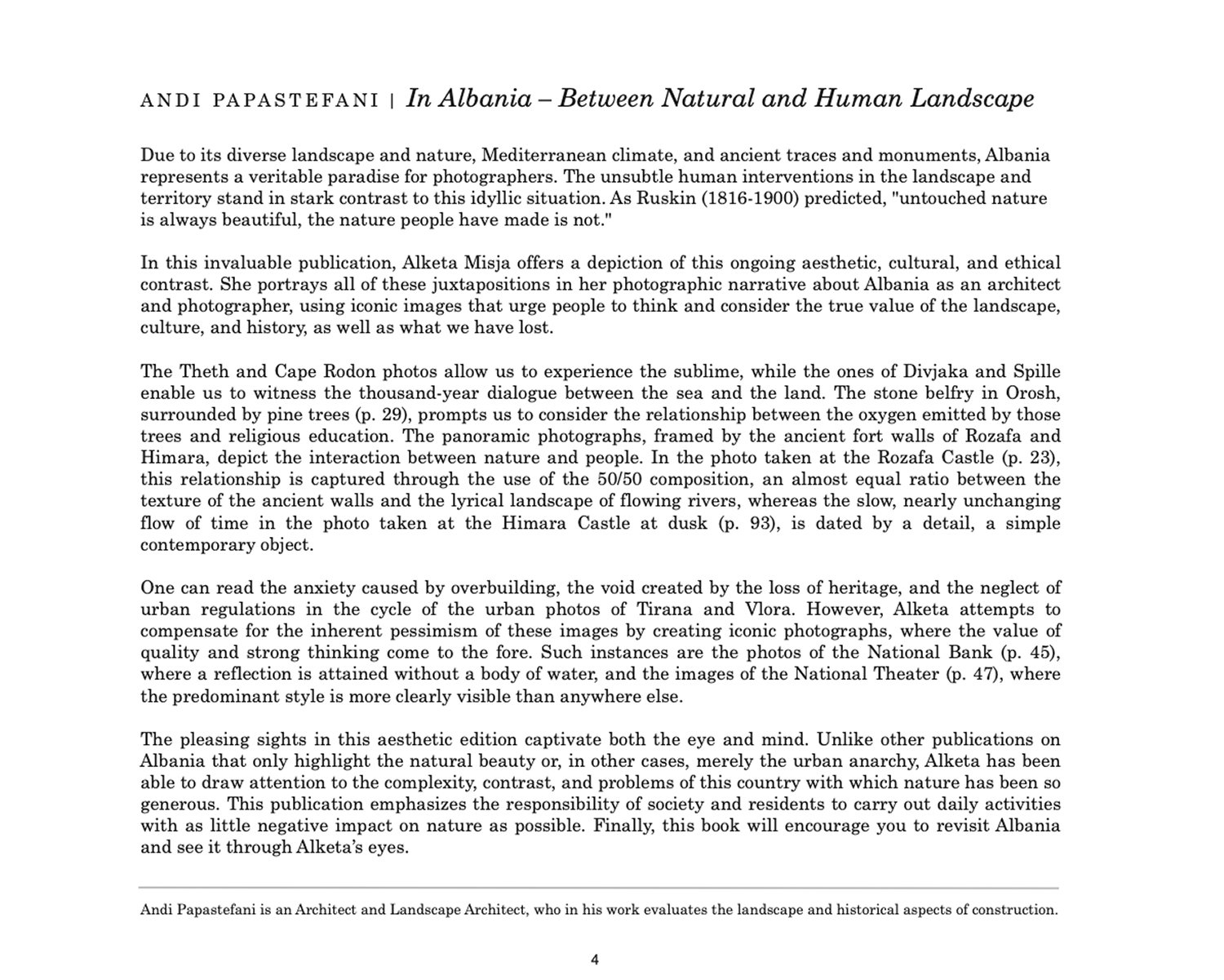
In his preface In Albania- Between Natural and Human Landscape, Andi Papastefani writes- “In this invaluable publication, Alketa Misja offers a depiction of this ongoing aesthetic, cultural, and ethical contrast. She portrays all of these juxtapositions in her photographic narrative about Albania as an architect and photographer, using iconic images that urge people to think and consider the true value of the landscape, culture, and history, as well as what we have lost.
The pleasing sights in this aesthetic edition captivate both the eye and mind. Unlike other publications on Albania that only highlight the natural beauty or, in other cases, merely the urban anarchy, Alketa has been able to draw attention to the complexity, contrast, and problems of this country with which nature has been so generous. This publication emphasizes the responsibility of society and residents to carry out daily activities with as little negative impact on nature as possible.”

"Journey beyond the horizon" - photography Meti Spahiu
In the rubric ‘Albanian Emergent Photographers’ in the field of architecture and urban photography, we bring the young Kosovar photographer Meti Spahiu, who for several years lives and works in Vienna, after his graduation as architect in the Technical Faculty TU WIEN.
In the rubric ‘Albanian Emergent Photographers’ in the field of architecture and urban photography, we bring the young Kosovar photographer Meti Spahiu, who for several years lives and works in Vienna, after his graduation as architect in the Technical Faculty TU WIEN. Meti Spahiu comes for the second time in TatiSpace, after his first presentation with the Photo Series in black & white untitled "Big Cities in my Eyes". This time, his photos are mostly in colour, but there are also black and white ones. The motif is the same- his favourite subject, the Architectural Photography of European cities, shot during his travels. Each of the photos brings back personal memories from cities like Innsbruck and Zurich. Other photographs were taken in Vienna, Munich, Bratislav. The author untitles the series "Journey beyond the Horizon" (dedicated to A.Sh). As he mentioned before, “The idea of my photographs is to bring beautiful images, to draw the public's attention to the aesthetic of the object photographed. I would like people, who pass every day carelessly near a building, to discover the beauty of its architecture when they see the photograph. For me, photography is a field that will never disappoint and that will go hand in hand with the profession of architect."
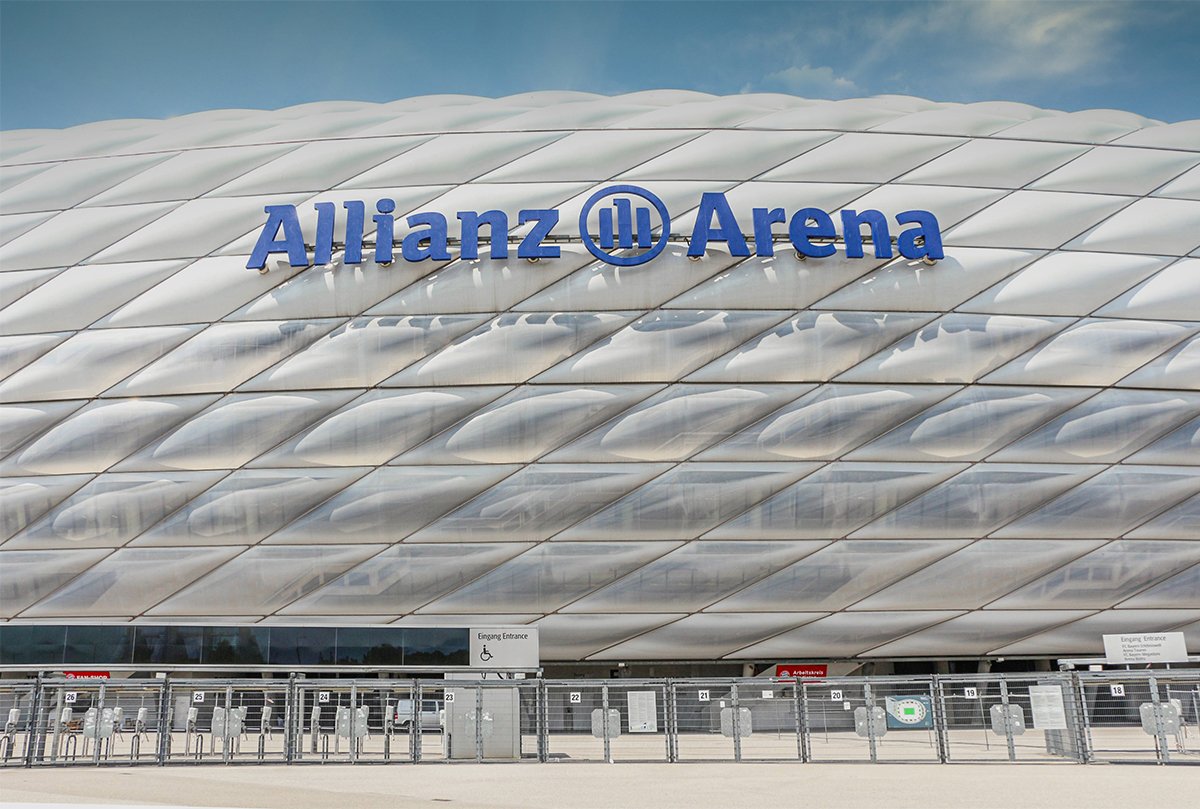
Allianz Arena, Munich, photography © Meti Spahiu

An den Kohlenrutschen 5, Vienna, photography © Meti Spahiu

Bratislava Bridge, Bratislava, photography © Meti Spahiu

Helmut Zilk Park 1100, Vienna, photography © Meti Spahiu

Odenburgerstrasse 19 1210, Vienna, photography © Meti Spahiu

Hofwiesenstrasse 16 78057, Zyrih , photography © Meti Spahiu

Schlachthausgasse 1030, Vienna, photography © Meti Spahiu
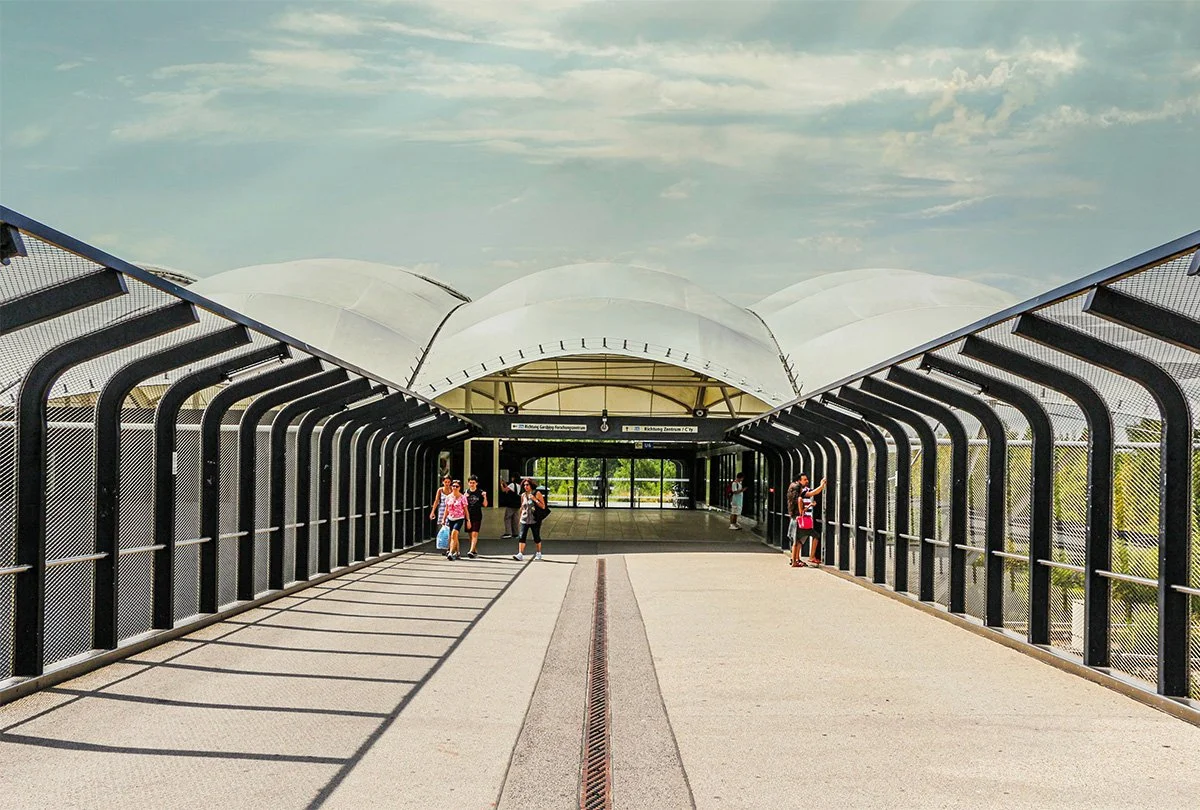
Subway Station Fröttmaning, Munich, photography © Meti Spahiu

Südbahnstrasse_Innsbruck, photography © Meti Spahiu

Taborstrasse 1020 Vienna, photography © Meti Spahiu

UBS Europaallee 23 8004 Zyrih, photography © Meti Spahiu
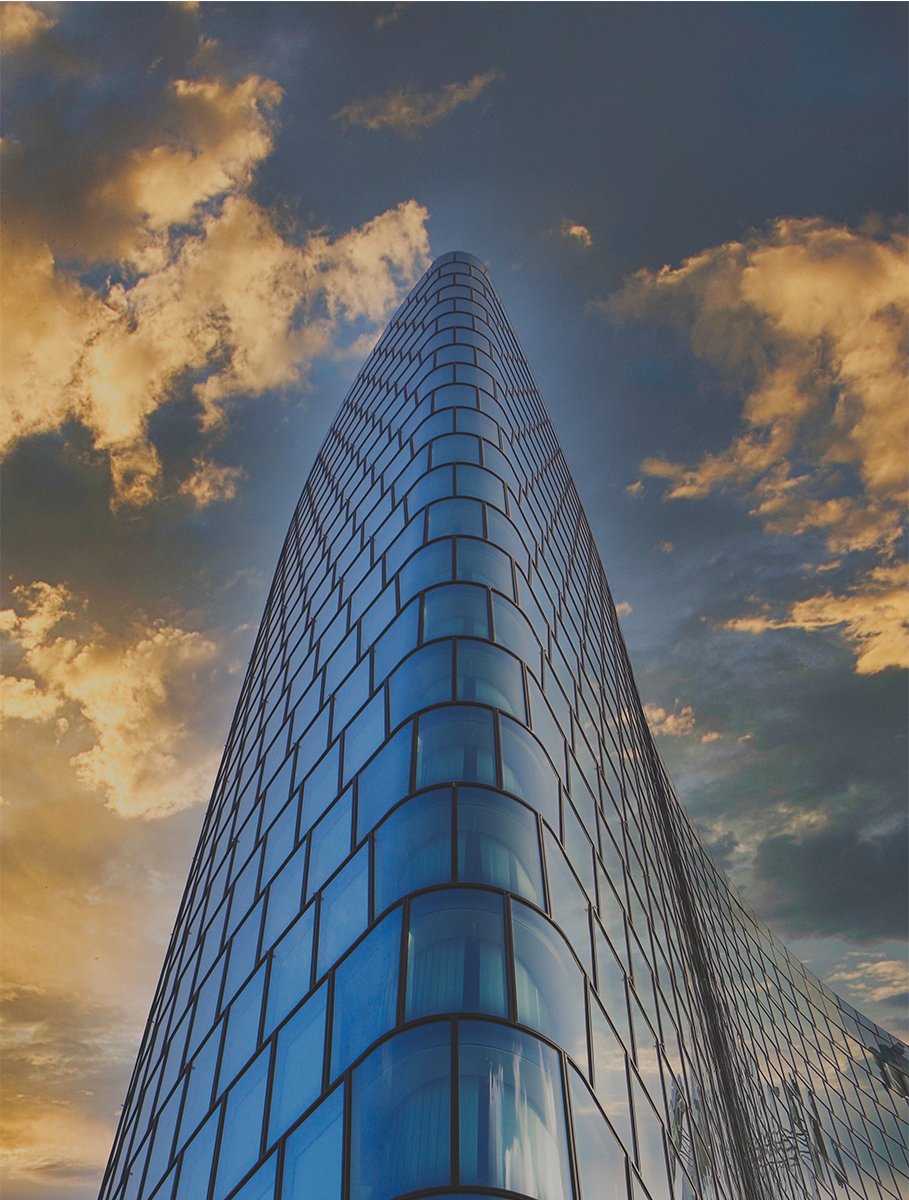
Hoch Zwei 1020, Vienna, photography © Meti Spahiu

Rozafa Shpuza
Rozafa Shpuza is a poet and a photographer, a uniqueness that creates a connection between two arts. She writes poetry in Gheg dialect, but she is as well productive in the field of photography, mainly in the genre of urban and street photography. Her photos are mostly shot in the streets of her hometown, Shkodra.

Rozafa Shpuza, Selfportrait
Rozafa Shpuza
(Albania 1969-)
Rozafa Shpuza is a poet and a photographer, a uniqueness that creates a connection between two arts. She writes poetry in Gheg dialect, but she is as well productive in the field of photography, mainly in the genre of urban and street photography. Her photos are mostly shot in the streets of her hometown, Shkodra. The subjects of her photography are urban moments of city scenes, captured in an abstract way, often surreal, with humor and well composed. The second photo gallery, perhaps the most important, is the portraits of the city dwellers, spontaneously shot in the public spaces, while performing activities or meditating in their tranquillity, captured unaware, creating a particular emotional state. What do city characters, silent passers-by, photographed in isolation, think in the midst of the urban chaos? It seems as if each of them is closed in their inner world, immersed in their thoughts and personal worries. In an individualistic society, where everyone thinks for themselves, Rozafa naturally seeks to penetrate the individual and his psychology. A third photo gallery, which I like very much, is the series of self-portraits on the streets of city, shot on sidewalks, shop windows or cafeterias, captured in superposition of different planes, alluding to a complex and confusing world in which the artist and the individual live in the modern city. Rozafa’s photographs, although unique in the Albanian photography scene, are nurtured by a rich international tradition of street photography, created and inspired by the photography of Walker Evans, Garry Winogrand, William Klein, Diane Arbus, Vivian Mayer, and others.
Below you can read a description that Rozafa Shpuza makes of her urban photography, given to TatiSpace. How did the creative process start, what was the beginning and the inspiration?
Rozafa Shpuza: Photography is a long-standing love of mine, which continues to inspire me and be an important part of my daily life. I have been dealing with photography for many years, sometimes more intensely and sometimes more calmly, and I can say without fear that photography has made my life beautiful. I bought my first camera in Denmark when I went to do a specialization course in 1994. The dynamics of that country, the architecture, the people, the different way of conceiving public spaces tempted me to fix all this on my incredibly modest camera. Since then I have not stopped. I photograph on the street because I feel that the characters I capture are real and convey the message of life without frames. Street photography is the most important part of my artistic creativity. I travel a lot because I feel like cities have a lot of surprises for my camera. The last album with street photos is the one I made in Shkodra during the isolation period of the Covid 19 pandemic. An empty city, scared characters in a hurry, closed windows and doors, all these sensations are already fixed in my album "The diary of an anxious season". I have participated in many activities dedicated to photography, in joint and personal exhibitions, at home and abroad, with the good desire to get to know photographer artists and to see where my photography stands compared to their photos. 3 years ago I opened an art gallery in Shkodra, at the old parents' house, with the good desire to promote artists from all over the world.
Urban Moments
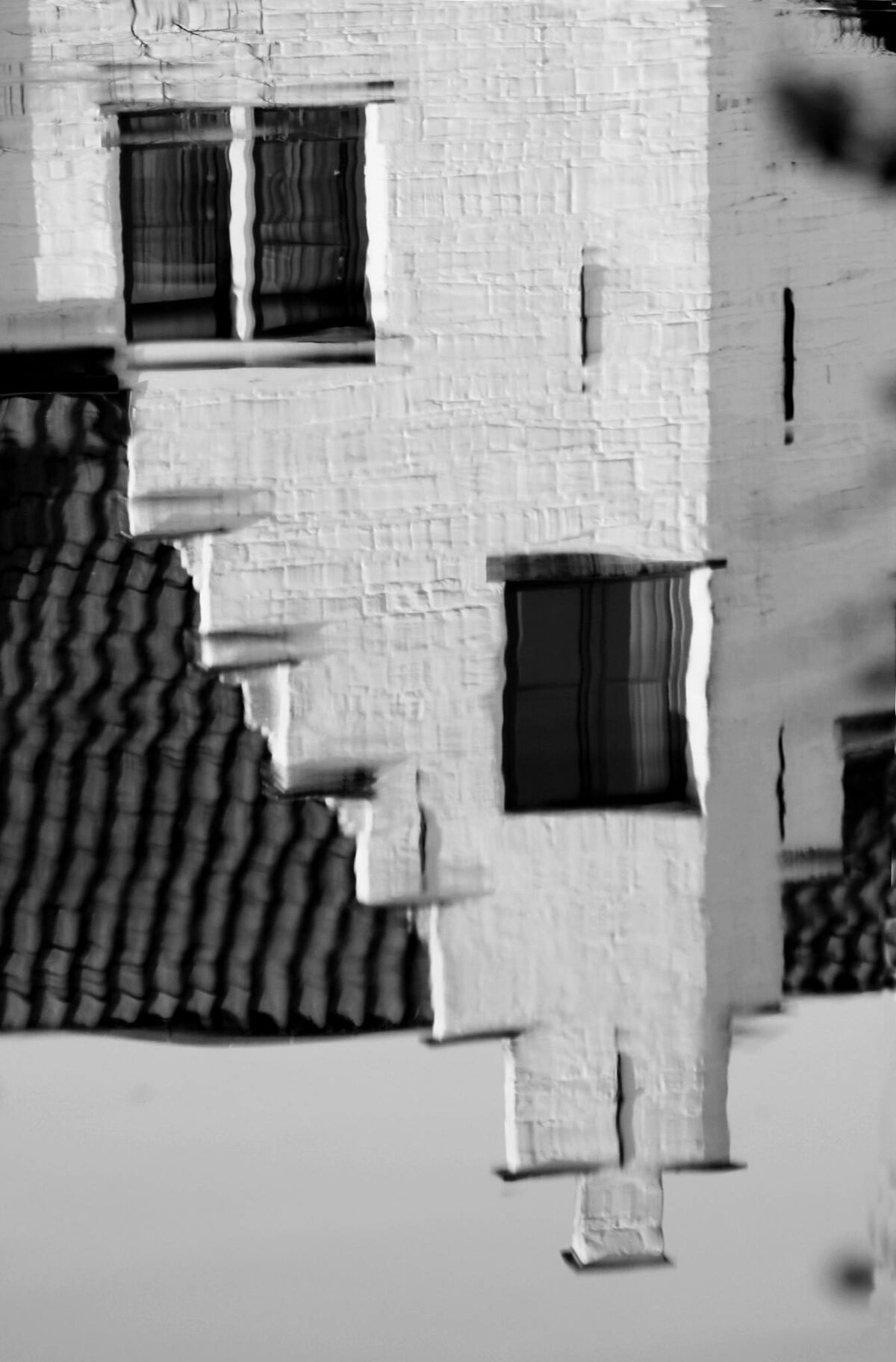
© Rozafa Shpuza, Watery

© Rozafa Shpuza, Shkodra News

© Rozafa Shpuza, Shkodra

© Rozafa Shpuza, Kafja e Madhe, Shkodër

© Rozafa Shpuza, Showcase Approach
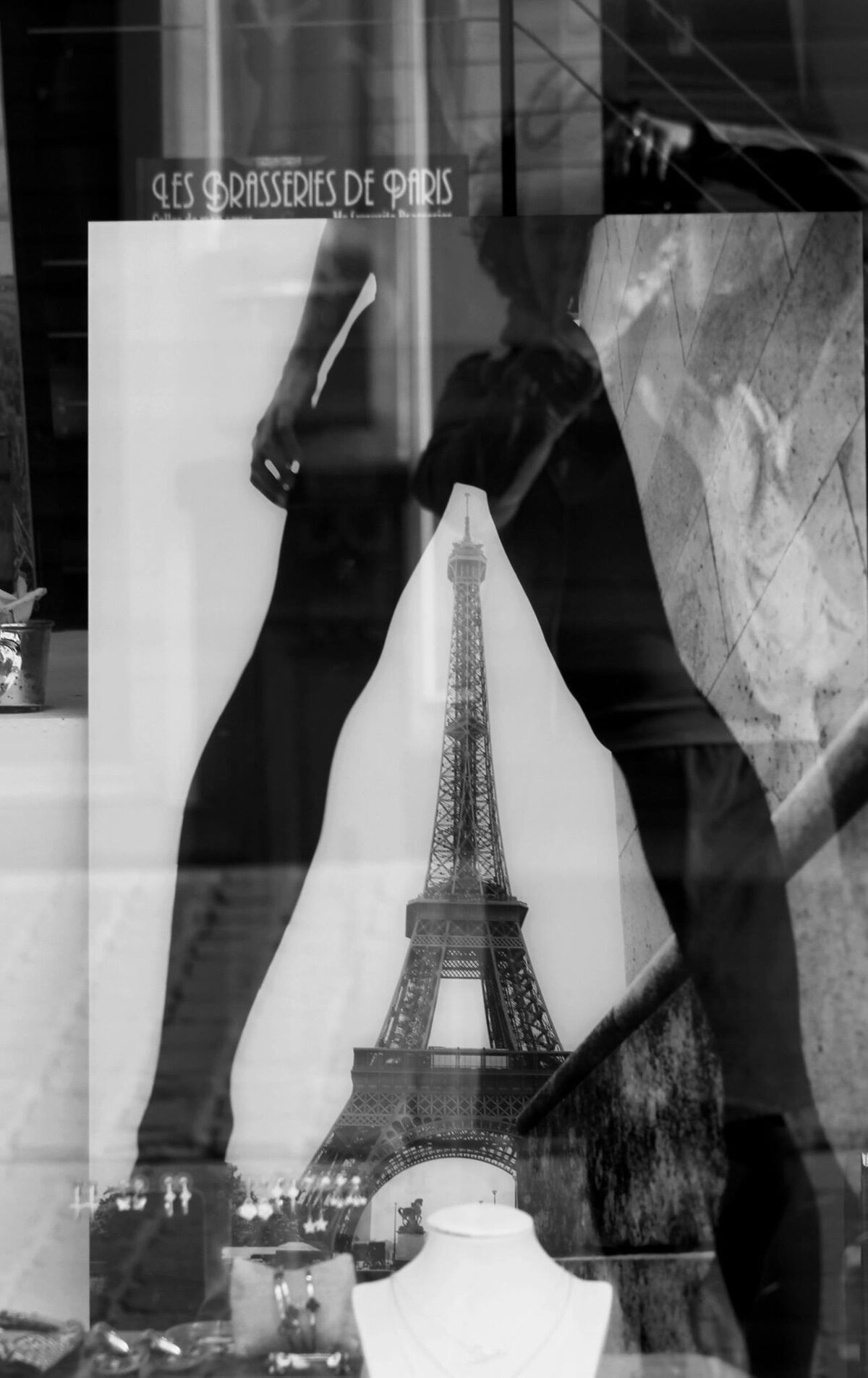
© Rozafa Shpuza, Selfportrait

© Rozafa Shpuza, Trille Vitrinash

© Rozafa Shpuza, No Smoking

© Rozafa Shpuza, Daily

© Rozafa Shpuza, The Floor F

© Rozafa Shpuza, Bike Repair
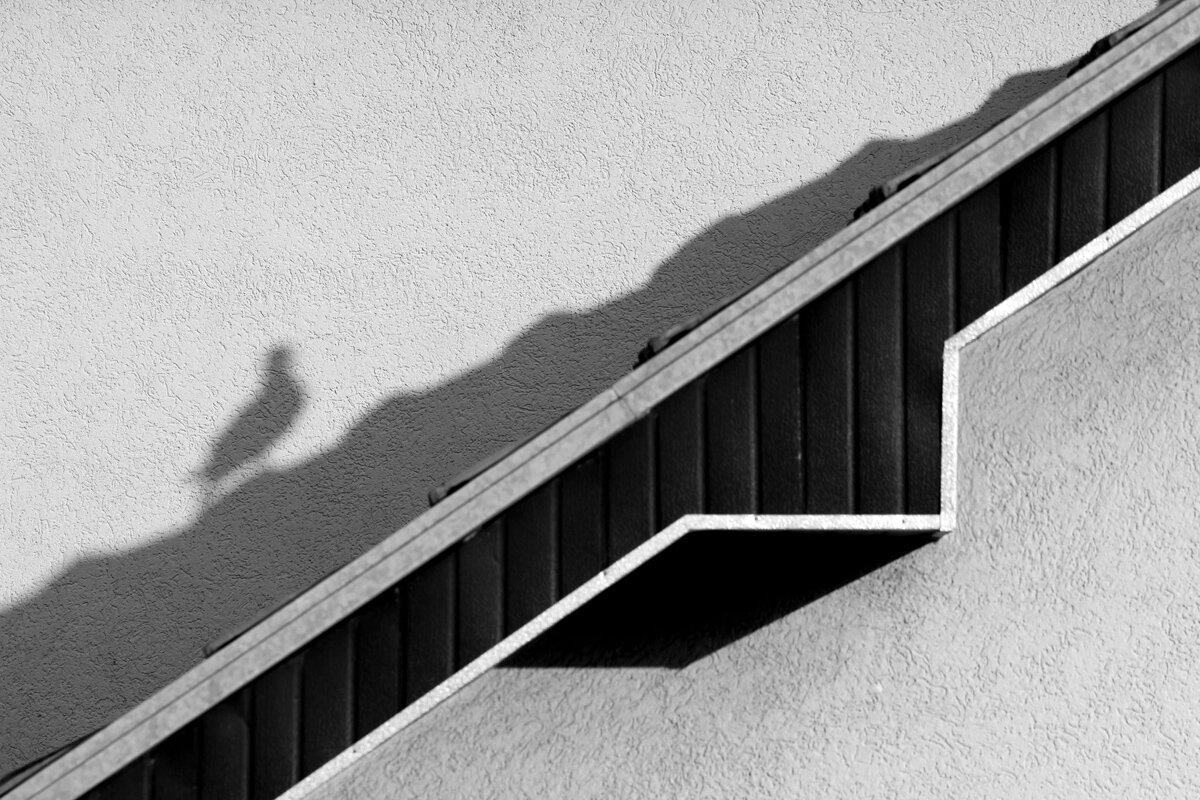
© Rozafa Shpuza, Chez Majlo, Gjilan
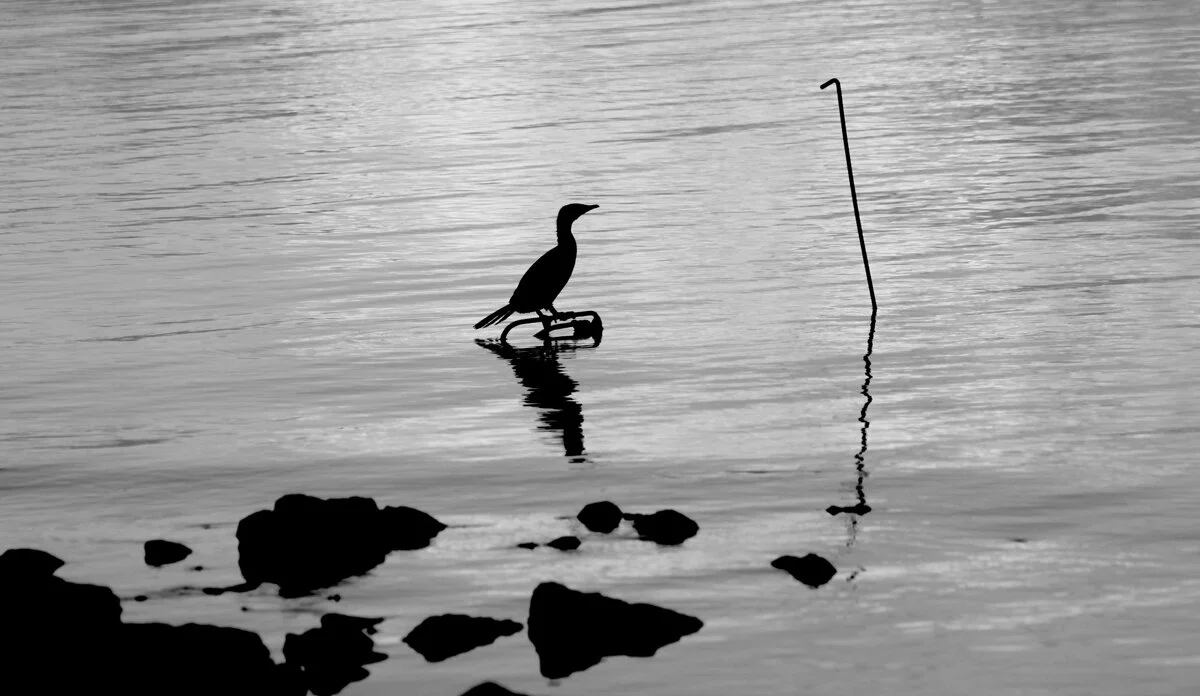
© Rozafa Shpuza, Pogradec
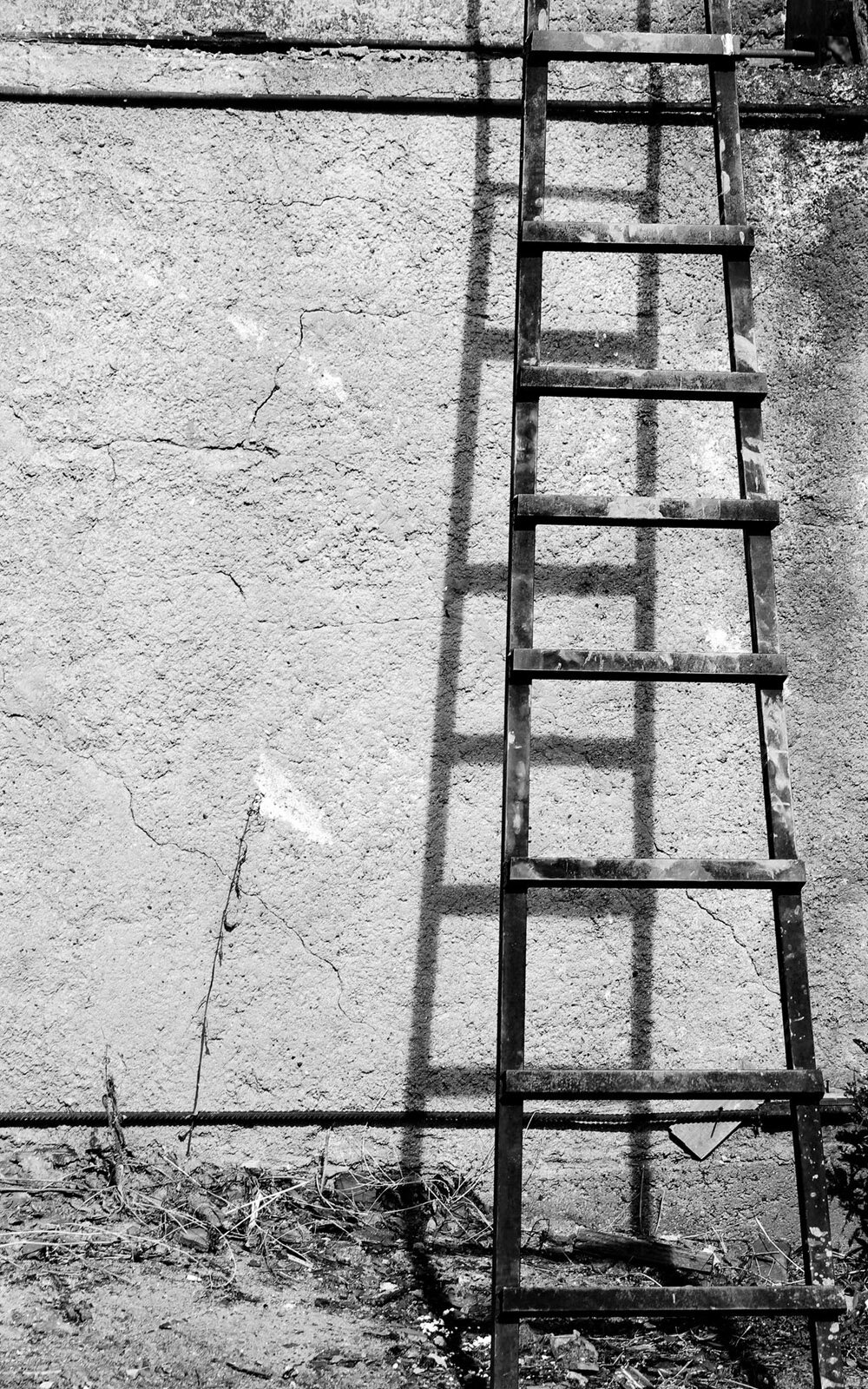
© Rozafa Shpuza, Nowhere

© Rozafa Shpuza, Communication, Koman Shkoder

© Rozafa Shpuza, Trumnajë bore

© Rozafa Shpuza, My Nowhere
Portraits of Passers-by
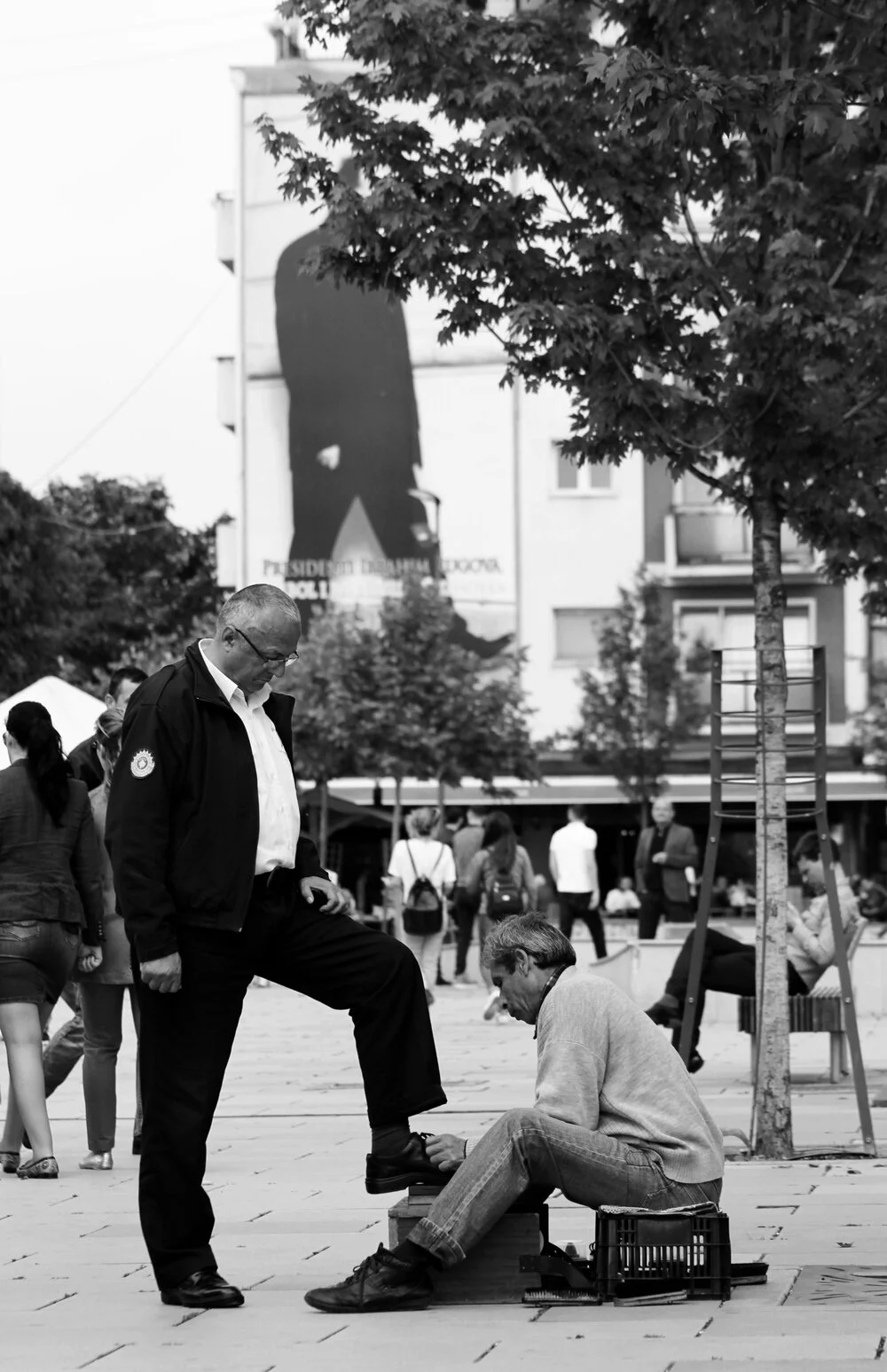
© Rozafa Shpuza,

© Rozafa Shpuza

© Rozafa Shpuza, showcase traps

© Rozafa Shpuza, Piano

© Rozafa Shpuza, Daily Time

© Rozafa Shpuza, Taxes that are forgiven

© Rozafa Shpuza, Children

© Rozafa Shpuza, Curiosity

© Rozafa Shpuza, The Walk

© Rozafa Shpuza, Icy Memories

© Rozafa Shpuza, Njomza
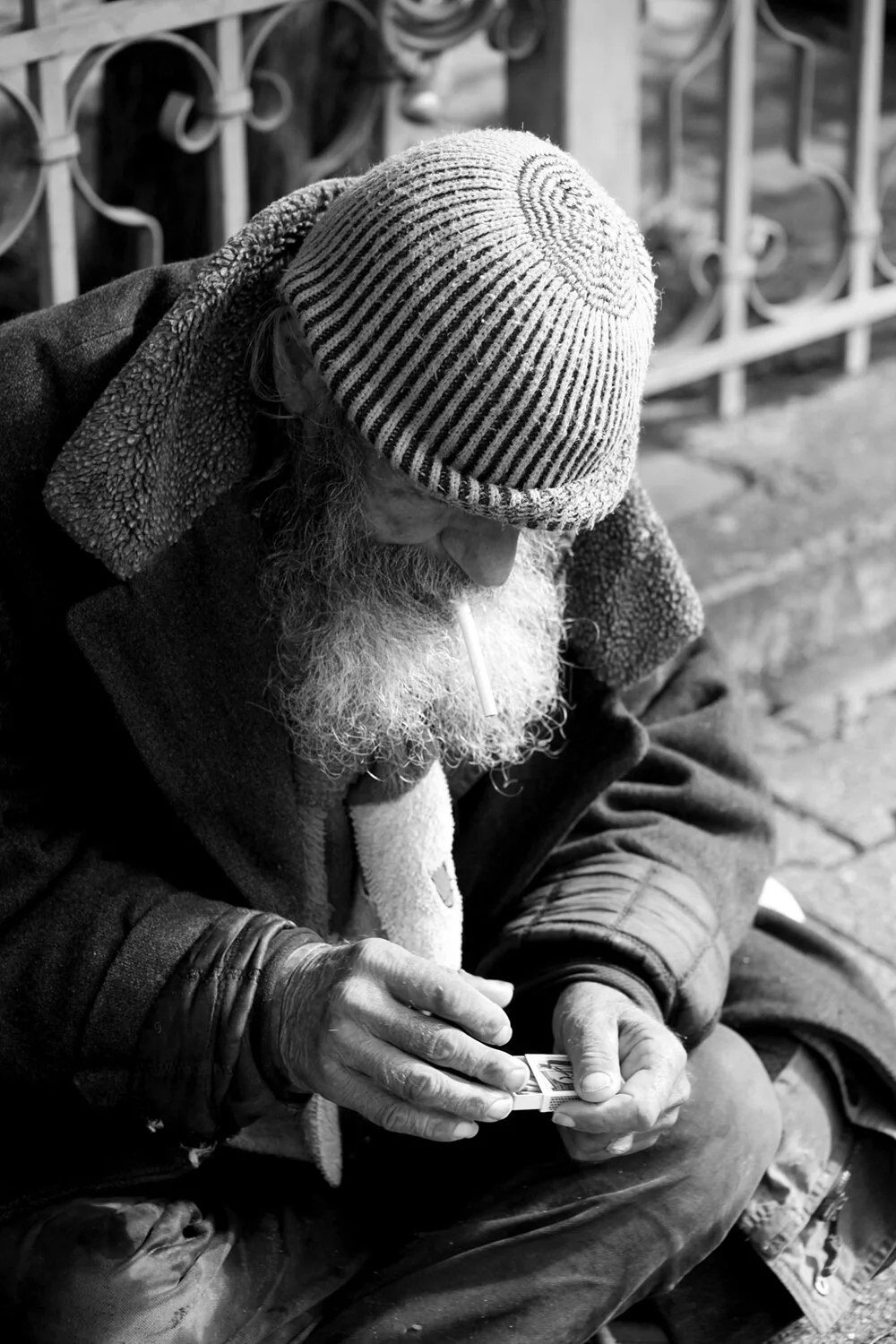
© Rozafa Shpuza, from the Series ‘Diary of an anxious season’

© Rozafa Shpuza, Time to pray, Shkodër

© Rozafa Shpuza, from the Series ‘Diary of an anxious season’

© Rozafa Shpuza, from the Series ‘Diary of an anxious season’
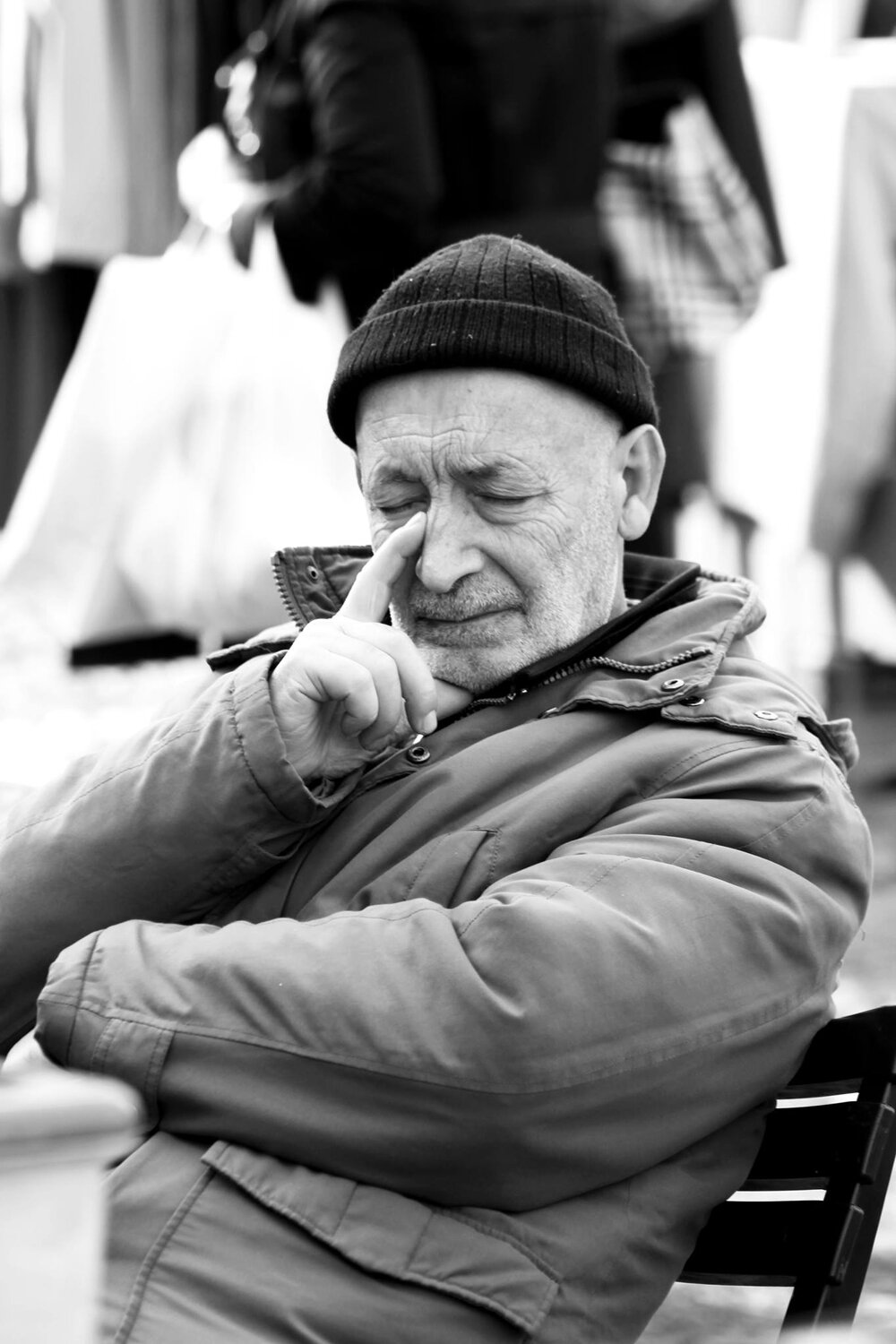
© Rozafa Shpuza

© Rozafa Shpuza, Wanderer

© Rozafa Shpuza, The Selector, from the Series ‘The Diary of an anxious season”

© Rozafa Shpuza, Lunch
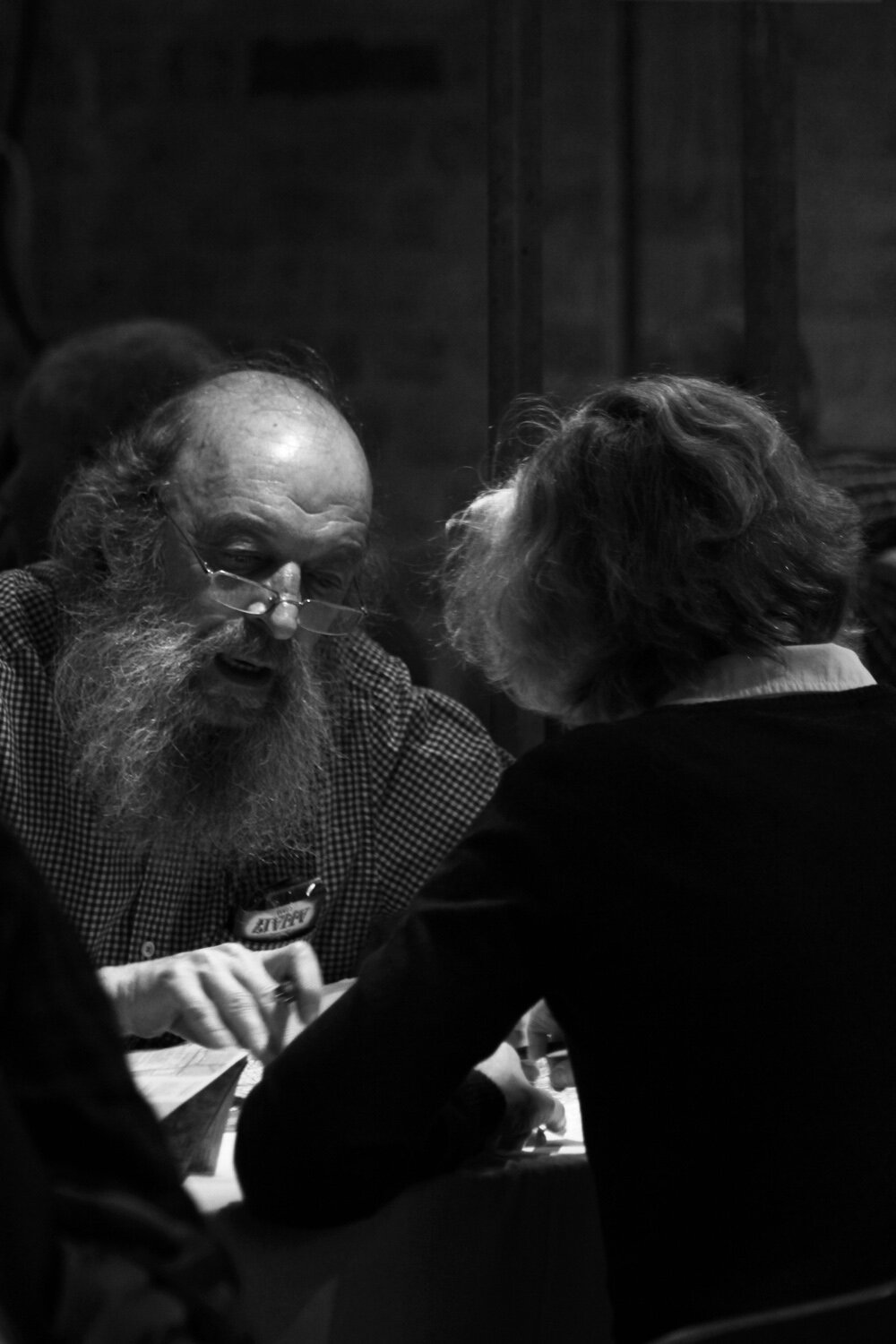
© Rozafa Shpuza

© Rozafa Shpuza, Plisa

© Rozafa Shpuza, At ‘Dugajt e Reja’, Shkodër

© Rozafa Shpuza, the Neighbor
Color Photography

© Rozafa Shpuza, Salty twilight

© Rozafa Shpuza, Communication
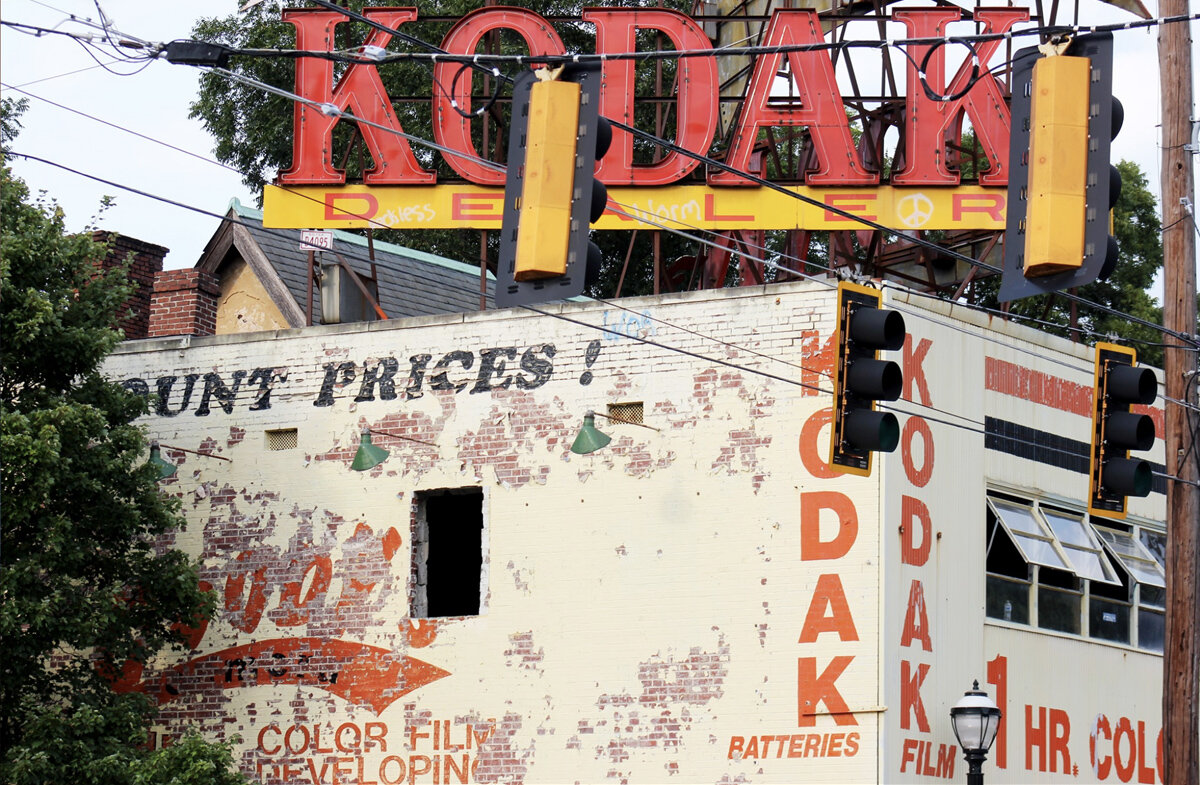
© Rozafa Shpuza, Once Upon a Time
You can see more of Rozafa Shpuza photos, in her social media, Facebook, Instagram and Galleria Oda.

"Big cities in my eyes" - photography Meti Spahiu (English)
At TATÌ SPACE we are opening a new series of blogposts on Albanian emerging photographers in the field of Architectural Photography. Meti Spahiu is a recent graduate architect at the Technical Faculty of Vienna (TU WIEN), who pursues the passion of Architectural Photography. The subject of his photograph are the residential and commercial buildings in Vienna and other European cities.
At TATÌ SPACE we are opening a new series of blogposts on Albanian emerging photographers in the field of Architectural Photography. Meti Spahiu is a recent graduate architect at the Technical Faculty of Vienna (TU WIEN), who pursues the passion of Architectural Photography. The subject of his photographs are the residential and commercial buildings in Vienna and other European cities. Born in Kamenica, Kosovo, where he lived until the age of 25, Meti moved to study and live in Vienna, Austria. He sees his journey in architecture closely linked to photography. His black and white photographs express the verticality and horizontality in architecture, reinforcing the aesthetic of the building. As he says, “The idea of my photographs is to bring beautiful images, to draw the public's attention to the aesthetics of the objects photographed. I would like people who pass every day carelessly near a building to discover the beauty of its architecture when they see the photograph. "For me, photography is a field that will never disappoint and that will go hand in hand with the profession of architect."

City gate Aderklaaerstrasse - Vienna, © Meti Spahiu

Fernheizwerk Arsenal - Vienna, © Meti Spahiu

Harry SeidlerTurm - Vienna, © Meti Spahiu

JanisJoplin Promenade - Vienna, © Meti Spahiu

Leonard-Bernstein-Strasse - Vienna, © Meti Spahiu

Maintrain Station -Vienna, © Meti Spahiu
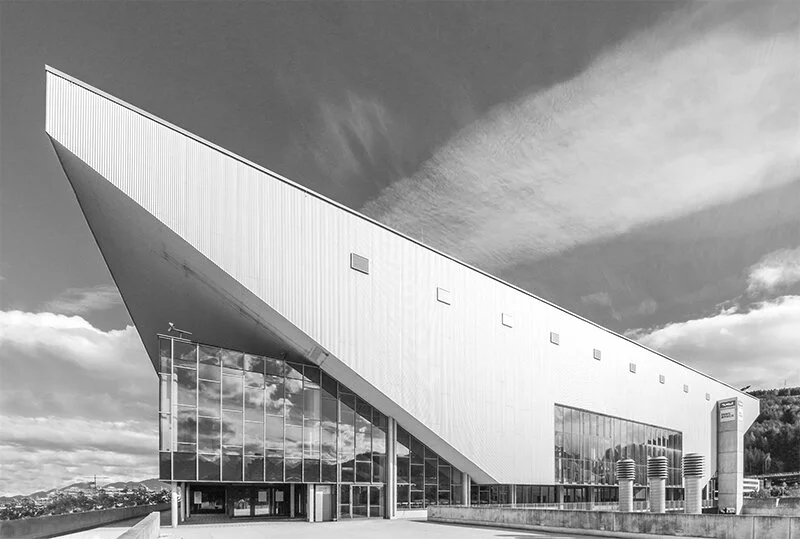
Olympiahalle 6020 Innsbruck, © Meti Spahiu

Strasse der Wiener Wirtschaft - Vienna, © Meti Spahiu

The stairs school “Eusebio da Guarda”, © Meti Spahiu

Via Dell’annunciata Milano, © Meti Spahiu