
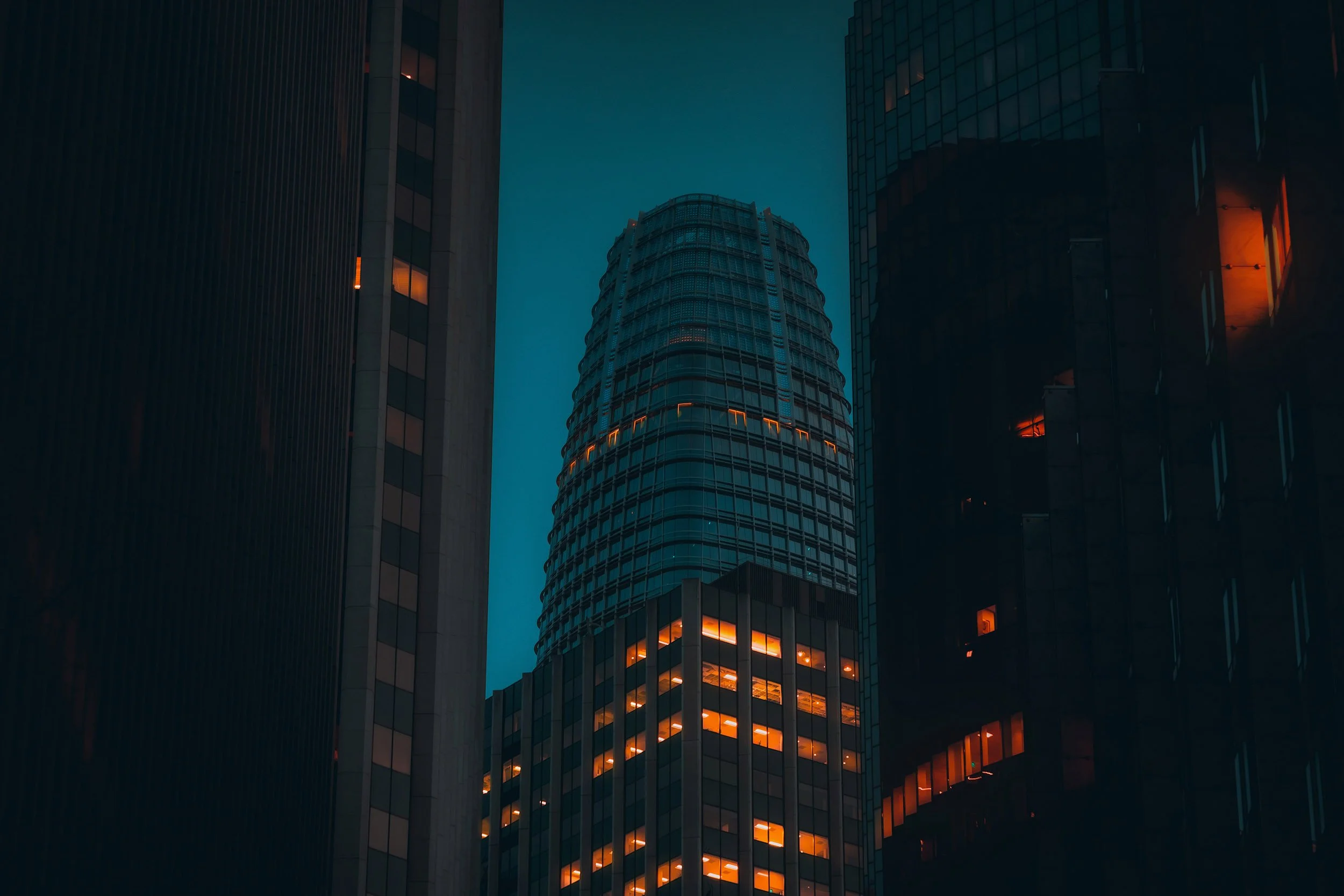
Photography Exhibition THE CITY IN SUMMER (6-th Edition)
Category Photo Series, “THE CITY IN SUMMER” Online Photography Exhibitions 6th edition, at Tati Space Photography Center
CATEGORY 1: PHOTO SERIES
Author: Słavek Pytraczyk
Country: Canada
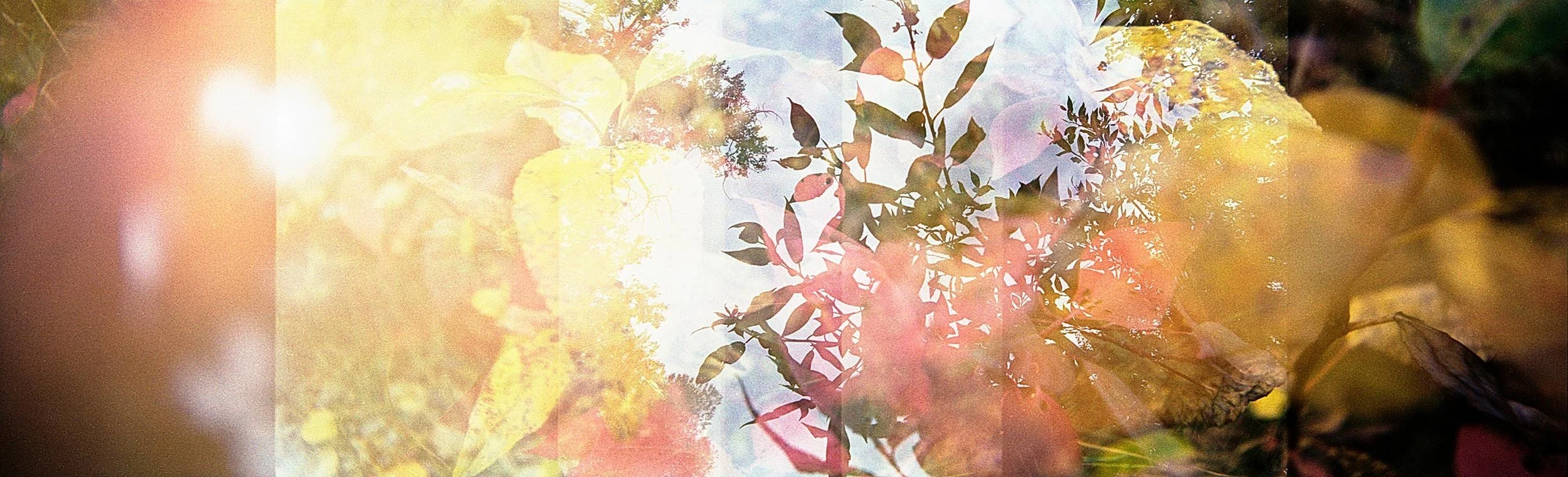
Title 1: Backyard Fields
Title 2: In the Thistles
Title 3: Summer Sky
Title 4: Temporary Seasons
Place: Saskatchewan, Canada
Description: Included I have chosen four images, as they are all part of a series of photographs. Each photo is shot on 35mm film using the multiple exposure technique. During this session, I attempted to capture a season in a state of change. All seasons are temporary, they come and go with time. I walked around a small city where my parents now live in Saskatchewan, Canada. I tried not to capture THE scene, but something OF the scene, something that stands in for the whole. Using out of focus and multiple exposures, I hope to capture an image that captures a sense of time, a specific sensibility that the viewer themselves puts forth into each image.
Website: www.slavekpytraczyk.com
Instagram: https://www.instagram.com/slavek_pytraczyk/



Author: Polina Schneider
Country: Germany
Title: Bench, Mensch
Place: Hannover, Germany
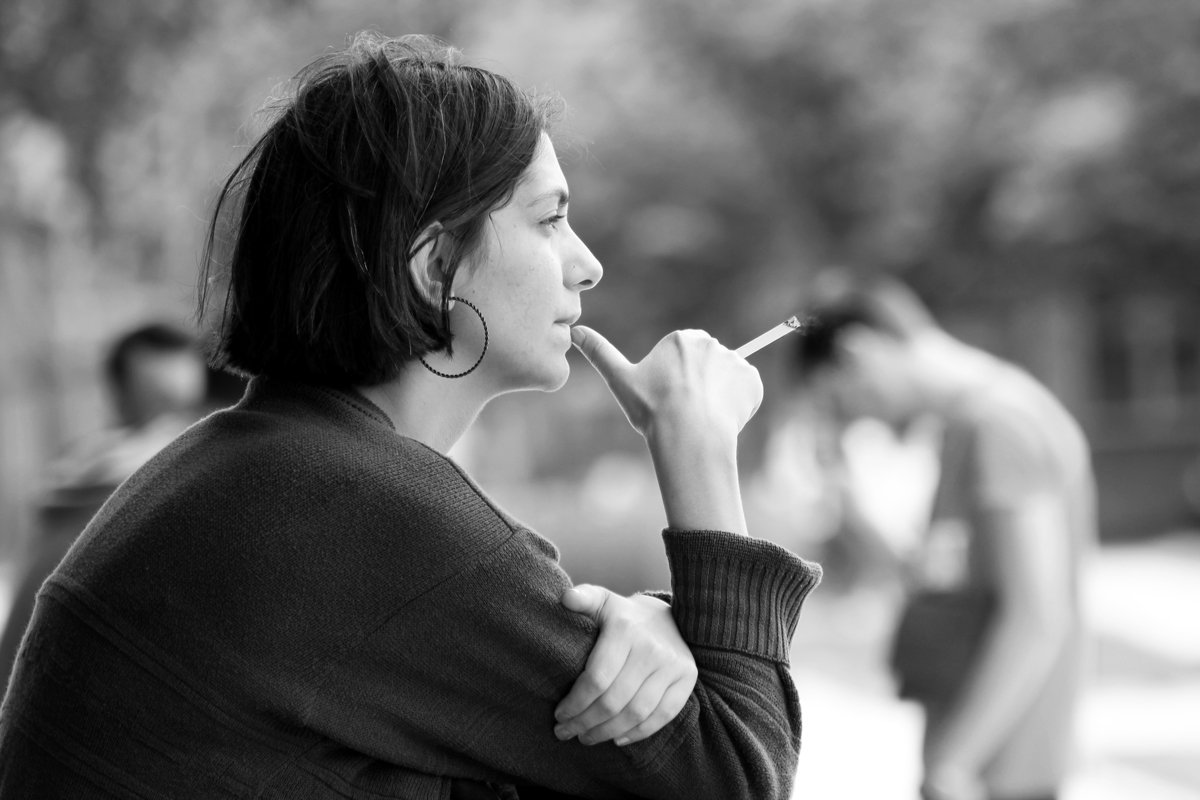
Description: This photo series was taken during the first Corona lockdown period in Hanover between March and June 2020. During this time I often looked out the living room window and had observed that the bench across the street quickly transformed to some center of social life of my neighborhood: Friends, acquaintances, newly in love, parents with children, children without parents - everyone met at this very bench and spent there either a few brief moments, or sometimes even a whole evening; sitting, talking, walking around in circles, putting down groceries, playing around, or simply hanging out for reading, smoking or drinking.
In June 2020, however, the bench was dismantled due to road works.
Instagram: https://www.instagram.com/polisnaps/


Author: Erdem Cerit
Country: Netherlands.
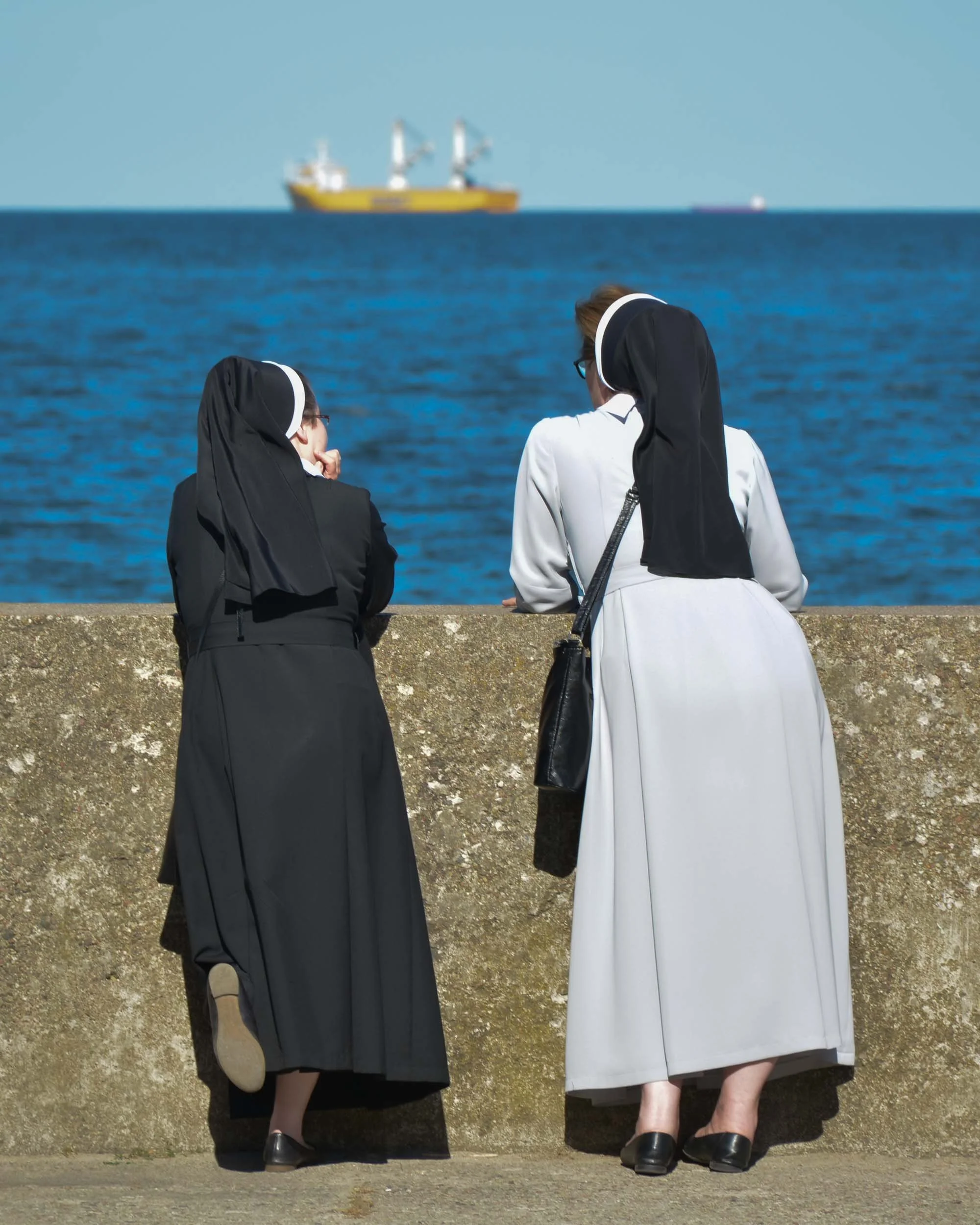
Title of series ''Everyone enjoys the sun in their own way''.
Photo 1: ''A Short Break'', Poland
Photo 2: ''Among the Bushes'' Netherlands
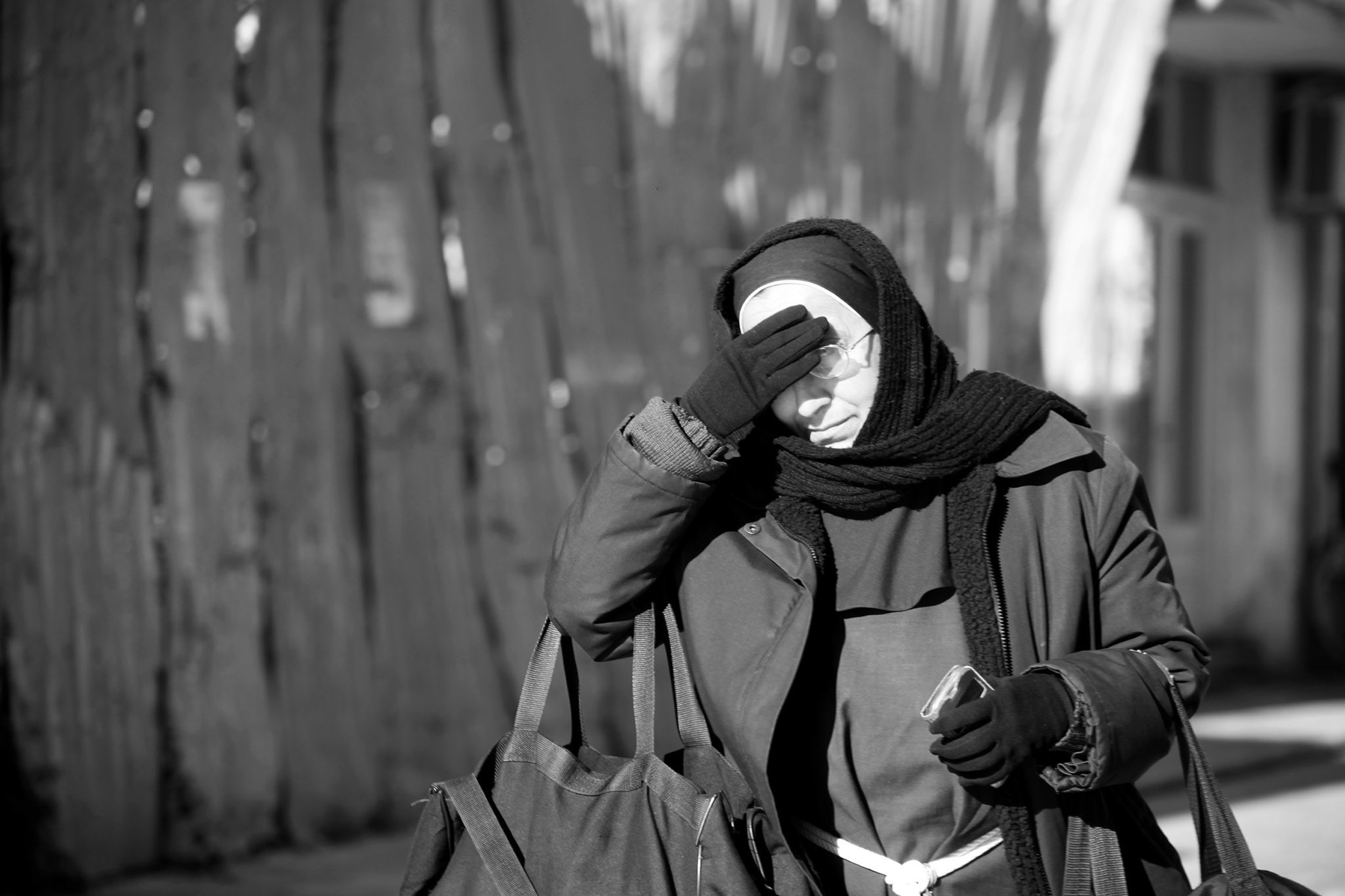
Photo 3: ''Nuns'' Poland
Photo 4: ''Sun Brings Happiness'' Germany
Website: www.erdemcerit.com



Author: Andrew Hendrick
Country: USA
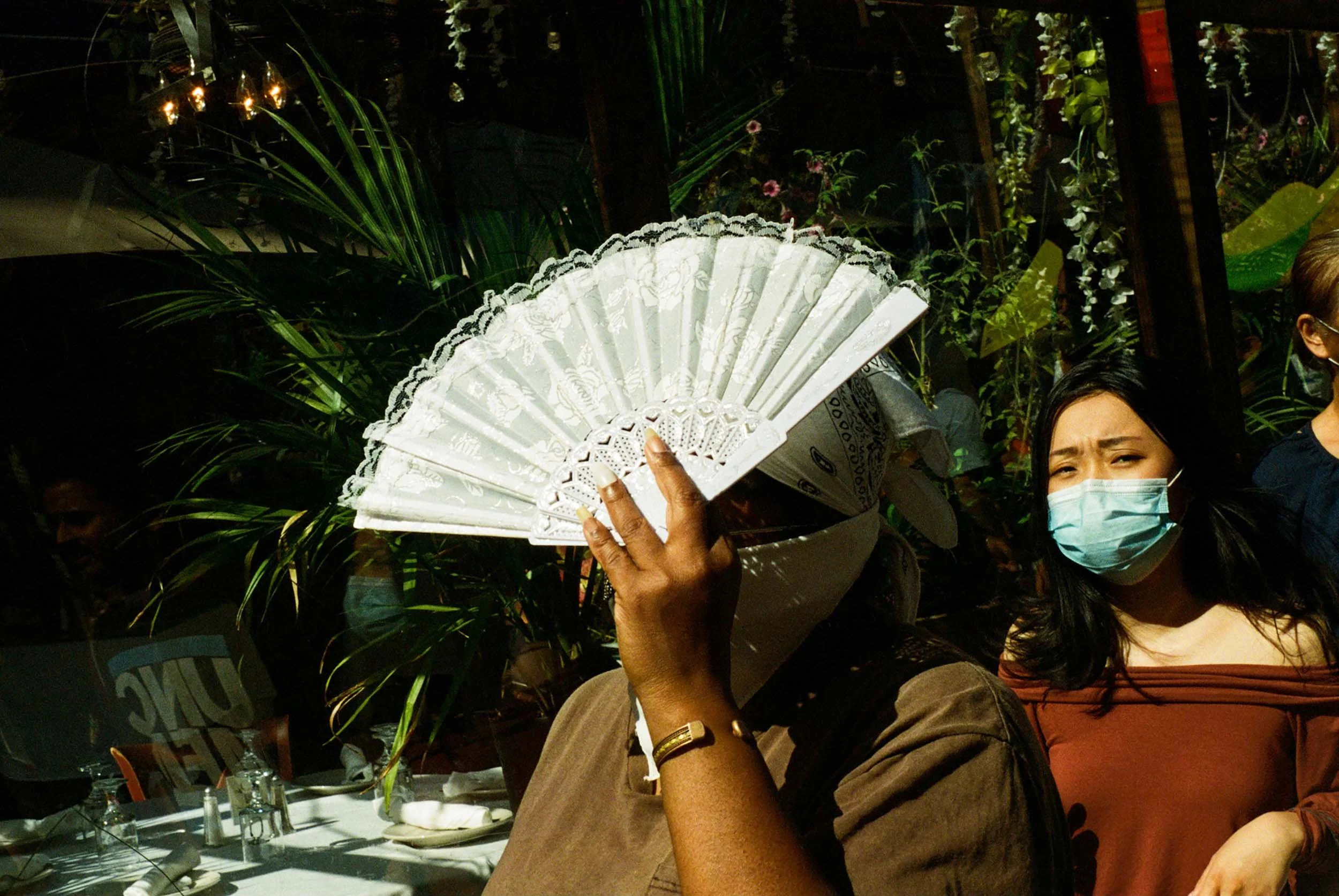
Title of series: Beat the Heat
Place: New York City
Description: Taken in various locations around the city this series depicts New Yorkers trying to find refuge from the heat.
Instagram: https://www.instagram.com/scenebydrew/



Author: Ana Maria Prelipcean
Country: Romania.
Title: Cuba
Description: Over the last years I've been wondering the streets trying to capture the vibe of different cities in the world. I loved Cuba for its colors and textures and each photo had the intention to transmit the emotions I felt in that country, seeing the people and smelling the cities.
Links of the author:
Instagram: https://www.instagram.com/anne_de_beauvoir/


Author: Nurlan Tahirli
Country: Azerbaijan
Title of series: Invisible City
Place:
Description:
Website: http://www.tahirli.net
Instagram: https://www.instagram.com/nurlan_tahirli/


Author: Trever Tachis
Country: California USA
Title of series: Cityscapes
Place: San Francisco
Description:
Website: www.trevertachisphotography.com


Author: Darnia Hobson
Country: New Zealand
Title: “Chain series”
Place: Christchurch, New Zealand
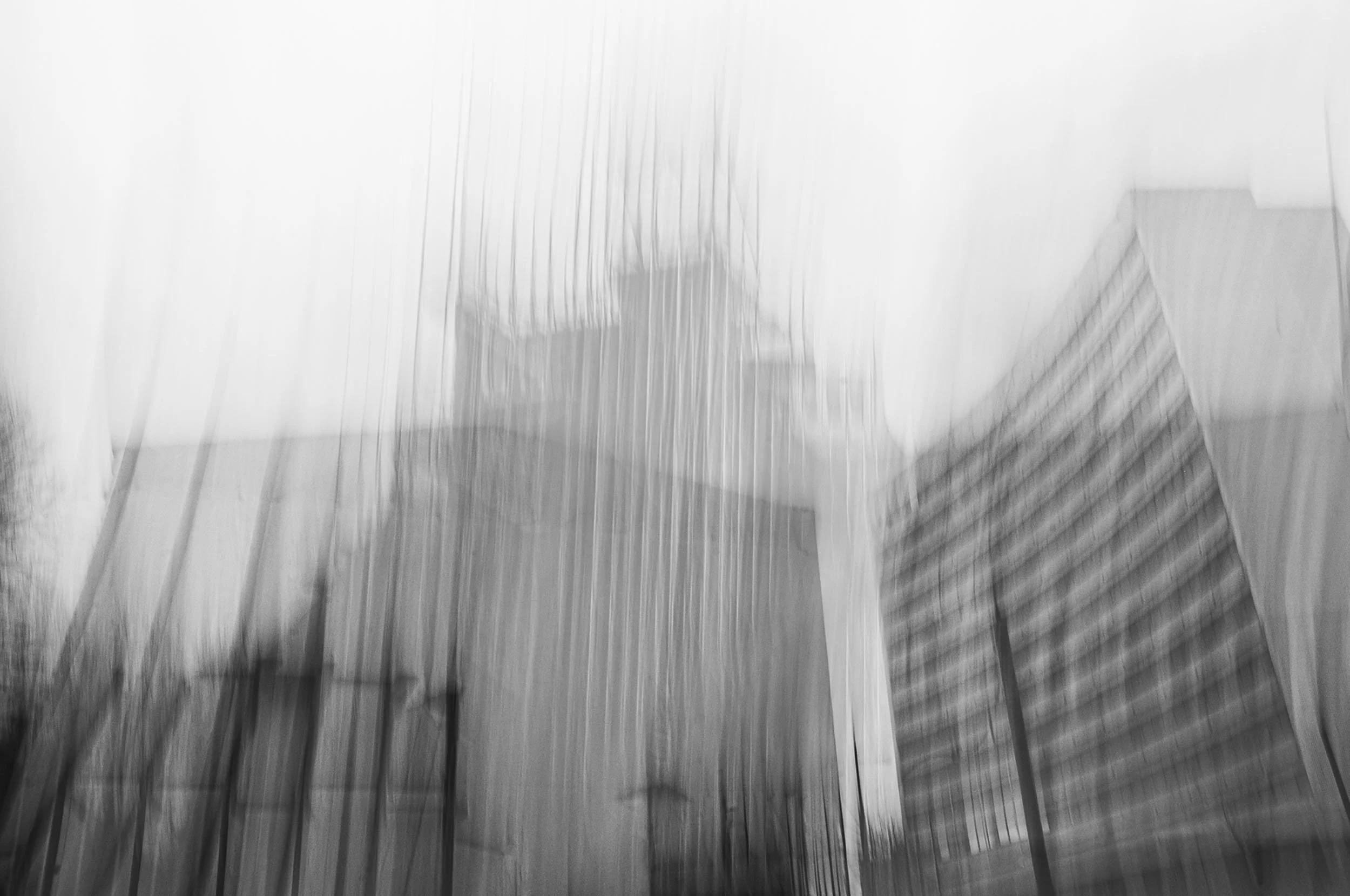
Description: Chain is a series of double exposed icm images of architecture taken on a city walk. The motion echoes the strong summer winds and the movement through the streets. I considered the spaces around the buildings, rather than focusing on the structures themselves using the available light to model the images.
Instagram. https://www.instagram.com/darnia.hobson/


Author: Andi Papastefani
Country: Albania
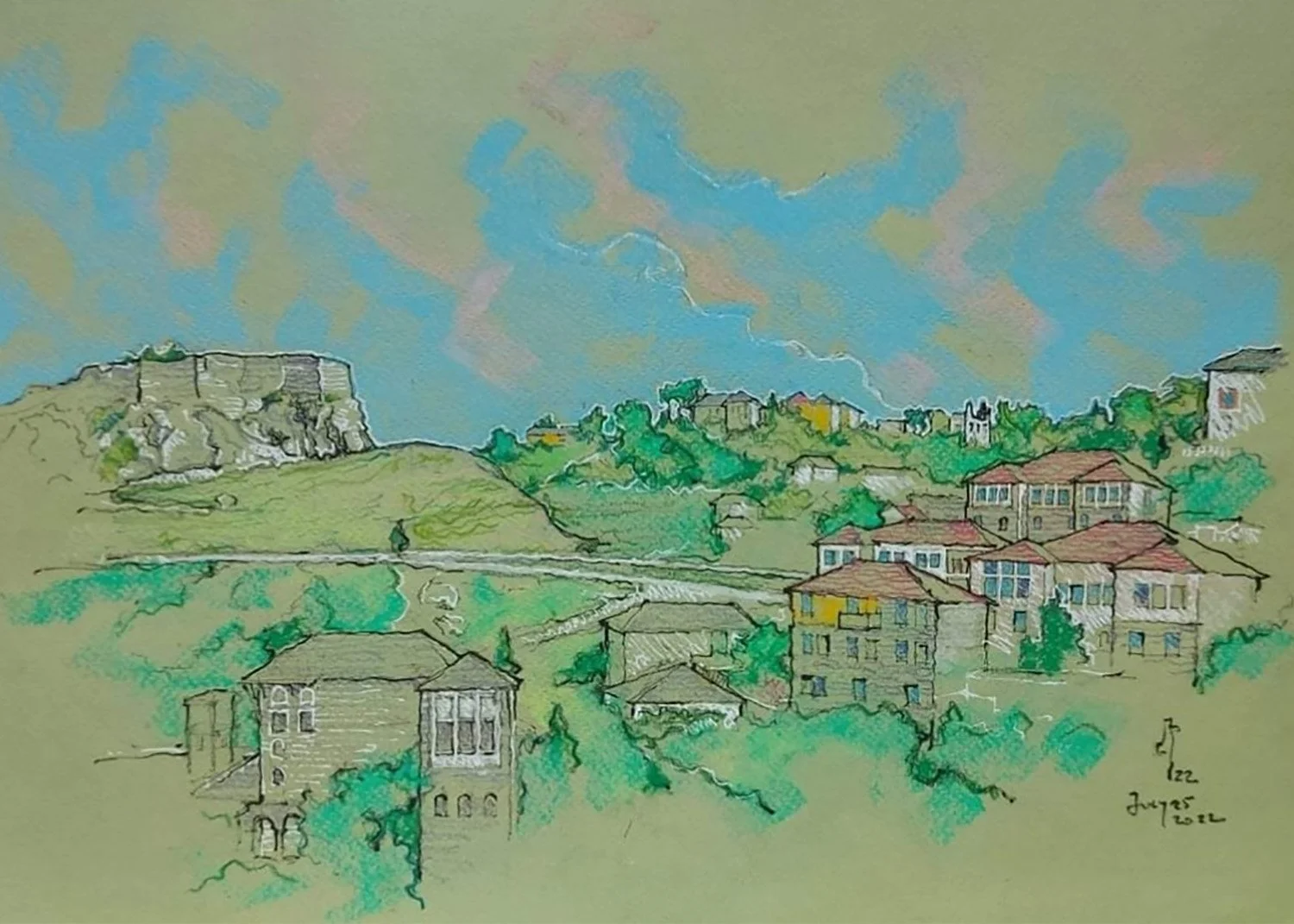
Description: Andi Papastefani is an architect and urban sketcher. He is author of “Tirana -100 years capital” and “In Berat -walking and sketching”. For this exhibition, I’ve asked Andi how he uses photography in his creative process of urban sketching.
“Drawing and Photography have similarities and also differences. The name of Photography- drawing with light - make it clear the similarities between two arts that even use the same rules of composition. Both are important for recording purposes. The difference lay in the age of these arts; Drawing is almost old as the humanity, instead, Photography is only near 150 years old. For me Photography is impulsive, instead Drawing is meditative. Photography for me represents the object with fidelity and honesty, instead, Drawing is more subjective, I can express what I think is the essence of the object, and I can let unfinished or even out parts of it. When you have to engage in both, it is important to evaluate which of these arts can represent the object better, or which gives the idea of the composition clearer for the audience. In the end both they show the spirit of the artist.”
Title 1: “Lin”, Albania
Title 2: “Gjirokastra”, Albania


Author: Nicolas Vazquez Reyes
Country: USA
Title of Series: "City of Stars"
This series contains 4 polaroids taken from my SX-70 Land Camera documenting my trip to Los Angeles, California.
Photo 1: "Sharing the Sunset" depicts our last night on the West Coast, and with the sun quickly setting, everyone pulled out their cameras to capture the moment.
Photo 2: "California Sun” you can see the blinding light illuminating the sea and sky, creating a wide array of warm and cold colors.
Photo 3: "Red Flowers" contains a beautiful bombardment of a red flower bed resting at the base of the cliffside, the sun shining perfectly.
Photo 4: "City Scape" reveals to us the scale and architecture of downtown LA, all in a perfect grid and symmetrical, but still full of life and light, much like its residents.
Instagram: https://www.instagram.com/nicosphotosss/


Author: George Dodd
Country: USA
Title: Northwest Skyline, Beginning and End
Place: Seattle
Description: Seattle, Washington skyline in June and August (taken with an Autel Evo II Pro)
Instagram: https://beauimages.myportfolio.com/


Author: Nefeli Charvalia
Country: Greece
Title Picture 1: Blue house
Place: Athens in 2021.
Description: As soon as I saw this old house by the sun I was moved by the harmony of the colors and the lighting in this scenery.
Title Picture 2: White house
Place: Piraeus 2021
Description: Just an old little cantine house, completely abandoned and forgotten, probably ignored by people walking past it. However it catched my eye because it has something coming from a completely different time, something completely unknown to me.
Title Picture 3:
Place: Alimos, Athens 2020
Description: An abandoned lifeguard's house. Its rusty red color creates a contrast along with the sand's warm color and the cold blue tones of the sea.
Instagram: https://www.instagram.com/nefeli_charvalia/


Author: Mayank Makhija
Country: India
Title 1: Burning Mountains
Place: New Delhi, India
Description: A man scavenges for recyclables as smoke billows from a burning garbage mound at one of the largest landfill sites, Bhalswa, on the outskirts of New Delhi, India, on June 5, 2022. Piles of untreated garbage, coupled with rising temperatures, lead to excess emissions of methane from such landfills, often resulting in blazes. The frequent fires that break out at the site are a menace to tens of thousands of people living near the landfill. The waste that catches fire releases nitrogen oxide and carbon dioxide, which cause breathing ailments for people.
Title 2: Signs of Climate Change
Place: New Delhi, India
Description: Boys walk through a partially dry riverbed in Yamuna after searching for recyclable materials on a hot summer day in New Delhi, India, on April 30, 2022. The Yamuna River is the longest tributary of the Ganga in India, and its water is used for a range of activities like irrigation, drinking, industries, bathing, laundry, etc. However, due to increased temperatures and heat waves during the summer, the holy river dried up to its lowest point.
Title 3: Unsustainable Development
Place: Dadri, Uttar Pradesh, India.
Description: A scooterist passes by the coal-fired thermal power plant of the National Thermal Power Corporation (NTPC) at Dadri in Gautam Budh Nagar district, Uttar Pradesh, India, on May 5, 2022. Amid the rampant rise in power demand due to the prevailing heatwave, India is staring at its coal-based power plants, which are responsible for about 70% of India's electricity generation, resulting in carbon emissions leading to global warming.
Title 4: Water: A Daily Struggle
Place: New Delhi, India
Description: A woman carries her containers filled with water from a municipal water tanker to a slum area amid a shortage of water in New Delhi, India, on March 22, 2022. Delhi faces a huge water crisis due to low levels in the river Yamuna during peak summers. Around 70% of the water supply relies on Yamuna and the canals stemming from it, which reached their lowest levels amid an unprecedented heatwave this year.
About the project:
India experienced an unprecedented heatwave this year, with the hottest March ever recorded. As temperatures regularly soared past 45°C in the northern parts of India, the country’s wheat-producing regions' crops wilted in the fields. Piles of untreated garbage, coupled with rising temperatures, lead to excess emissions of methane from landfills, often resulting in blazes, which in turn lead to a worsening of the air quality across the national capital region.
According to the World Bank, heat waves in India could soon break the human survivability limit. 380 million people (75% of the workforce) depend on heat-exposed labour, contributing to nearly half of the country’s gross domestic product. Climate scientists say the prolonged heatwave is undoubtedly the result of global warming and climate change around the globe.
Bio: Mayank Makhija is an independent photojournalist based in New Delhi, working on reportage, human rights, social, and environmental issues across India. His editorial work has been published in the NYTimes, TIME, The Guardian, BBC News, Le Monde, NPR, CNN, Deutsche Welle, and Caravan, among others.
Instagram| https://www.instagram.com/_mayankmakhija/


Author: Maghsoud Moradi
Country: Iran
Title 1: Kepez
Title 2: Sabalan
Place: Iran Ardabil
Instagram: https://www.instagram.com/pix_world/


OTHER CATEGORY: SINGLE SHOT

Leonard Qylafi
Leonard Qylafi (b. 1980) is an Albanian visual artist, whose practice explores several mediums such as photography, painting, video and music, where the theme of the City and its Architecture occupies a certain role. The Photography and Video Projects that reflect on the transformation of urban spaces are (real) ESTATE, Estate, Whispers & Shadows, Solo Show.
Leonard Qylafi (b. 1980) is an Albanian visual artist, whose practice explores several mediums such as photography, painting, video and music, where the theme of the City and its Architecture occupies a certain role. The Photography and Video Projects that reflect on the transformation of urban spaces are (real) ESTATE, Estate, Whispers & Shadows, Solo Show. Deeply linked with personal experience, Leonardi's artworks are a process of research and meditation between subjects and mediums. Since his graduation from the Academy of Fine Arts in Tirana, the Atelie of Painting 2003, Leonard Qylafi has been present in the local and international art scene. During the last years his works have been shown in several galleries and international events, such as: Centre de création contemporane, Olivier Debré, Tours-France (2021); Belvedere 21 Vienna, Austria (2019); NiMAC Cyprus (2018); National Gallery Tirana, Albania (2017); MuCEM, Marseilles, Izolyatsia, Kiev in (2016); The 55th October Salon, Belgrade (2014); Künstlerhaus Bethanien, Berlin and Kunst Raum Riehen Basel/Switzerland (2012); MODEM Centre for Modern and Contemporary Arts, Debrecen, Hungary (2011); TICAB-Tirana International Biennial of Contemporary Art, Bjcm- XIII Biennal of young artists from Europe and Mediterranean, Puglia, Italy and ISCP- New York /USA in (2009) among other places. His work is published internationally and is collected by; The Albanian National Gallery of Art, MuCEM- Musée des Civilisations de l'Europe et de la Méditerranée, Marseille; Contemporary Art museum Belvedere 21, Vienna, video collection and several private collections. In 2017, Leonard Qylafi represented Albania in the 57th edition of the Venice Biennale, with the multidisciplinary project "Occcurrence in the Present Tense" curated by Vanessa Joan Müller. I am very pleased that Leonardi accepted to be interviewed for Tatì Space and talk about his projects in regarding Architecture and Urban Photography.
Alketa Misja for Tatì Space: Hello Leonard. You are a visual artist who explores several mediums, among them Photography and Video. What is the place Photography occupy in your artistic practice? How did you become interested in Urban and Architecture Photography?
Leonard Qylafi: My interest in photography came when I was studying at the Academy of Arts, in the painting atelie. Until then I had an art school education, focusing on drawing and painting. Photography was new to me and took time to master technically and use as a medium for special projects. What I can say is that it has had a huge impact on my practice as an artist either directly or indirectly and remains present in my work. Mainly, special projects that I have realized in photography have always been solutions started from a conceptual approach. In the case of urban photography, it has naturally been part of projects that focuse on urban transformations.
Tatì Space: What is your approach, in respect to Architecture and Urban Photography? You have several projects about the new construction in a rapidly growing city like Tirana. What is the idea, the concept behind these works?
Leonard Qylafi: I have been dealing with urban photography mainly in function of the artistic projects that I have developed. Around 2007-2011, urban space has taken an important place in my projects. The (Real) Estate and Estate projects are based entirely on photography, even though Estate is a photo animation turned into a video. Other projects always with the same theme have been in the form of videos such as Private Show or Whispers&Shadows. In each of them, a special aspect of the relationship we have with the space we live in is addressed, and in particular the idea of change and memory in relation to what we call Polis or city, as a complex entity and an expression of the culture and worldview of human society.
Tatì Space: How do you see the artistic scene in Albania in relation to Urban Photography? (if you can share an opinion). The photo can provoke a thought or nurture a discussion about city's problems. In this sense, what advice can you give to young photographers who want to explore urban and architecture photography?
Leonard Qylafi: Looking at the artistic scene in a general view, I can say that unfortunately there is a total lack of spaces, structures that are necessary for the promotion and exposure of art as a whole and of course contemporary photography. This makes it difficult to recognize and introduce new artist-photographers. The other part that makes it even more difficult, in the case of photography in particular, is its massification as a practice with the development of technology. It would be necessary to create special structures with a focus on photography. Regarding urban and architectural photography, I can say that Tirana today is a very rich subject to explore. I would suggest young photographers to see it as a unique opportunity on which to build their research either in terms of the city as a subject or architecture in particular.
Tatì Space: Thank you Leonard, We wish you all the best for your artistic plans and projects.
Below we give a summary of Leonard Qylafi's works, with regard to Urban and Architecture Photography, focused on theme of City and construction developments.
(real) ESTATE


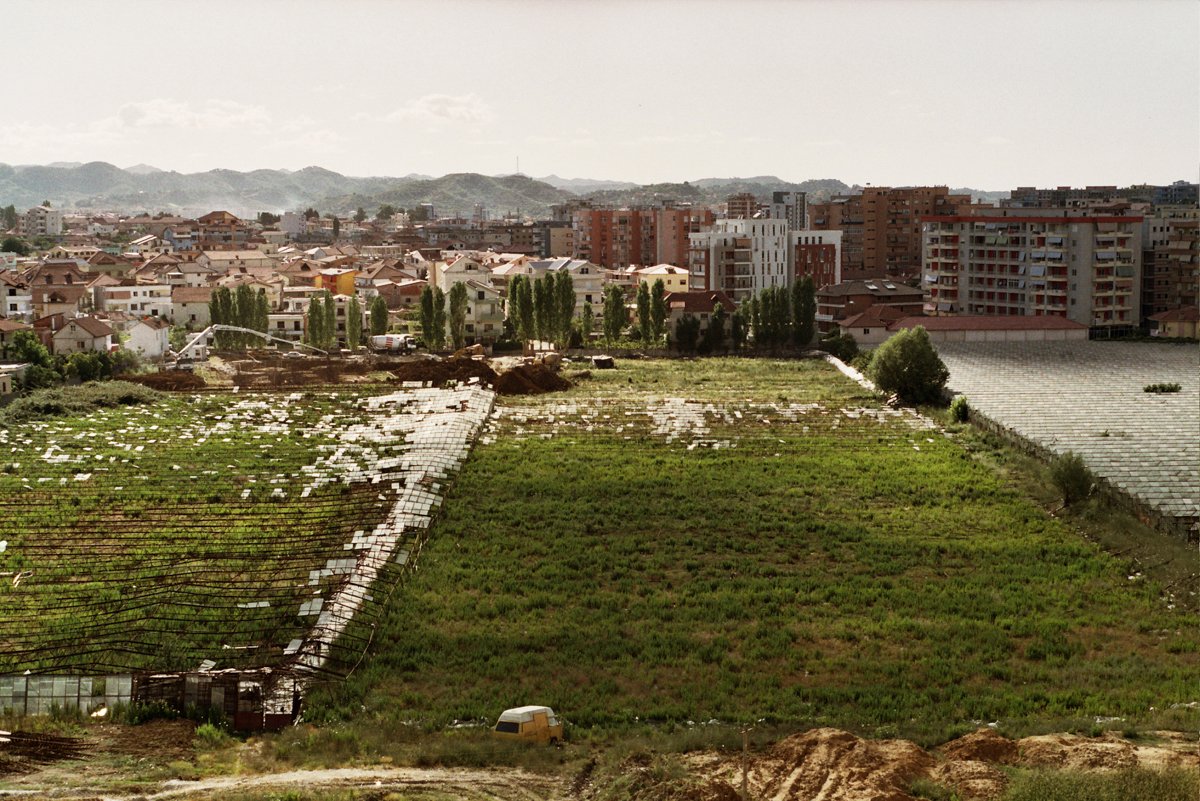
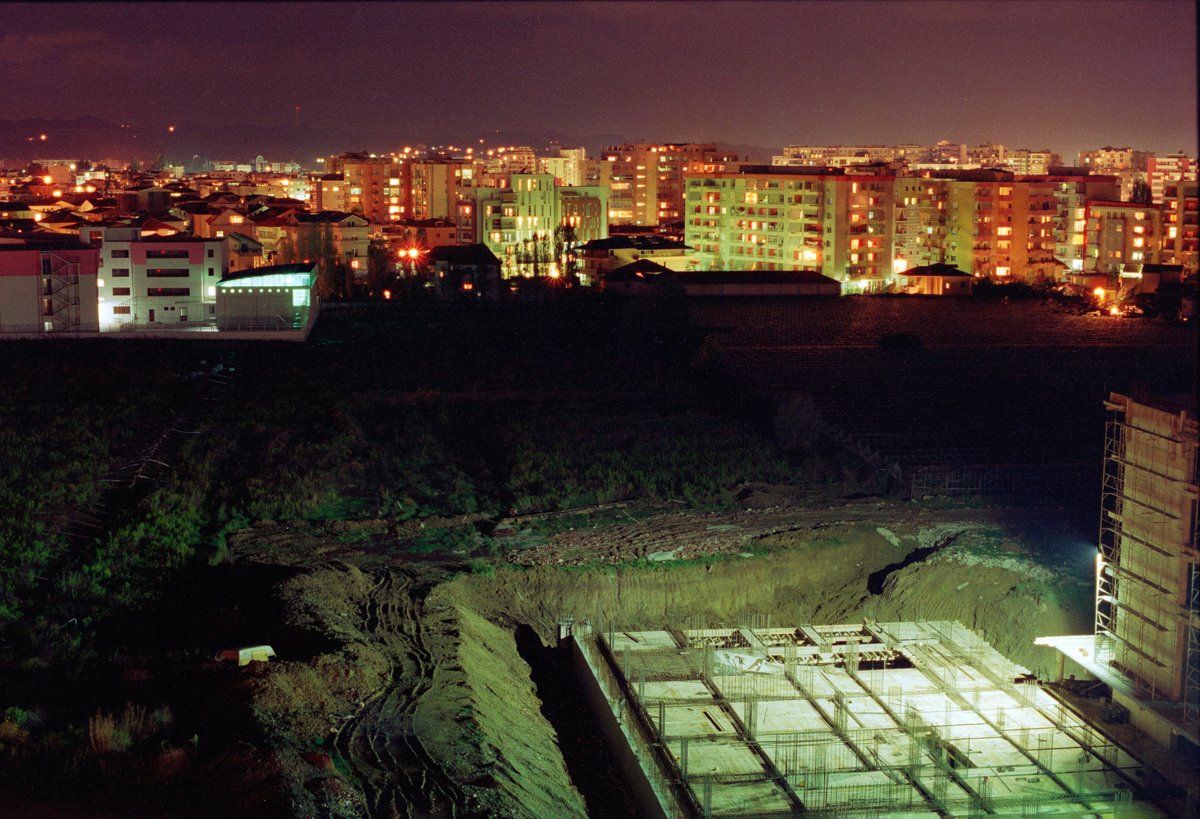
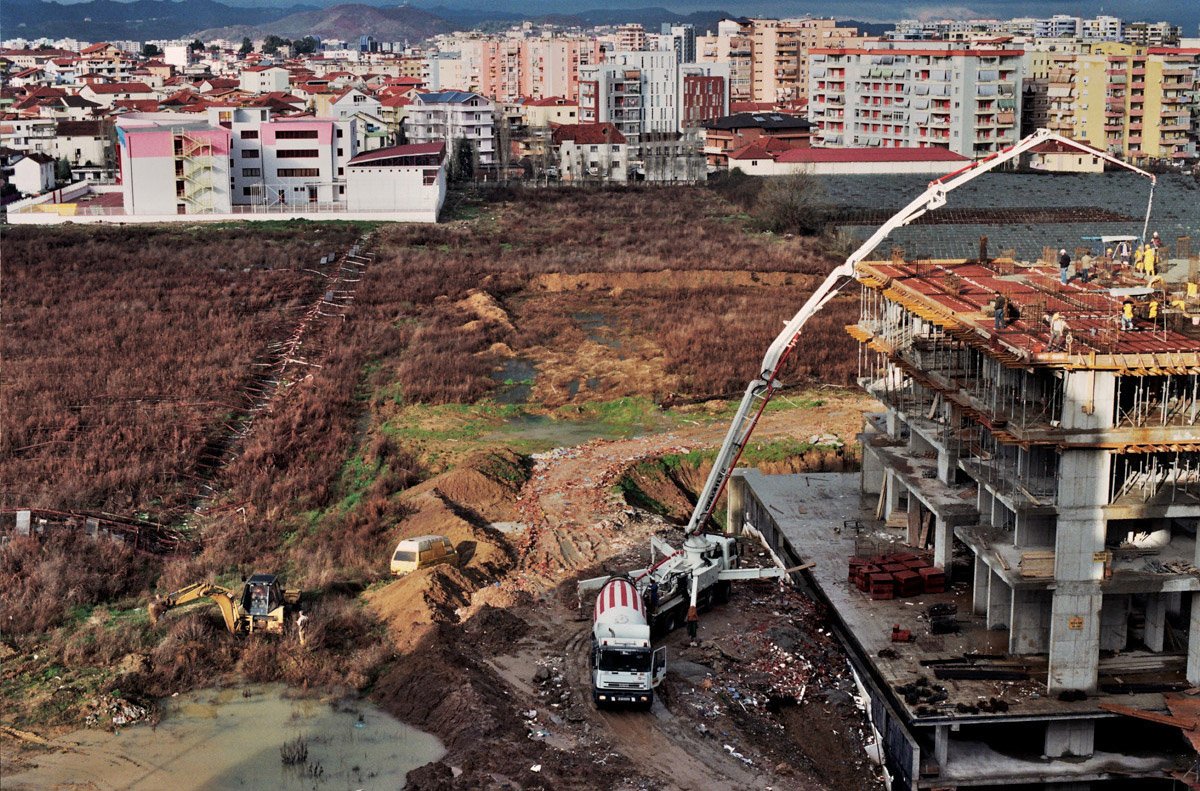
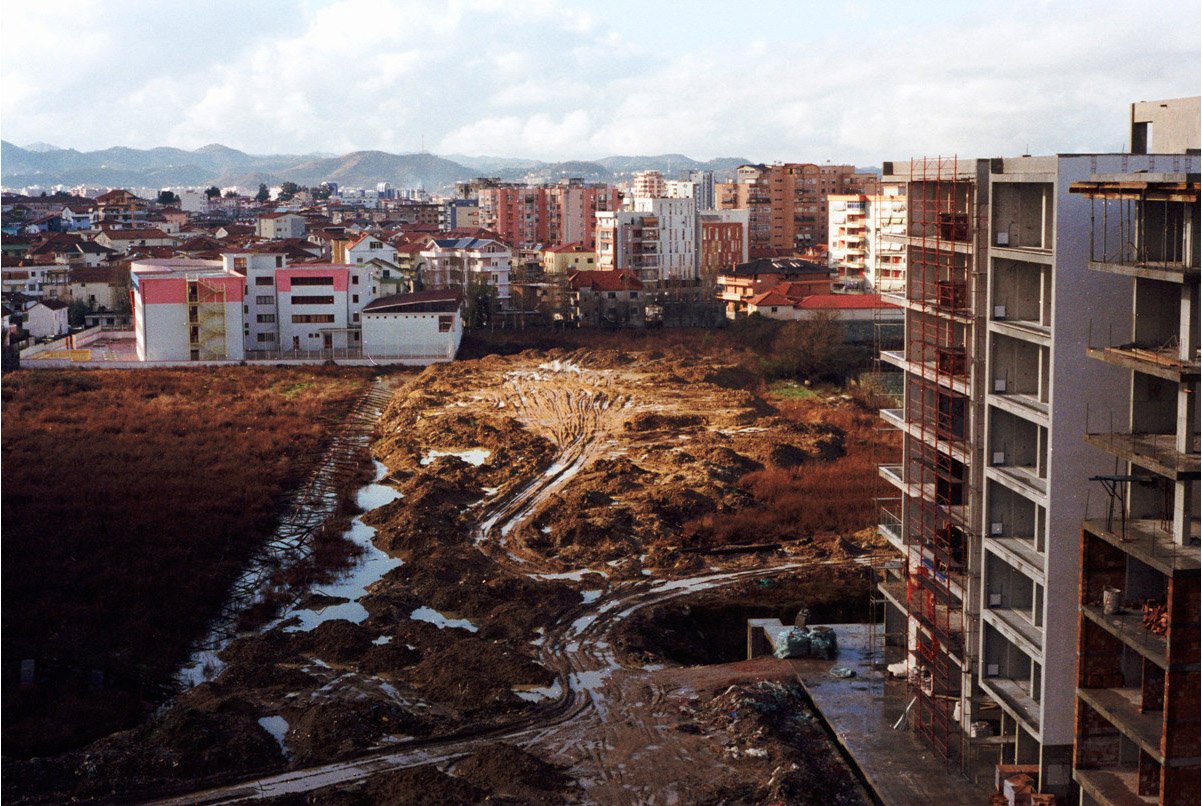
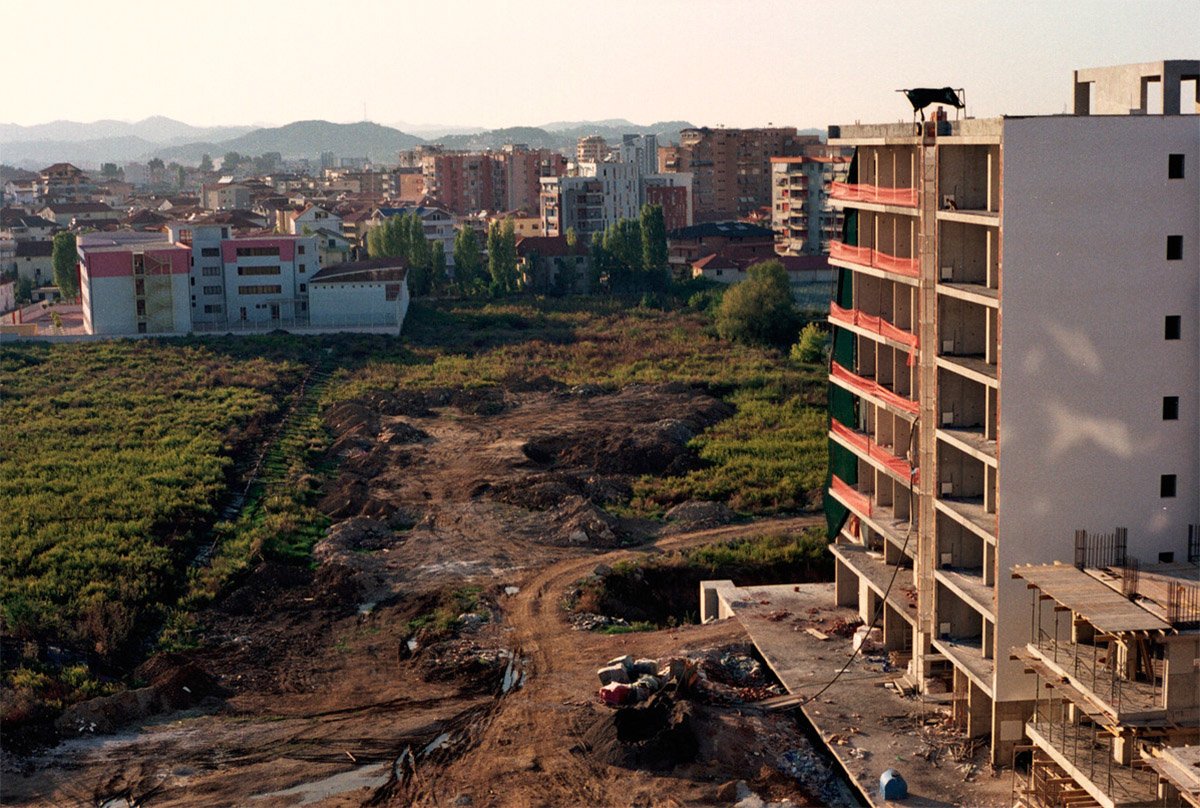
(real) ESTATE, courtesy of Leonard Qylafi
The series of photographs were developed within a three year period and together with the video works Estate and Whispers & Shadows reflect on the transformation of the urban space in Tirana. In this particular project that was the starting point of my research on this topic the documentary style of photography plays the role of the critical awarnes of how the space is transformed. How a different ecomomic and political system overlapes a previous one. The greenhouse use to exist in suburb of Tirana during the communist regime and now is in a middle of a new neighborhood . This masive transformation more than having a shocking effects rises the question of how much do we participate as people living in a city. Do we decide how this city should be shaped to fit our needs ? Unfortunately the people don't play any role but the spectator.
Whispers & Shadows / 2011 / Video installation / Standard Pal 4:3 aspect with sound / 5:24 min/sec

Fragment from the Video installation “Whispers & Shadows” / 2011 / Standard Pal 4:3 aspect with sound / 5:24 min/sec. courtesy of Leonard Qylafi
The ambiance of the site introduces the viewer with the happening; constructions machines excavating in the ground covered by the darkness of the night. Their loud noises give place to a female voice reading selected text by Aristotle’s Politics. The verses which speak about Polis and the sense of living together sound utopia in the today machine-like model of urban centre where the role of the public seems to get eclipsed somehow. The ideal of living together, sharing the goods and the space sounds like millenniums away indeed, once the noise of the machines is firmly back.
ESTATE / 2007 / Video installation / Full HD (no sound) / 8:58 min/sec
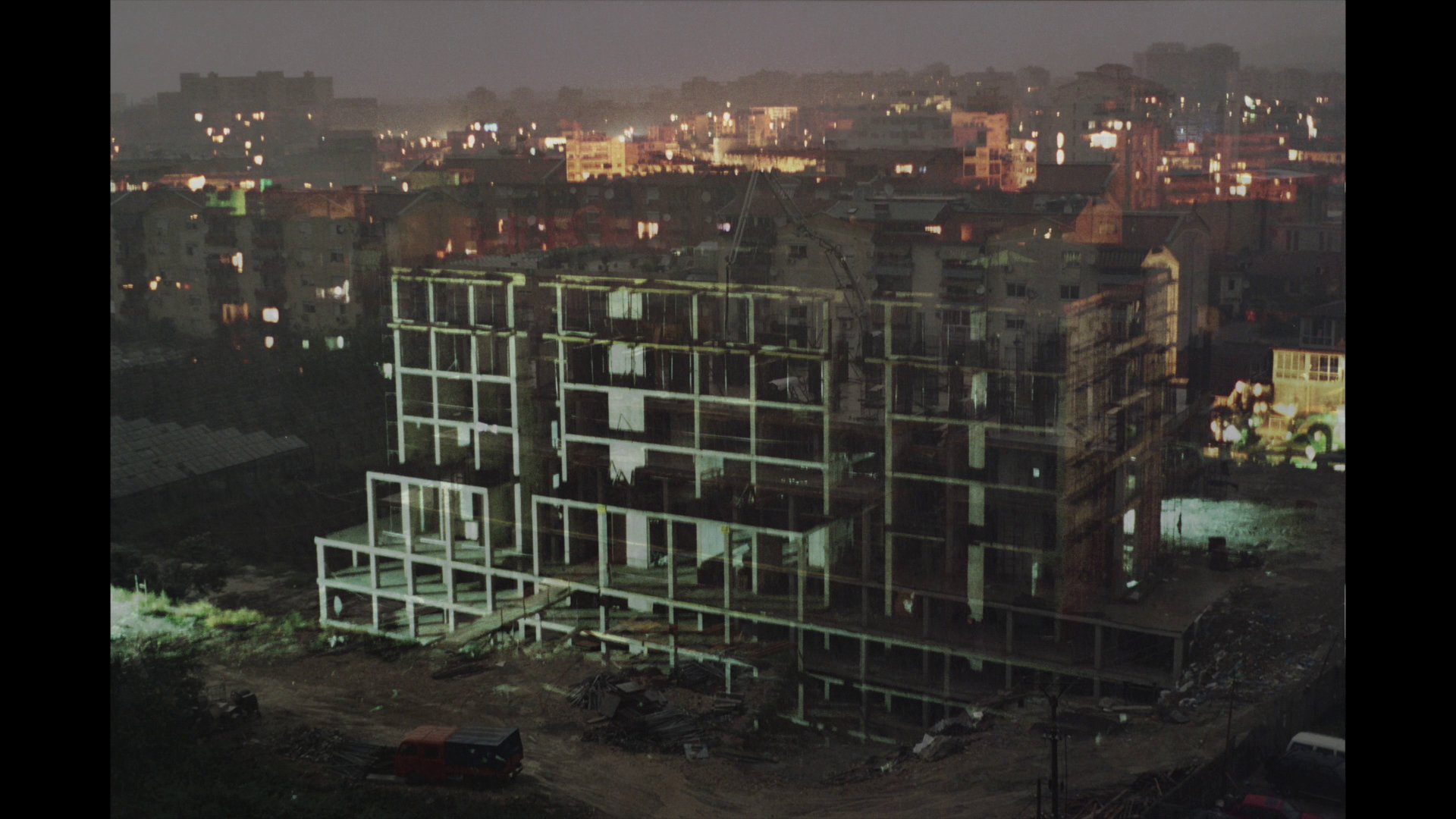
Fragment from the Video installation ESTATE / 2007 , Full HD (no sound) / 8:58 min/sec courtesy of Leonard Qylafi
The silent animation lump numerous photographs making this way notes of the construction process of a massive building. The perceptive aspect of the process becomes a key element of the work. The physical time of a two year process of construction is concentrated in nine minutes of animation but it does so by challenging the viewer attention with an apparently freeze look.
Private show / 2006 / Video installation / Standard Pal 4:3 / Music by Leonard Qylafi / 3:19 min/sec
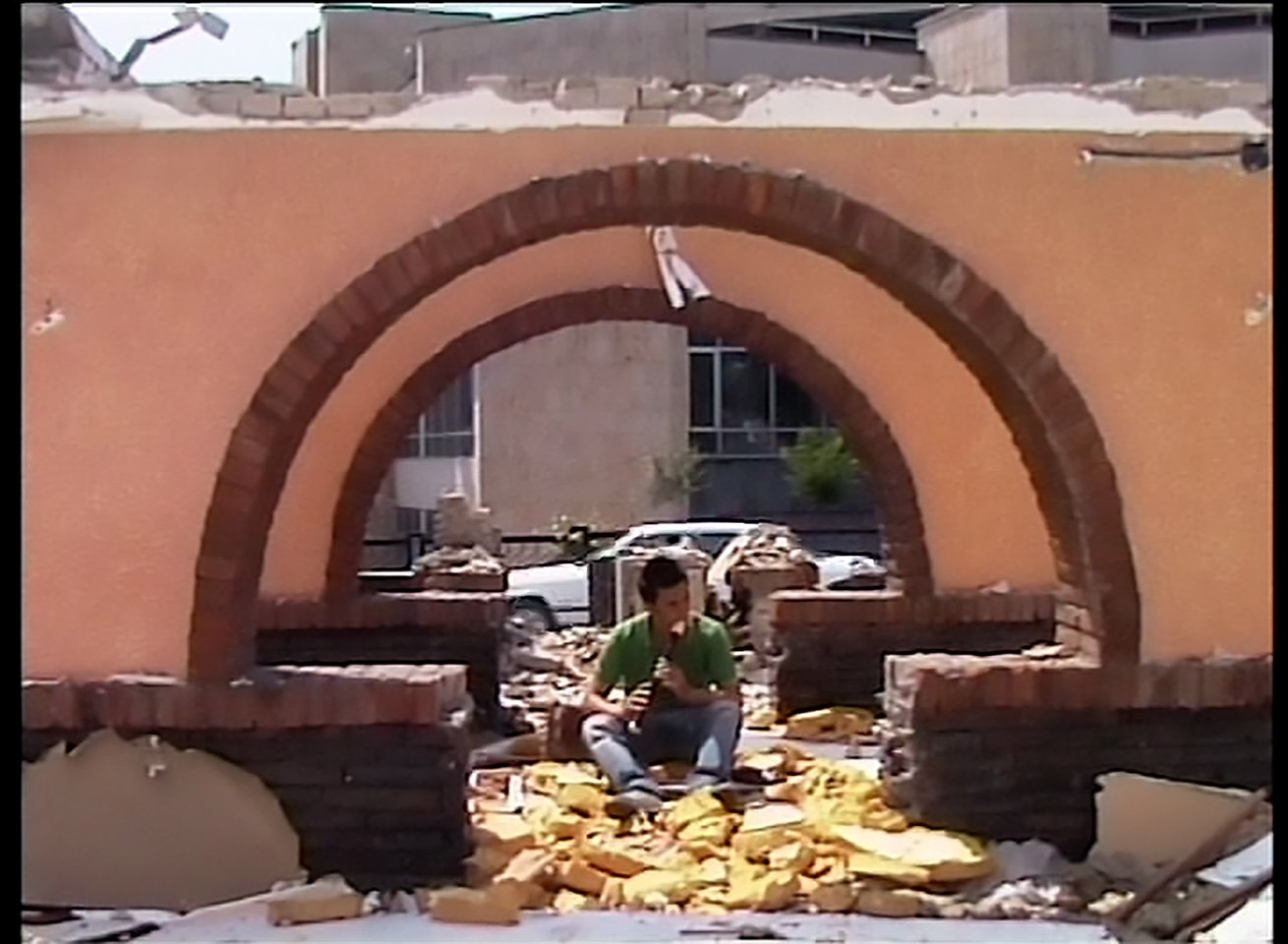
Fragment from the Video installation “ Private show”, 2006, Standard Pal 4:3 / Music by Leonard Qylafi / 3:19 min/sec. courtesy of Leonard Qylafi
The relations we have with places is very complex and somehow impossible to describe in words. In Tirana where I live is very usual to see buildings demolished for building new ones. This violent transformation impacts the life of people living in the city. When you see that a building that you know is demolished the kind of shock you experience can not be described. This was also the case with the building that becomes the stage of my performance. I go there and play a short music piece I have composed as a memoriam to the relation I use to have with that place
To see more about author’s work on his website: www.leonardqylafi.com

The New Topographics Movement: Capturing the Man-Altered Landscape
In the late 1960s and early 1970s, a group of photographers emerged with a distinct vision. They aimed their lenses not at the picturesque, natural landscapes that had dominated the photography world for decades, but at the often overlooked and sometimes starkly unattractive transformation of the American landscape by human activities. This movement, known as the New Topographics, represented a significant shift in the way we view the world around us. It focused on the "man-altered landscape," revealing the intersection of humanity and nature in a unique and thought-provoking way.
In the late 1960s and early 1970s, a group of photographers emerged with a distinct vision. They aimed their lenses not at the picturesque, natural landscapes that had dominated the photography world for decades, but at the often overlooked and sometimes starkly unattractive transformation of the American landscape by human activities. This movement, known as the New Topographics, represented a significant shift in the way we view the world around us. It focused on the "man-altered landscape," revealing the intersection of humanity and nature in a unique and thought-provoking way.
The movement had its origins in an influential exhibition titled "New Topographics: Photographs of a Man-Altered Landscape," curated by William Jenkins in 1975 at the George Eastman House in Rochester, New York. The show featured the work of ten contemporary photographers; Robert Adams, Lewis Baltz, Bernd and Hilla Becher, Joe Deal, Frank Gohlke, Nicholas Nixon, John Schott, Stephen Shore, and Henry Wessel. The term "New Topographics" was coined to describe the focus of these photographers on capturing the transformation of the American landscape, particularly in the American West.

Robert Adams, Newly occupied tract houses Colorado Springs, 1968
Common Themes and Concepts of New Topographics
Objectivity and the Urban Landscape:
“New Topographic” photographers abandoned the romanticism and idealism traditionally associated with landscape photography. Instead, they adopted a more objective and detached approach to capture the contemporary urban and suburban environment. Their photographs depicted the built environment, suburban sprawl, industrial structures, and the mundane aspects of daily life, that were taking place in the American landscape of the post- War 2, with a sense of objectivity and an almost scientific detachment.
Minimalism and Formalism:
“The New Topographic” photographers embraced a minimalistic and formalistic aesthetic, often employing straightforward compositions, stark geometries, and a focus on the inherent qualities of the subject matter. Their images emphasized the formal aspects of photography, such as sharp focus, lighting, and clarity, which contrasted with the romanticized and subjective styles of the past.
Critique of Consumer Culture:
This movement also served as a critical response to consumer culture and the environmental consequences of unchecked urban development. The photographs of parking lots, industrial buildings, and suburban housing tracts highlighted the erosion of natural landscapes and the encroachment of man-made structures. By doing so, they encouraged viewers to reflect on the impact of consumerism and industrialization on the environment.
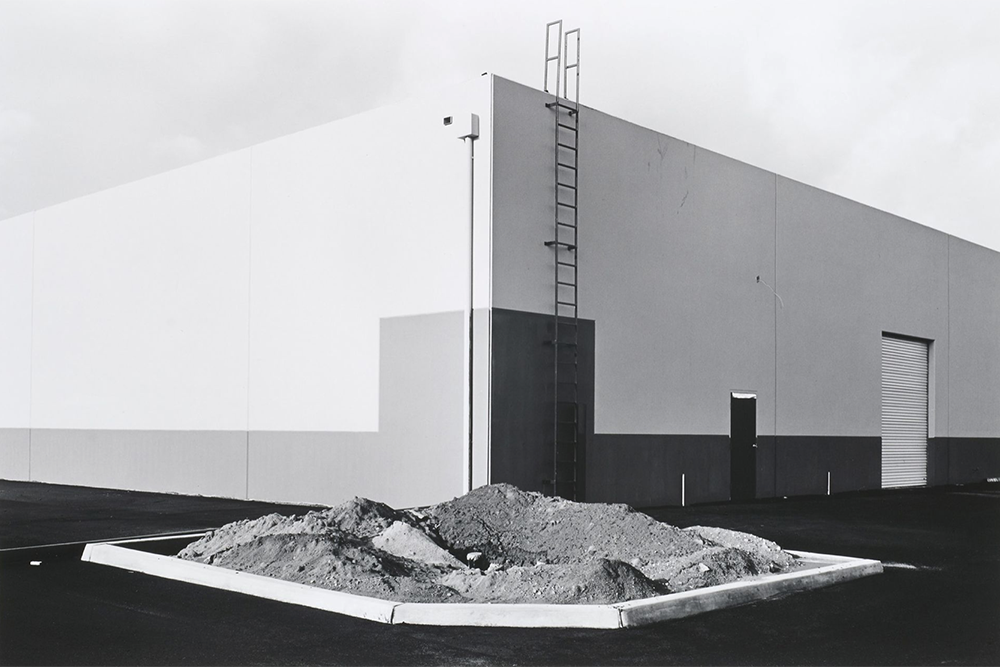
Lewis Baltz, The new Industrial Parks near Irvine California, 1974
Prominent Photographers
The New Topographic Movement introduced a group of influential photographers who played an important role in redefining the genre of landscape photography. Here are a few notable figures:
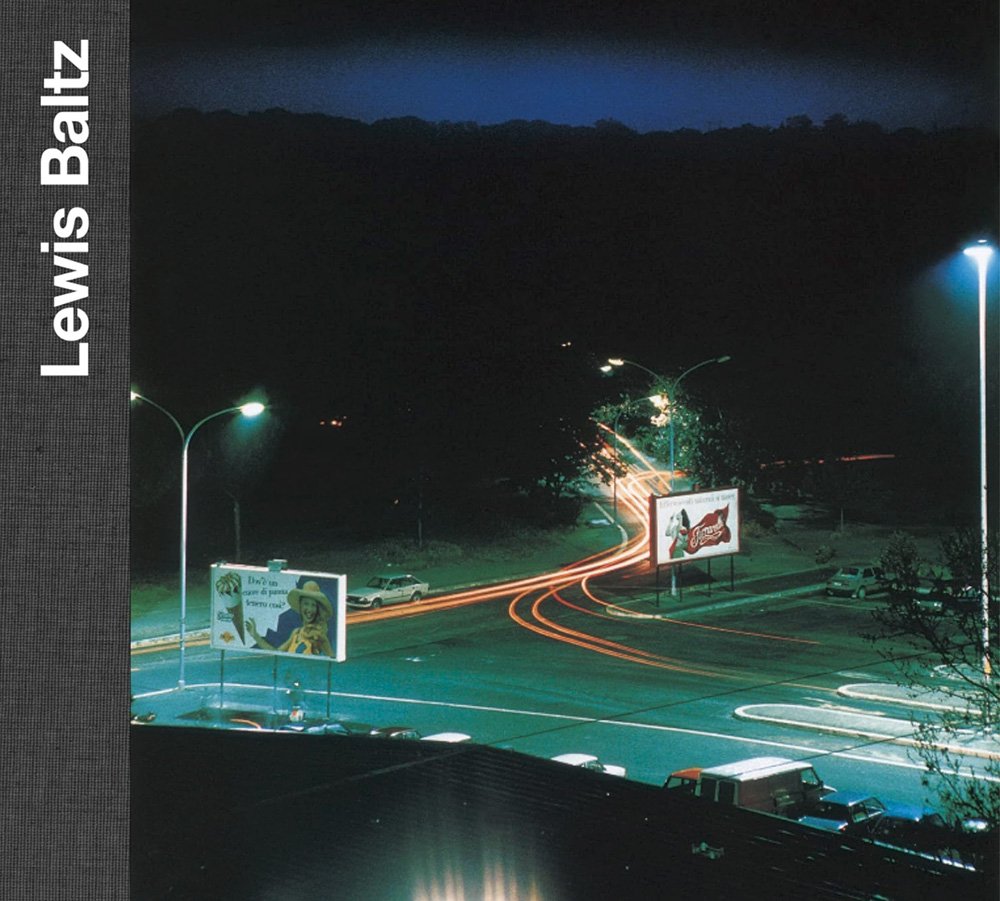
Lewis Baltz: Baltz captured the essence of the movement, especially in his series "New Industrial Parks Near Irvine, California. He photographed eerily sterile landscapes with meticulous attention to composition and detail.

Lewis Baltz, The new Industrial Parks near Irvine California, 1974

Lewis Baltz, The new Industrial Parks near Irvine California, 1974
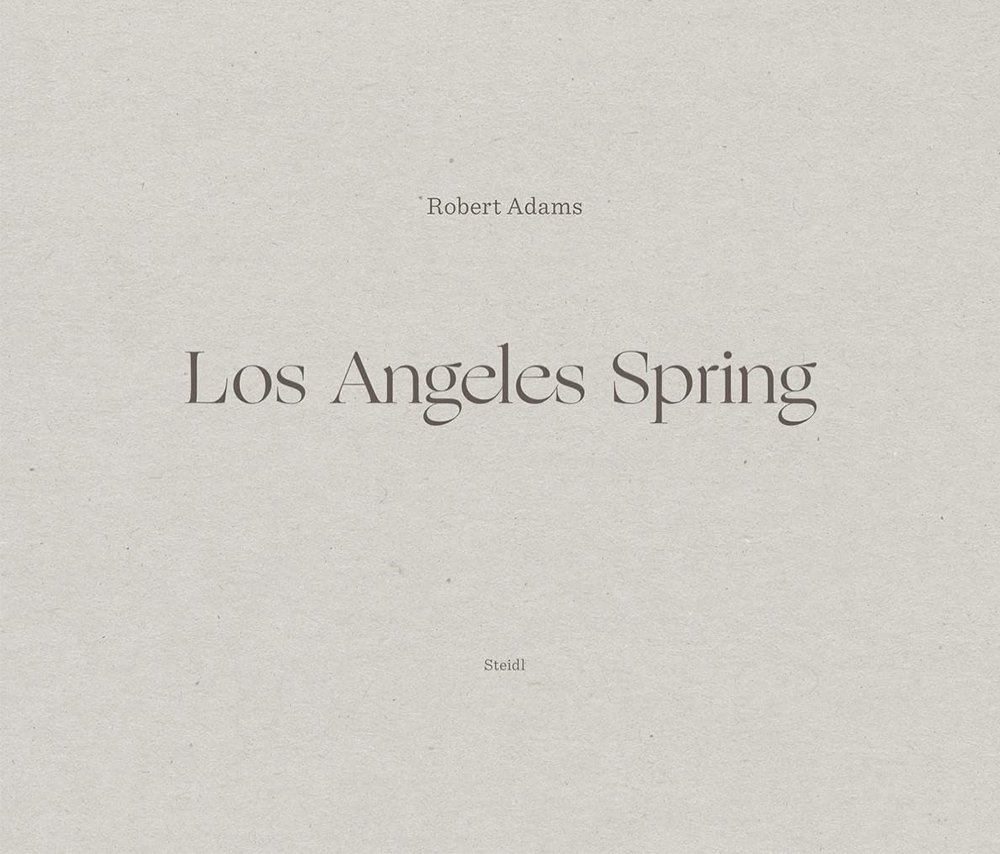
Robert Adams: Adams' work often focused on the urban and suburban expansion in Colorado. His series "The New West" depicted scenes that challenged the notion of the American dream in the post-war era. Adams' images were characterized by their crisp compositions and a deep sense of stillness, provoking viewers to contemplate the evolving relationship between humans and nature.

Robert Adams, Pikes Peak Park Colorado Springs, 1969

Robert Adams, Colorado Springs, 1974
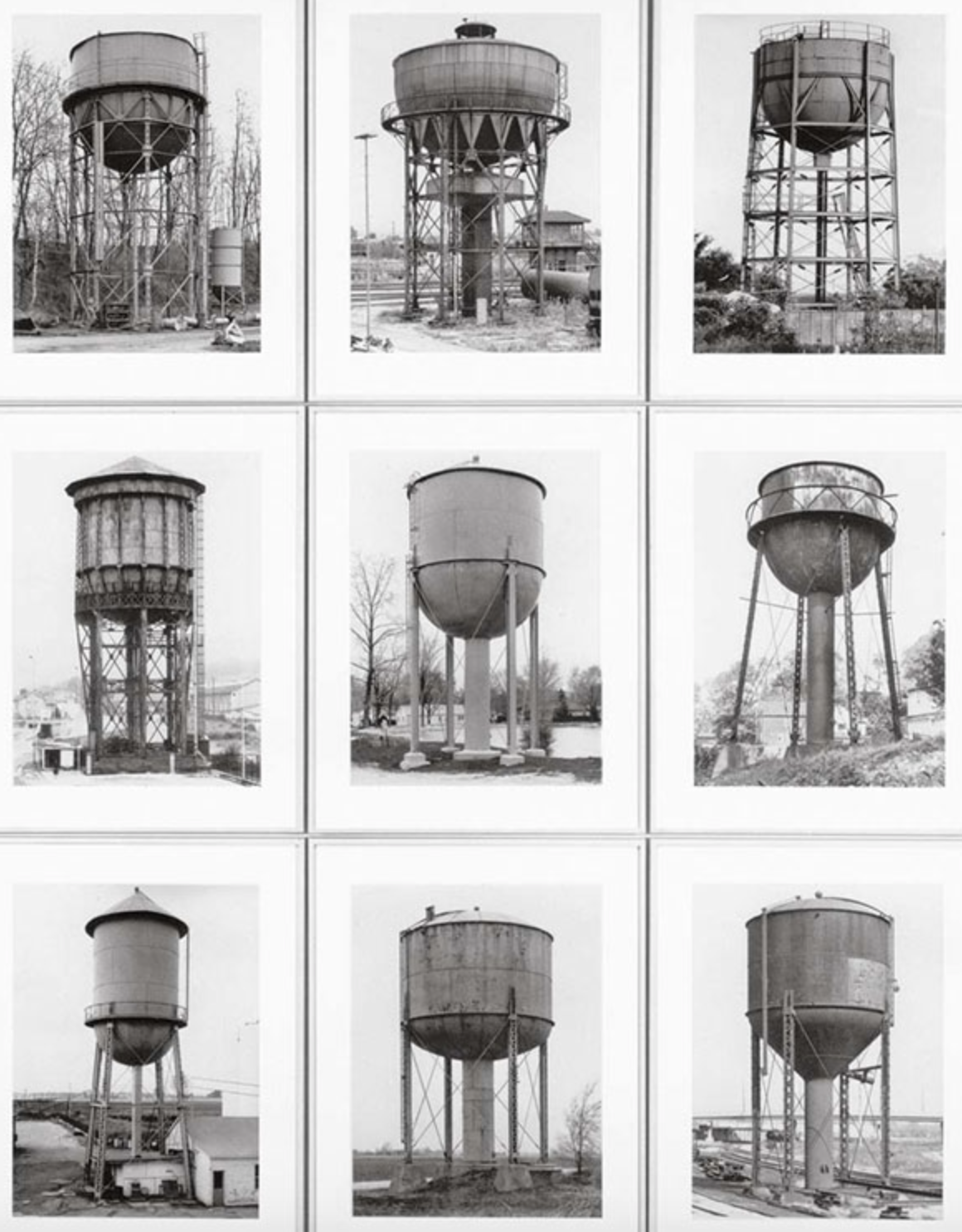
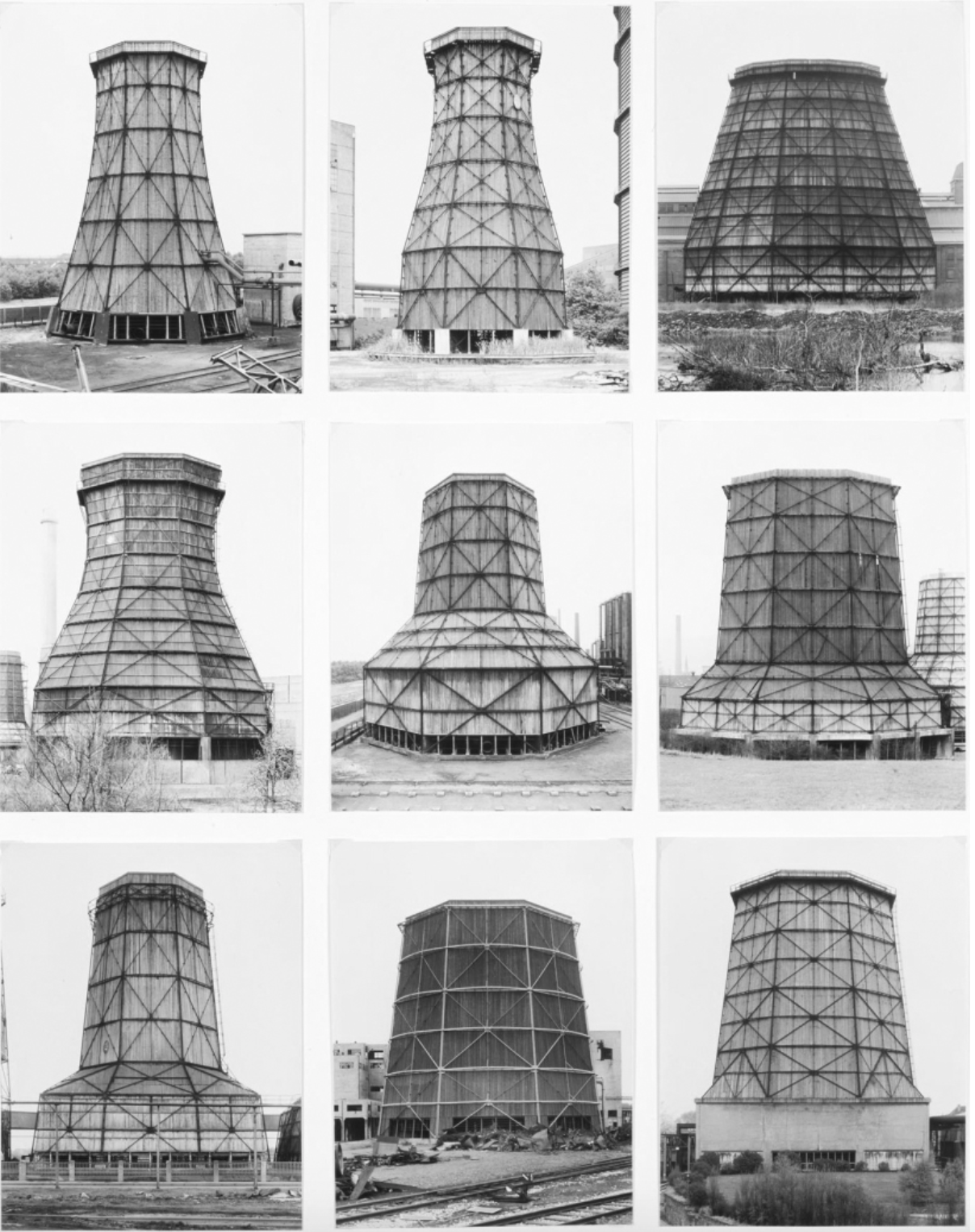
Bernd and Hilla Becher were a German couple known for their typological approach to photography. They meticulously documented industrial structures like water towers, gas tanks, etc, arranging their images in grids that showcased the subtle variations among these seemingly identical objects. Their work was instrumental in shaping the movement’s formalistic and analytical approach, emphasizing the impact of industry and infrastructure on the landscape.

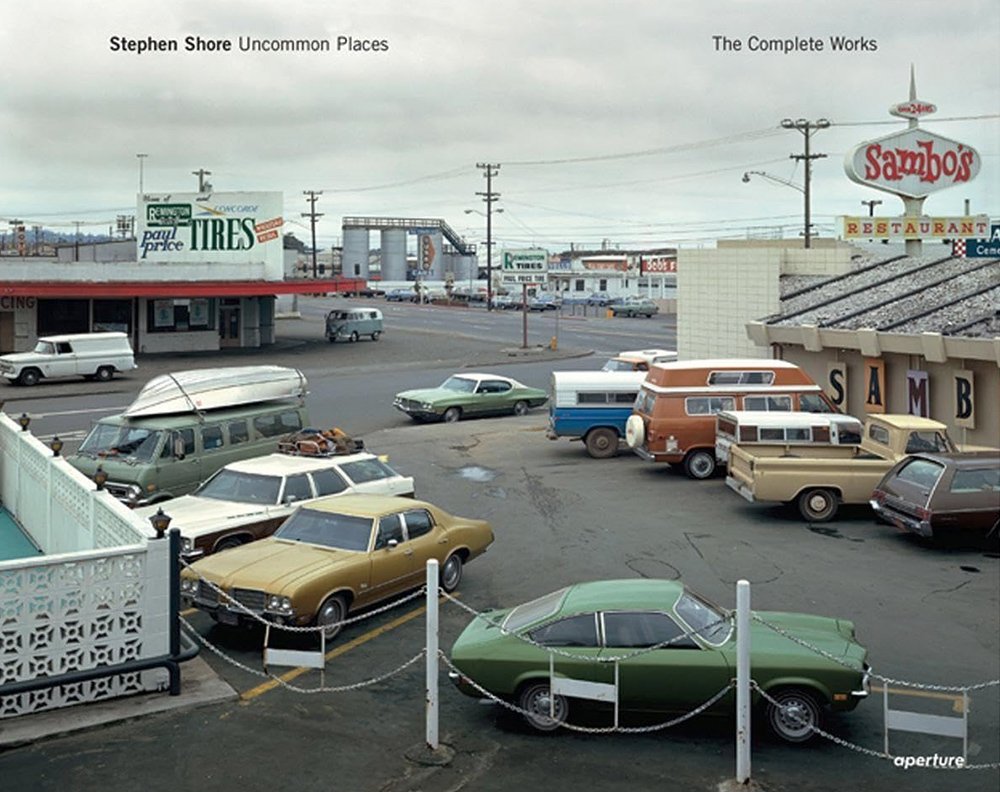
Stephen Shore: Shore's iconic series "Uncommon Places" explored the everyday beauty of American landscapes, capturing the ordinary in extraordinary ways. He documented parking lots, street scenes, motels, celebrating the ordinary and inviting viewers to reevaluate their surroundings. His use of color photography was a departure from the predominantly black and white imagery associated with the movement.

Stephen Shore, Church and 2nd Streets Easton Pennsylvania, 1974

Stephen Shore, Beverly Boulevard and La Brea Avenue Los-Angeles California, 1975
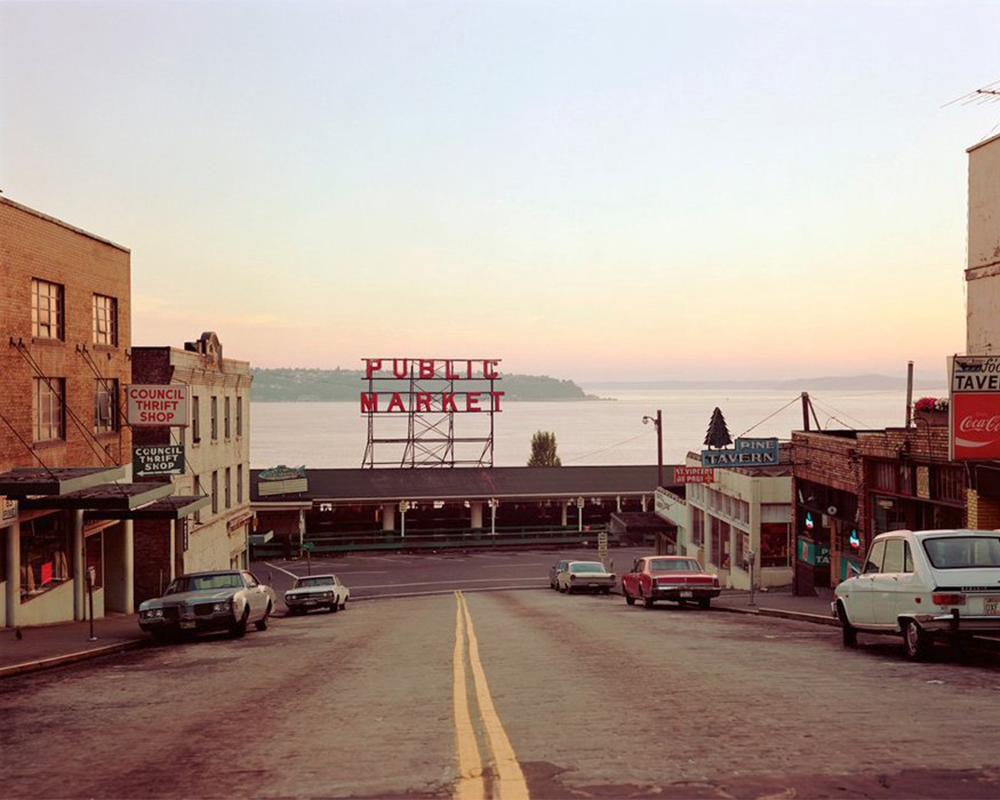
Stephen Shore, Pine Street Seattle, 1974
Influence and Legacy
The New Topographics Movement represented a paradigm shift in the world of photography and had a profound influence on contemporary art. It forced viewers to reconsider their perceptions of the environment, the impact of human activity on the landscape, and the aesthetics of the ordinary. This movement's influence can be seen in the work of many contemporary photographers and artists who continue to explore the relationship between humanity and the environment.
Reevaluation of the Photographic Subject:
The movement forced a reevaluation of what could be considered a legitimate subject for photography. It shifted the focus away from the picturesque and towards the overlooked and mundane aspects of our everyday surroundings. This broadened the possibilities for photographic subject matter and inspired photographers to explore the man-altered landscape in novel ways.
Influence on Contemporary Photography:
The New Topographics movement laid the foundation for contemporary landscape and urban photography. It influenced photographers who continue to explore the complex relationship between humans and the environment, often using a similarly detached and analytical approach.
Environmental Awareness:
The movement also played a significant role in raising awareness about environmental issues and the consequences of human actions on the landscape. By capturing the often dispassionate and stark transformation of nature into human-designed spaces, New Topographics photographers encouraged viewers to consider the implications of such alterations.


Photography Exhibition THE CITY OF WOMEN (5th Edition)
We are pleased to present the 5th edition of Online Photography Exhibitions at Tati Space, with the Theme THE CITY OF WOMEN. Since the beginning of March, for almost 3 months, we opened the call for submission to participate in the Exhibition. We named it THE CITY OF WOMEN because we wanted to see how the photography can represent the Female Universe in today’s urban society….
THE PRESENTATION
We are pleased to present the 5th edition of Online Photography Exhibitions at Tati Space, with the Theme THE CITY OF WOMEN. Since the beginning of March, for almost 3 months, we opened the call for submission to participate in the Exhibition. We named it THE CITY OF WOMEN because we wanted to see how the photography can represent the Female Universe in today’s urban society.
Women constitute half of the population and of the workforce in the planet, yet they are underrepresented in decision-making, much less in the decisions of the city, which has historically been designed and built by men to serve a patriarchal society. A trend that continues today, even in the most modern societies. The issue is how women behave and are adopted in such a society. And who can show this better than a photograph.
We are happy that to our invitation have been responded many artists from different parts of the world: Ukraine, Albania, Brazil, Japan, Kosovo, Germany, Italy, Czech Republic, Russia, Bangladesh, Egypt, etc. Among them, we have selected 15 artists, hoping that in addition to the aesthetic values, the photographs will reveal to you familiar and experienced moments of the female universe.
Hope you will enjoy them all, as we did!
Curator
Alketa Misja
Author: Olha Lobazova
Country: Ukraine
Title of Series: Stress And Strain
Place: Berlin, year 2022/2023.
Description: Stress and Strain are the two terms in Physics that describe the forces causing the deformation of objects. Deformation is known as the change of the shape of an object by applications of force. The object experiences it due to external forces; for example, the forces might be like squeezing, squashing, twisting, shearing, ripping, or pulling the objects apart.
The series is a reflection on my anxiety, anger and helplessness caused by immigration, war and bringing a new life into this world during these times. With the necessity to keep up with all the traumatic events there is an enormous unreleased stress which causes the deformation of my mind and body. This story is about me watching my own self destruction.
Links of Autor:


Author: Victoria Likholyot
Country: Ukraine (Berlin based)
Title of Series: Lollipop
Description: This is an attempt to highlight the representation of women with a male gaze. The series is a color irony, an absurdization of female objectification in urban spaces - posters, advertisements, signs, city lights and so on.
Links of the author:



Author: Bia Serranoni
Country: Brazil
Title: Unusual Landscapes
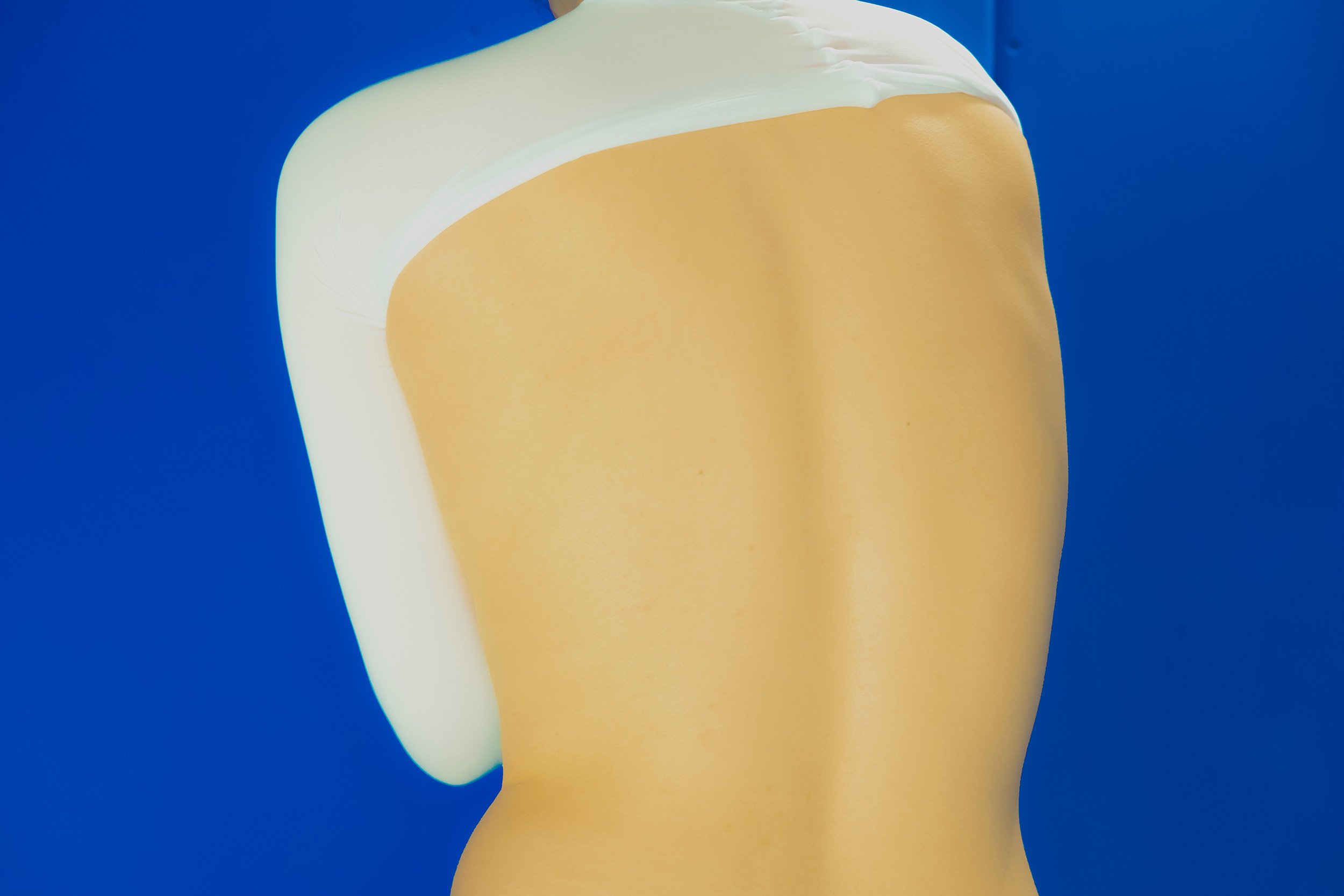
The series "Unusual Landscapes" is born with the intent to represent the hostile relationship of the city with the women's universe, in view of all the threats it poses to the female bodies.
The city scares, inhibits, blames, and imprisons women. We don't feel safe in the external world, and we don't feel welcomed. The cities were built by men and for their circulation and, therefore, were not designed for our bodies, placing the city as another element of oppression for the female universe. This masculine conception of the metropolis contributes to a complex relationship between women and the city, influenced by several factors such as safety, accessibility, privacy, and especially representativeness, making this space associated with a gender issue.
In this scenario, this work builds a visual/sensorial narrative from the superposition of two images, one always of an urban space and a second one of some element that can cause a rupture, a fissure in this space in which we women must always circulate carefully, because it presents itself as a threat.
Links of the author:


Author: Atsumi Takemoto.
Title: Cactus
Place: Shibuya,Tokyo, Japan
Description: The flower language of cactus is "Love that does not wither", "Burning heart" and "Warm heart". A cactus that continues to live without withering even in tropical areas. I dedicate to the women with powerful eyes I found in Tokyo.
Links of the author:


Author: Roman Kosh.
Title: Golden Age
Place: Russia, 2023.
Description: “I am not a tale you can tell, I am not a song you can sing, I am not a sound you can hear, I am neither this you can see nor that you can know. I am a common pain, cry me out.” - Ahmad Shamlu
The photo titled "Gold" is one of the main ones in the "Golden Age" series (Spontaneous portraits of elderly people. Captured mainly in trains and stations during my travel in Russia, 2022/2023).
Links of the author:
© Roman Kosh, Gold
Author: Jahid Apu
Title of Series: Three Episodes of her gaze
Place: Bangladesh (2021-2022)
Description of the series:
Three stories about three women from Bangladesh, a third-world nation country, where poverty and social exclusion frequently consume precious lives.


Photo 1: 65-year-old Rahima Khatun (formerly from a village in Bangladesh), spent most of her life in jail because she was imprisoned over a false case. As a result of her release, neither society nor her family came forward to support her. In her twilight years, now a poor and helpless individual, she kept herself alive through her own efforts. For less than $2 a day, she works in a lentil factory from dawn to dusk. When I asked her about her life, she smiled and said, "I didn't realize I would be this alone at this point in my life. I had a happy and well-organized life until one single incident ruined it. The only thing I want in life at this age is my family. I want to live with my family until I die."
Photo 2: Asia Begum 50 years old women, works in Bangladesh's small chili pepper mill, for less than USD 1 (Taka 95) 12 hours a day. She came from a village to work downtown, but all the factories were closed after the lockdown, and it became difficult for her to survive. Since the lifting of the lockdown, she has been working all day long from dawn to dusk at the mill seven days a week, hoping for better days. Even though she receives a little wage, she lives like a queen of her world with her head held high.
Photo 3: A madrasah (Islamic school) student is enjoying the pouring rain in front of her madrasah while preserving her hijab after the class break. In Islam, women are generally seen as covering everything except their hands and feet. This outstanding inclusion of freedom and courage in the rain by a young teenager from a small town in Bangladesh reveals her inner beauty, conflict, and strength at the same time.
Links of the author:
Author: Amal Yassin AbdelAzeem Aglan
Country, Egypt
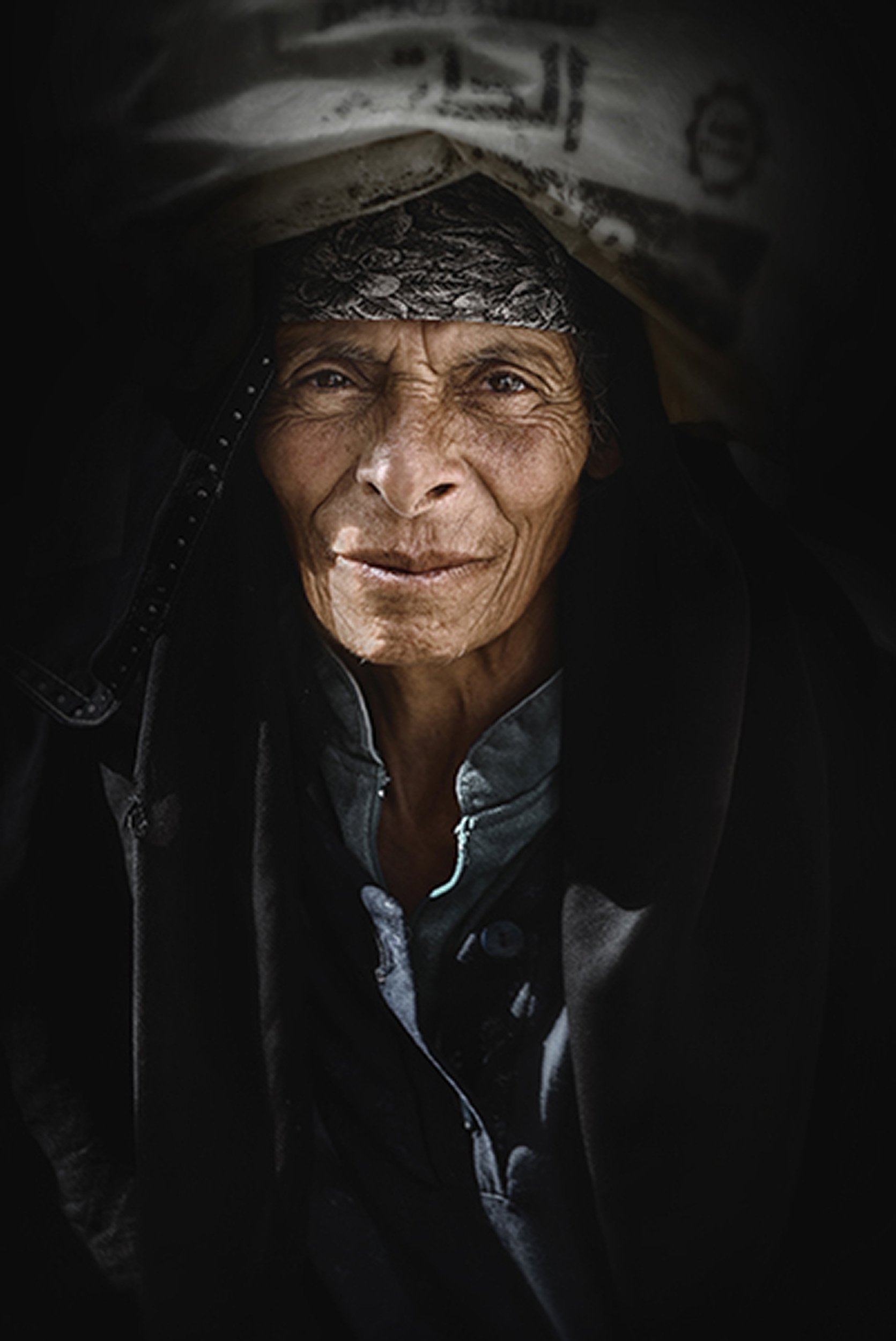
Description: A series of portraits of elderly women who, in order to make a living, have decided to sell different items in the city market
Title 1: Color Seller, Place: Al-Moez Street in Cairo
Title 2: Fish lady, Place: Disouq City, Cairo
Title 3: Loads Lady, Place: Tanta city, Gharbia governorate, Cairo
Title 4: Tea Seller, Place: Farahda district in Alexandria - Egypt
Links of the author:



Author: Rozafa Shpuza
Place: Shkoder, Albania
Title: The characters of my City
Description: The city swings in the dawn and dusk every day, non-stop, no matter what the seasons or their whims... And in this surreal swing, the women are the ones who make sure that never stops the lullaby that soothes the soul of the city. That's why this mine can very well be called the "City of Women". Women weave, women feed children, women sing, women are everywhere from dawn to dusk. When I turn on the camera and fix the portrait of a woman, I have said it all. The portrait of a woman with the background of the city conveys a strong message, conveys the mysteries of the city, conveys its loves and hates, conveys its joys and pains. Thus, my photographs reach their emotional climax when the camera is directed to the women who gave the city its name.
Links of the author:



Author: Karin Majoka
Title: Smile despite the rain
Place: Düsseldorf, Germany
Description: I took this image during an event called "Japan Day" in Düsseldorf (Germany) in May 2023 right when the weather swifted from sunny skies to heavy rain within seconds. And with that also the mood of most visitors changed since many people suddenly started running in panic to flee from the rain. Just as I was about to pack away my camera to have it proteced from the rain as well - I caught this moment. The woman in the hidschāb did not only stay calm but also still had a smile on her face despite the rain. Further, her smile had the power to infect other people around her to join. For me this small fraction of a moment is a representation of the ability women have to stay positive despite the unexpected negative occurances in life.
© Karin Majoka, Smile despite the rain
Author: Fred Maro
Title: Rumor Mill
Place: Cologne / Germany
Description: An amazing typical scene to be seen quite often: The secret news channels of women
Links of the author: Website
© Fred Maro, Rumor Mill
Author: MIchal Čáp
Country: Czech Republic
Title: Siesta
Place: Trutnov, Czech Republic
Description: The photo of my friend represents the hustle and bustle of today's times. Sometimes you just need to relax for a while, quietly in the middle of the city.
Links of the author:
© MIchal Čáp, Siesta
Author: David Pujado
Title: Female Power
Place: Prague
Description: This photograph was shot to Elvira one evening in the city of Prague when we were going to do another shooting. We passed in front the shop and I was amazed, we asked the woman in the shop and very happily accepted that we took as many photos as we wished. Elvira, with her imaginary army of Elviras were ready to take the city of Prague
Links of the author:
© David Pujado, FemalePower
Author: Klevisa Bardeli
Country: Albania
Title: "Light from the Abyss"
Place: Shkodër
Description: The photo contains the message for the woman, the difficulties of living in a harsh reality, where despite everything she manages to be a beautiful and powerful woman at the same time.
Links of author:


Author: Steven Kruit
Title: The Surfing Girl
Place: Beach of Cox's Bazar in the South of Bangladesh.
Description: The beautiful beaches of Bangladesh (South East Asia) are known for their natural beauty and they are one of the longest in the world. A lot of development, education and women empowerment is ongoing, but still a lot of people are challanged to earn enough income. The local people living in small primitive tin shed settlements in the forrests on the beach, mostly live from fishing. Most of the males are fishermen and they leave very early morning in their small wooden fishing boats to the sea, the Bay of Bengal. The women in the village are running an education system, schooling, and take care of the village. As a result the girls have much more freedom to choose their own hobbies and decide on their own future. The kids live with the sea, and some of the girls have started to pick up surfing as a hobby. From the age of 6 they teach eachother how to swim, and from the age of 11 they start surfing the waves.
Links of the author:
© Steven-Kruit, The Surfing Girl

Women in Photography
In the context of the Photography Exhibition launched at Tatì Space with the theme "The City of Women", we are bringing to attention some inspiring figures of female photographers, who have made a valuable contribution in the field of photography, with their professionalism and humanism, photographing the contemporary urban life. Julia Margaret Cameron, Frances Benjamin Johnston, Berenice Abbott, Dorothea Lange, Margaret Bourke-White, Vivian Maier, Diane Arbus, Cindy Sherman dhe Annie Leibovitz.
In the context of the Photography Exhibition launched at Tatì Space with the theme "The City of Women", we are bringing to attention some inspiring figures of female photographers, who have made a valuable contribution in the field of photography, with their professionalism and humanism, photographing the contemporary urban life. Starting with Julia Margaret Cameron, as one of the pioneers of photography, Frances Benjamin Johnston as the first woman photoreporter, Berenice Abbott who photographed the emerging modernity, Dorothea Lange and Margaret Bourke-White as the first photoreporter of major historical events , continuing into the modern city with Vivian Maier, Diane Arbus, and to the present time with Cindy Sherman and Annie Leibovitz. The list is longer, but we have chosen these figures as representative of different eras of photography.
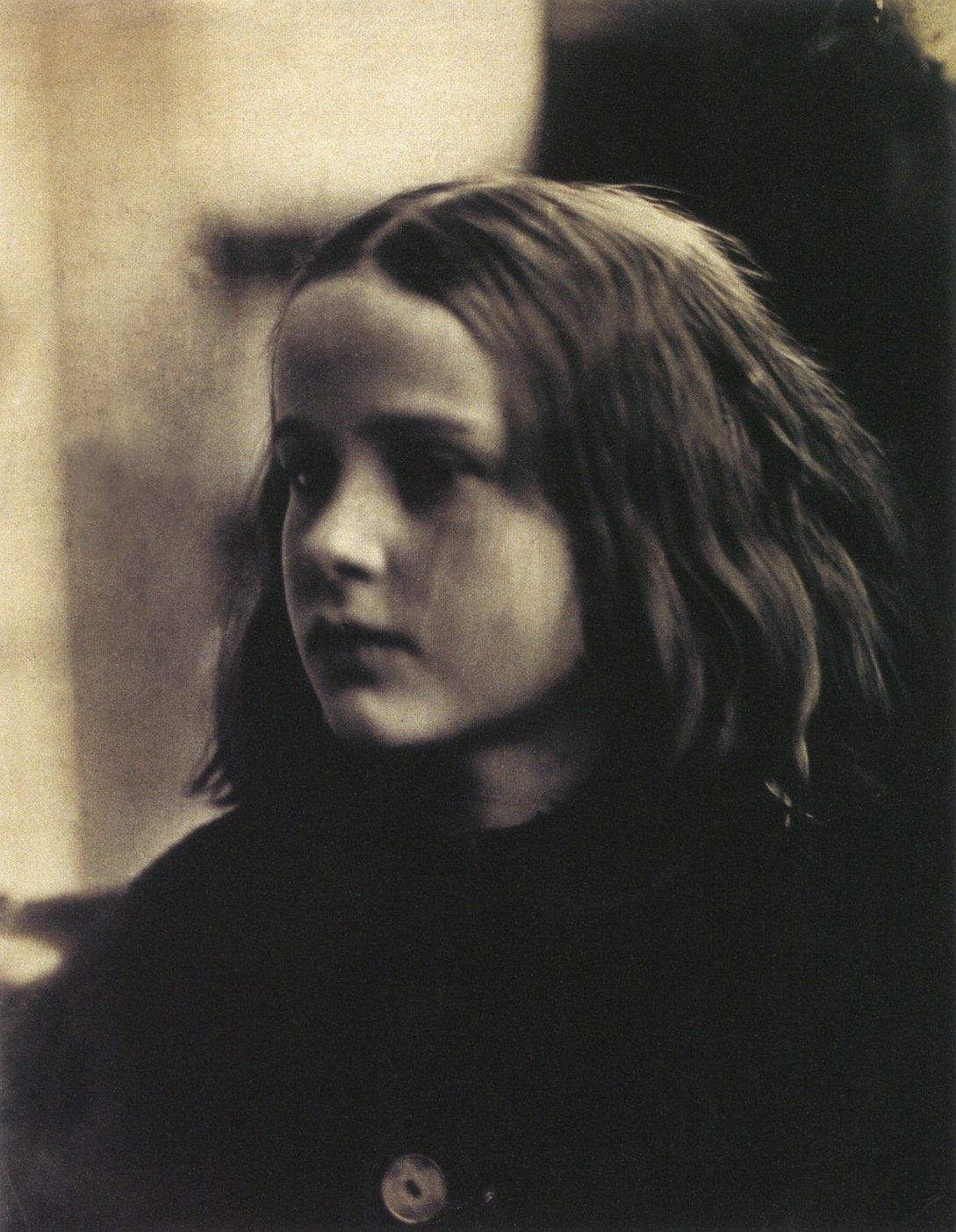
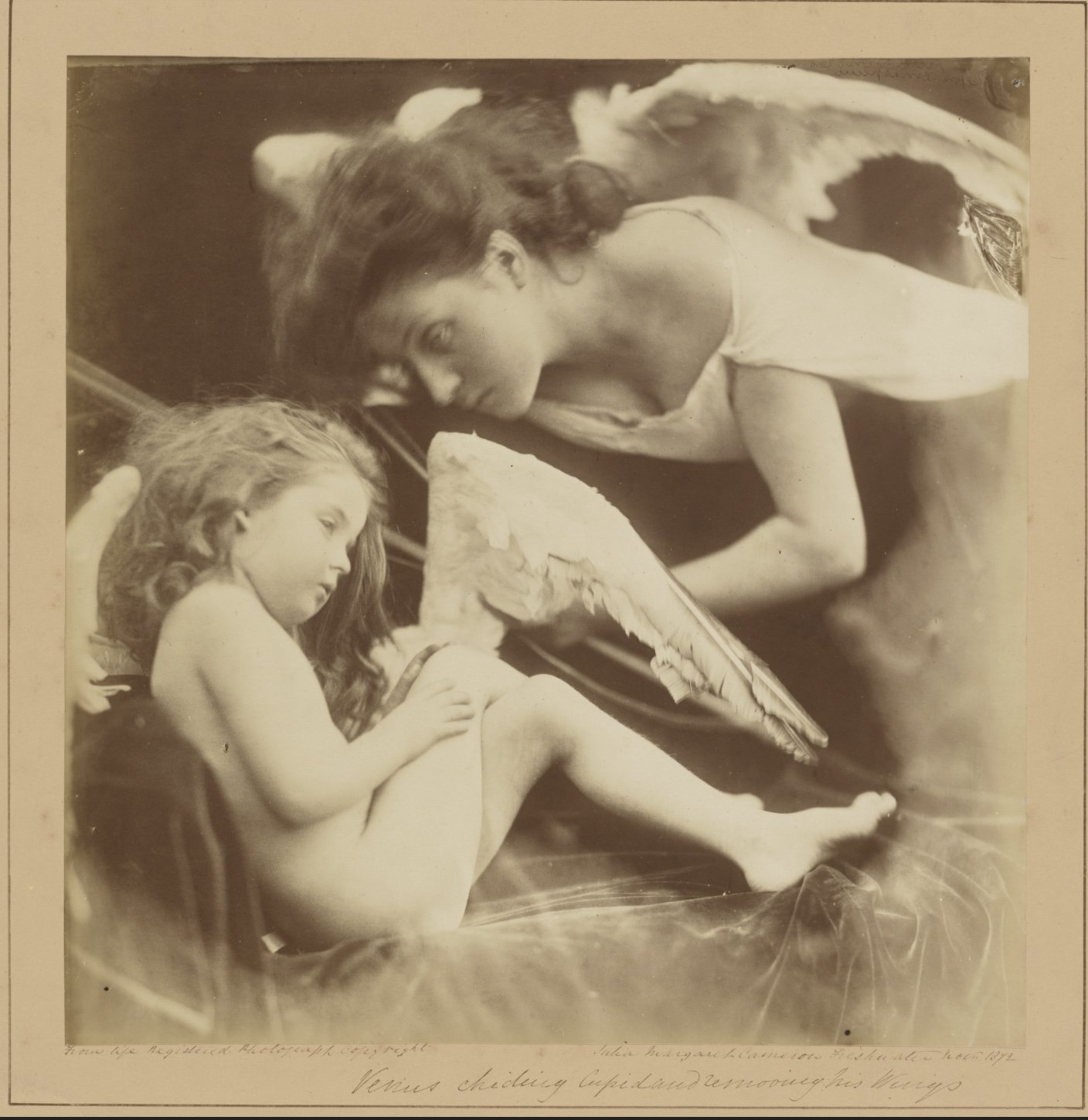
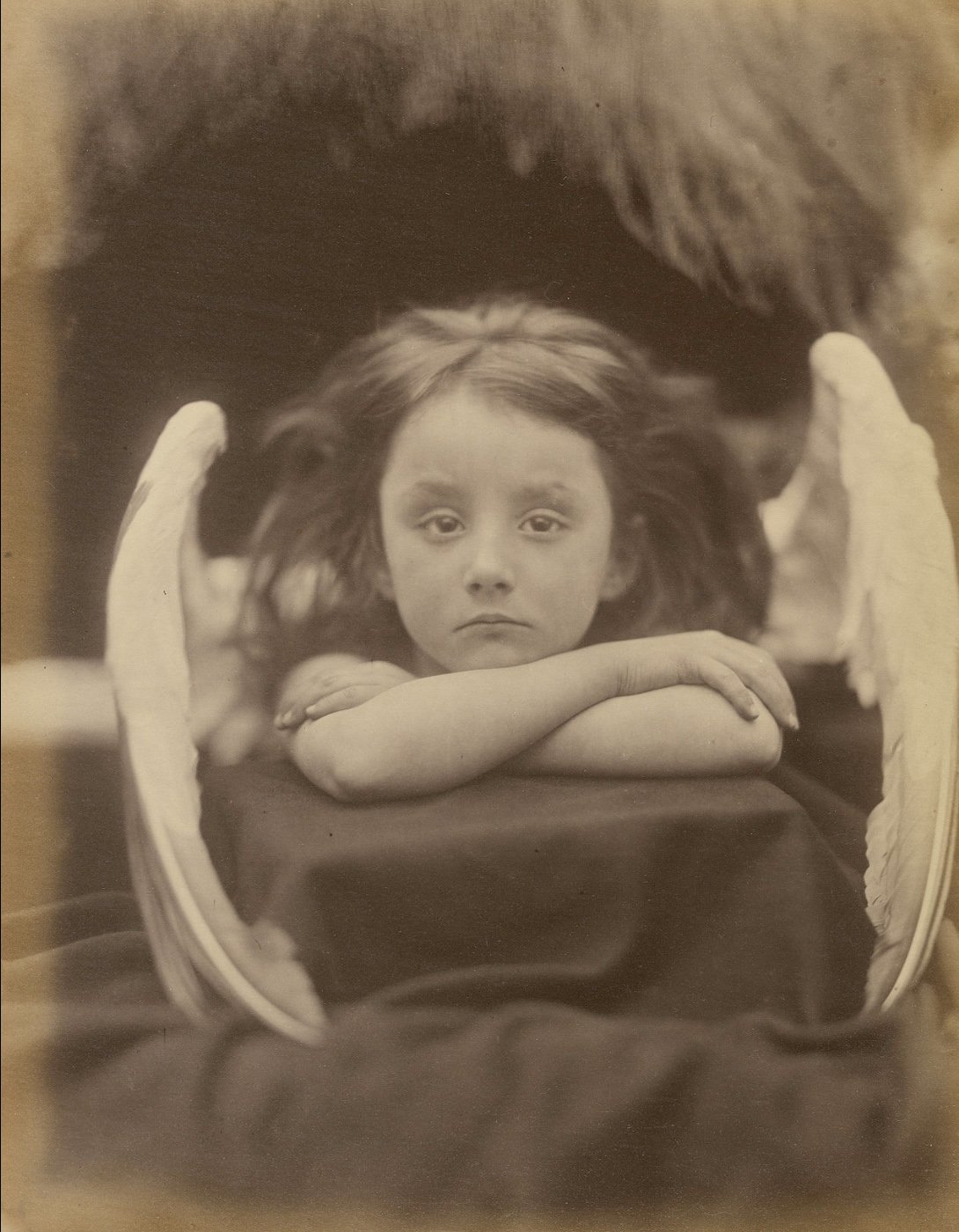
Julia Margaret Cameron (1815-1879)
She is a 19-th century British photographer who started photography late in her life, at the age of 48, when her daughter gave her a camera for her birthday. She is known for portraits of well-known personalities of her time, and for photographing heroic, mythological and from literature subjects, where she uses as characters the relatives who came at her studio. She is known for photographing children and women, as well as for defocusing and close-ups of portraits, which had an impact on modern photography.

Frances Benjamin Johnston (1864-1952)
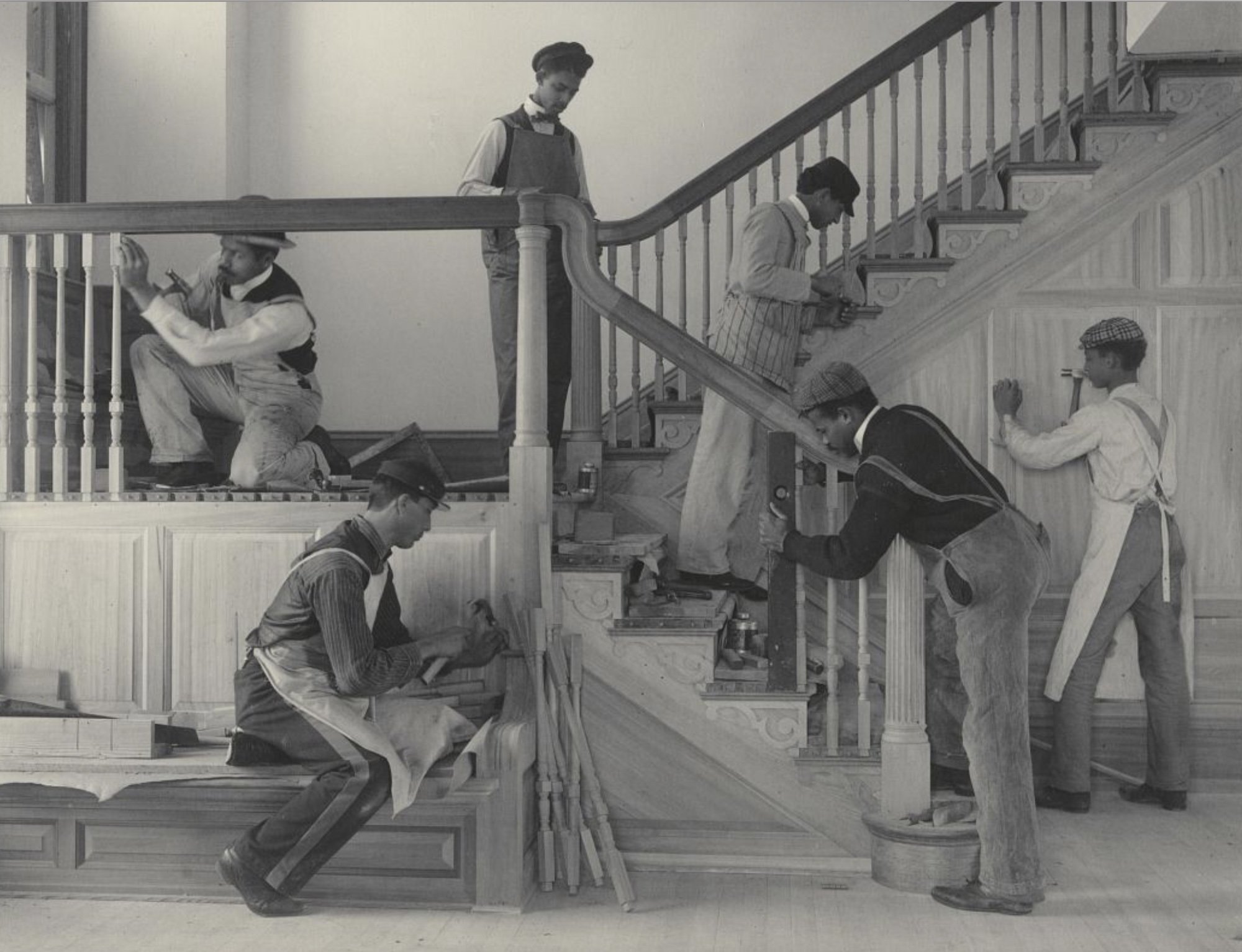
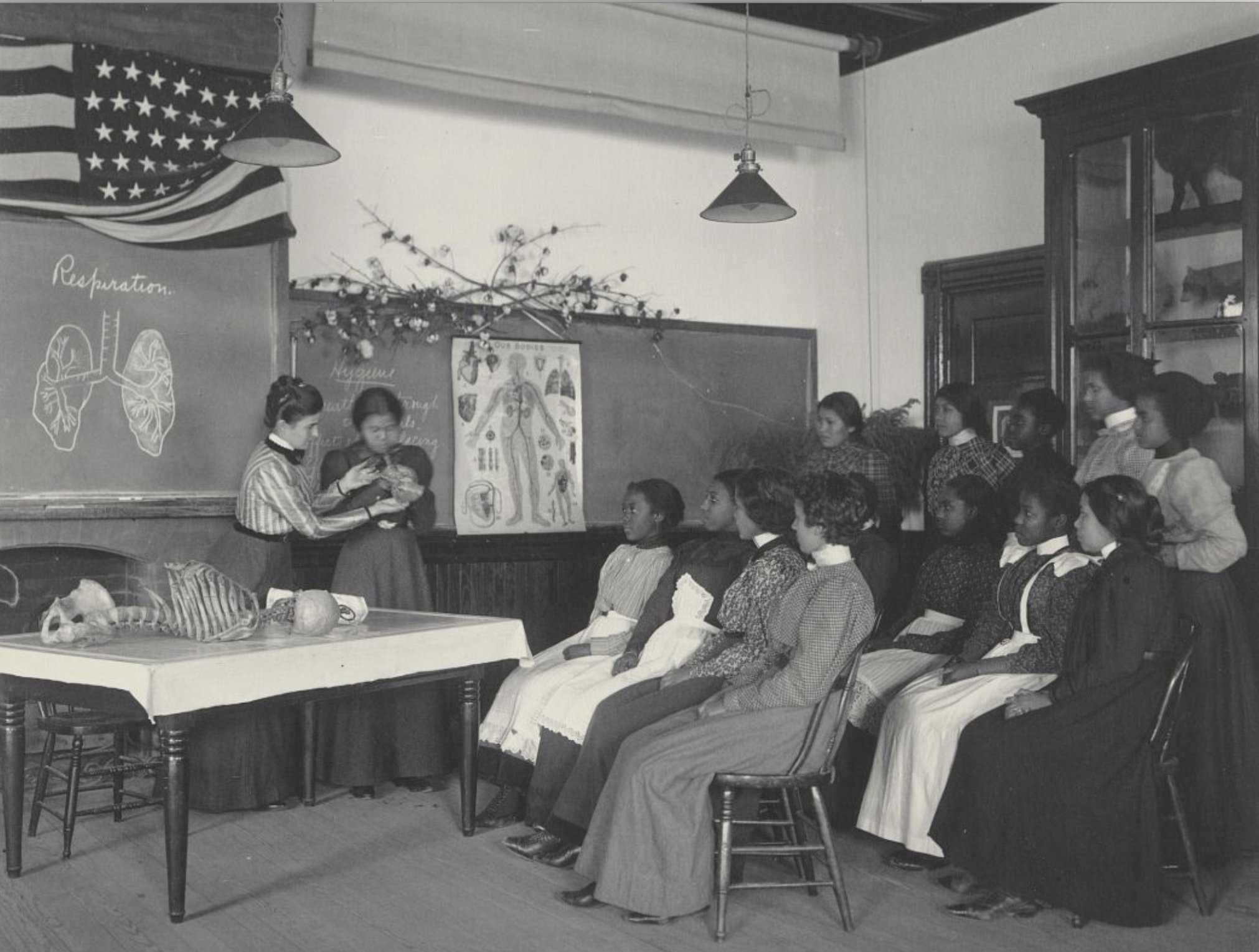
She is one of the first female photojreporters in America. She has been an advocate for the role of women in photography, writing "What a Woman Can Do with a Camera" in 1897, and co-curator of a photographic exhibit at the 1900 World's Fair. Frances is known for portraiture, photography of traditional architecture, and for the series at the Hampton Institute. In 1899 she was asked to photograph the daily lives of students at the Hampton Institute, which after the Civil War offered vocational courses to African American and Native American youth. Since she used platinum plate negatives, which required a few seconds of exposure, it was impossible to spontaneously photograph the young students. In this way, she directed the subjects into carefully composed scenes that speak of Benjamin's unique style, recognizable to this day.

Berenice Abbott (ShBA 1898-1991)
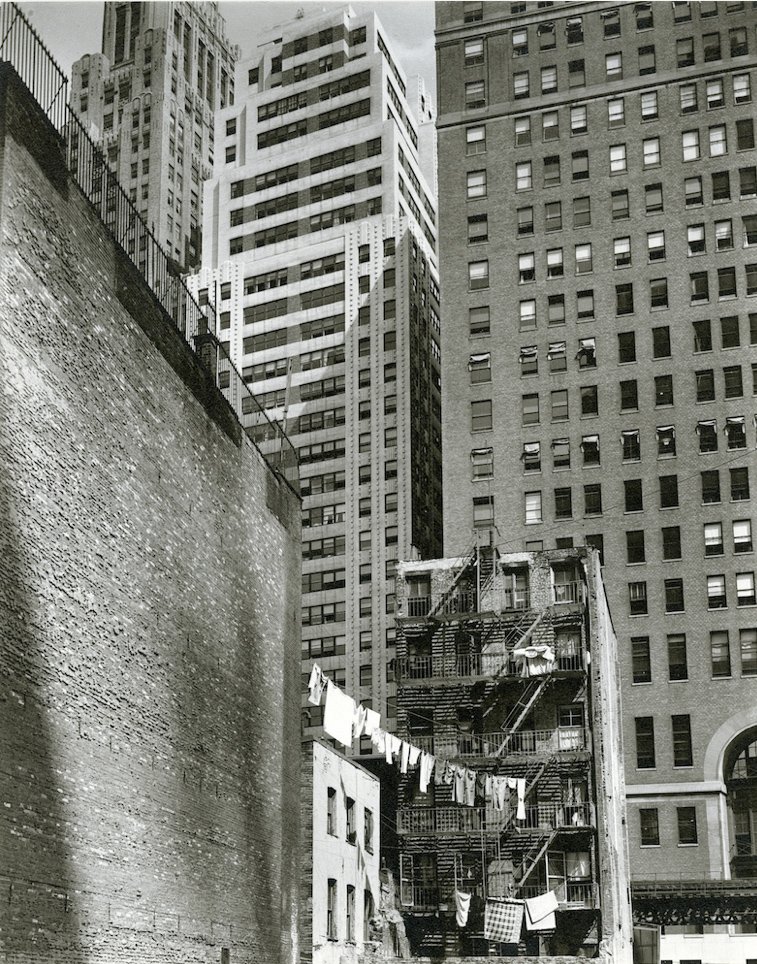
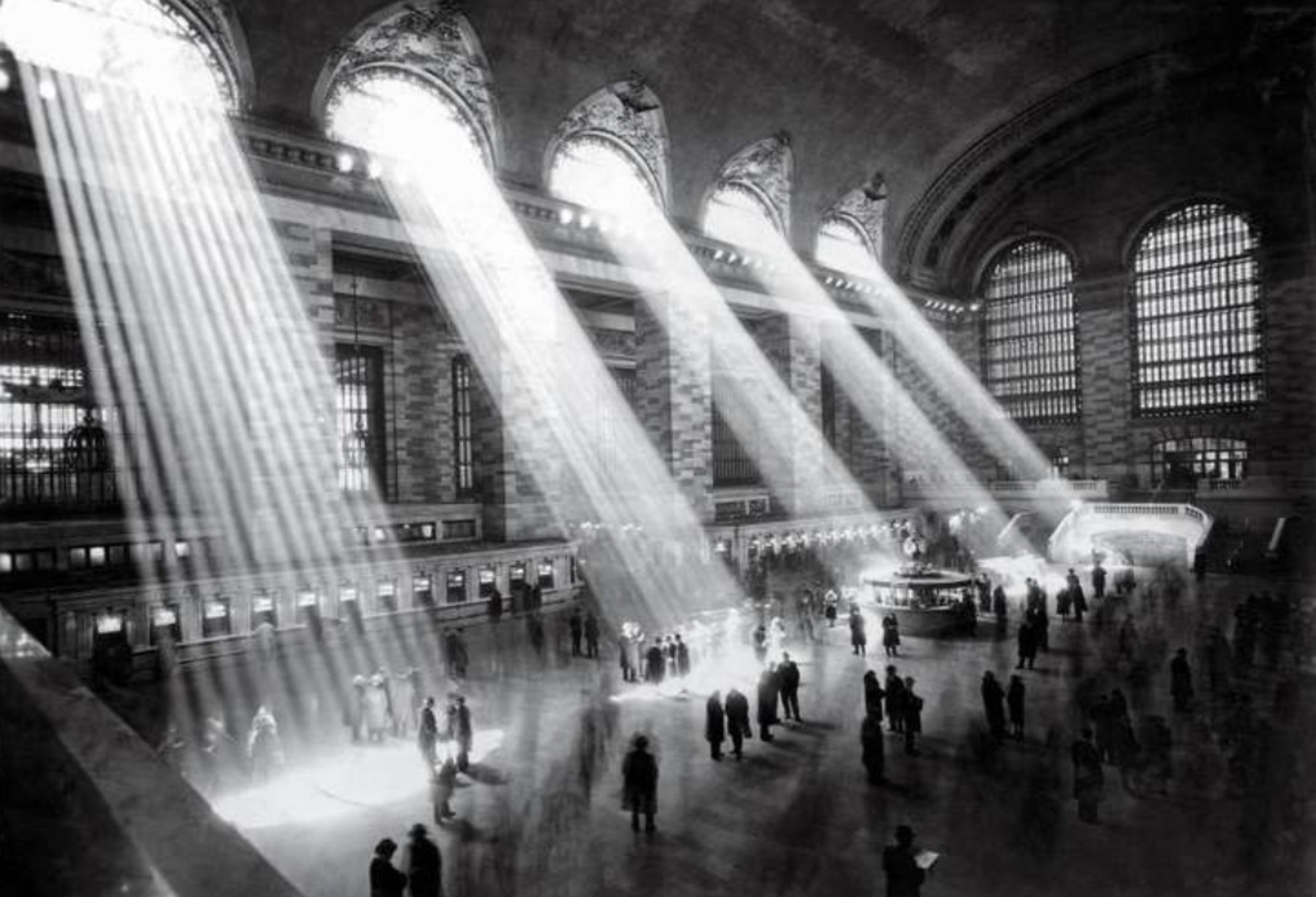
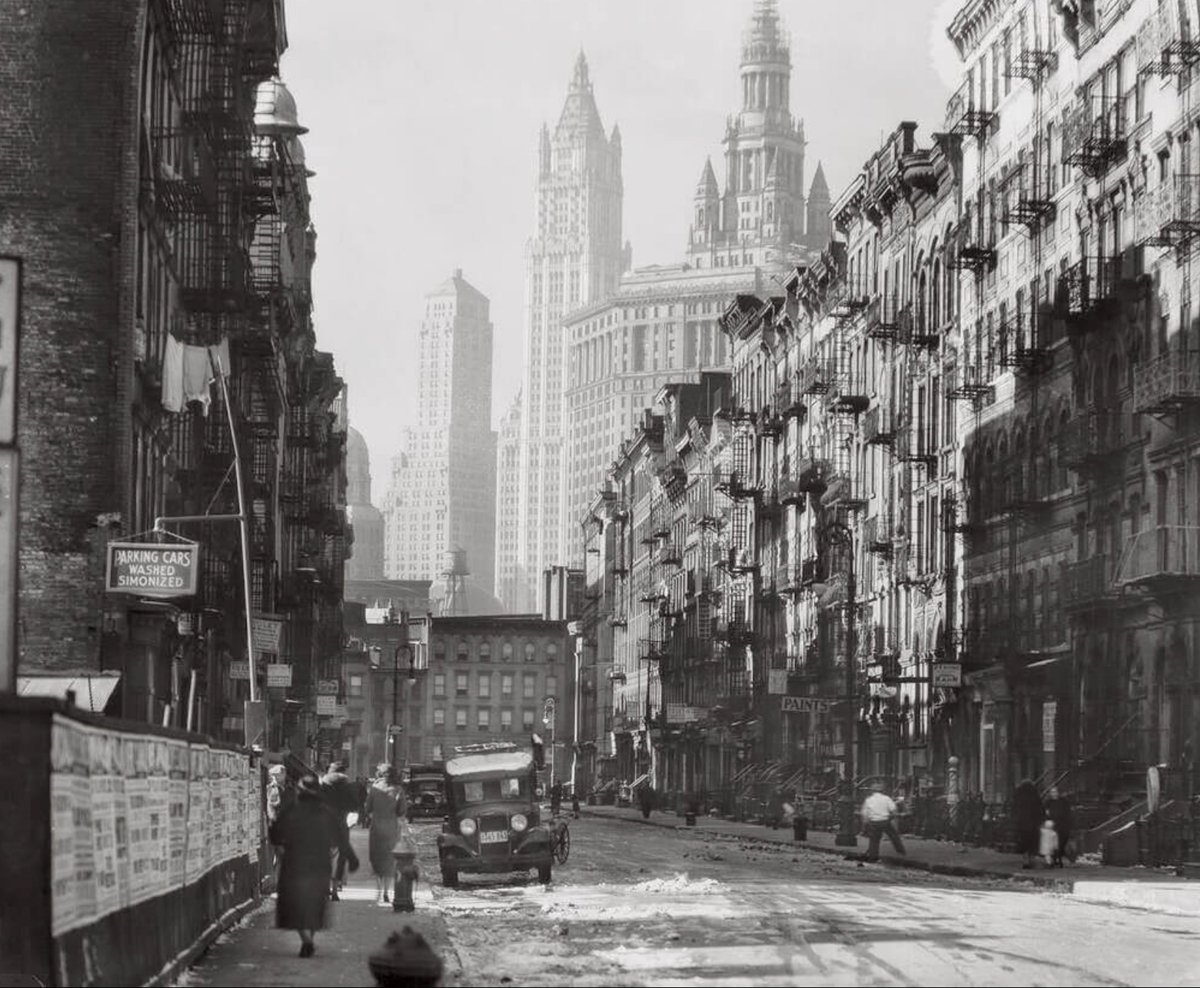
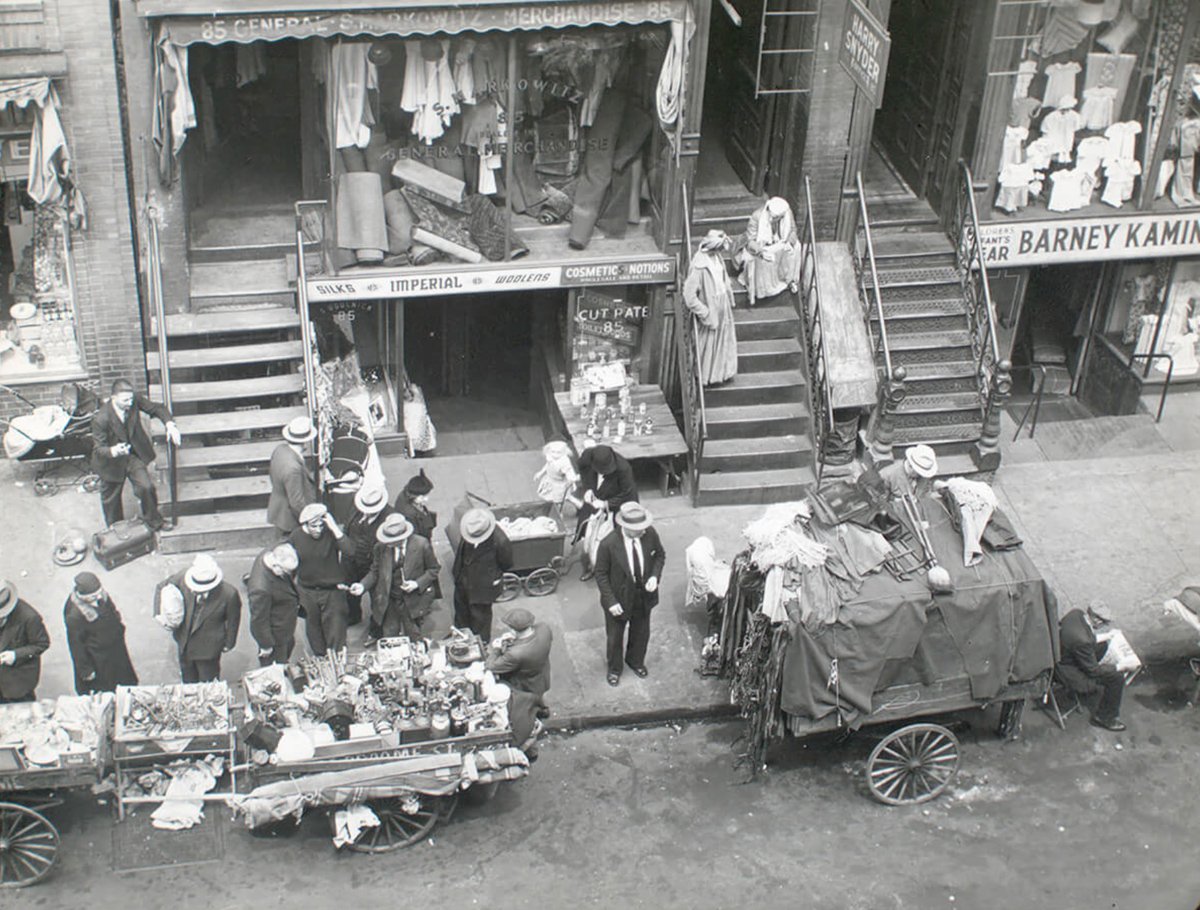
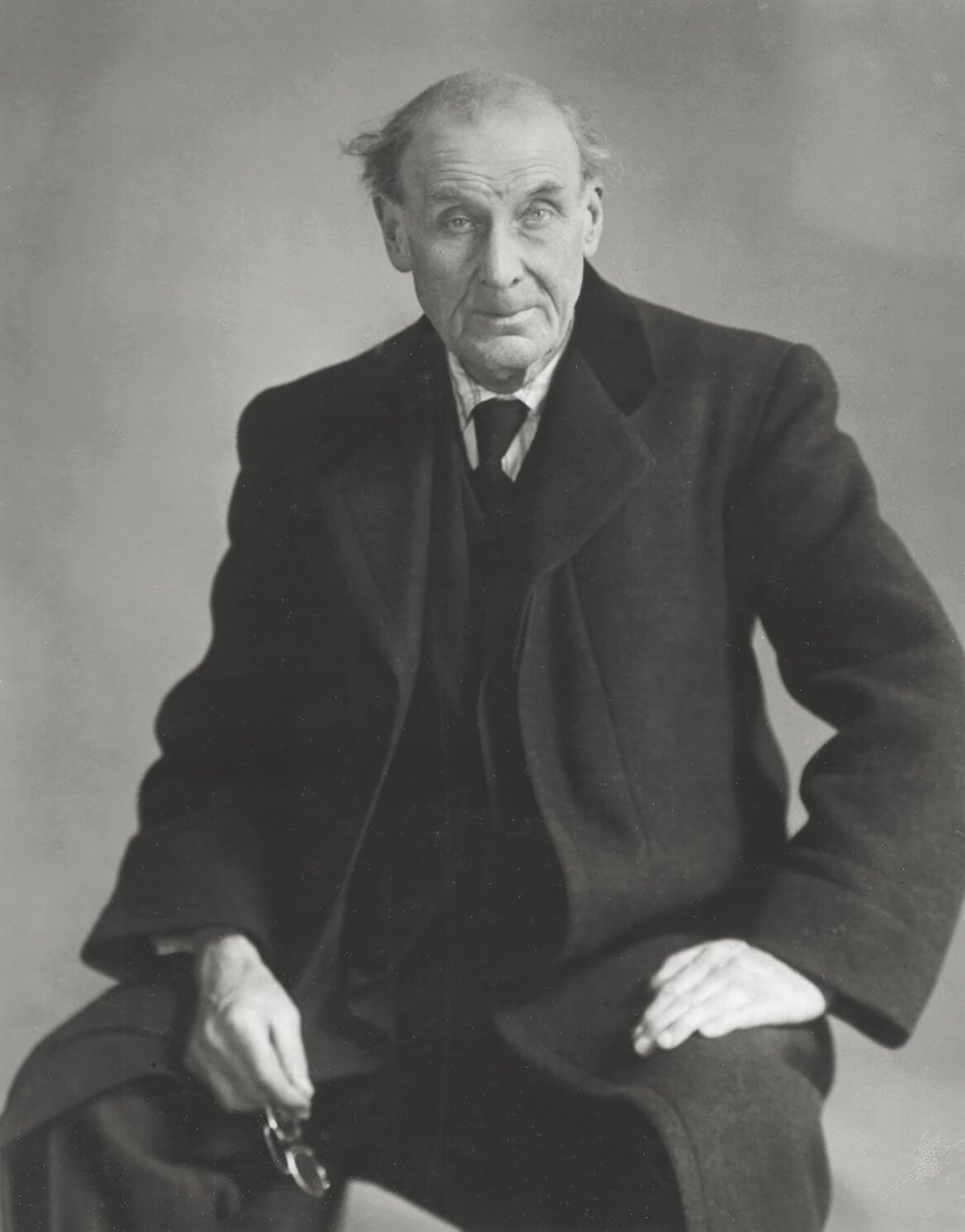
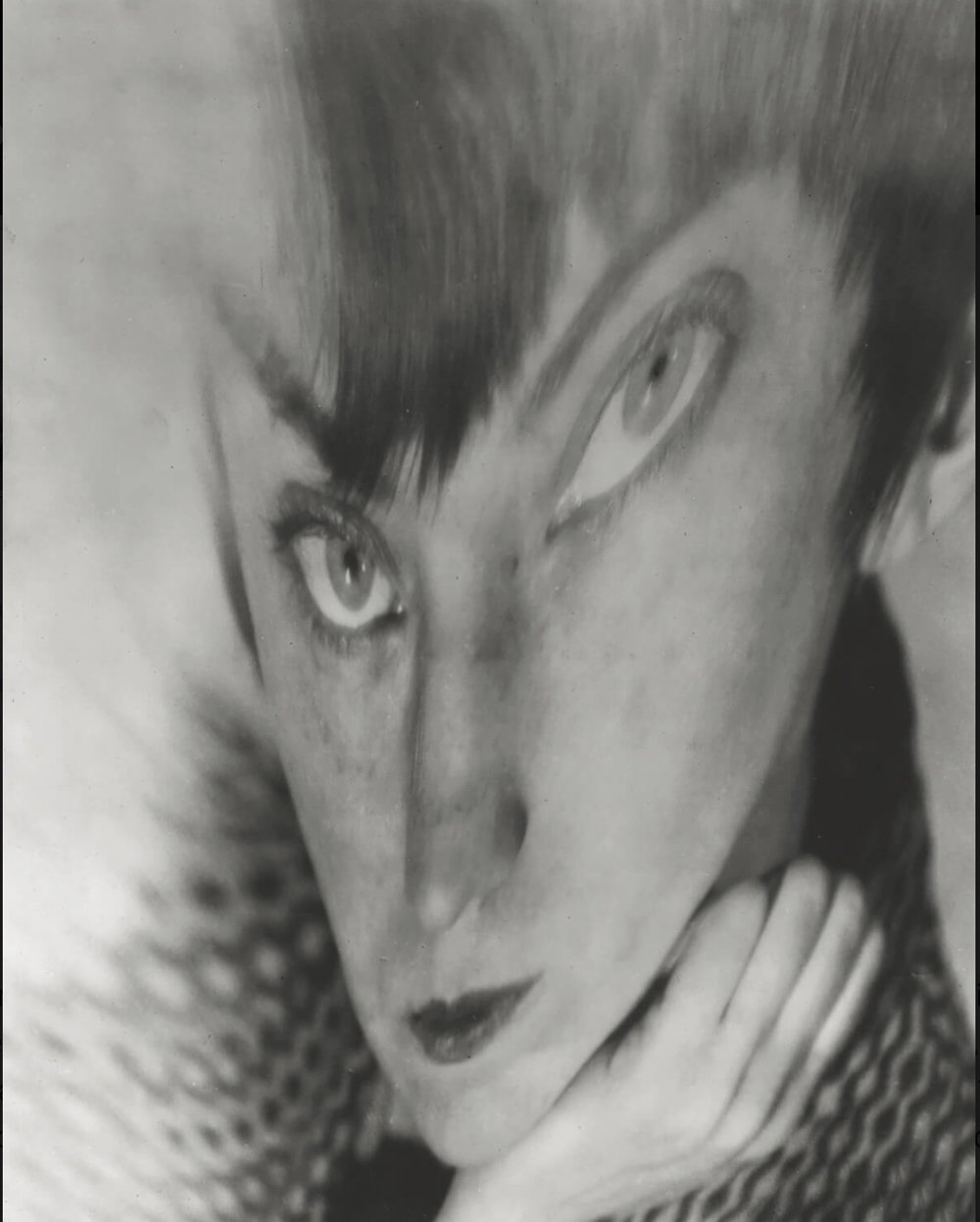
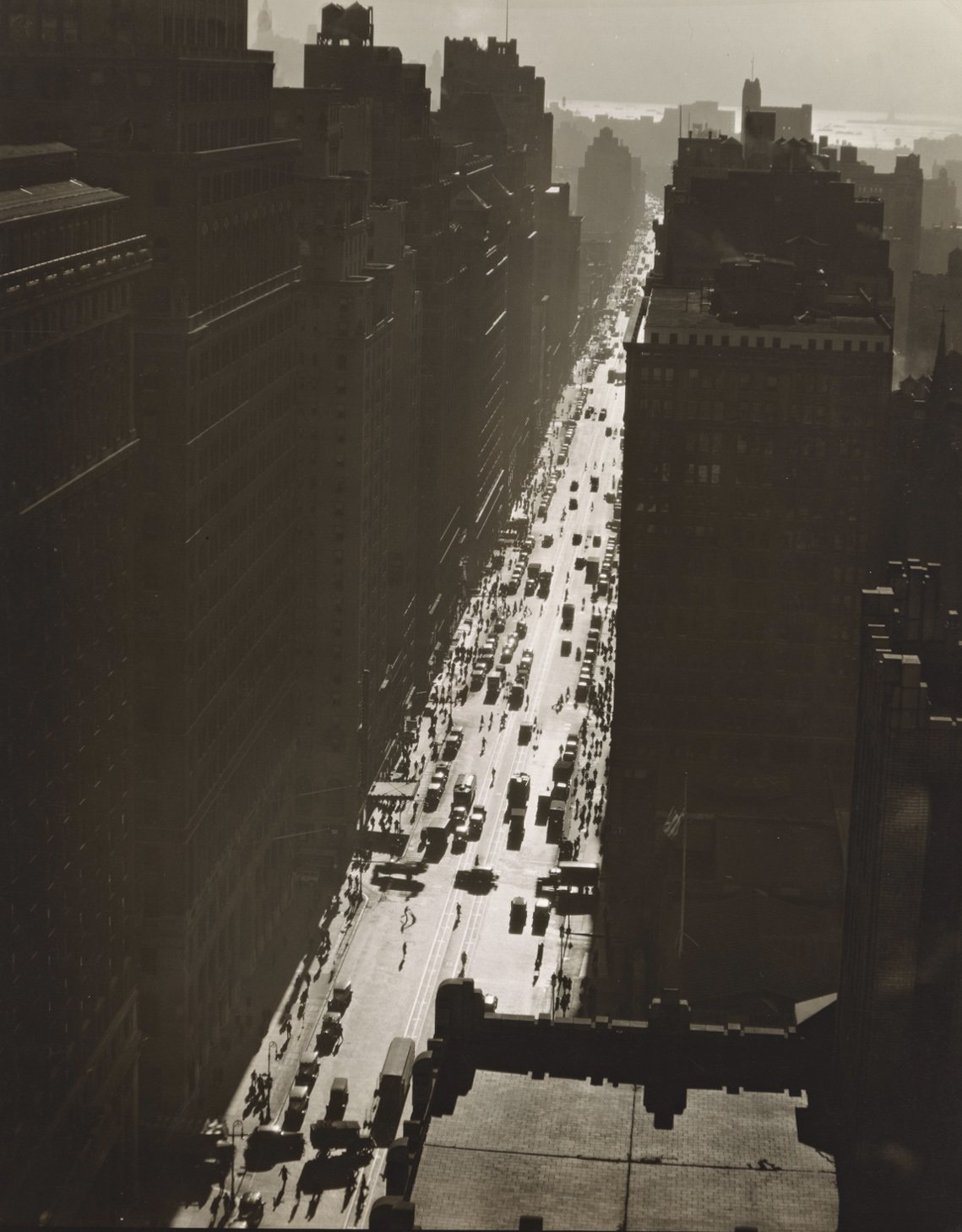
Berenice Abbott is an American photographer known for documenting the architecture and metropolitan life of New York with all its contrasts in the ’30s of the Great Depression. Berenice Abbott is known for her documentary style, outside of any subjectivism and pictorialism. She photographed with an 8x10 inch camera the new architecture of New York that was emerging, but also the places that were disappearing from development. Her main influence was the French photographer Eugene Atget, who scrupulously photographed old Paris, which was disappearing from the modernity of the early 20th century. Abbott called Atget ‘the Balzac of the camera’ and an ‘urban historian’. She is credited with rescuing Atget's archive when, after his death, she bought all the negatives and took them to America, where she worked to publish his work. In the last years of her career Berenice Abbott was involved in the technical and scientific aspects of photography.
One of her expressions is "The world doesn't like independent women, I don't know why, but I don’t care"



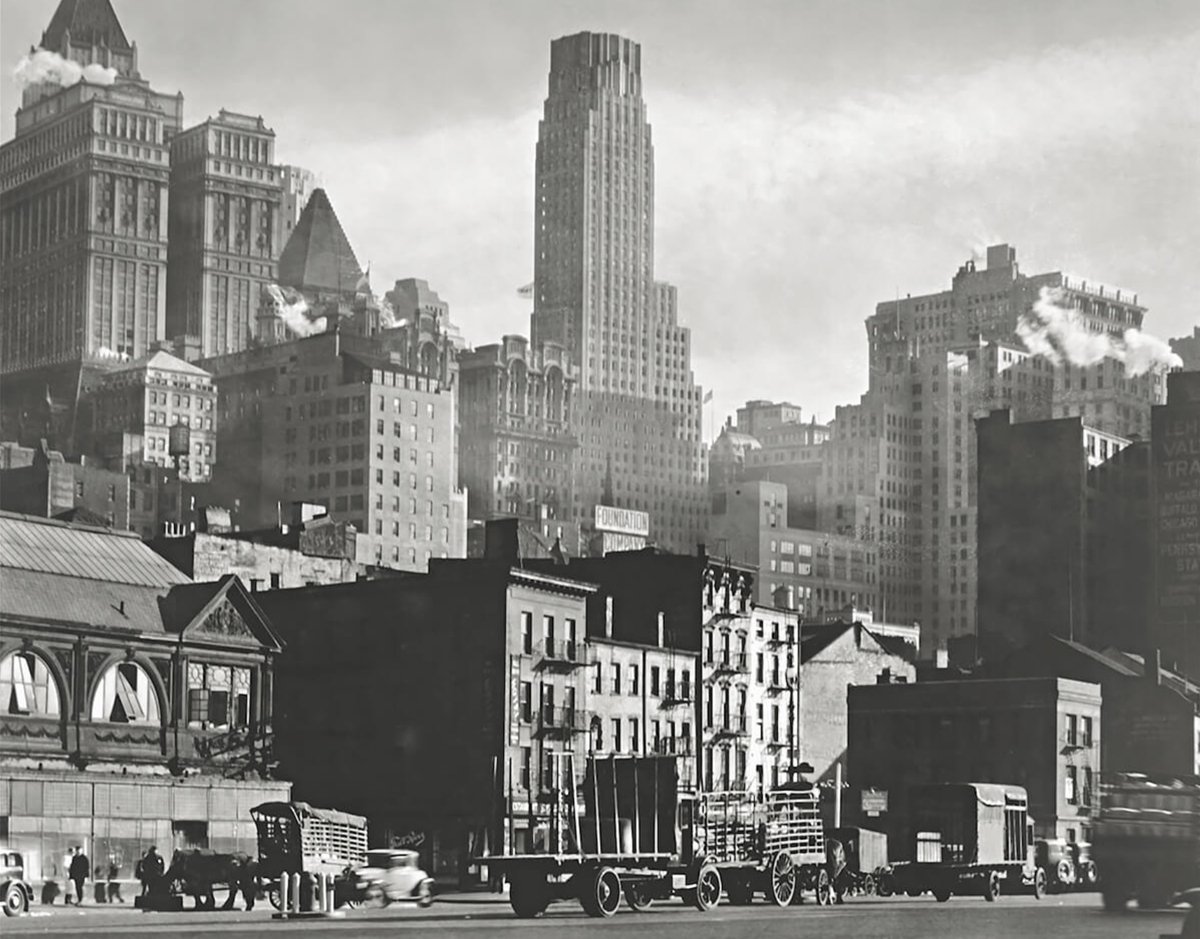
Dorothea Lange (1895-1965)
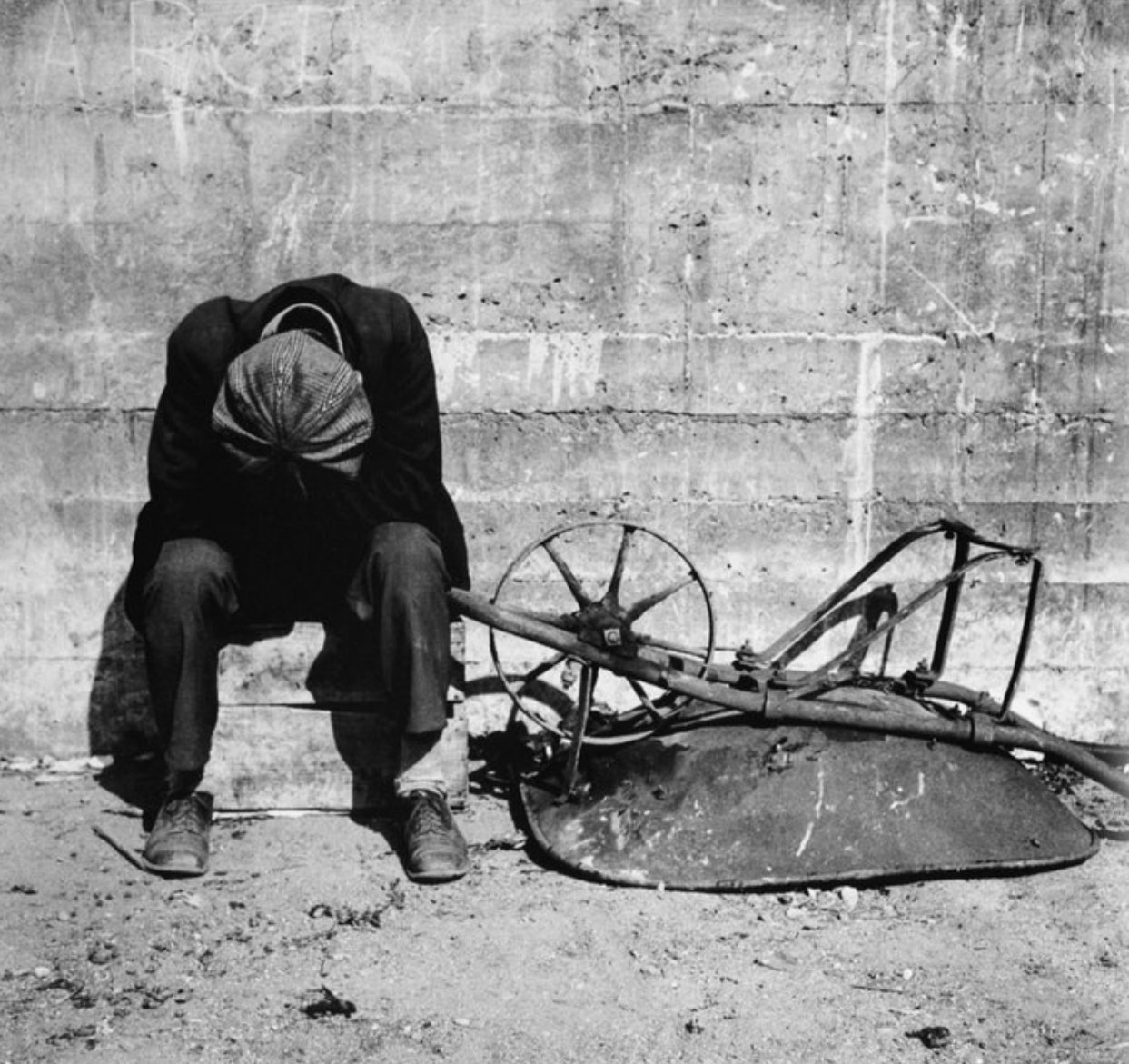
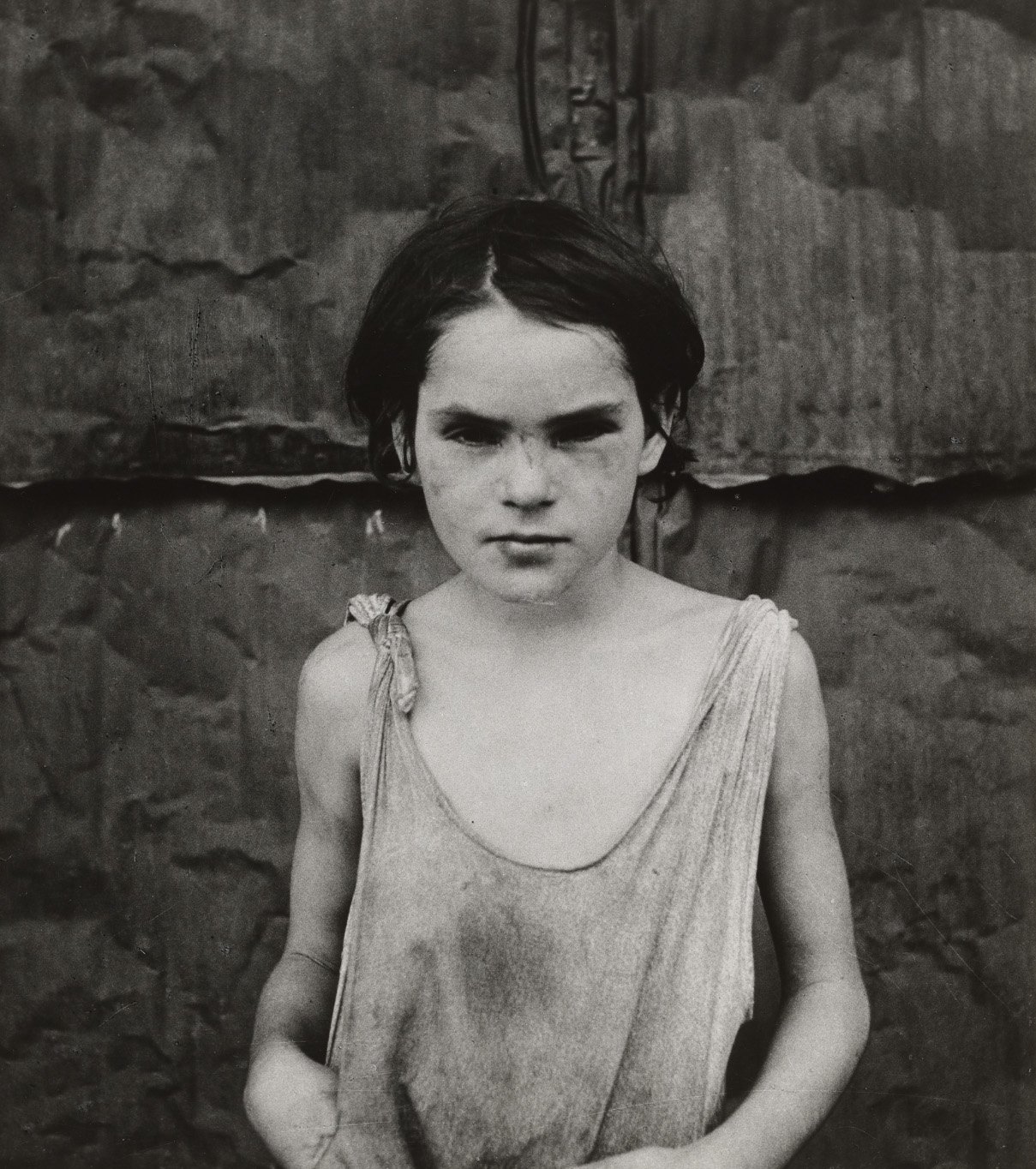
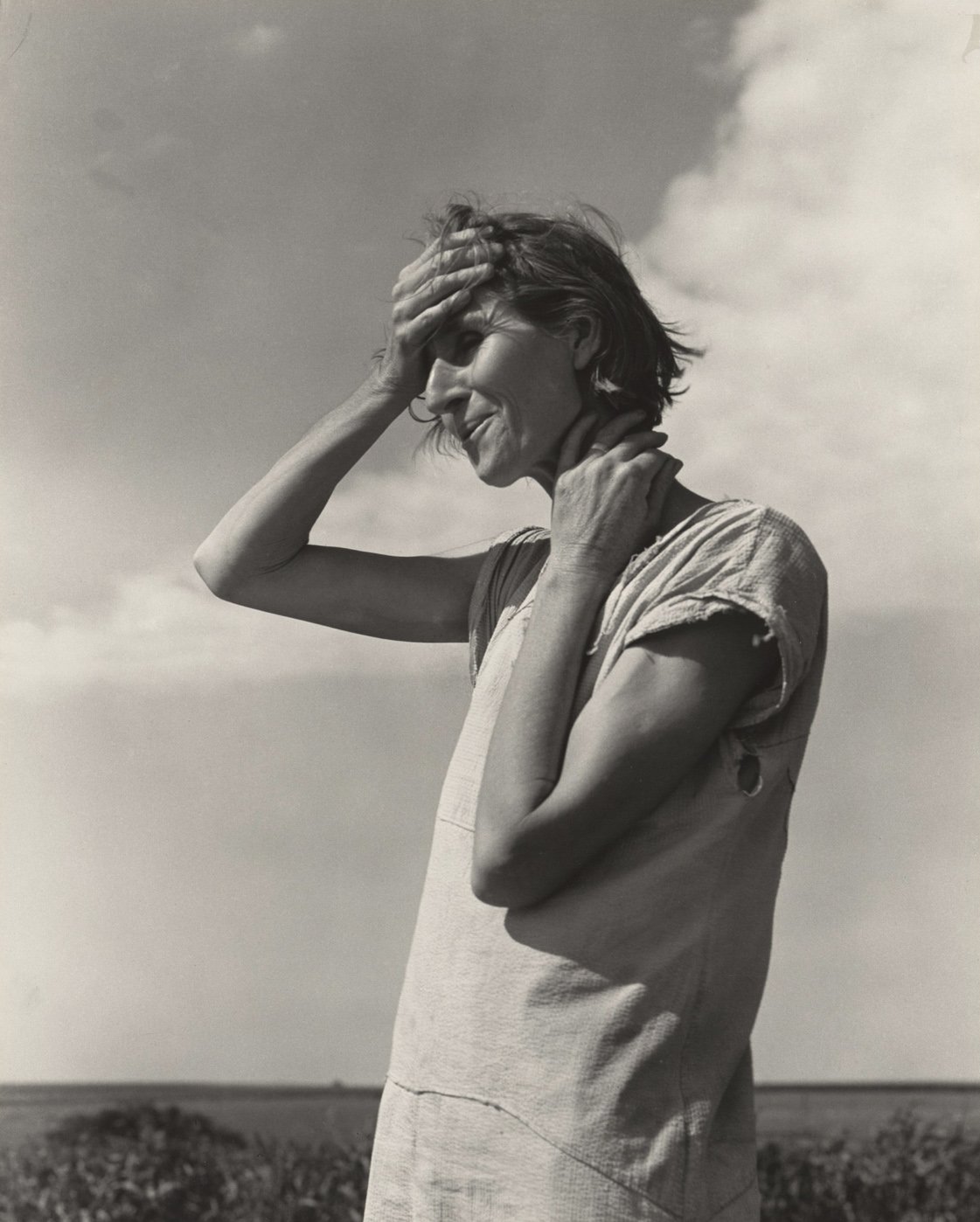
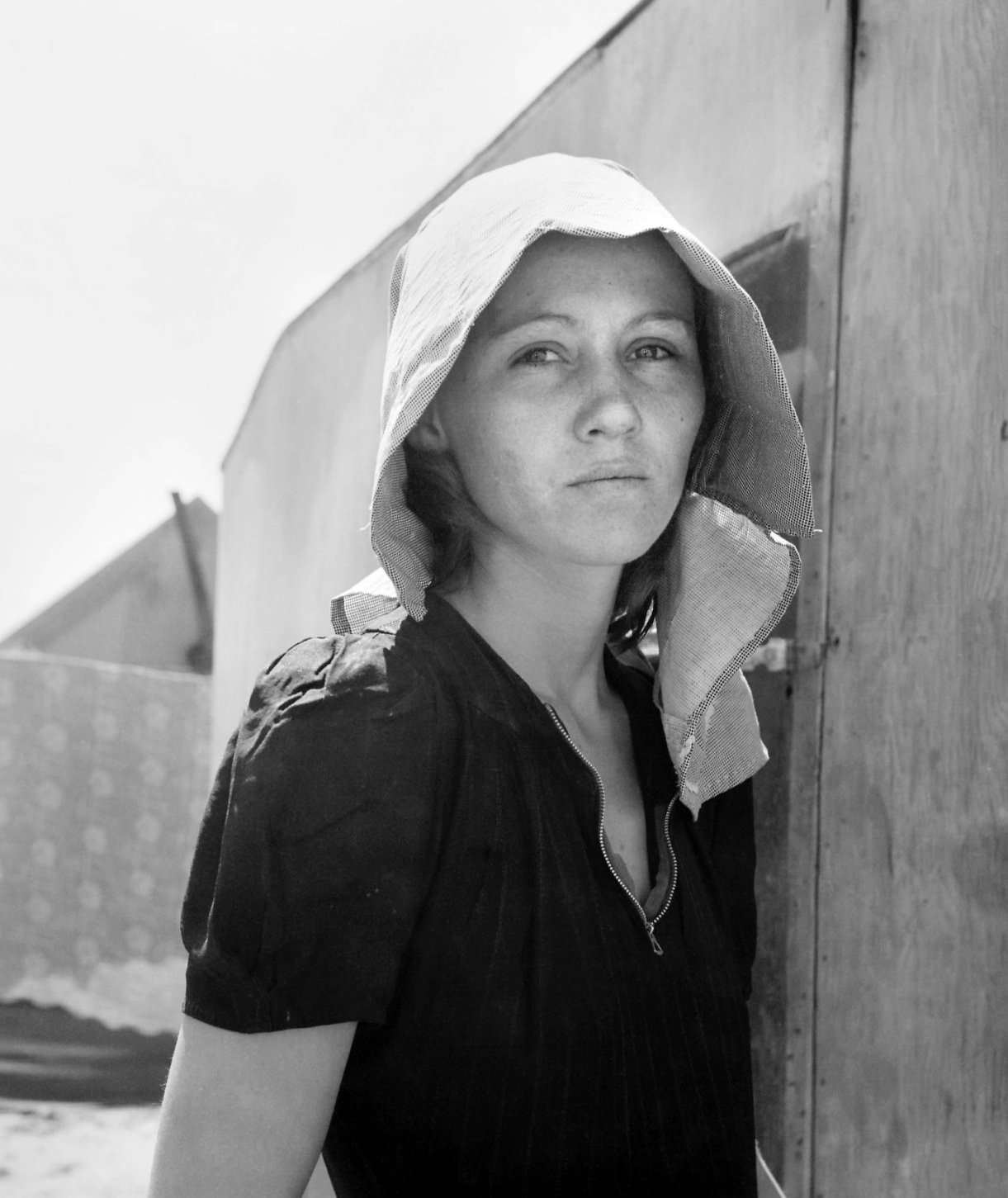
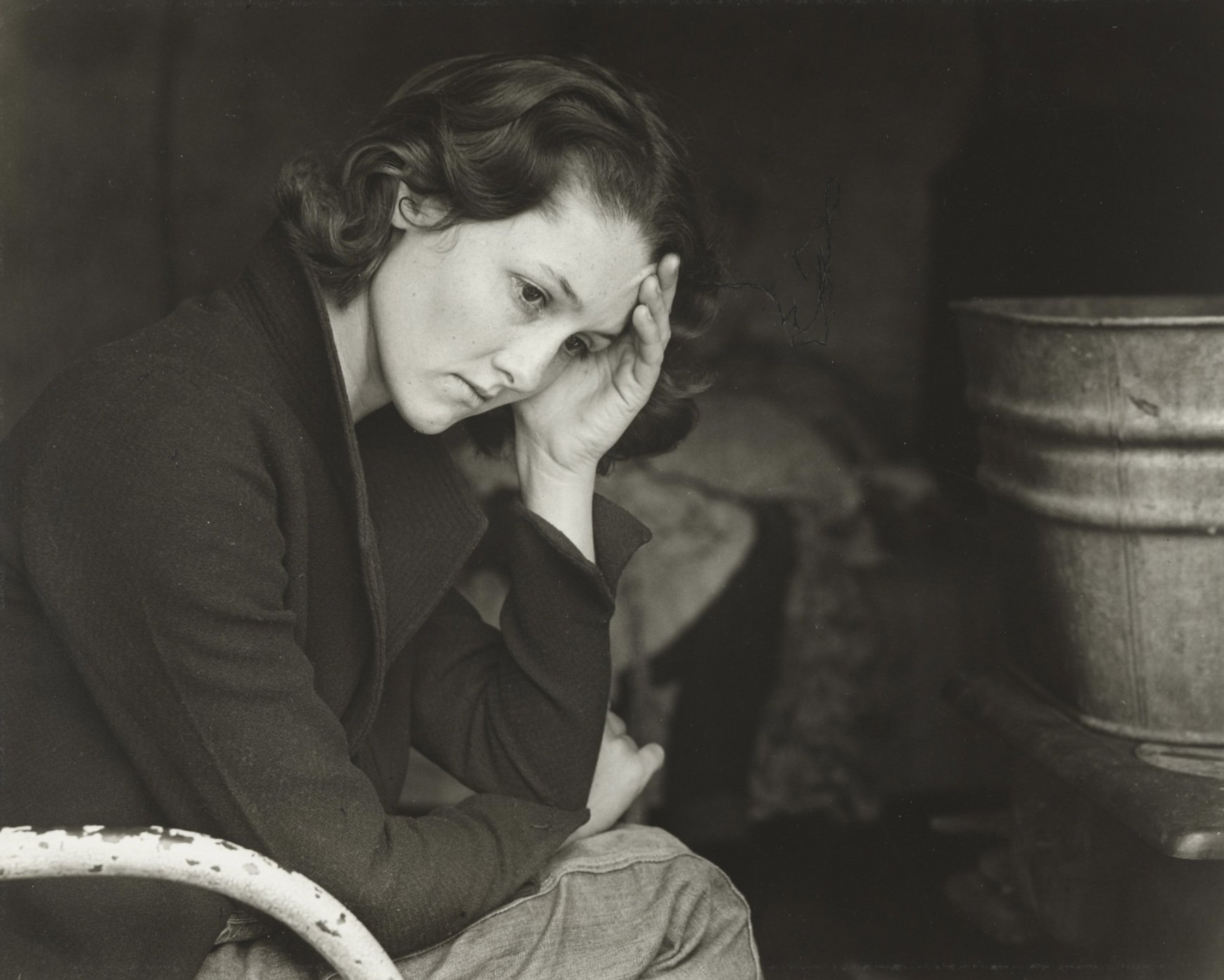
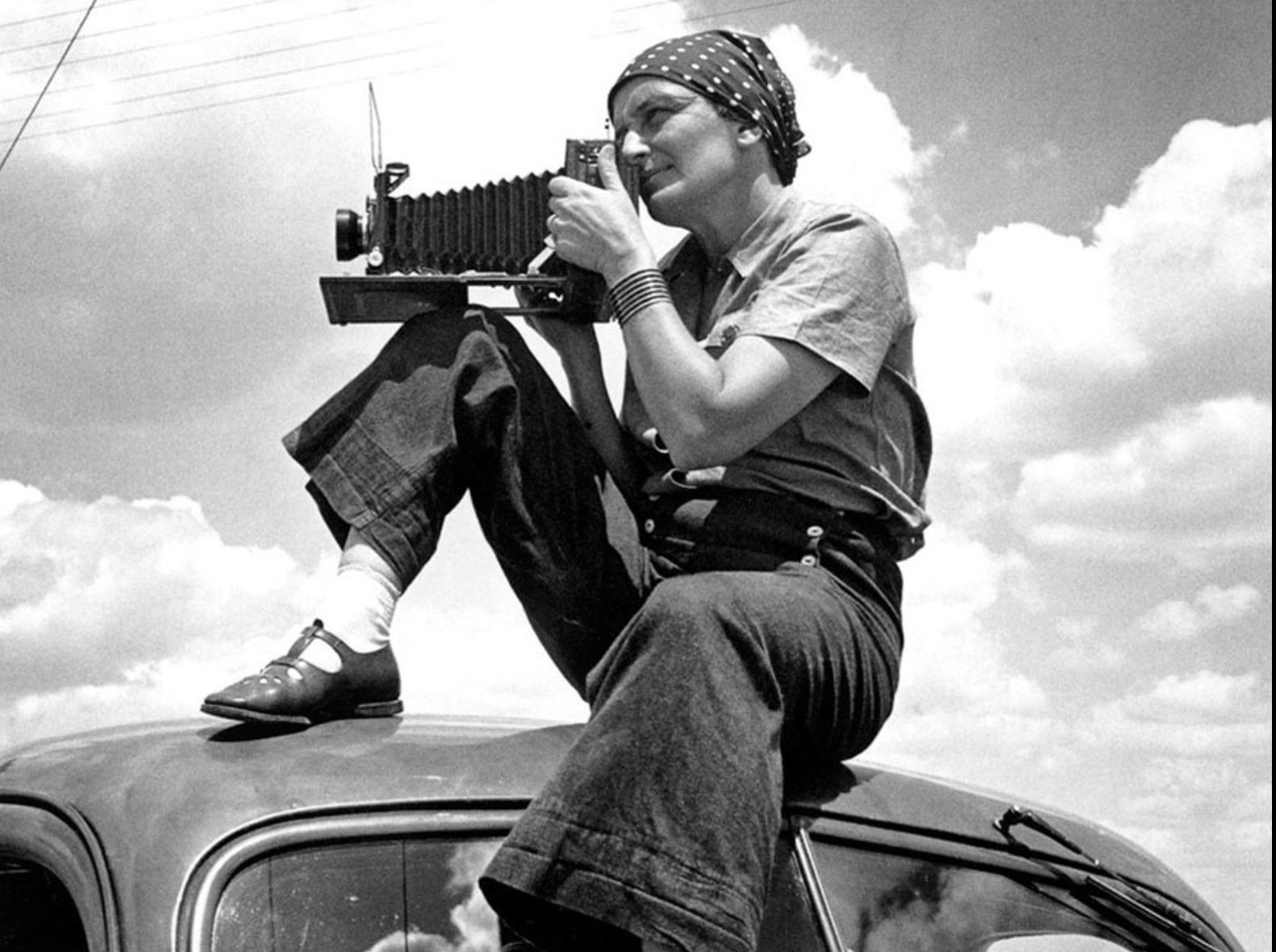
She is an American photographer who realistically documented the difficult life of Americans during the Great Depression of the 1930s. With her humanitarian photography, she influenced the allocation of federal funds for the poor, but also the development of the genre of documentary photography. One of her iconic photographs is "Migrant Mother" where she photographed a poor family in the conditions of existence. Lange had the ability to photograph the beauty and the dignity of people. One of her expressions is "The Camera is a Tool to Learn How to Look..." She used the camera as a democratic instrument. Although Lange had a physical difficulty in movement, due to a childhood illness, she is known as a fighting woman, at a time when this quality was not accepted for women. She traveled extensively, photographing the underrepresented lower classes of the population; farmers, workers, Jewesh, blacks, the poor, immigrants of various nationalities, thus offering a democratic vision of America at a time when the country needed it most.


Margaret Bourke-White (1904-1971)
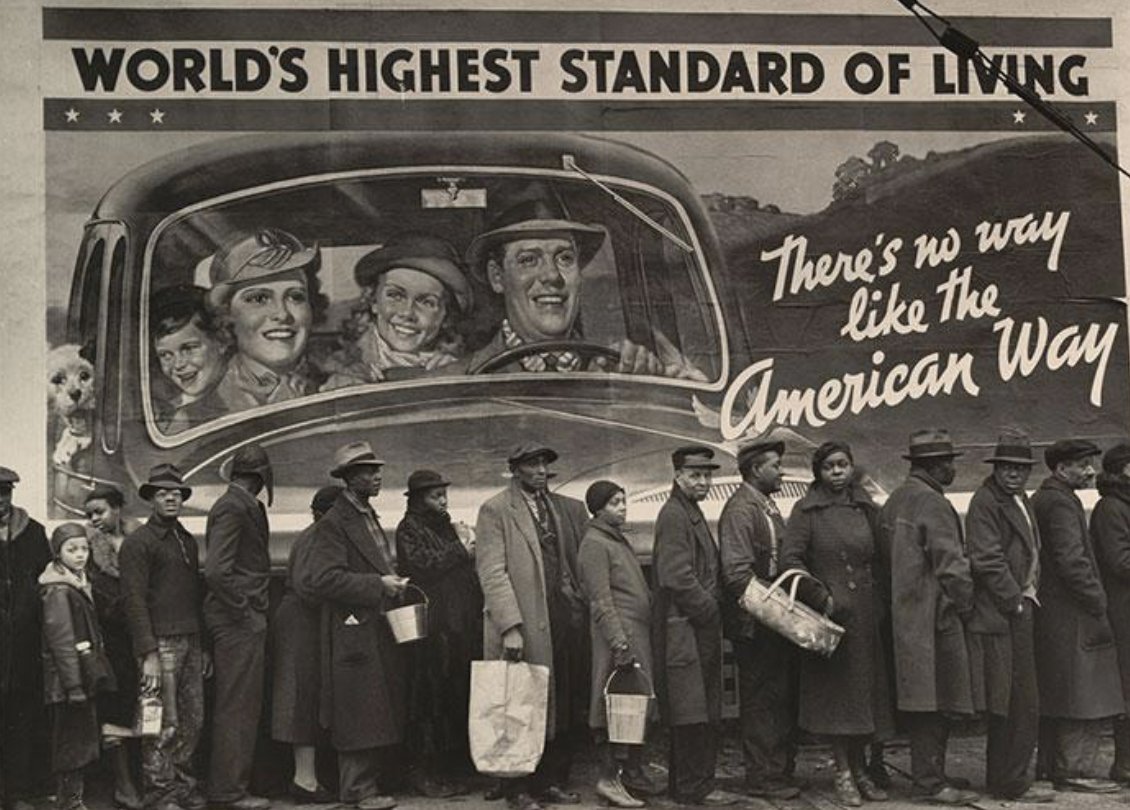
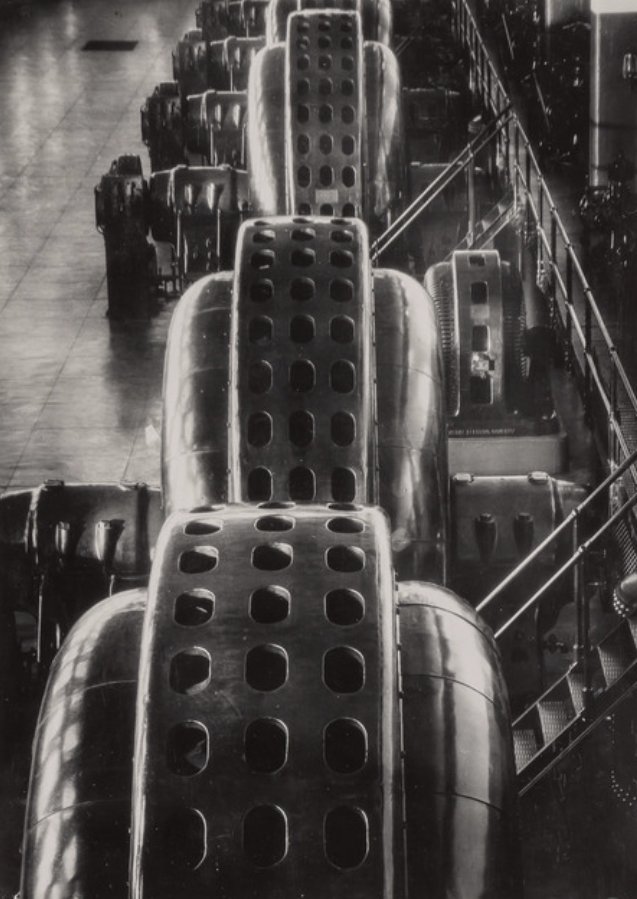
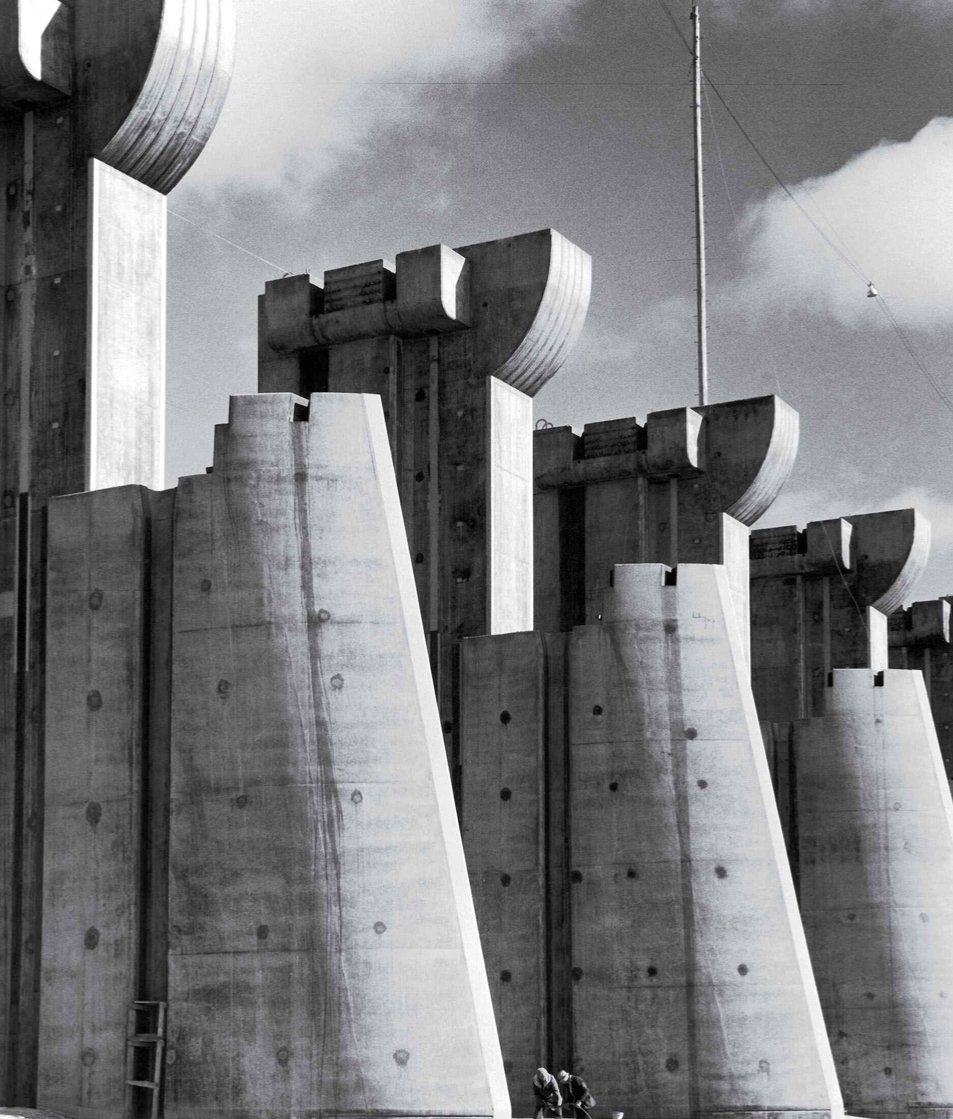
She is the first American war photographer and one of the most important photoreporters in America in the 1930s and 1940s. Her first photographs are those of industrial buildings, machineries, people, but then she focused her attention on social issues, in areas of extreme poverty during the Depression, where she photographed for Fortune and later for Life Magazine. Bourke-White was the first foreign photographer allowed to photograph in the Soviet Union during the 1930s, making her one of the most famous photographers in America. She was allowed by the Military Corps to photograph the Second World War, during which she photographed the most important events such as the bombing of Moscow by German troops in 1941, war crimes, concentration camps after the Nazi capitulation. After the second world war, she documented the most important historical events, such as Gandhi's efforts for the independence of India, the Korean War, the riots in South Africa, etc.

Vivian Maier (1926-2009)
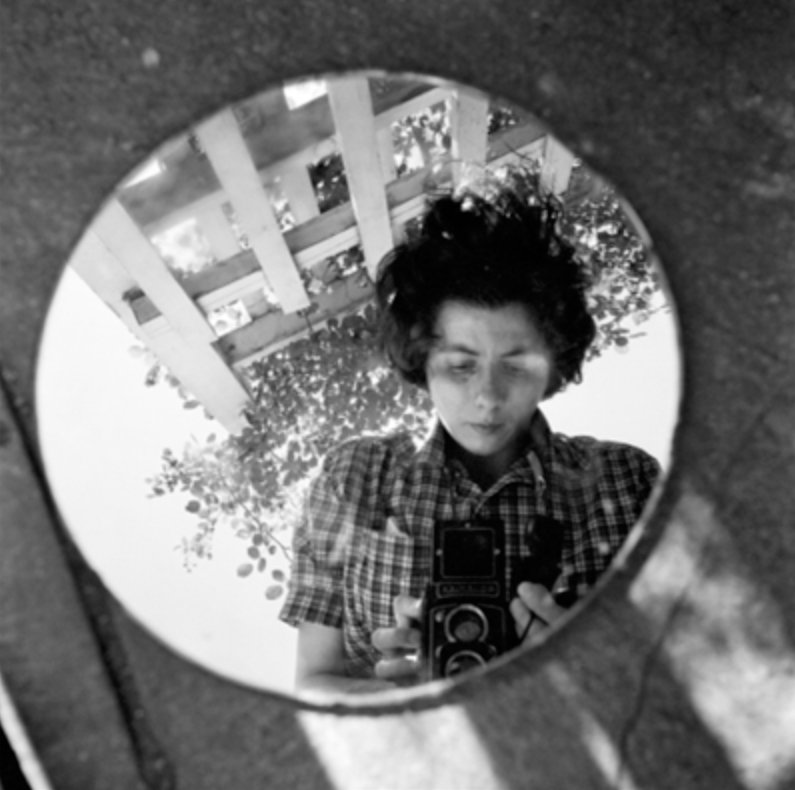
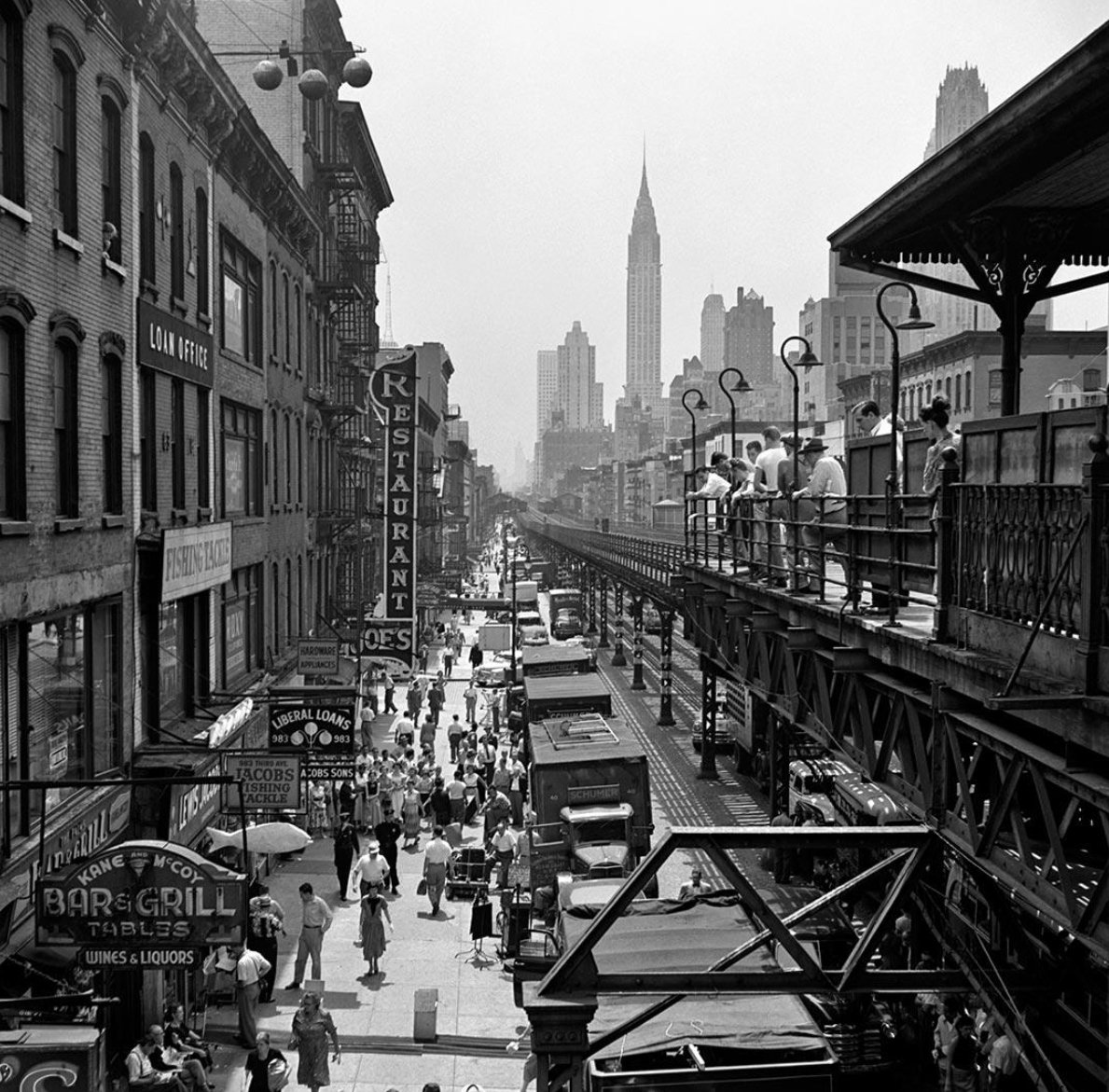
Vivian Maier has one of the most interesting stories in the history of photography. She photographed urban street life of America in the 50s, 60s, with strong intensity, curiosity and a sense of humor, but she never published her photos. She was a rather reserved person, although educated and cultured, she took pictures as a hobby while performing her duties as a nanny. As the children she raised later put it, they never understood what Maier was photographing. When they asked her, she answered with a smile that she was a spy. While Maier walked the children to every corner of the city, she took interesting photos, which today constitute a visual legacy of that time. Her photography became famous after her death, thanks to the art collector, John Maloof, who in 2009 bought the 150,000 negatives she shot during her lifetime and made them known to the public through the publication of books, exhibitions and documentaries .

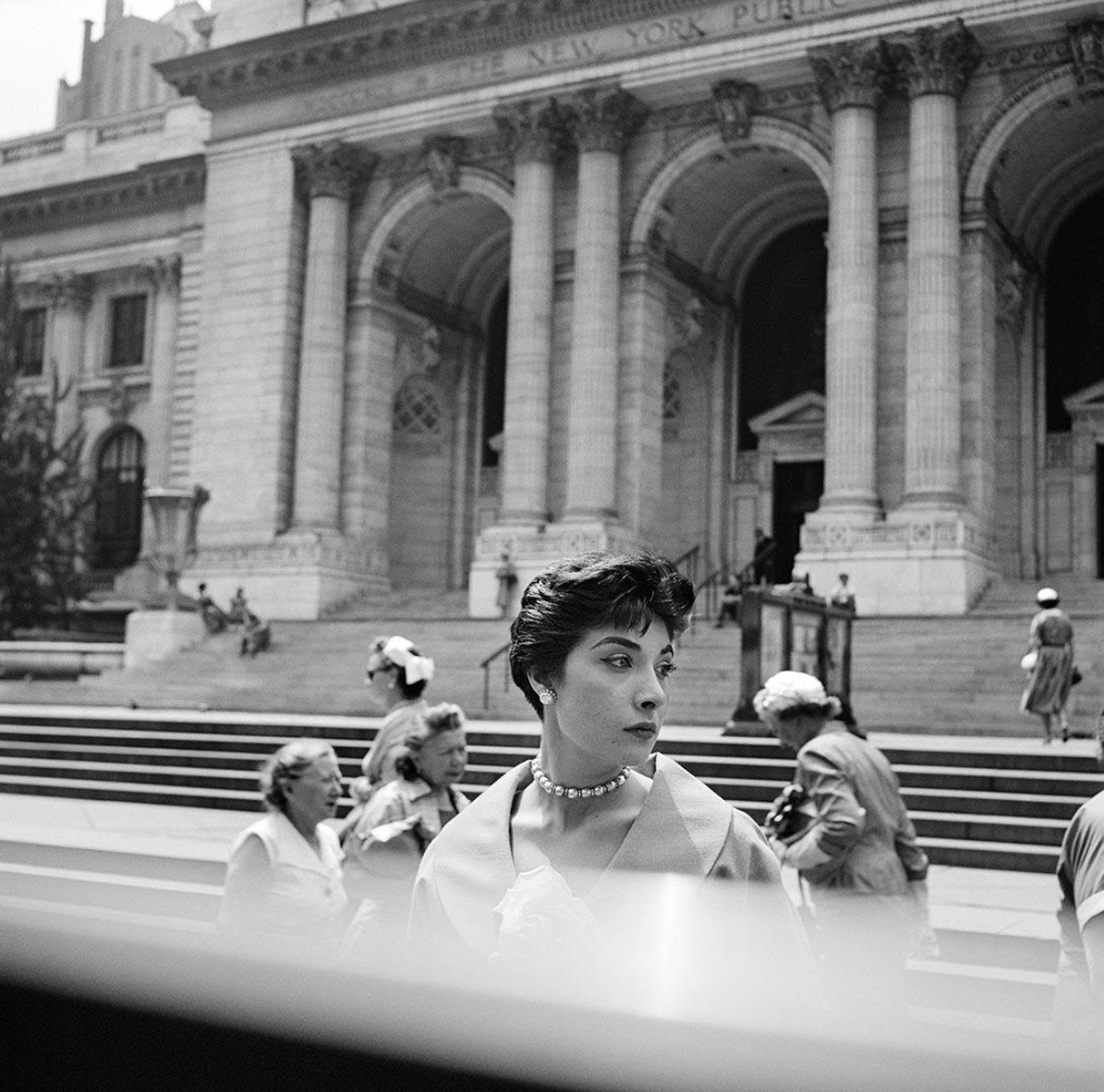
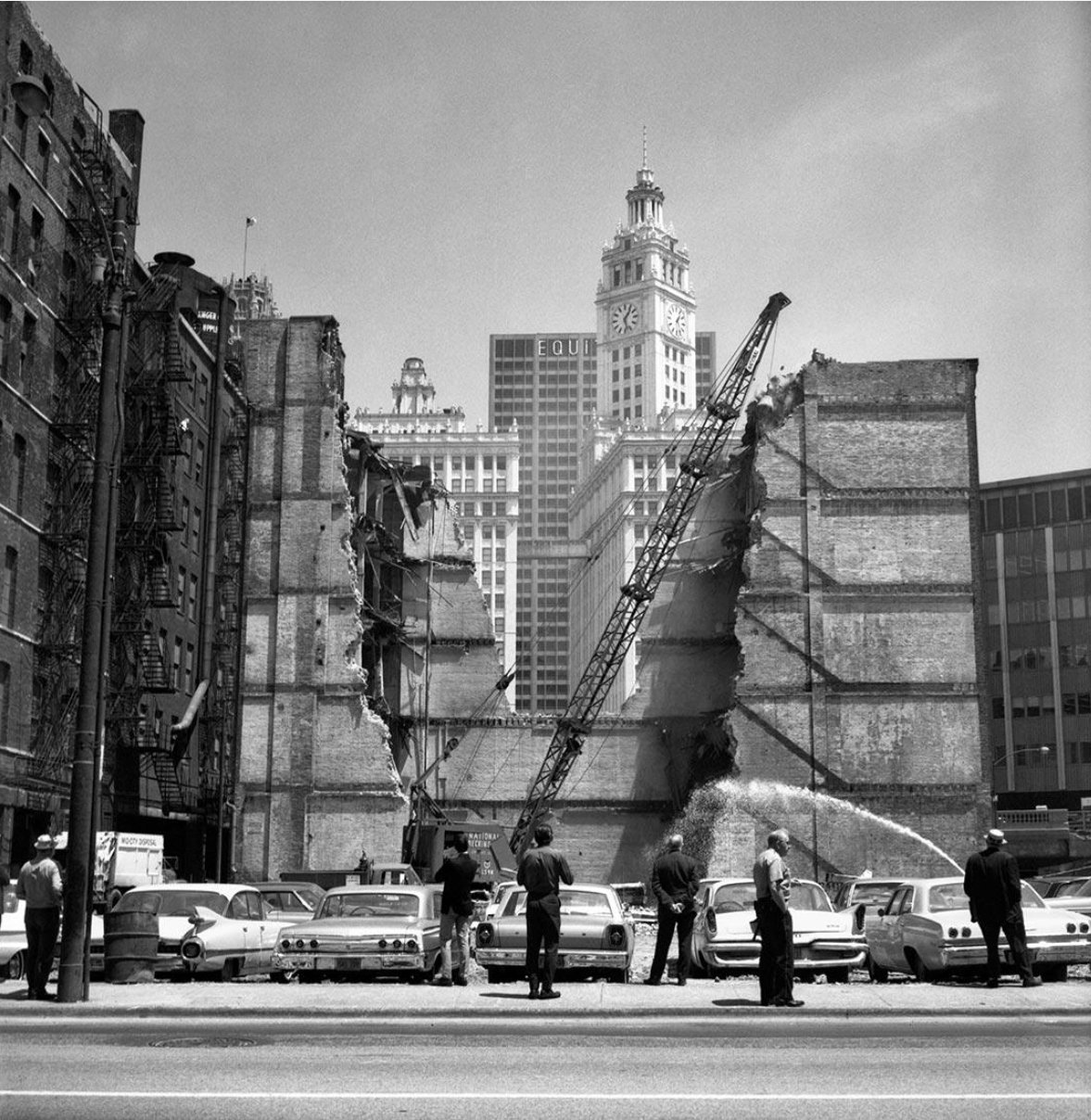
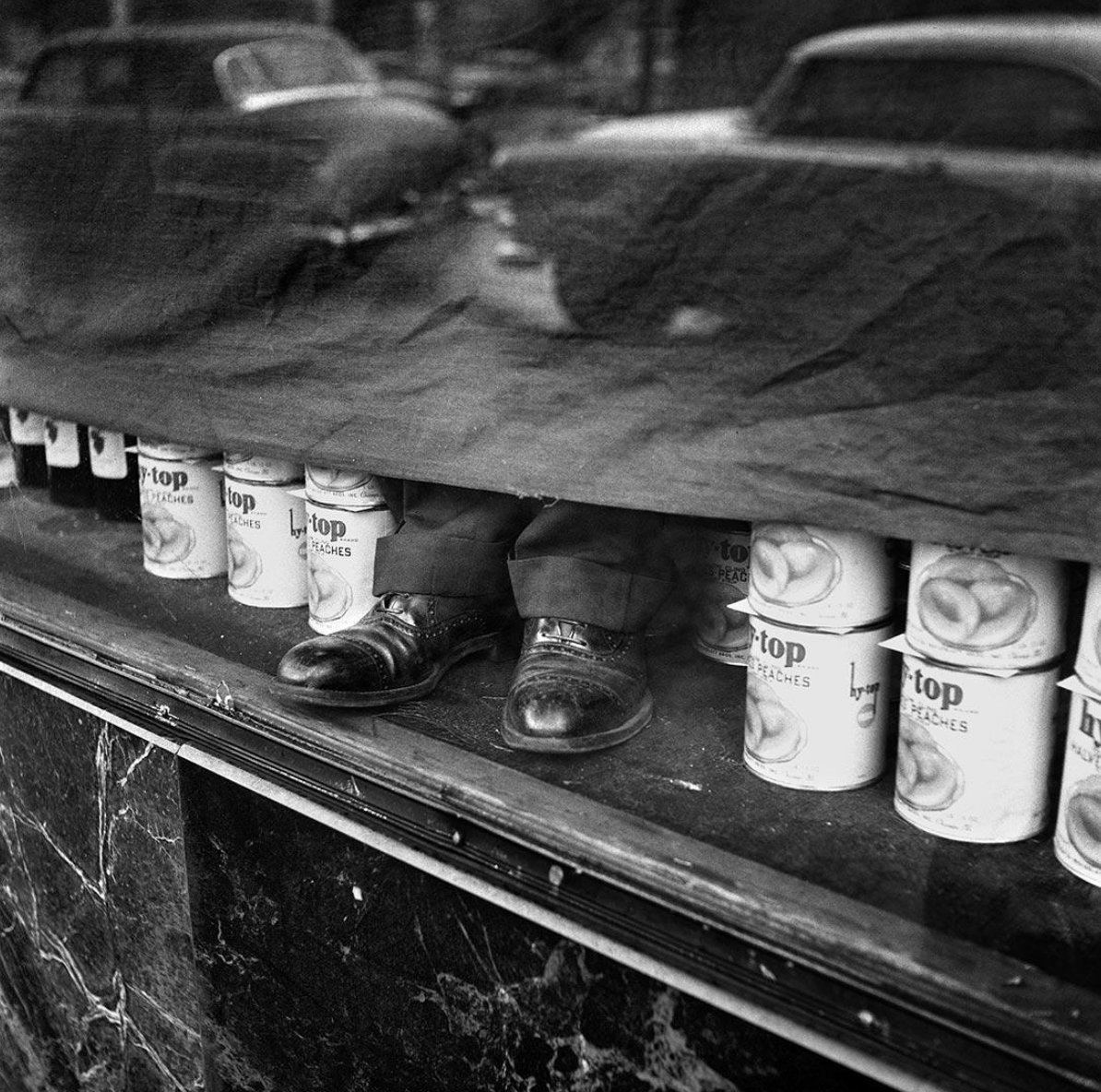

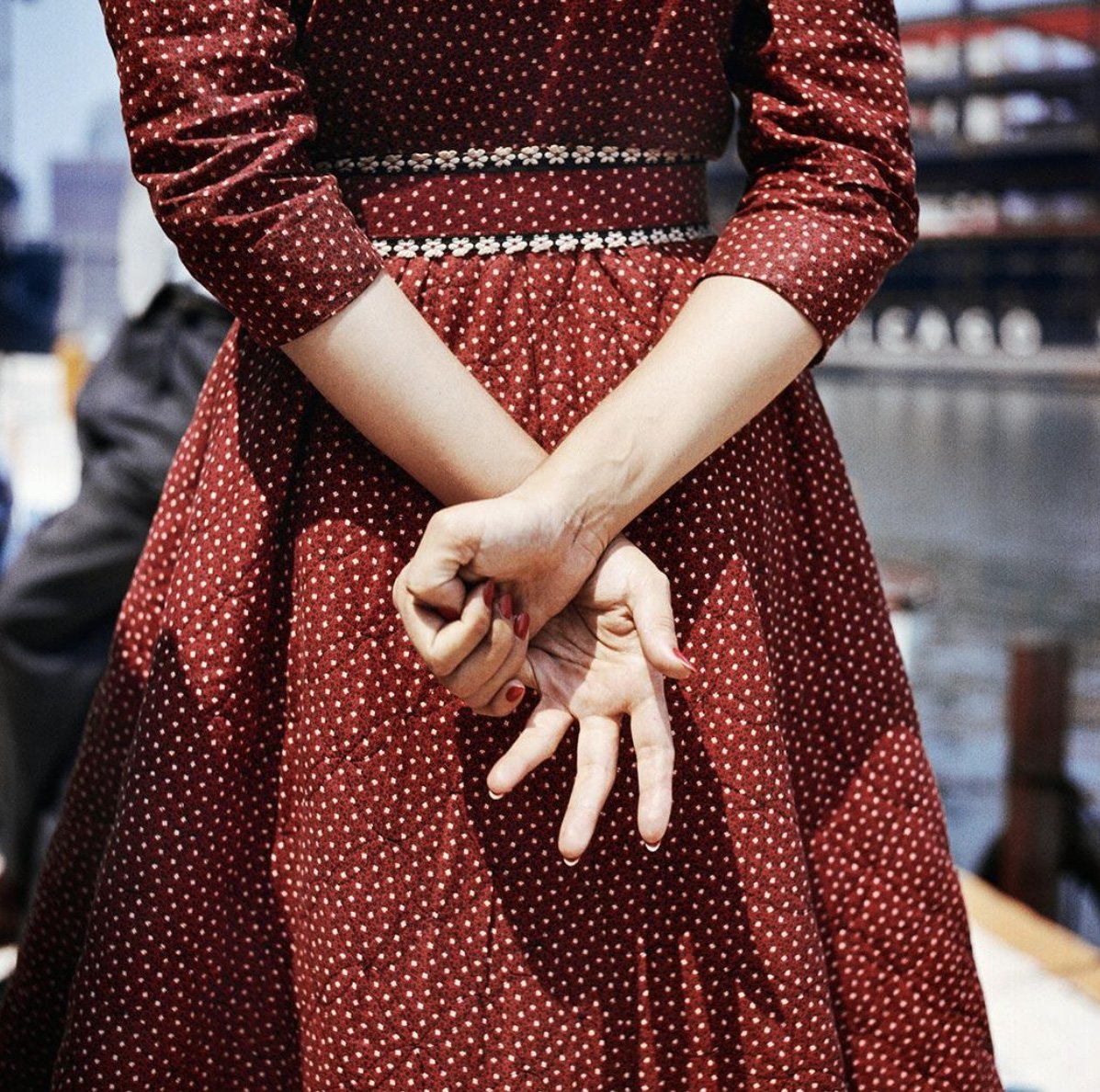
Diane Arbus (1923-1971)
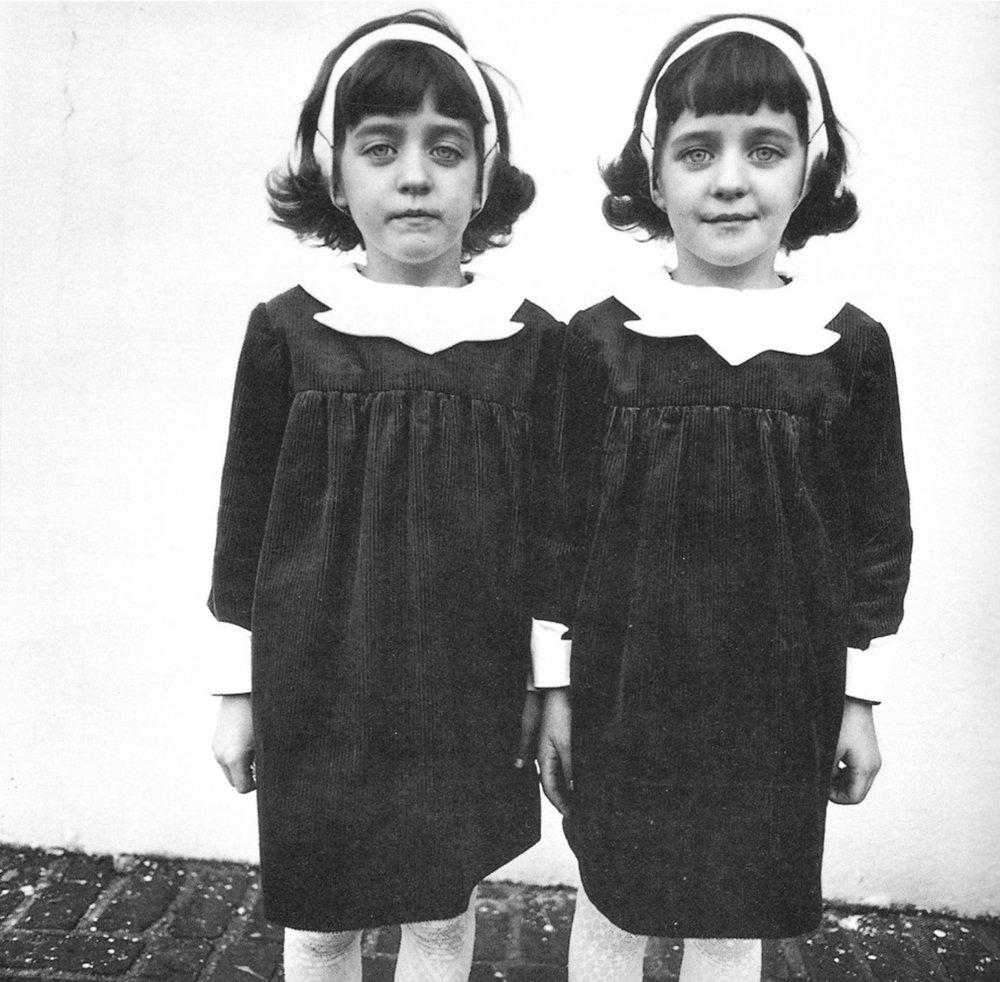
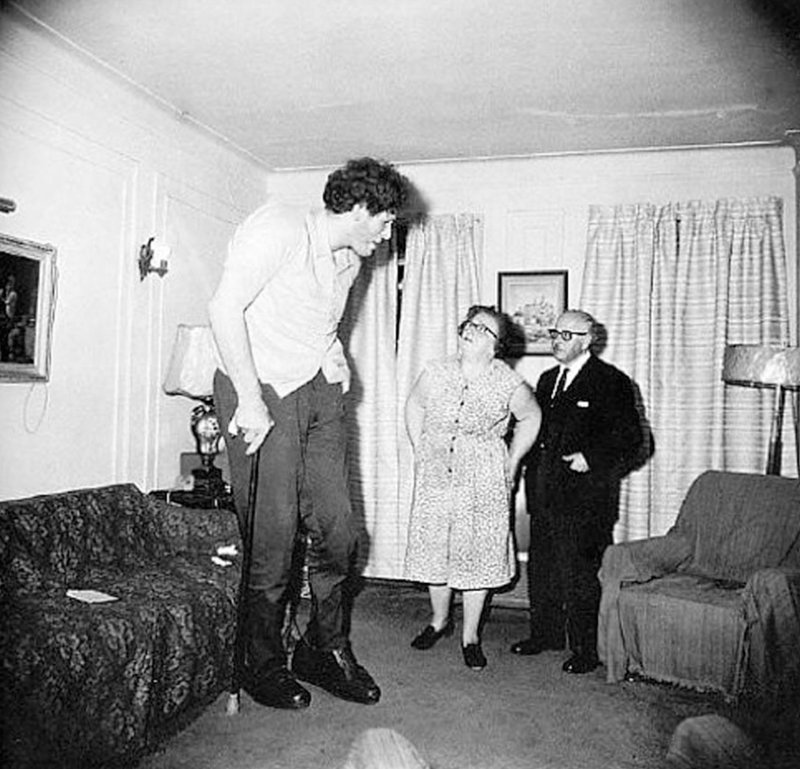
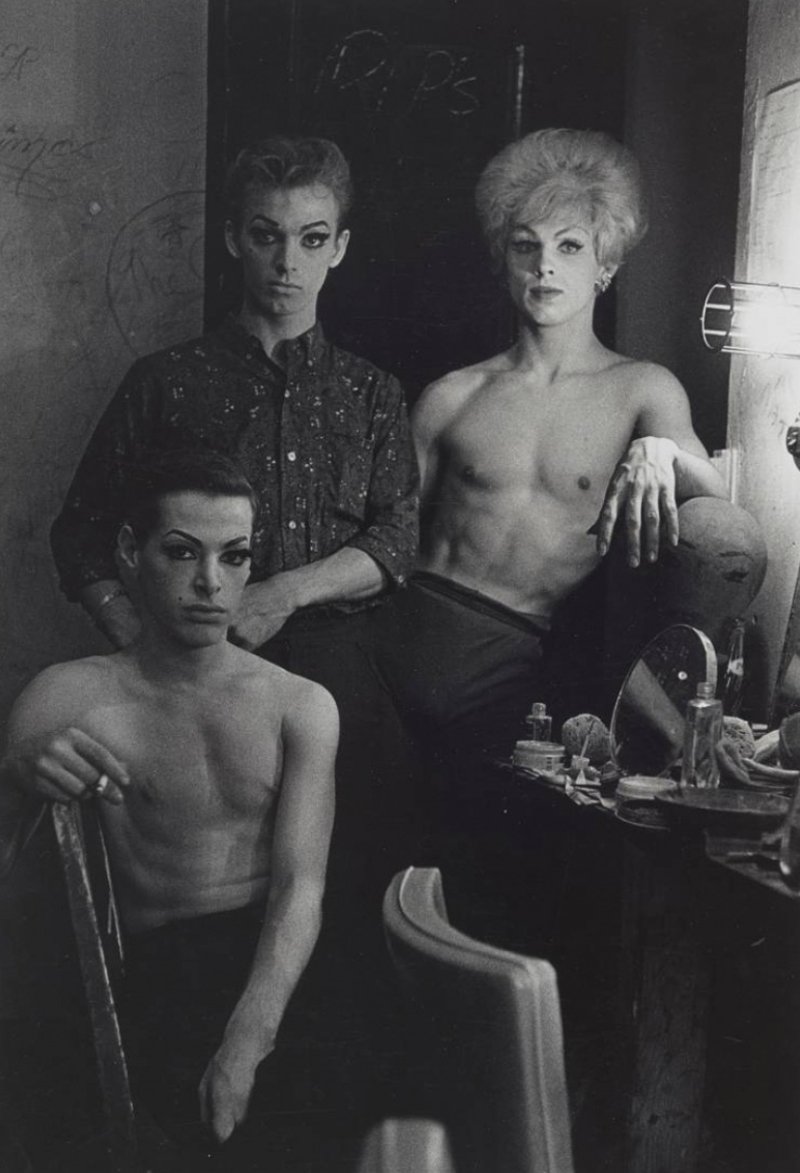
She is an American photographer known for her controversial style, criticized and appreciated at the same time. She photographed New Yorkers in the 1950s and 1960s, people in the park, children, women, disable people, those living on the fringes of society, circus performers, transgender people, those who, as one art critic says, ' they attract our attention when we see them on the street, but we instinctively look away because we are ashamed of what we see'. But Arbus, on the contrary, observes, studies and photographs them psychologically, as no other photographer had done before. While the street photographers of her generation like; Evans, Winogrand, Lewitt, etc., followed a guerilla style, photographing people without distinguishing, Diane instead seeks the approval of the people she photographs. Often times she returns to a subject twice, takes notes, chats, makes friendship, visit their home, and waits for the right moment to take the picture. For this reason her subjects look straight into the camera, being aware of the presence of the artist, and including the viewer as well. With her style, she left her mark on modern photography followed by many photographers. While Arbus' photography is related to identity, voyeurism, different people, in a homophobic society of the '50s-'60s,she was not always liked by the public and critics of the time. In a quote (Norman Mailer) says 'giving a camera to Diane Arbus is like giving a child a hand grenade'. During the 'New Documents' exhibition at the Museum of Modern Art in 1967, where Arbus was featured alongside Garry Winogrand and Lee Friedlander, her photograph was spat on by several visitors, so much so that it had to be cleaned up every day. While Susan Sontag, one of the most popular critics of the time, says that Diane Arbus lacks compassion for her subjects. Many have speculated about Diane's motives for taking photographs in this way. But her letters, which became known after her death in 1971, show the opposite. She found emotions, and saw herself reflected in people that look differently. Diane Arbus came from the rich and bourgeois class of New York society. She had attended the best schools in the country with high results. However, she ignored her class origins. She seems to search for this sense of belonging and isolation from the subjects he photographs. She learned photography through Fashion Photography, in the studio she opened with her husband. In 1956, at the age of 33, she broke away from it, following the vocation of documentary photography, which she developed with her own personal style. One of her expressions is: 'For me, the subject of the photograph is always more important than the picture itself; 'Abnormal people are born with their trauma. They have passed the test of life. They are aristocrats'; "My favorite activity is going to places I've never been."





Cindy Sherman (1954)
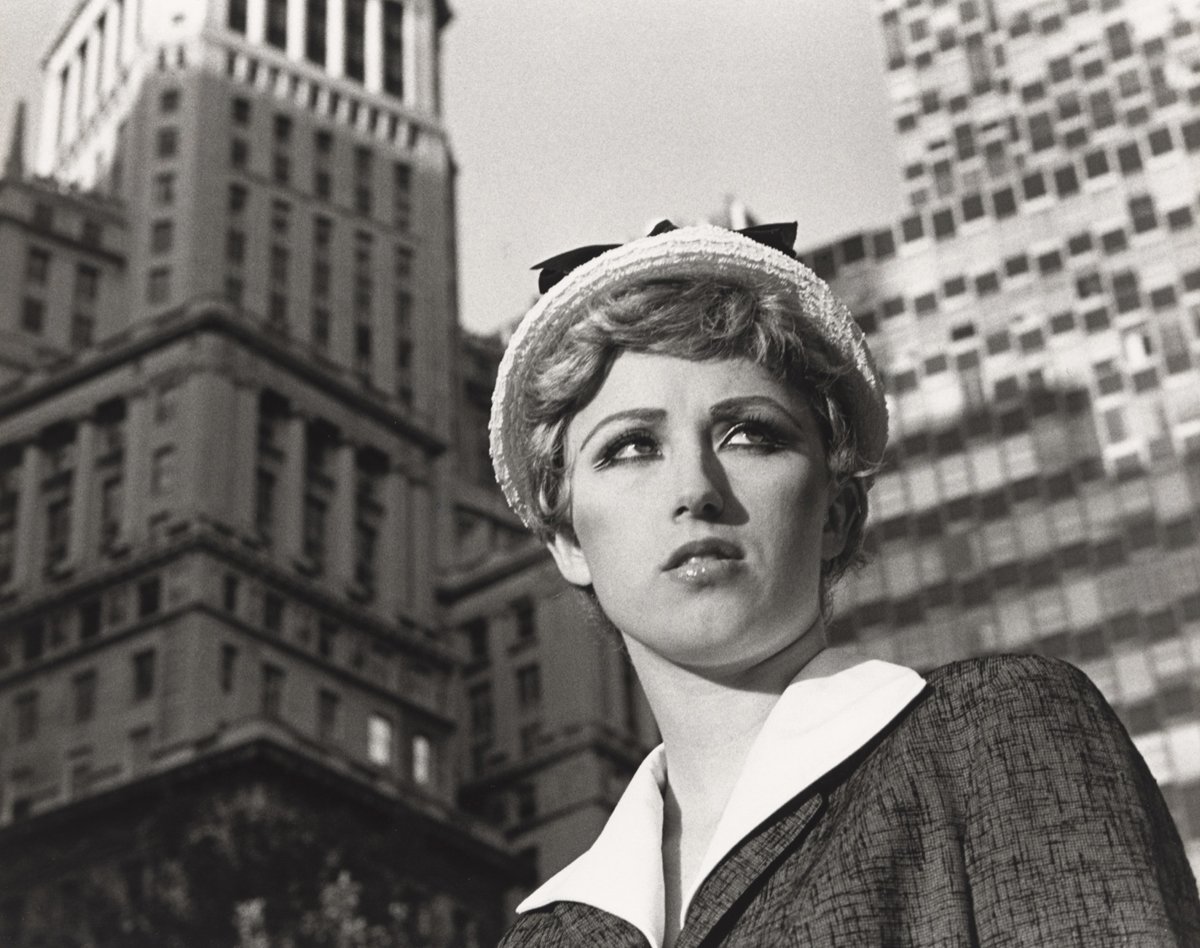
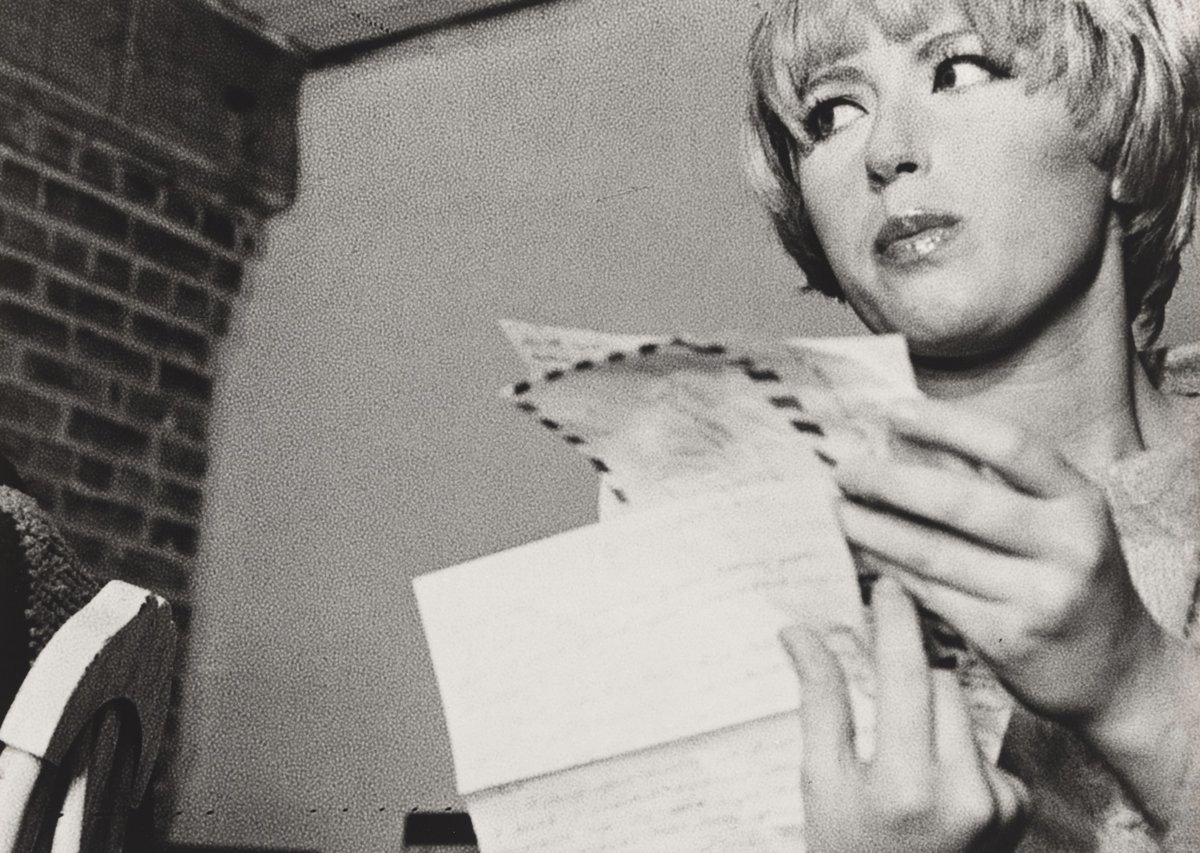
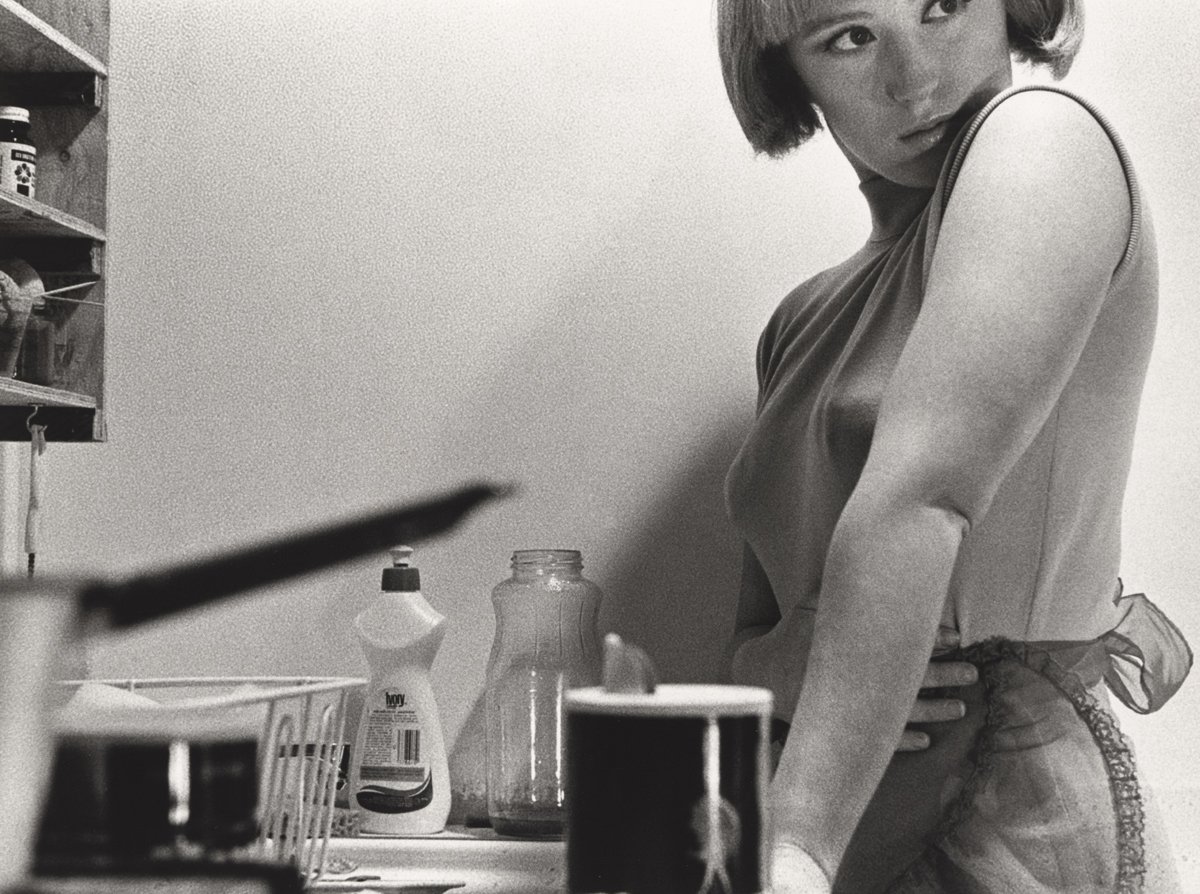
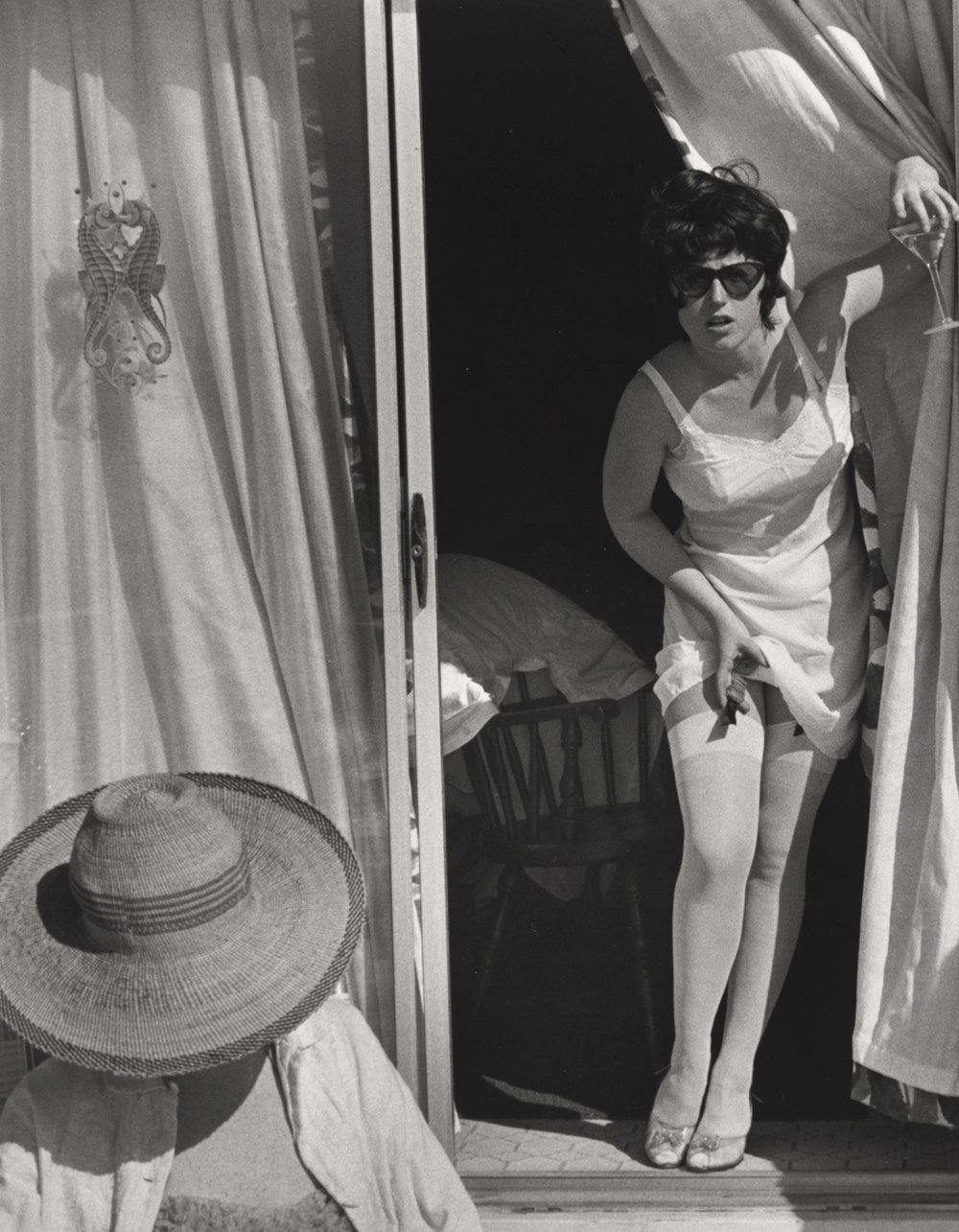
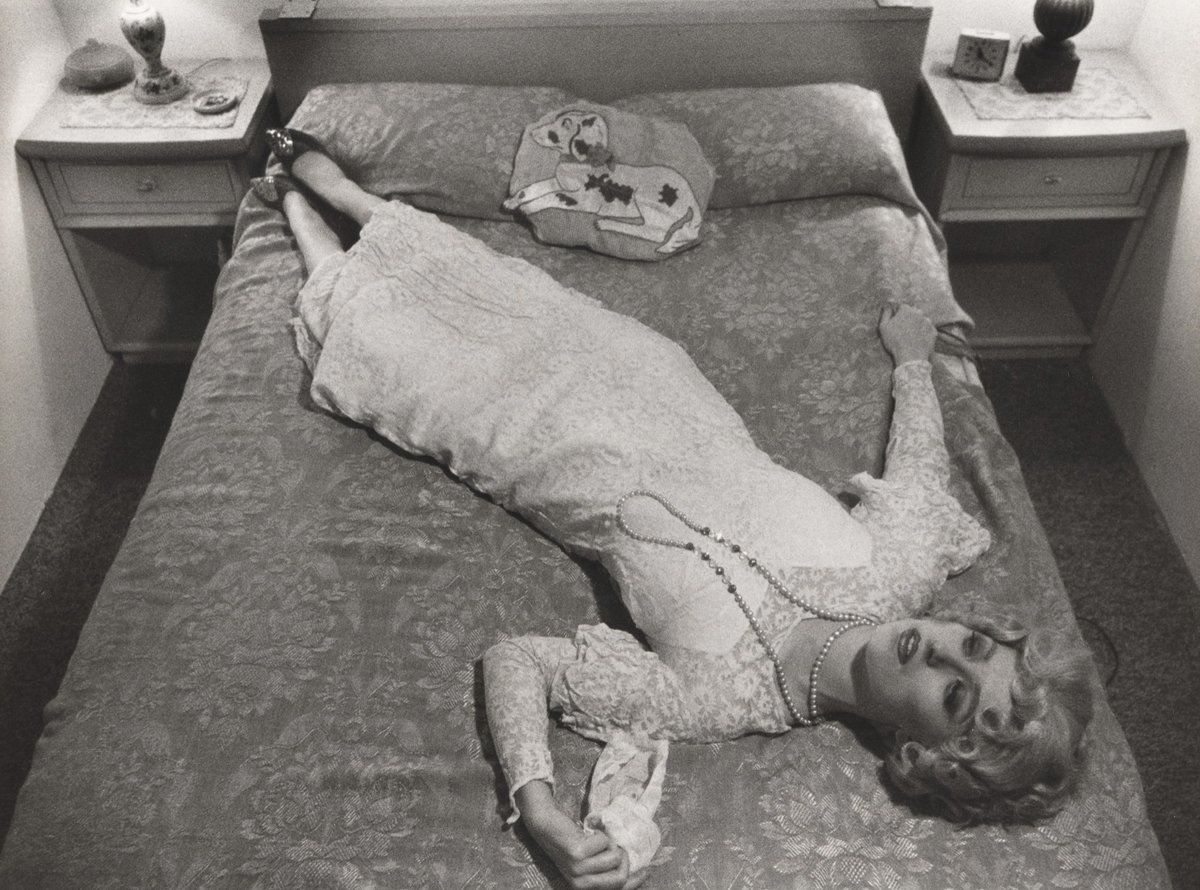
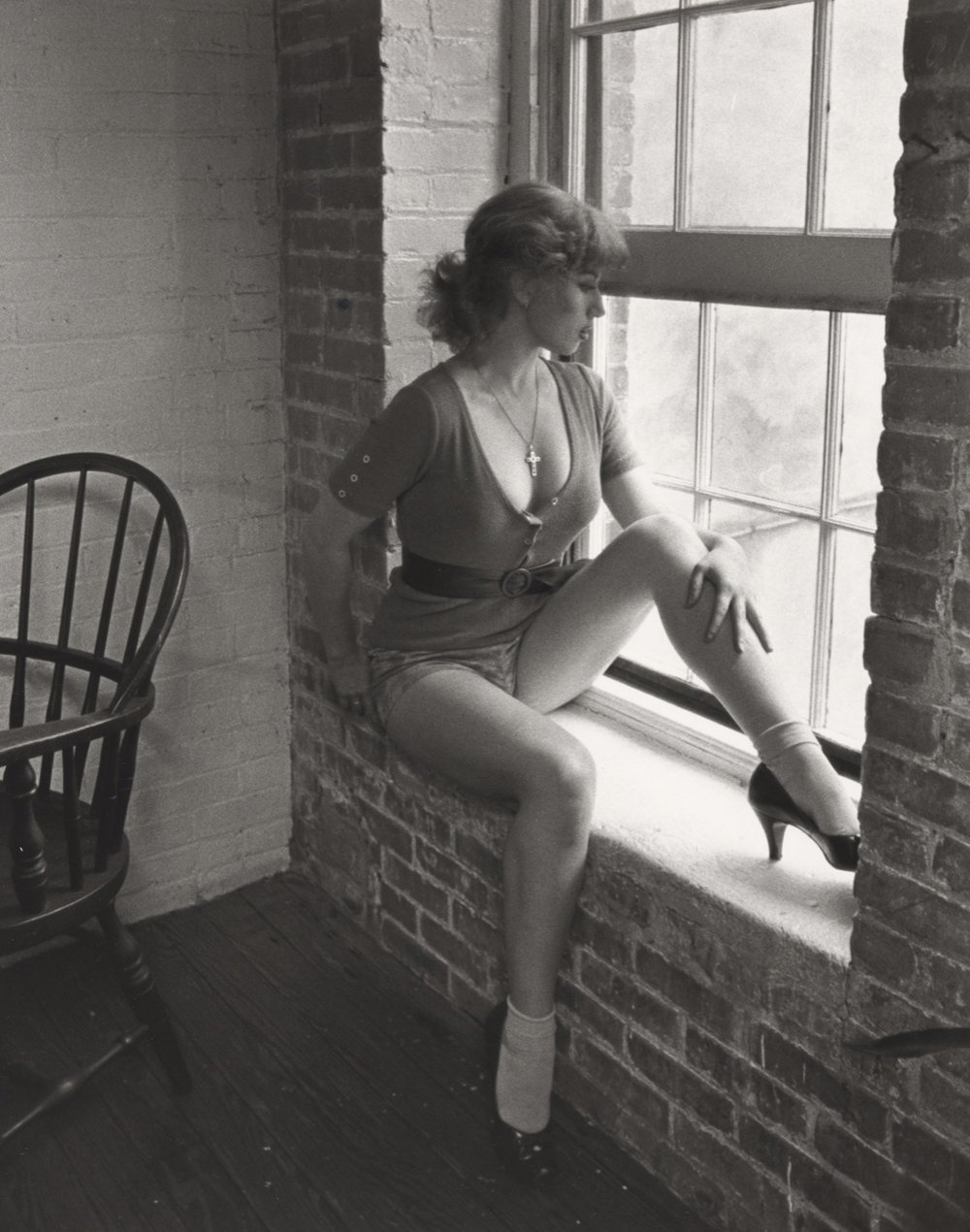
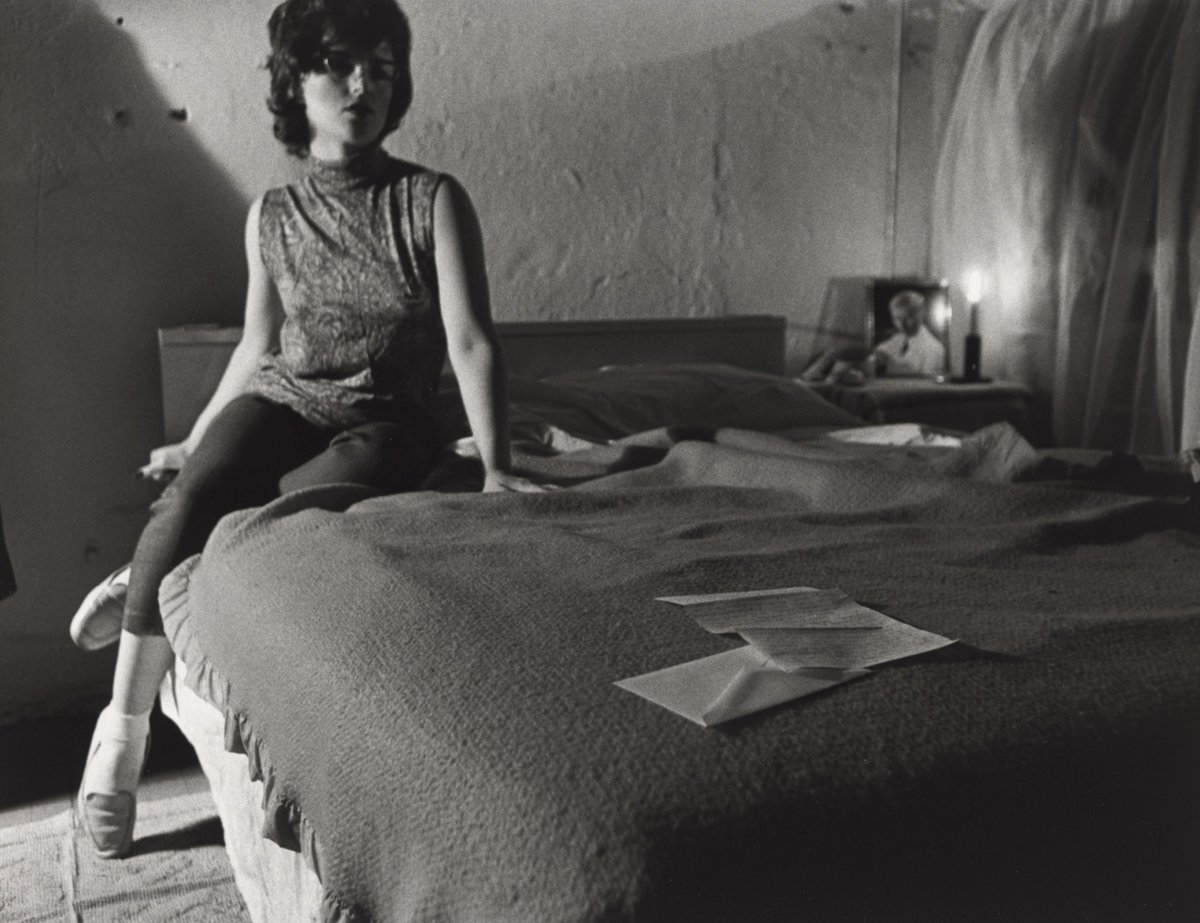
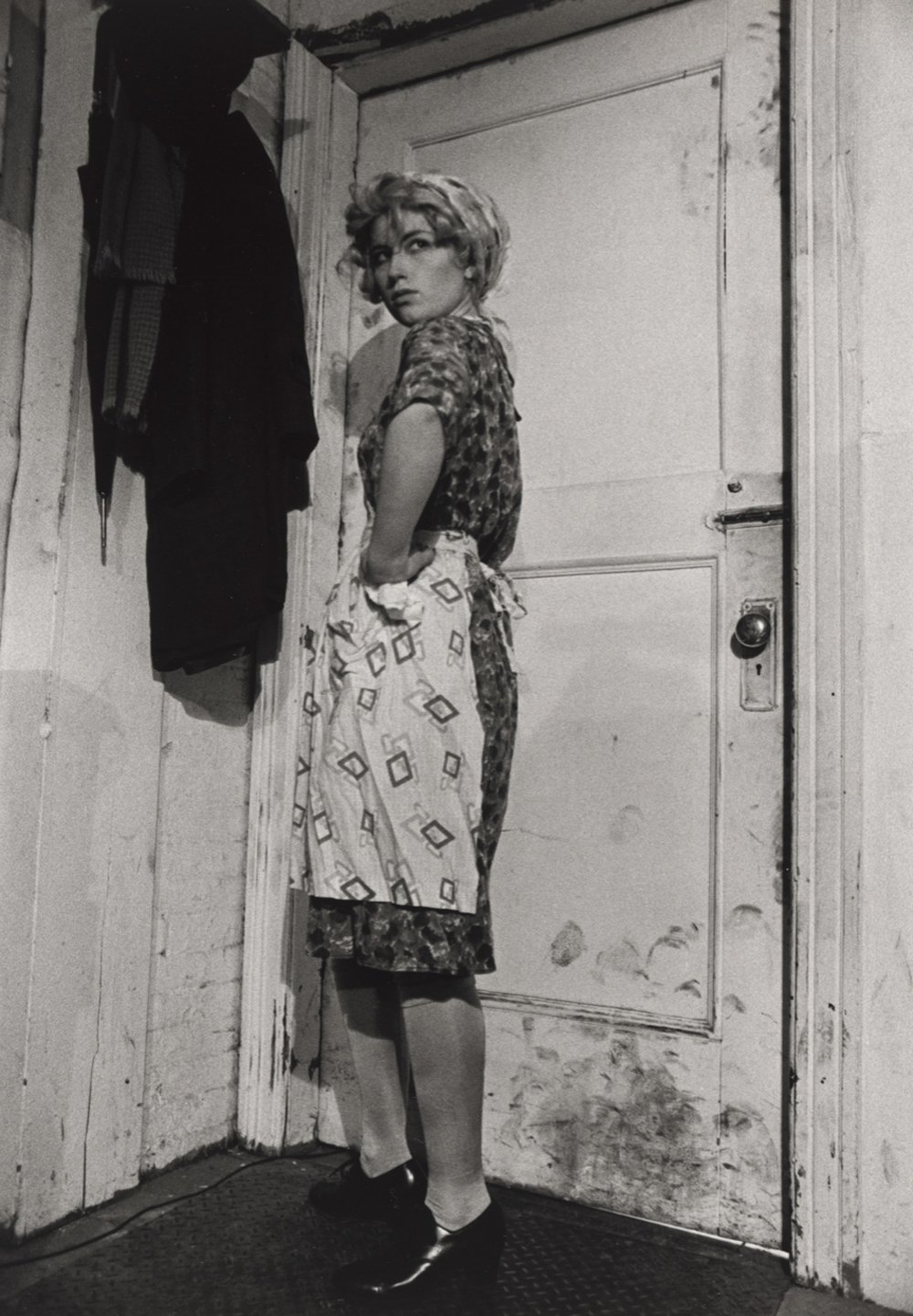
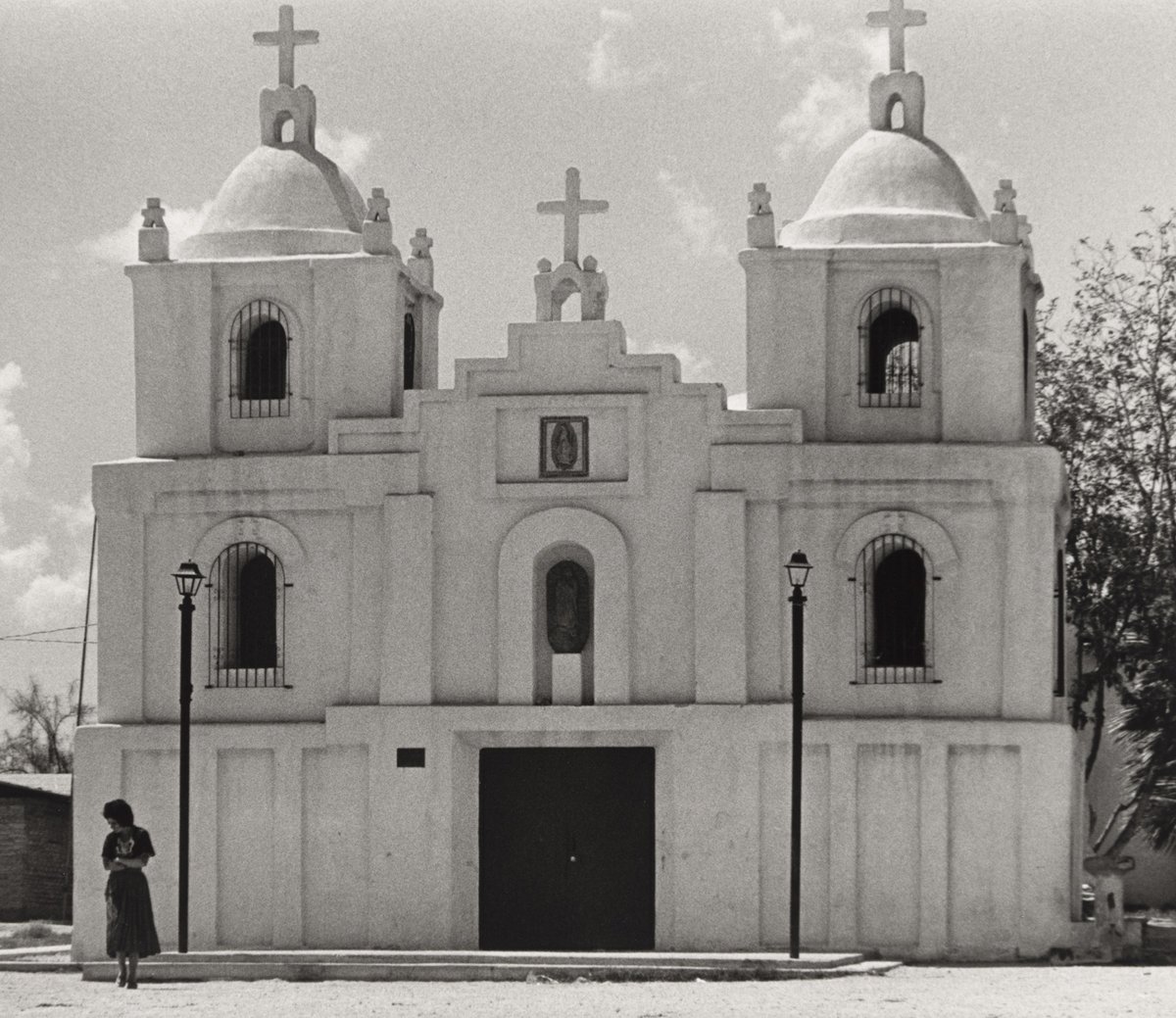
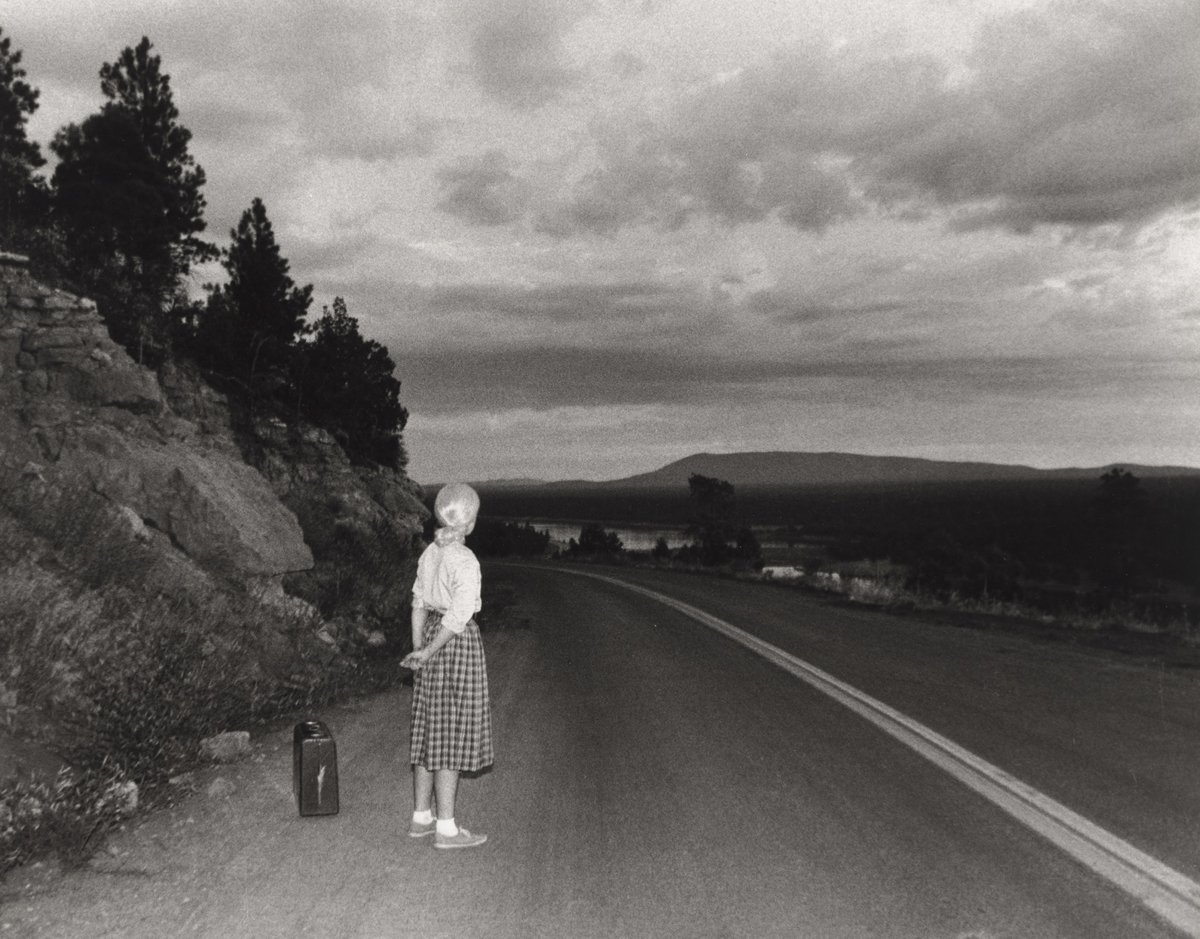
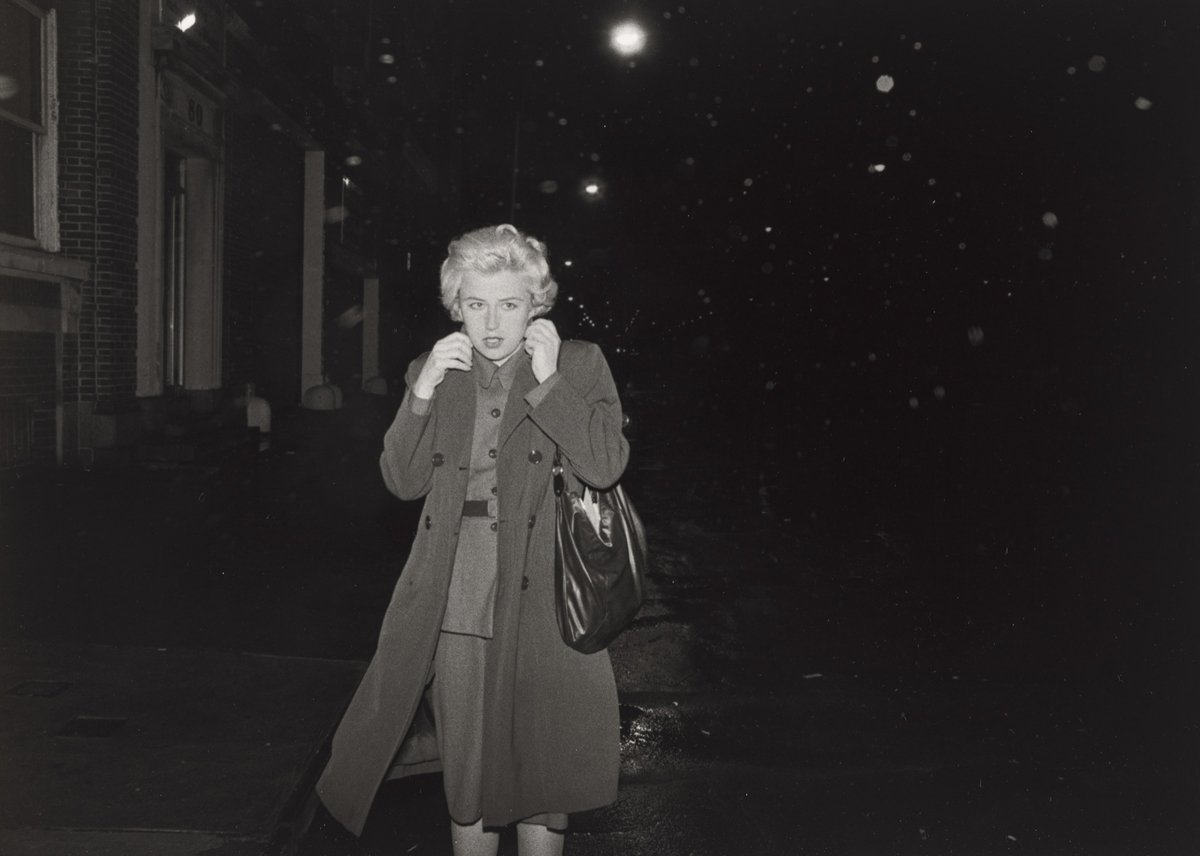
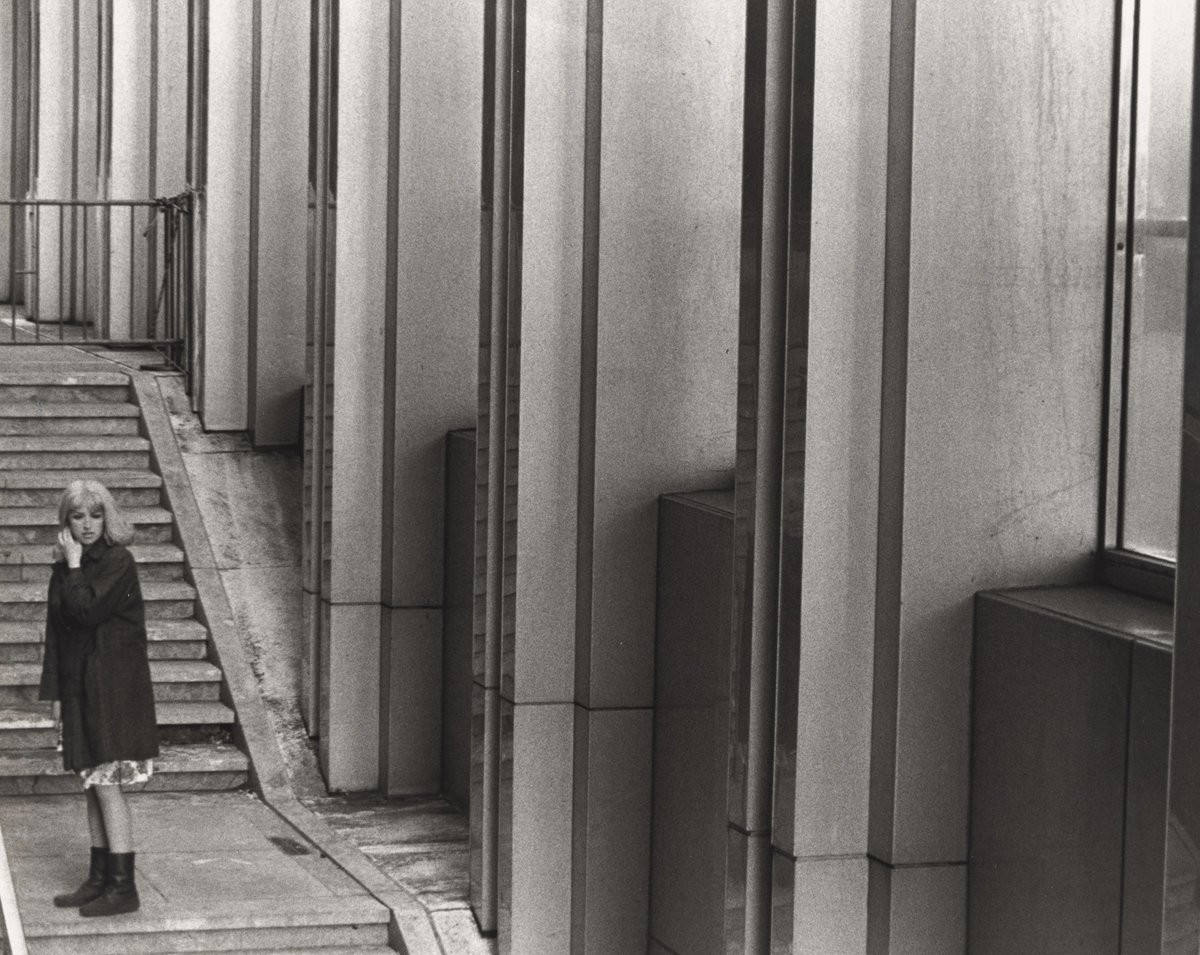
She is an American artist who uses photography to create several series of self-portraits related to the stereotypes of women in Western culture, created by cinematography, television, advertising. The first series with which she became famous is "Film Stills" or "Film Scene" in the 70s-80s, where she appears dressed as movie characters, in similar scenes from the European cinematography of the 50s- '60 and the American noir genre. In these photographs, she appears sometimes as a housewife, sometimes as a secretary, sometimes as a provocative woman, other times as a career and independent woman. In the black and white photographs of the series, she builds a catalog of characters, or an encyclopedia of stereotypes of women in the cinematography and advertising of the time. Although Sherman's "film scenes" resemble movie publicity stills (from which the cycle takes its name), none of them refer to a specific film. Sherman's mastery is that she plays with stereotypes of women, and with our expectations which is influenced by these stereotypes. In later years, Cindy Sherman will develop other photographic series related to the stereotypes of beauty in Western culture, and those coming from art history, developing even more the lighting, costume design and make-up.




Annie Leibovitz (1949)
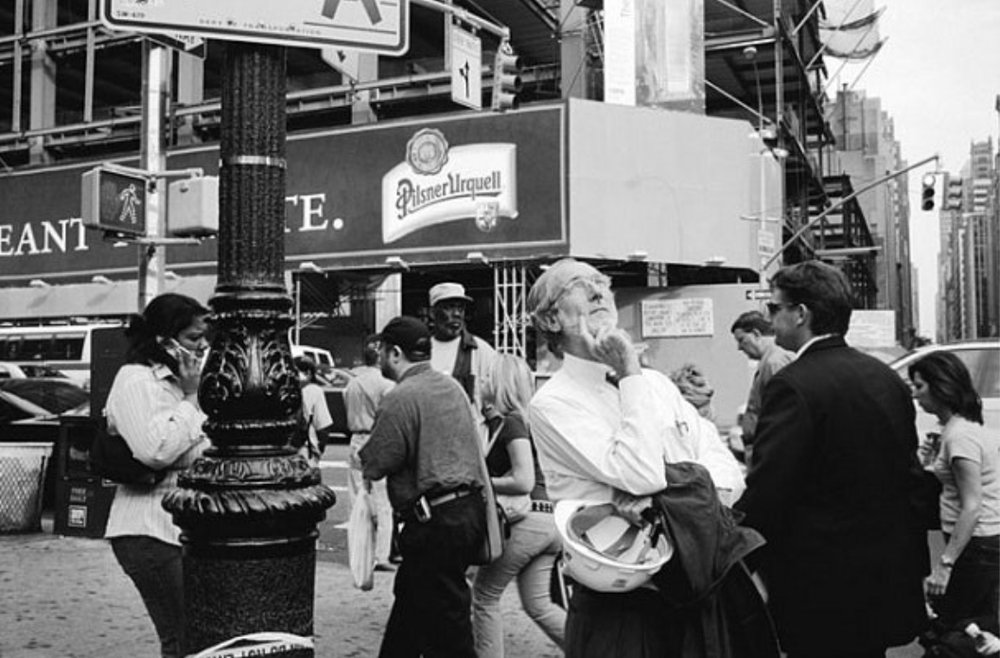
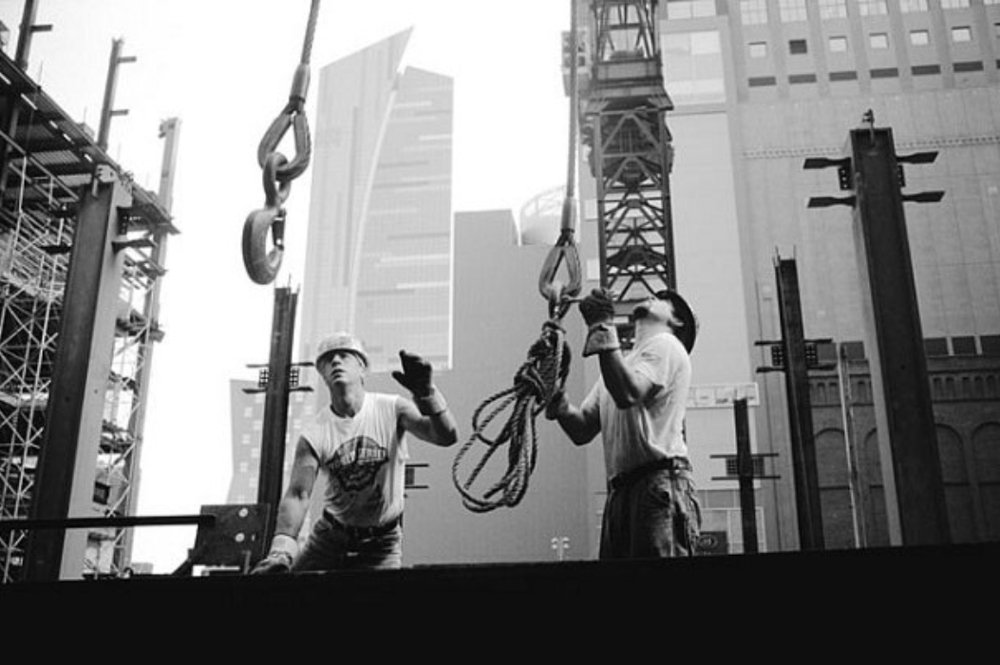
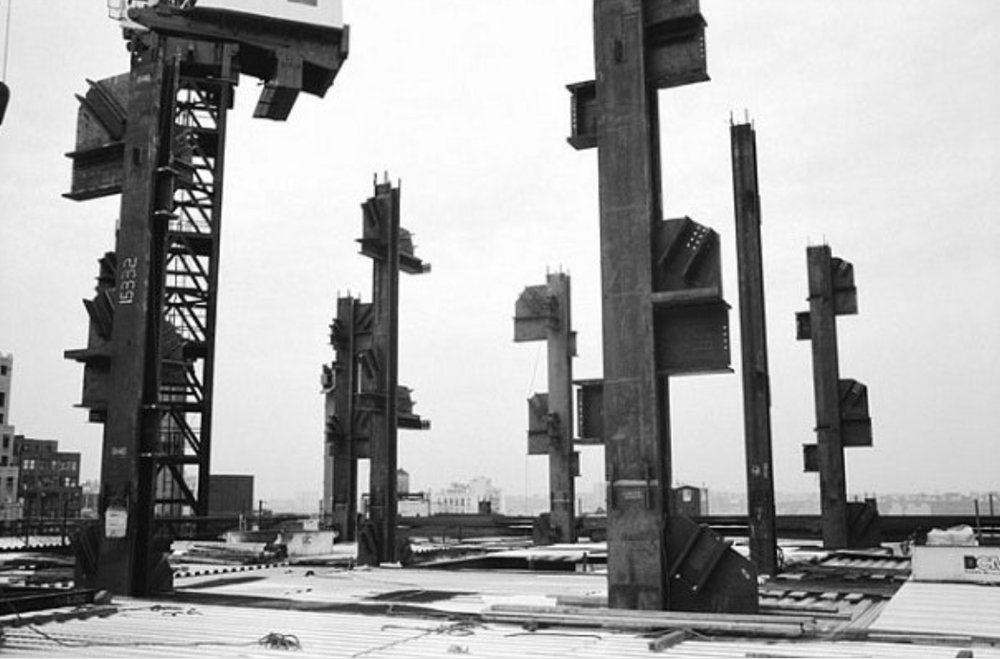
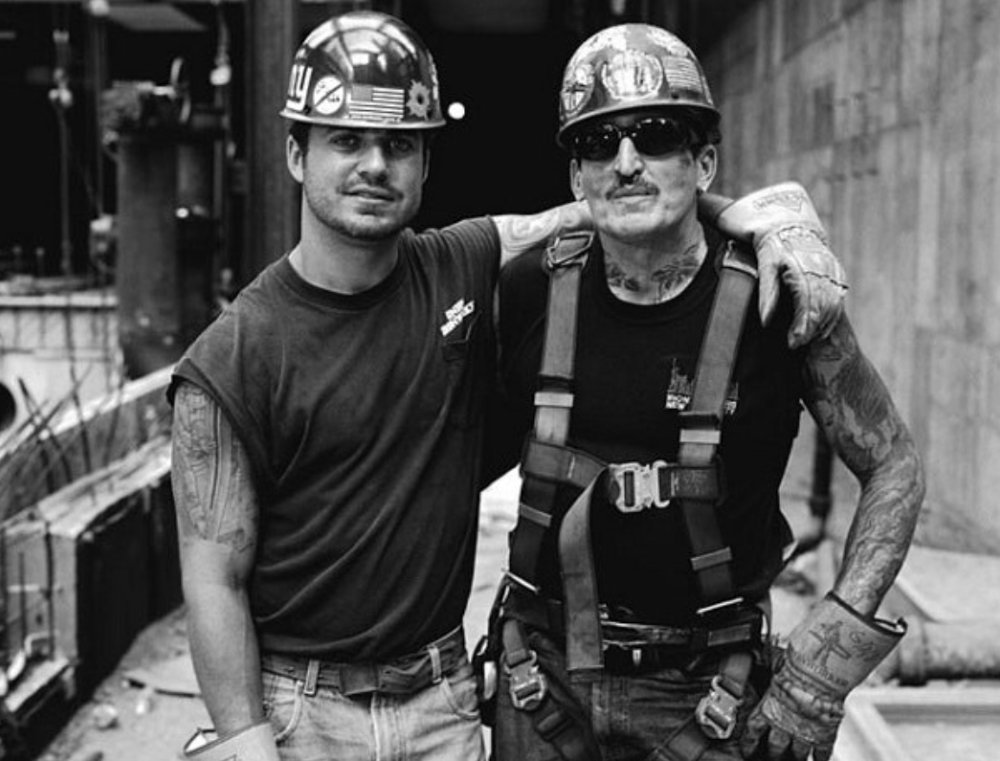
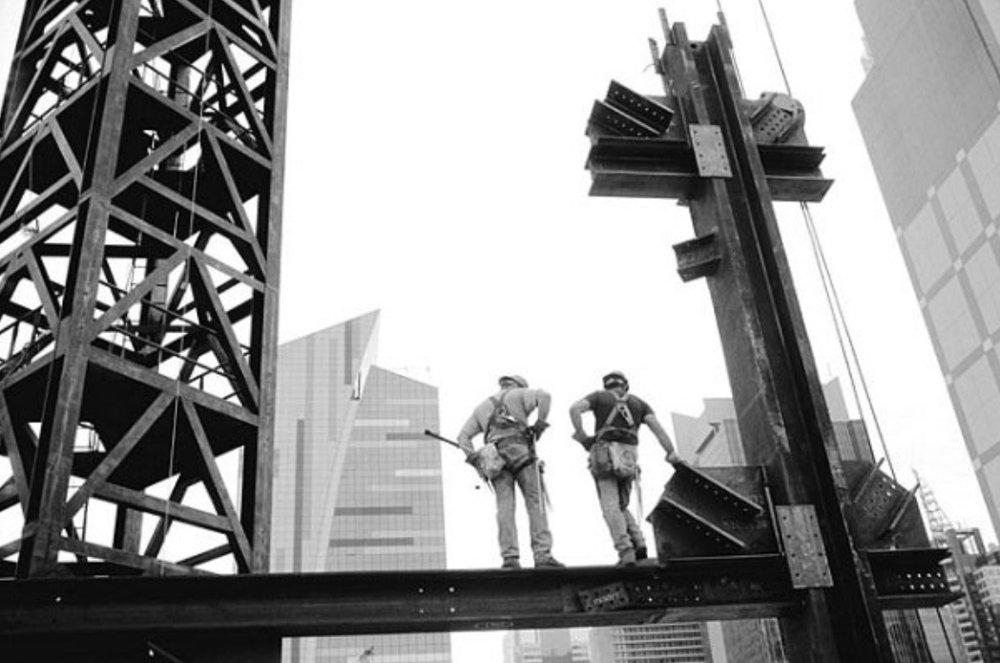
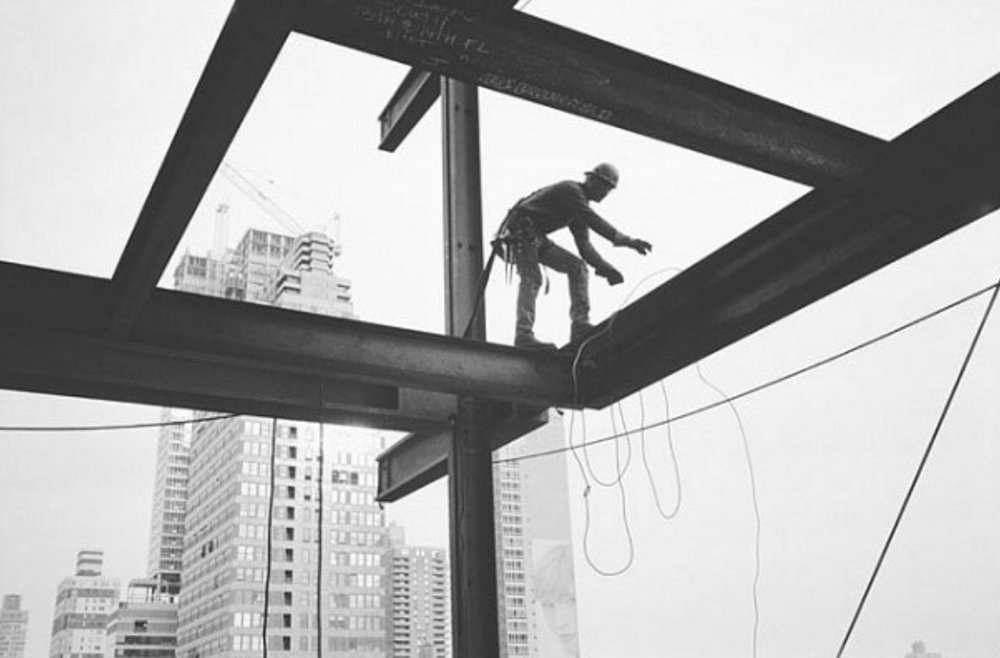
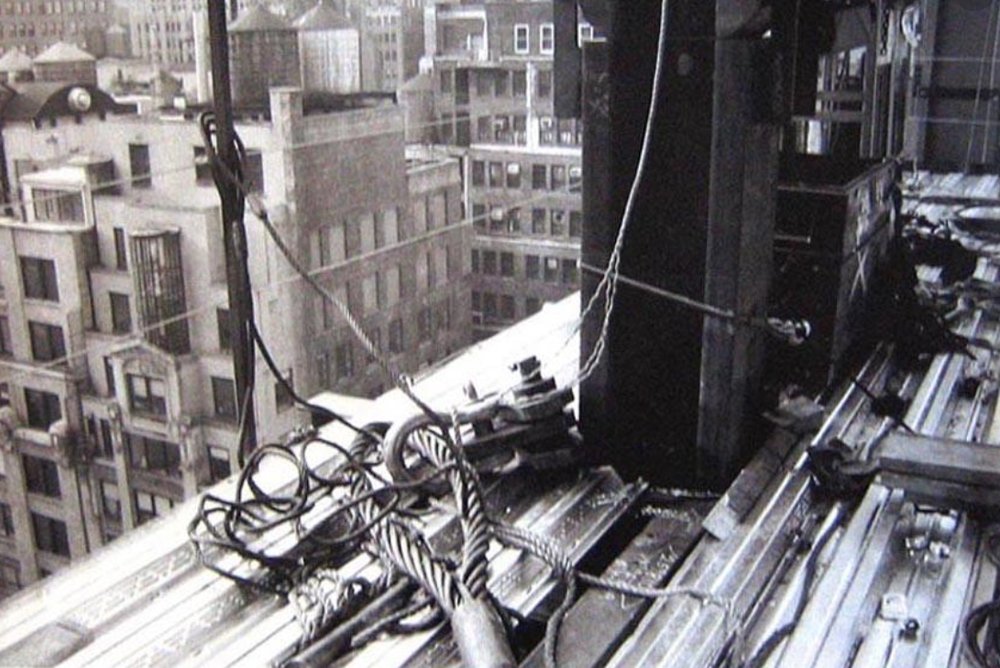
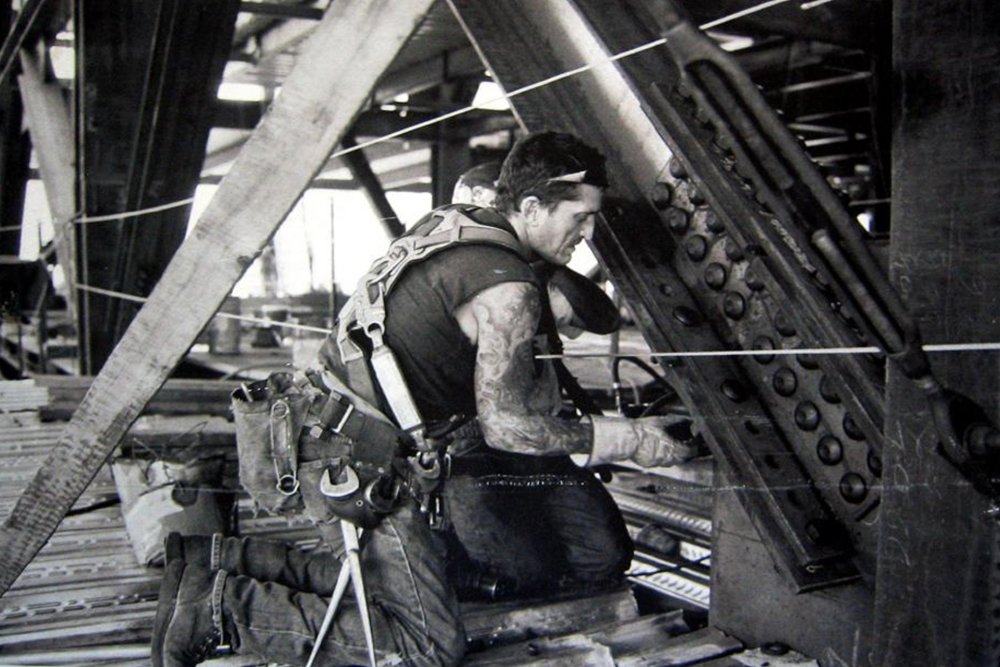
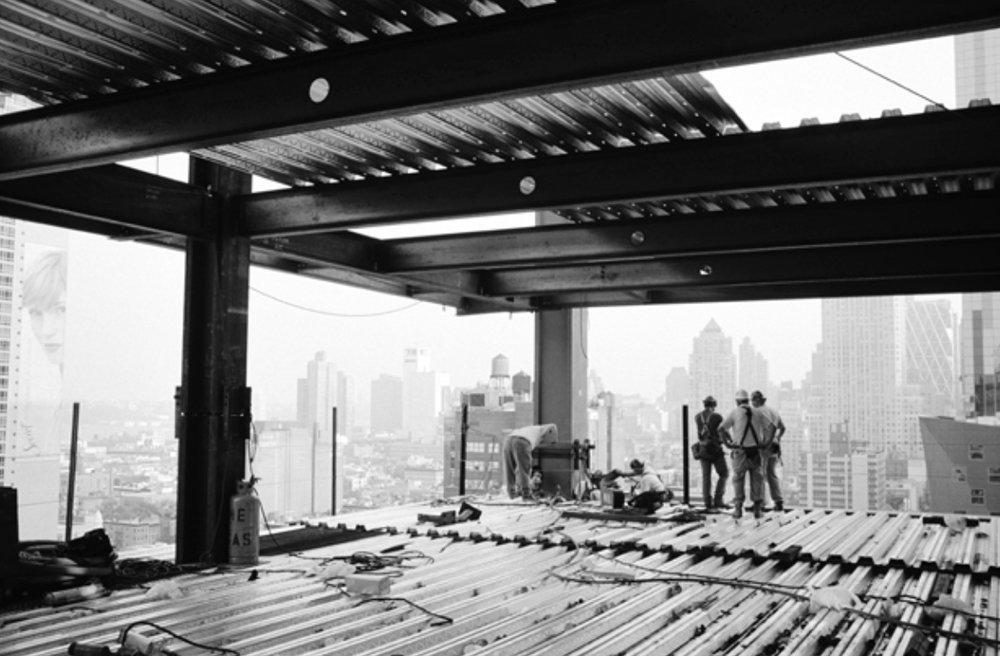
Annie Leibovitz is a famous photographer of our time, photographing celebrities for “Rrolling Stone” and “Vanity Fair”, but few of us know that she started her carier with documentary photography in black and white. She keeps this perspective in photographing the construction of “New York Times” building, designed by Renzo Piano, when in 2005 and 2006 she was commissioned by the developer Forest City Ratner Companies to document the construction of the tower, which concluded in the series “Building the Times”. Known for her beautiful portraits, Annie Leibovitz takes into accoun the human factor, when she photographes the workers that asseble by hand this megastructure. For this series she says “The most fascinating aspect of this project has been learning that buildings are still put together essentially by hand. Watching the construction workers glide across steel beams and hoisting heavy girders into place has been amazing”




Photography Exhibition and Book Presentation ALBANIAN SCAPES
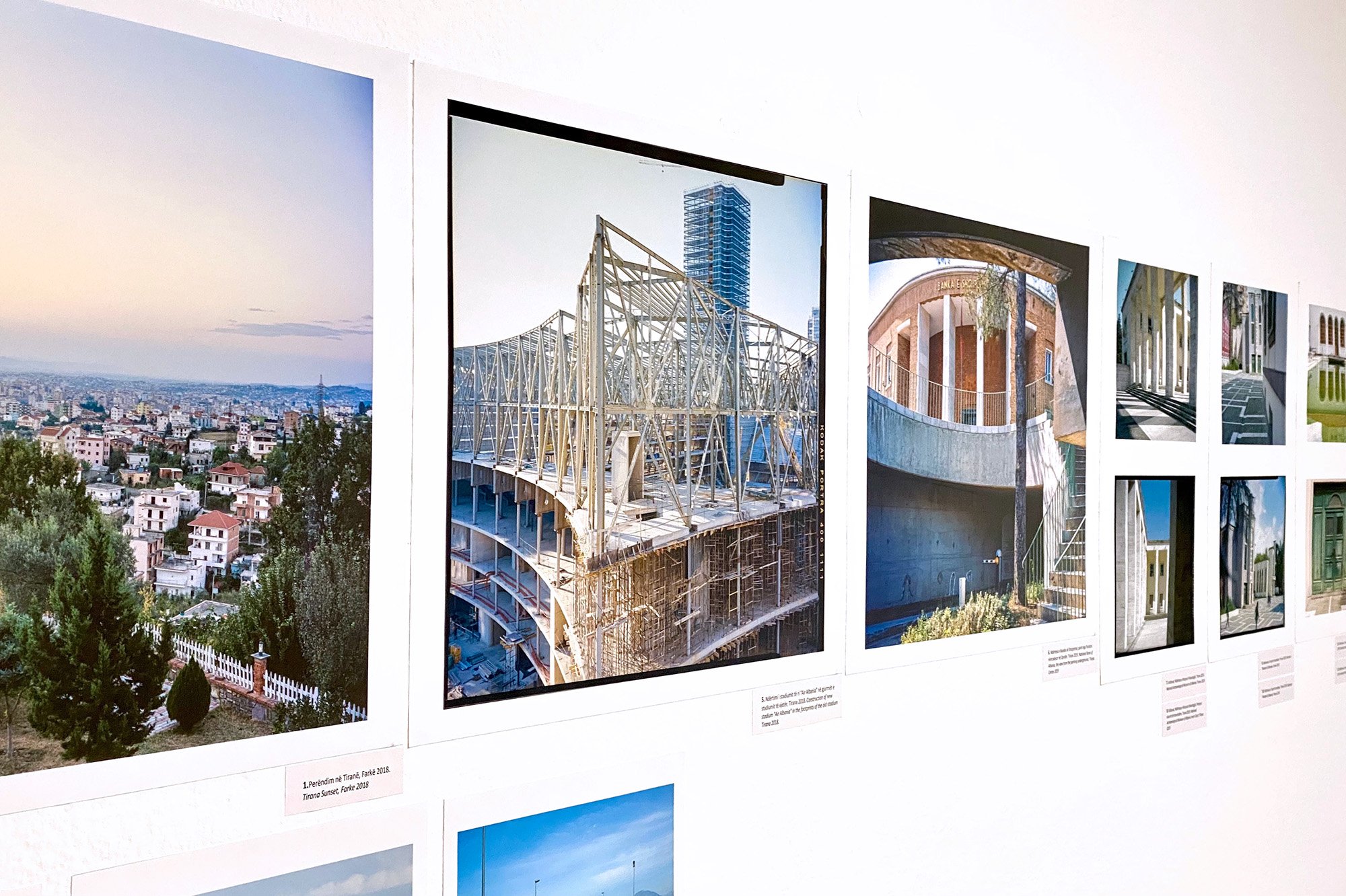
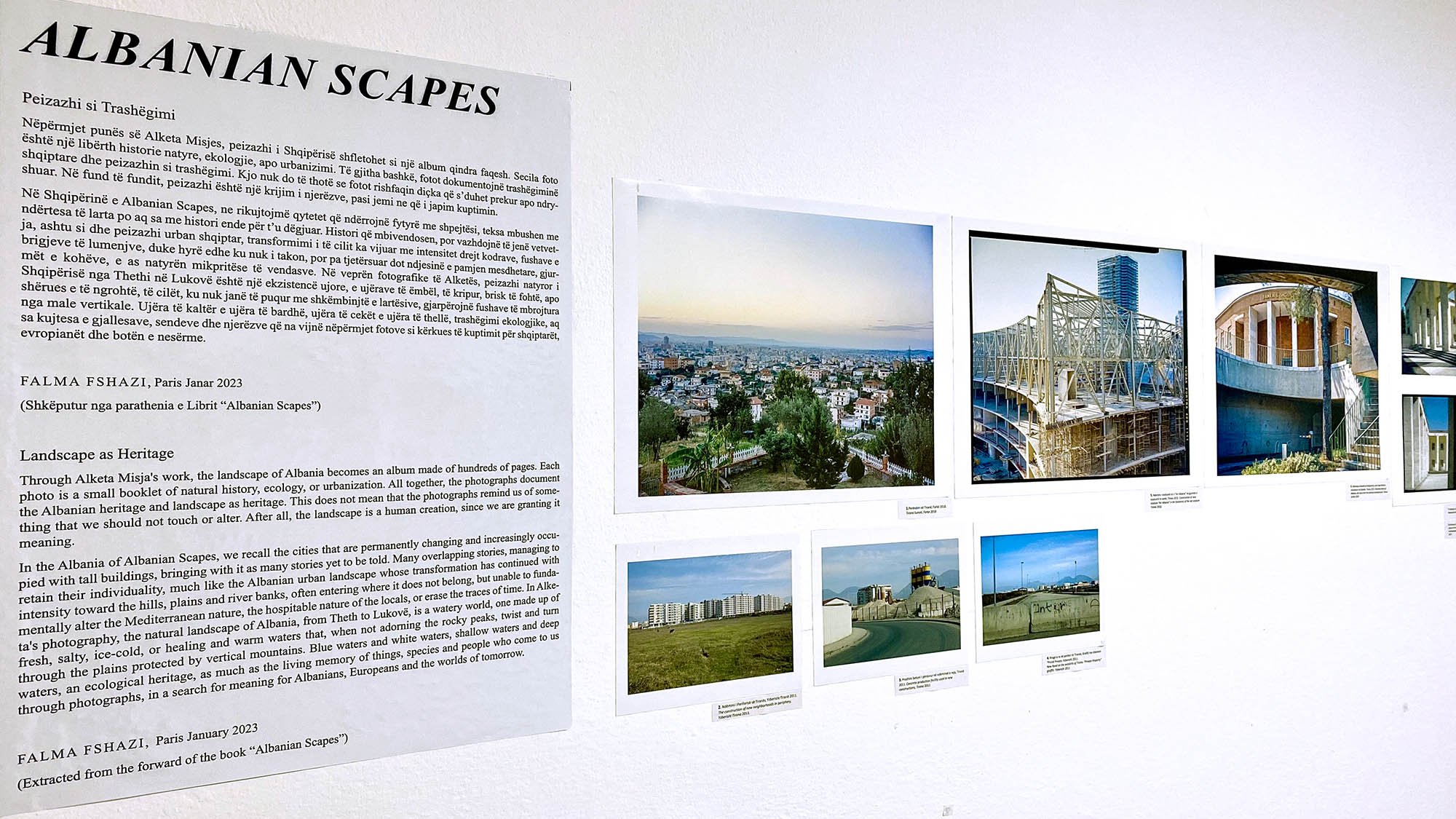
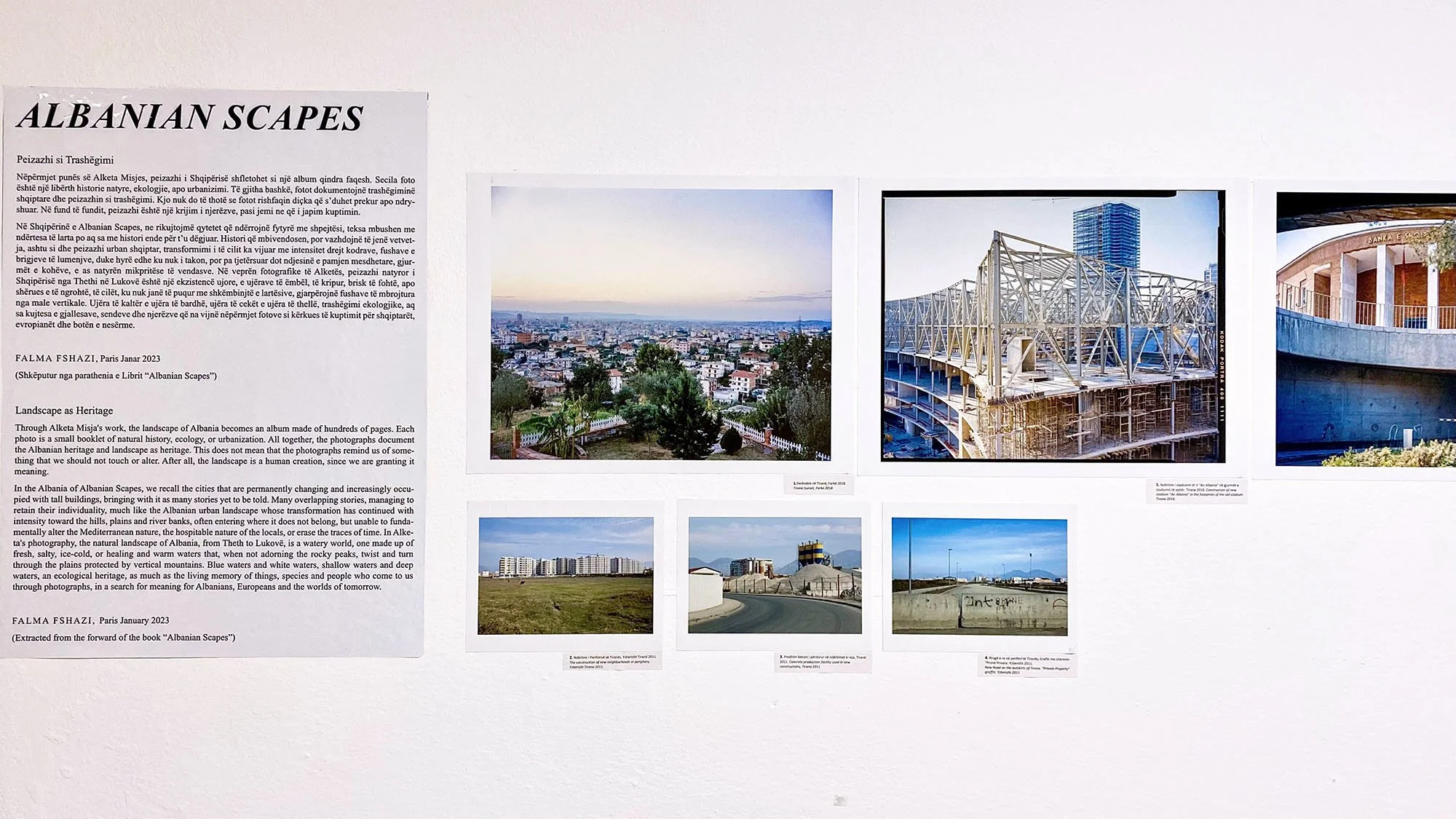
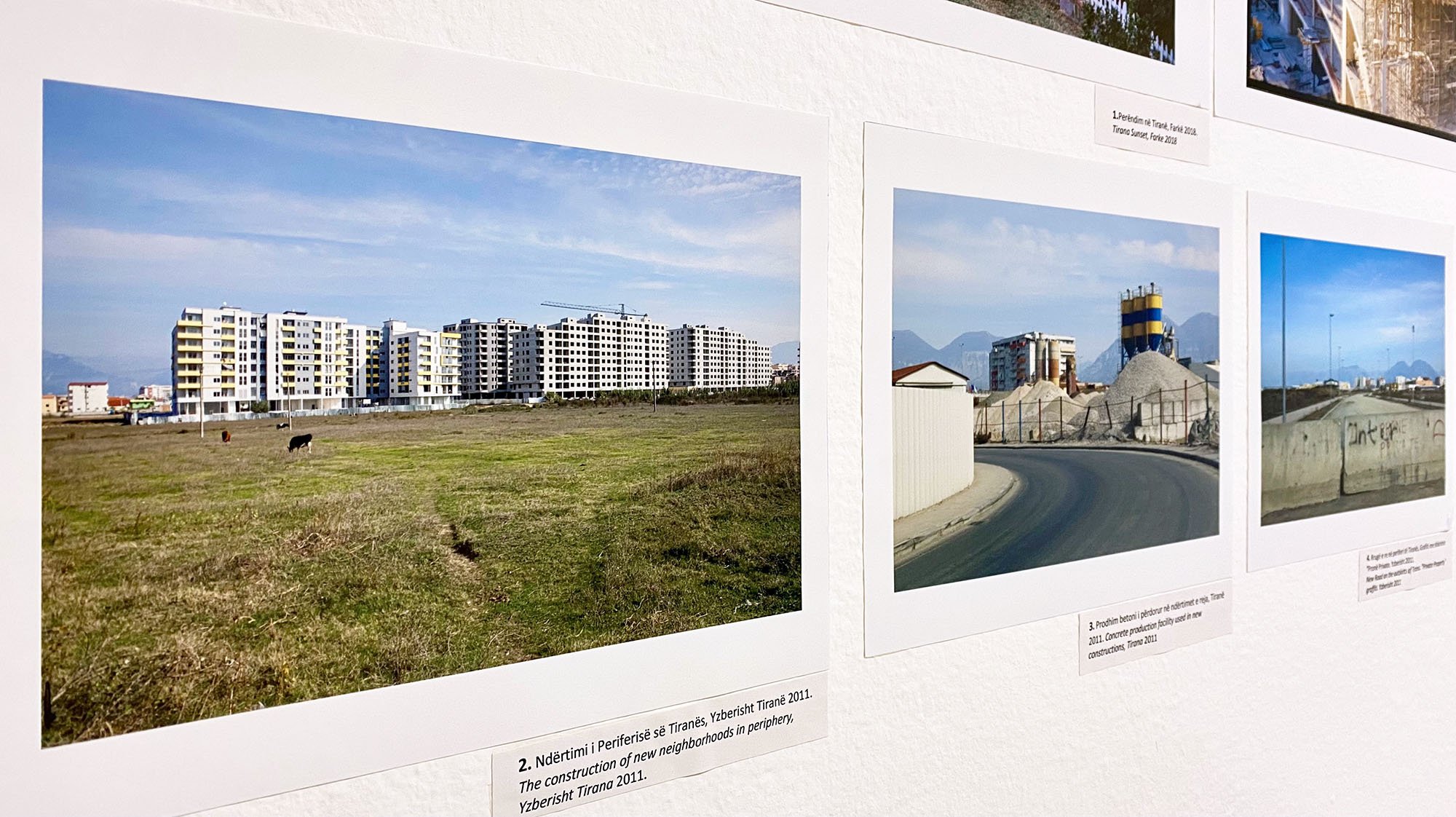
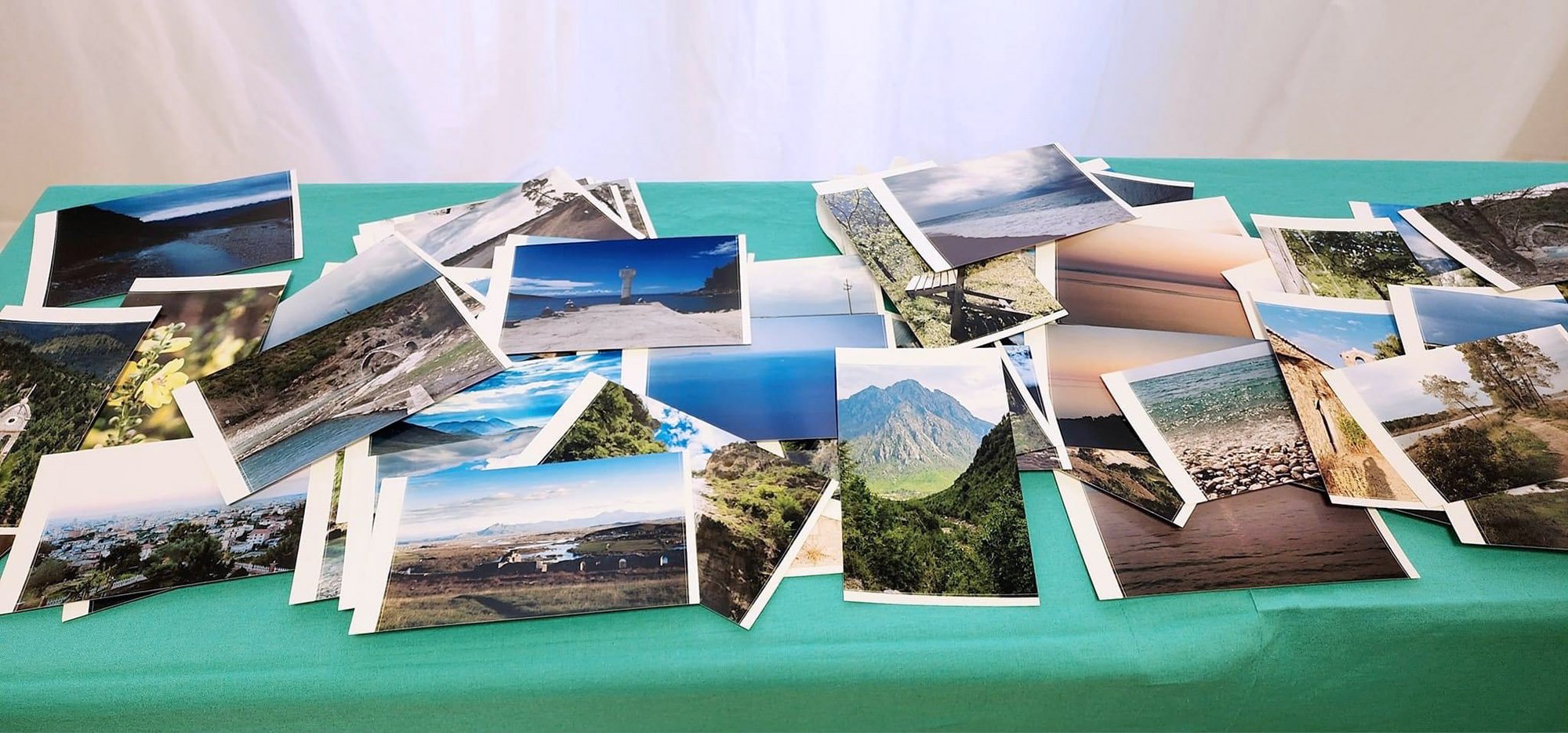
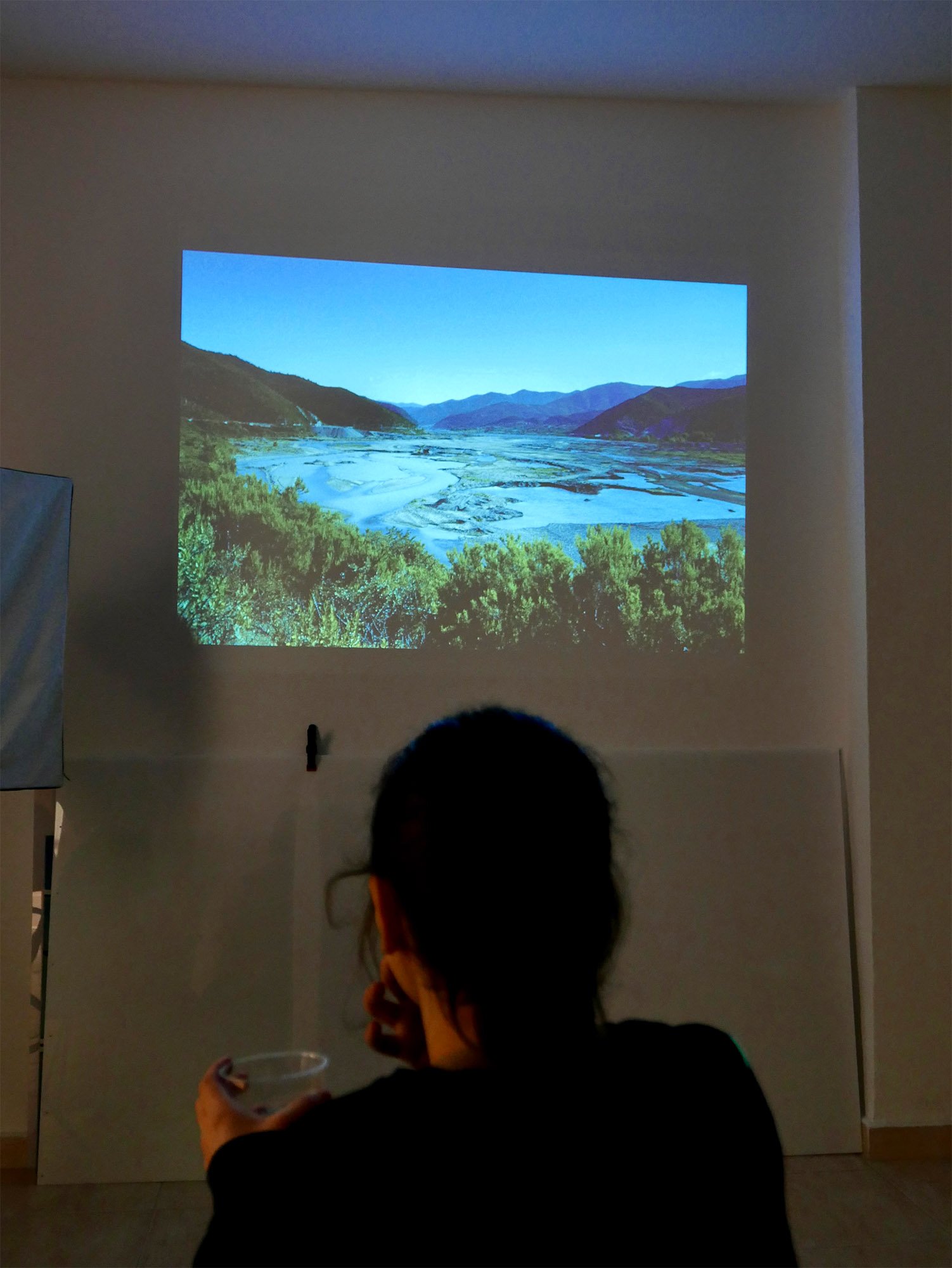
On Saturday, March 18, 2023, at 11:00 a.m., in the premises of the TATI SPACE Photography Center, is open the Exhibition "ALBANIAN SCAPES - a photographic journey into Albanian Landscape" with photography and prints by Alketa Misja. The photos are part of the photography series ALBANIAN SCAPES, that cover a period of time 2008 to 2022. A part of the prints are published in the book ALBANIAN SCAPES by the author. While another part are presented for the first time in this exhibition. The exhibition will remain open until April 22, International Earth Day.
On Saturday, March 18, 2023, at 11:00 a.m., in the premises of the TATI SPACE Photography Center, is open the Exhibition "ALBANIAN SCAPES - a photographic journey into Albanian Landscape" with photography and prints by Alketa Misja. The photos are part of the photography series ALBANIAN SCAPES, that cover a period of time 2008 to 2022. A part of the prints are published in the book ALBANIAN SCAPES by the author. While another part are presented for the first time in this exhibition. The exhibition will remain open until April 22, International Earth Day.

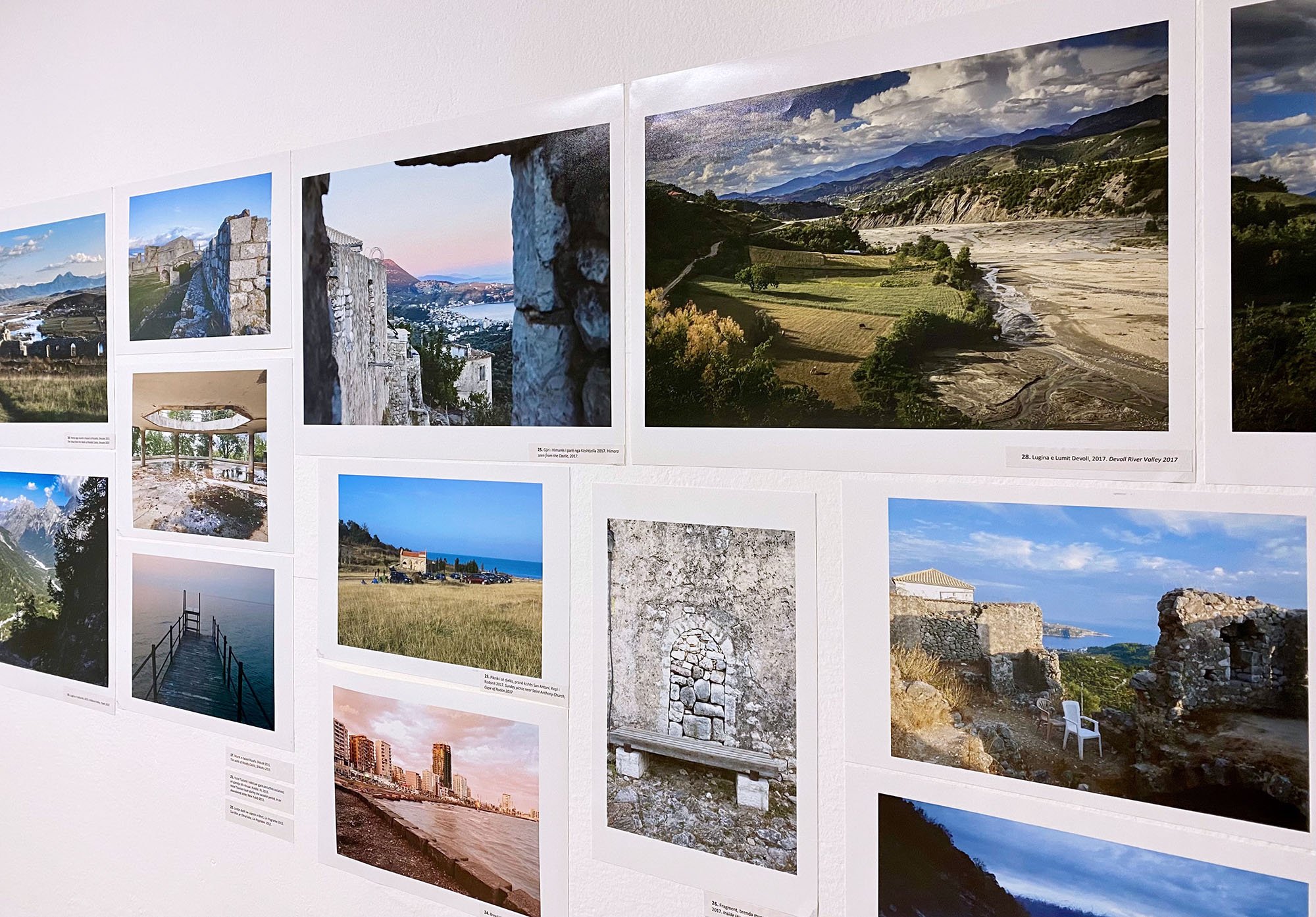
Project Description
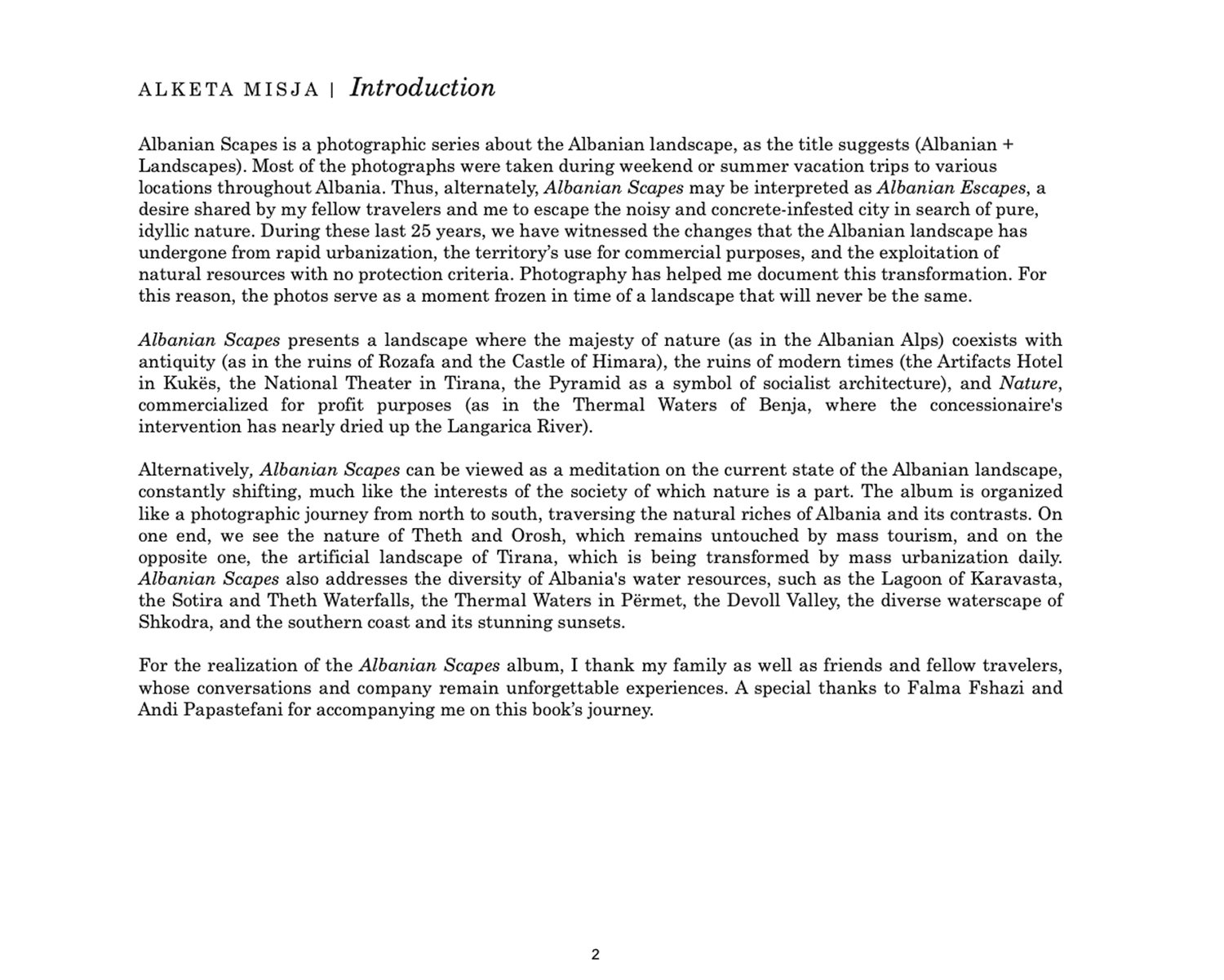
Albanian Scapes is a photographic series about the Albanian landscape, as the title suggests (Albanian + Landscapes).During these last 25 years, we have witnessed the changes that the Albanian landscape has undergone from rapid urbanization, the territory’s use for commercial purposes, and the exploitation of natural resources with no protection criteria. Photography has helped me document this transformation. For this reason, the photos serve as a moment frozen in time of a landscape that will never be the same. Alternatively, Albanian Scapes can be viewed as a meditation on the current state of the Albanian landscape, constantly shifting, much like the interests of the society of which nature is a part. The album is organized like a photographic journey from north to south, traversing the natural riches of Albania and its contrasts. On one end, we see the nature of Theth and Orosh, which remains untouched by mass tourism, and on the opposite one, the artificial landscape of Tirana, which is being transformed by mass urbanization daily.”



In the introduction to the book "Albanian Scapes", arch. Andi Papastefani writes- “The pleasing sights in this aesthetic edition captivate both the eye and mind. Alketa has been able to draw attention to the complexity, contrast, and problems of this country with which nature has been so generous. She portrays all of these juxtapositions in her photographic narrative about Albania as an architect and photographer, using iconic images that urge people to think and consider the true value of the landscape, culture, and history, as well as what we have lost”


While Falma Fshazi writes- “In the Albania of Albanian Scapes, we recall the cities that are permanently changing and increasingly occupied with tall buildings, bringing with it as many stories yet to be told. Many overlapping stories, managing to retain their individuality, much like the Albanian urban landscape whose transformation has continued with intensity toward the hills, plains and river banks, often entering where it does not belong, but unable to fundamentally alter the Mediterranean nature, the hospitable nature of the locals, or erase the traces of time. In Alketa's photography, the natural landscape of Albania, from Theth to Lukovë, is a watery world, one made up of fresh, salty, ice-cold, or healing and warm waters that, when not adorning the rocky peaks, twist and turn through the plains protected by vertical mountains. Blue waters and white waters, shallow waters and deep waters, an ecological heritage, as much as the living memory of things, species and people who come to us through photographs, in a search for meaning for Albanians, Europeans and the worlds of tomorrow.”
Available on Amazon and Blurb Bookstore
Amazon Store: ISBN Hardcover, ImageWrap: 9798881301958
Blurb Bookstore: ISBN Hardcover, ImageWrap: 9798881287856
Blurb Bookstore: ISBN Hardcover, Dust Jacket: 9798210988904
Language: English, Albanian
Standard Landscape, 10x8 inch, 25x20cm
100 pages, 87 photos, Premium Lustre Paper

PhotoBook "Albanian Scapes"
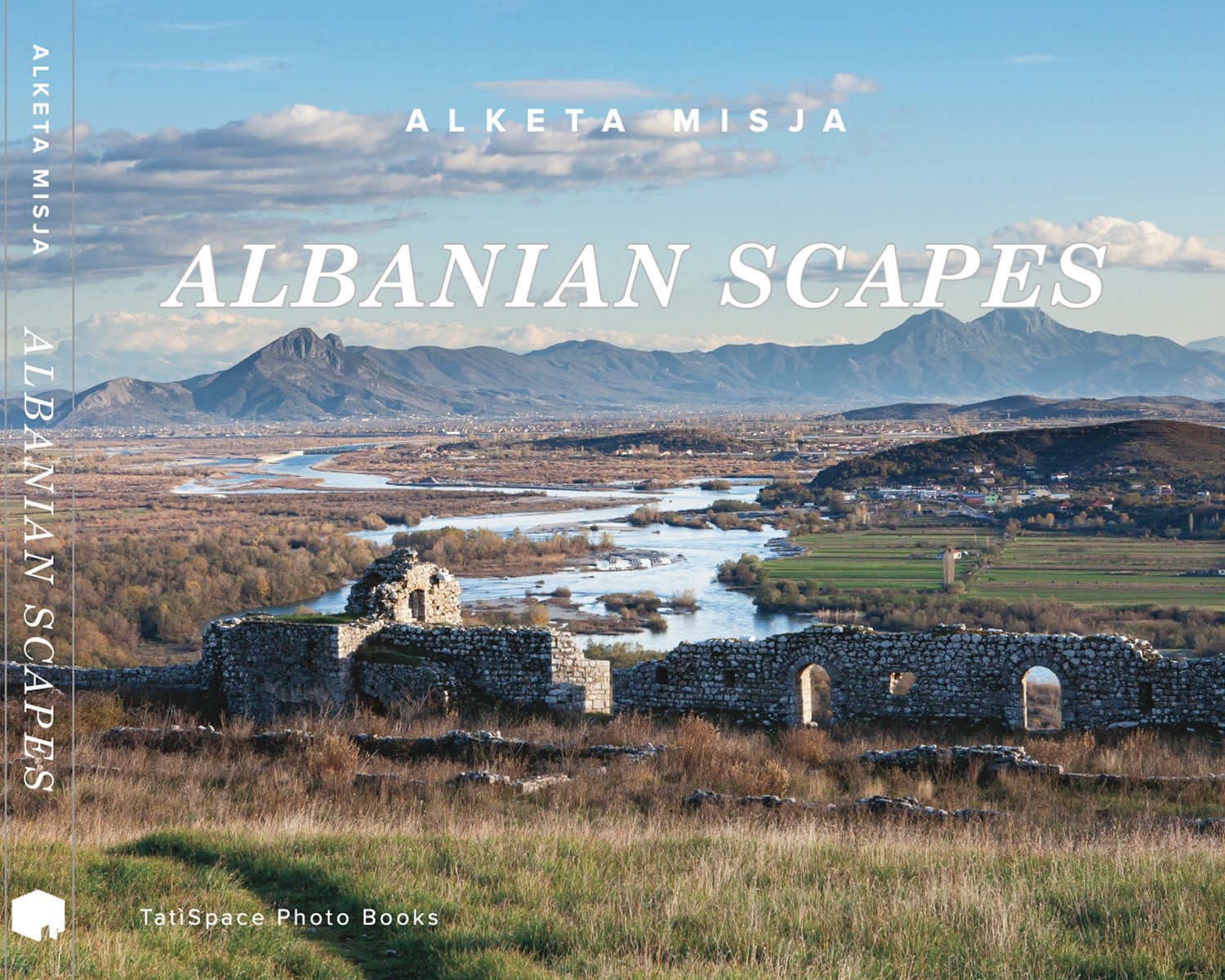
The Photobook "Albanian Scapes" is the first publication of Tati Space, with photographs by Alketa Misja and foreword by Andi Papastefani and Falma Fshazi. Now available on Amazon and Blurb Bookstore. A photographic journey into Albanian Landscape as seen from an architect and urban planner. A Landscape in a constant transformation under the pressure of human activities and rapid urbanization. A fragile landscape that will not be the same.

Albanian Scapes, Alketa Misja
The Photobook "Albanian Scapes" is the first publication of Tati Space, with photographs by Alketa Misja and foreword by Andi Papastefani and Falma Fshazi.
Now available on Amazon and Blurb Bookstore
Amazon Store: ISBN Hardcover, ImageWrap: 9798881301958
Blurb Bookstore: ISBN Hardcover, ImageWrap: 9798881287856
Blurb Bookstore: ISBN Hardcover, Dust Jacket: 9798210988904
Language: English, Albanian
Standard Landscape, 10x8 inch, 25x20cm
100 pages, 87 photos, Premium Lustre Paper
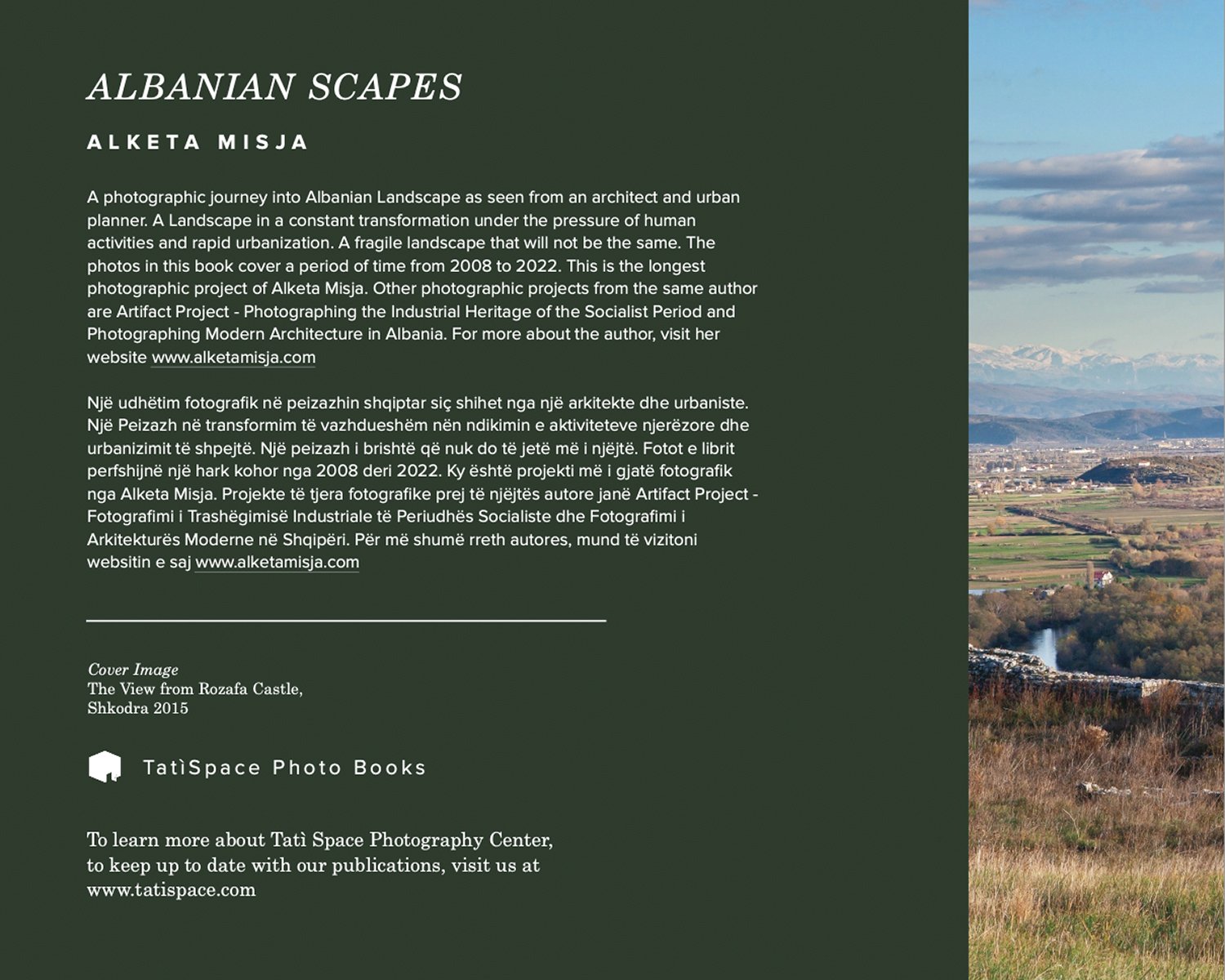
A photographic journey into Albanian Landscape as seen from an architect and urban planner. A Landscape in a constant transformation under the pressure of human activities and rapid urbanization. A fragile landscape that will not be the same. The photos in this book cover a period of time from 2008 to 2022. This is the longest photographic project of Alketa Misja. Other photographic projects from the same author are Artifact Project - Photographing the Industrial Heritage of the Socialist Period and Photographing Modern Architecture in Albania.
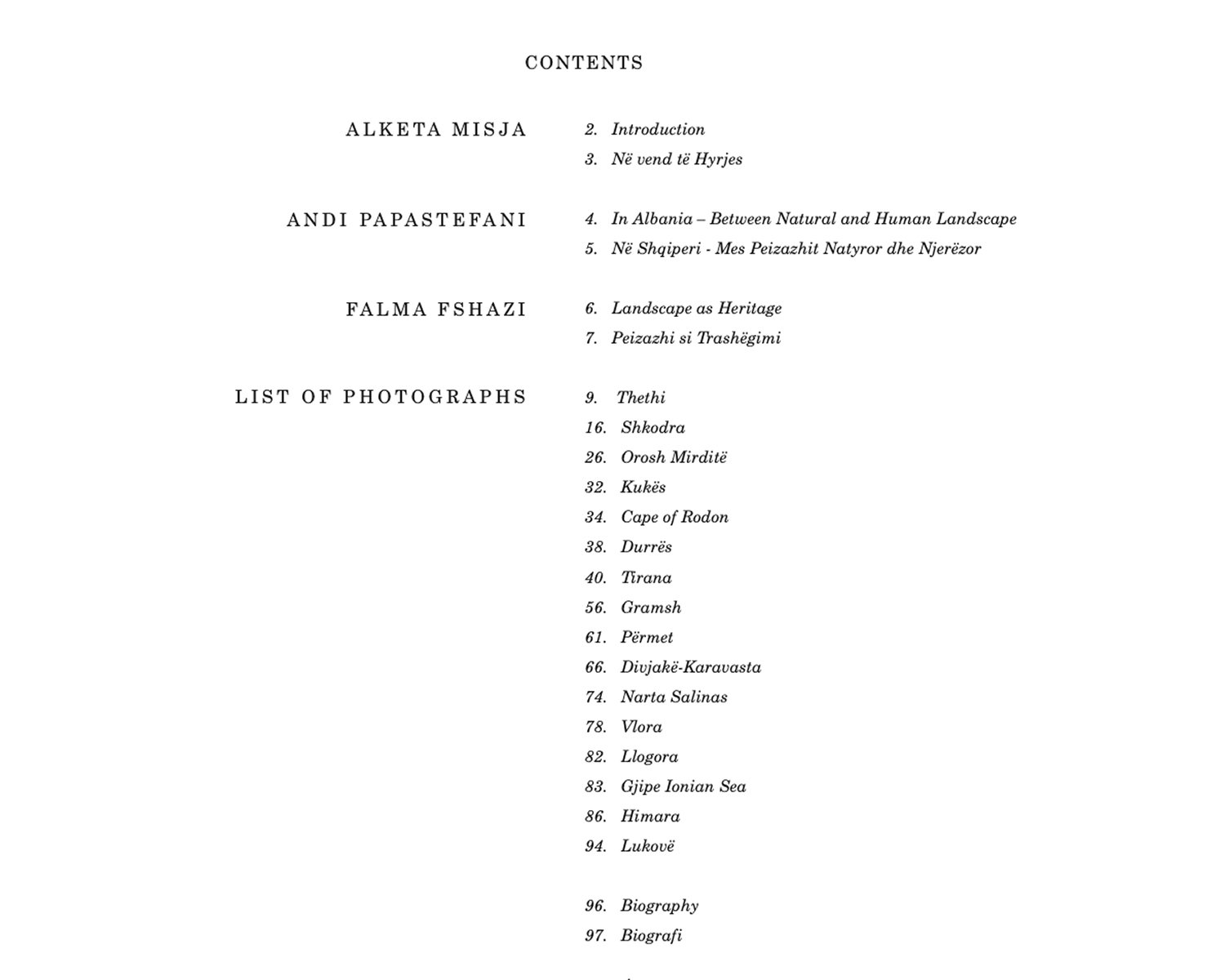
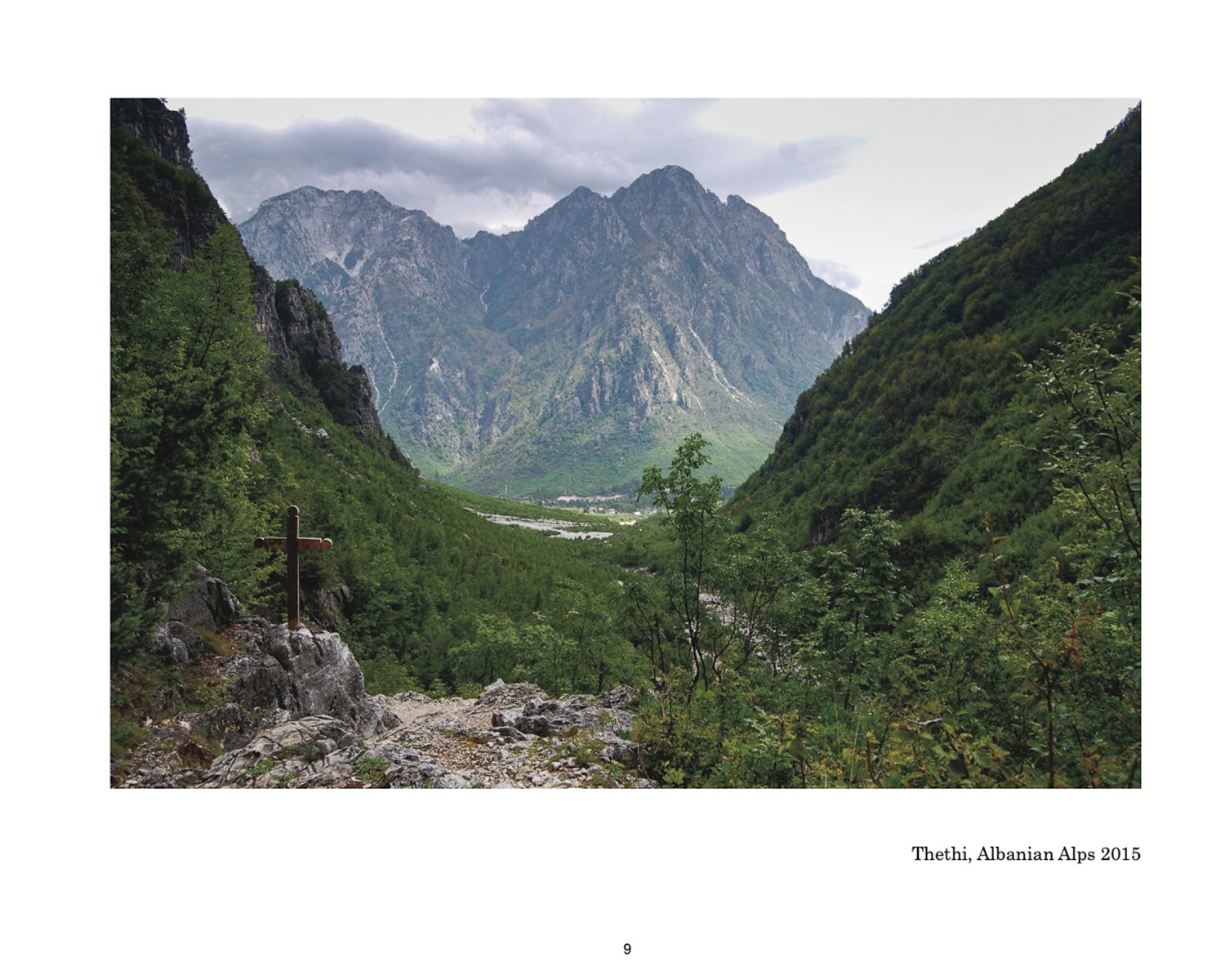
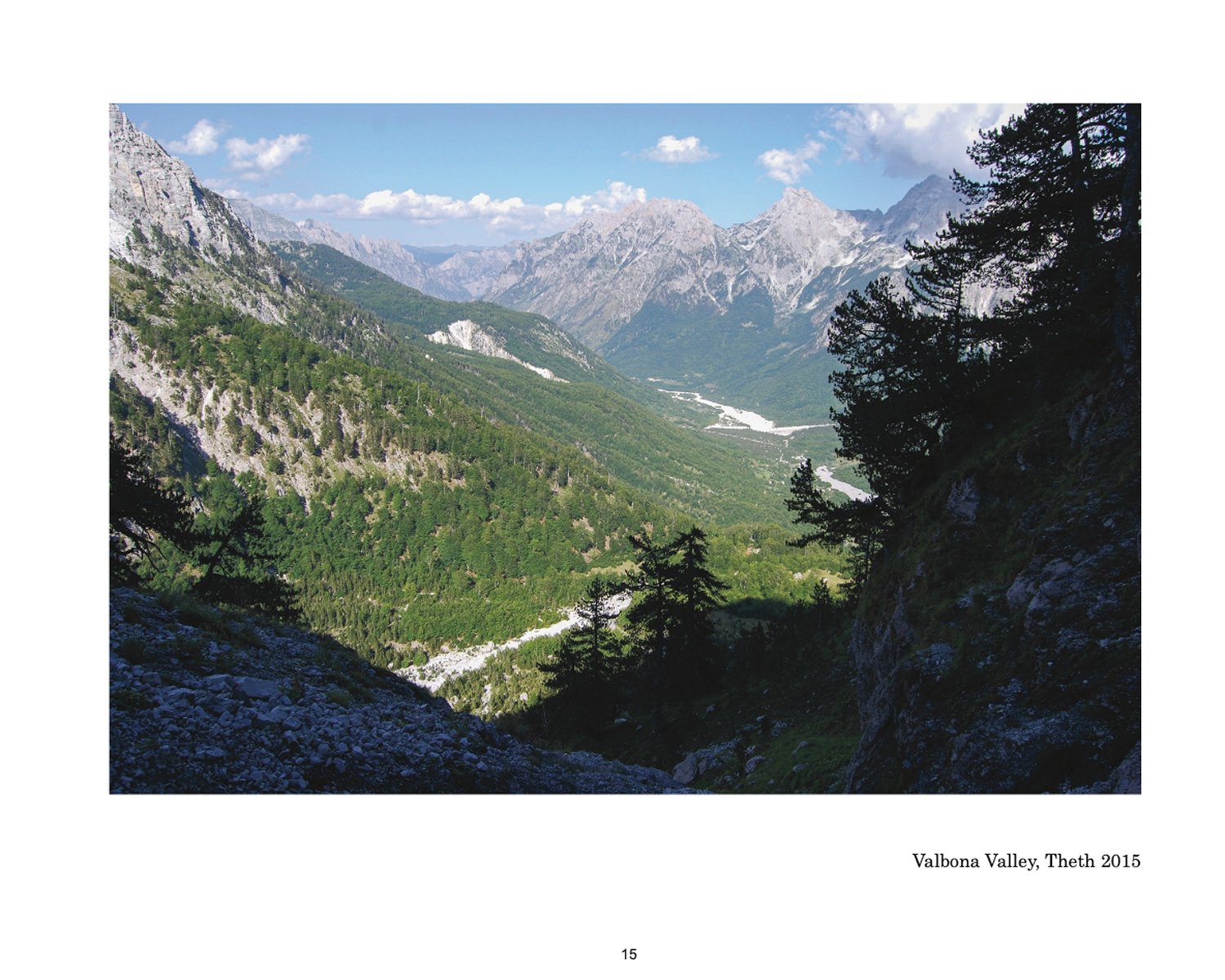
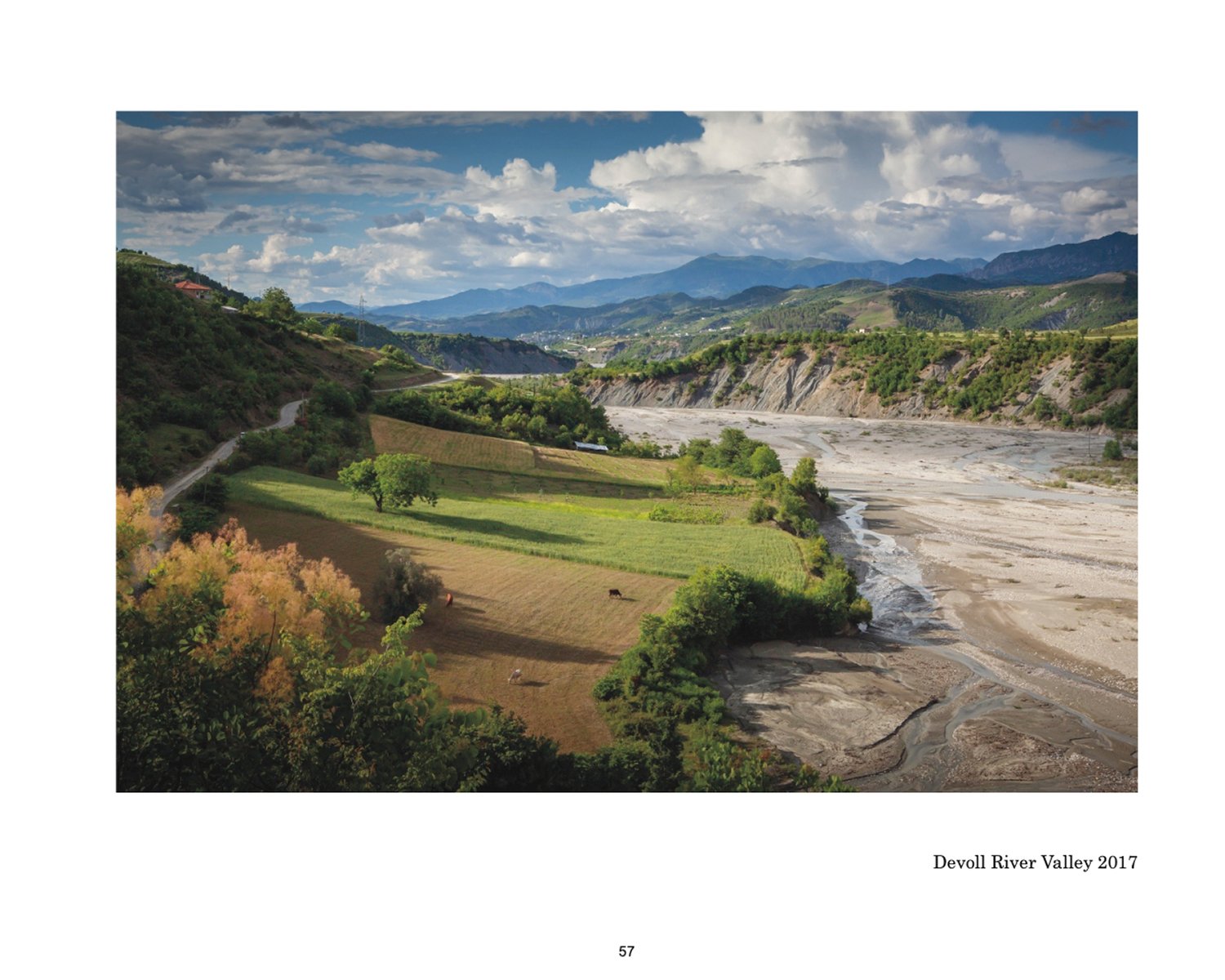
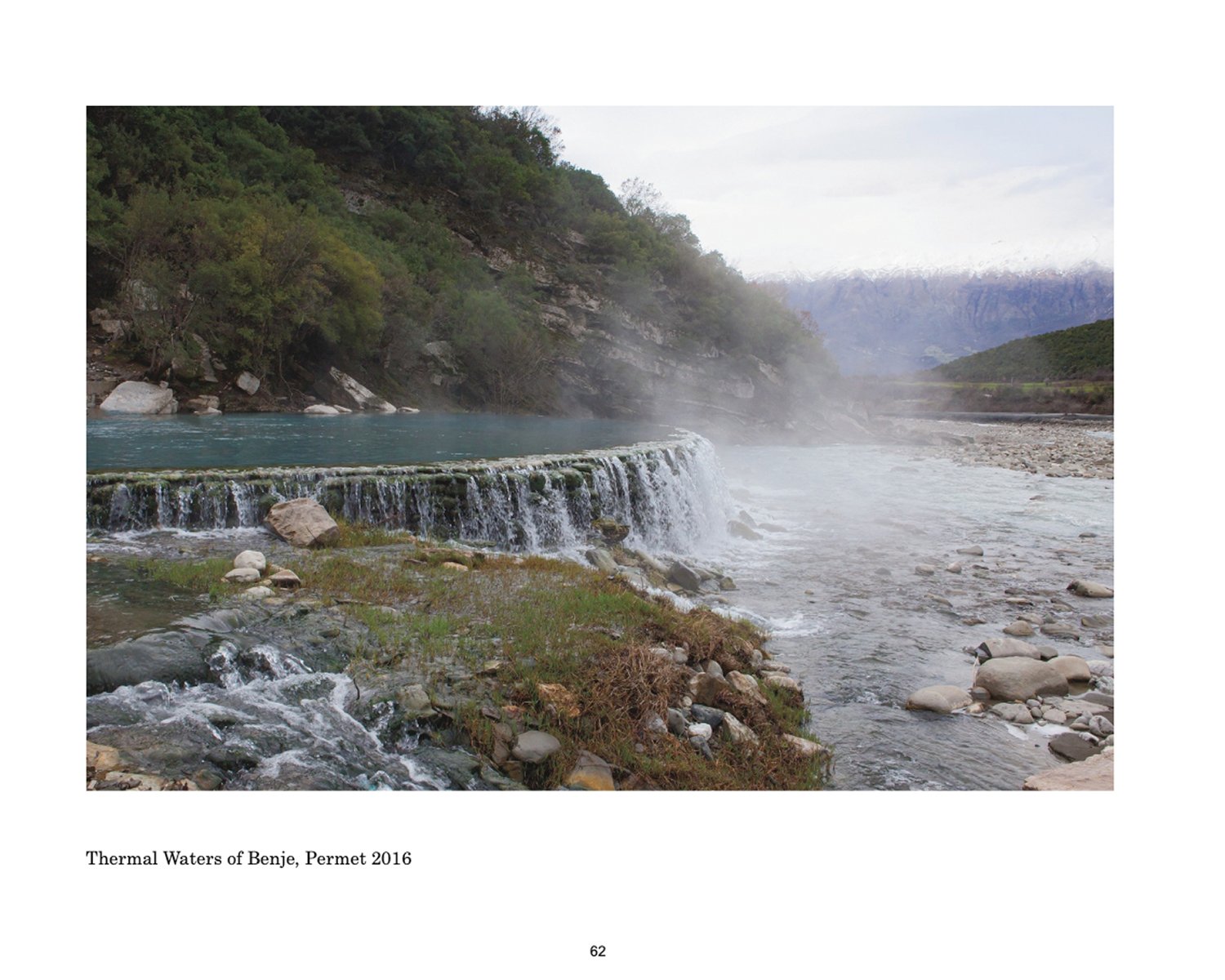
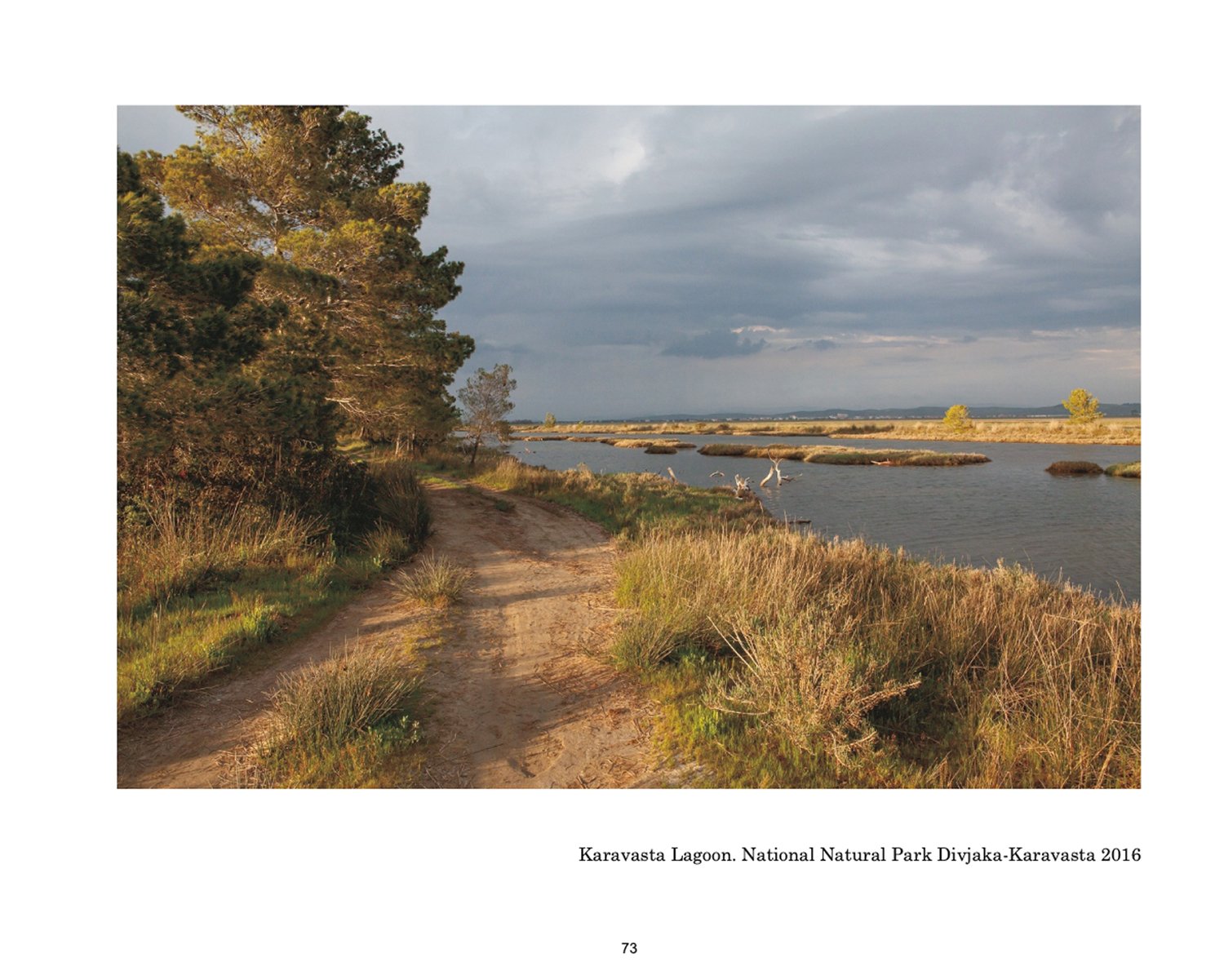
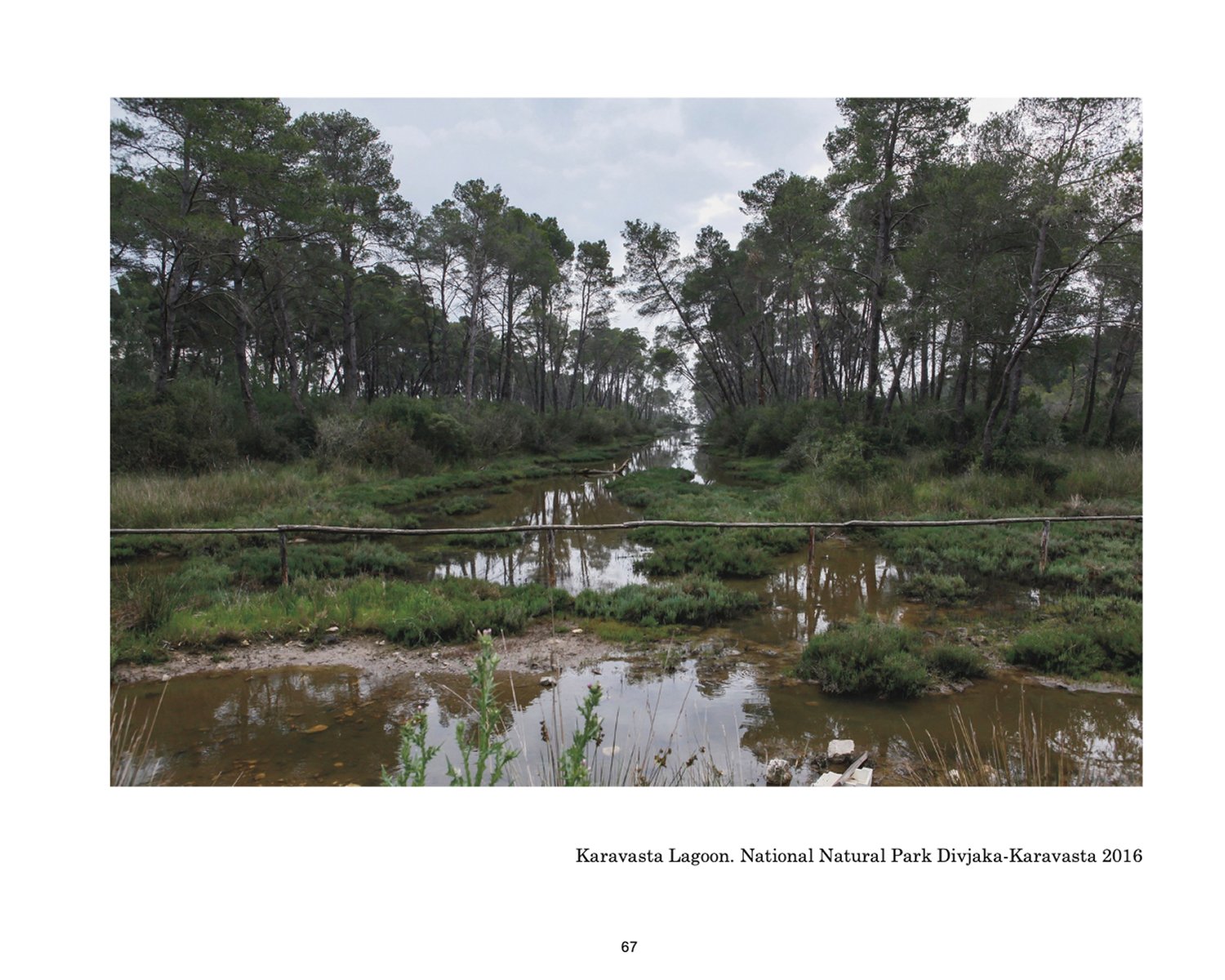
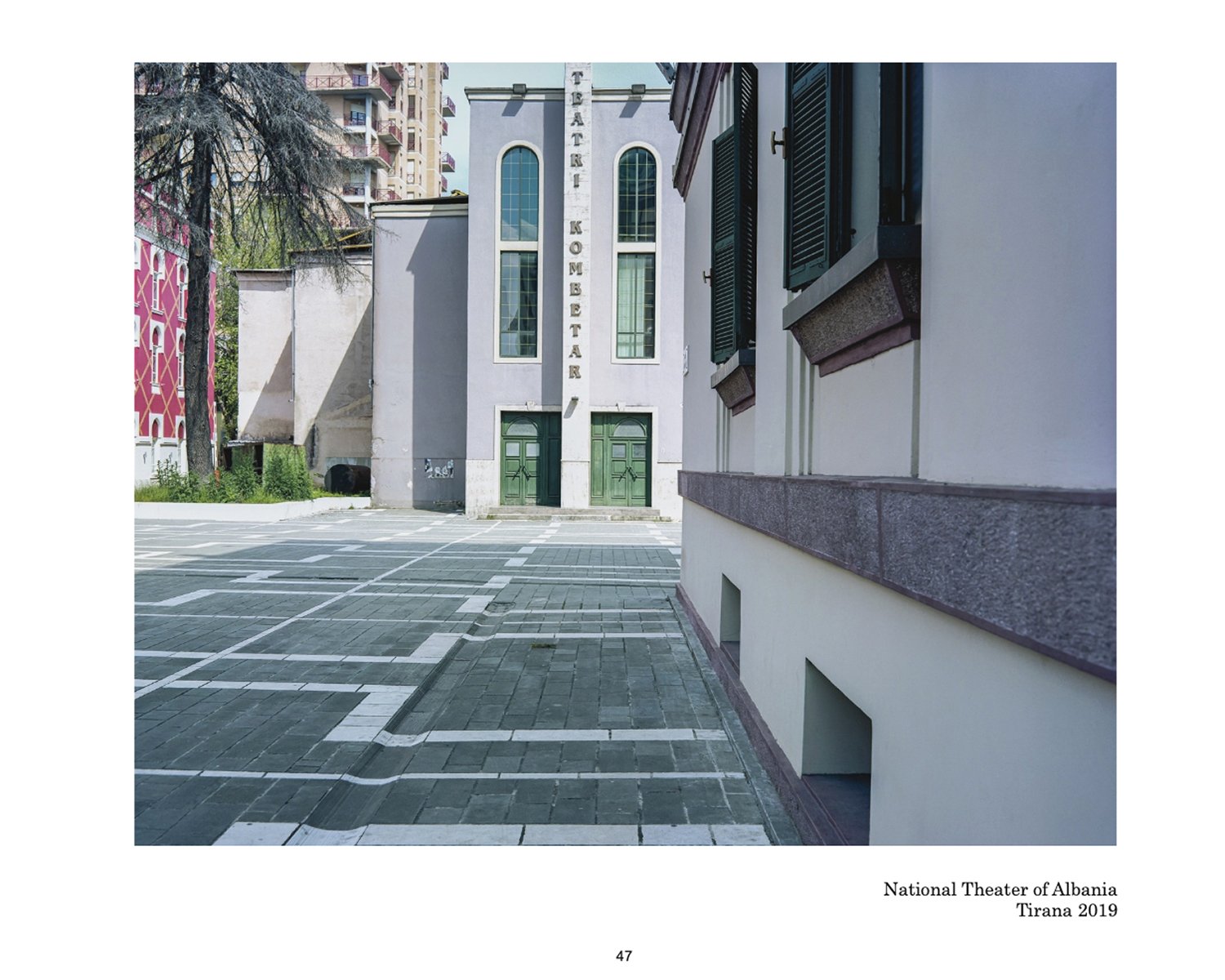
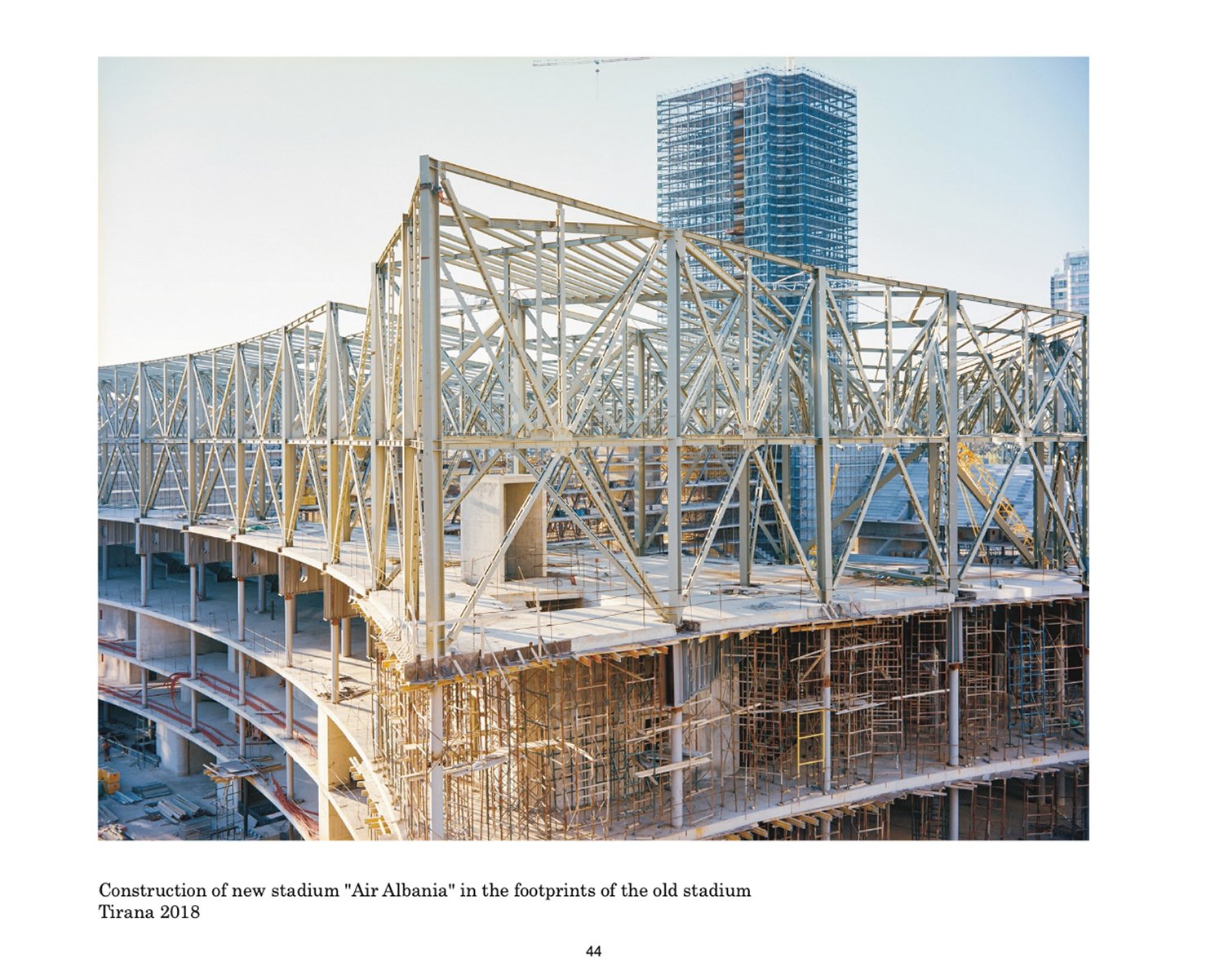
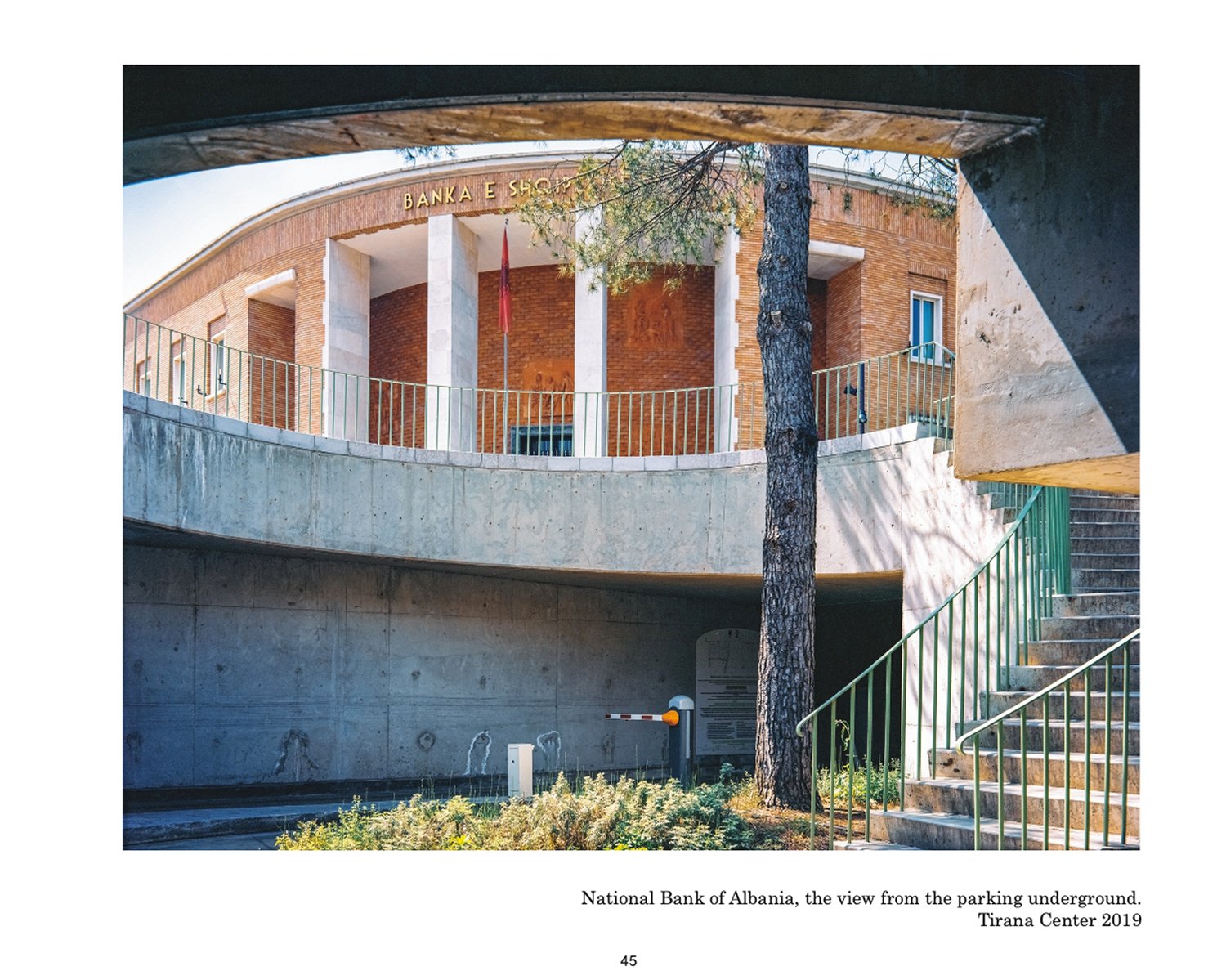
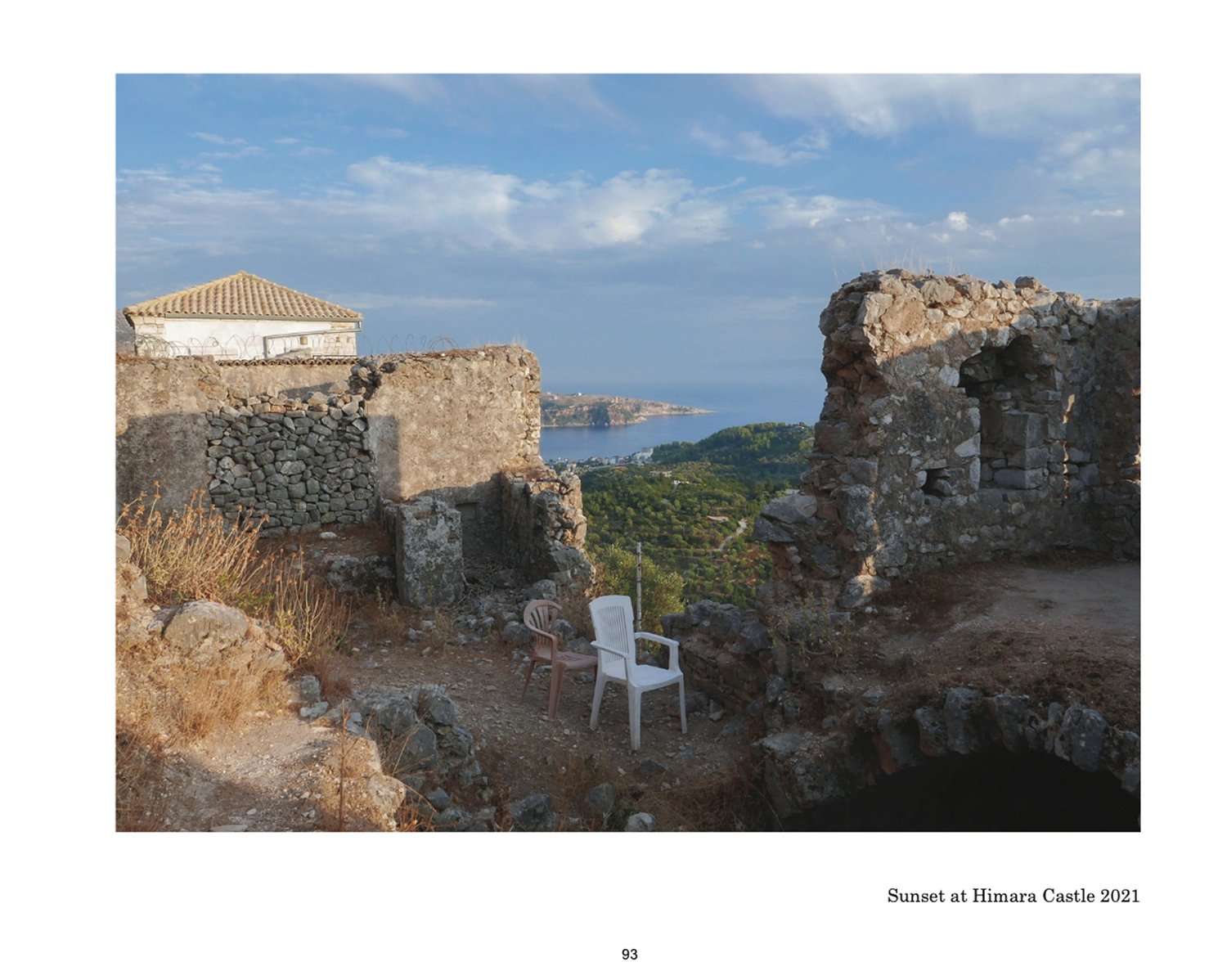
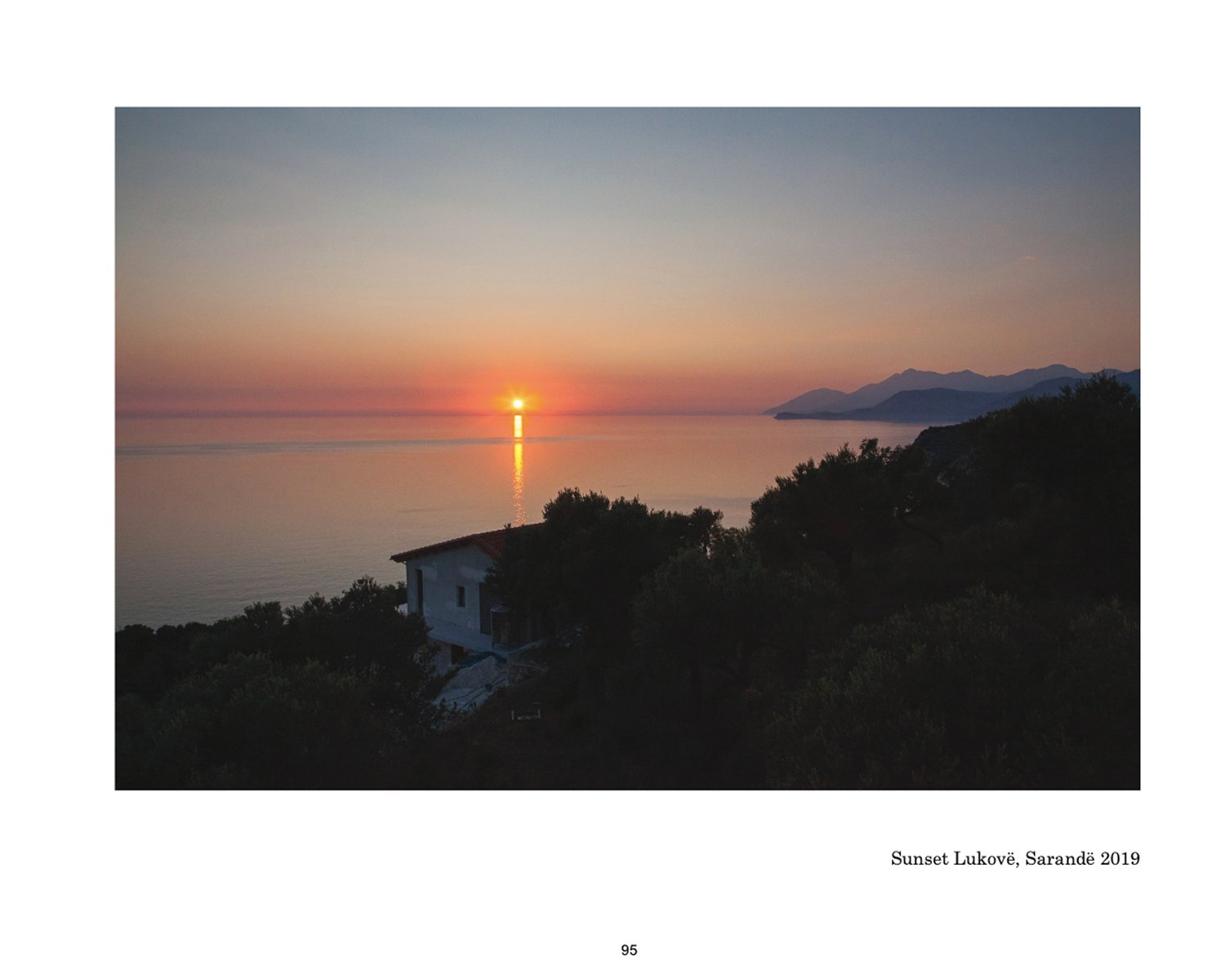
In her preface Landscape as Heritage, Falma Fshazi writes: “Through Alketa Misja's work, the landscape of Albania becomes an album made of hundreds of pages. Each photo is a small booklet of natural history, ecology, or urbanization. All together, the photographs document the Albanian heritage and landscape as heritage.
In the Albania of Albanian Scapes, we recall the cities that are permanently changing and increasingly occupied with tall buildings, bringing with it as many stories yet to be told. Many overlapping stories, managing to retain their individuality, much like the Albanian urban landscape whose transformation has continued with intensity toward the hills, plains and river banks, often entering where it does not belong, but unable to fundamentally alter the Mediterranean nature, the hospitable nature of the locals, or erase the traces of time.”
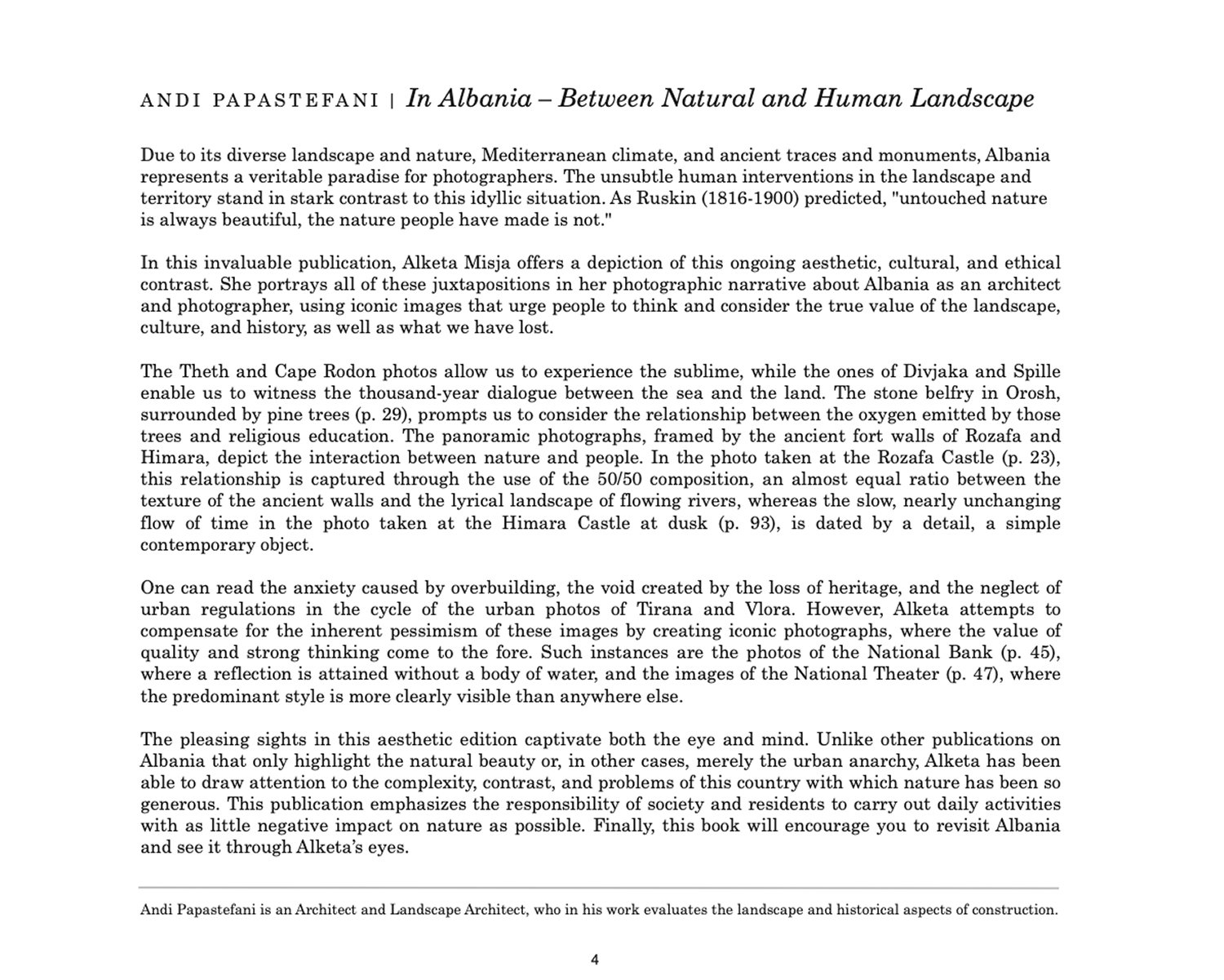
In his preface In Albania- Between Natural and Human Landscape, Andi Papastefani writes- “In this invaluable publication, Alketa Misja offers a depiction of this ongoing aesthetic, cultural, and ethical contrast. She portrays all of these juxtapositions in her photographic narrative about Albania as an architect and photographer, using iconic images that urge people to think and consider the true value of the landscape, culture, and history, as well as what we have lost.
The pleasing sights in this aesthetic edition captivate both the eye and mind. Unlike other publications on Albania that only highlight the natural beauty or, in other cases, merely the urban anarchy, Alketa has been able to draw attention to the complexity, contrast, and problems of this country with which nature has been so generous. This publication emphasizes the responsibility of society and residents to carry out daily activities with as little negative impact on nature as possible.”

Photography Exhibition THE WAY WE LIVE (in the eye of the architect)
We are happy to introduce the 4th Edition of Online Photography Exhibitions at TatìSpace Photography Center, with the theme: THE WAY WE LIVE (in the eye of the architect). From a large number of submissions, we have selected 58 participants from different parts of the world. Since the photos converged in similar themes, we have decided to present them in categories that are: Category 1- The City and the Natural Environment; Category 2 -The City as a Way of Life; Category 3-The City and its Heritage; Category 4- The City and Social Justice; Category 5- The City and its Aesthetic; Category 6- The City and the Construction Industry.
THE PRESENTATION
We are happy to introduce the 4th Edition of Online Photography Exhibitions at TatìSpace Photography Center, with the theme: THE WAY WE LIVE (in the eye of the architect).
One year ago Tati Space made the invitation to participate with one photography or series that represents the way you look at urban reality. By this we did not pretend that the photography expresses all the complexity of urban reality, but it can capture a moment which reflects or conveys a thought, or a feeling about a certain part of urban life. We called it ‘in the Eye of the Architect’ because to the architects and urban planners is required to represent the vision of the future. But every projection starts from the present, the way we experience and interpret the reality. Your photographic eye could be critical, or inspired by Reality. We are happy that to our invitation have responded a large number of photographers, artists, professionals, architects and urban planners from different parts of the world. Photography is the language that unites us all.
From a large number of submissions, we have selected 58 participants from different parts of the world. Since the photos converged in similar themes, we have decided to present them in six categories, that are: Category 1- The City and the Natural Environment; Category 2 -The City as a Way of Life; Category 3- The City and its Heritage; Category 4 - The City and Social Justice; Category 5 - The City and its Aesthetic; Category 6- The City and the Construction Industry.
Hope You Enjoy them all, as we did!
Curator: Alketa Misja


Photography Exhibition THE WAY WE LIVE (in the eye of the architect)
CATEGORY 1:
THE CITY AND THE NATURAL ENVIRONMENT
CATEGORY 1: THE CITY AND THE NATURAL ENVIRONMENT
Author: Andoz Krishnadas
Title of series: “Home of the Valkyries”
Location: Iceland
These images were taken as an auxiliary to images taken in Iceland in regard to the environment and nature. As an architect even in the most extraordinary of environments I feel the absence of humans is denoted through an absence of architecture. Humans are everywhere and we are very much a part of nature and these places in Iceland reminded me of that.
Links of the author:


Author: Antonio Capurso
Description: With my photo series, I intend to offer a glimpse of the potential relationship between humans and their urban environments. While the interconnection between the two (humans and their city) is often one of alienation and contraposition, I firmly believe that architects and urban planners can - and should - build spaces where we can live in harmony and balance with our natural surroundings. My photo series is inspired by such a feeling of hope.


Title 1: “Standing And Walking”
Description: “Standing Man & Walking Man” is a public sculpture by Sean Henry. The sculptures, located in Paddington Basin (London, UK), evoke a sense of estrangement which is so common for many people living in a great metropolis.
Place: Paddington (London, UK)
Title 2: “Hafen City”
Description: Hafen City has been a massive project of urban regeneration of the former free port in Hamburg. It’s considered the largest urban redevelopment project in Europe by landmass.
Place: Hafen City district (Hamburg, Germany)
Title 3: “Imperial Garden”
Description: The picture portrays the gardens overlooking the Tokyo Imperial Palace (in the Chiyoda district of Tokyo). Japanese architects and urbanists excel in integrating nature and urban elements in a seamless way.
Place: Tokyo Imperial Palace (Tokyo, Japan)
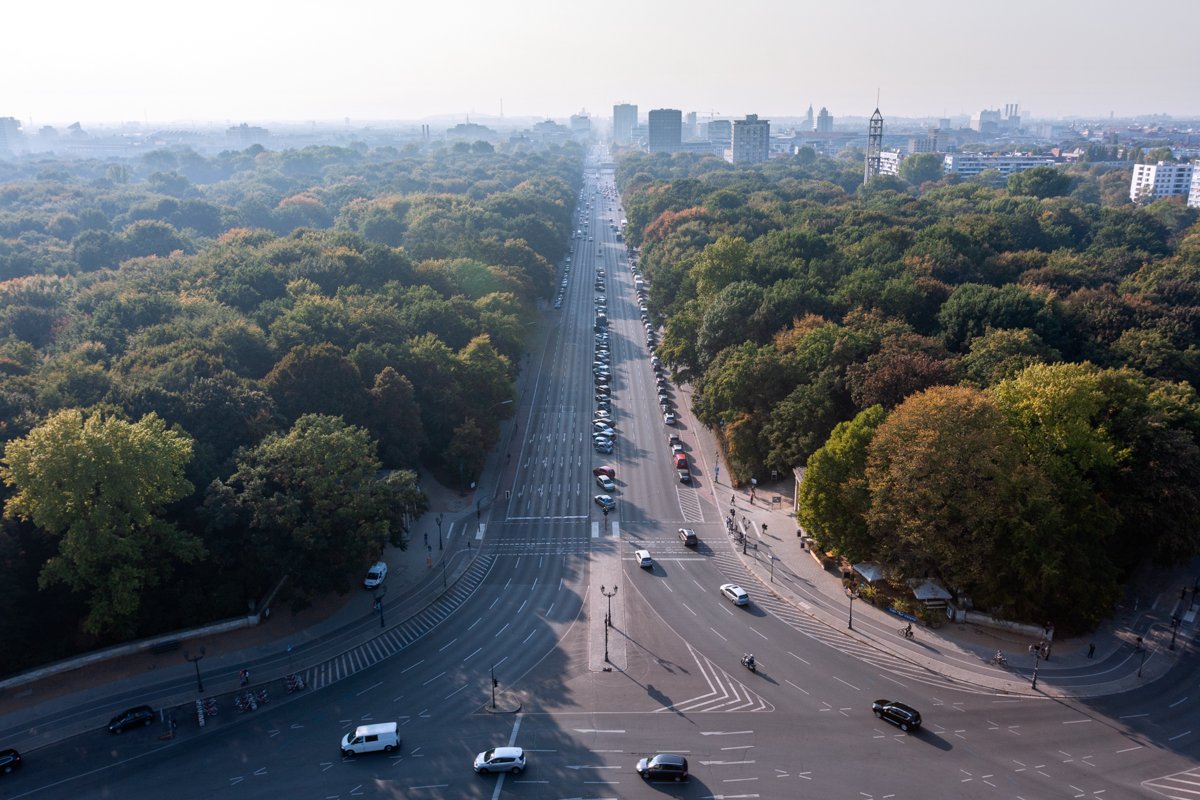
Title 4: “Tiergarten”
Description: The Tiergarten is the largest and most popular city park of Berlin. Sprawling in the heart of the German city, it shows that a peaceful integration between nature and urban needs is not only possible, but also advisable.
Place: Tiergarten (Berlin, Germany)
Links of the author:
© Janusz Jurek, “Rest”
Author: Yana Smietana
Title: “Wave”
Location: Batumi, Georgia country
Description: "I wish I was a bird, I would fly high cutting through the city’s smog, hovering above the skyscrapers like above waves in the foggy morning". This image was taken in the spring of 2021 in Batumi, Georgia (country). There was a thick fog on the coast. The edges of the skyscrapers were barely visible. My lens came across the complex "Wave" and a bird that was cutting through the foggy city.
Links of the author:
© Yana Smietana, “Wave”
Author: Wenbin Shi
Title:”Urban Jungle”
Place:Shanghai, China
Description: This photograph was taken in front of an IKEA window and the artificial plastic flowers make an interesting contrast with the skyscrapers outside.This photo was chosen for my photography project ”Urban Plantation”. This project explores the morphology of vegetation in human cities and its impact on the human condition. We, as city builders, incorporate plants into our lives, yet we tend to ignore the impact plantation has on us.
Links of the author:
© Wenbin Shi ”Urban Jungle”
Author: Britta Manges
Title: “Edifice”
Place: Pittsburgh, Pennsylvania (USA)
Description: In the city a person stands to admire the view that is washed out by concrete and infrastructure.
Links of the author:
© Britta Manges, “Edifice”
Author: Heather Milne
Title: “City Tides” (I, II, III)
Place: Christchurch, New Zealand
Description: For 10 years following deadly earthquakes in Christchurch, New Zealand, the inner city became a reminder of how our urban environment used to be and how the landscape had changed. These photographs were made in an old hotel car park where the high water table results in constant pools of water and flooding.
Links of the author:


Author : Md Imrul Kayes
Title : “Little piece of green”
Location : Dhaka, Bangladesh.
Describe : I tried show how an unplanned overpopulated City may look like from above.
Links of the author:
Facebook :
© Md Imrul Kayes, “Little piece of green”
Author: Khan Rakibul alam Khan
Title : “Sleeping in the boat“
Place : Sadarghat, Bangladesh
Description : These peoples only earning source is boat . They are boat man . The home , earning and life, all is boat . Boat is those people’s family . They sleep at night in their boat and live in their boat.
Links of the author:
© Khan Rakibul alam Khan “Sleeping in the boat“
Author: Haikun Liang
Title: “A woman selling flowers”
Location: Mandalay, Myanmar
Description: Local traders will go through the corridor of the temple.
Bio: Liang Haikun is a award wining photographer from China, with 20 years of experience and many local and international exhibitions.
© Haikun Liang “A woman selling flowers”
Author: Shubhodeep Roy
Title of the Series: ''Life Along The River"
Place: Hoogly River, Kolkata India
Description: “The city of Kolkata stands as one of the unique centres among Indian cities. Vibrant culture and dazzling heritage with a pinch of colonial effect make it an interesting place. Hoogly river a tributary of the holy river the Ganges flows along with the city of Kolkata, before disappearing into the Bay of Bengal, the broad concrete slipway sliding towards the river called ghats form a connection between Kolkata and the Hoogly river, these ghats are a favoured destination for many to escape the rigours of city life. For more than a century people have used these to access the river for their everyday needs, from bathing, fetching water, and swimming, to getting on and off boats. They also have a distinct cultural and religious significance, as many rituals of Hinduism take place next to the river.
All great cities, they say, are built near water and it is no less true for the cultural capital of India-Kolkata. The Hooghly River, to date, happens to be the heart and soul of Kolkata and the entire city is dotted with Ghats from the bygone era. The flights of steps leading down to the river that has inspired fascinating stories from centuries back have also seen the city evolve over time.
While documenting river Ganga and its inhabitants, I have witnessed many mundane moments turn into exceptional visuals with the infusion of strong cultural elements of how people live, These photographs are a part of my ongoing project ''Life Along The River".


OTHER CATEGORIES
Photography Exhibition THE WAY WE LIVE (in the eye of the architect)
CATEGORY 2:
THE CITY AS A WAY OF LIFE
CATEGORY 2: THE CITY AS A WAY OF LIFE
Autori: Rozafa Shpuza
Title: “The world as a puzzle”
Place: Tirana, Albania
Description: Photography for me is the emotion that is conveyed through details, shapes, light shadows, cuts, the mystery that the shot hides in itself. We live in a world full of chaos, so we have to put different parts in the daily life full of joys and sorrows to create our future. This photo also conveys this feeling. It is a wall divided into circles, like the ball that the children are playing with beyond it. Somewhere a hand appears and somewhere else a foot, which constitute in itself the philosophy of the entire journey of man on this planet, so that, sometimes, it seems as if it is that ball in the hand of that child who is playing with it quite frankly.
Links of the author:
© Rozafa Shpuza “The world as a puzzle”
Author: Samanta Krivec
Title: “Rubik's town”
Place: Pregrada (Croatia)
Description: I saw this reflection on the large building while driving the car. On a sunny day this was looking so good and interesting that i stopped the car and took a couple of photos.
© Samanta Krivec “Rubik's town”
Author: Zita Altrichter
Title: “Eternality”
Place: London, UK
Description: I took this photograph on a hot summer evening on the riverside of the Thames, when everything looked perfect, people smiled, enjoyed life and seemed so relaxed while the sun was about to wave goodbye.
Links of the author:
© Zita Altrichter, “Eternality”
Author: Monika K. Adler
Title: “Master and Margarita”
Place: New York, USA
Description: Manhattan. Among the crowds, a man is walking with a giant cat sitting on his head. The cat looks down on thousands of tourists and observes the nuances of city life in New York.
Links of the author:
© Monika K. Adler “Master and Margarita”
Author: Pia Sorli
Title: “Mall of Berlin”
Place: Berlin, Germany
Description: Photo taken in Berlin during short get away. We were super hungry so we ran into the shopping mall'S top floor and got some curry.
Links of the author:
© Pia Sorli, “Mall of Berlin”
Author: Florian Nepravishta
Country: Albania
Title: “The magic bubble at the heritage site in Roma”
Description: Children's hands trying to catch bubbles in Via dei Fori Imperiali, Roma
Bio: Florian Nepravishta is an architect and professor at Polytechnic University of Tirana (Albania). His teaching activity and scientific research are oriented toward architectural design, housing, heritage conservation, and urban regeneration. He is photo enthusiast and uses photography to collect inspirations and memories from daily life.
© Florian Nepravishta, “The magic bubble at the heritage site in Roma”
Author: Lucas Fidalgo
Country: Brazil
Title: "Guarda"
Place: Venice, Piazza San Marco
Description: it means a form as brazilians generally say "cop" or a request to protect something or someone safe, but also means "watch (imperative)" in italian. It was taken in Venice, Italy. This photo has three important layers. The farest one is San Marco's Church, a UNESCO patrimony. In the middle, some of the thousands of tourists that visit it every single day. In the first plan, in the shadows, there is a soldier and a couple. The Soldier is practically invisible to the eyes of the tourist, besides the fact that he is heavily armed.
Links of the author:
© Lucas Fidalgo, "Guarda"
Author: Enis Abdullahu
Country: Prishtina Kosovo
Title of Series: “Colors in Daily Life”
Title 1: “The lonely chair”
In the twilight of the evening, the light coming from the window was very eye-catching. But in my focus the main character was the chair.
Title 2: “Complementary”
Like any photographer, I have developed my own passions for color. In this context, it is very strange how by chance the negative word “Don’t" is found exactly where the two complementary colors are located.
Title 3: “Curiosity”
I am always amazed how the gaze of portraits brings a state of tension where the monotony reigns.
Title 4: “Consumption”
During the evening, artificial lighting prevails in the city between warm and cold. And what is noticeable in the social aspect of today's times is the coexistence between drama and pop culture
Title 5: “The flaming of chaos”
The art of street photography always stimulates the imagination. In those moments, the sunset seemed to me as if the chaos of wires inflamed the facade and the clouds legitimized the smoke of the flames.
Title 6: "Abstract"
Construction industries have endlessly adapted tools that can fit into old buildings according to the needs of the residents. And this situation creates abstract compositions in my photography.
Links of the author:
Website, Instagram


Author: Evis Cerga
Country: Albania
Title: “City insider”
Place: Tirana, Albania
Bio: Evis Cerga is a translator, author of short stories book "Friendship Road". Evis uses photography as inspiration for her stories. She is a blogger at Shqiptarja.com
© Evis Cerga, “City insider”
Author: Dorina Pllumbi
Country: Albania, Tirana
Title: "Empty but vigilant"
Place: Kamëz, Albania
Description: In an unfinished and uninhabited house in Kamza, the brick walls are still bare but a vigilant security camera watches passers along the empty property. Shot taken during the Laboratory of Urban Anthropology on 1-4 October 2021 in Kamëz, organized by the Institute of Cultural Anthropology and Art Studies (IAKSA) in collaboration with Grupi ATA.
Bio: Dorina is an architect, researcher. As well as an amateur photography explorer
© Dorina Pllumbi, "Empty but vigilant"
Author: Rajesh Dhar
Country: Kolkata, India
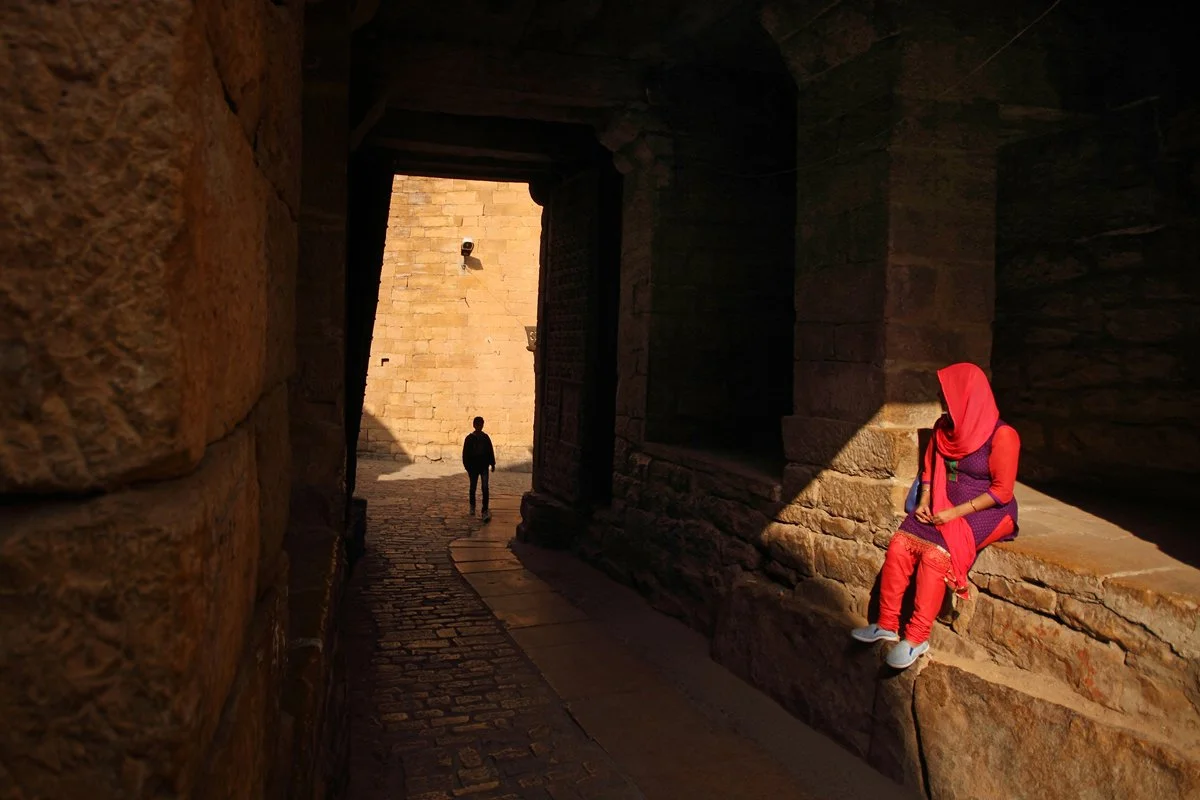
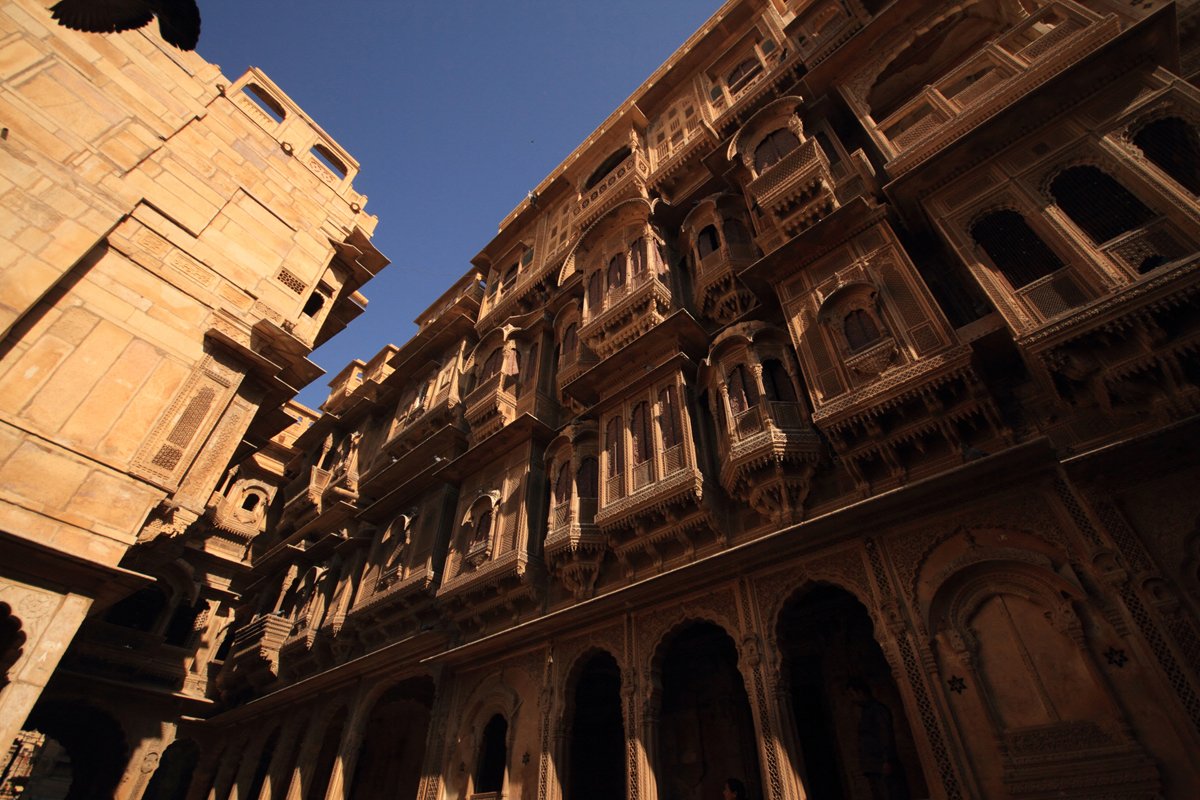
Title: “Royal living”
Place: Jaisalmer Fort, India
Description: Jaisalmer Fort is situated in the city of Jaisalmer, in Rajasthan, India. It is believed to be one of the very few ‘living forts’ in the world, as nearly one fourth of the old city's population still resides within the fort. Jaisalmer Fort is the second oldest fort in Rajasthan, built in 1156 AD by the Rajput ruler Jaisal. It is also known as the ‘Sonar Quila’ or Golden Fort. In 2013, Jaisalmer Fort, was declared a UNESCO World Heritage Site.




OTHER CATEGORIES
Photography Exhibition THE WAY WE LIVE (in the eye of the architect)
CATEGORY 3:
THE CITY AND ITS HERITAGE
CATEGORY 3: THE CITY AND ITS HERITAGE
Author: Arnab Ghosal
Country: India
Title: “Where Memories Resides”
Place : Mtskheta, Georgia.
Description: Day by day we are putting our lives into boxes. Life in flats and apartments detaches us from the earth, from nature. Everything is artificial day to day in our life. In this ancient structure in Georgia, I found some memories. Memories of ancient living space and juxtaposition a present-day living. It’s a combination of two images to create the story.
Links of the author:
© Arnab Ghosal, “Where Memories Resides”
Author: Darnia Hobson
Series: “Contradictions”
Title 1: “Anchor”
Title 2: “Chambers”
Title 3: “Fold”
Title 4: “Monolith”
Title 5: “Pulpit”
Place: Christchurch, New Zealand
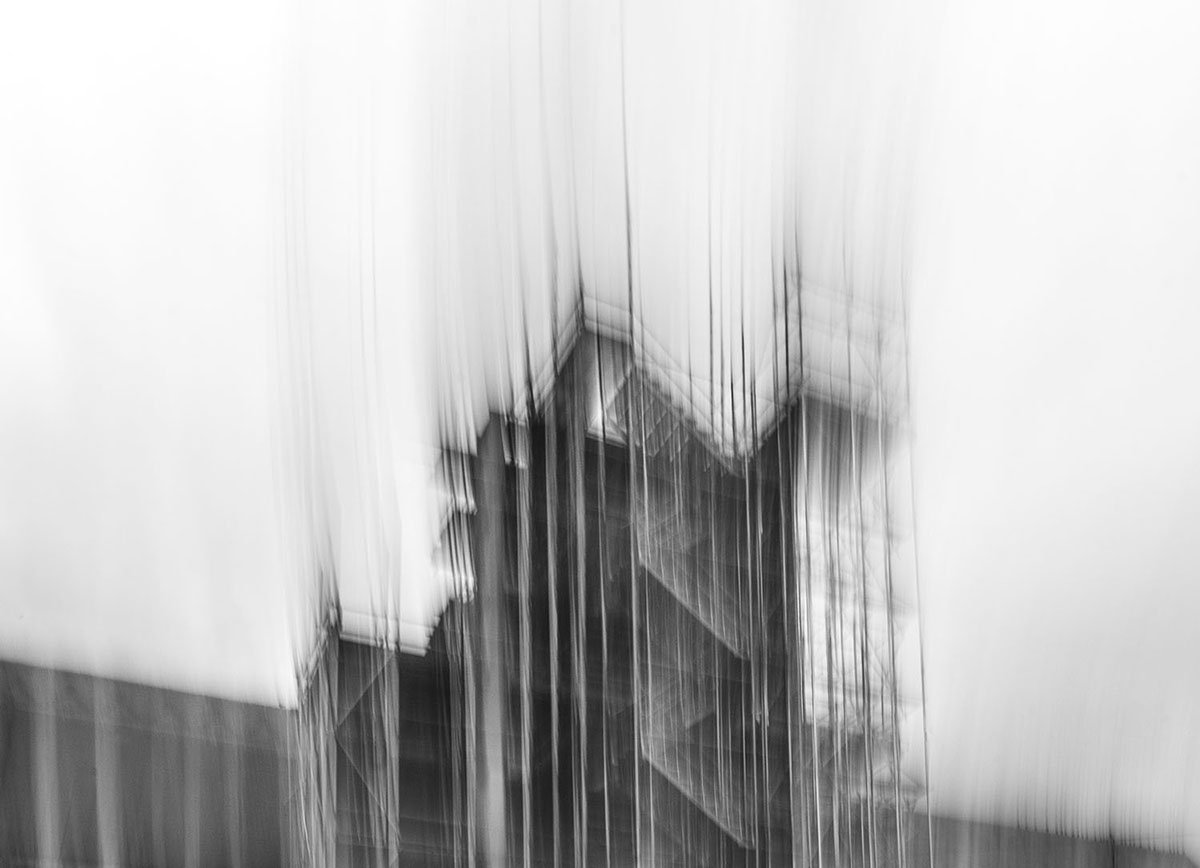
Description: These images form part of a larger series depicting new and rebuilt buildings in Christchurch, New Zealand post a large series of devastating earthquakes. This destroyed the majority of the central business district and has meant a prolonged rebuilding phase which is still far from complete over 10 years later. I chose an impressionist drawing based style to record the feeling of contradiction in the city; the style, mood and the mixture of new and old. I hoped that the motion would capture an ephemerality, a essence of space, both fleeting and timeless at once. The pictures capture new architecture, framing and bracing temporarily holding things upright and completed restorations of historic buildings. The city has been recovered from the brink and I have captured this story over the past year as a record of new beginnings a definite revival. These are single exposure images with little post production work as I prefer to do all the work in camera, redrawing a moment in time.
Links of the author:


Author: Josep Sánchez
Country: Spain, Barcelona
Title: “Modernism”
Place: The largest modernist complex in the world is located in Barcelona.
Description: It is the greatest work of the Barcelona architect Domènech i Montaner, the Hospital de la Santa Creu i Sant Pau, who created a small city made up of isolated buildings surrounded by 16,000 square meters of gardens. Since 1997 it has been a UNESCO World Heritage Site.
Links of the author:
© Josep Sánchez, “Modernism”
Author: Pierre Moulin
Country: France
Title: “The Stone Factor”
Place: Marseille, France
Description: Here is a shot of a residential building in Marseille, with a beautiful carving work that represents the history of the metropolis in a general design that is rather modern (60s-70s). It is a solid stone build with an optimistic, understated intention, confident about the future, at that time, with bold features (the entrance like an echo) that surely underlines the state of mind of the architect. What we see in the photo is the usual urban graffiti, the perpetual mediterranean light, and a tree. But what stays with me is the choice of materials with the spartan-like structure: limestone and a contemporary tiling of a harder stone to challenge the test of time. An Homage to the City.
© Pierre Moulin, “The Stone Factor”
Author: Abdulrahman Ali Bin-Break
Title: “The Skyscrapers of Desert”
Place: Shibam Hadramout, Yemen
Description: A historical house made of mud based on the principle of vertical construction in the old walled city of shibam which is considered a UNESCO World Heritage place in Yemen.
Links of the author:
© Abdulrahman Ali Bin-Break, “The Skyscrapers of Desert”
© Dibakar Roy, “Two by two”
Author: Sofia Erto
Title: “Blue”
Place: Edinburgh, Scotland
Description: I took this picture in Edinburgh at sunset. This corner, very close to the old town, captured my attention because it completely clashes with the fascinating medieval architecture of the surroundings.
Links of the author:
© Sofia Erto, “Blue”
Author: Jing Yuan Huang
Title: “Traditional and Modern”
Place: Taipei, Taiwan
Description: The building in front of the photo is the Grand Hotel in Taipei. The exterior of the Grand Hotel references a Chinese palace, and its splendor contrasts with the modern cityscape behind it. This shows the fusion of different styles of architecture in the city, which some see as a conflict. However, such cultural integration can demonstrate the diversity and inclusiveness of a city.
© Jing Yuan Huang, “Traditional and Modern”
Author: Bia Serranoni
Title: “Resistance 1 / Resistance 2”
Place: Salvador, Brazil
Description: The pace of contemporaneity in big cities encourages the abandonment of old constructions and the turning of the eyes toward the new. In cities where the housing deficit is still very large, the non-use of these old structures for shelter and housing shows how much the city is a priority for those who hold the capital.
Links of the author:
Author: Kim Injae
Country: South Korea
Title of Series: Report on the chimney
Description: With rapid industrialization and technological development, the city's time and space are changing rapidly. Urban Regeneration is a way to utilize abandoned factories that have been neglected for decades. Some abandoned factories have been designated as urban cultural spaces or industrial cultural heritages and are being planned as new urban spaces. These spaces are my photo spots. The traces of the workers disappeared out of the stage of time and could not be captured, but the stories of those people exist in the old and faded factory structures. I want my images to illuminate an era of abandoned products of the industrial age that have been neglected for a long time, and serve as an indicator to reflect on the industrial heritage and move forward into the future. Skyscraper-like chimneys towering over faded, fenced-off buildings, both past and present, demonstrate human desire.
Links of the author:


OTHER CATEGORIES
Photography Exhibition THE WAY WE LIVE (in the eye of the architect)
CATEGORY 4:
THE CITY AND SOCIAL JUSTICE
CATEGORY 4: THE CITY AND SOCIAL JUSTICE
Author: Carolina Carmini
Title: “No Line On The Horizon” (Series)
Place: São Paulo, Brazil
Description: There is no horizon in São Paulo. The city grows. But for whom? While new works dominate the horizon, old buildings are abandoned, awaiting the end of their days. At a breakneck pace, things are born and die, with no real urban planning, no empathy for its citizens, no care for the environment. A sea of buildings covers the sky until the eye loses sight. Green and blue no longer have spaces. The discourse of politicians and businessmen tells us that the city is "modernizing", but the feeling of suffocation dominates us every day. The gray color is taking over the landscape little by little. Isn't there a horizon for São Paulo?
Links of the author:


Author: Zeynep Ayta
Title: (De)Construction
Place: Istanbul, Turkey
Description: This photo was taken in a neighbourhood called “Fikirtepe” in İstanbul, which is one of the first areas that became a victim of the so-called “urban transformation project”. The project that had been initiated with the goal of re-building the structures that are not earthquake-resistant; led to an unpleasant era of never-ending constructions, displacement of the neighbourhood residents who had been there for all their lives, for the rich to buy the new residences that are yet to be completed.
Links of the author:
© Zeynep Ayta, “(De)Construction”
Author: Kelebogile Xaba
Title of Series: “Hillbow”
Place: Johannesburg, South Africa
Description: The images are captured in the inner-city suburb of Hillbrow, which is plagued by rampant urban decay, but still exudes immense cultural and architectural beauty. The works question the communities' perception of self, especially because most of Hillbow's residents live there because of circumstance. The work is heavily influenced by Mack Magagane's series, IN THIS CITY, where he explores the city of Johannesburg from the rooftops of high-rise buildings. Exploring some of the socio-political issues surrounding the state of the infrustructure, in relation to the current political climate of the country as well as the historical political context of South Africa, the work becomes an essential talking point on the way we live as a country.
Links of the author:


Author: Herpe, Gregory
Title: “The Infinitely small & the Infinitely Large”
Place: Brussels, Belgium
Description: This photo represents for me the social injustice that continues to grow. There are the rich, richer and richer, and the poor, poorer and poorer. Those who live at the top of skyscrapers, in huge luxurious apartments, and those who live at the bottom, in cellars or caravans. Nothing changes in our cities, society. I find it sad, because with the climate change, I think that this inequality will become even more unbalanced.
Links of the author:
© Herpe, Gregory, “The Infinitely small & the Infinitely Large”
© Wasswa James, “Architecture without architects”
Author: Mohammad Rakibul Hasan
Title: “The Bamboo Slum_Bangladesh”
Bio: photographer/filmmaker for UNWomen, Asian Development Bank, ActionAid & FAO, represented by ZUMA Press, Redux Pictures, and Inter Press Service (IPS) News Agency .
Links of the author:
© Mohammad Rakibul Hasan, “The Bamboo Slum_Bangladesh”
© John Leonardo Rosales Dimain IV, “Cubes from above”
Author: Rayhan Ahmed
Title: “Massive gathering on a local train”
Place: Bangladesh
Description: Thousands of commuters and travelers try to find a spot on the train, with many resorting to standing on the roof and holding onto the front. With no seats and not many trains, people are forced to resort to grabbing hold of the outside and standing on the roof so they can get home. I was able to capture the dangerous overcrowding as people tried to board trains at Tongi, Bangladesh. Between 8,000-10,000 people were trying to find any possible space to board the trains.
© Rayhan Ahmed, “Massive gathering on a local train”
OTHER CATEGORIES
Photography Exhibition THE WAY WE LIVE (in the eye of the architect)
CATEGORY 5:
THE CITY AND ITS AESTHETIC
CATEGORY 5: THE CITY AND ITS AESTHETIC
Author: Nurlan Tahirli
Title of the series: "White Beauty"
Title 1: “Lina Xente”
Title 2: “Mest Lind”
Title 3: “Planinar”
Title 4: “Trokut”
Description: It is about the beauty of the white color in the center of the city designed with modern construction materials and creative imagination. It's not usual nowadays to see spacious places, especially in downtown crowded capital cities. Cloudy days are chosen to make the sky less visible and the building to stand out. Thus sky was slightly overexposed in most scenes on purpose - to make it seamlessly merge with this white beauty.
Links of the author:

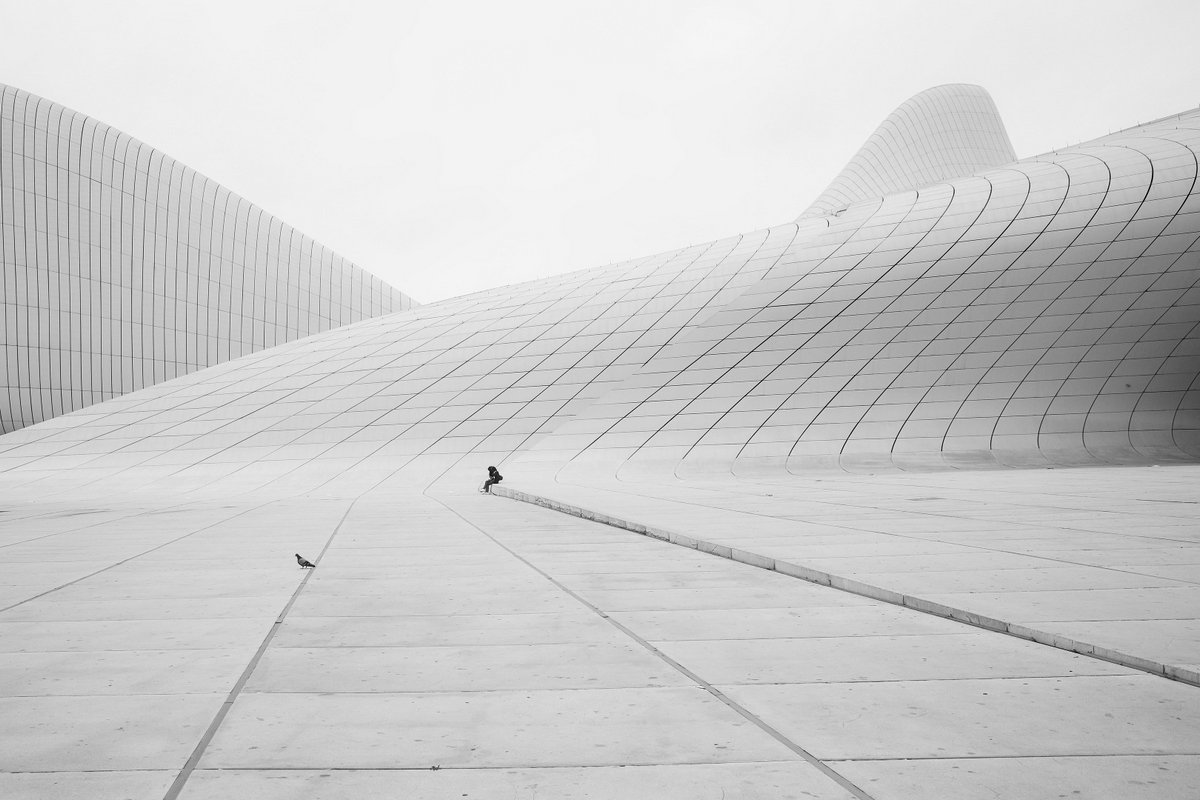
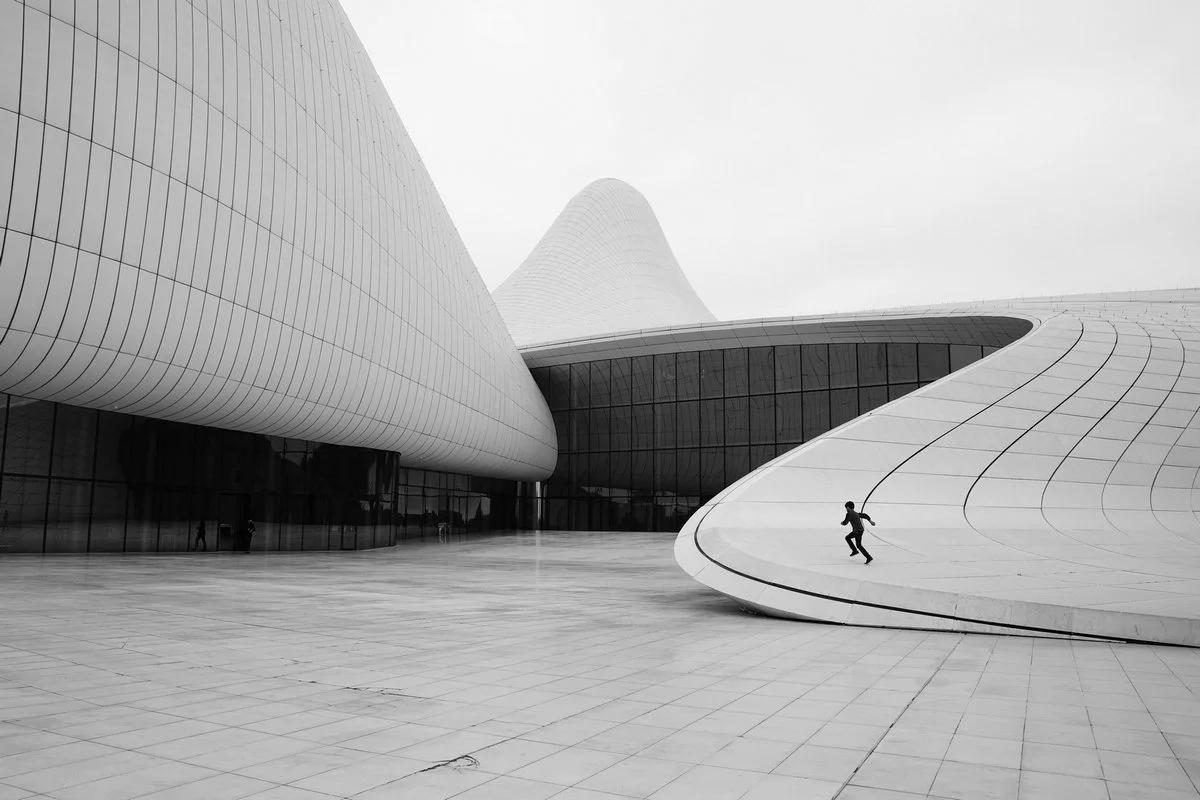

Author: Pierre-Louis Ferrer
Title: “New Horizon” Series
Place: Rennes, France
Description: This series focuses on the Les Horizons (The Horizons) residence located in the district of Bourg L'Évêque in the south-west of the city of Rennes, France. This residence is in the form of a double tower almost 100m high and built in 1970 under the direction of the architect Georges Maillols. The production of this series took place over a full week, divided into phases of observation, tests of framing and then into the actual shooting phase. The main goal of this series is to play on the architecture, angles and curves of the subject to create very graphic or even abstract shots, where the notion of building disappears. The choice of shooting during sun directions providing an optimal distribution of shadows for each frame increases this graphic. Similarly, the total absence of clouds in the sky combined with the whiteness of the building and the choice of a very contrasting black and white treatment allows the environment to be completely purified to focus on the geometric shapes.
Links of the author:


© Kip Harris, “Ferry Building”
Author: Ruslan Hajizada
Title: “Harmony of lines”
Place: Baku, Azerbaijan
Description: It is Heydar Aliyev Center, designed by architect Zaha Hadid. The building is famous for its distinctive architecture and flowing, curved style that eschews sharp angles
Links of the author:
© Ruslan Hajizada, “Harmony of lines”
Author: Karen Numme
Title of Series: “Academy Museum of Motion Pictures”
Place: Academy Museum of Motion Pictures, Los Angeles, CA
Title 1: “Academy Museum hanging out under the dome”
Title 2: “Academy Museum Escalator”
Title 3: “Academy Museum Walkway”
Title 4: “Academy Museum Rooftop”
Bio: I am a fine art photographer and have a Master of Architecture degree


Author: Yasser Alaa Mobarak
Title: “Baku”
Place: Baku, Azerbaijan
Description: Girl walking outside Heydar Aliyev Centre in Baku, Azerbaijan.
Links of the author:
© Yasser Alaa Mobarak, “Baku”
Autor: Vladislav Vodnev
Title: “Tetris”
Place: Nur-Sultan, Kazakhstan.
Description: The photo was taken in the old center of the capital of Kazakhstan. Two kindergarten buildings from above look like figures from the Tetris game.
Links of the author:
© Vladislav Vodnev, “Tetris”
Author: Kim Leung
Title: “Less Is More” Serie
Place: To Kwa Wan, Hong Kong
Description: Looking for the simple aesthetics belonging to To Kwa Wan (Hong Kong), and expressing the relationship between the public space and people of To Kwa Wan through the mutual gaze of lines, patterns and figures. ”Less is more” is my first community art project. It is dedicated to To Kwa Wan, an old district in Hong Kong. I was thinking back and forth on how to infiltrate aesthetic activities limited to pure art and refine culture into every corner of daily life; how to use imagination to eliminate the boundaries of life between each other.
Links of the author:


Author: Bilal EL Harousse
Title: “Gelato”
Place: Sidi Bou Said, Tunis, Tunisia.
Description: This photo is a brief description of the cityscape that Sidi bousaid poses. A calm town near the capital Tunis, Tunisia. Sidi Bou Said is known for its white and blue buildings with minimal geomery, an architecture with a deep historic and visual relationship to the Mediterranean landscape. The picture was taken on a calm morning. I decided to call it Gelato.
Links of the author:
© Bilal EL Harousse, “Gelato”
Author: Meti Spahiu
Place: Vienna, Austria
Title 1: Fernheizwerk Arsenal - Vienna,
Title 2: Janis Joplin Promenade - Vienna,
Title 3: Leonard-Bernstein-Strasse - Vienna,
Title 4 : City gate Aderklaaerstrasse - Vienna,
Title 5: Olympiahalle 6020 Innsbruck,
Title 6: Harry SeidlerTurm - Vienna
Description: The idea of my photographs is to bring beautiful images, to draw the public's attention to the aesthetics of the objects photographed.My black and white photographs express the verticality and horizontality in architecture, reinforcing the aesthetic of the building
Links of the author:
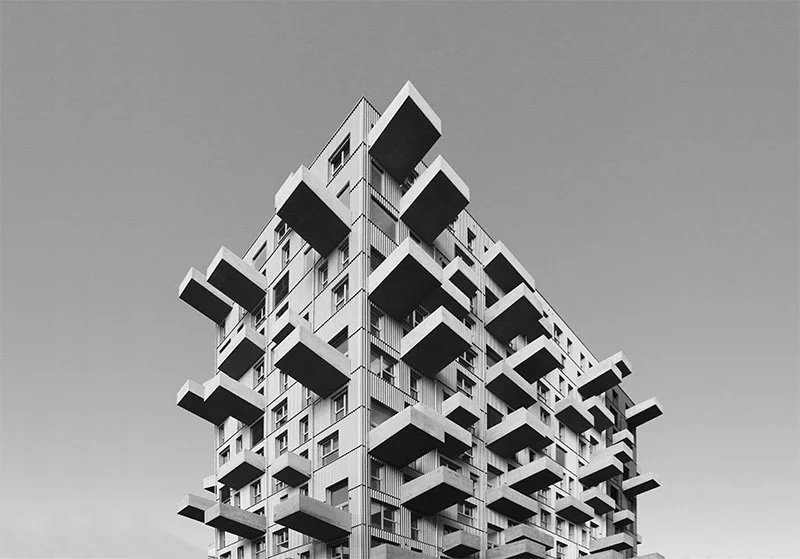


OTHER CATEGORIES
Photography Exhibition THE WAY WE LIVE (in the eye of the architect)
CATEGORY 6:
THE CITY AND THE CONSTRUCTION INDUSTRY
CATEGORY 6: THE CITY AND THE CONSTRUCTION INDUSTRY
Author: Niels Rysz
Country: Denmark
Title 1: “Cemented”
Place: Port of Horsens, Denmark
Description: The photo shows two concrete mixers parked by the portside. Concrete is a vital part of the building industry, but also a huge contributor to climate change.
Title2: “Shipped”
Place: Port of Horsens, Denmark
Description: The photo shows the loading of a ship carrying sand. Incredibly, something as common as sand has become a scarce resource because of the enormous demands of the building industry.
Title 3: “The Pit”
Place: A sand pit near Gl. Rye, Denmark
Description: The photo shows the shapes and colours of a hybrid landscape combining the natural element (sand) with the traces of human activity.
Links of the author:


Author: Benny van der Plank
Title of the series: “Reaching North”
Place: Amsterdam, Netherlands
Description: Amsterdam-North is changing at a rapid pace. In 2006 I came to live in Amsterdam-North, it was quiet here. You wouldn't come to the North if you didn't have to be there. It’s getting busier nowadays, the southbank has become a tourist attraction. Thousands of new homes will be built in the coming years, which will double the population. Since the North/South metro line opened in 2018 North became accessible. Now, Dam Square is located just a few minutes from Amsterdam-North. The district has become part of the Center. New city districts are emerging around the nodes of the stations of the North/South metro line. Old neighborhoods are being renovated and new inhabitants moved in. North is in transition.
Links of the author:


Author: Neeshay Janjua
Title: “Giant Worm” Series
Place: Lahore, Pakistan
Description: It is a series of 3 images called “Giant Worm” and is a depiction of how Power controls us. The series is documented in an attempt to highlight the power struggle while the images are a representation of the indifference that comes with it. As the series is titled Giant worm, it is a comment on the fast paced mass construction leading to a soulless world where the only hunger is of POWER, and the importance of cities, if any is in achieving it at the expense of them. Mass construction has taken over the world where it’s a race with no end or consideration of the need for it. The concrete jungles are getting denser while the softness and diversity that once existed in cities is being lost as folklore as they are being swallowed by the wrath of mass construction hence referred to as “Giant Worm”.
Links of the author:


Author: Andi Papastefani
Country: Albania, Tirana
Title: “View of the City from Modern Battements”
Place: Tirana, Street of Kavaja
Description: The Urban Anarchy in Frame -Luxury materials hide urban infringements. Anarchy in urban planning is served as modernity
Bio: Andi Papastefani is an architect and urban sketcher. He is author of “Tirana -100 years capital” and “In Berat -walking and sketching”.
© Andi Papastefani “View of the City from Modern Battements”
Author: Clare Palmer
Title: “Looking Up to the Future”
Place: Vancouver, Canada
Description: This is a street level photo looking up at Vancouver House, a new building in downtown Vancouver. Depending on the viewing angle, this building appears to be a regular four-sided building, or one in which a whole section has been removed up from the base. Vancouver House is located on a triangular based plot of land, and so it was intentionally designed to twist up to a rectangle to make use of the air space. The city considers this design a compelling example of how Vancouver is growing architecturally, while making use of oddly shaped parcels of land. However, many locals are unsettled by this neo-futurist design. They find it very disturbing and feel it will topple.
Links of the author:
© Clare Palmer, “Looking Up to the Future”
© Iqro Rinaldi Saparin, “The Eye Of Unfinished Architect”
Author: Alketa Misja
Title: “The construction of Air-Albania stadium”
Place: Tirana, Albania
Description: The construction of Air-Albania stadium in the footprints of the old stadium, built in the ‘40s of the last century, in the style of rational modernism of the time. Although classified as national heritage, after many objections it was decided to demolish the old stadium to make way for the new and modern, that will be a landmark designed by an international architectural firm. I decided to capture the image in 4x5 inch film, with a vintage view camera of the same age as the old stadium. It looks like the camera of the past is looking at the technology of the future.
Links of the author:
© Alketa Misja “The construction of Air-Albania stadium”
Author: Ray Knox
Country: UK
Title: “Lego House”
Place: London, England, UK
Description: I think this building started life as mock-Tudor, but has morphed into a collection of school prefabs cobbled together on a north London suburban street.
No need for an architect, this was a job for Bob the builder.
Links of the author:
© Ray Knox “Lego House”
OTHER CATEGORIES

Saul Leiter
Saul Leiter was an American painter and photographer known for his photographs of New York City in the late 1940s through the ’60s, and is considered a pioneer of color street photography. Leiter found quiet moments within the urban chaos and portrayed them pictorially. His work has connections to American Abstract Expressionism and the New York School of Photography. His photographs are distinguished by painterly colors, abstract compositions, minimalism, intimacy, and voyeurism…
Saul Leiter
(USA 1923- 2013)

Saul Leiter, Self-Portrait 1950, credit © Saul Leiter Foundation
Saul Leiter was an American painter and photographer known for his photographs of New York City in the late 1940s through the ’60s, and is considered a pioneer of color street photography. Leiter found quiet moments within the urban chaos and portrayed them pictorially. His work has connections to American Abstract Expressionism and the New York School of Photography. His photographs are distinguished by painterly colors, abstract compositions, minimalism, intimacy, and voyeurism, which stands out from the work of his contemporaries like Robert Frank, Diane Arbus, and William Klein. “I take photographs in my neighborhood. I think mysterious things happen in familiar places.”

Saul Leiter, Taxi 1957, credit © Saul Leiter Foundation
Among Leiter’s favorite subjects are passers-by, or their reflections, photographed from shop windows along with umbrellas, snowy days, taxis, signs, and street advertisements, forming abstract compositions in overlapping layers of focus and out of focus. “I happen to believe in the beauty of simple things. I believe that the most uninteresting thing can be very interesting.” In the documentary movie dedicated to Leiter, by Tomas Leach, entitled In No Great Hurry: 13 Lessons in Life with Saul Leiter, at the age of 88 the photographer says, "I may be old-fashioned. But I believe there is such a thing as a search for beauty - a delight in the nice things in the world. And I don’t think one should have to apologize for it.”

Saul Leiter, Red Curtain 1956, credit © Saul Leiter Foundation
One of Leiter's contributions is that he brought a new aesthetic to street photography, using color film in the early '50s, long before it was appreciated in the art scene of the ’70s. For a long time, color was not considered in fine art photography, because the film was expensive and unpredictable in printing. This led many artists to use black and white film, creating the conviction that color film was less artistic. However, Leiter photographed for a long time in color, often using expired Kodachrome film, which gave the photographs a particular hue. For this reason, he is considered a pioneer of color photography. Leiter developed his visual grammar, turning ordinary everyday moments into beautiful abstract images. "I admired a tremendous number of photographers, but for some reason I arrived at a point of view of my own."

Saul Leiter, Snow 1970, credit © Saul Leiter Foundation

Saul Leiter, Postmen 1952, credit © Saul Leiter Foundation
Saul Leiter refused to explain his work. "I don’t have a philosophy, I have a camera." But in return he left us a lot of beautiful expressions that show the nature of an unconventional artist. In an interview he states: “We live in a world full of expectations, and if you have the courage, you ignore the expectations. And you can look forward to trouble.” And Leiter's nature had been unconventional since in his youth, when at the age of 22 he abandoned his theological studies and against his family's wishes he moved to New York from his native Pittsburgh to become a painter. There he found affinity with Abstract Expressionism. After contacts with expressionist painter Richard Pousette-Dart and photographer W. Eugene Smith, he began to take photographs to earn money. The first photos are in black and white of friends and urban scenes. In the 1950s, curator Edward Steichen presented Leiter photographs at the Museum of Modern Art: in 1953, in the exhibition Always the Young Strangers, and in the 1957 slide lecture Experimental Photography in Color. Leiter worked as a fashion photographer for Harper's Bazaar, Elle, British Vogue, and other magazines, where he developed a style similar to his street photography.

Saul Leiter, Mary circa 1947, credit © Saul Leiter Foundation

Saul Leiter, Harper's Bazaar circa 1960, credit © Saul Leiter Foundation

Saul Leiter, Reflection 1958, credit © Saul Leiter Foundation
In the 1980s, Leiter faced financial difficulties and was forced to close his commercial studio. For two decades he worked in silence, painting and photographing in his East Village neighborhood. “I spent a great deal of my life being ignored. I was always very happy that way. Being ignored is a great privilege. That is how I think I learned to see what others do not see and to react to situations differently. I simply looked at the world, not really prepared for anything.”
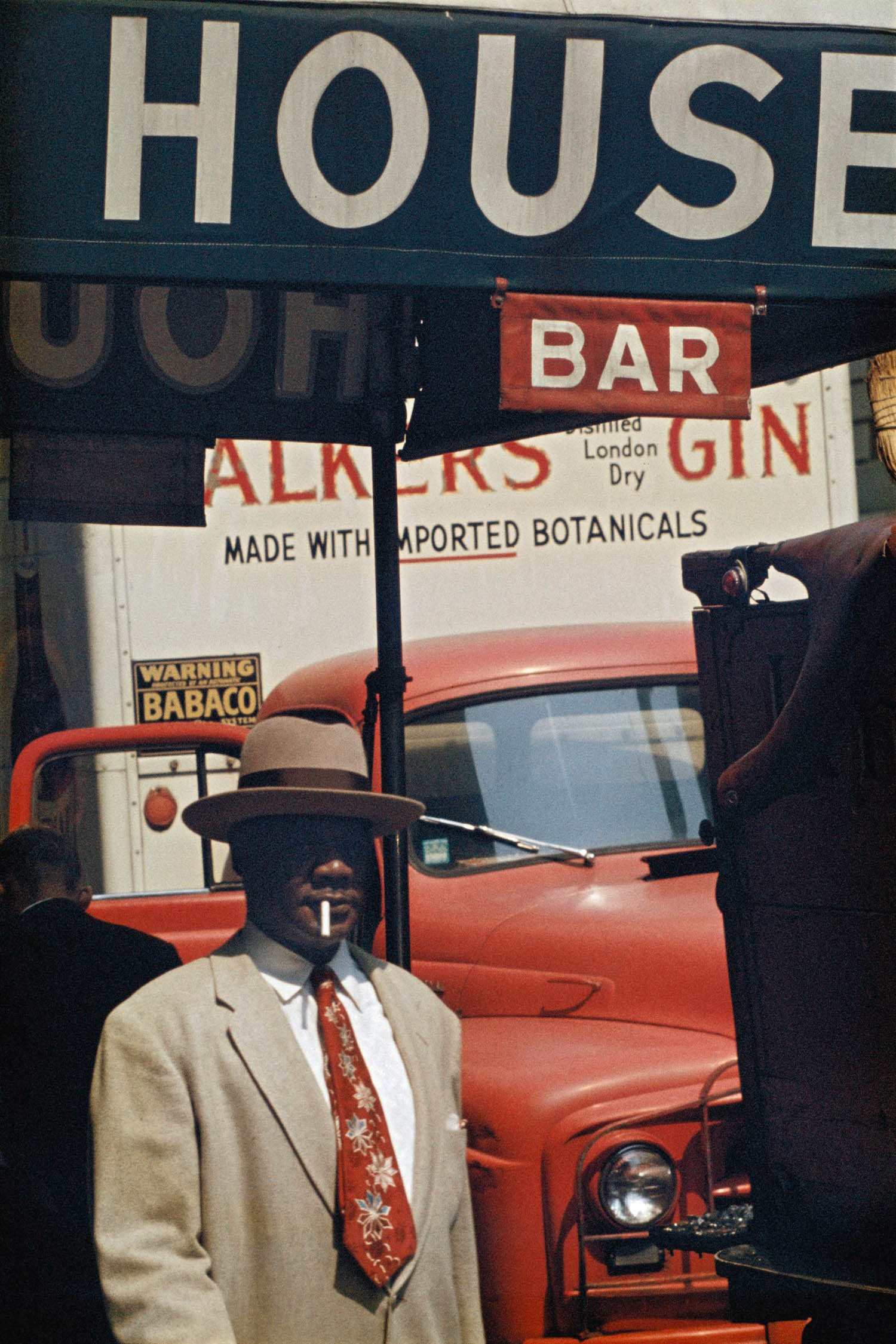
Saul Leiter, Harlem 1960, credit © Saul Leiter Foundation

Saul Leiter, Mirrors circa 1958, credit © Saul Leiter Foundation
Leiter’s street photography gained attention 50 years after he created many of his works, with the publication of his first book, Early Color, in 2006, followed by the two-volume set Early Black and White in 2014 and the nudes collection In My Room in 2018, along with a series of exhibitions.
The studio of Saul Leiter in New York's East Village, where he worked and lived from 1952 until the end of his life in 2013, has now become home to the Saul Leiter Foundation, which aims to preserve and promote the art and legacy of the photographer. The archive includes thousands of prints, slides, negatives, and paintings, many of which have not yet become known to the public..
Editorial note: We thank the Saul Leiter Foundation for the images provided and assistance in selecting the information: https://www.saulleiterfoundation.org
Sources for Saul Leiter quotations:
Documentary movie from Tomas Leach, In No Great Hurry: 13 Lessons in Life with Saul Leiter:
Interviews:
Saul Leiter in Conversation with Vince Aletti, May 2013
Part 1 - Lecture by Saul Leiter: New York Reflections
Part 2 - Lecture by Saul Leiter: New York Reflections
Part 3 - Lecture by Saul Leiter: New York Reflections
Part 4 - Lecture by Saul Leiter: New York Reflections
podcast from 2006 interview with Mitch Teich on WUWM’s Lake Effect radio show

Eugène Atget
Eugène Atget is a French photographer, known for photographing the architecture of old Paris in the end of 19th century and beginning of 20th century. He is considered a modernist documentary photographer. Atget created an archive of 5,000 negatives and 10,000 prints, working on several photographic series, such as streets, houses, professions, parks.
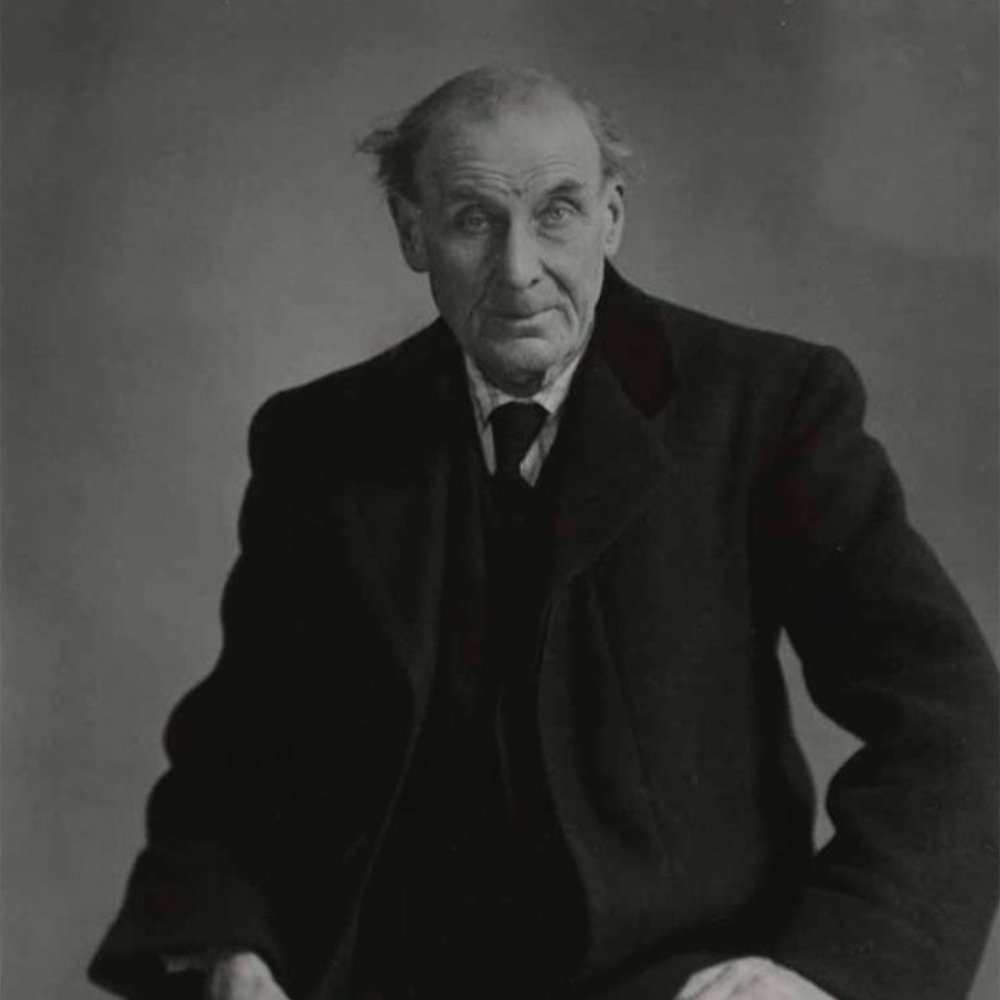
Eugen Atget, Portrait 1927 by © Berenice-Abbott
Eugène Atget
(Francë 1857 - 1927)
Eugène Atget is a French photographer, known for photographing the architecture of old Paris in the end of 19th century and beginning of 20th century. Atget is considered a modernist documentary photographer, although his work was mostly appreciated after his death, when Berenice Abbott bought the archive of his negatives and made them known in America through publishing books and exhibitions. Atget began photographing in his late thirties, in the end of the 1880s, when photography was becoming popular as a result of advances in technology. His first subjects were floral motifs and rural scenes, as study figures for painters and illustrators. But in the late 1890s, his focus shifted to architecture and streets of Paris, and continue to be for the next 30 years. During this period Paris had gone drastic changes known as Haussmann’s modernization projects, that razed old quarters to make place for wide boulevards and new bourgeois buildings. This operation, which was initiated by Napoleon III and undertaken by George-Eugene Haussmann between 1853-1927, was not supported by many. In this climate, Atget takes an interest in photographing what was left of old Paris; streets, old buildings, doors, windows, storefronts, stairs, parks, and other artifacts. In his business card reads "Creator and Purveyor of a Collection of Photograph Views of Old Paris". His clients were architects, painters who wanted exemplars of old architecture for their works, institutions of archives, and individuals who sought to have photographs of old Paris.
Atget created an archive of 5,000 negatives and 10,000 prints, working on several photographic series, such as streets, houses, professions, parks. Throughout his life, he used the old technique of photographing with view camera on 18x24 cm negative glass, which gave the photographs a contemplative feeling. During his time, his work was not considered art, as it did not enter into the canons of traditional Pictorialism, nor he was following the path of surrealist and constructivists of the modernist movement. Instead, he considered himself a documentary photographer. His work caught the attention of surrealist Man Ray and his assistant Berenice Abbott, who frequently visited his studio in the last years of his life, and after his death in 1927 bought the archive of 1,000 negatives and 10,000 prints. Abbott worked tirelessly to make Atget known in America through writings, books and exhibitions. Eugèn Atget's work served as inspiration for a new generation of photographers, such as Walker Evans, Ansel Adams, to represent the ordinary facts of life with clarity of vision and sensibility.

15 Quai Bourbon 1900, © Eugene Atget

Rue Houtefeuille, 6th Arrondissement 1898 © Eugene Atget

Bon Marche © Eugene Atget

Avenue de l’Observatoire, © Eugene Atget

Cour 7 Rue de Valence 1922, © Eugene Atget
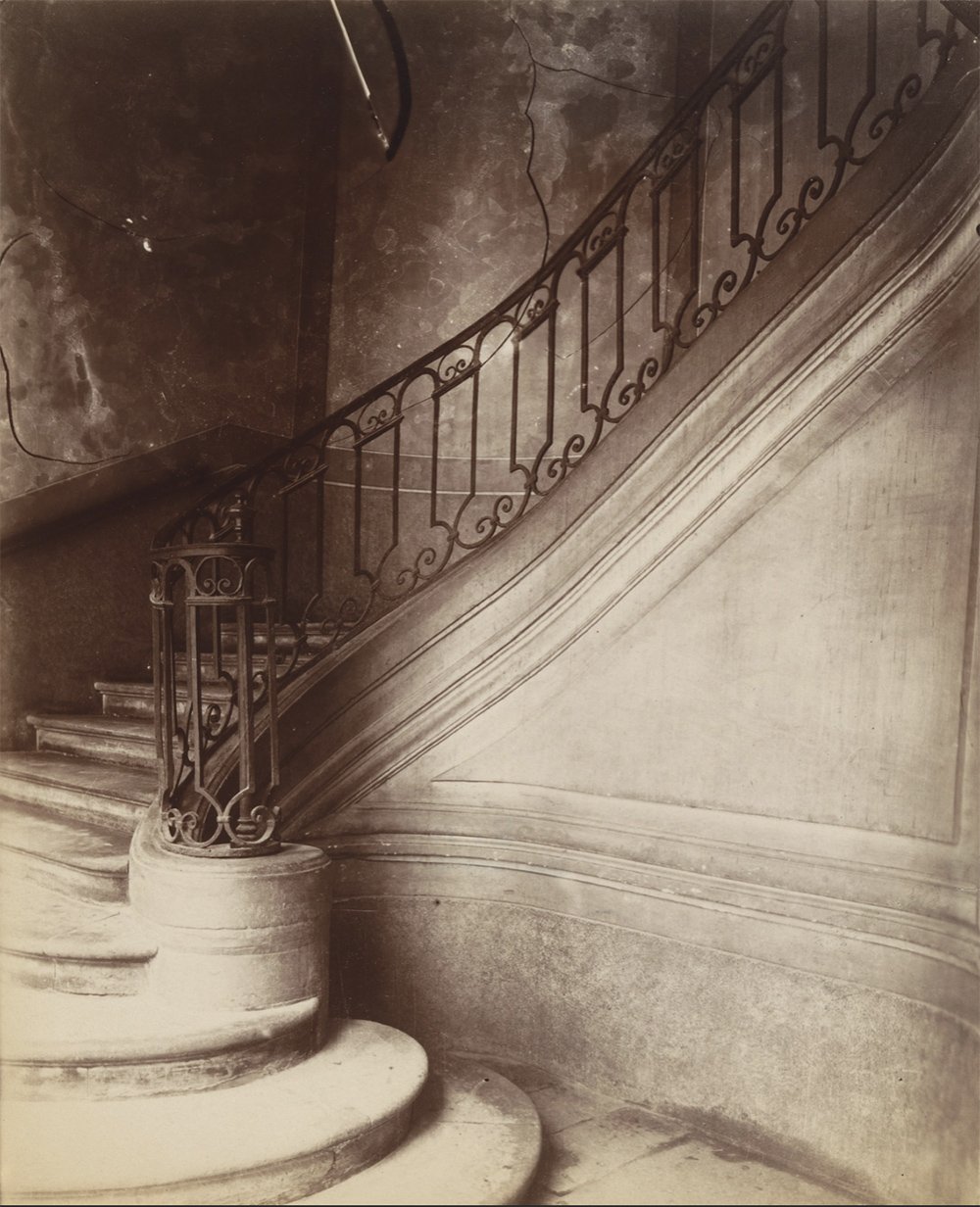
Hotel le Charron 1900, © Eugen Atget

Hotel de la Salamandre 1900, © Eugene Atget

Lion head knocker 1900, © Eugen Atget

Rue de la Montagne Sainte Genevieve 1898, © Eugene Atget
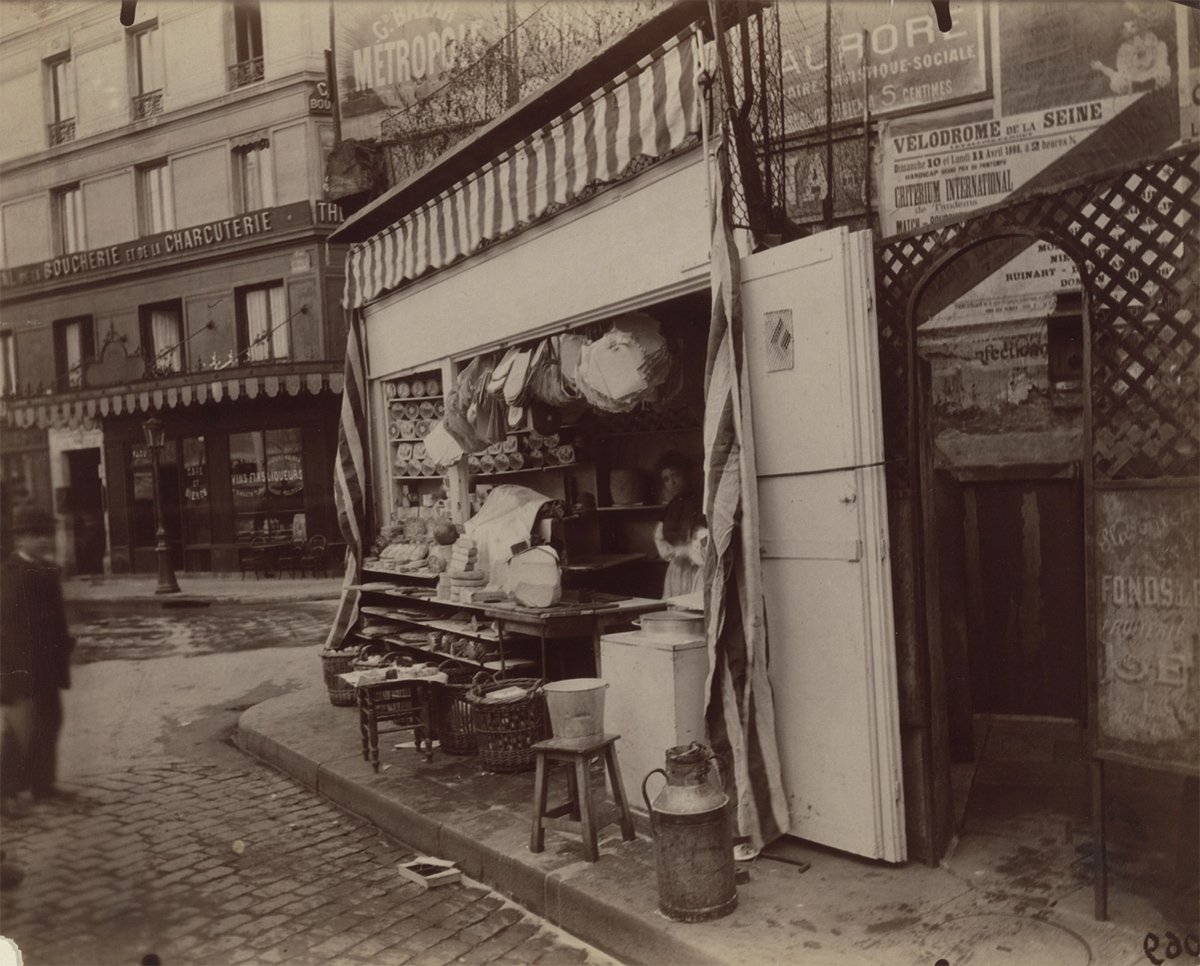
Untitled 1898, © Eugene Atget

Mitron 1899, © Eugene Atget

Marchand de paniers 1899, © Eugene Atget

Untitled 1900, © Eugene Atget

Rue de la Montagne Sainte Genevieve 1925, © Eugene Atget

Avenue des Gobelins 1927, © Eugene Atget

Pantheon Paris 1924, © Eugene Atget
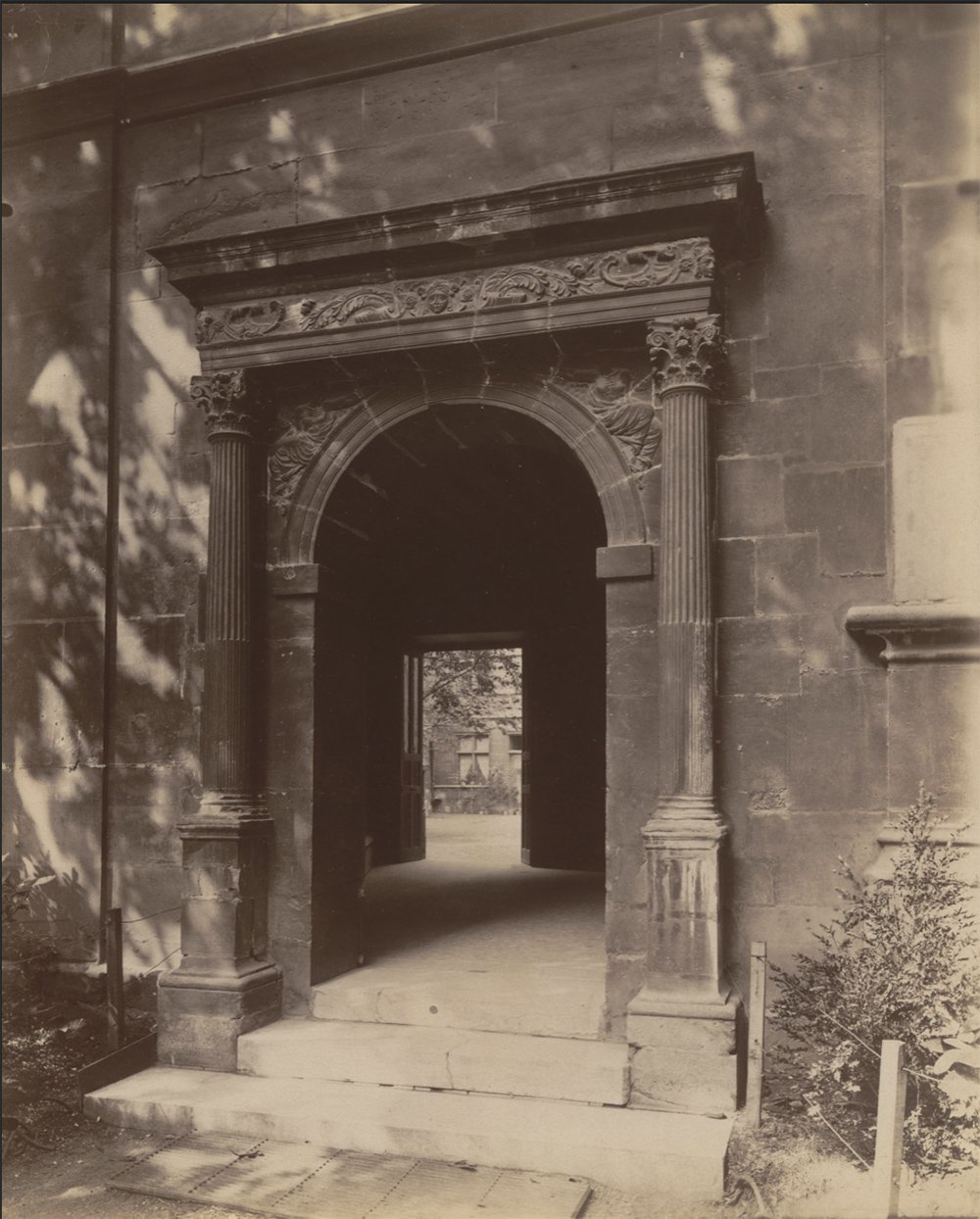
Porte Cluny 1898, © Eugene Atget

Grand Trianon 1924 © Eugen Atget.

Trianon Pavillon Francais 1924, © Eugen Atget
Selected Books about Eugène Atget


"Journey beyond the horizon" - photography Meti Spahiu
In the rubric ‘Albanian Emergent Photographers’ in the field of architecture and urban photography, we bring the young Kosovar photographer Meti Spahiu, who for several years lives and works in Vienna, after his graduation as architect in the Technical Faculty TU WIEN.
In the rubric ‘Albanian Emergent Photographers’ in the field of architecture and urban photography, we bring the young Kosovar photographer Meti Spahiu, who for several years lives and works in Vienna, after his graduation as architect in the Technical Faculty TU WIEN. Meti Spahiu comes for the second time in TatiSpace, after his first presentation with the Photo Series in black & white untitled "Big Cities in my Eyes". This time, his photos are mostly in colour, but there are also black and white ones. The motif is the same- his favourite subject, the Architectural Photography of European cities, shot during his travels. Each of the photos brings back personal memories from cities like Innsbruck and Zurich. Other photographs were taken in Vienna, Munich, Bratislav. The author untitles the series "Journey beyond the Horizon" (dedicated to A.Sh). As he mentioned before, “The idea of my photographs is to bring beautiful images, to draw the public's attention to the aesthetic of the object photographed. I would like people, who pass every day carelessly near a building, to discover the beauty of its architecture when they see the photograph. For me, photography is a field that will never disappoint and that will go hand in hand with the profession of architect."
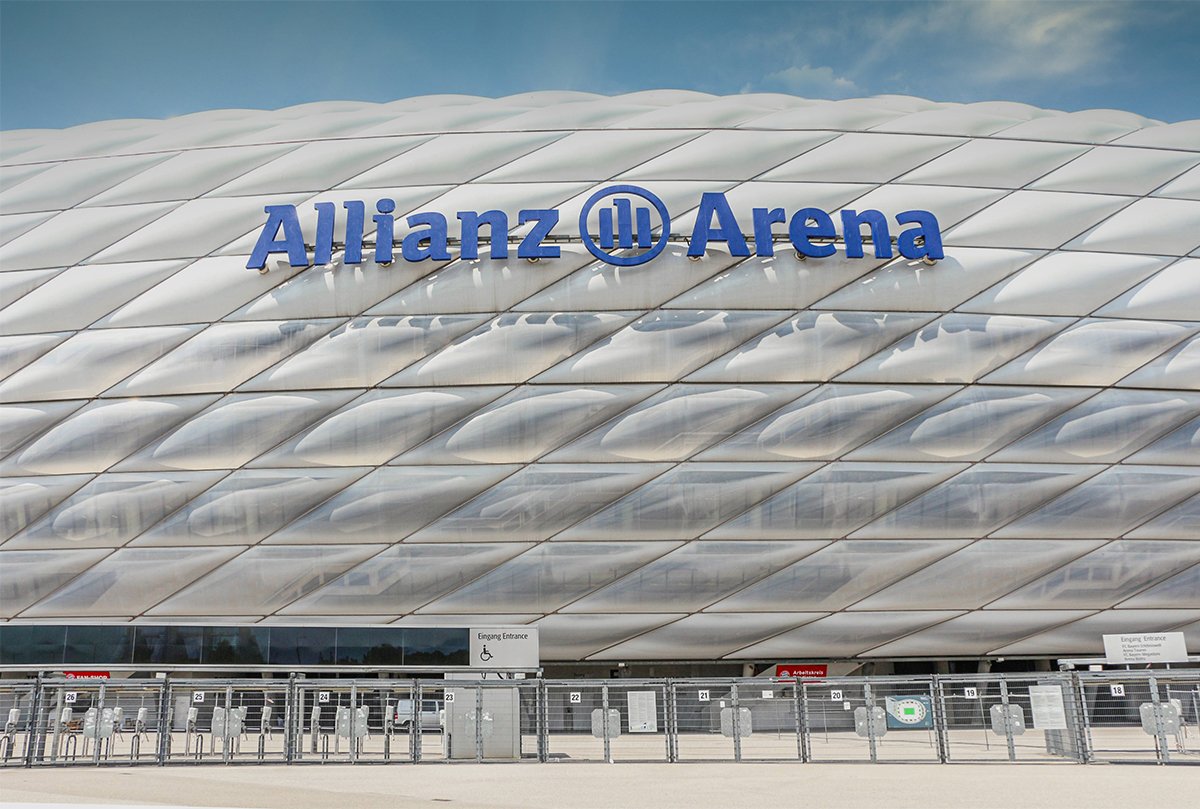
Allianz Arena, Munich, photography © Meti Spahiu

An den Kohlenrutschen 5, Vienna, photography © Meti Spahiu

Bratislava Bridge, Bratislava, photography © Meti Spahiu

Helmut Zilk Park 1100, Vienna, photography © Meti Spahiu

Odenburgerstrasse 19 1210, Vienna, photography © Meti Spahiu

Hofwiesenstrasse 16 78057, Zyrih , photography © Meti Spahiu

Schlachthausgasse 1030, Vienna, photography © Meti Spahiu
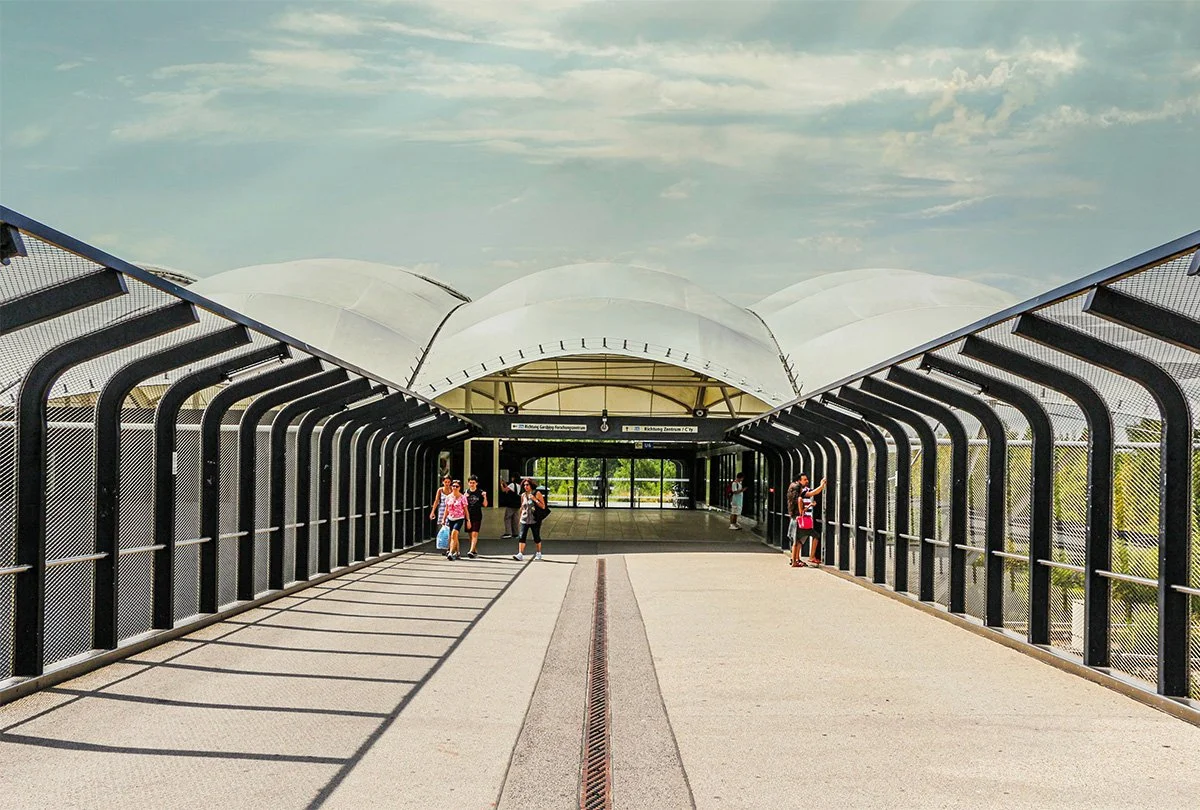
Subway Station Fröttmaning, Munich, photography © Meti Spahiu

Südbahnstrasse_Innsbruck, photography © Meti Spahiu

Taborstrasse 1020 Vienna, photography © Meti Spahiu

UBS Europaallee 23 8004 Zyrih, photography © Meti Spahiu
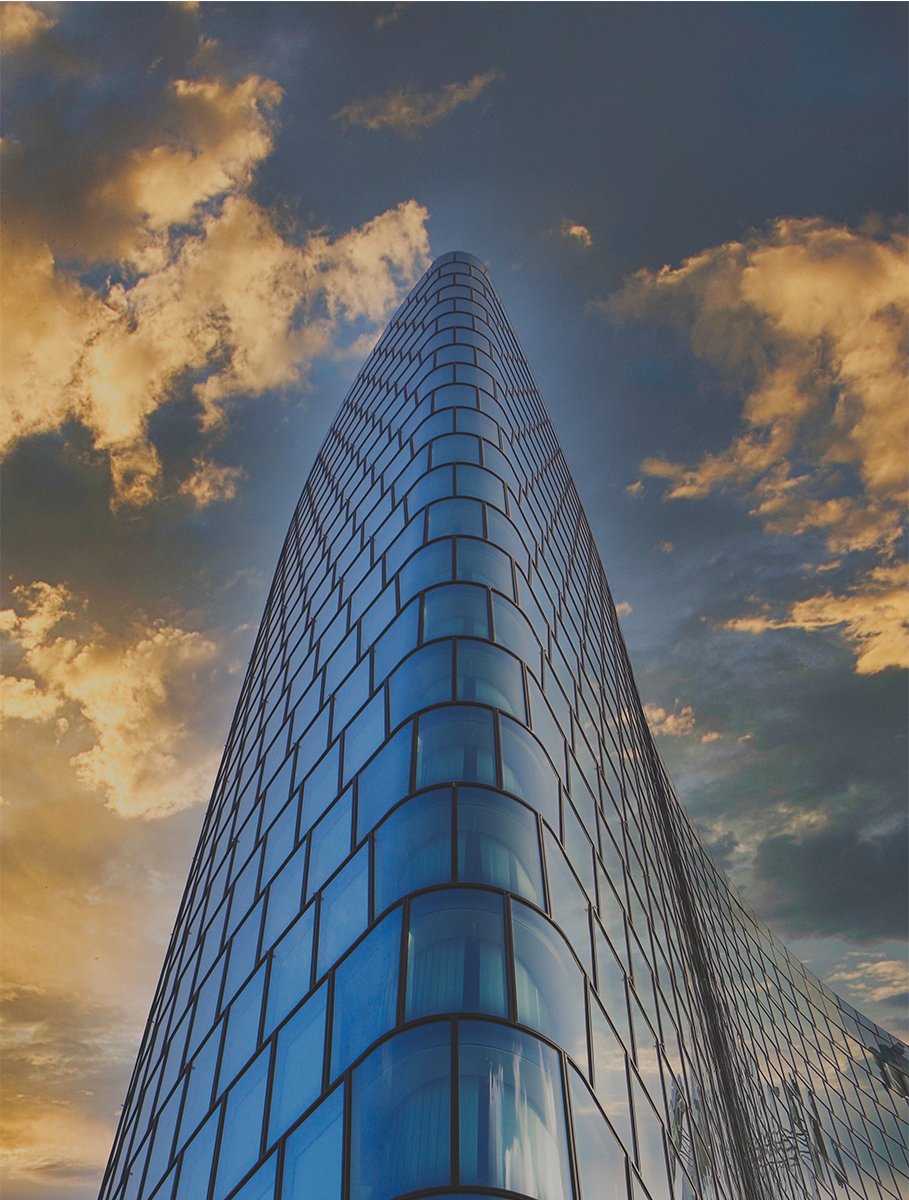
Hoch Zwei 1020, Vienna, photography © Meti Spahiu

Julius Shulman, the Photographer of Modernism
Julius Shulman is one of the most famous photographers of mid-20th century architecture in America. He has defined the way we look at Modernism. Shulman photographed the new architecture that was emerging after World War II in South California, especially the metropolitan area of Los Angeles.

Julius Shulman Portrait, by Ebby Hawerlander, 1950
Julius Shulman
(USA 1910-2009)
Julius Shulman is one of the most famous photographers of mid-20th century architecture in America. He has defined the way we look at Modernism. Shulman photographed the new architecture that was emerging after World War II in South California, especially the metropolitan area of Los Angeles. He began his journey as an architectural photographer after meeting Richard Neutra in 1936, to whom he donated some prints from the house the architect had designed for Josef Kuhn in the Hollywood Hills. This meeting signs the beginning of a long collaboration with Richard Neutra, who recommended Shulman to other architects who were developing the International Style of Modernism in America, such as; Rudolph Schindler, Gregory Ain, John Lautner, Pierre Koenig, Raphael Soriano, and others.
Shulman is known for his strong graphic style, which highlights the features of the building, strong perspectives and light-shadow contrasts. He believed in the idealization and glorification of architecture; he often shot in infrared film to increase the drama of the scene, used artificial lighting to better illuminate the interiors, placed furniture and objects in such positions as to create pleasing compositions, and used models to make the house livable. In an interview Julius Shulman states "the photographer's responsibility is to identify the design components of the structure, to identify with the architect the purpose of the structure and of its design".
Shulman not only photographed architecture, he synthesized the essence of an era. His photographs were published in all architecture magazines and influenced the way modern architecture was perceived. His photography promoted the work of architects and made it visible to people who could not physically see it. As Richard Neutra, who had a 34-year collaboration with the photographer, said: “Film is stronger, and good glossy prints are easier to ship than brute concrete, stainless steel or even ideas”.
Some of Shulman's most important photographs are those of ‘Case Study Houses’; an initiative of Art and Architecture Magazine in 1945, initiated by John Entenza with the aim of creating a modernist, low-cost housing model for the construction industry. During its 25 years of existence, the Case Study Houses Program included the contributions of several renowned architects, including Eero Saarinen, Craig Ellwood, Charles and Ray Eames. 36 prototypes of apartments were designed, of which 24 were realized. Among them Shulman photographed 18 homes. One of his most famous photographs is the Case Study House # 22, known as Stahl Residence of architect Pierre Koenig, in which two women talk to each other in the cantilevered space of the villa, in the illuminated background of Los Angeles. The photo is one of the most published photographs of architecture, “one of those singular images that sum up an entire city at a moment in time” as architecture critic Paul Goldberger wrote in the New York Times.
Julius Shulman continued to photograph until the last years of his life, such as Frank Gehri's Disney Concert Hall in Los Angeles, and the Guggenheim Museum in Bilbao. In 2004 the Getty Research Institute bought the archive of 260,000 negatives, prints and transparencies, becoming the main owner of his photographs.

© Julius Shulman, Kuhn House, Richard Neutra architecture, 1936

© Julius Shulman, Miller House, Richard Neutra architecture, 1937

© Julius Shulman, Loewy House, Clark and Frey architecture, 1937

© Julius Shulman, Kaufmann House, Richard Neutra architecture, 1947
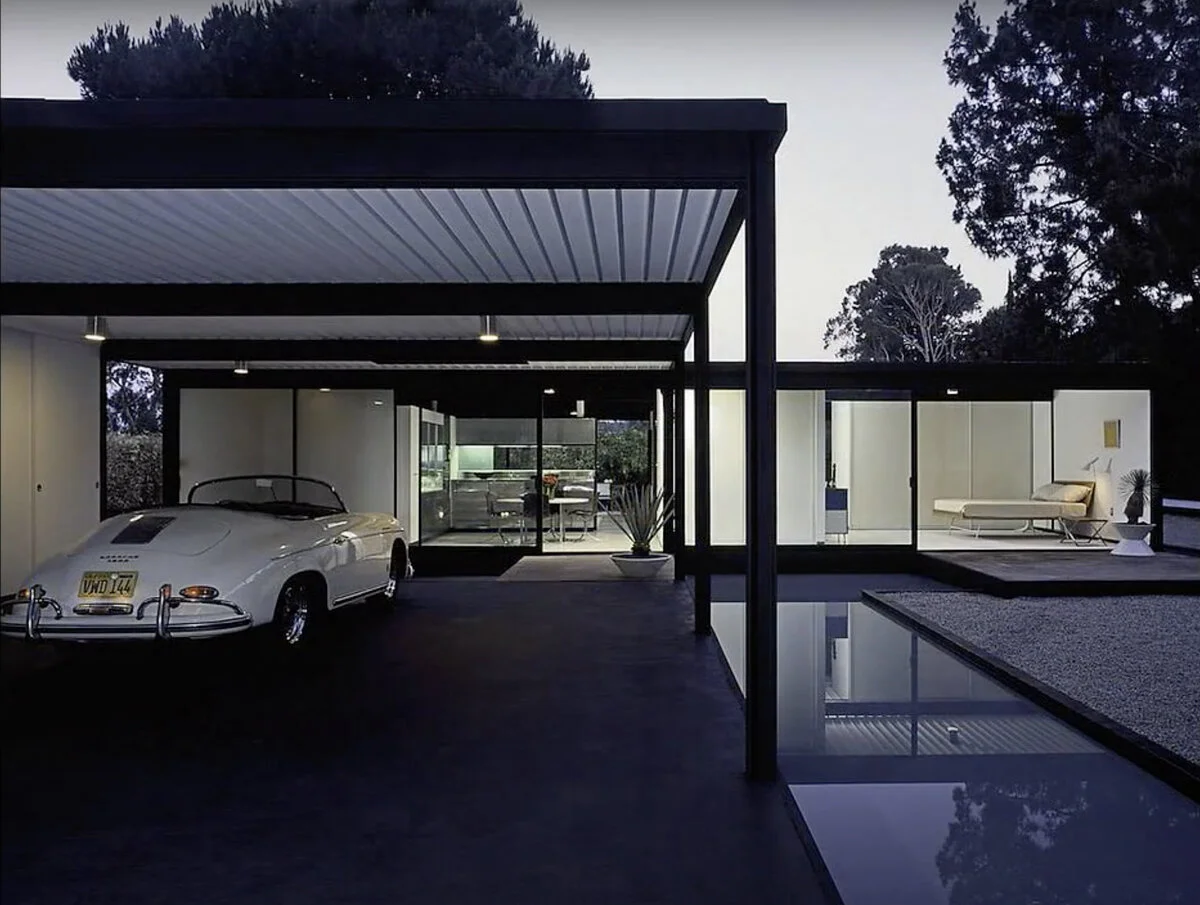
© Julius Shulman, Kaufmann House Palm Springs, Richard Neutra architecture, 1947

© Julius Shulman, Wurdeman and Becket, Pan Pacific Theatre LosAngeles California, 1942

© Julius Shulman, Mobile Gas Station

© Julius Shulman, Lovell Health House, Richard Neutra architecture, 1950

© Julius Shulman, Congress Building and Ministries, Oscar Neimeyer architecture, Brasilia, 1958

© Julius Shulman, Convair Astronautics, Pereira and Luckman, 1958

© Julius Shulman, University of California Irvine

© Julius Shulman, Fire Station, LosAngeles

© Julius Shulman, Theme Building LAX int

© Julius Shulman, Lovell Chuey House, Richard Neutra architecture, 1958

© Julius Shulman, Stahl House, Case Study House 22, Pierre Koenig architecture, 1960

© Julius Shulman, Stahl House, California, Pierre Koenig architecture, 1960

© Julius Shulman, Bass House, 1960

© Julius Shulman, Eames House Case Study House 8, Ray and Charles Eames architecture, 1958

© Julius Shulman, Alexander House, Palmer and Krisel, 1957

© Julius Shulman, Frey House, Albert Frey architect, 1954

© Julius Shulman, Dome House, Bernard Judge, 1962

© Julius Shulman, Coachella Valley Savings, Williams and Williams architects, 1963

© Julius Shulman, State Capitol Bank Oklahoma.

© Julius Shulman, Guggenheim Museum, Frank Lloyd Wright architecture.

© Julius Shulman, Salk Institute for Biologocal Studies, Luis Kahn architect, 1966
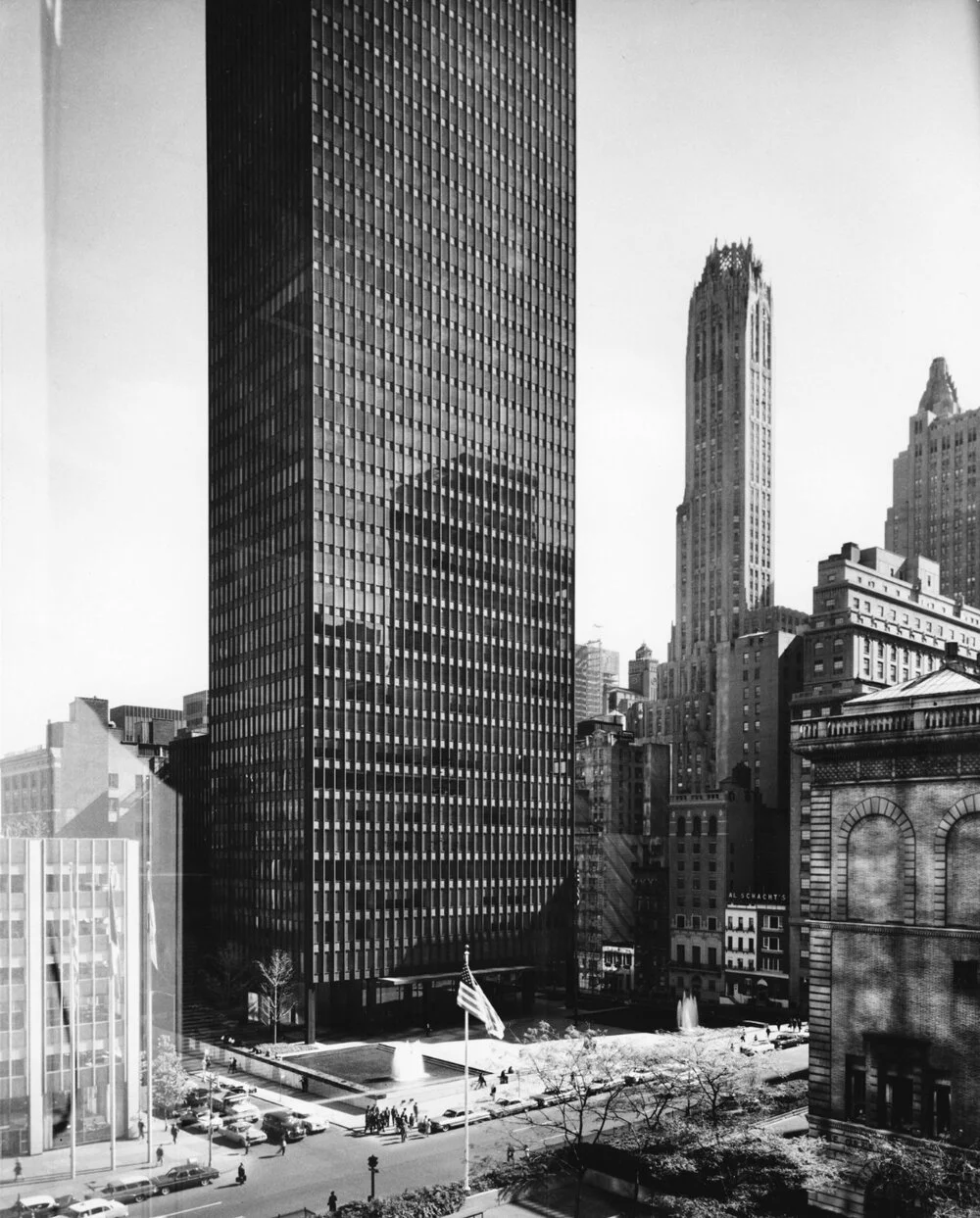
© Julius Shulman, Seagram Building, Mies Van Der Rohe and Philip Johnson architect, 1959

© Julius Shulman, Children’s Museum, Abraham Zabludovsky architecture, 2005

© Julius Shulman, La Estadia Development, Ricardo Legorreta architect, 1981

© Julius Shulman, Glass House, Philip-Johnson, 2006

© Julius Shulman, Walt Disney Concert Hall.
Shulman was the subject of a 2008 documentary film, ‘Visual Acoustics: The Modernism of Julius Shulman’. The film, directed by Eric Bricker and narrated by Dustin Hoffman, explores Shulman's life and work. It discusses how Shulman's images helped to shape the careers of influential 20th-century architects, including Frank Lloyd Wright, Richard Neutra and John Lautner.The film and the related materials ate found in the website:

Rozafa Shpuza
Rozafa Shpuza is a poet and a photographer, a uniqueness that creates a connection between two arts. She writes poetry in Gheg dialect, but she is as well productive in the field of photography, mainly in the genre of urban and street photography. Her photos are mostly shot in the streets of her hometown, Shkodra.

Rozafa Shpuza, Selfportrait
Rozafa Shpuza
(Albania 1969-)
Rozafa Shpuza is a poet and a photographer, a uniqueness that creates a connection between two arts. She writes poetry in Gheg dialect, but she is as well productive in the field of photography, mainly in the genre of urban and street photography. Her photos are mostly shot in the streets of her hometown, Shkodra. The subjects of her photography are urban moments of city scenes, captured in an abstract way, often surreal, with humor and well composed. The second photo gallery, perhaps the most important, is the portraits of the city dwellers, spontaneously shot in the public spaces, while performing activities or meditating in their tranquillity, captured unaware, creating a particular emotional state. What do city characters, silent passers-by, photographed in isolation, think in the midst of the urban chaos? It seems as if each of them is closed in their inner world, immersed in their thoughts and personal worries. In an individualistic society, where everyone thinks for themselves, Rozafa naturally seeks to penetrate the individual and his psychology. A third photo gallery, which I like very much, is the series of self-portraits on the streets of city, shot on sidewalks, shop windows or cafeterias, captured in superposition of different planes, alluding to a complex and confusing world in which the artist and the individual live in the modern city. Rozafa’s photographs, although unique in the Albanian photography scene, are nurtured by a rich international tradition of street photography, created and inspired by the photography of Walker Evans, Garry Winogrand, William Klein, Diane Arbus, Vivian Mayer, and others.
Below you can read a description that Rozafa Shpuza makes of her urban photography, given to TatiSpace. How did the creative process start, what was the beginning and the inspiration?
Rozafa Shpuza: Photography is a long-standing love of mine, which continues to inspire me and be an important part of my daily life. I have been dealing with photography for many years, sometimes more intensely and sometimes more calmly, and I can say without fear that photography has made my life beautiful. I bought my first camera in Denmark when I went to do a specialization course in 1994. The dynamics of that country, the architecture, the people, the different way of conceiving public spaces tempted me to fix all this on my incredibly modest camera. Since then I have not stopped. I photograph on the street because I feel that the characters I capture are real and convey the message of life without frames. Street photography is the most important part of my artistic creativity. I travel a lot because I feel like cities have a lot of surprises for my camera. The last album with street photos is the one I made in Shkodra during the isolation period of the Covid 19 pandemic. An empty city, scared characters in a hurry, closed windows and doors, all these sensations are already fixed in my album "The diary of an anxious season". I have participated in many activities dedicated to photography, in joint and personal exhibitions, at home and abroad, with the good desire to get to know photographer artists and to see where my photography stands compared to their photos. 3 years ago I opened an art gallery in Shkodra, at the old parents' house, with the good desire to promote artists from all over the world.
Urban Moments
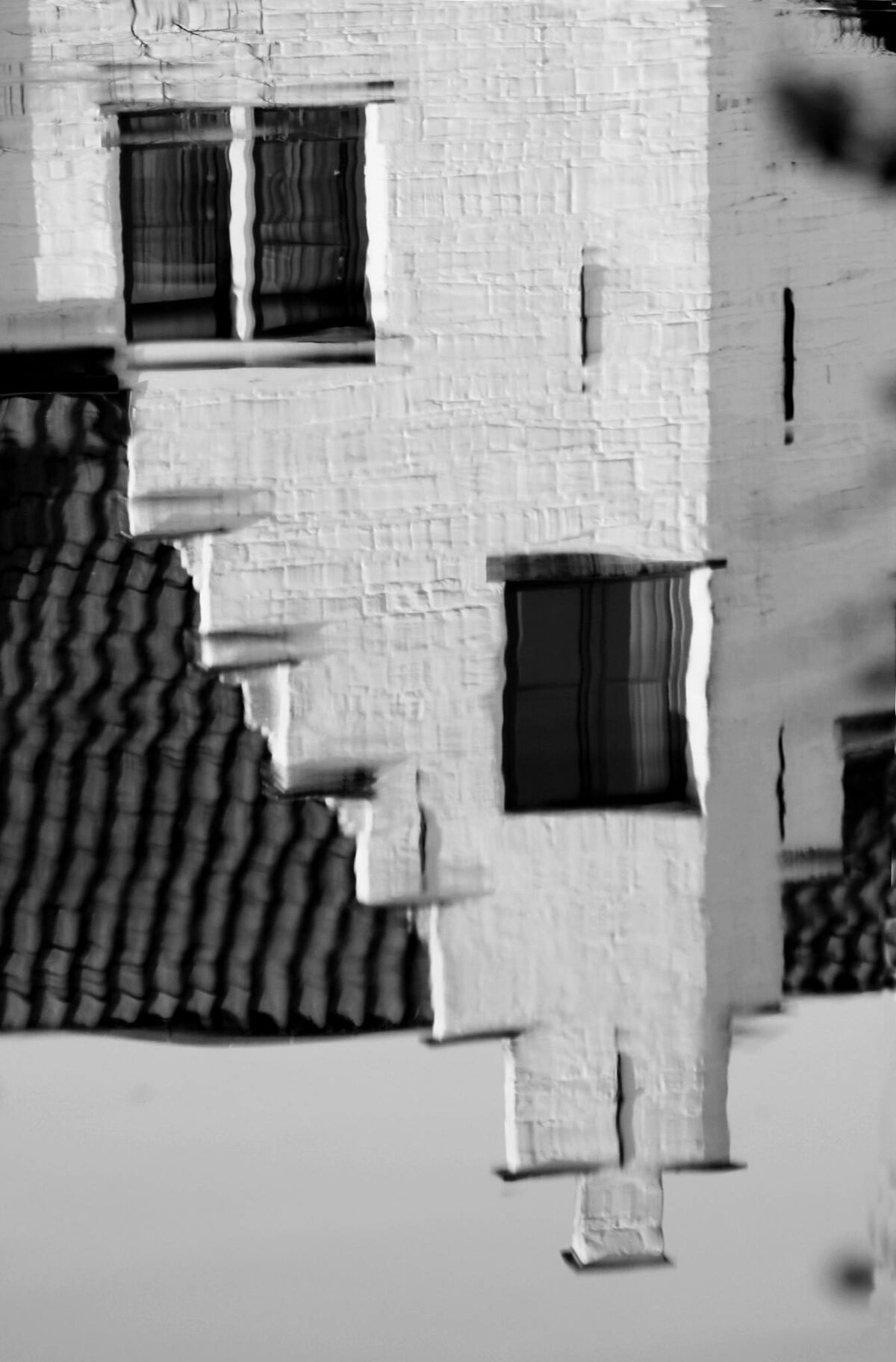
© Rozafa Shpuza, Watery

© Rozafa Shpuza, Shkodra News

© Rozafa Shpuza, Shkodra

© Rozafa Shpuza, Kafja e Madhe, Shkodër

© Rozafa Shpuza, Showcase Approach
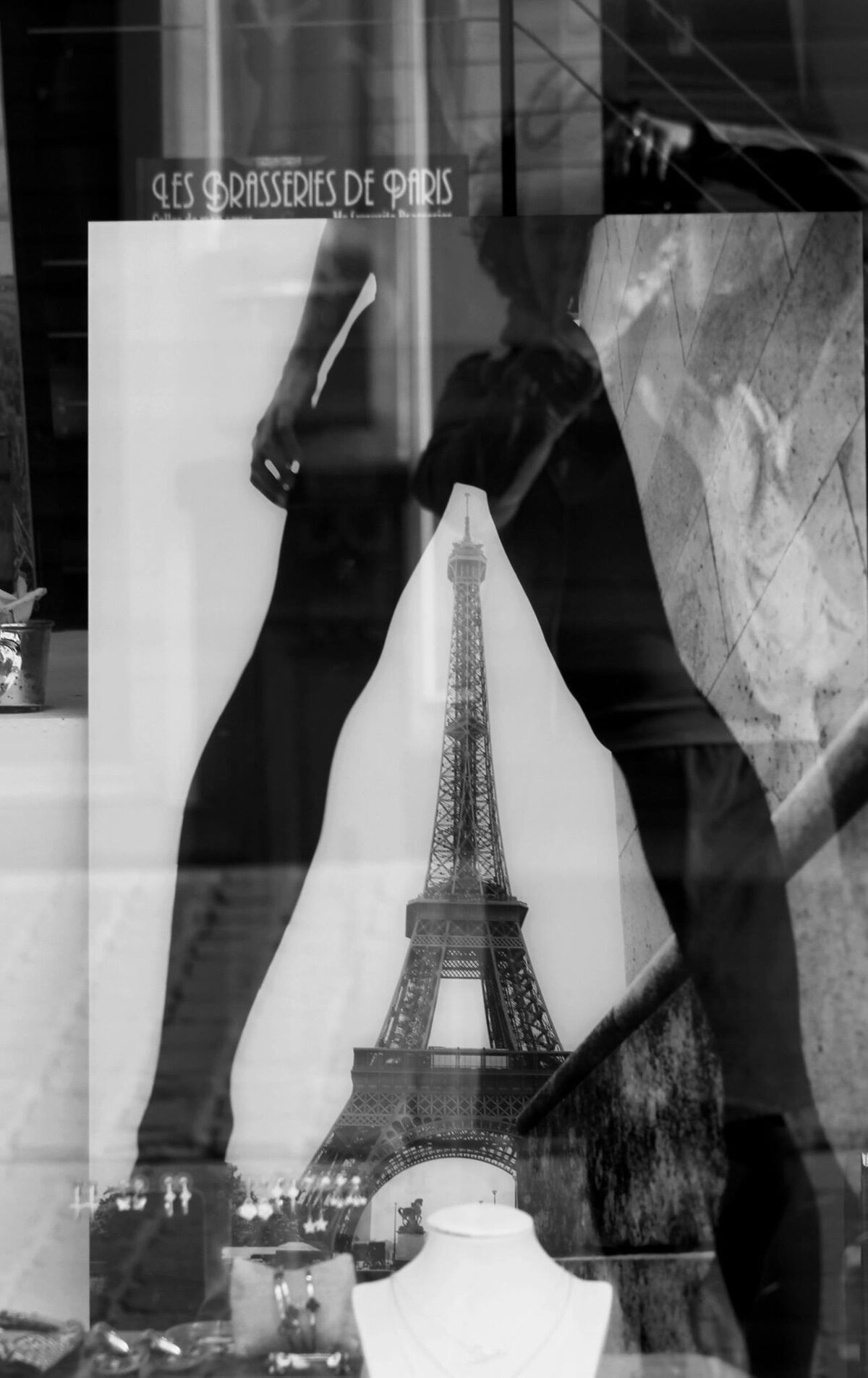
© Rozafa Shpuza, Selfportrait

© Rozafa Shpuza, Trille Vitrinash

© Rozafa Shpuza, No Smoking

© Rozafa Shpuza, Daily

© Rozafa Shpuza, The Floor F

© Rozafa Shpuza, Bike Repair
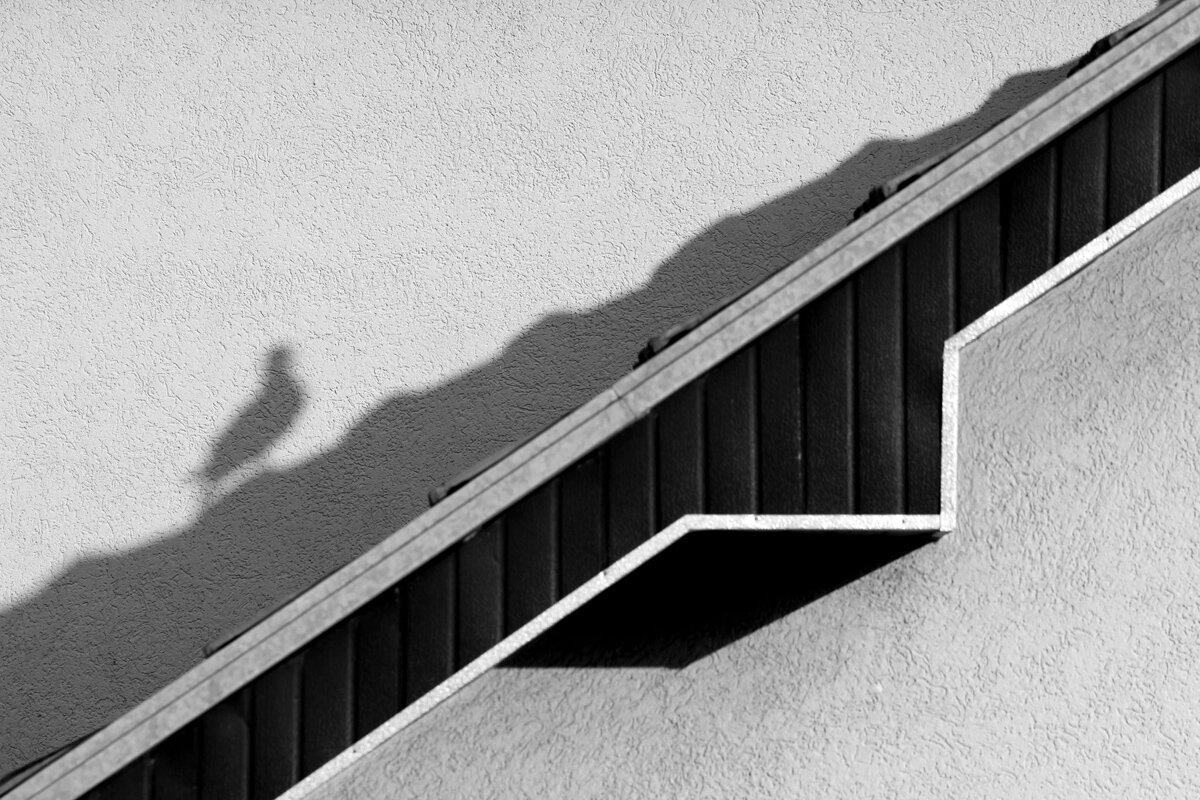
© Rozafa Shpuza, Chez Majlo, Gjilan
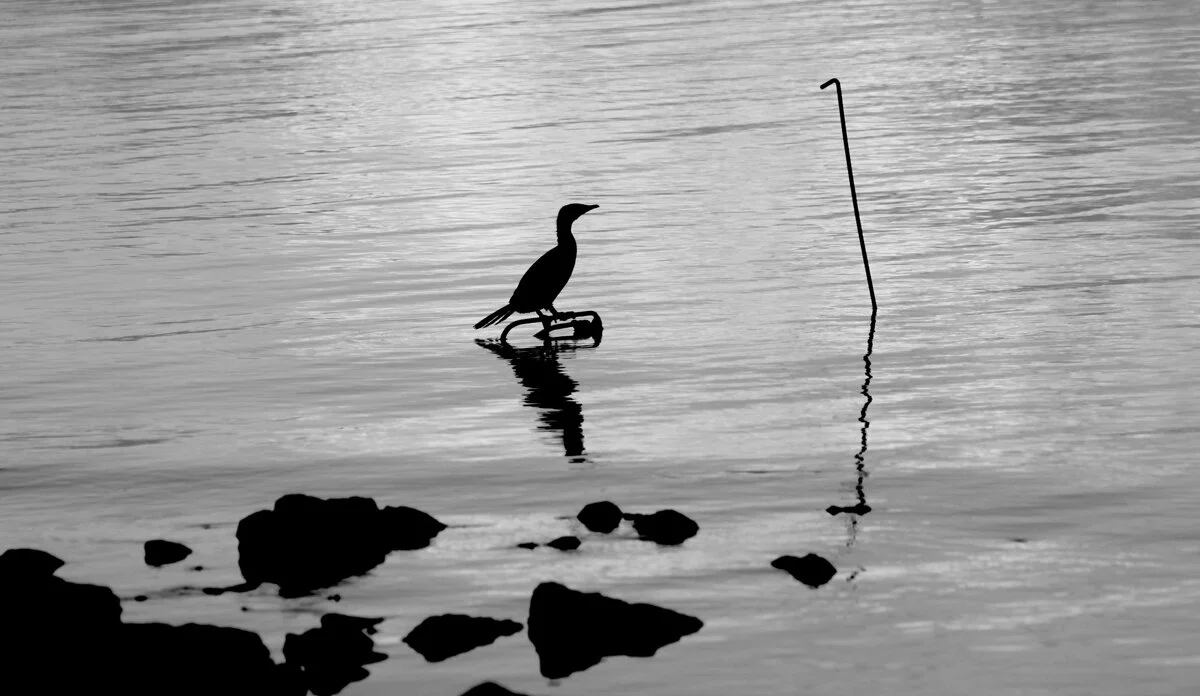
© Rozafa Shpuza, Pogradec
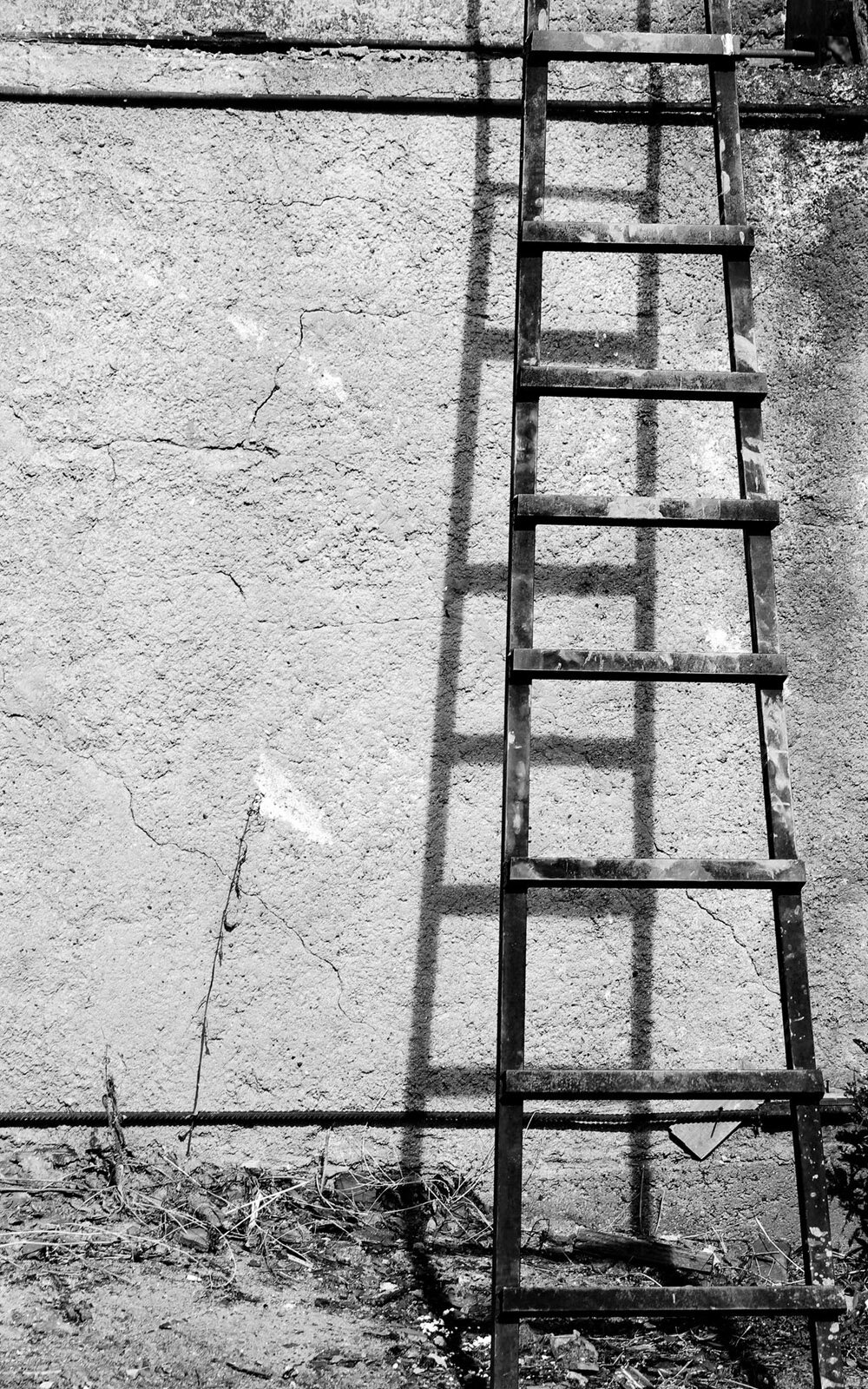
© Rozafa Shpuza, Nowhere

© Rozafa Shpuza, Communication, Koman Shkoder

© Rozafa Shpuza, Trumnajë bore

© Rozafa Shpuza, My Nowhere
Portraits of Passers-by
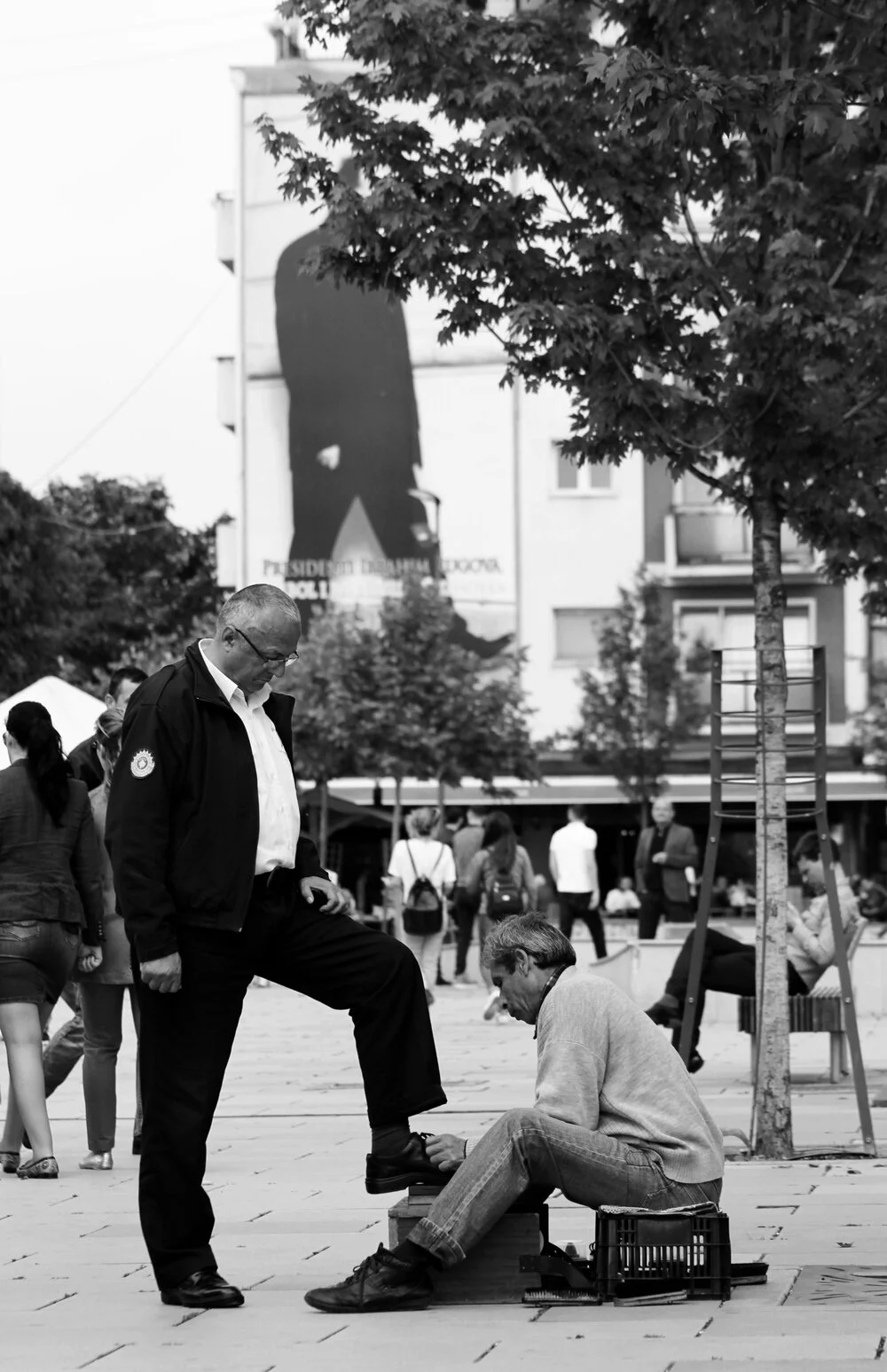
© Rozafa Shpuza,

© Rozafa Shpuza

© Rozafa Shpuza, showcase traps

© Rozafa Shpuza, Piano

© Rozafa Shpuza, Daily Time

© Rozafa Shpuza, Taxes that are forgiven

© Rozafa Shpuza, Children

© Rozafa Shpuza, Curiosity

© Rozafa Shpuza, The Walk

© Rozafa Shpuza, Icy Memories

© Rozafa Shpuza, Njomza
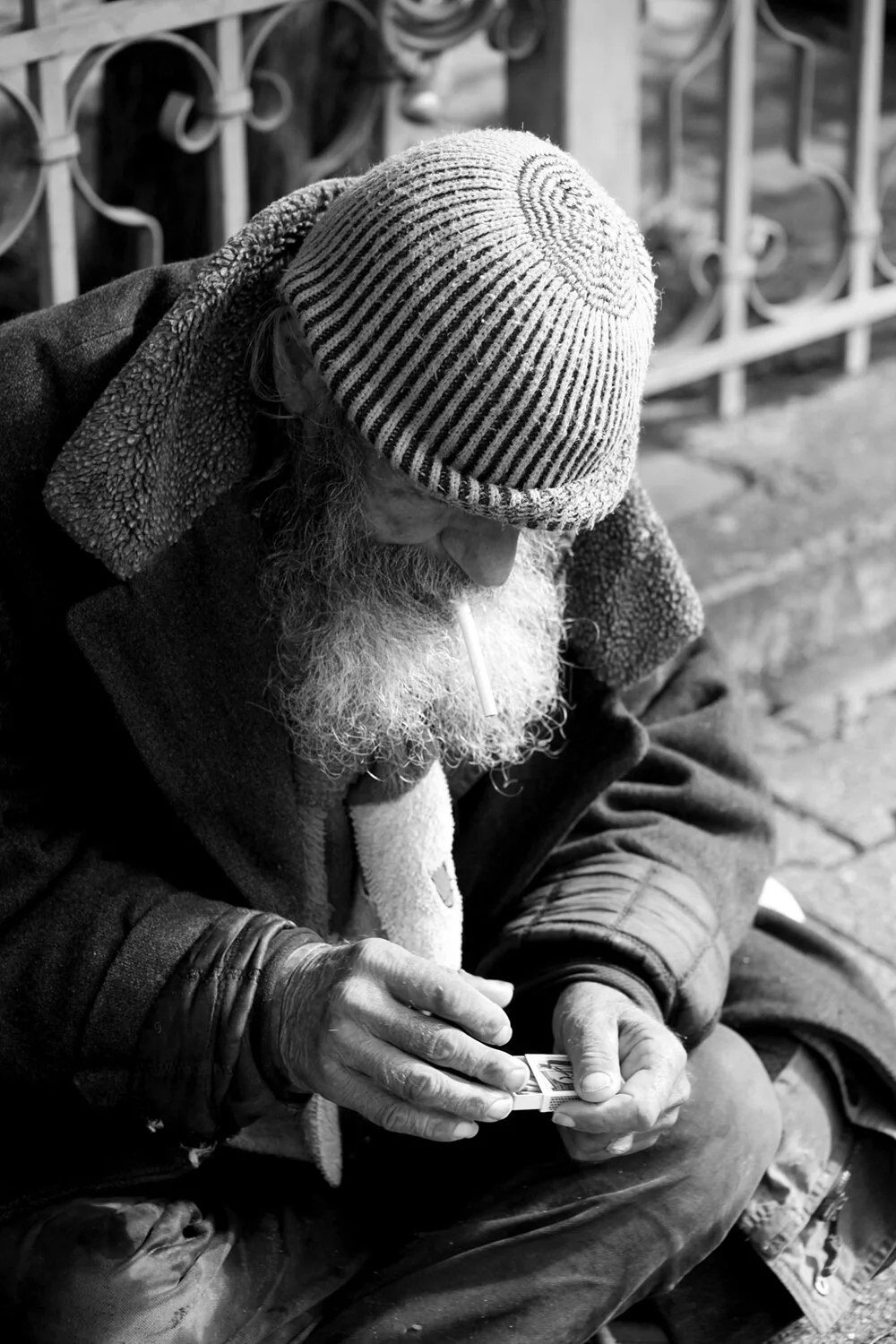
© Rozafa Shpuza, from the Series ‘Diary of an anxious season’

© Rozafa Shpuza, Time to pray, Shkodër

© Rozafa Shpuza, from the Series ‘Diary of an anxious season’

© Rozafa Shpuza, from the Series ‘Diary of an anxious season’
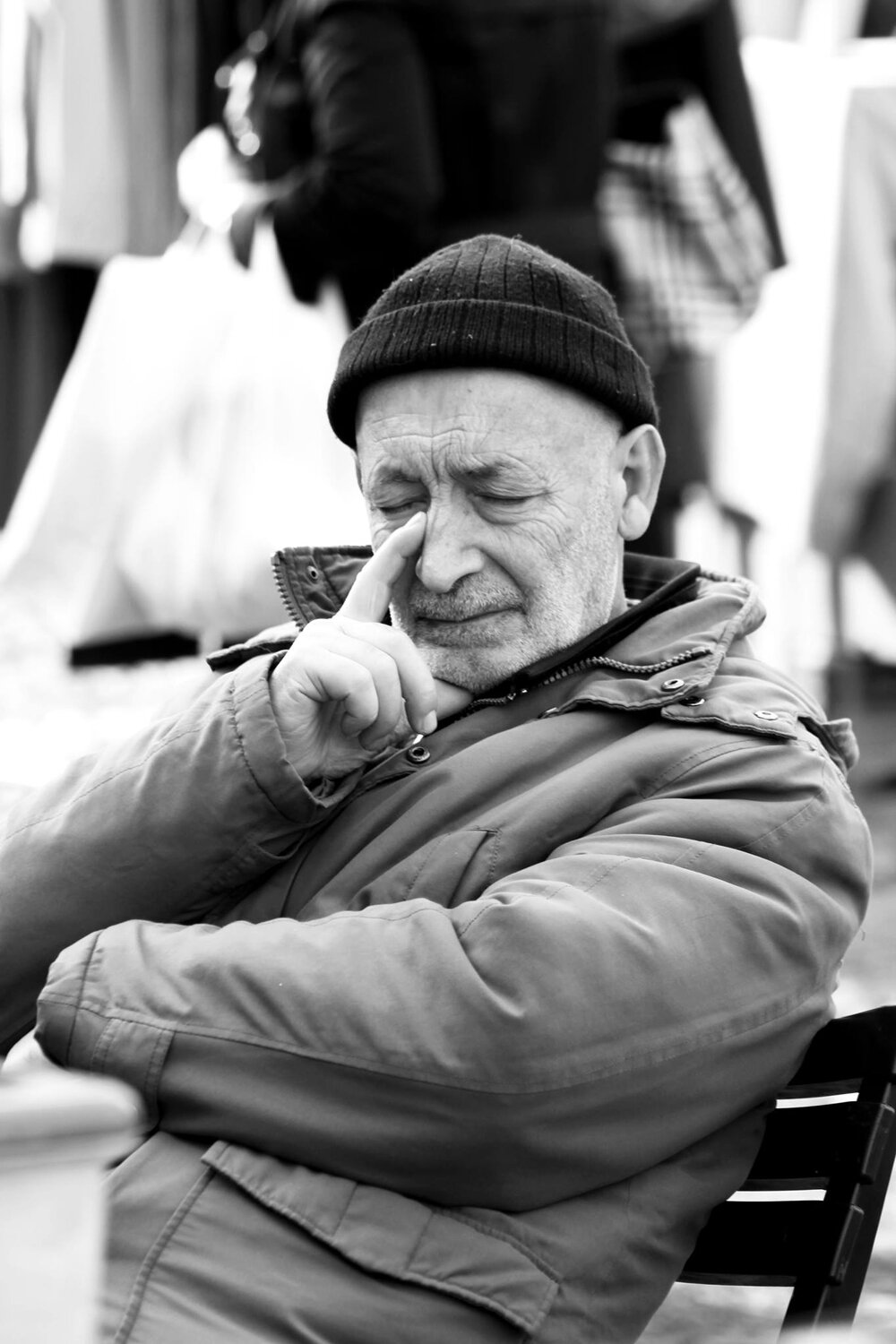
© Rozafa Shpuza

© Rozafa Shpuza, Wanderer

© Rozafa Shpuza, The Selector, from the Series ‘The Diary of an anxious season”

© Rozafa Shpuza, Lunch
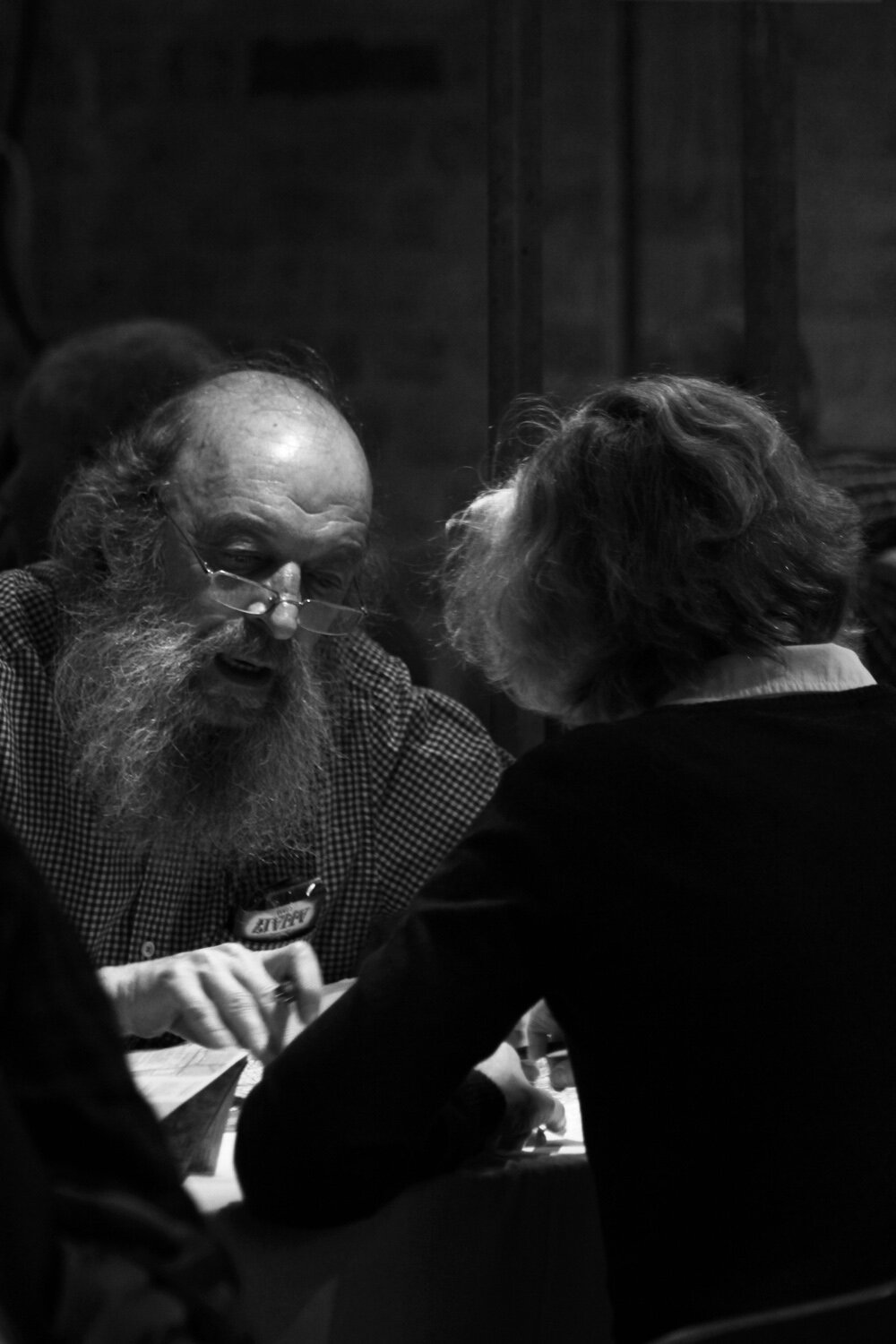
© Rozafa Shpuza

© Rozafa Shpuza, Plisa

© Rozafa Shpuza, At ‘Dugajt e Reja’, Shkodër

© Rozafa Shpuza, the Neighbor
Color Photography

© Rozafa Shpuza, Salty twilight

© Rozafa Shpuza, Communication
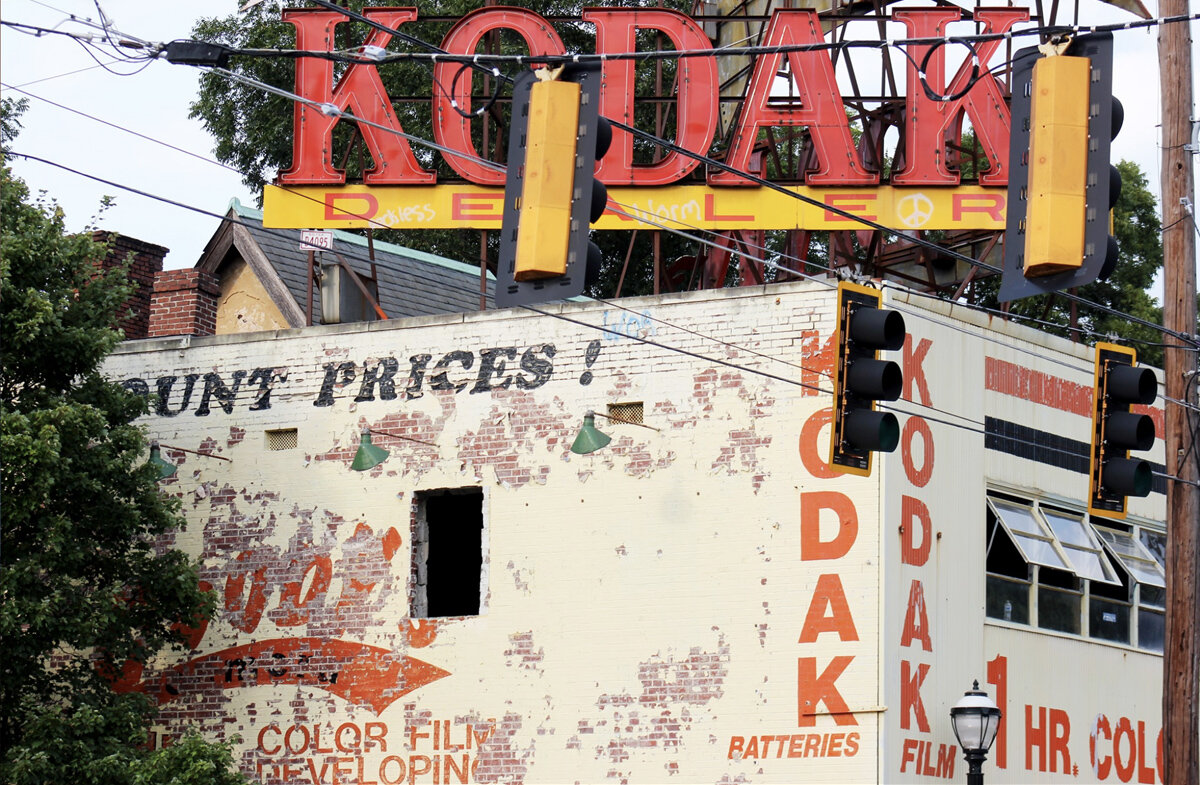
© Rozafa Shpuza, Once Upon a Time
You can see more of Rozafa Shpuza photos, in her social media, Facebook, Instagram and Galleria Oda.

Photography Exhibition CITY IN BLACK AND WHITE 2021
Online Photography Exhibition with the theme “The City in BLACK AND WHITE Photography” 2021.
TATÌ SPACE Photography Center presents the third online Exhibition with the theme “The City in BLACK AND WHITE Photography”. We thank the participating artists who responded to our open invitation, bringing interesting interpretations of the monochrome city, from different parts of the world; France, Chile, USA, Albania, Spain, Austria.
Author: Albert Cmeta
Title: It is only Tirana ...
Place: "Zogu i Zi" roundabout, Tirana
Description: "Cosmic S" is a work by world-famous Albanian artist Helidon Xhixha. It is an expression of the transformation that Tirana is undergoing day by day.
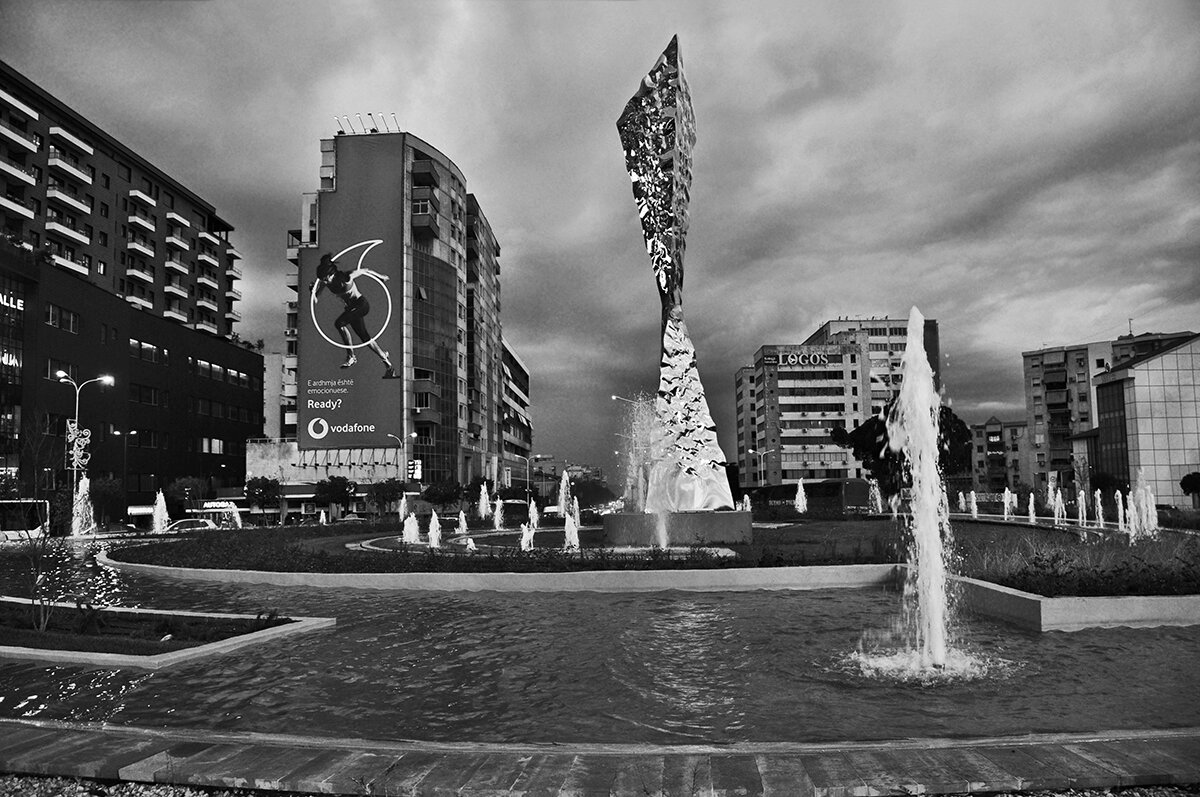
© Albert Cmeta
Author: Florian Nepravishta
Title: (1) MGM National Harbor, DC Waterfront. (2) “Untitled” Uji Ftohte Vlore, Albania
Description: Two contrasted photographs: Amerika versus Albania
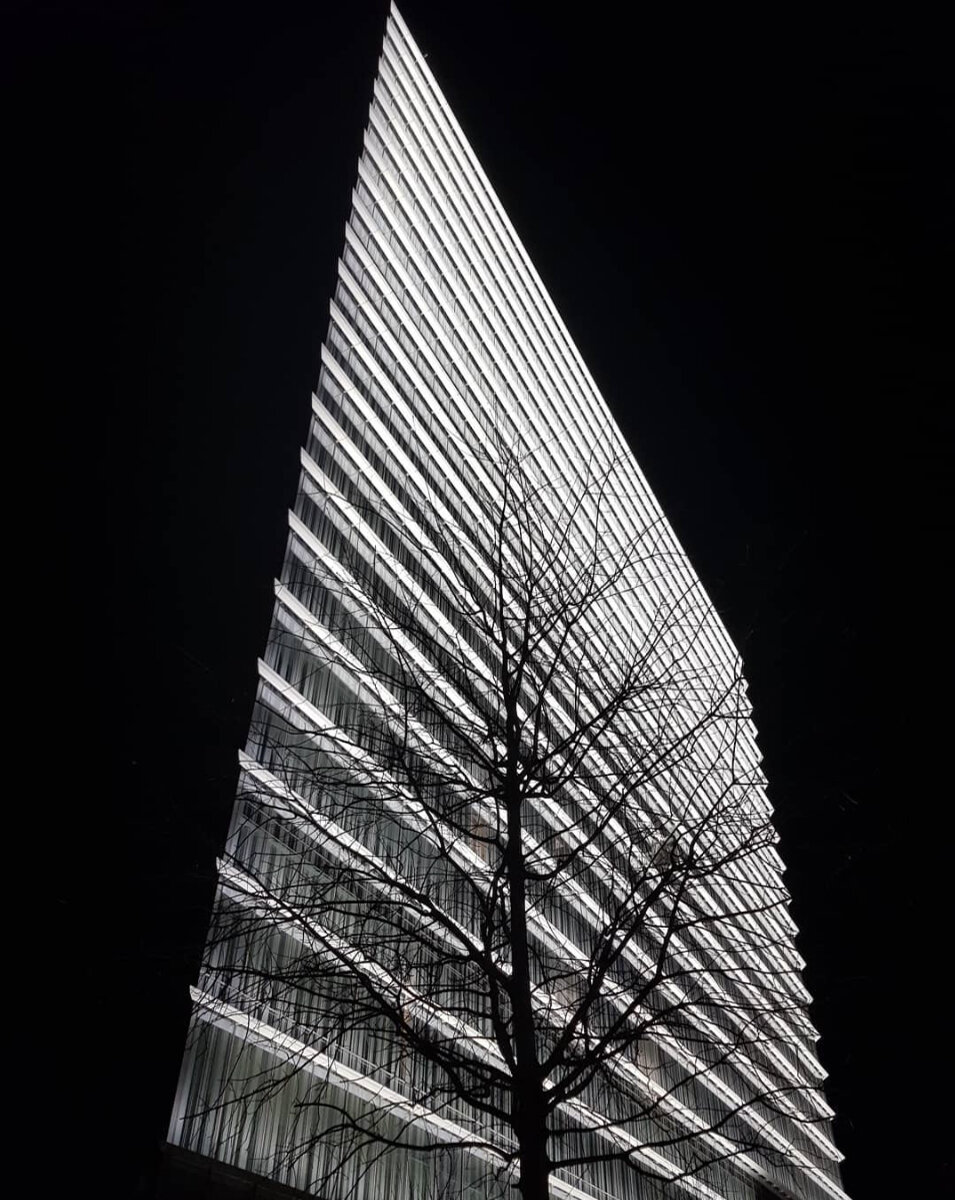
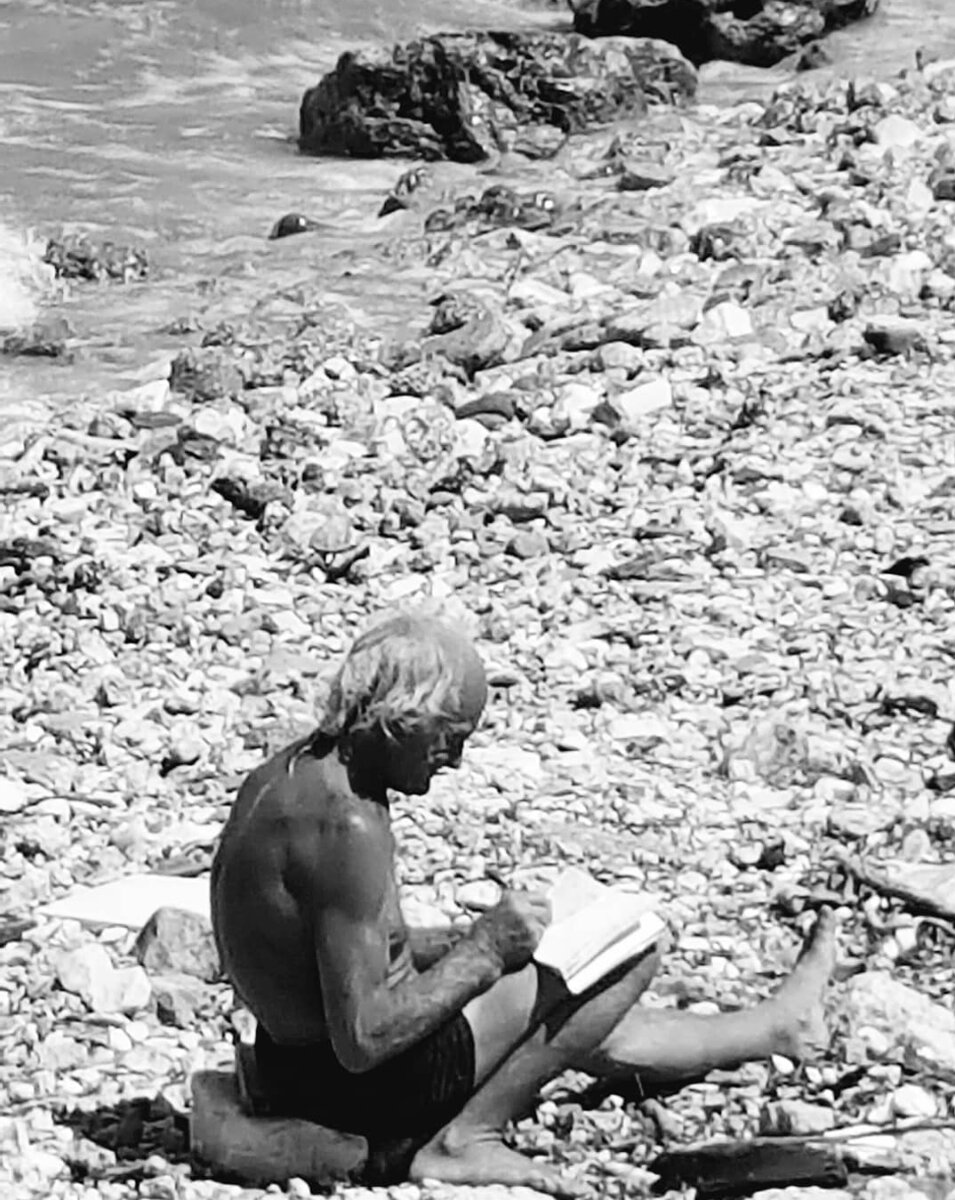
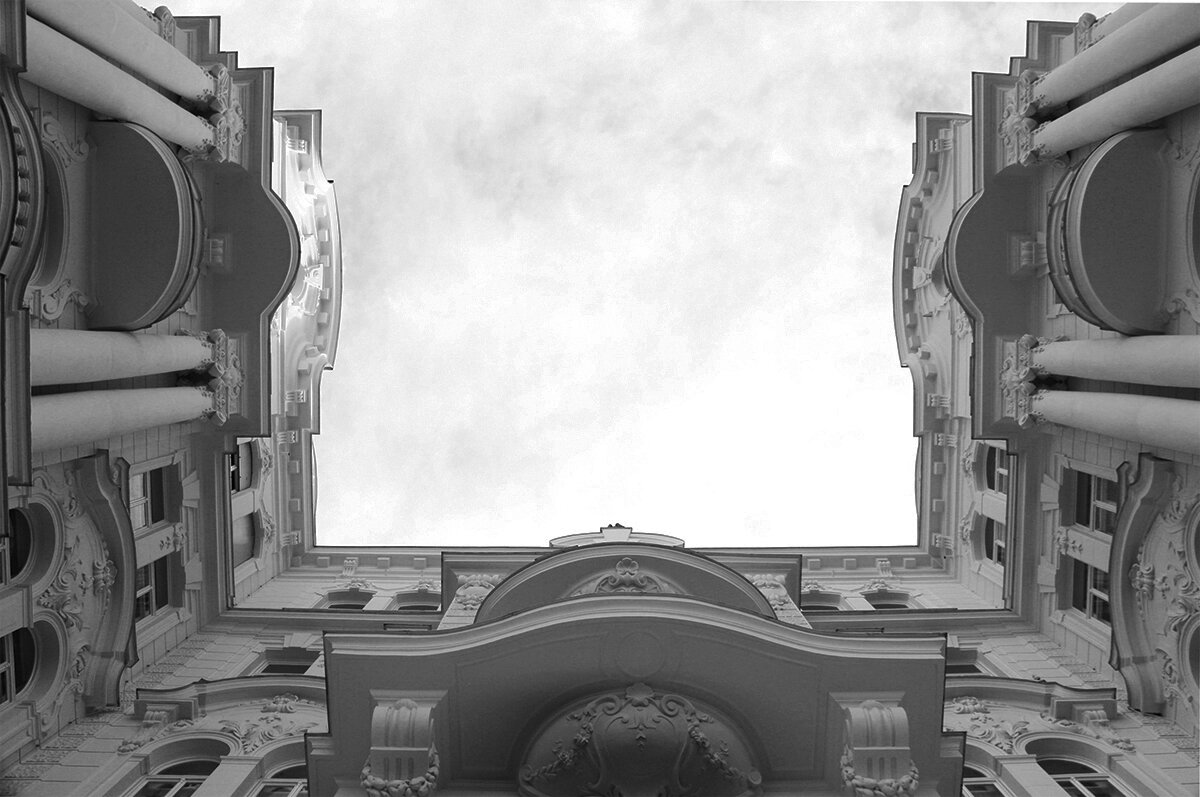
© Meti Spahiu
Author: Alketa Misja
Title: Kollonat, Tirana, Albania
Description: The Western Fasade of Kollonat, a building of Rational Modernism in Albania of 1940s built with a project of well-known architect Gherardio Bosio. The photo is shoot in 4x5 inch film with Garflex Crown Graphic. Both the Camera and the Building belong to the same era of modernism, now part of history. The photo is part of the Series “Exploring Modern Architecture in Albania”

© Alketa Misja
Author: Rozafa Shpuza
Title: Showcase Traps
Place: Shkoder April 2021, Albania
Description: A store closed due to Covid-19. Showcases have naked mannequins. No one buys clothes in stores during this period. Meanwhile, the dormitory of the University of Shkodra is reflected in the windows of these sad shop windows, and a passerby on bicycle is rushing somewhere. This is the refrain of a street in my city that used to buzz…
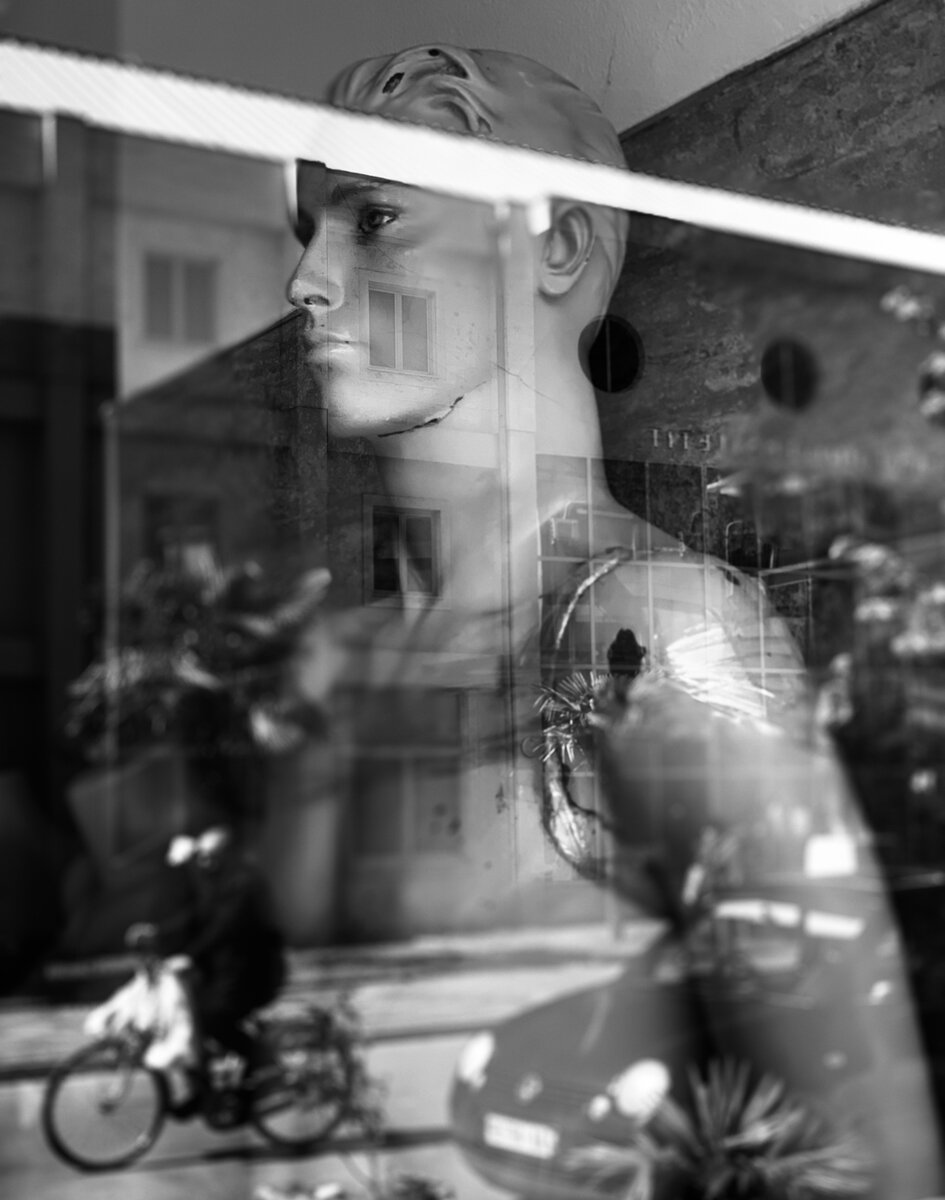
© Rozafa Shpuza
Author: Andi Papastefani
Title: Tiny Titans River, Under Snow
Place: Lana River, Tirana, Albania
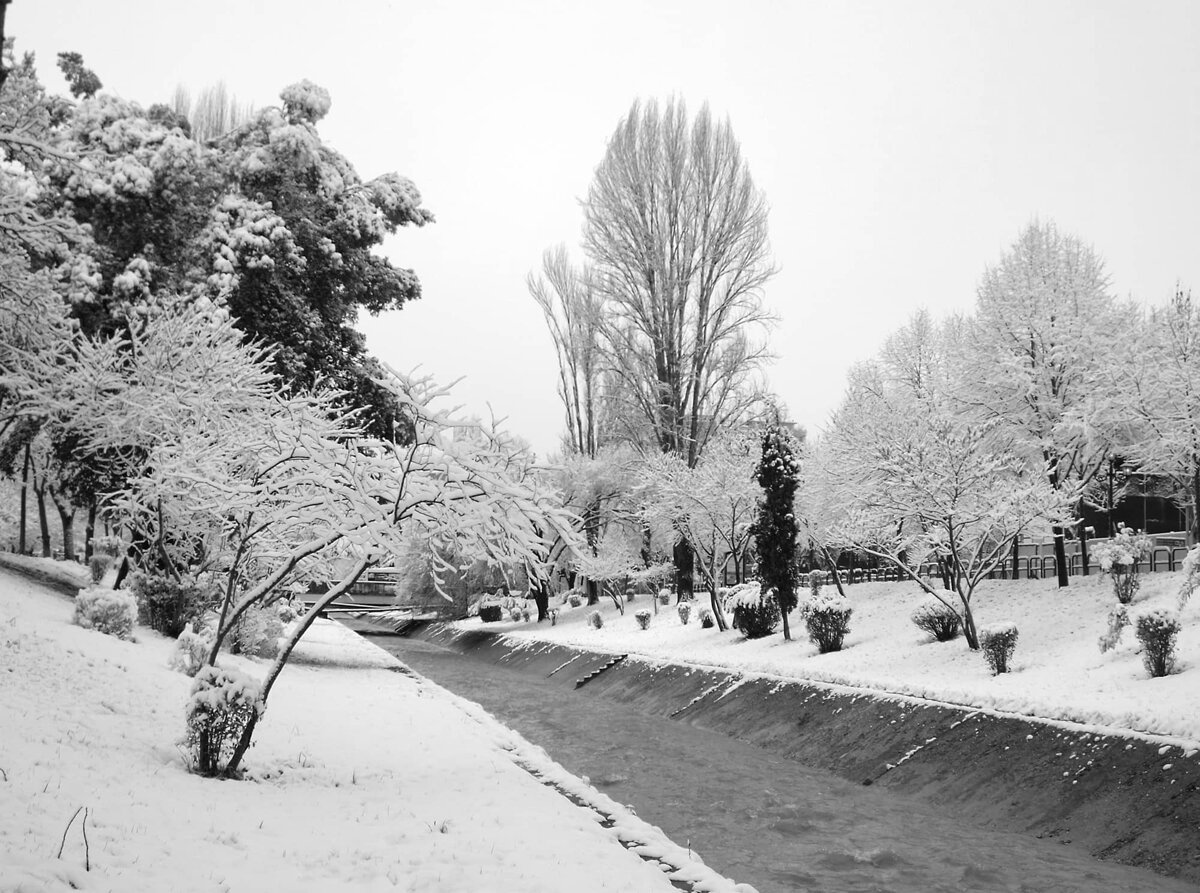
© Andi Papastefani
Author: Genta Karanxha
Title: The tree
Description: “I am an architect based in Tirane. My artistic eye is very sensitive to these kind of angles; I'm always drawn to find interesting and creative perspectives in my city. Toptani shopping center's facade reflects the interesting volume of The Plaza Tirana…”
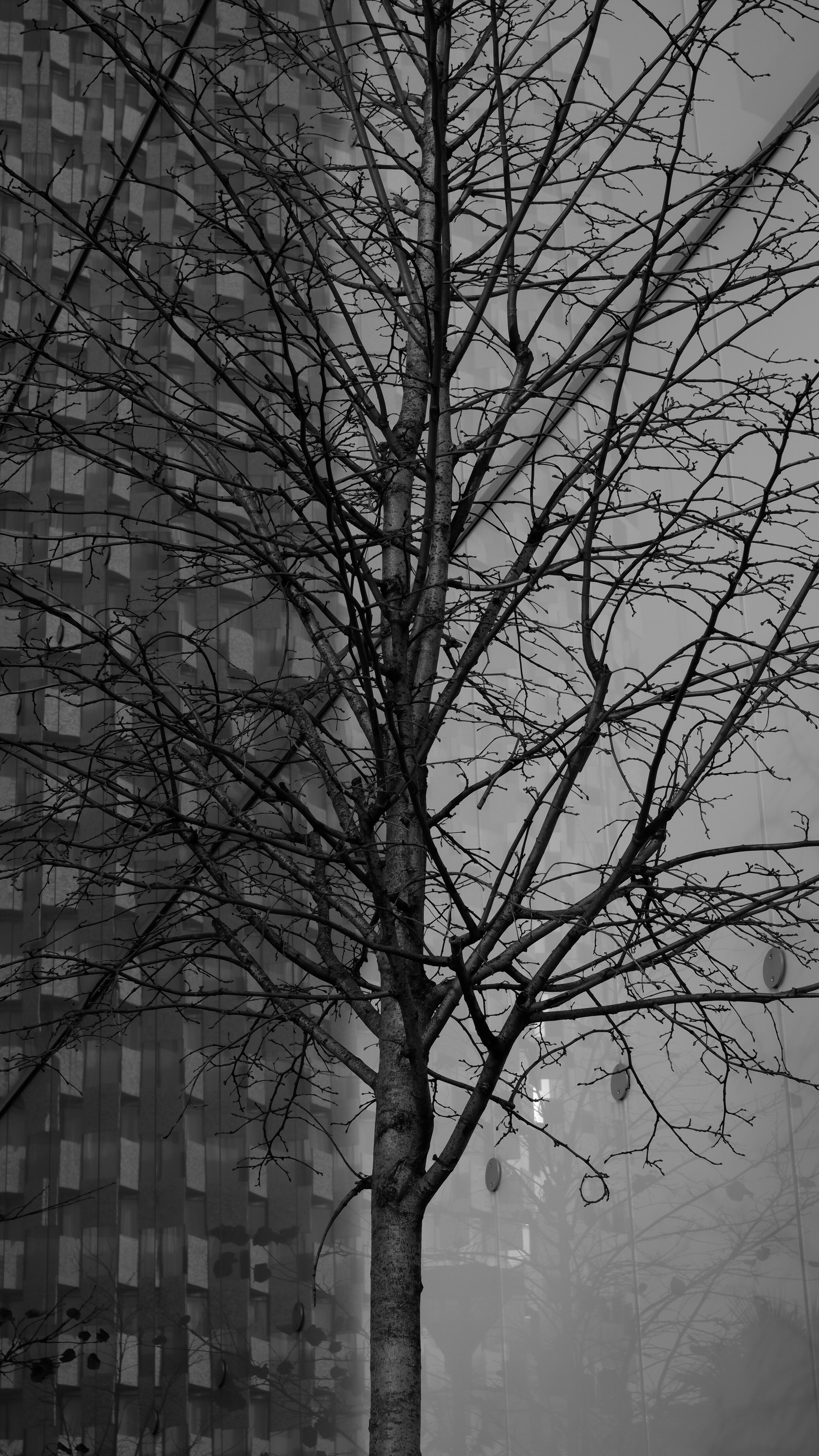
© Genta Karanxha
Author: Josep Sánchez
Title: Lights and Shadows
Place: Barcelona, Spain
Description: The Gothic Quarter, is the oldest nucleus and one of the most beautiful areas of the city. It is made up of narrow and labyrinthine medieval streets, which gives it a mysterious air.
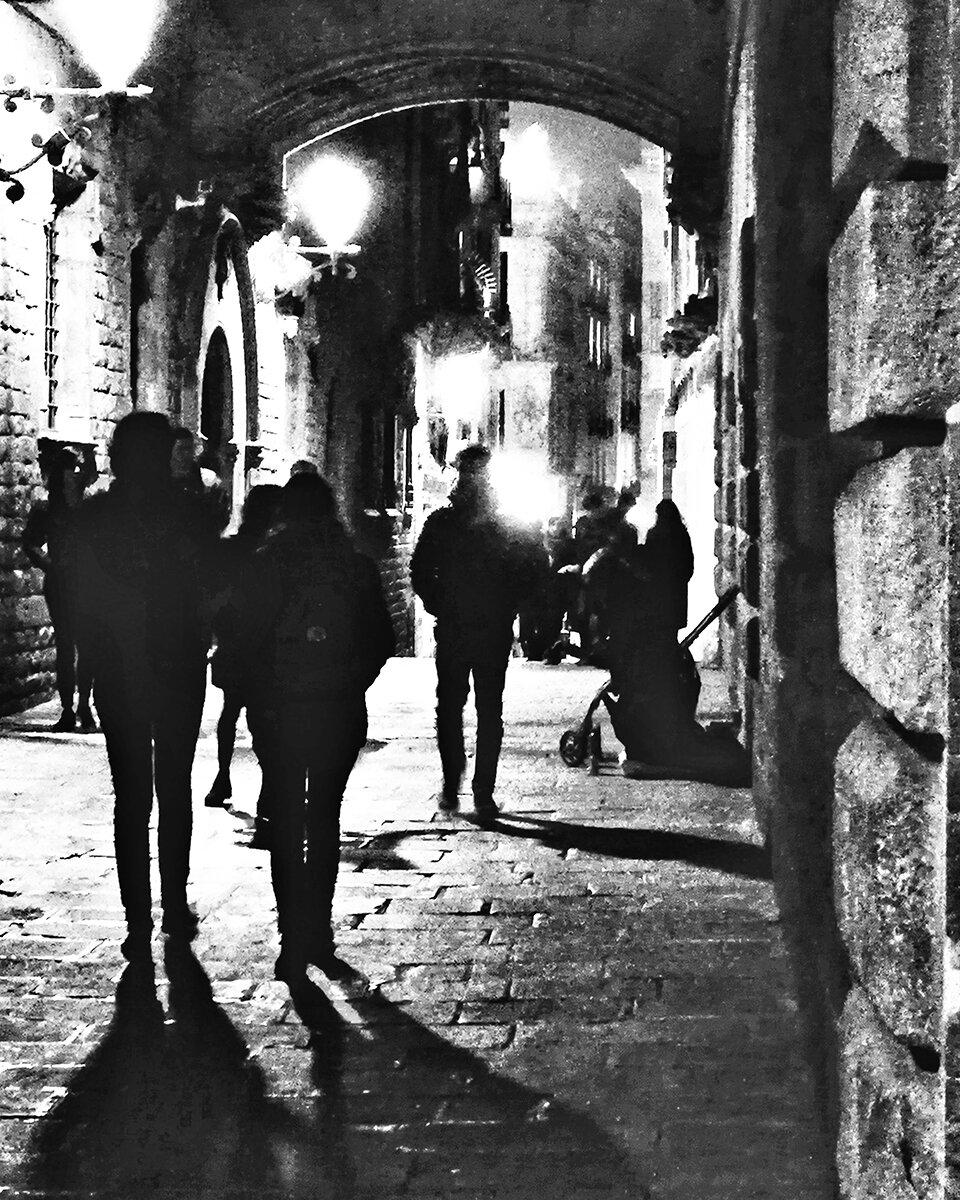
© Josep Sánchez
Author: Milicent Fambrough
Title: Afternoon
Place: San Antonio Texas USA
Description: Afternoon is the image of our downtown street of commerce. This stretch of road is endlessly busy. The tourists and locals mingle on pavement. Heavy foot traffic in the shadows of historic architectural landscape.-M 2021
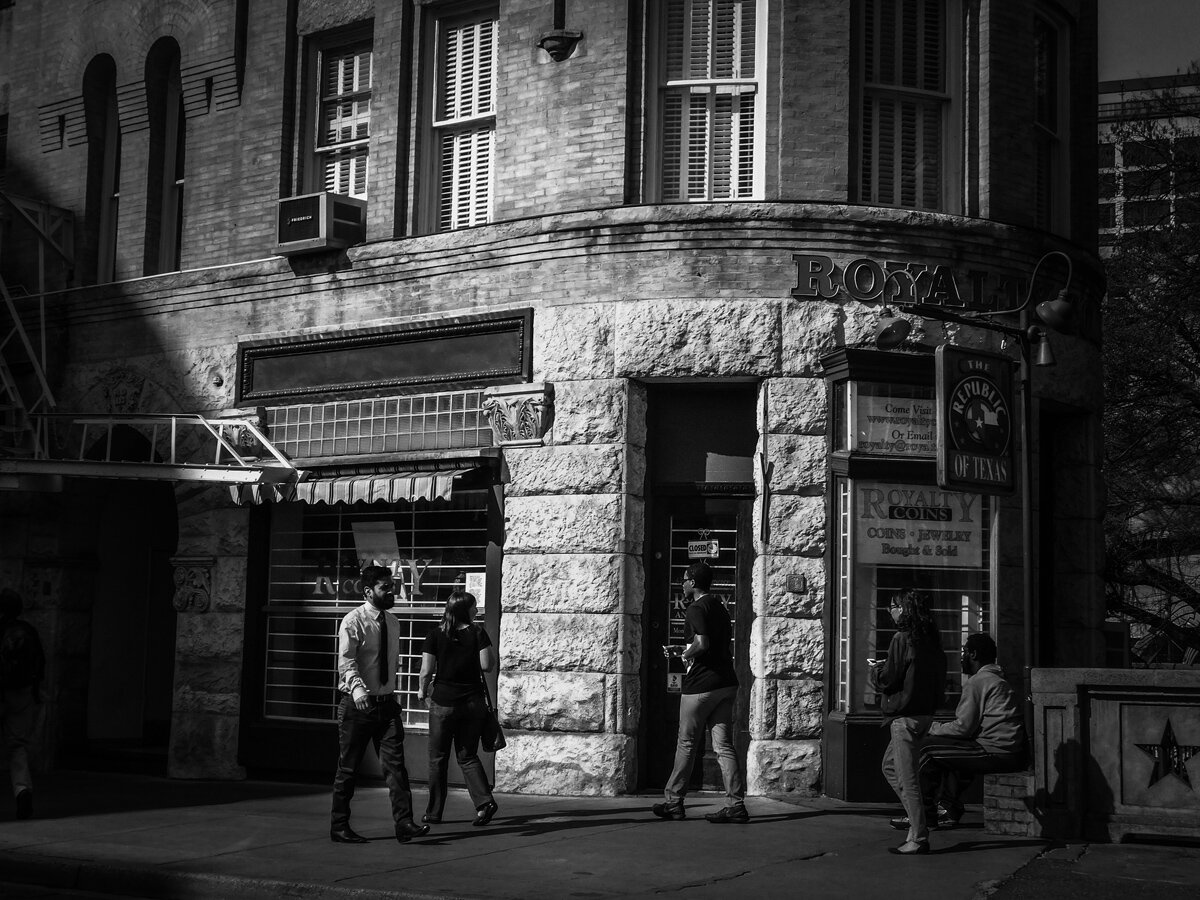
© Milicent Fambrough
Author: Rudina Aleksi
Title: Notre Dam de Paris.
Graduated from the Polytechnic University of Tirana, with a degree in Architecture, major Urban Planning. After working for a couple of years in Urban Planning in Albania, Rudina moved to Toronto, Canada, where she has been working for several architectural firms. She enjoys architecture and landscape photography.
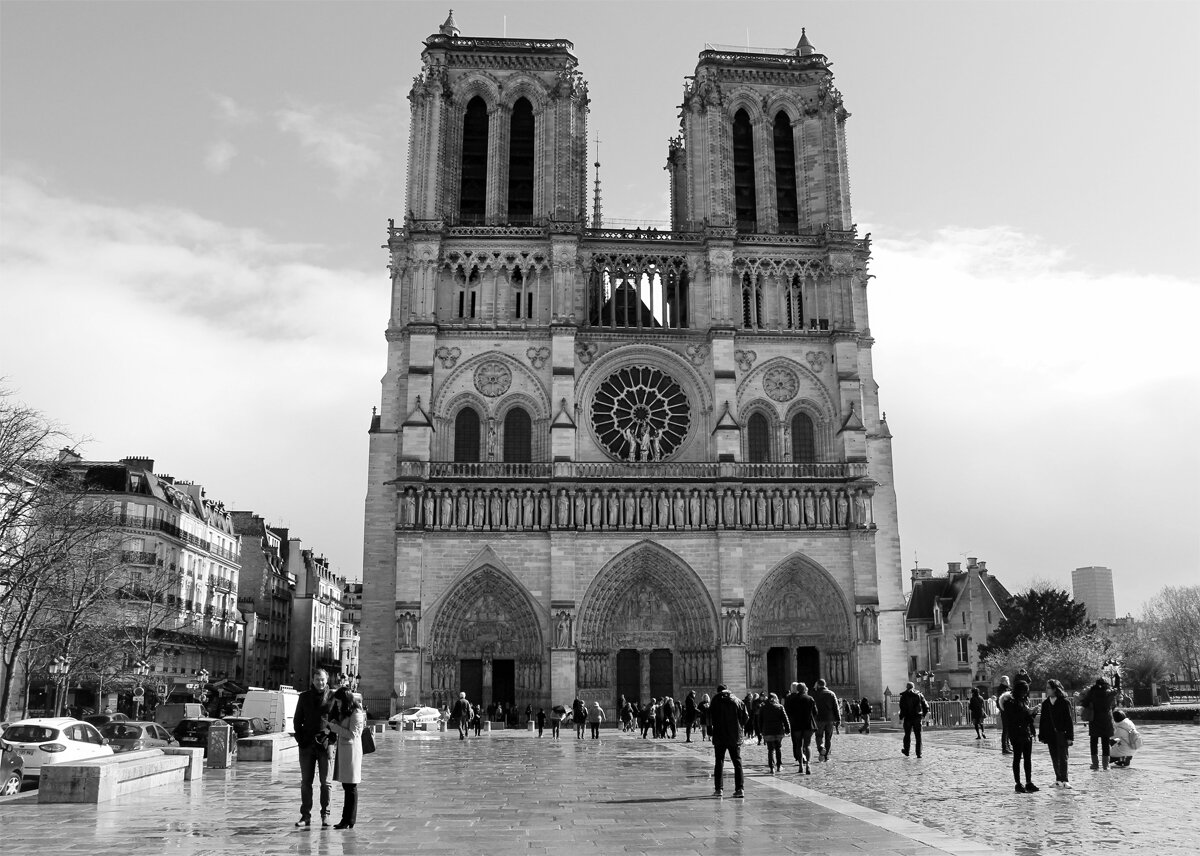
© Rudina Aleksi
Author: Dorina Pllumbi
Title: Facing Manhattan
Place. Brooklyn Heights Promenade, New York
Dorina is an architect, researcher, and amateur photography explorer.
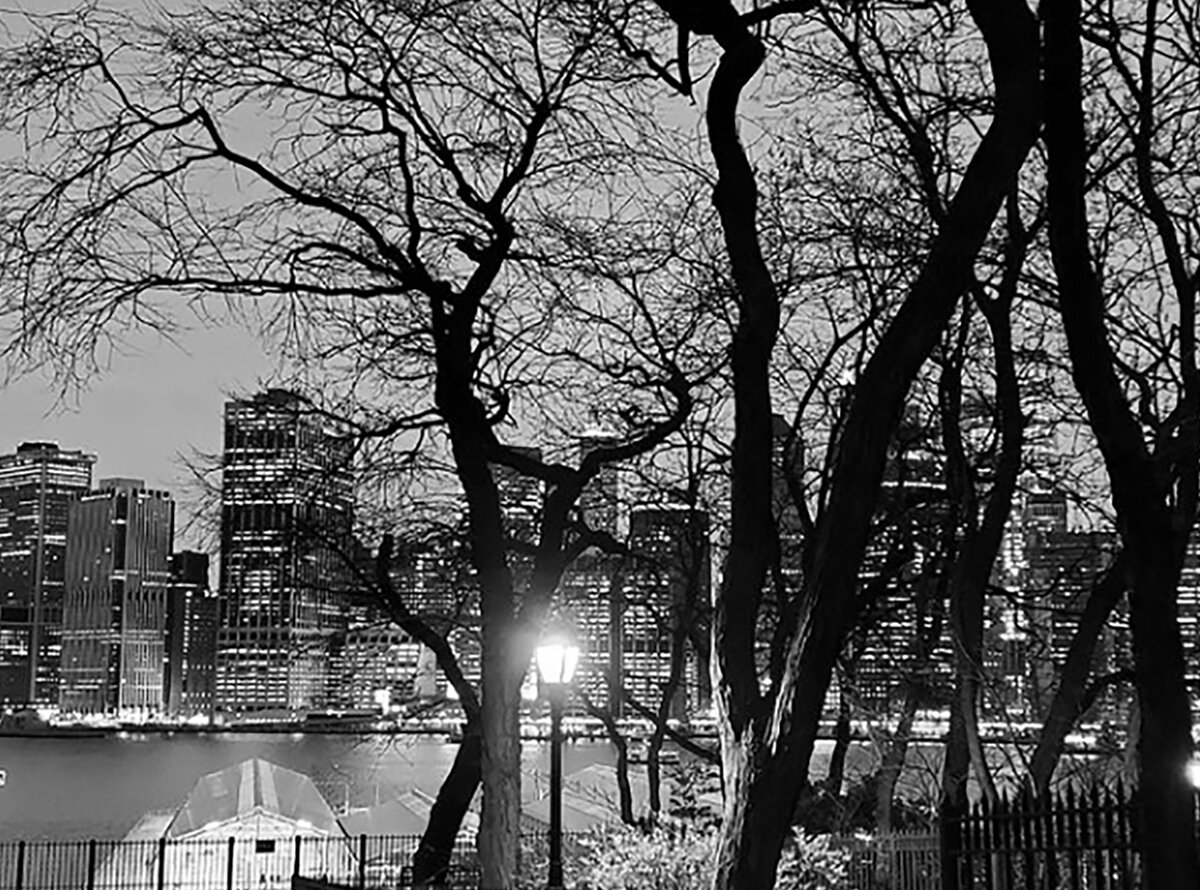
© Dorina Pllumbi
Category Single Shot, “THE CITY IN SUMMER” Online Photography Exhibitions 6th edition, at Tati Space Photography Center