

W. Eugene Smith
W. Eugene Smith was an American photographer, known as the father of photo essay in the American editorial of the '40s and '50s. He created the genre’s model and standards that were followed for a long time. Eugene Smith worked for several magazines of the time such as: Newsweek, Life, and for the agency Magnum as a freelancer.
W. Eugene Smith
(U.S.A 1918-1978)
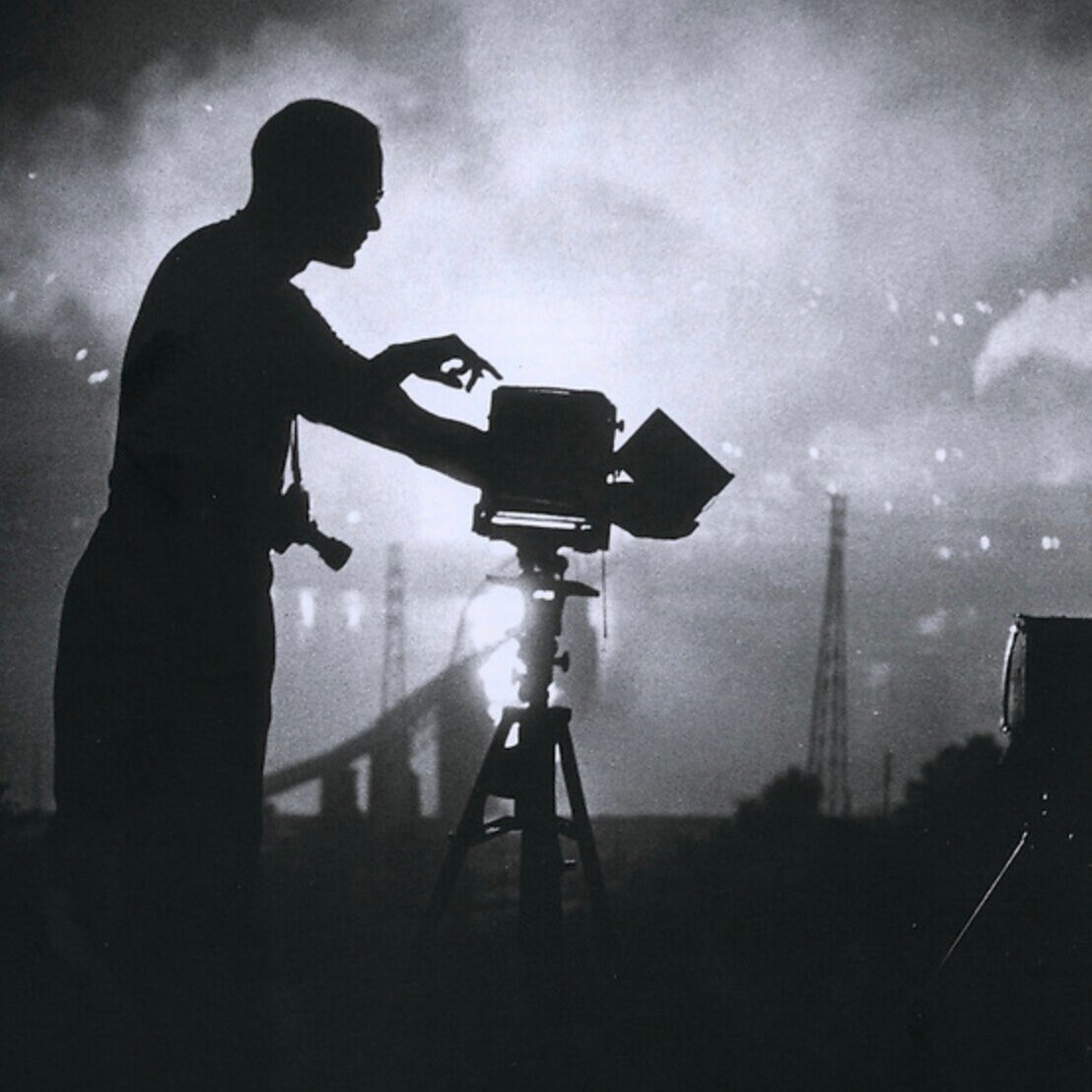
Portrait of W. Eugene Smith. Photograph by Fran Erzen
W. Eugene Smith was an American photographer, known as the father of photo essay in the American editorial of the '40s and '50s. He created the genre’s model and standards that were followed for a long time. Eugene Smith worked for several magazines of the time such as: Newsweek, Life, and for the agency Magnum as a freelancer. His most famous photos essays are (in chronological order): World War II (1943), Country Doctor (1948), The Midwife (1951), The Spanish Village (1951), Man of Mercy (1954), Pittsburg (1955), Jazz Loft (1965), Minamata (1971).
During his career in photography, Eugene Smith is distinguished for his humanism, the need to know his subjects well, the perfectionism and anti-conformism to the dictate and boundaries set by the mass media. More than a photojournalist, he is a director of storytelling and a poet of photography through the use of light and chiaro-scuro.

US Marine World War II. Photograph by W. Eugene Smith

A Hospital in a Philippine Cathedral (Island of Leyte). Photograph by W. Eugene Smith

“The walk to Paradise garden” 1946, Photography W. Eugene Smith

“Country Doctor, Ernest Ceriani”, 1948, Photography W. Eugene Smith
His most important photo essays addressing the theme of urbanisation and consequences of industrialisation are; Pittsburg (1955) and Minamatas (1971).
Eugene Smith began photographing Pittsburgh in 1955 when writer and publisher Stefan Lorant asked him a series of photographs to illustrate his book on the city's 100th anniversary. Smith saw this commission as a personal project. He extended the duration of the project from three months to three years, and expanded the subject by photographing the modernity and the steel industry, as well as other topics that did not belong to government propaganda, such as working class conditions, poor neighbourhoods, the immigrants, the African American community, preceding the riots of the 1960s. In this project, Smith built a rich archive consisting of 17,000 photographic images and audio recordings, a small part of which have been published.

Inside Mellon National Bank. Photograph by W. Eugene Smith.

International Union of Electrical, Radio, and Machine Workers. Photograph by W. Eugene Smith

City Council Chamber, Pittsburg, © Photography W. Eugene Smith

Children at Colwell and Pride Streets, Hill District. Photograph by W. Eugene Smith

Pittsburg, 1955, Photography by W. Eugene Smith

Sixth Street Bridge over Allegheny River. Photograph by W. Eugene Smith

Steelworker wearing goggles and a hardhat. Photograph by W. Eugene Smith

Rails, Homestead works, U.S. Steel, Monongahela River. Photograph by W. Eugene Smith

US Steel Pittsburg, 1955 Photograph by W. Eugene Smith

Pittsburg 1955 Photograph by W. Eugene Smith
In Minamata series (1971-1973), Eugene Smith photographs the inhabitants of Minamata coastal area in Japan affected by a severe disease caused by mercury in the industrial waste of Chisso factory, a giant chemical industry in the area. In 1972, Smith was attacked by Chisso Company, to stop the publication of the project on Minamata disease, which caused him severe injuries and loss of vision. The photo essay was published in 1975 and its main photo was ‘Tomoko Uemura in Her Bath”, shot in 1971, showing a mother in a traditional Japanese bathtub, with her daughter deformed by the disease. The photo drew public attention to the Minamata disease. Smith's photographs were the main evidence in the trial against Chisso, and the first case in Japan where a company became liable of the damages it caused to the people, which made Smith a national hero in Japan.
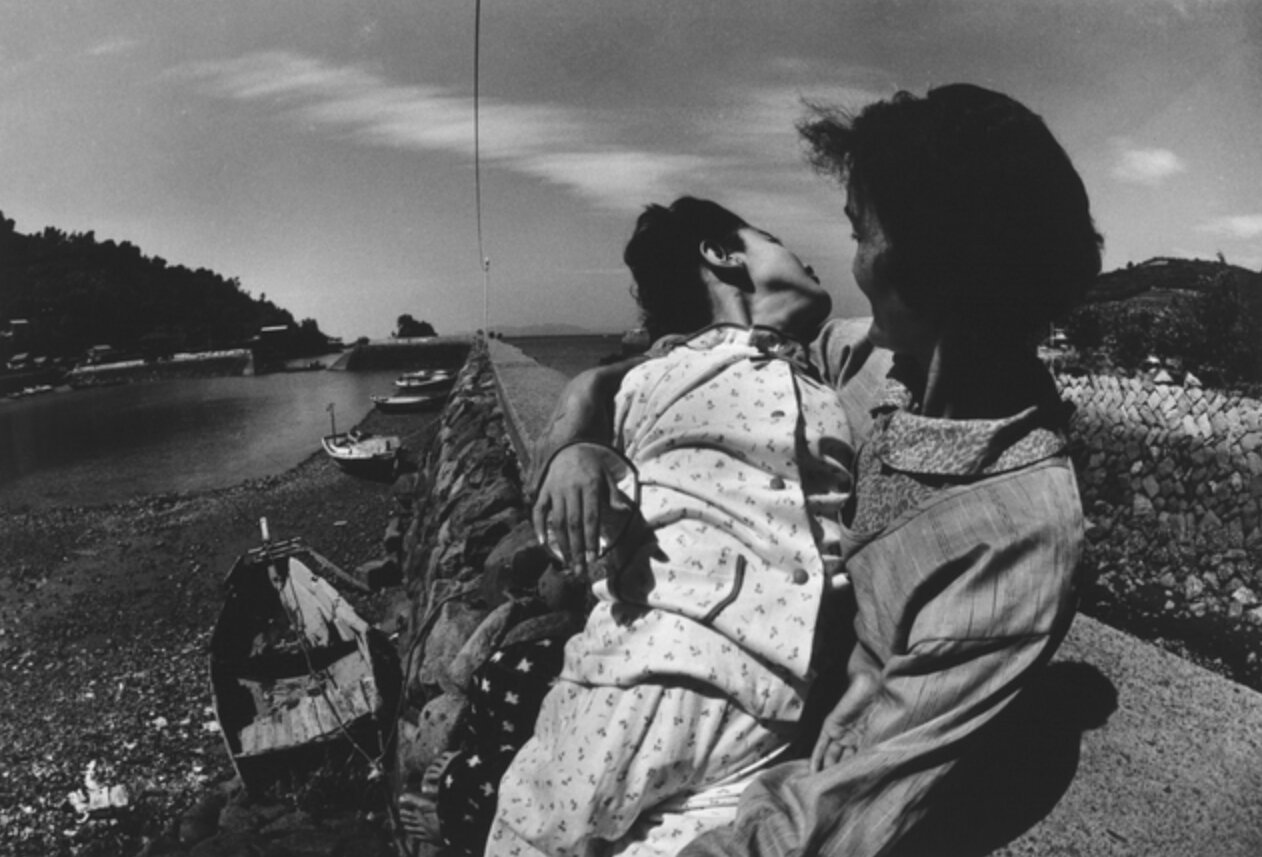
Minamata, 1972 Photography W. Eugene Smith

Minamata 1971 Photograph by W. Eugene Smith

Goi, near Tokyo. Demonstration at the Chisso Plant. 1971 Photograph by W. Eugene Smith

Demonstrators against the Chisso Chemical Company demonstrating in front of the plant near Tokyo during the Pollution Board hearings. 1971. Eugene Smith
After Minimata project, Eugene Smith returned to America, but was not able to photograph anymore. He taught at university and arranged his archive until 1978, when he died of a heart attack. Eugene Smith believed in the power of photography to change the world. In 1980, the Eugene Smith Fund was established to finance humanitarian photographic projects that cannot be funded by the mass media, contributing to the growth of the independent voice of photographers.
W. Eugene Smith Fund: https://www.smithfund.org/humanistic-photography
Selected Books by W. Eugene Smith


Berenice Abbott
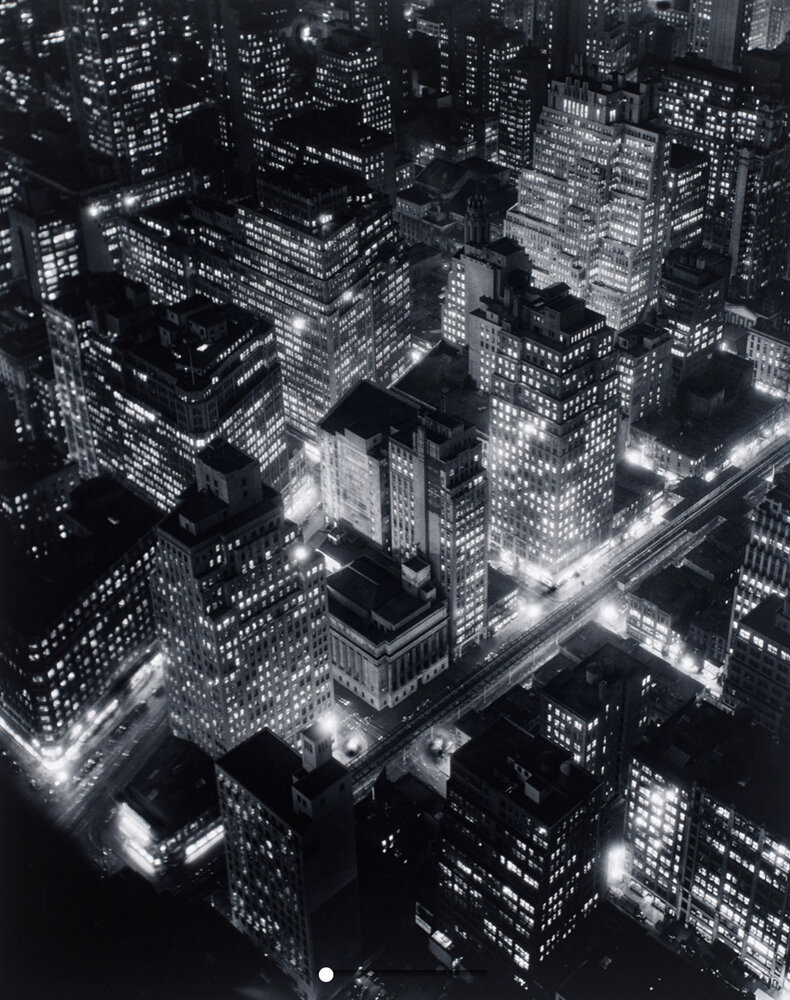
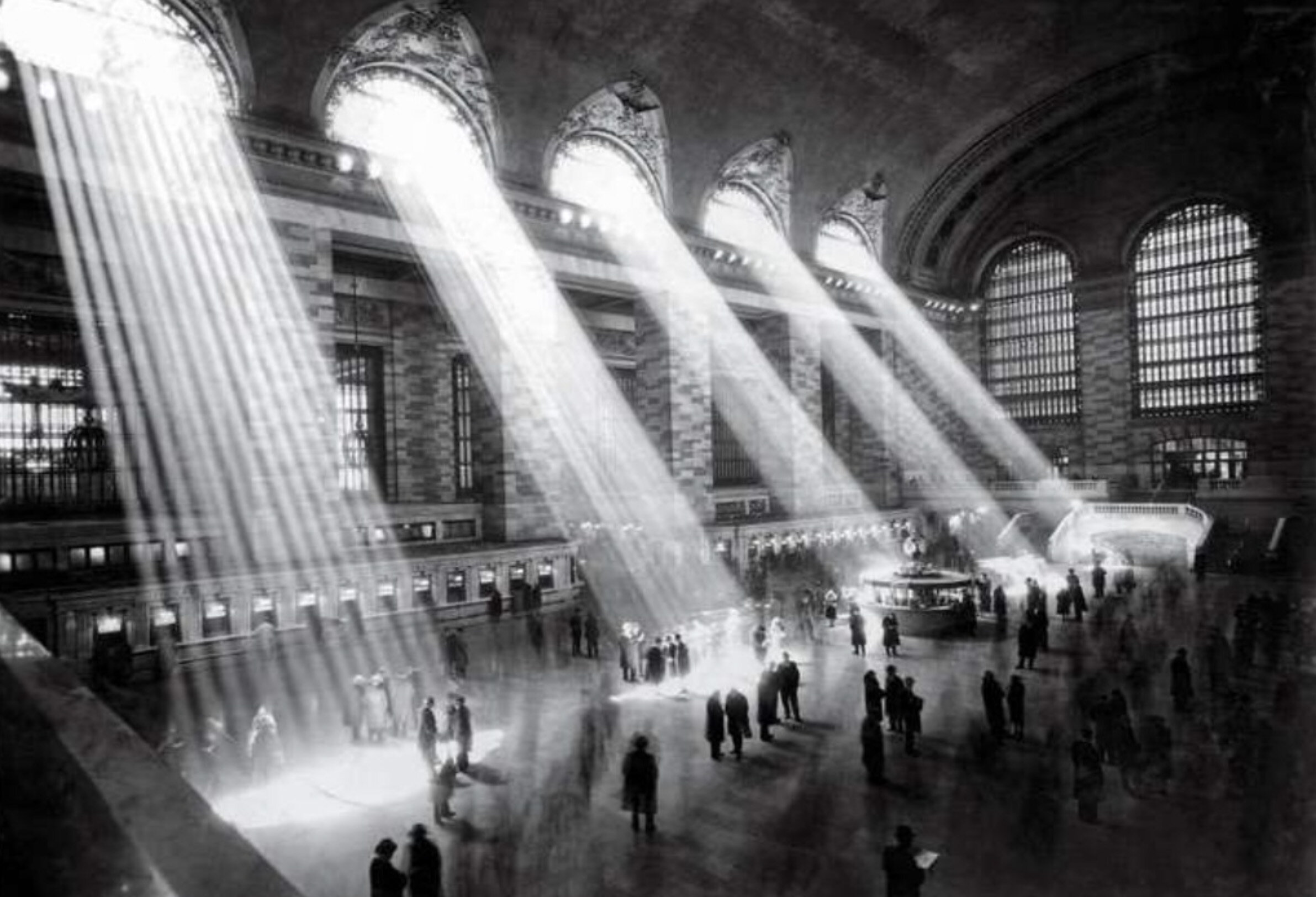
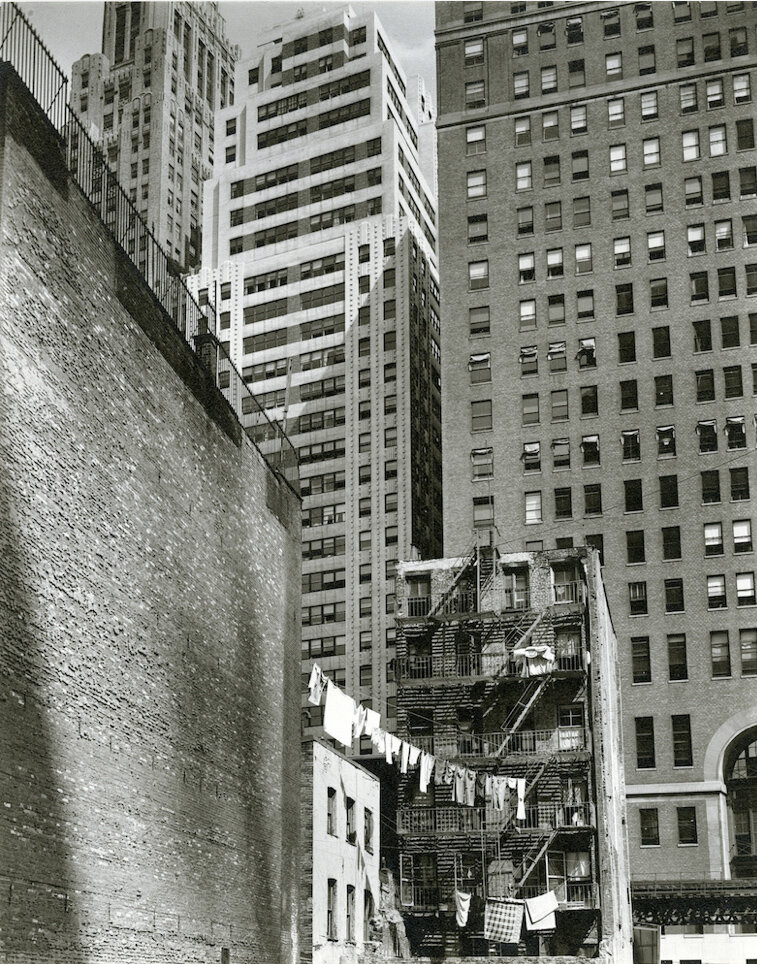
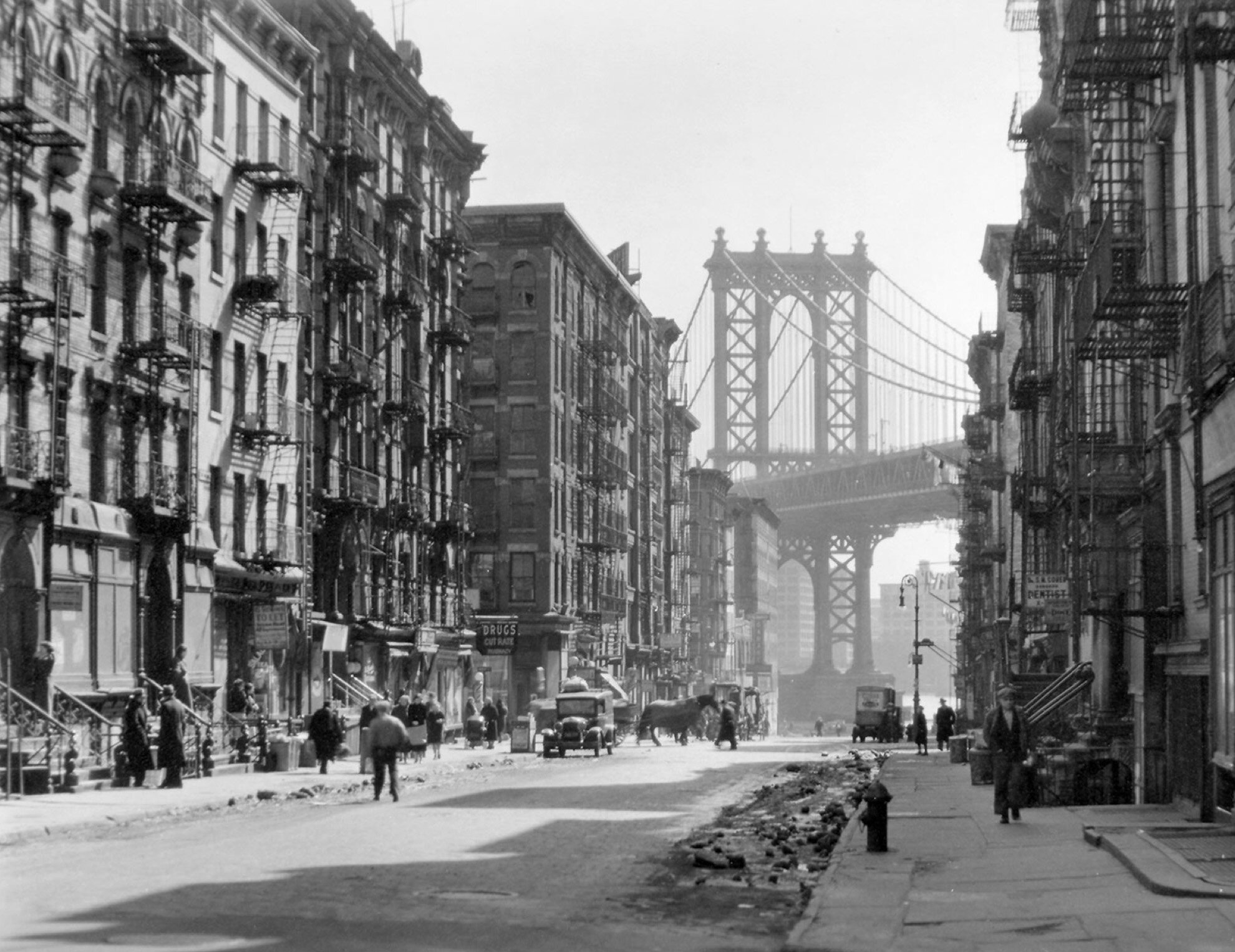
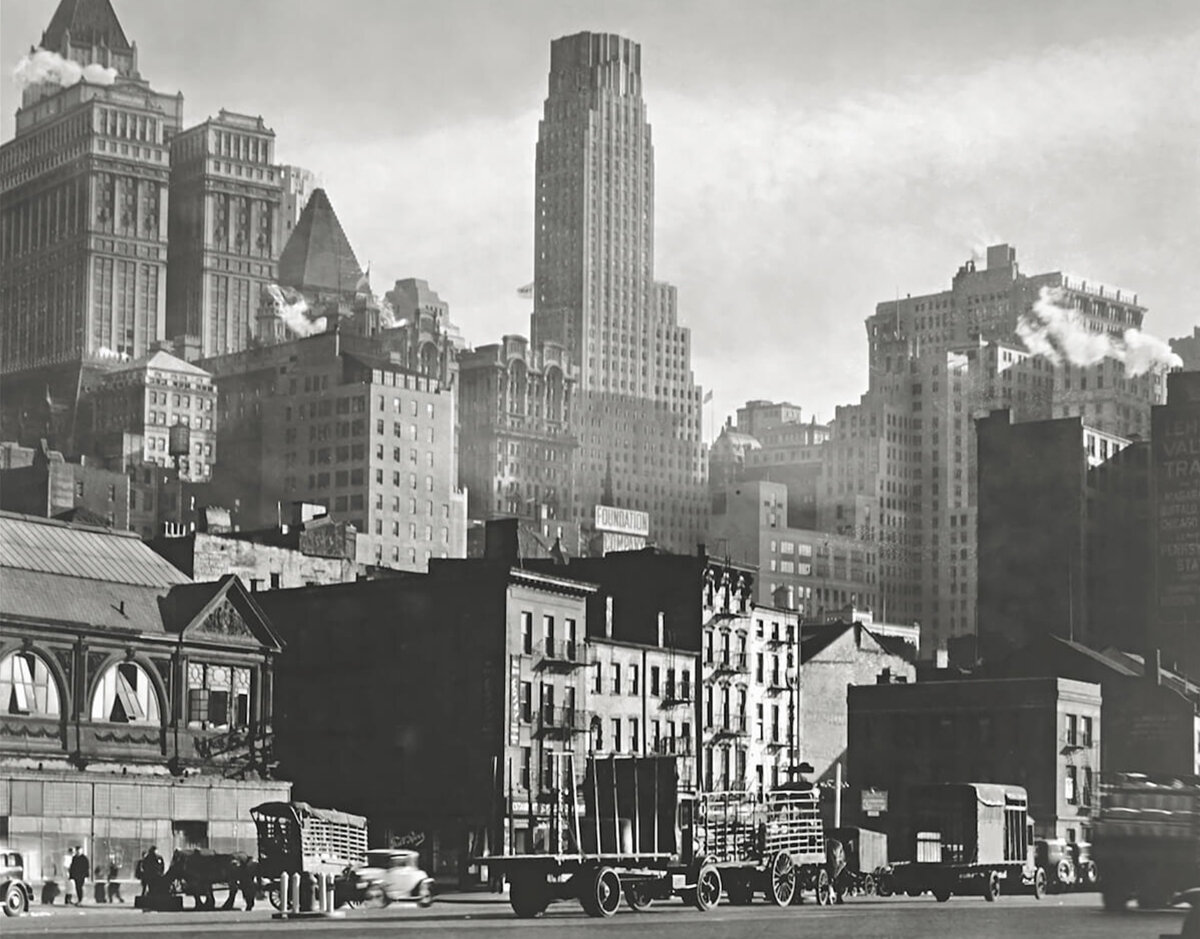
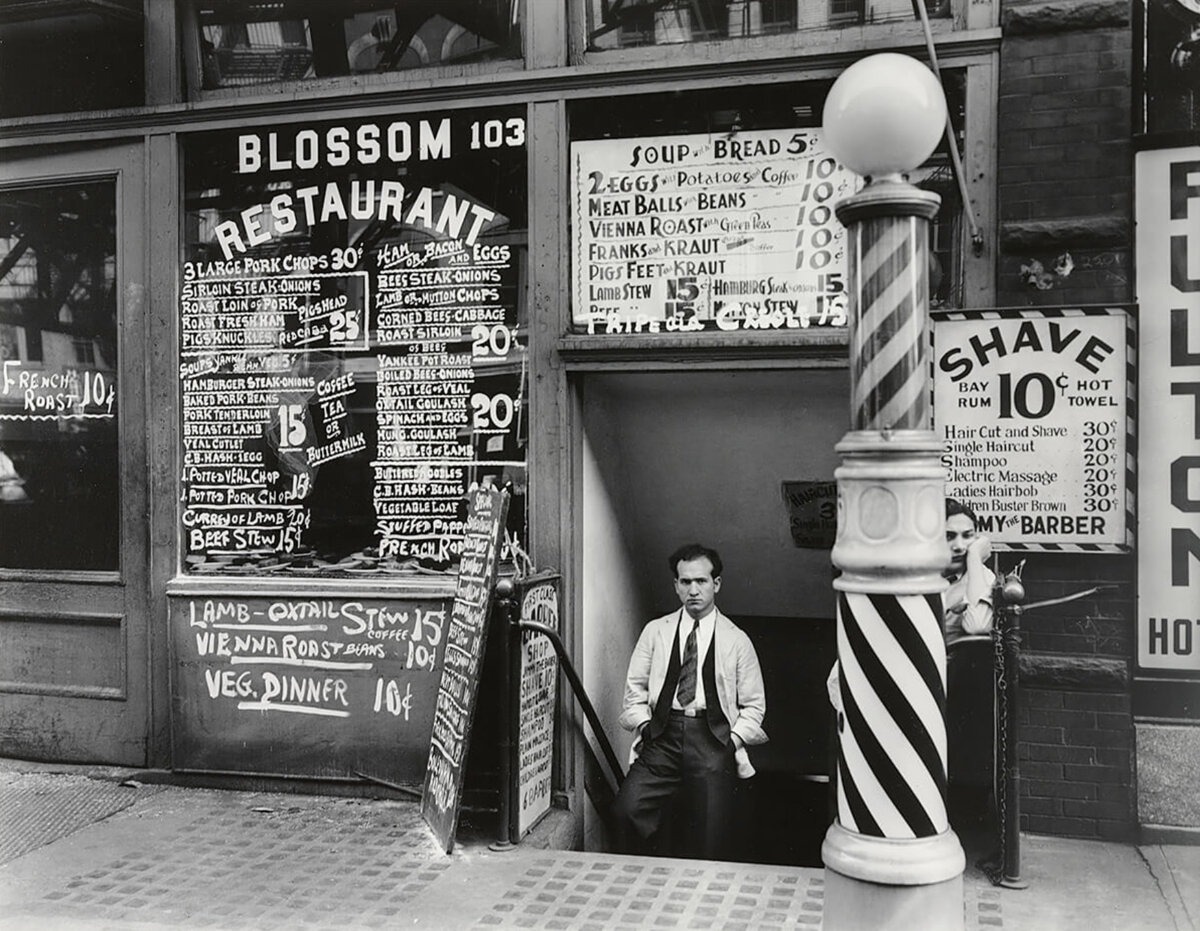
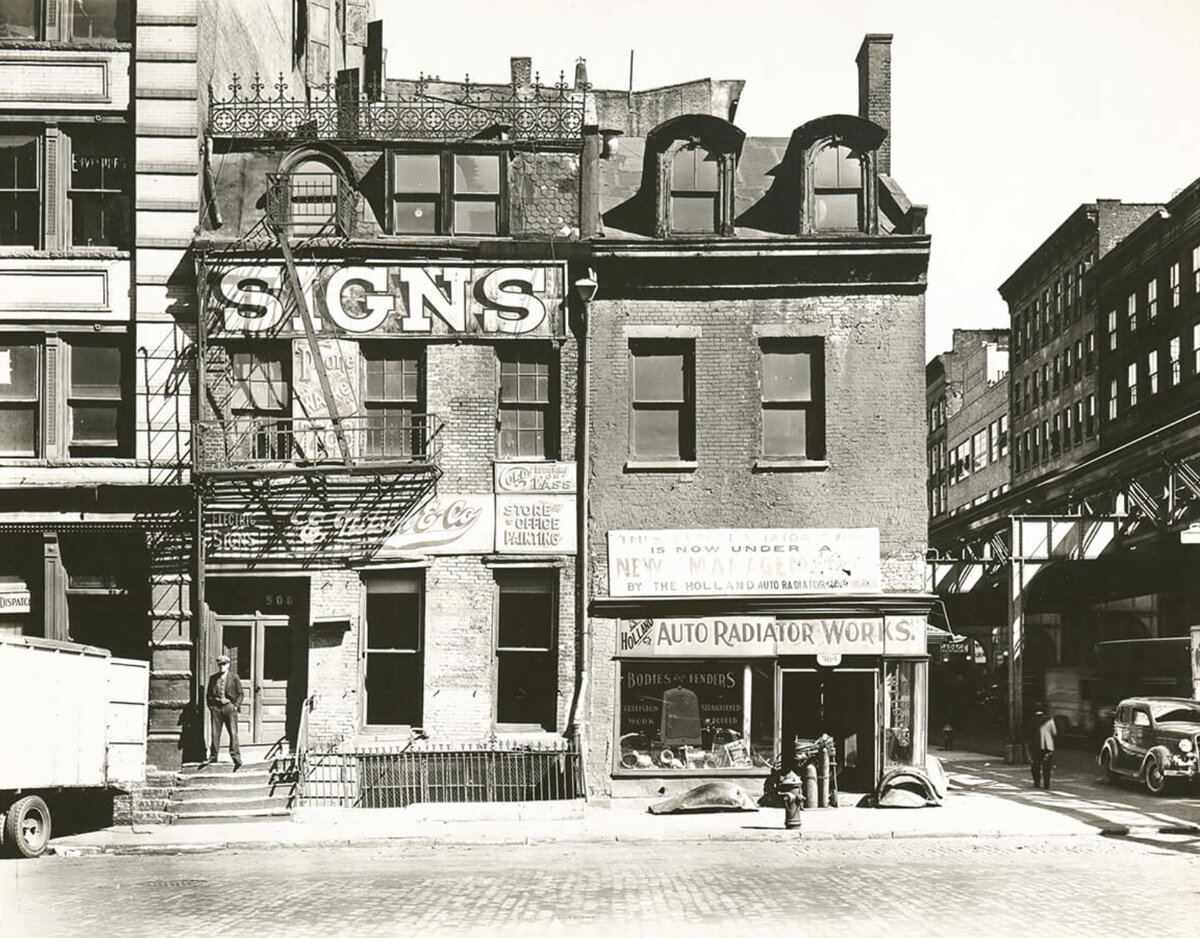
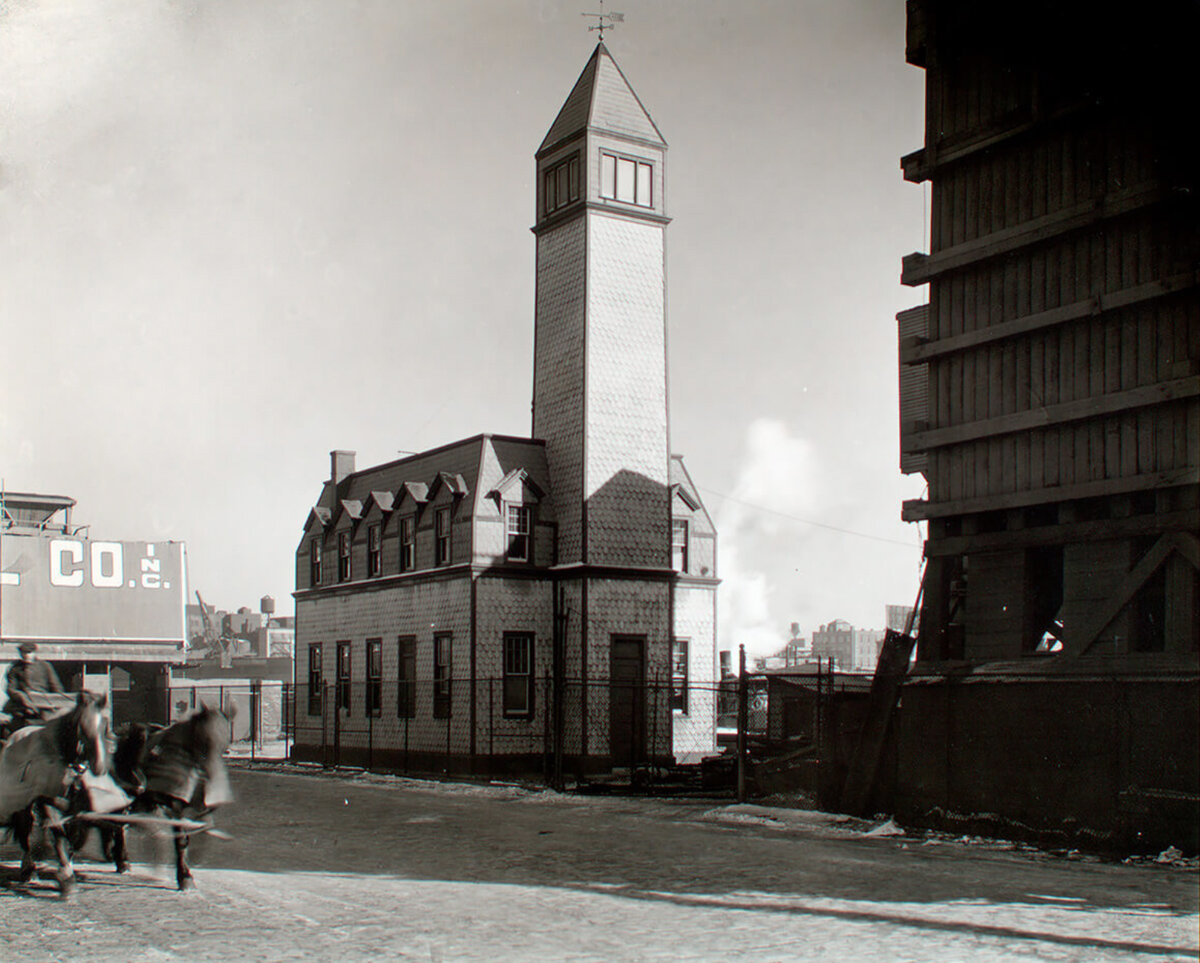
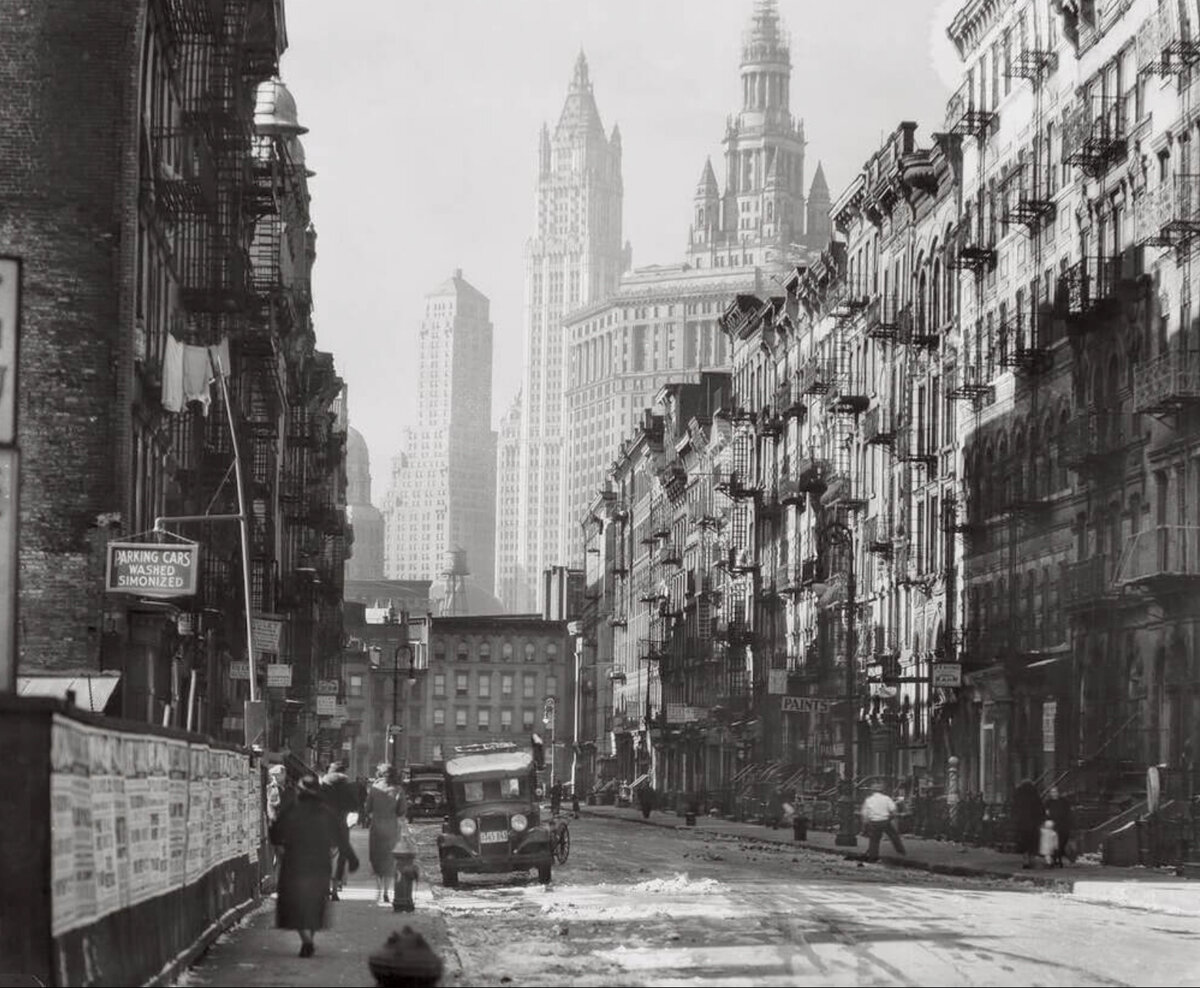
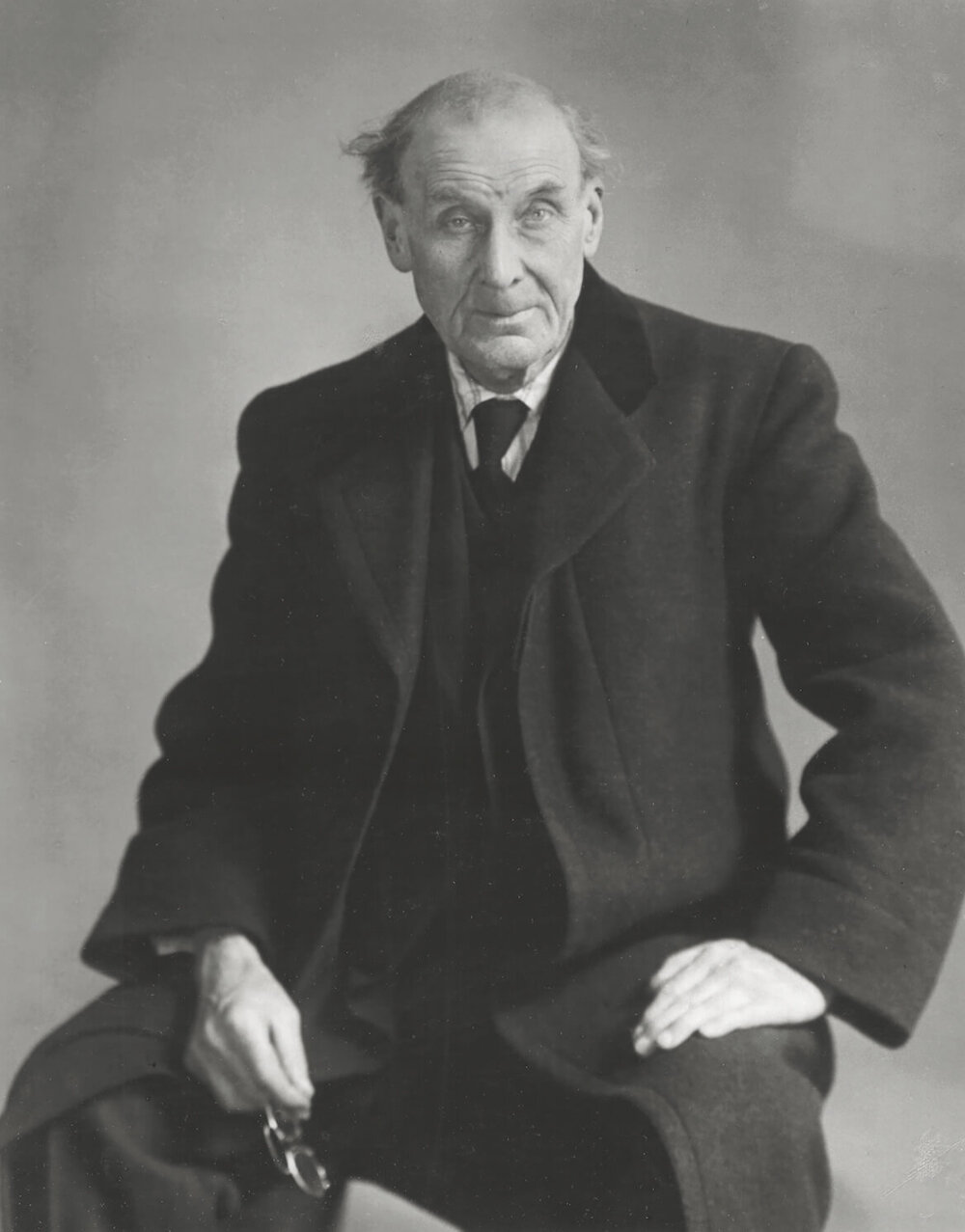
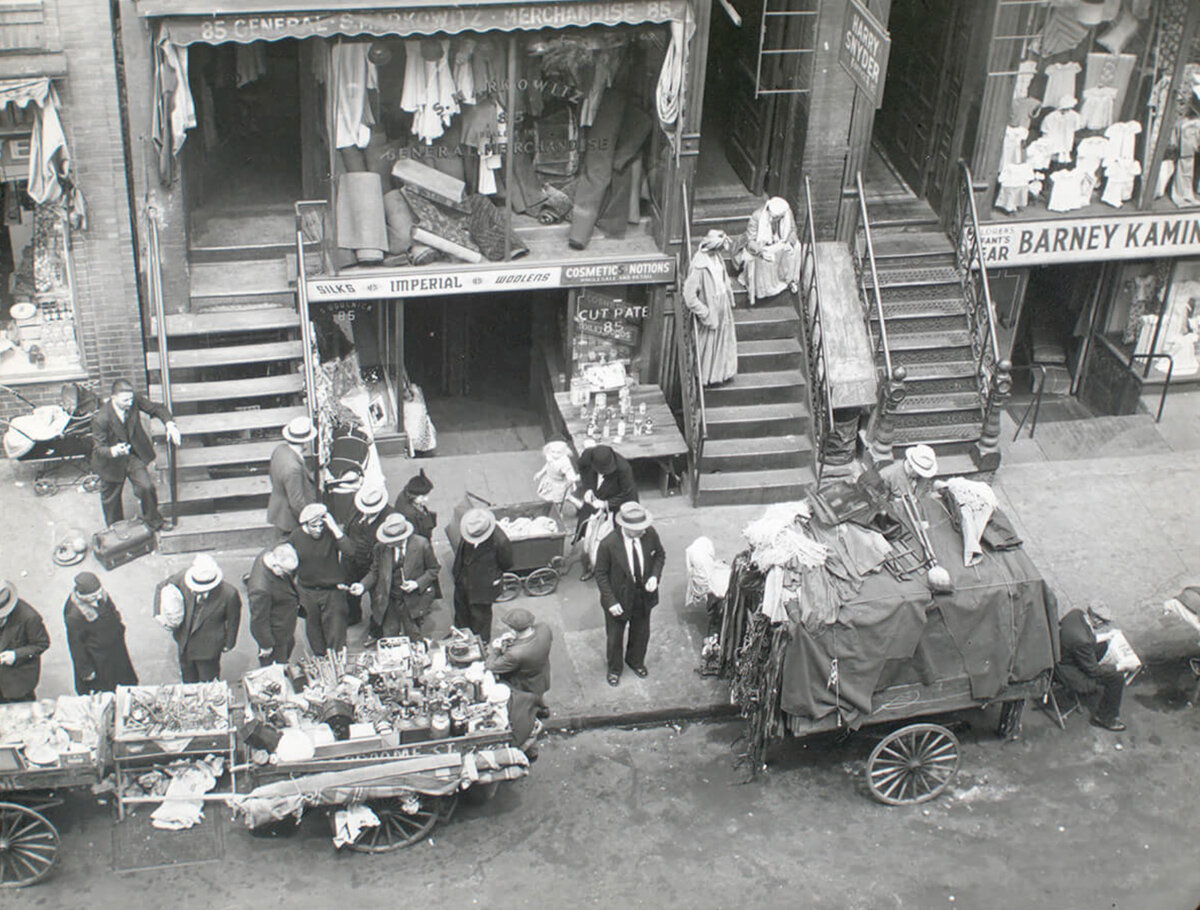
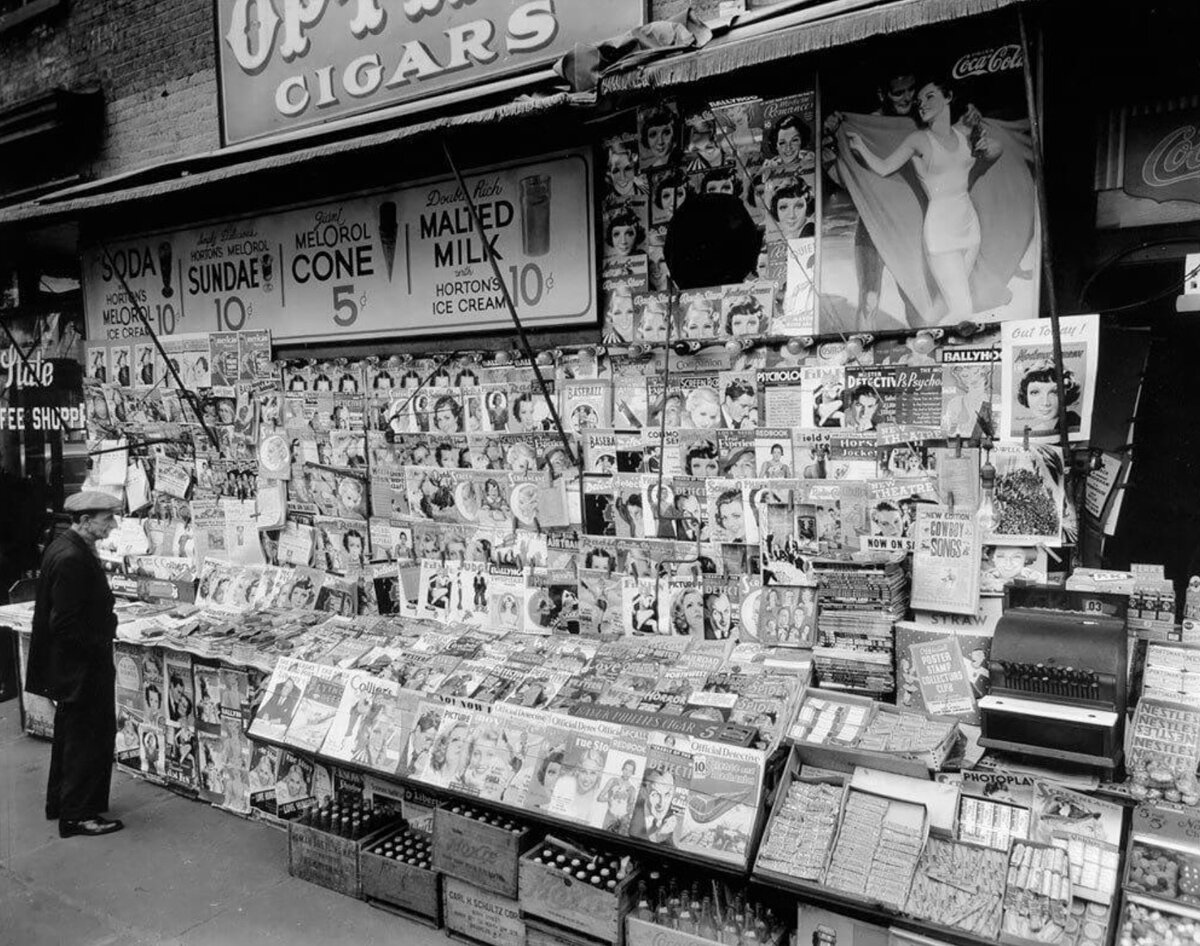
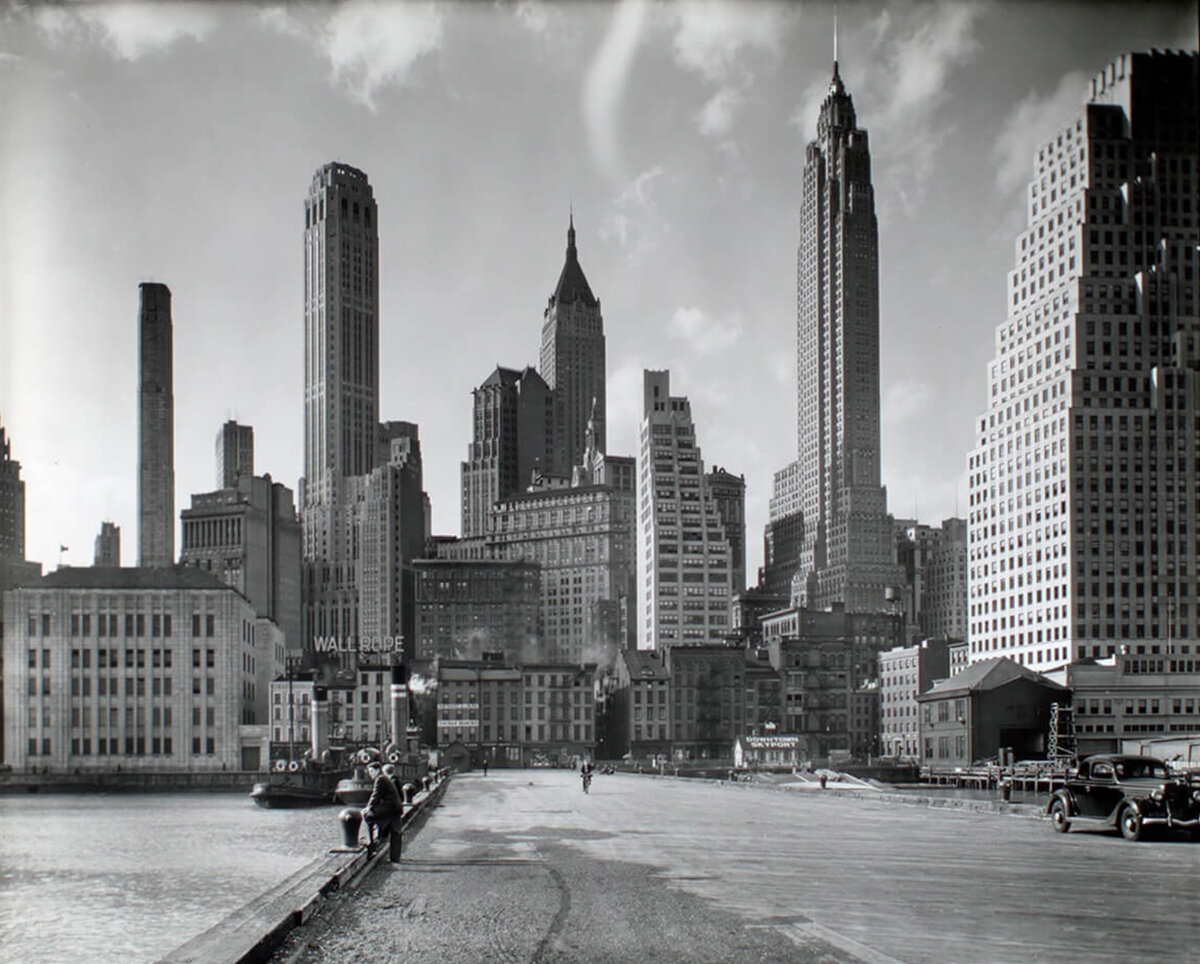
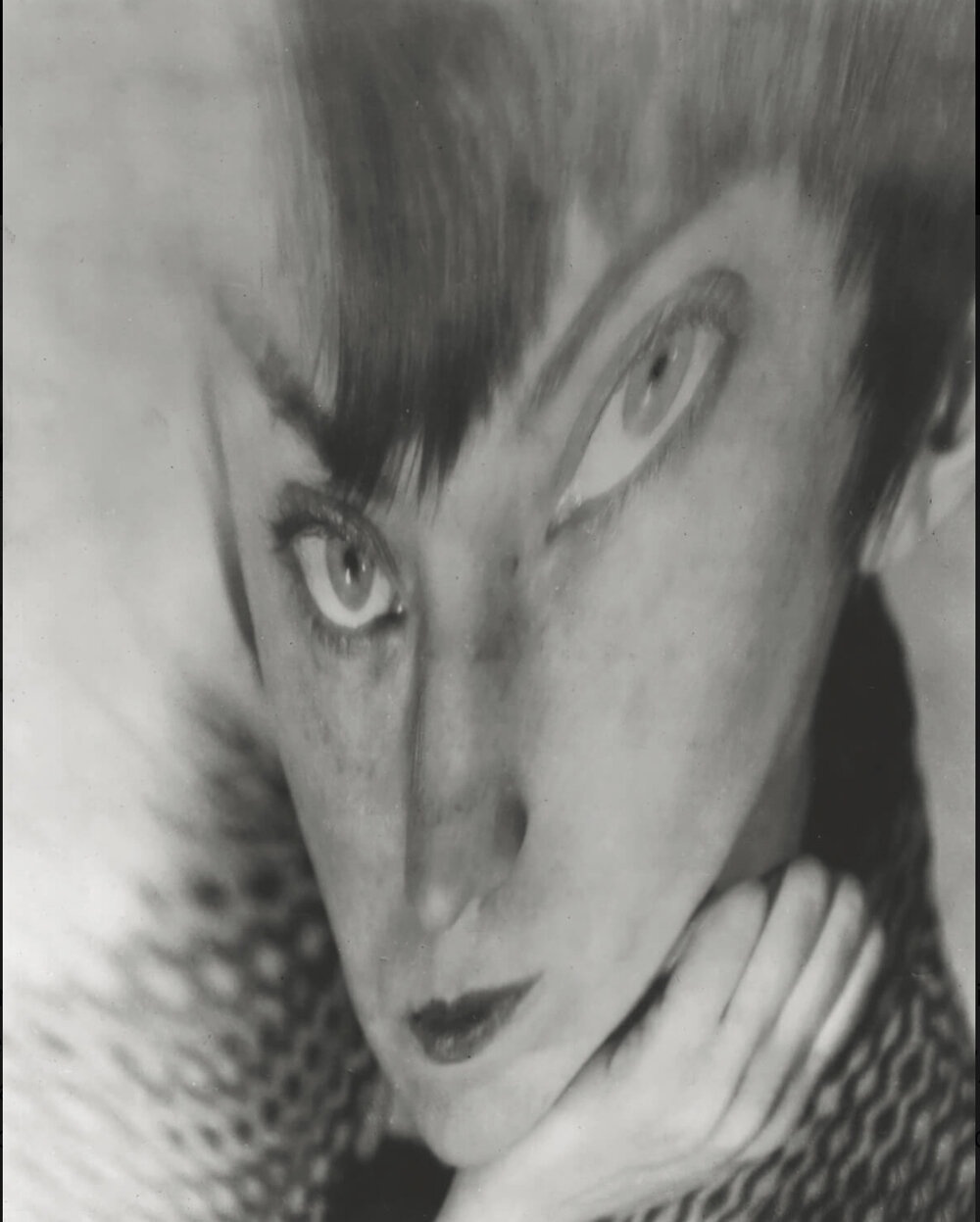
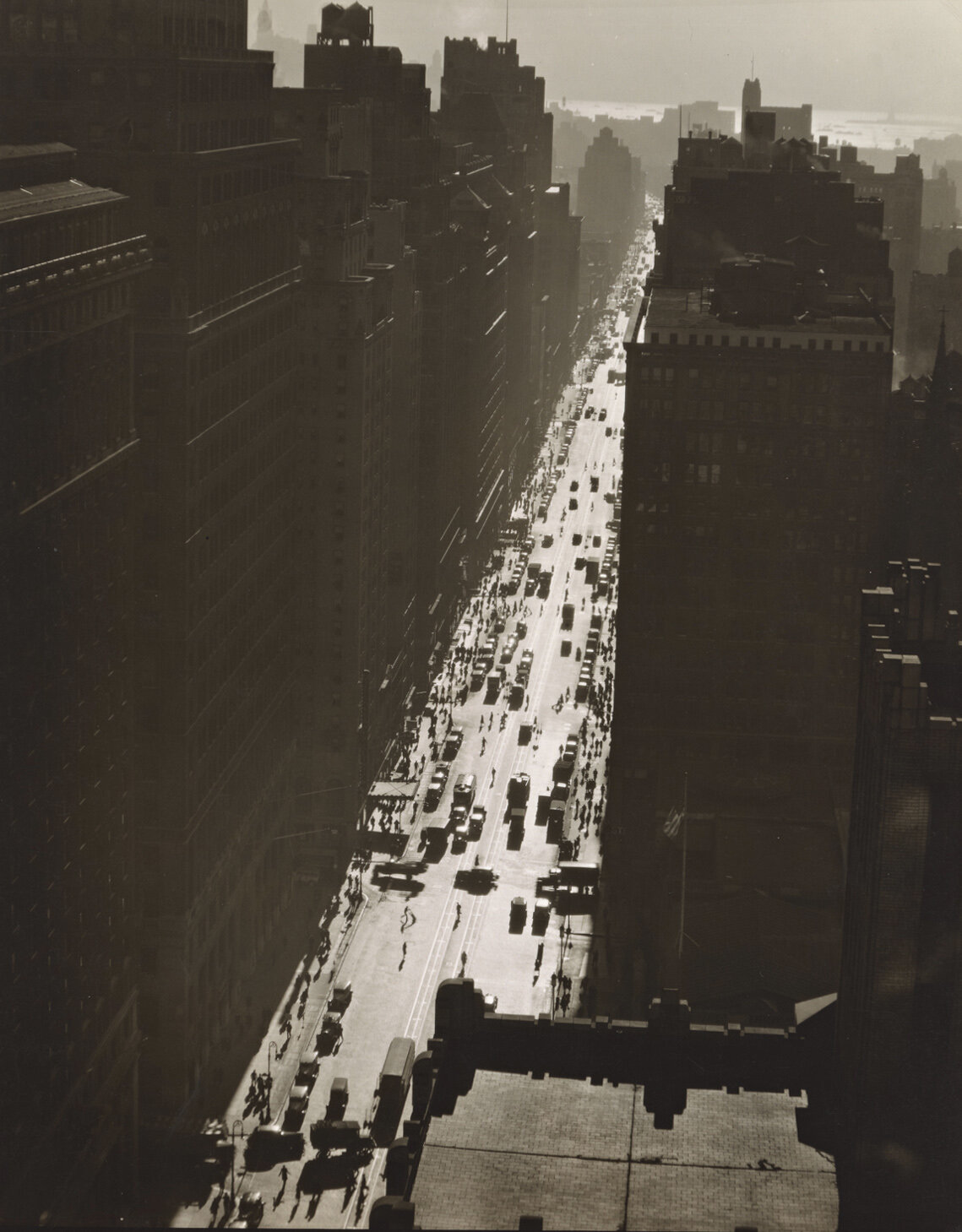
Berenice Abbott is an American photographer known for documenting the architecture and metropolitan life of New York with all its contrasts in the ’30s of the Great Depression. She photographed with an 8x10 inch camera the new architecture of New York that was emerging, but also the places that were disappearing from development.
Berenice Abbott
(U.S.A 1898-1991)
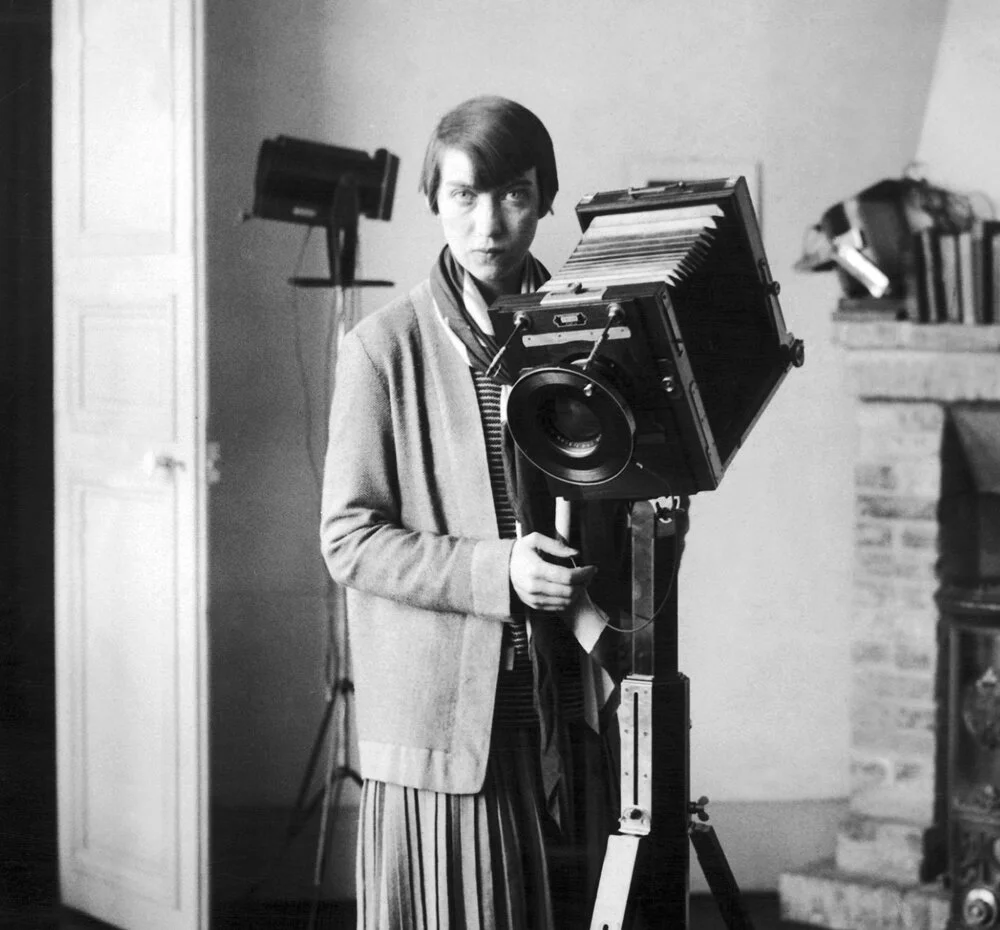
Berenice Abbott Portrait
Berenice Abbott is an American photographer known for documenting the architecture and metropolitan life of New York with all its contrasts in the ’30s of the Great Depression. Berenice Abbott is known for her documentary style, outside of any subjectivism and pictorialism. She photographed with an 8x10 inch camera the new architecture of New York that was emerging, but also the places that were disappearing from development. Her main influence was the French photographer Eugene Atget, who scrupulously photographed old Paris, which was disappearing from the modernity of the early 20th century. Abbott called Atget ‘the Balzac of the camera’ and an ‘urban historian’. She is credited with rescuing Atget's archive when, after his death, she bought all the negatives and took them to America, where she worked to publish his work. In the last years of her career Berenice Abbott was involved in the technical and scientific aspects of photography.
One of her expressions is "The world doesn't like independent women, I don't know why, but I don’t care"

Gabriele Basilico
Gabriele Basilico is an italian photographer known for its urban and cityscape photographs. He is one of the best european and international contemporary photographers of the 20th century. Graduated as an architect from the Polytechnic University of Milan in 1973, he devoted his entire career documenting urban and metropolitan landscapes transformed from an industrial to post-industrial society.
Gabriele Basilico
(Milano 1944-2013)

Gabriele-Basilico, Portrait 2012, by Giorgia Fiorio
Gabriele Basilico is an italian photographer known for its urban and cityscape photographs. He is one of the best european and international contemporary photographers of the 20th century. Graduated as an architect from the Polytechnic University of Milan in 1973, he devoted his entire career documenting urban and metropolitan landscapes transformed from an industrial to post-industrial society.

© Gabriele Basilico, Milano Ritratti di Fabbriche, 1978-1980
Documenting the urban change was his main objective. In his autobiographical book "Architecture, Cities, Visions: reflections on photography" he states : “I had given myself a kind of mission, to witness how urban space changes… Cities resemble each other, but they are not all the same: there are social differences, of history, of size, of latitude, of climate. I think that urban space, subjected to an unprecedented change in history, presents itself as a real metaphor for our society, which certainly deserves to be observed with great attention”.

© Gabriele Basilico, Milano 1973
On the issues of transformation, shape and identity, Gabriele Basilico has published over 100 photography books during his 40-year career. The main cities he has documented are Milan, Rome, Bari, Barcelona, Berlin, Madrid, Lisbon, Naples, Hamburg, Beirut, Genoa, Istanbul, Moscow, Paris, Shanghai, San Francisco, Rio de Janeiro, etc. His first project was in 1978-1980 "Milan-Factory Portraits", presented in 1983 at PAC Milan (Contemporary Art Pavilion). The first international project came in 1984 when he and other photographers were commissioned by the French government in Mission DATAR to document the transformation of contemporary landscape. From here the book "Bord de Mer" was created. The theme of ports and the sea accompanies him, as in the project of Genoa, concluded in the book “Porti di Mare” (1990).

© Gabriele Basilico, Dunkerque 1984

© Gabriele Basilico, Dunkerque 1984

© Gabriele Basilico, Bord de Mer, 1984

© Gabriele Basilico. LeTouquet, France 1984

© Gabriele Basilico, Genova 1985

© Gabriele Basilico, Hamburg 1988
In 1991 he took part in the internationally renowned project, photographing Beirut destroyed by the 15-year civil war, along with other photographers such as Rene Burri, Robert Frank, Jodeph Koudelka, Raymond Depardon and Fouad Elkoury. In 1996 he participated in the Venice Biennale with the exhibition, “Cross Sections of a Country”, where he received the Osella d’Oro Award for Contemporary Architecture Photography. In 1999 he published the book "Interrupted City" and "Cityscapes" with over 300 urban photographs taken since the early ‘80s. In 2000 he photographed the Berlin metropolitan area, from which the book “Berlin” was created that won the best photography book award in 2003. In 2007, he was invited by SFMOMA (San Francisco Museum of Modern Art), to develop a photography project in the Sillicon Valley metropolitan area, published in the book "Gabriele Basilico-Sillicon Valley". Another project of this year is "Vertical Moscow", photographed from the seven towers of the Stalinist period. In the coming years 2010-2012 his work will be extended to other world metropolis; Istanbul, Shanghai, Rio de Janeiro. The latest project is in Milan 2012, documenting the construction of Porta Nuova from its inception to the completion.

© Gabriele Basilico, Beirut 1991

© Gabriele Basilico, Beirut 1991

© Gabriele Basilico, Madrid 1993
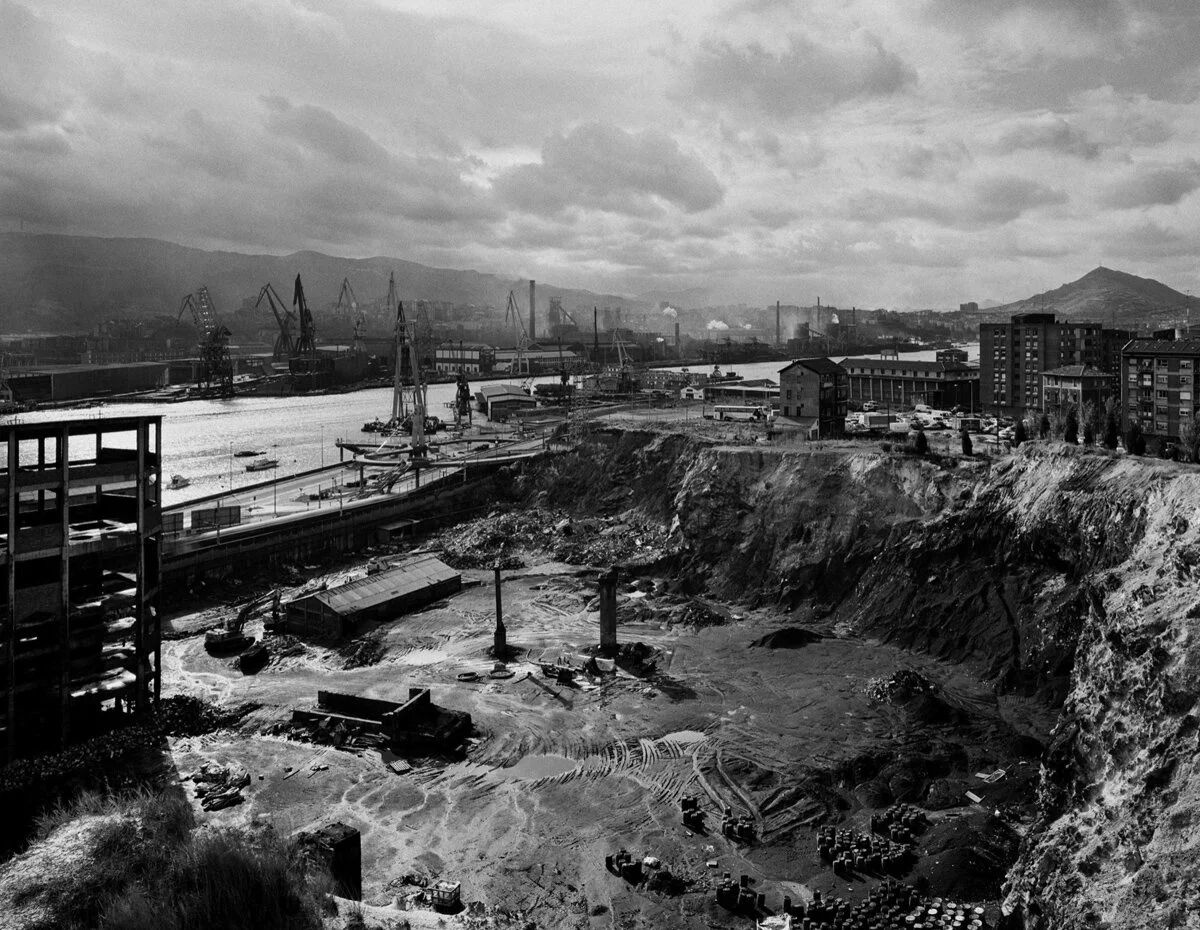
© Gabriele Basilico, Bilbao 1993

© Gabriele Basilico, Porto 1995
The photography of Gabriele Basilico is known for its monumentality and silence, the lack of people, the contrast in black and white, which reinforce the grandeur of architecture and gives the place a metaphysical character. He is interested in social and historical stratifications. As he states : "I can not help but see the city as a large body that breathes, a body in transformation, and I am interested in grasping its signs, observing its shape, like the doctor who investigates the modifications of the human body to study its nature. I am constantly looking for new points of view, as if the city were a labyrinth and my gaze was looking for a precise point of penetration”.

© Gabriele Basilico, Milano 1995

© Gabriele Basilico, Milano 1995

© Gabriele Basilico, Milano 1996
Gabriele Basilico's photography is documentary in character, but far from advertising and propaganda. He doesn’t capture the 'decisive moment' as Bresson, but is meditative and analytical as Atget, Evans, and Beckers. As Francesco Bonami says, "Basilico’s work is not a celebration of architecture and its symbolic value, but a discourse about the aesthetic value of architecture and the constant tension between this and its social function". During his entire life, Basilico has explained his photography in many articles, conversations and books. But the paragraph that most synthesizes his thinking is: “Photographing the city does not mean choosing the best architecture and isolating it from the context to enhance its aesthetic, but for me it means exactly the opposite. That is, putting in the same level high-end architecture with ordinary one, building a place of coexistence, because the real city, the city I am interested in, contains this mixture of excellence with mediocre, the center with periphery, a vision of urban space that once we would have called democracy ”.

© Gabriele Basilico, Paris France 1997

© Gabriele Basilico, Valencia 1999

© Gabriele Basilico, Milano 2011

© Gabriele Basilico, Rome 2007.

© Gabriele Basilico, Roma 2007
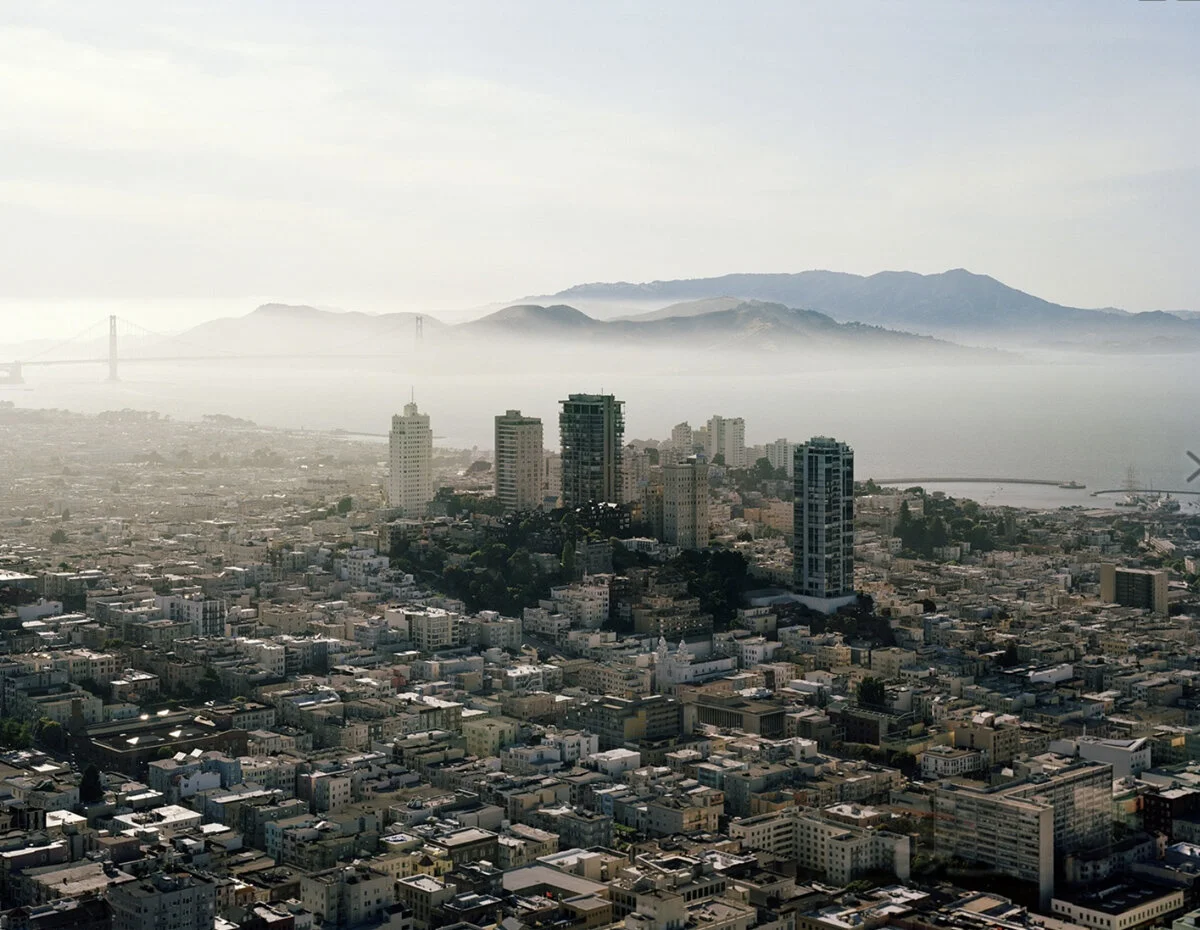
© Gabriele Basilico, San Francisco 2007

© Gabriele Basilico, Shanghai 2010

© Gabriele Basilico, Istambul, 2010

© Gabriele Basilico, Rio De Janiero 2011

© Gabriele Basilico, Milano, Porta Nuova, 2012

© Gabriele Basilico, selfportrait