
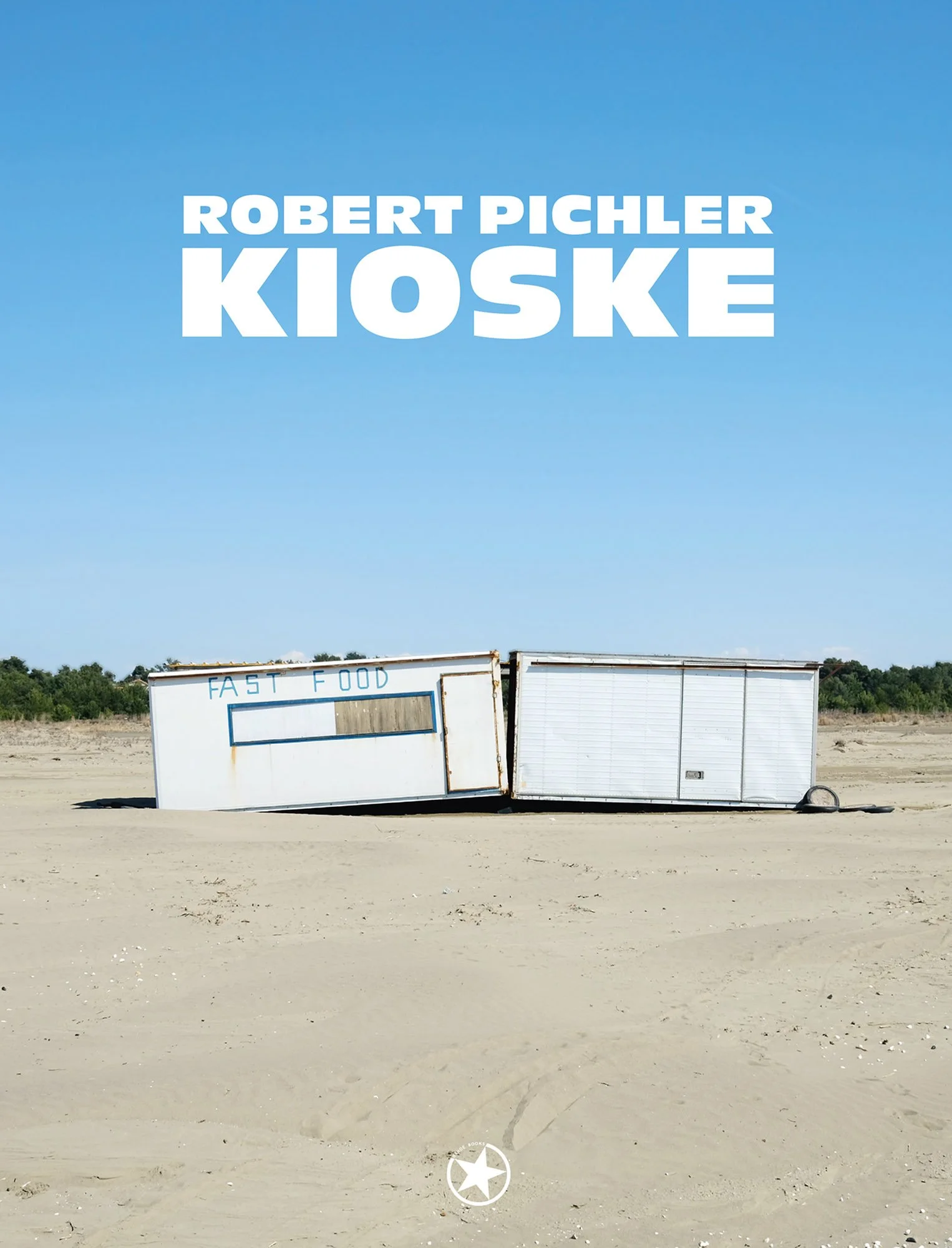
Kiosks by Robert Pichler
“Kiosks” is the latest project by Austrian photographer Robert Pichler, presented in Tirana in the form of the photo book Kiosks: Temporary Architecture and Social Living Environments on the Albanian Coast, published by Bahoe Books, Wien, in German, Albanian and English language.
KIOSKS
Temporary Architecture and Social Living Environments on the Albanian Coast
Pichler Robert, Kiosks, temporary architecture and social living environments on the Albanian coast, Wien, Bahoe books, 2025, (in German, Albanian, English) ISBN 978-3-903478-17-6
“Kiosks” is the latest project by Austrian photographer Robert Pichler, presented in Tirana in the form of the photo book Kiosks: Temporary Architecture and Social Living Environments on the Albanian Coast, published by Bahoe Books, Wien, in German, Albanian and English language.
The Albanian kiosks referred to in the book are temporary, improvised structures along the Albanian coast, serving commercial and tourist purposes. As a construction typology, they first appeared in major cities in the early 1990s, coinciding with the country’s transition to a free-market economy and addressing a significant shortage of business premises. Robert Pichler (1), a historical anthropologist who has documented the Albanian transition period since the early 1990s, has observed the kiosk in its evolution, from its beginnings, development and decline. It is interesting how Pichler dedicates this book to the kiosk, precisely at the end of the “kioskization” era in Albania, when it is giving way to another phenomenon, that of concreting and mass tourism. It is precisely about the latter that the accompanying writings of other authors of an urban, ecological and tourism economics nature speak about (2). The Kiosk is the starting point, or the framework that unites these writings as well as all the author’s stories about his encounters with the inhabitants of the coast. In fact, Kiosk is a tribute to individuality, uniqueness, small family businesses, the efforts of Albanians during the transition, but also to simple aesthetics and constructions with minimal impact on nature (3).


The Kiosk was a temporary resident in the Albanian territory, with all its diversity of aesthetics and functionality. It lived for nearly 2 decades, between two different periods, that of the bunkers of the communist regime and the period of the free market economy, characterized by migration and rapid urbanization. My generation is oversaturated with the images of the kiosks, we have even stigmatized as something unaesthetic and informal, outside the rules of architecture and conventional urban planning. However, the kiosk served very well thousands of Albanian families who were left unemployed after the closure of factories and state-owned enterprises after the 1990s. The kiosk is the genesis of small business, the savior of the family economy, a symbol of the beginnings of the free market and individual initiative. The disappearance of the kiosk symbolizes the end of the transition period and the beginning of another era. Through this book, it seems as if the author wants to immortalize in photography the kiosk before it is torn down and disappeared forever. The photographic project speaks of the temporariness but also of what comes next. Although not shown in the photo, the concrete hotels and tourist resorts that have sprouted everywhere on the coast are implied (at least for us Albanians).

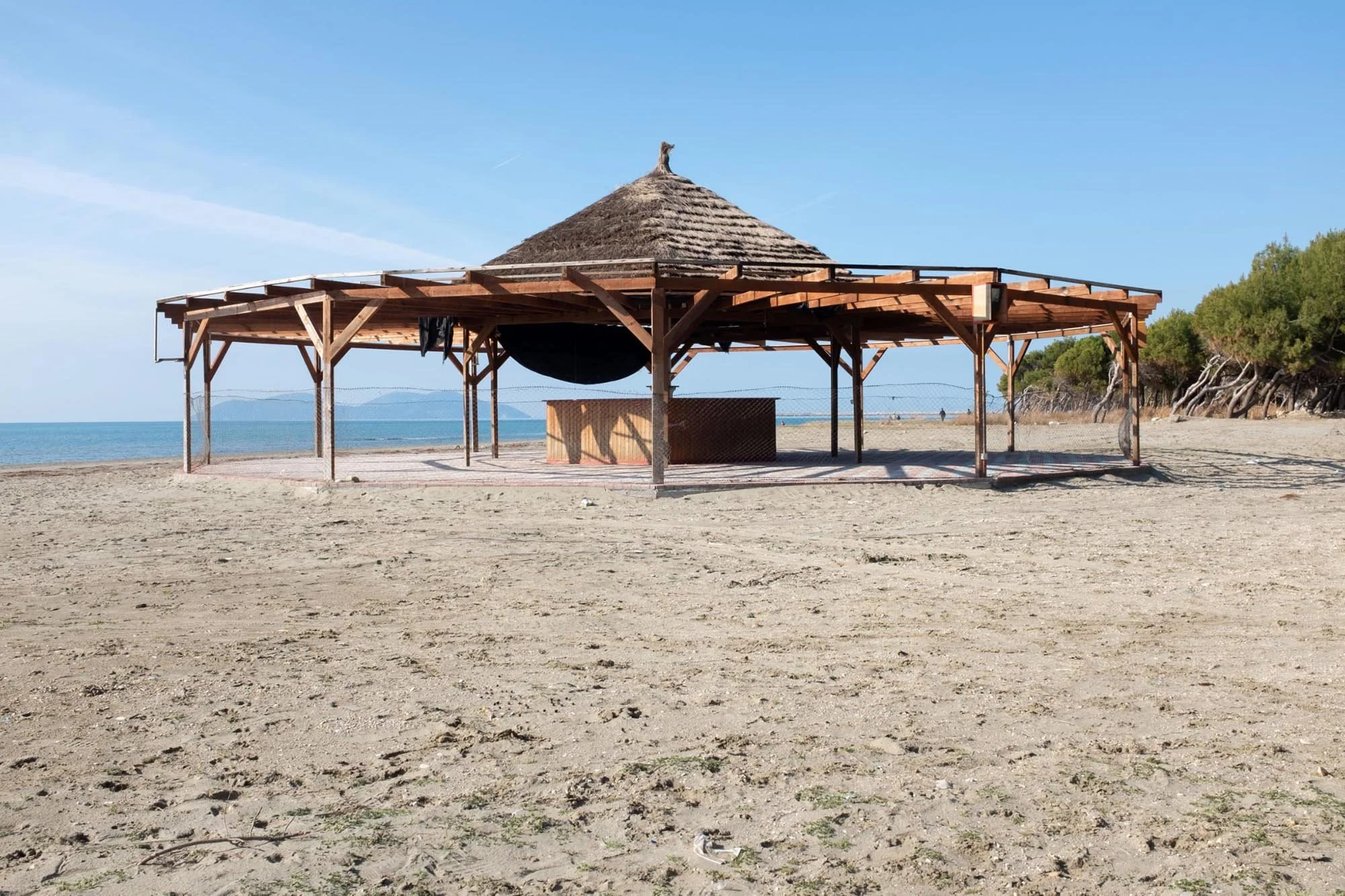
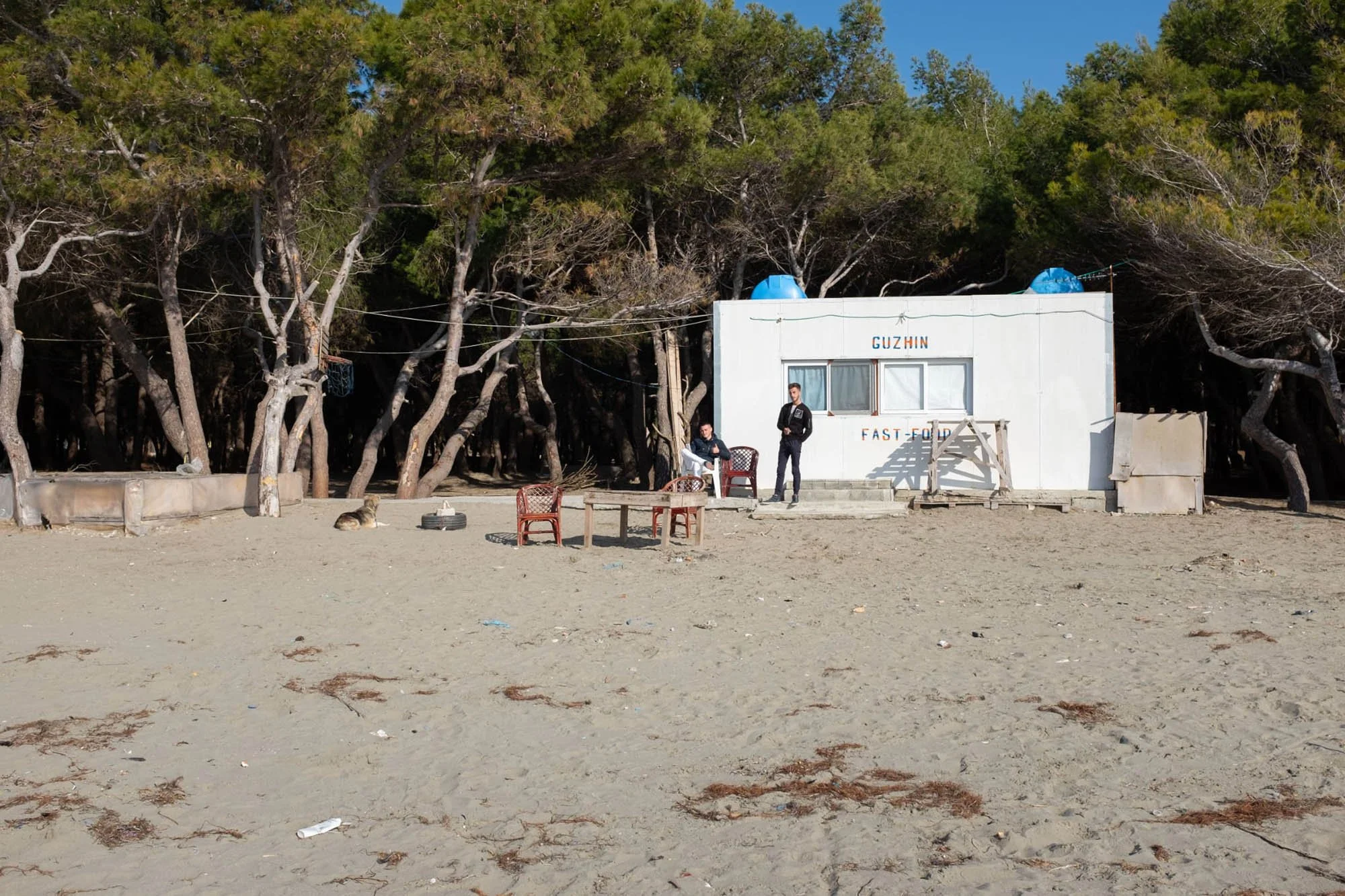


The photographs are a tribute to the Kiosk, as a symbol of informality and transience. In contrast, the photographs are carefully composed, with attention to geometry, which enhance aesthetic appeal and meaning. The vantage point is formal; frontal view, as a photo passport. The horizon line is straight, and divides the frame in half, half earth and half sky. The large number of kiosks photographed indicates the need to recognize and systematize them in an almost scientific manner. It reminds me of the photographs of the Düsseldorf School. The author took several years (from 2010 to 2022), many field visits and meetings with residents to photograph them. The autumn season is preferred, in the end of the tourist season, when the beach is empty, which reinforces the feeling of transience and abandonment. The colorful and minimalist photography highlights the design elements and the poor materials used. The narrative of the kiosks is intertwined with the stories of people met in the beach, about the difficulties of transition and everyday life. As an anthropologist and photographer, Robert Pichler combines photographs of the architecture of the kiosks with photographs of portraits of coastal residents, which completes the picture of the lives of ordinary people in the territory of the Albanian coast.
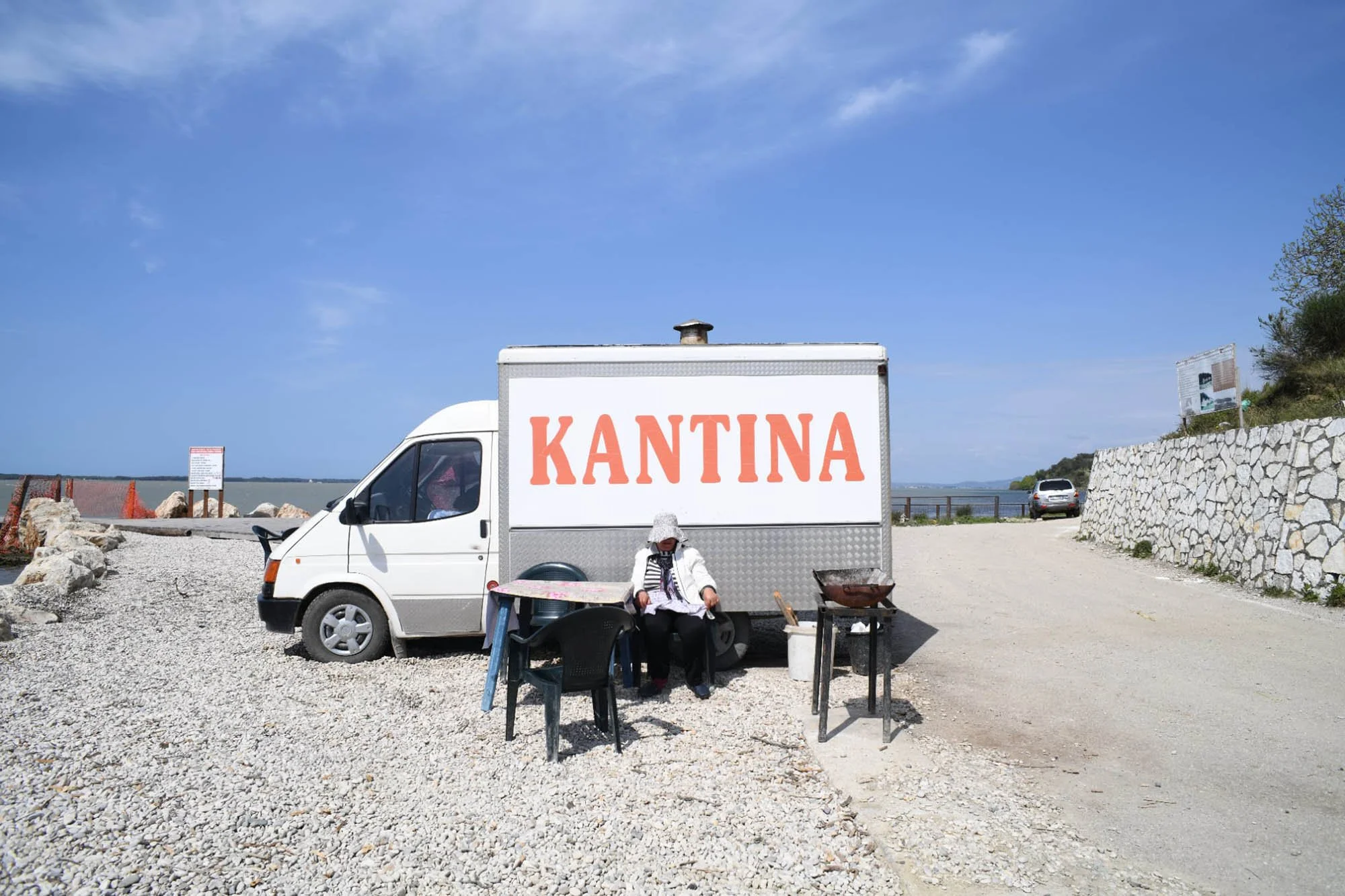


All photos courtesy of Robert Pichler
(1) Robert Pichler is a historical anthropologist and photographer, who mainly deals with migration and transnationalism, family and kinship, nation building processes, also using the medium of photography. His work lies between anthropological/social research and documentary/artistic photography. He has documented the transitional period of the early 1990s, when Albanian society was moving from the isolation of the communist regime to openness. Robert Pichler is member of Balkan Research Unit of the Austrian Academy of Sciences and serves as Chair of the International Association for Southeast European Anthropology (InASEA)
(2) The accompanying writings in the book are by Mamica Burda, Saimir Kristo, Daniel Göler, Dhimitër Doka, Kristi Bego.
(3) “Kioska” was conceived as an exhibition and publication project. A selection of the photographs was nominated for the Photo Graz Biennale in 2016 and presented there for the first time. An exhibition followed in December 2017 at the Zagreb Cultural Centre as part of the Photo Graz selection. In September 2022, “Kioska” was shown at the Off Gallery in Graz , before the traveling exhibition toured several cities in Albania (Tirana, Vlora, Durrës, Fieri, and Shkodra) until December 2023.

Photography Exhibition and Book Presentation ALBANIAN SCAPES
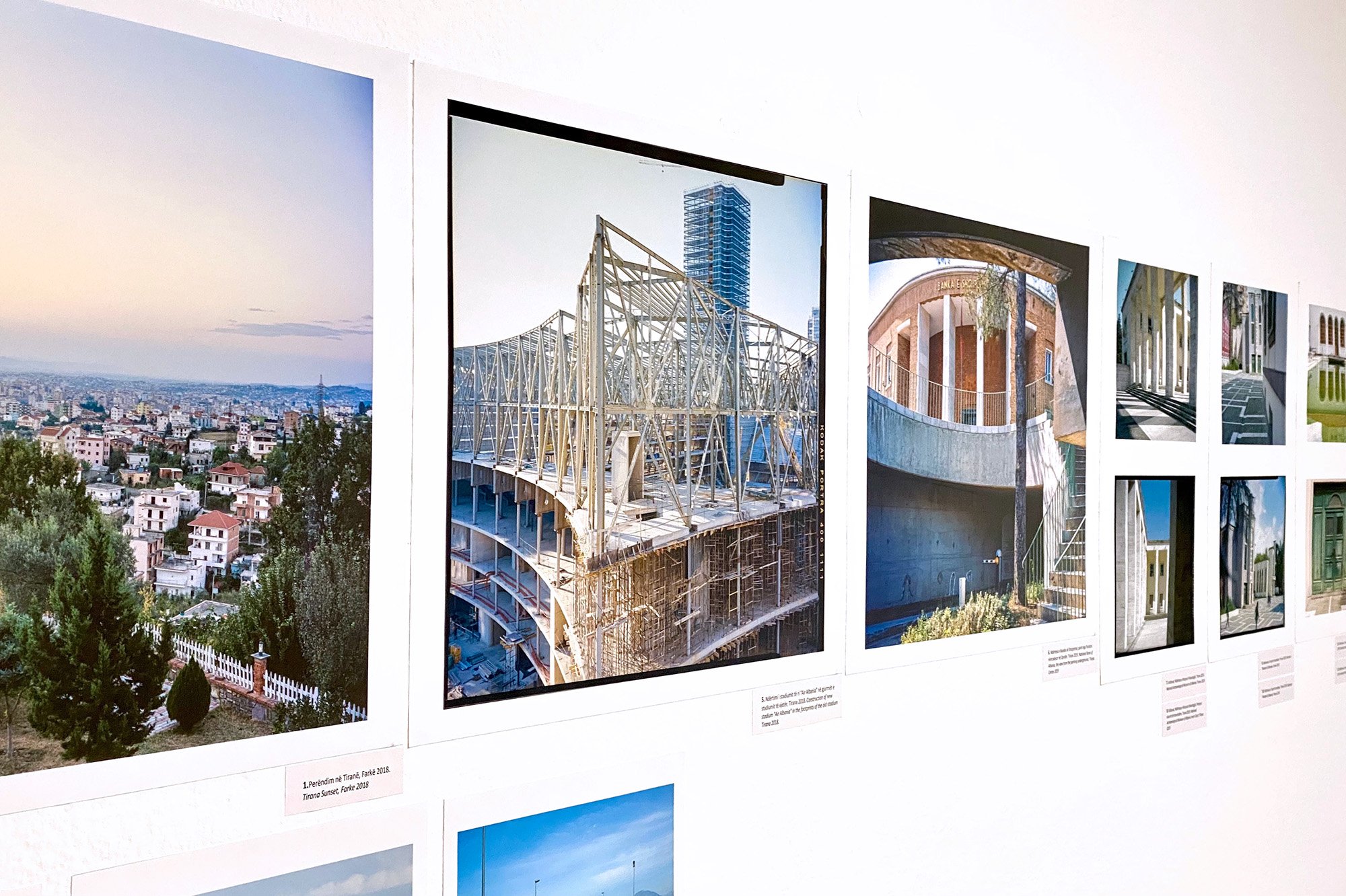
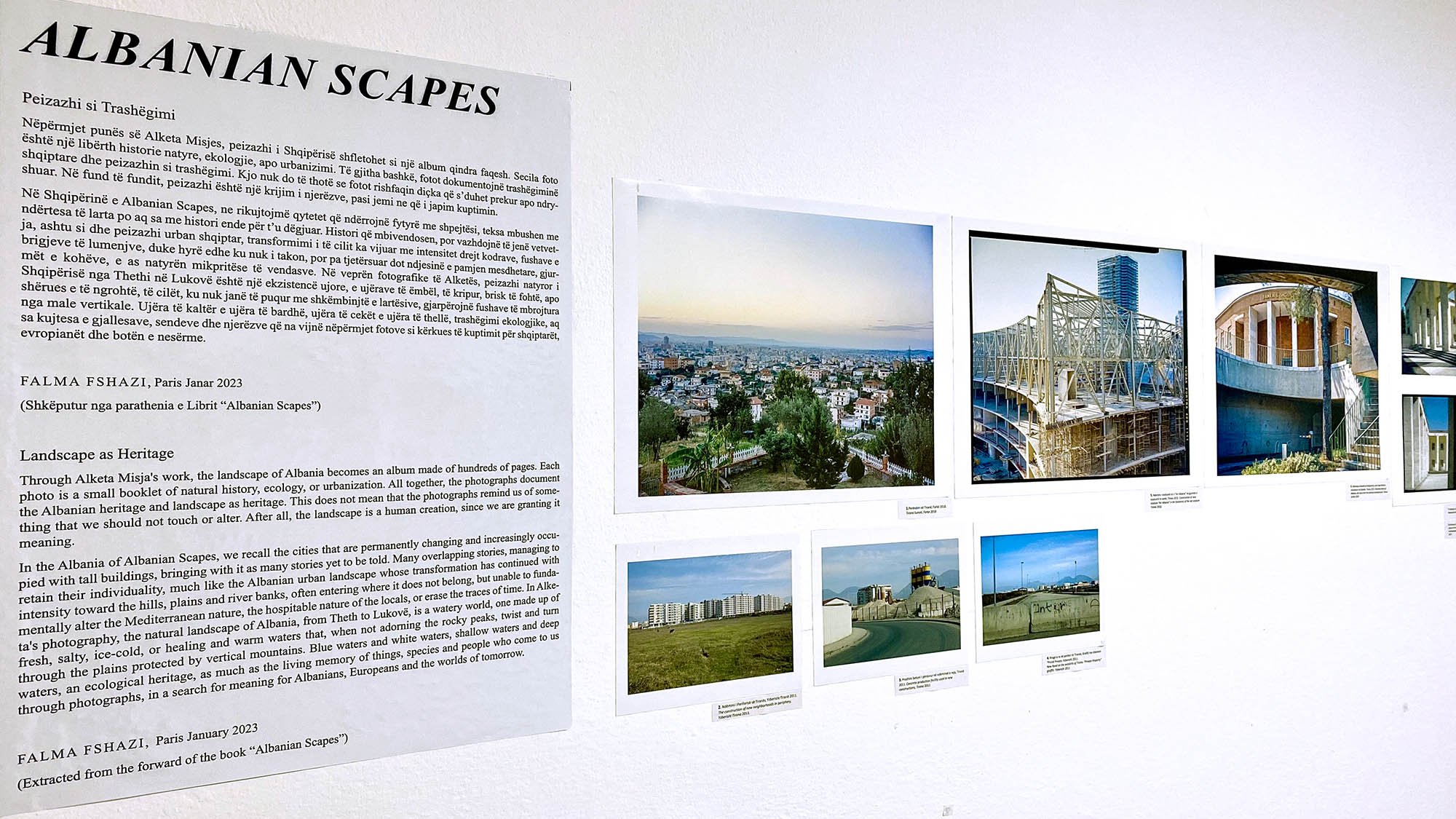
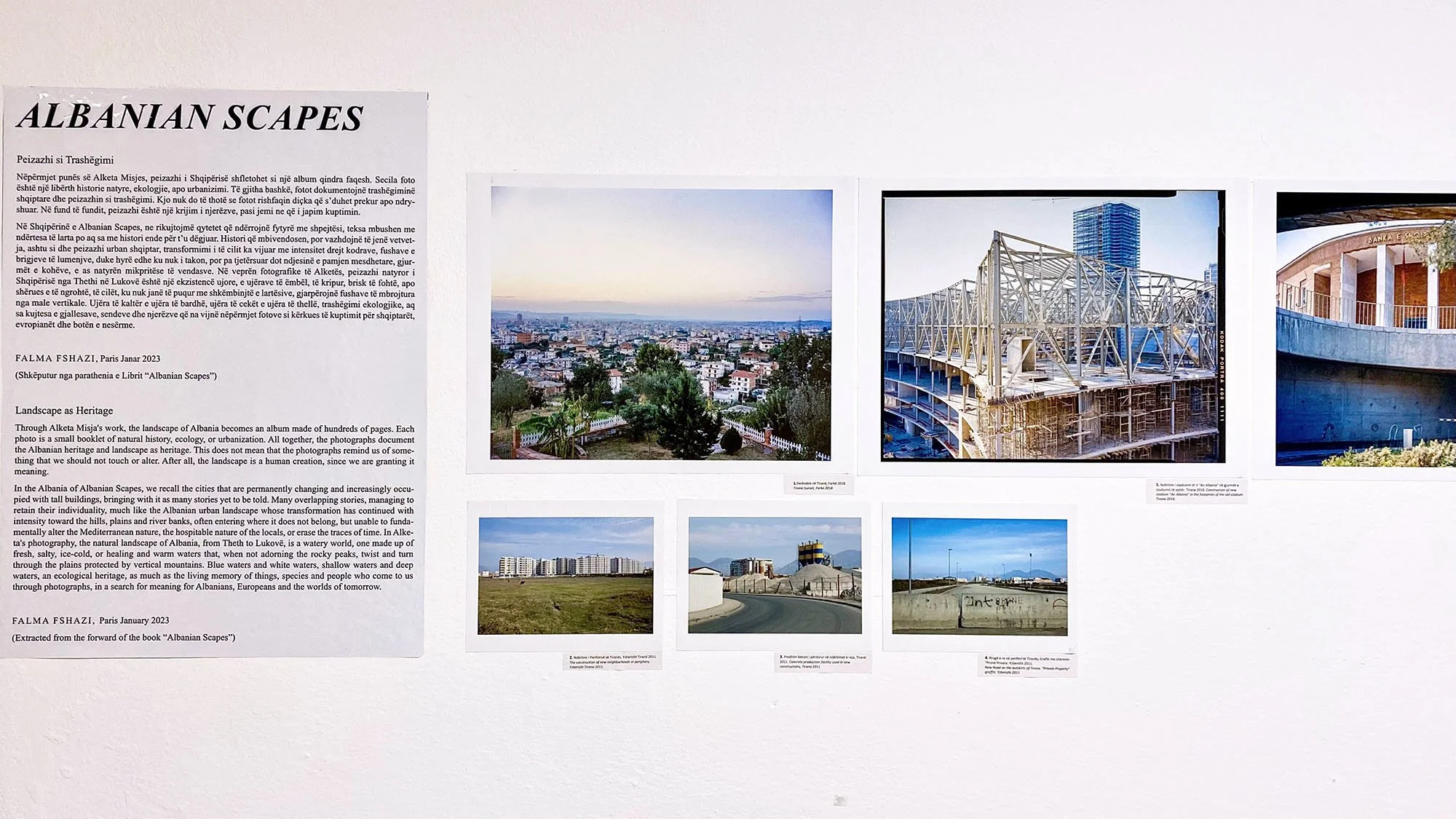
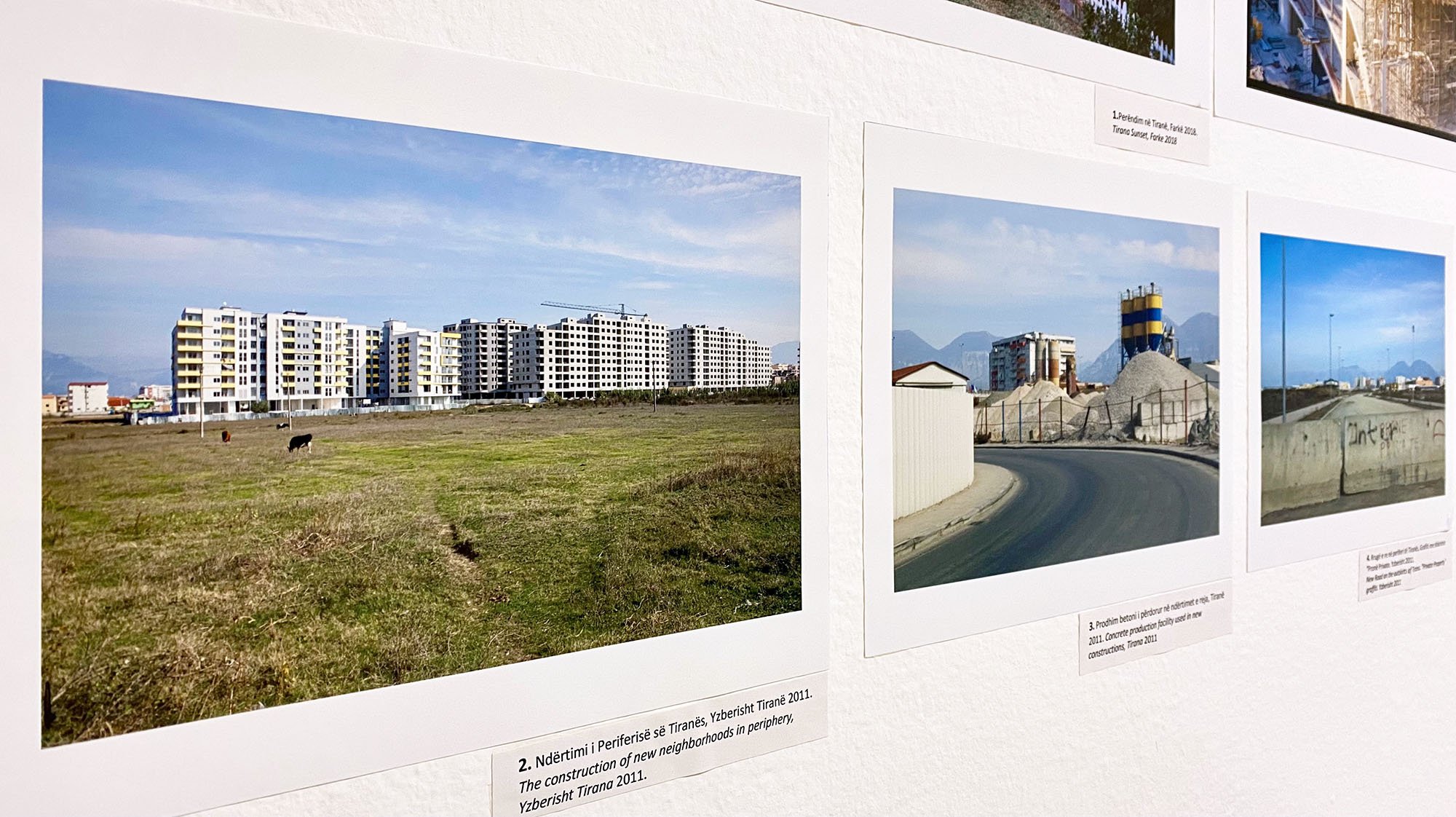
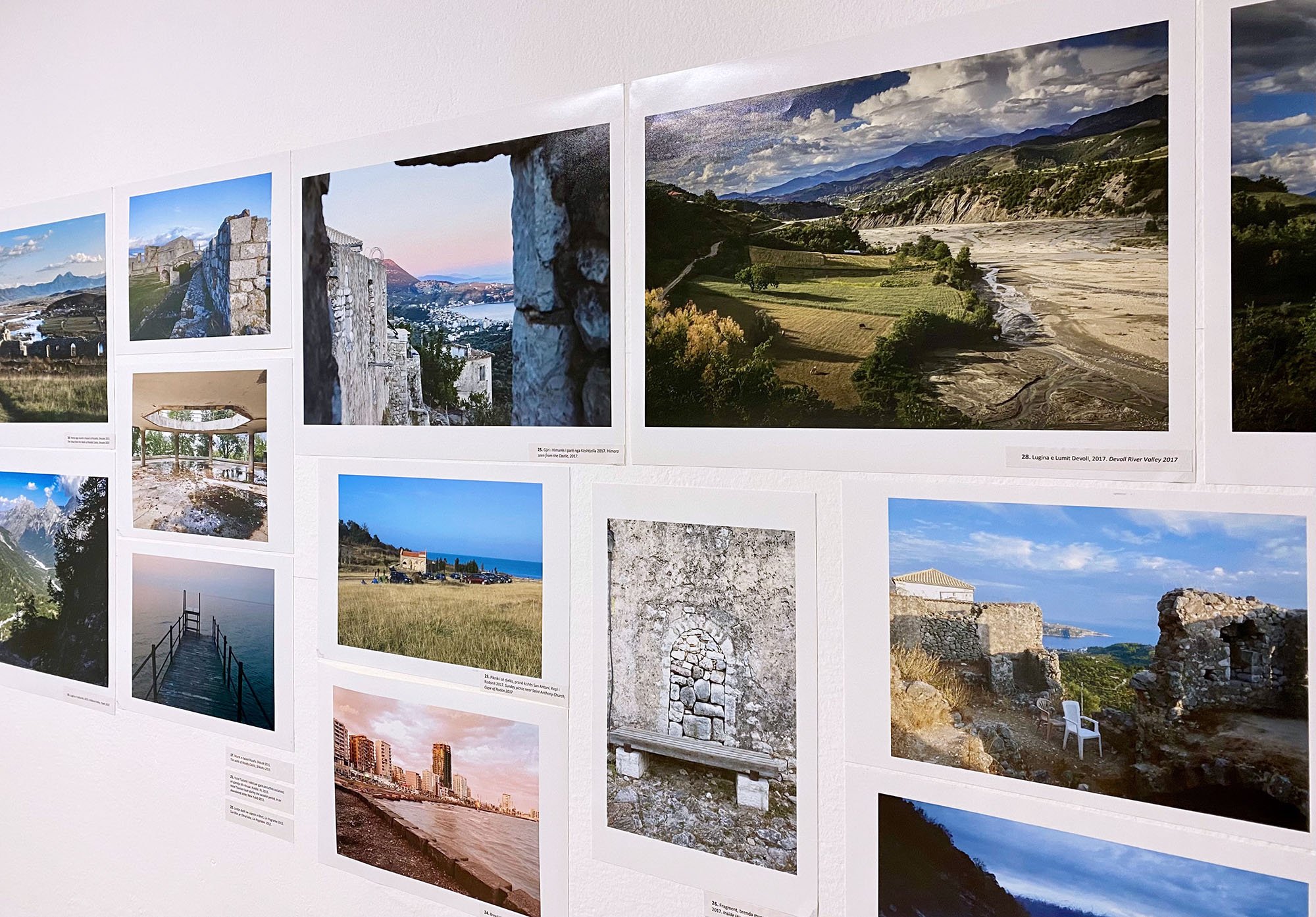
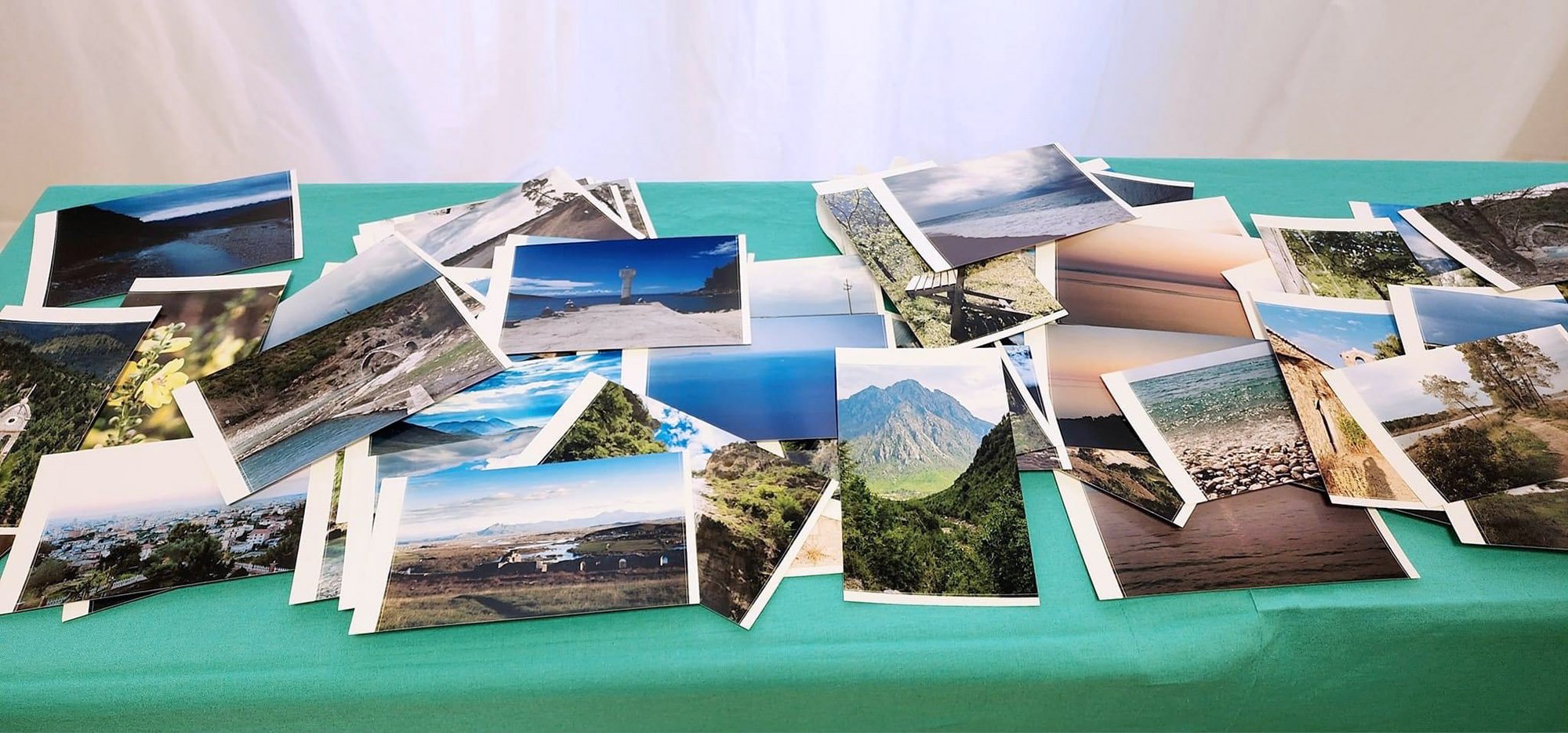
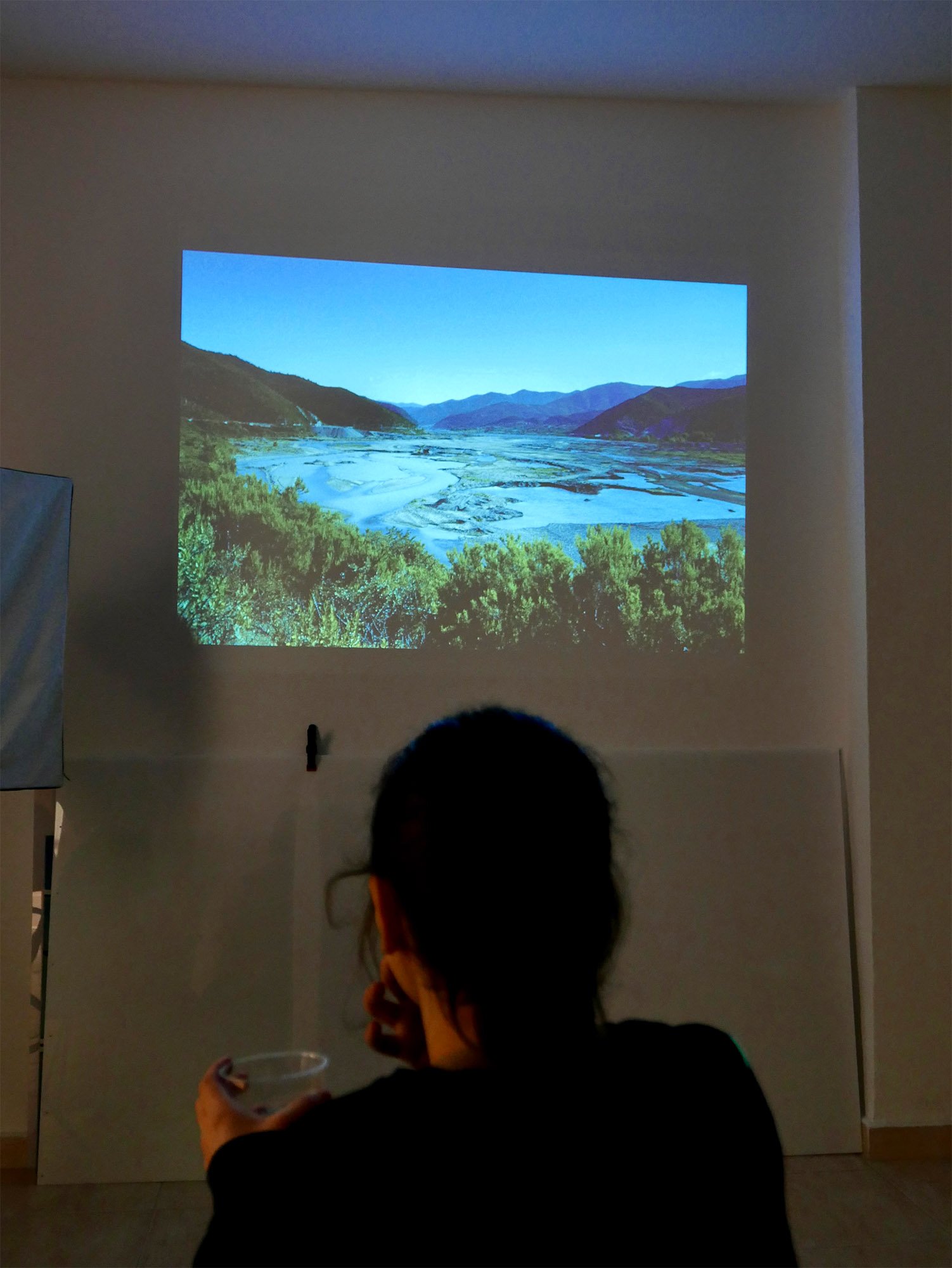
On Saturday, March 18, 2023, at 11:00 a.m., in the premises of the TATI SPACE Photography Center, is open the Exhibition "ALBANIAN SCAPES - a photographic journey into Albanian Landscape" with photography and prints by Alketa Misja. The photos are part of the photography series ALBANIAN SCAPES, that cover a period of time 2008 to 2022. A part of the prints are published in the book ALBANIAN SCAPES by the author. While another part are presented for the first time in this exhibition. The exhibition will remain open until April 22, International Earth Day.
On Saturday, March 18, 2023, at 11:00 a.m., in the premises of the TATI SPACE Photography Center, is open the Exhibition "ALBANIAN SCAPES - a photographic journey into Albanian Landscape" with photography and prints by Alketa Misja. The photos are part of the photography series ALBANIAN SCAPES, that cover a period of time 2008 to 2022. A part of the prints are published in the book ALBANIAN SCAPES by the author. While another part are presented for the first time in this exhibition. The exhibition will remain open until April 22, International Earth Day.

Project Description
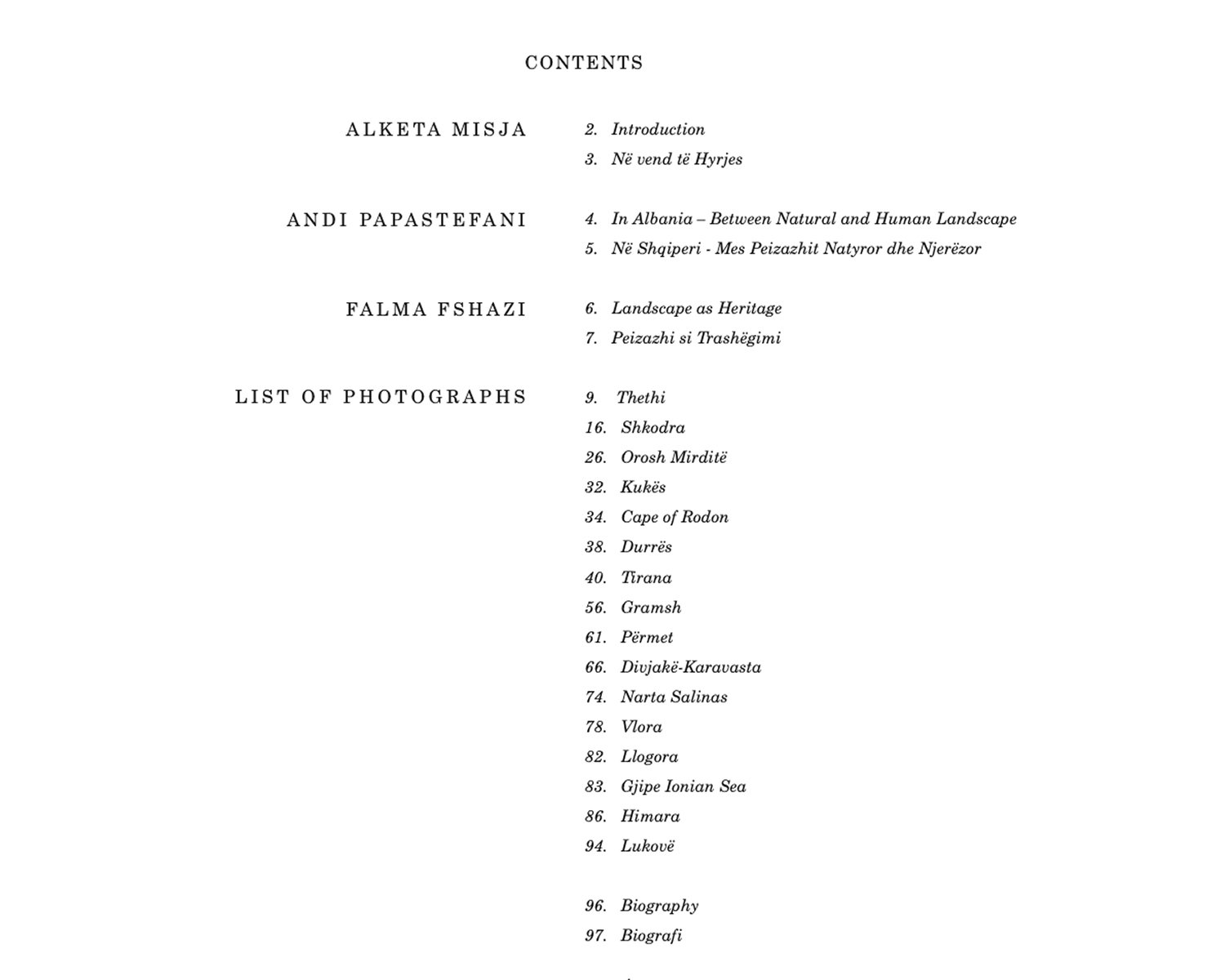
Albanian Scapes is a photographic series about the Albanian landscape, as the title suggests (Albanian + Landscapes).During these last 25 years, we have witnessed the changes that the Albanian landscape has undergone from rapid urbanization, the territory’s use for commercial purposes, and the exploitation of natural resources with no protection criteria. Photography has helped me document this transformation. For this reason, the photos serve as a moment frozen in time of a landscape that will never be the same. Alternatively, Albanian Scapes can be viewed as a meditation on the current state of the Albanian landscape, constantly shifting, much like the interests of the society of which nature is a part. The album is organized like a photographic journey from north to south, traversing the natural riches of Albania and its contrasts. On one end, we see the nature of Theth and Orosh, which remains untouched by mass tourism, and on the opposite one, the artificial landscape of Tirana, which is being transformed by mass urbanization daily.”



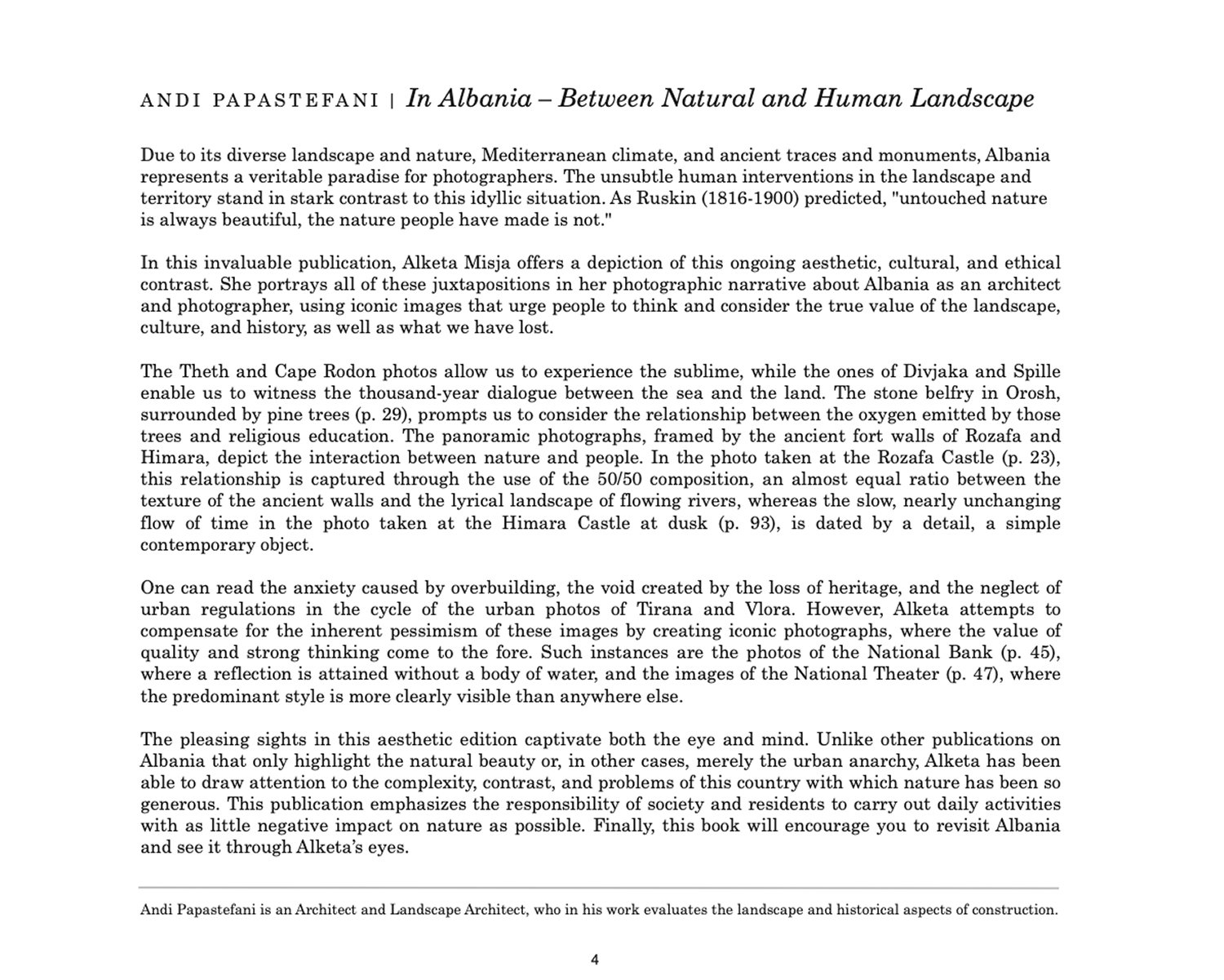
In the introduction to the book "Albanian Scapes", arch. Andi Papastefani writes- “The pleasing sights in this aesthetic edition captivate both the eye and mind. Alketa has been able to draw attention to the complexity, contrast, and problems of this country with which nature has been so generous. She portrays all of these juxtapositions in her photographic narrative about Albania as an architect and photographer, using iconic images that urge people to think and consider the true value of the landscape, culture, and history, as well as what we have lost”


While Falma Fshazi writes- “In the Albania of Albanian Scapes, we recall the cities that are permanently changing and increasingly occupied with tall buildings, bringing with it as many stories yet to be told. Many overlapping stories, managing to retain their individuality, much like the Albanian urban landscape whose transformation has continued with intensity toward the hills, plains and river banks, often entering where it does not belong, but unable to fundamentally alter the Mediterranean nature, the hospitable nature of the locals, or erase the traces of time. In Alketa's photography, the natural landscape of Albania, from Theth to Lukovë, is a watery world, one made up of fresh, salty, ice-cold, or healing and warm waters that, when not adorning the rocky peaks, twist and turn through the plains protected by vertical mountains. Blue waters and white waters, shallow waters and deep waters, an ecological heritage, as much as the living memory of things, species and people who come to us through photographs, in a search for meaning for Albanians, Europeans and the worlds of tomorrow.”
Available on Amazon and Blurb Bookstore
Amazon Store: ISBN Hardcover, ImageWrap: 9798881301958
Blurb Bookstore: ISBN Hardcover, ImageWrap: 9798881287856
Blurb Bookstore: ISBN Hardcover, Dust Jacket: 9798210988904
Language: English, Albanian
Standard Landscape, 10x8 inch, 25x20cm
100 pages, 87 photos, Premium Lustre Paper

PhotoBook "Albanian Scapes"
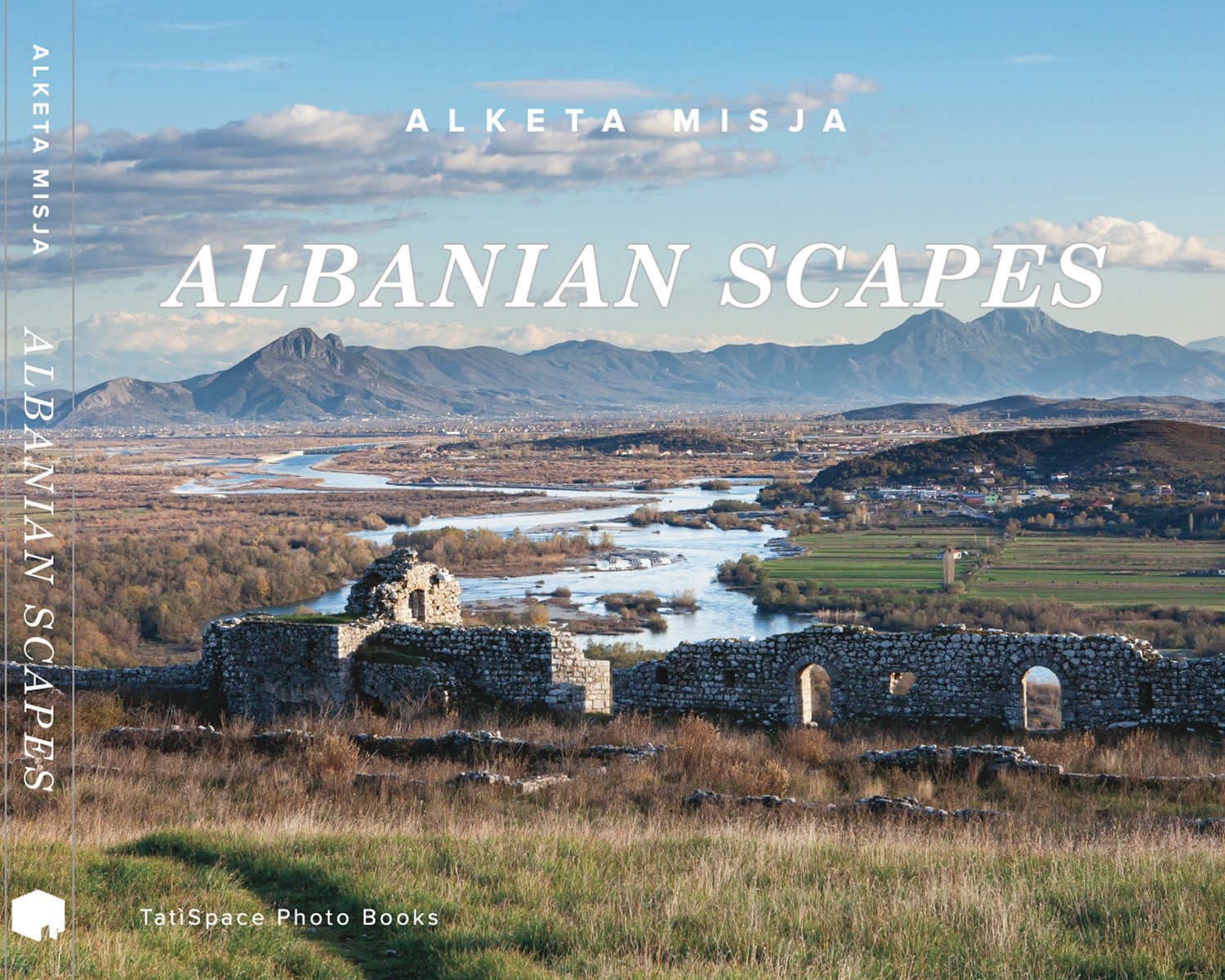
The Photobook "Albanian Scapes" is the first publication of Tati Space, with photographs by Alketa Misja and foreword by Andi Papastefani and Falma Fshazi. Now available on Amazon and Blurb Bookstore. A photographic journey into Albanian Landscape as seen from an architect and urban planner. A Landscape in a constant transformation under the pressure of human activities and rapid urbanization. A fragile landscape that will not be the same.

Albanian Scapes, Alketa Misja
The Photobook "Albanian Scapes" is the first publication of Tati Space, with photographs by Alketa Misja and foreword by Andi Papastefani and Falma Fshazi.
Now available on Amazon and Blurb Bookstore
Amazon Store: ISBN Hardcover, ImageWrap: 9798881301958
Blurb Bookstore: ISBN Hardcover, ImageWrap: 9798881287856
Blurb Bookstore: ISBN Hardcover, Dust Jacket: 9798210988904
Language: English, Albanian
Standard Landscape, 10x8 inch, 25x20cm
100 pages, 87 photos, Premium Lustre Paper
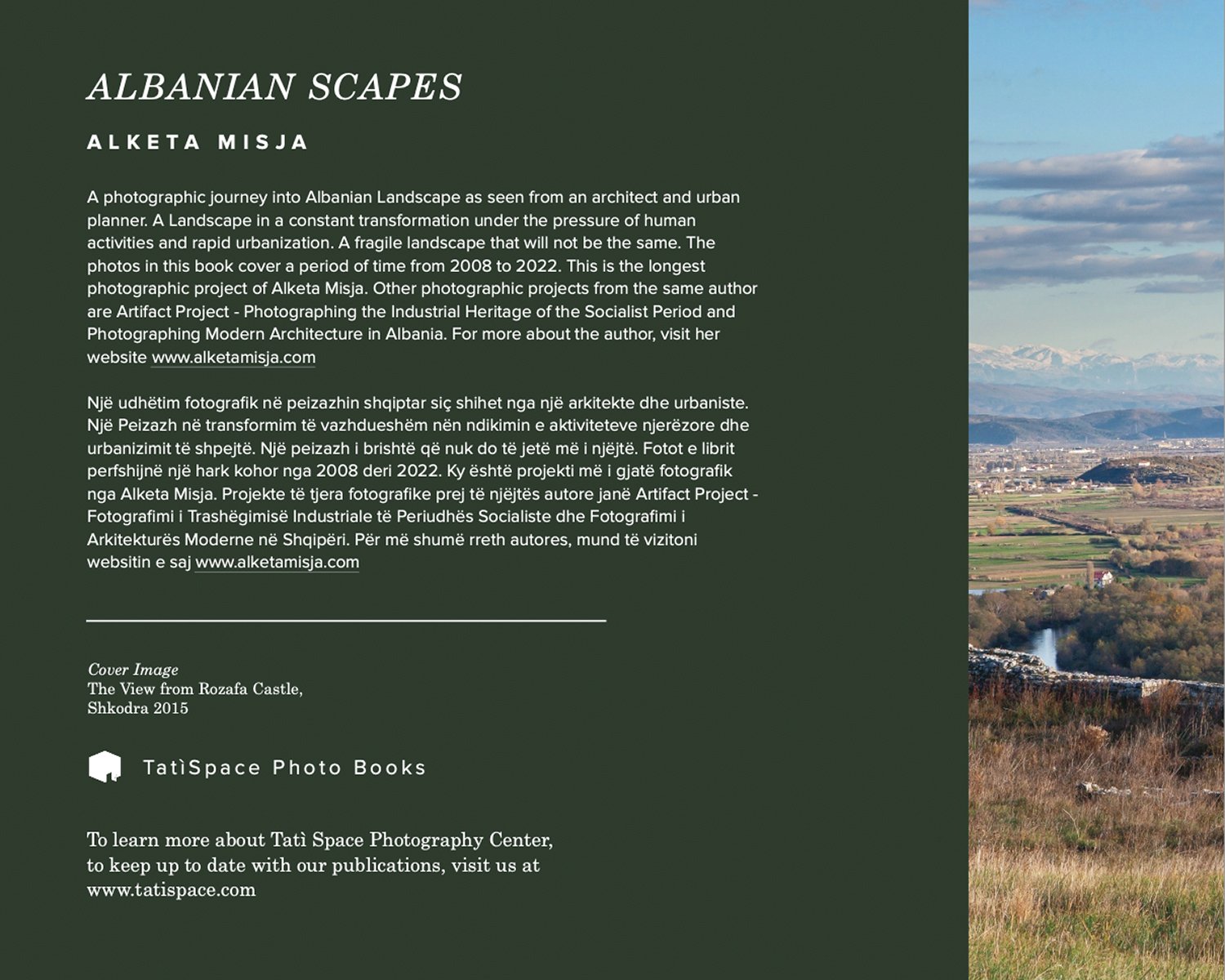
A photographic journey into Albanian Landscape as seen from an architect and urban planner. A Landscape in a constant transformation under the pressure of human activities and rapid urbanization. A fragile landscape that will not be the same. The photos in this book cover a period of time from 2008 to 2022. This is the longest photographic project of Alketa Misja. Other photographic projects from the same author are Artifact Project - Photographing the Industrial Heritage of the Socialist Period and Photographing Modern Architecture in Albania.
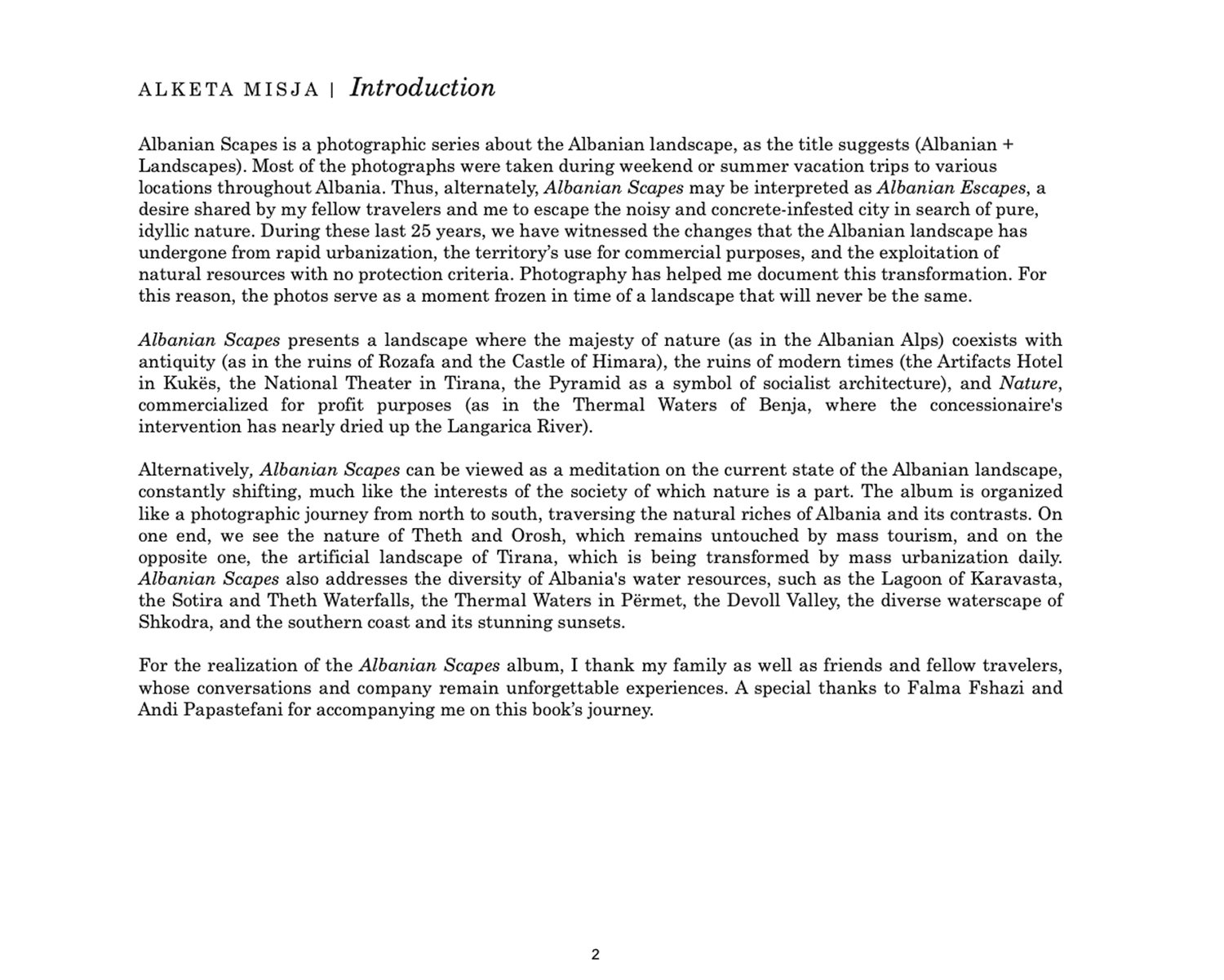
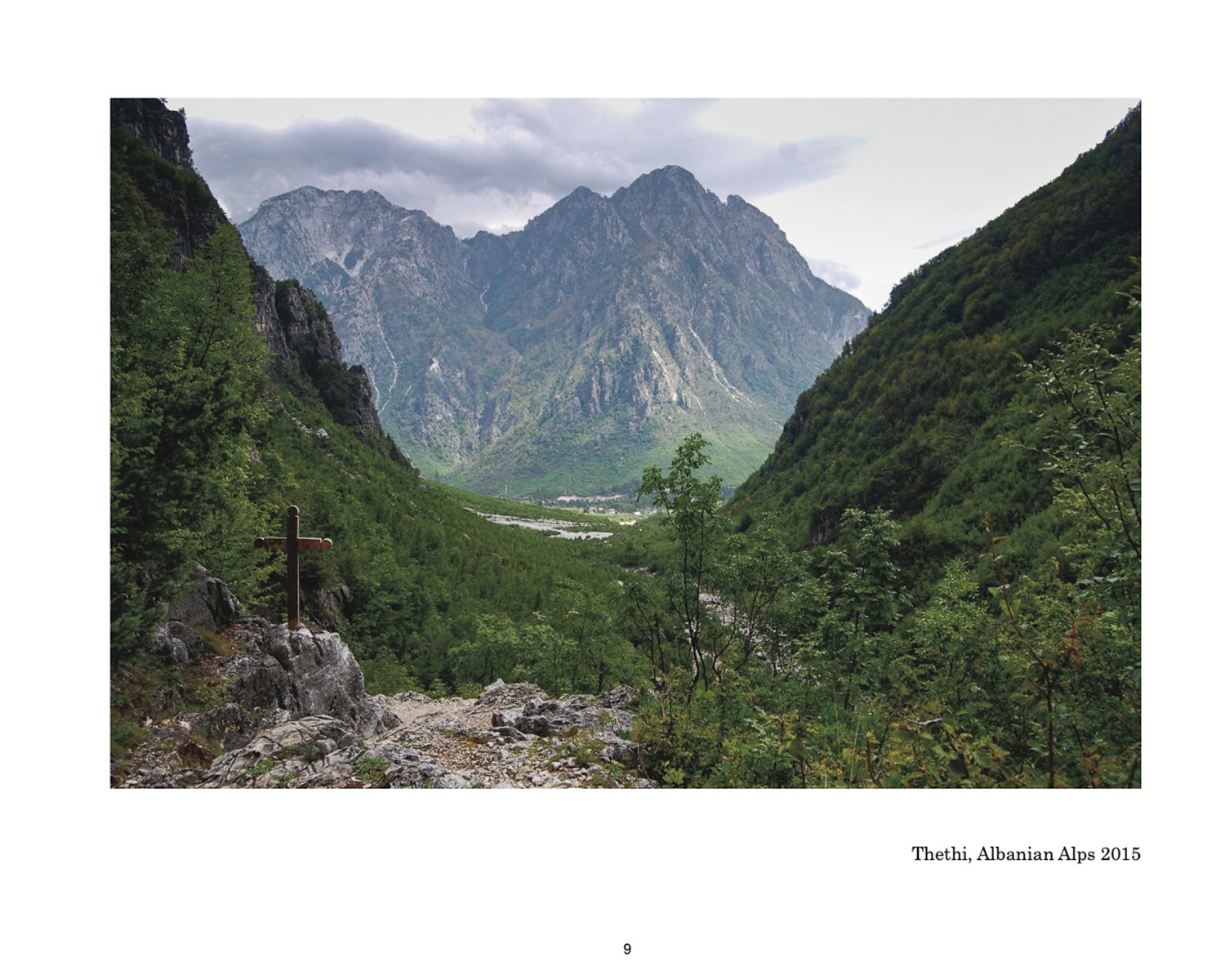
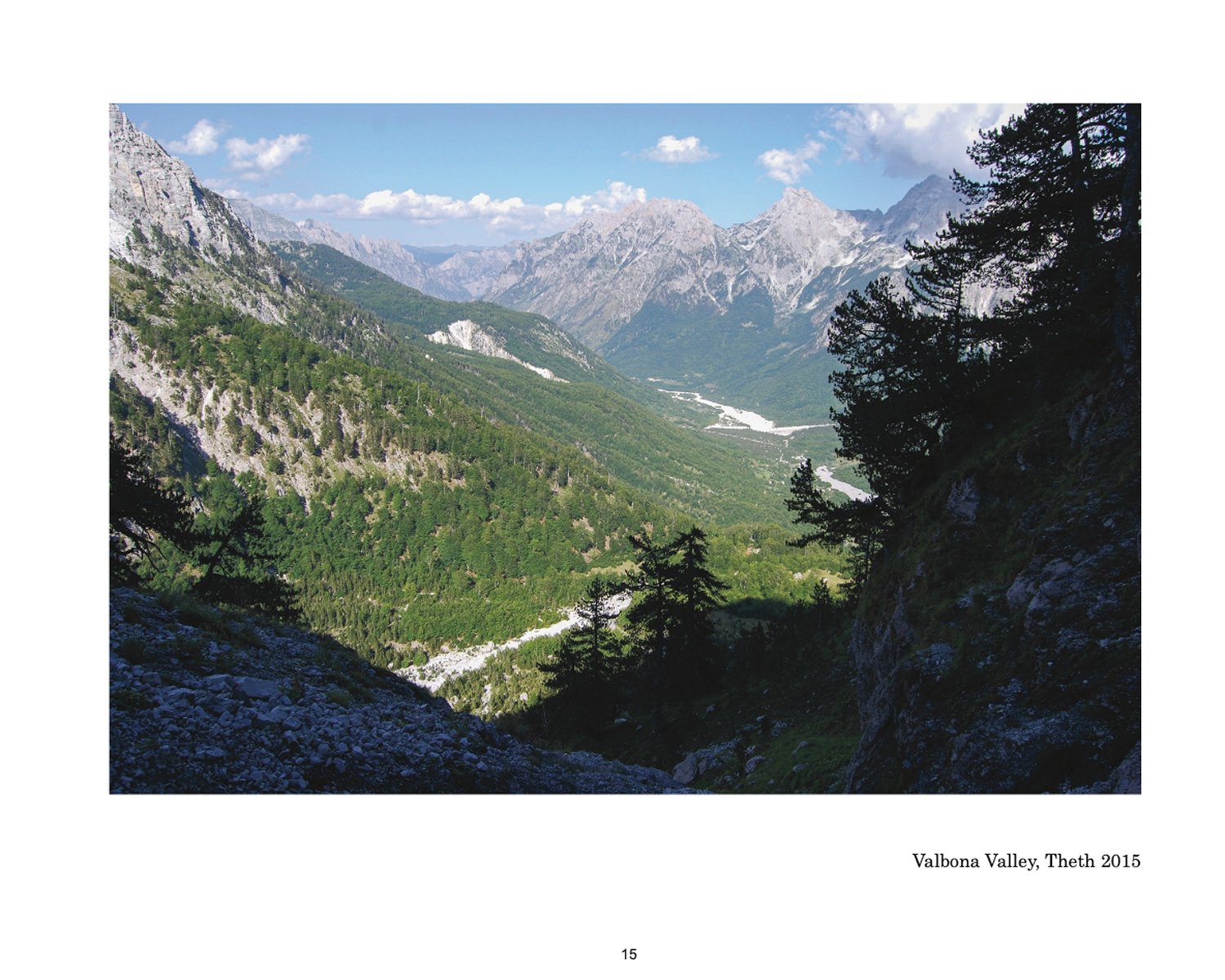
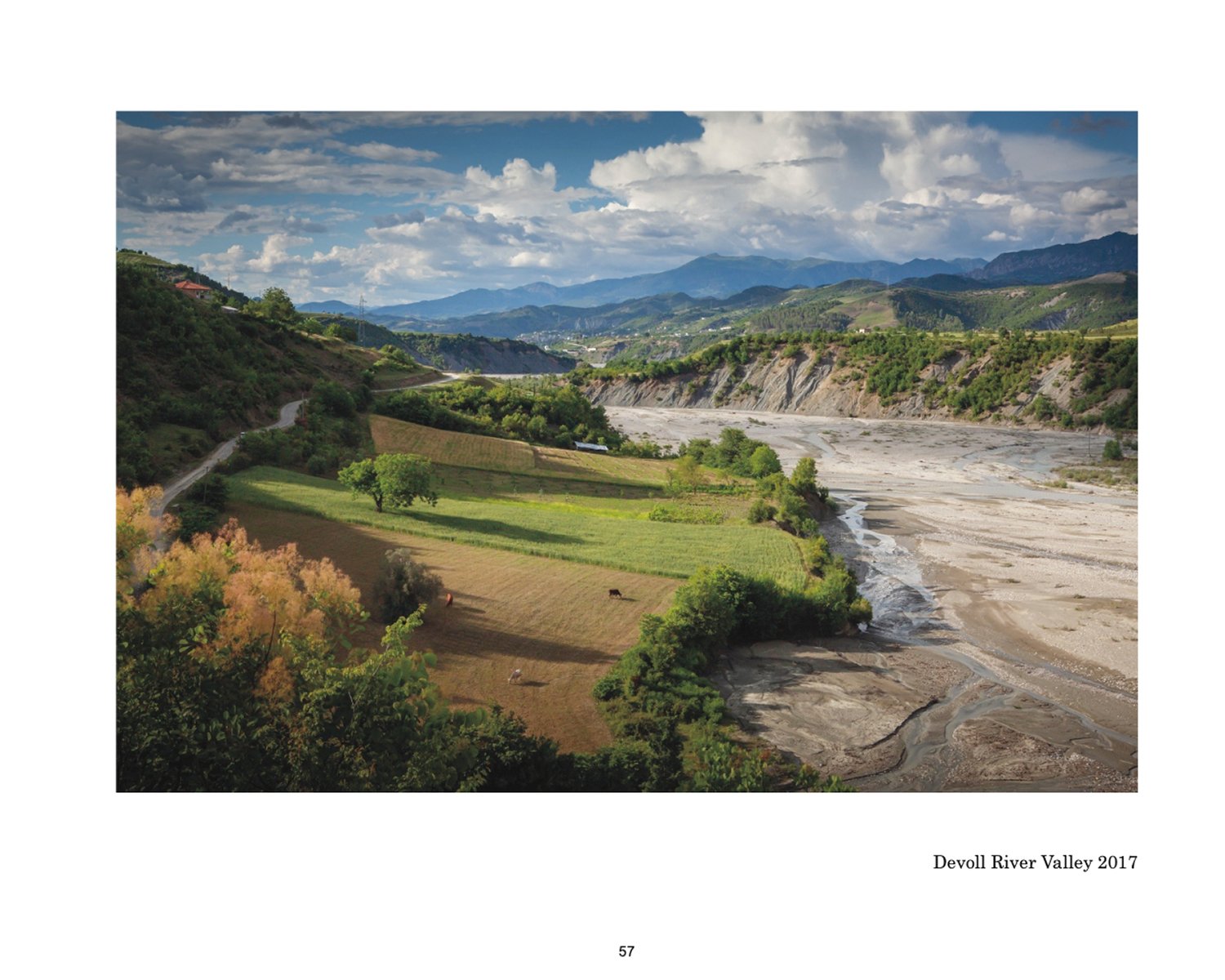
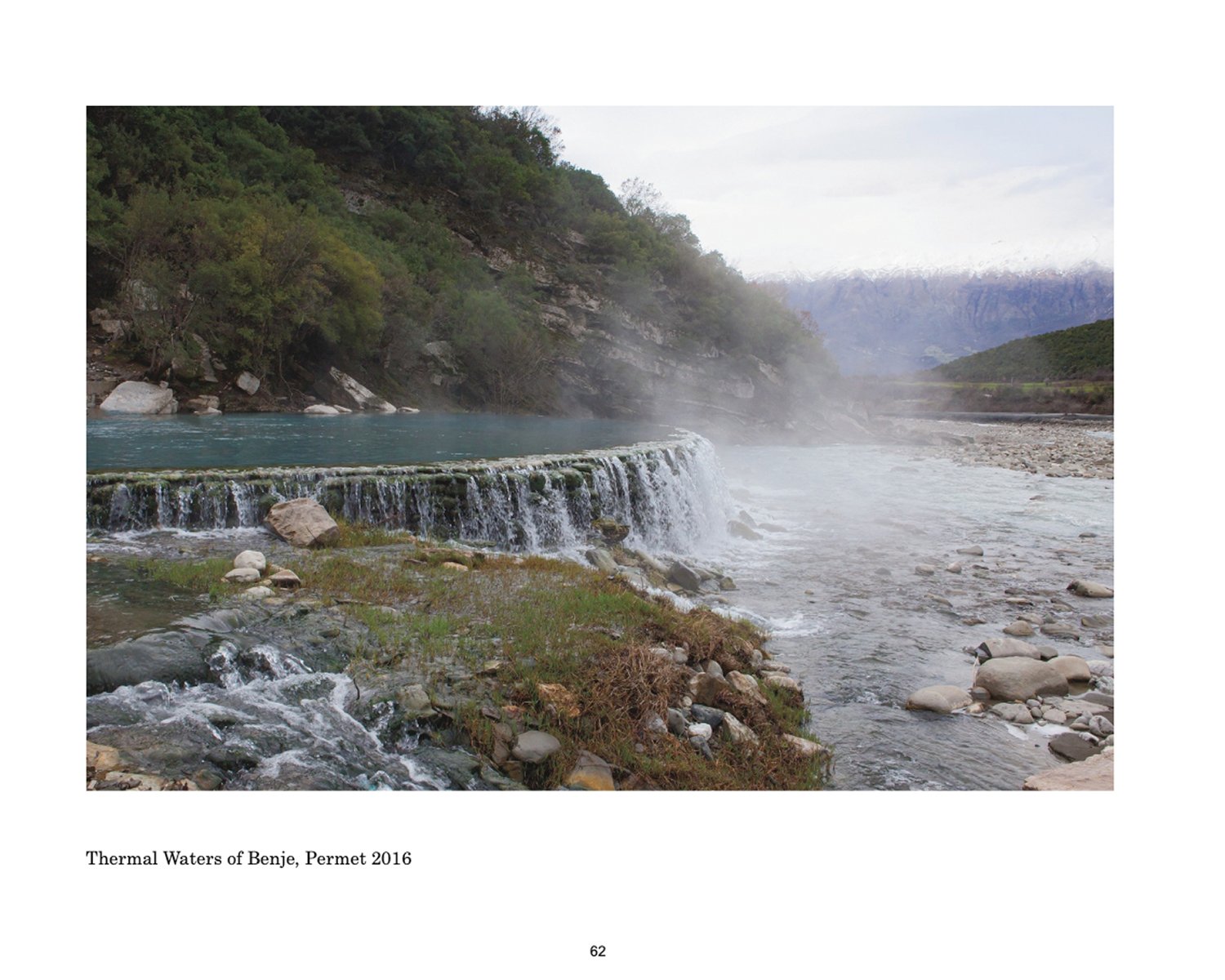
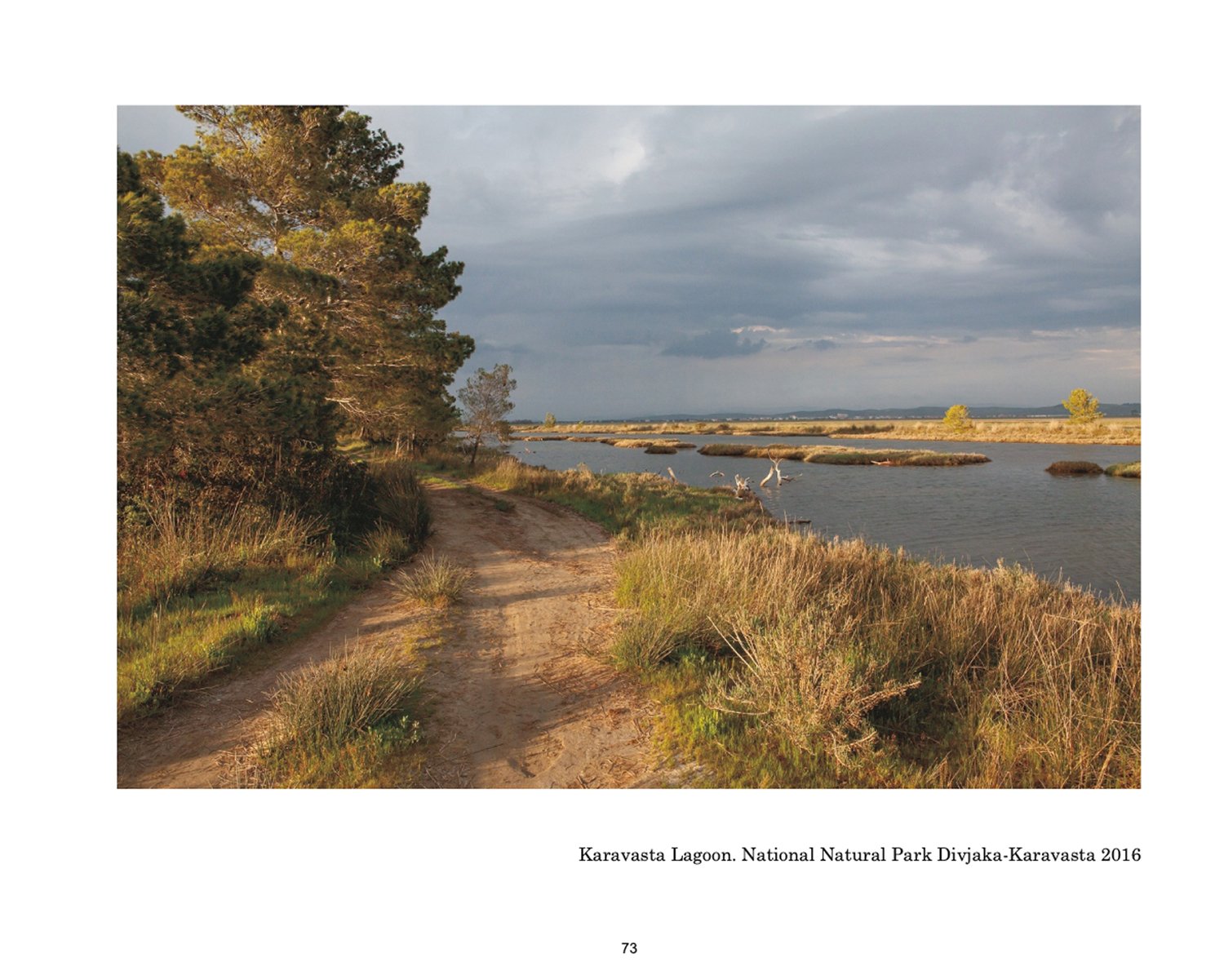
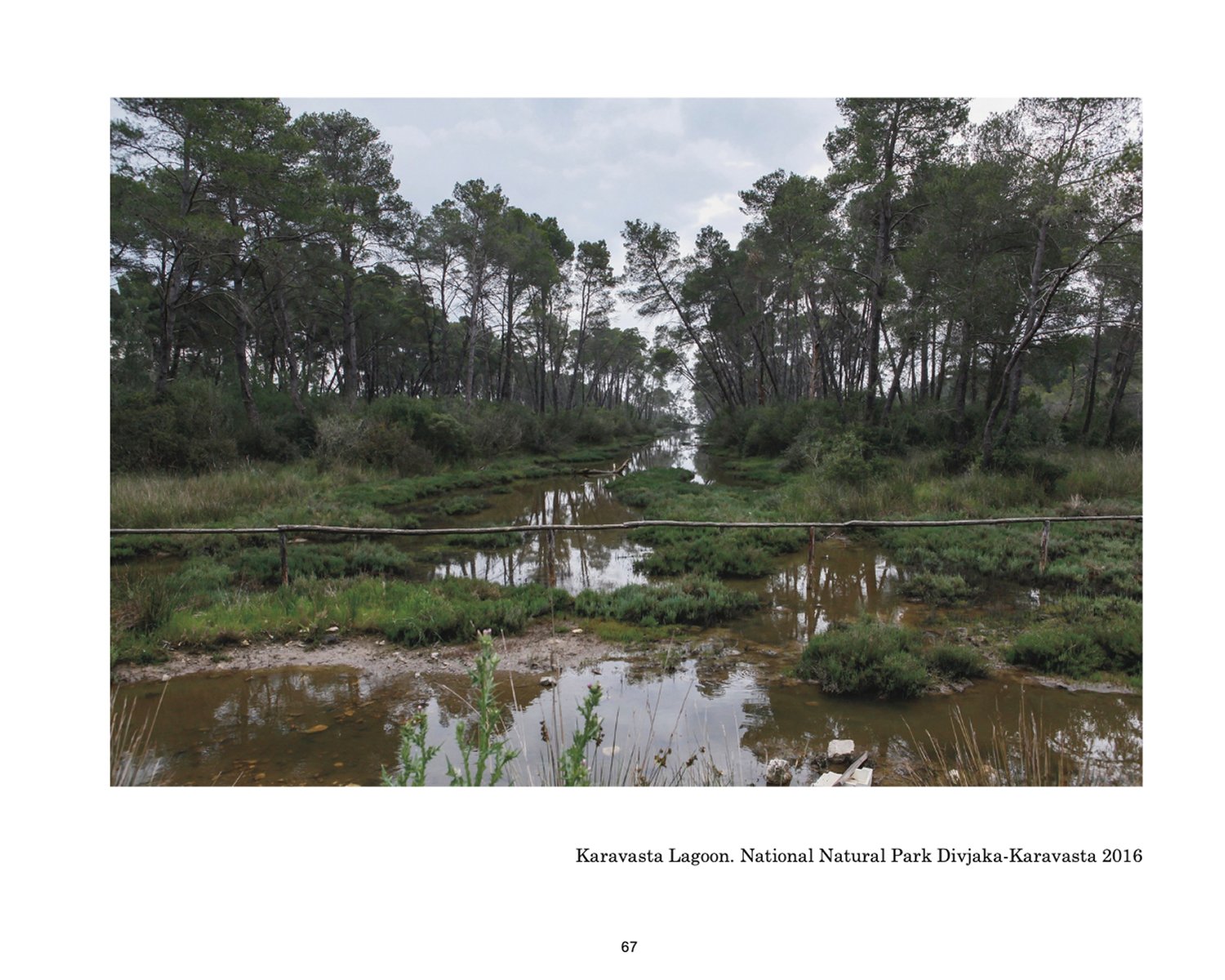
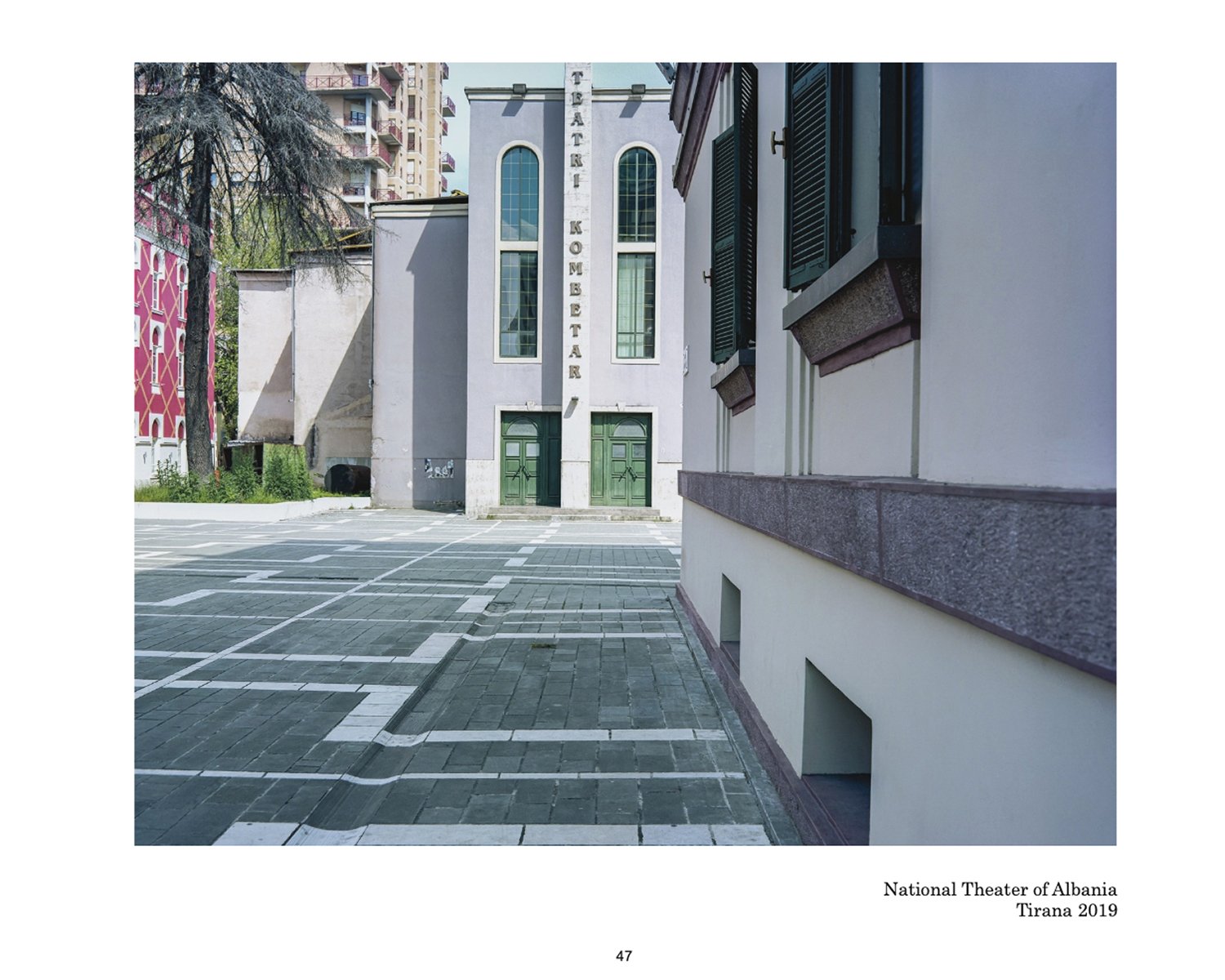
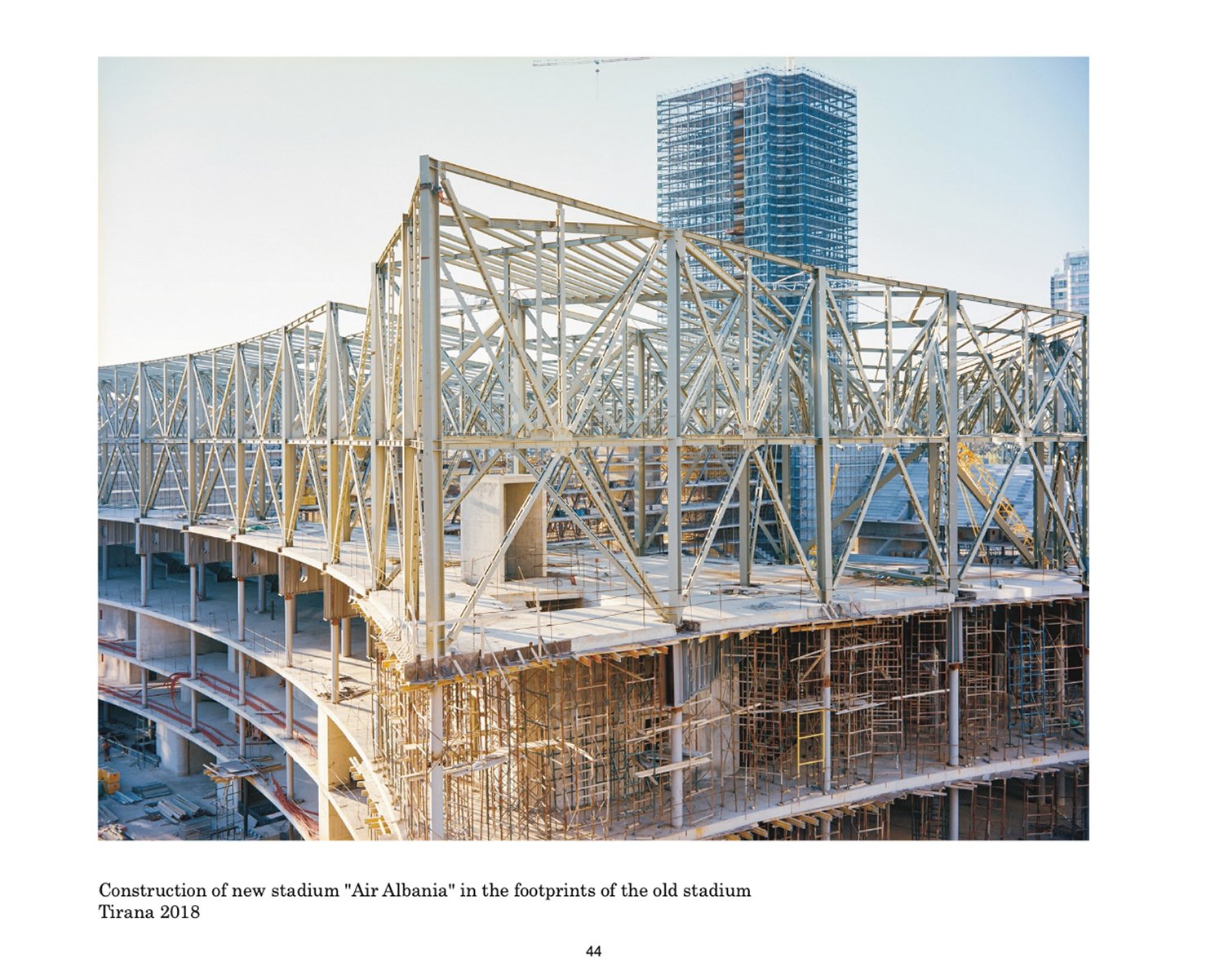
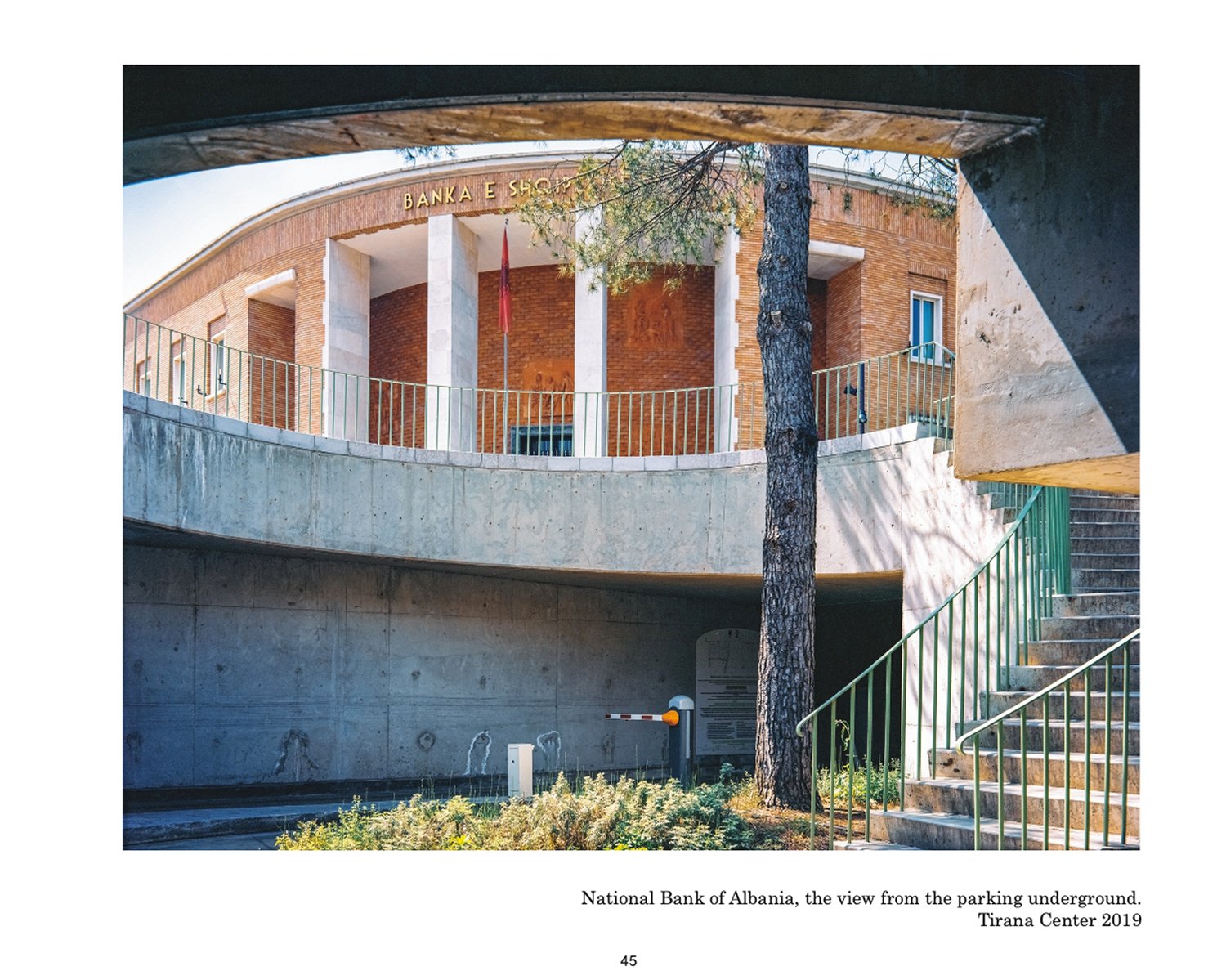
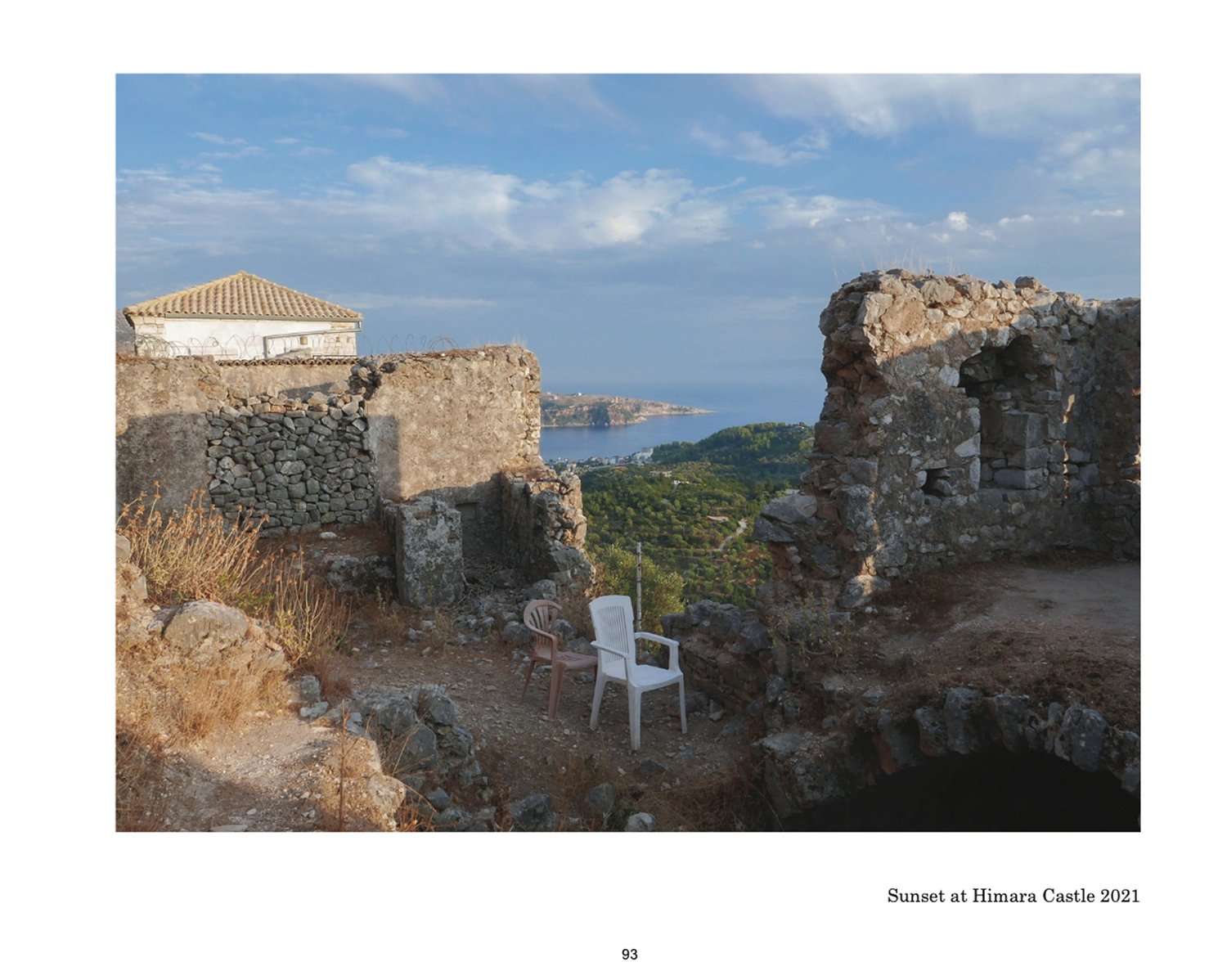
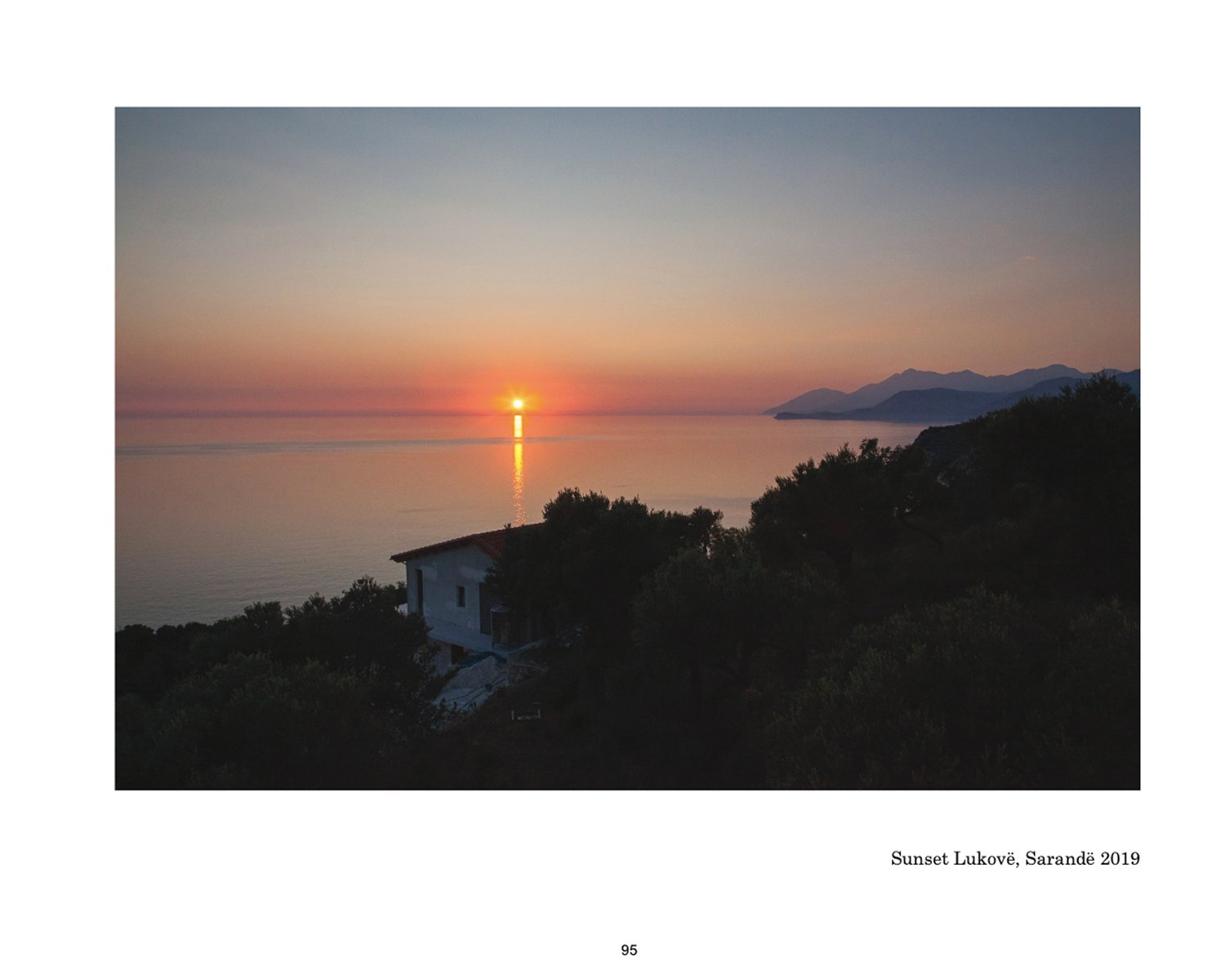
In her preface Landscape as Heritage, Falma Fshazi writes: “Through Alketa Misja's work, the landscape of Albania becomes an album made of hundreds of pages. Each photo is a small booklet of natural history, ecology, or urbanization. All together, the photographs document the Albanian heritage and landscape as heritage.
In the Albania of Albanian Scapes, we recall the cities that are permanently changing and increasingly occupied with tall buildings, bringing with it as many stories yet to be told. Many overlapping stories, managing to retain their individuality, much like the Albanian urban landscape whose transformation has continued with intensity toward the hills, plains and river banks, often entering where it does not belong, but unable to fundamentally alter the Mediterranean nature, the hospitable nature of the locals, or erase the traces of time.”
In his preface In Albania- Between Natural and Human Landscape, Andi Papastefani writes- “In this invaluable publication, Alketa Misja offers a depiction of this ongoing aesthetic, cultural, and ethical contrast. She portrays all of these juxtapositions in her photographic narrative about Albania as an architect and photographer, using iconic images that urge people to think and consider the true value of the landscape, culture, and history, as well as what we have lost.
The pleasing sights in this aesthetic edition captivate both the eye and mind. Unlike other publications on Albania that only highlight the natural beauty or, in other cases, merely the urban anarchy, Alketa has been able to draw attention to the complexity, contrast, and problems of this country with which nature has been so generous. This publication emphasizes the responsibility of society and residents to carry out daily activities with as little negative impact on nature as possible.”