
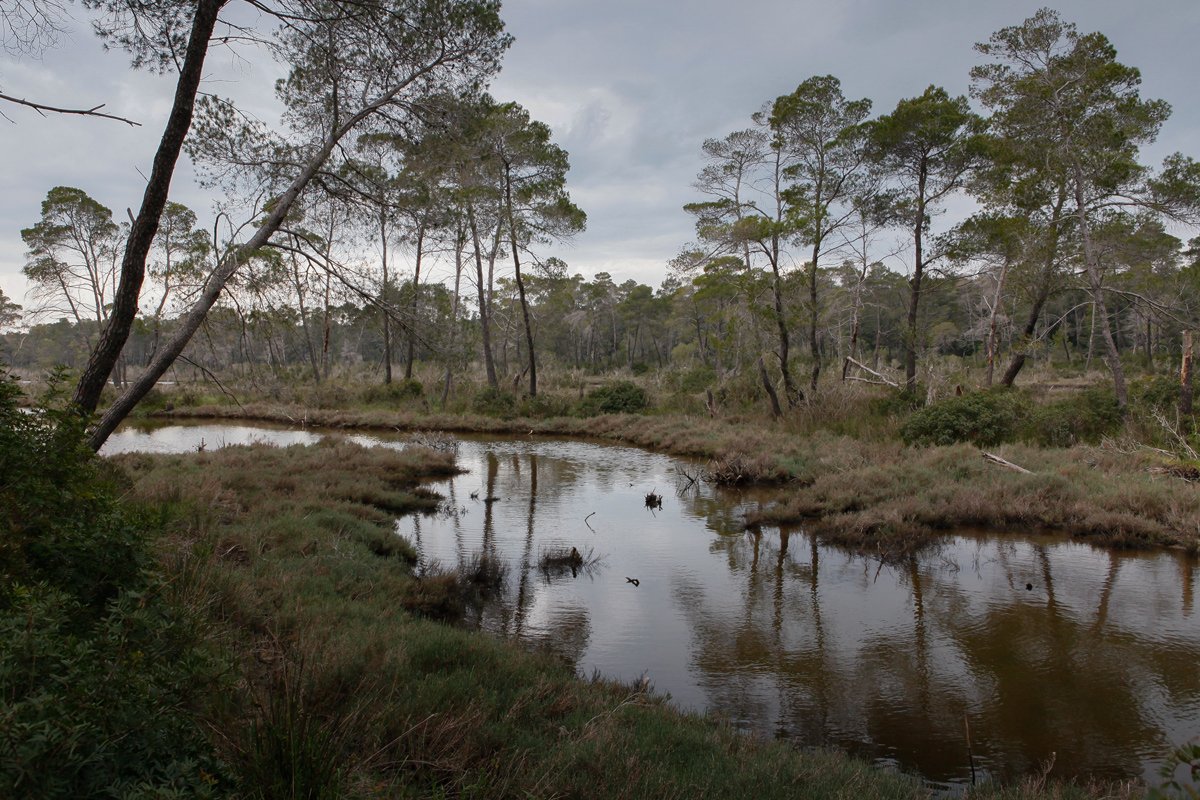
The Importance of Protected Areas
Protected areas in Albania represent territories of significant natural, ecological, economic, and cultural value, whose conservation and sustainable management are essential for ensuring long-term development. These areas encompass a wide variety of ecosystems, from mountainous regions and forests to wetlands, rivers, lakes, and coastal environments.
by:
Dritan Dhora (text)*
Alketa Misja (photography)**
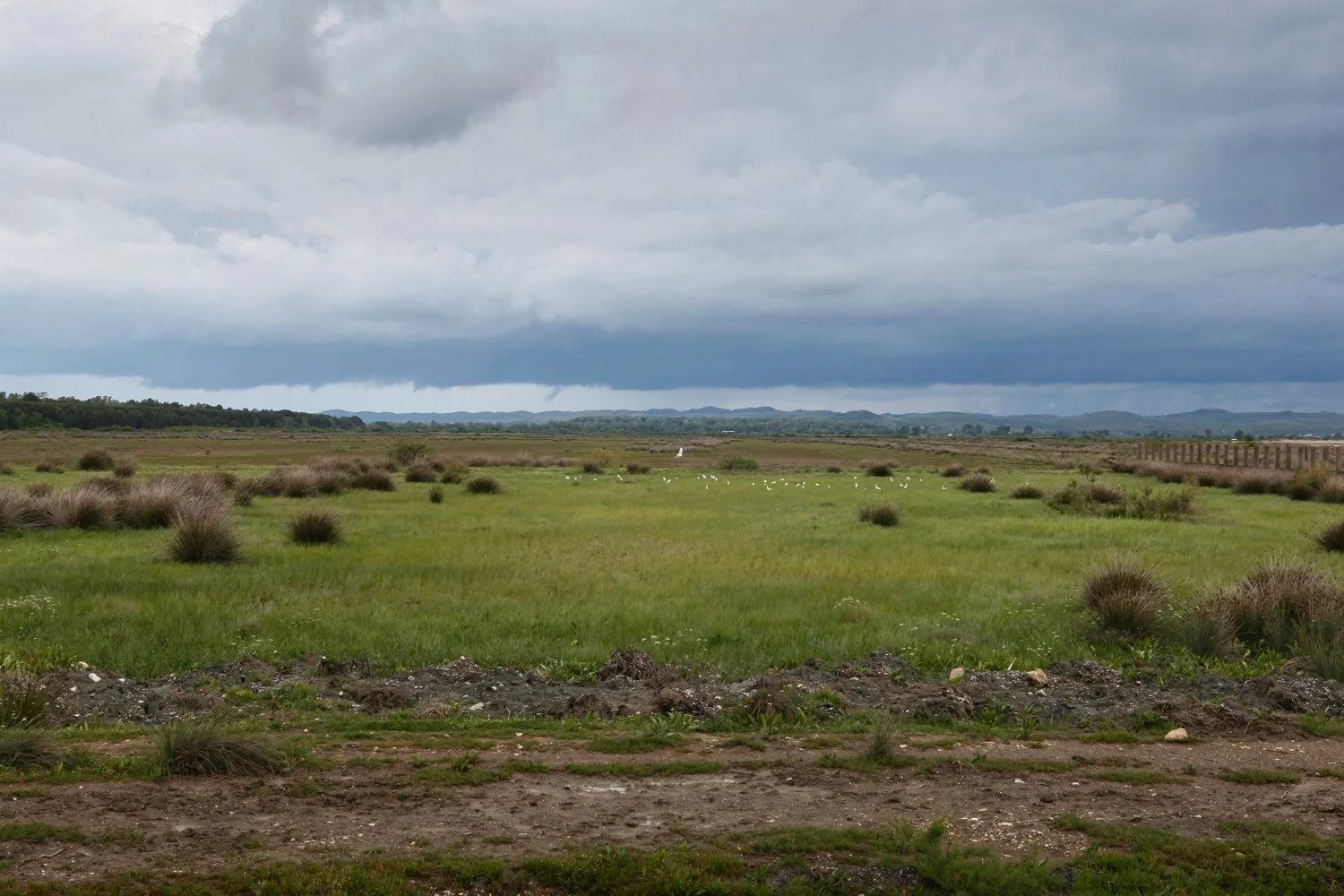
National Park Divjakë-Karavasta, Albania © Alketa Misja
Protected areas in Albania represent territories of significant natural, ecological, economic, and cultural value, whose conservation and sustainable management are essential for ensuring long-term development. These territories encompass a wide variety of ecosystems, from mountainous areas and forests to wetlands, rivers, lakes, and coastal environments. Due to their rich biodiversity and natural resources, protected areas play an important role in maintaining ecological balance and ensuring the essential ecosystem services that nature provides to society.
Their ecological importance is particularly related to the conservation of biodiversity and natural habitats. They provide conditions for the survival of numerous species of flora and fauna, including endemic and endangered species. At the same time, protected ecosystems contribute to regulating the water cycle, preventing soil erosion, absorbing carbon, and mitigating the impacts of climate change.
From an economic perspective, protected areas offer a wide range of resources and opportunities for sustainable development. The rational management of forests can provide timber products, while medicinal and aromatic plants represent significant potential for the rural economy and processing industries. In addition, agricultural land and pastures surrounding these areas support farming and livestock activities, while rivers, lakes, and coastal areas create opportunities for sustainable fishing. Alongside these resources, the development of ecotourism, agritourism, and nature-based tourism can generate income and employment opportunities for local communities.
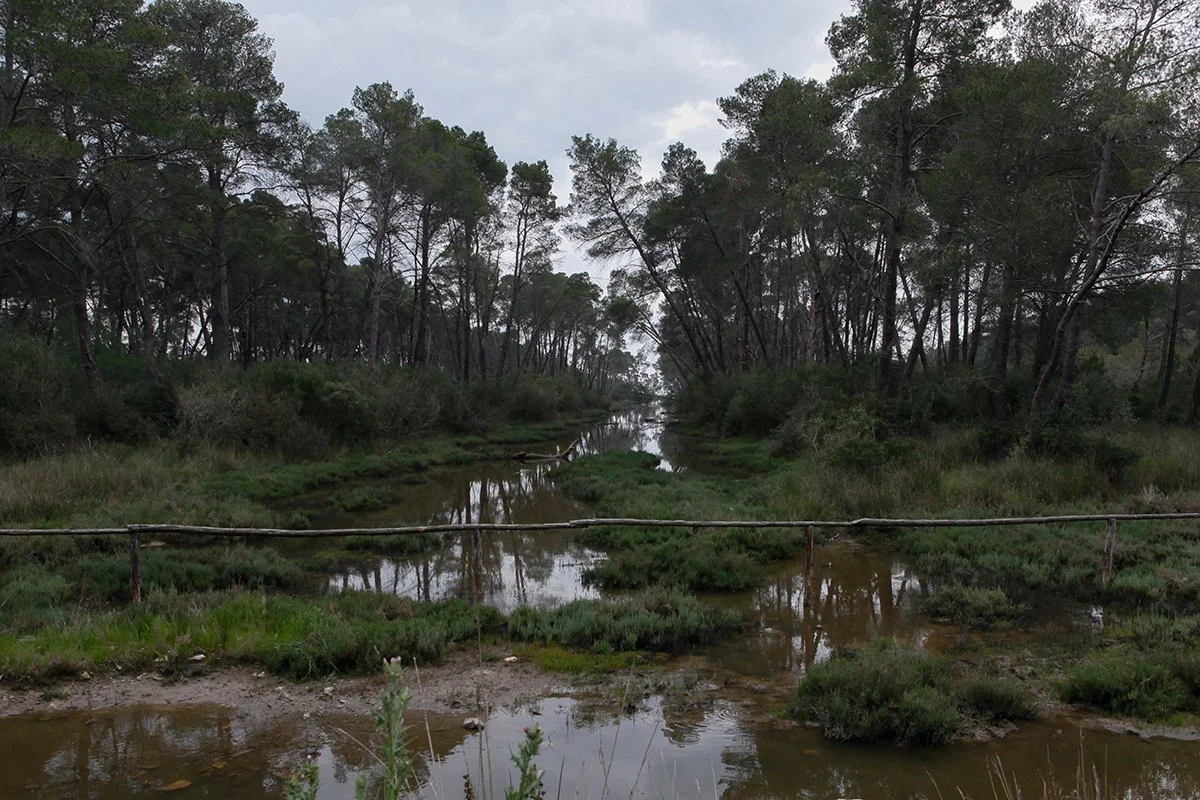
Karavasta Lagoon within the National Park Divjakë-Karavasta, © Alketa Misja
Finally, protected areas are of direct importance to public health and quality of life. Forests and natural ecosystems contribute to filtering air pollutants, producing oxygen, and regulating temperatures. The conservation of wetlands and water basins helps improve water quality, naturally filter pollutants, and ensure safer water resources for local communities. At the same time, the protection of soils reduces erosion and degradation, while the conservation of natural ecosystems helps prevent flooding and supports more effective water resource management. Natural areas also provide opportunities for physical activity, recreation, and relaxation, contributing positively to the physical and psychological well-being of individuals. For these reasons, the conservation and effective management of protected areas should be regarded as a strategic investment in Albania’s natural capital, public health, economic sustainability, and the preservation of ecosystem balance for future generations.
Karavasta Lagoon within the National Park Divjakë-Karavasta, © Alketa Misja
Potential Profitable Economic Activities in a Protected Area:
Sustainable agriculture
Traditional livestock farming
Beekeeping
Agritourism
Ecotourism
Mountain tourism
Adventure tourism
Rural tourism
Cultural tourism
Camping and glamping (camping with more luxurious eco-accommodation)
Tourist guiding and nature interpretation
Tourist accommodation (guesthouses, homestays)
Gastronomy and restaurants featuring local products
Sustainable fishing (where permitted)
Traditional aquaculture (in designated areas)
Collection and marketing of medicinal and aromatic plants
Collection and marketing of wild fruits, mushrooms, and other non-timber forest products (where permitted)
Processing and sale of agricultural and livestock products
Processing and marketing of honey and other beekeeping products
Traditional crafts and handicrafts
Production and sale of souvenirs
Nature photography and videography for commercial purposes
Organization of outdoor recreational activities (hiking, cycling, kayaking, horseback riding, etc., in accordance with applicable regulations)
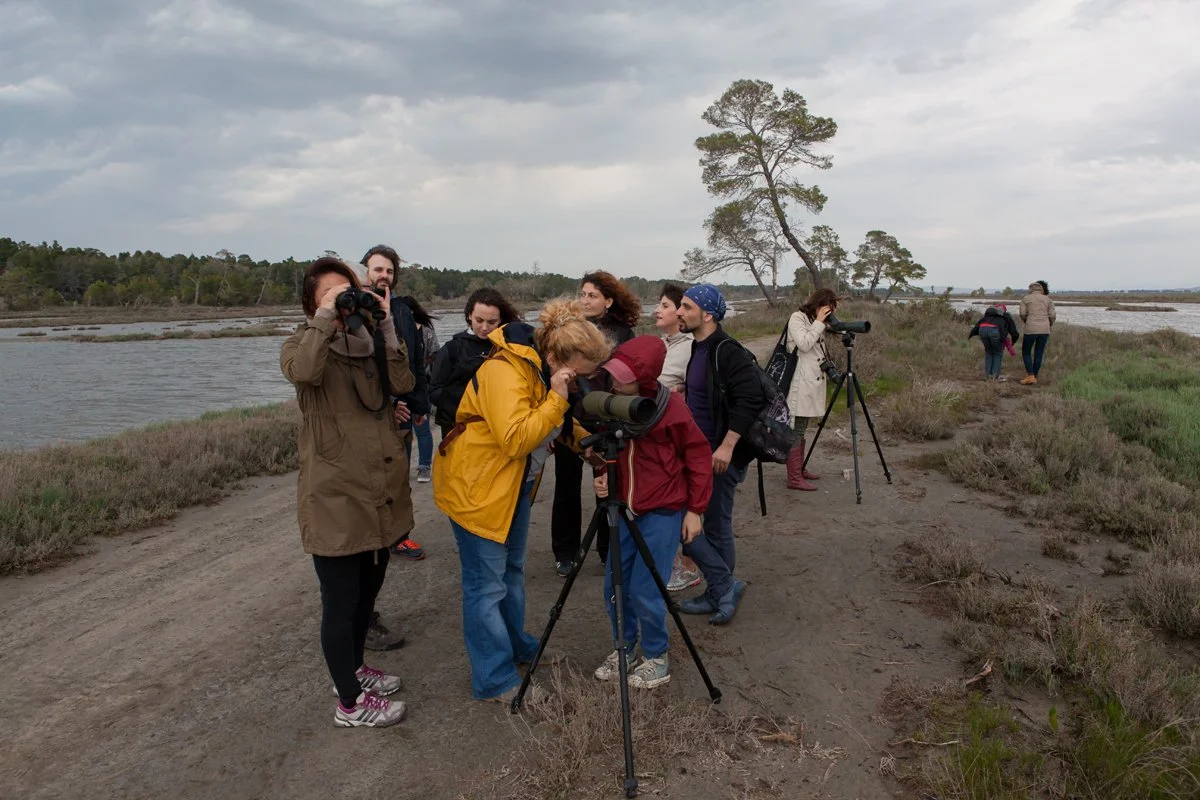
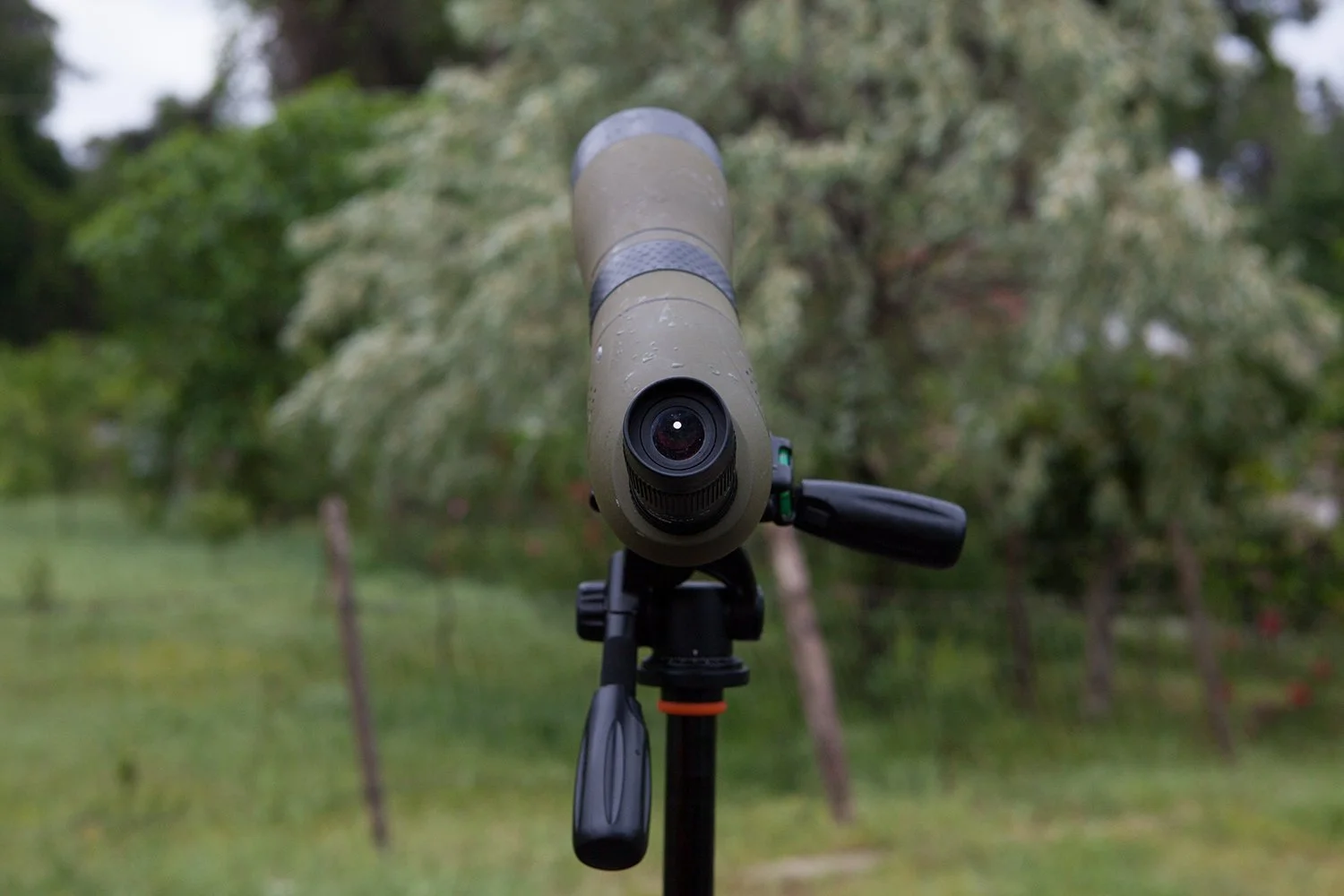
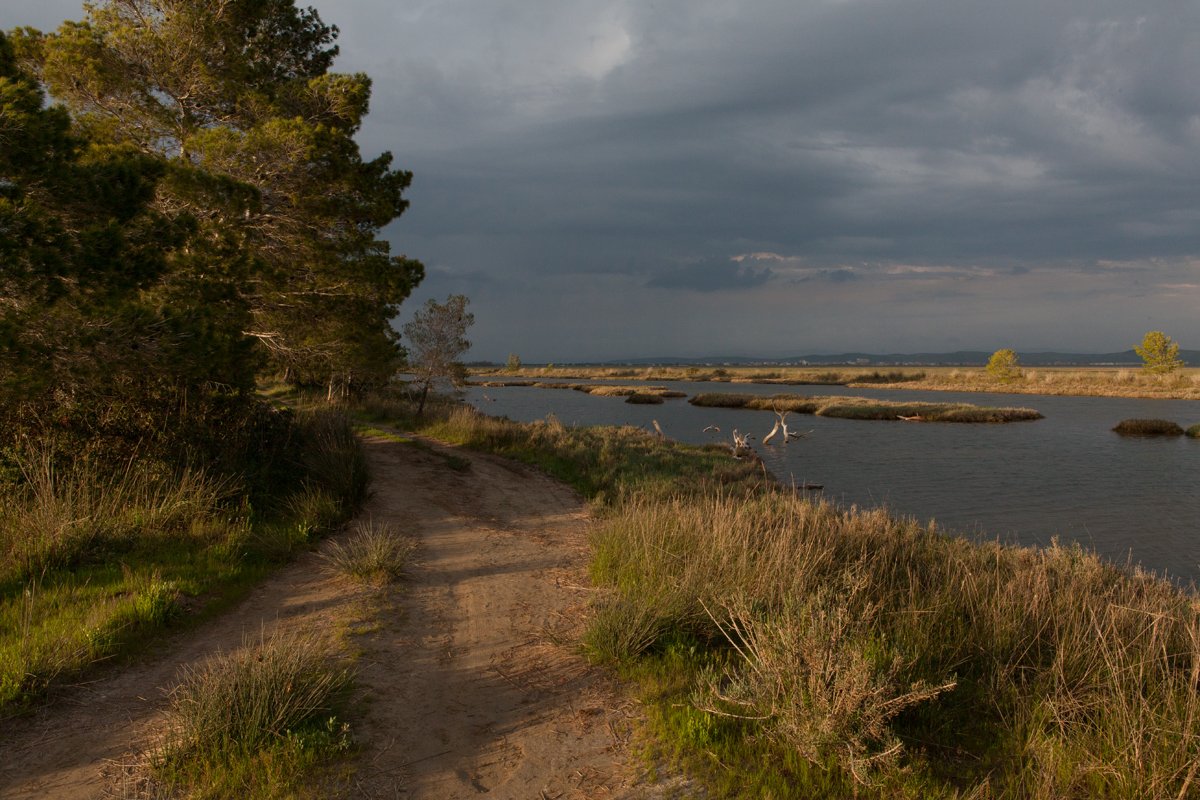
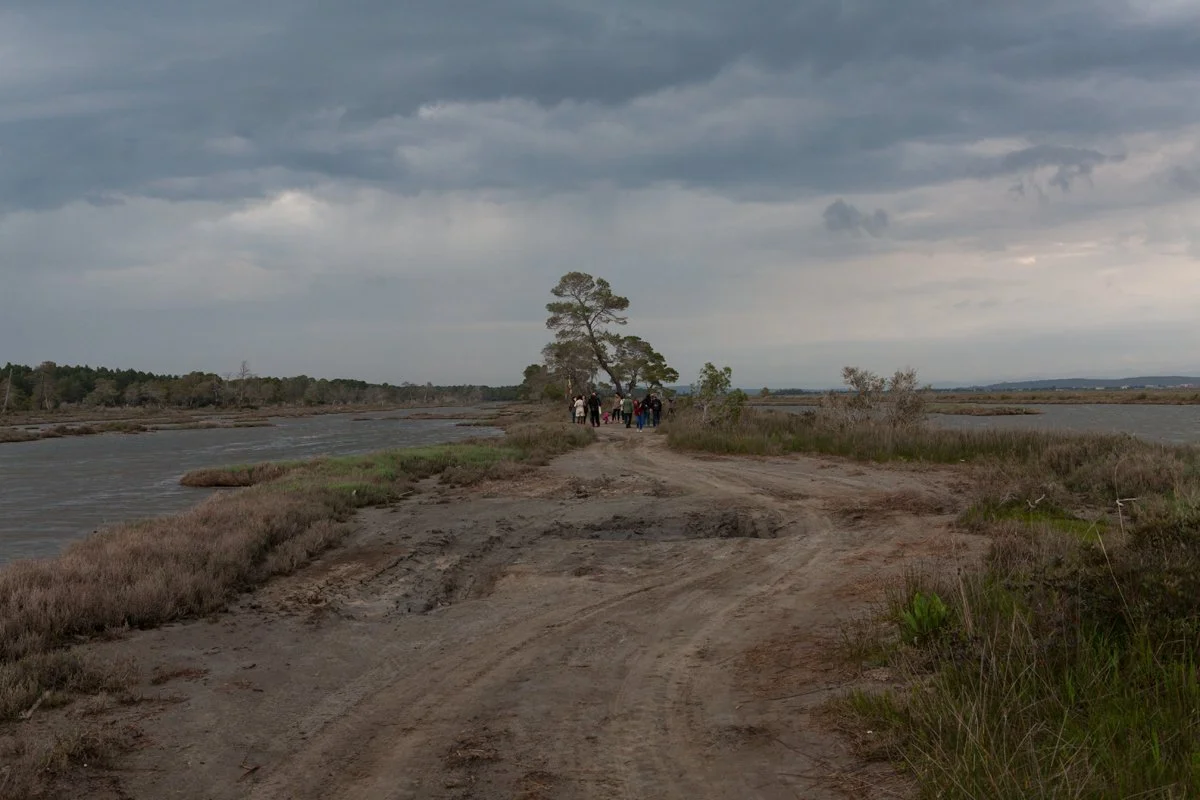
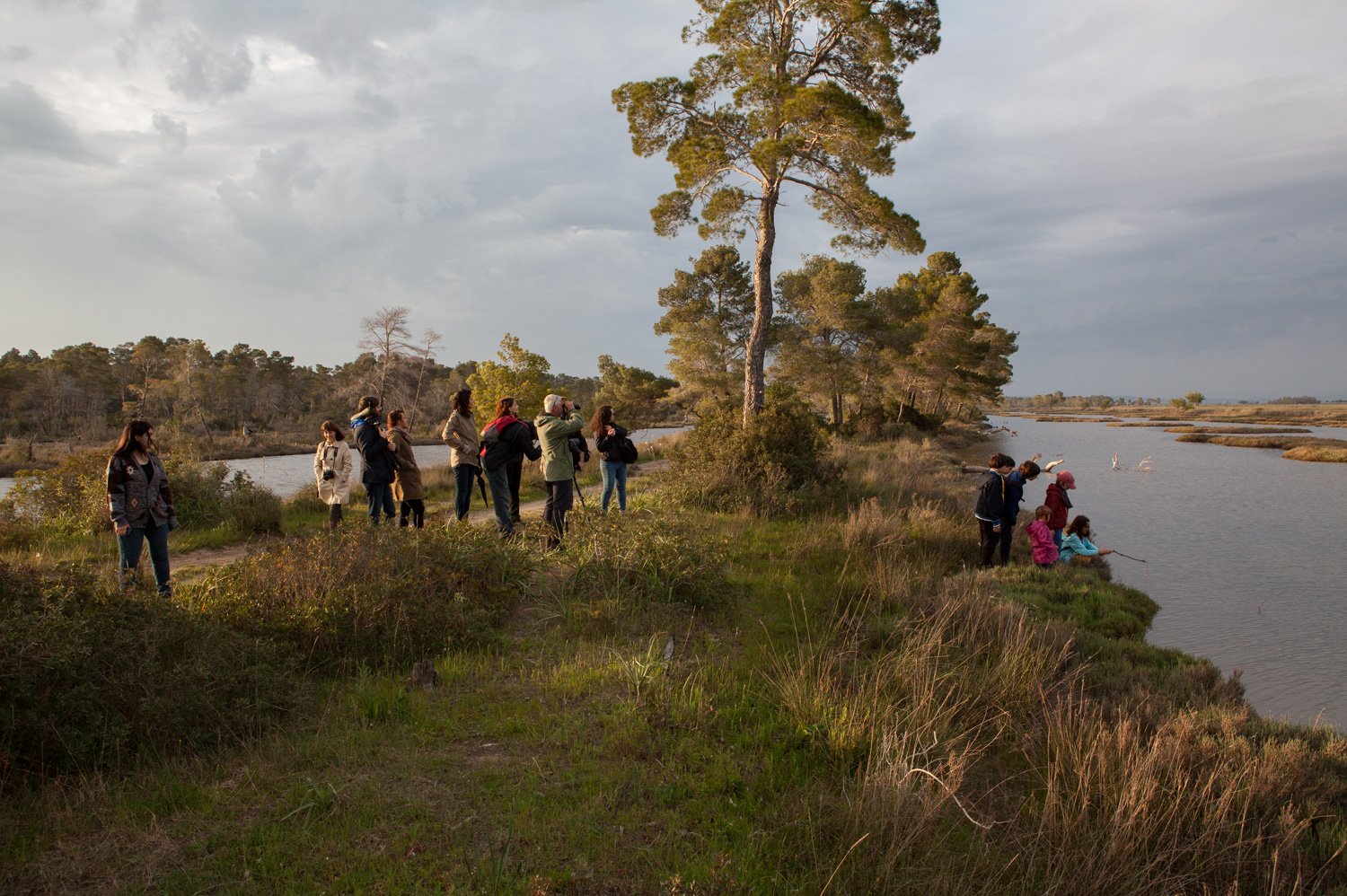
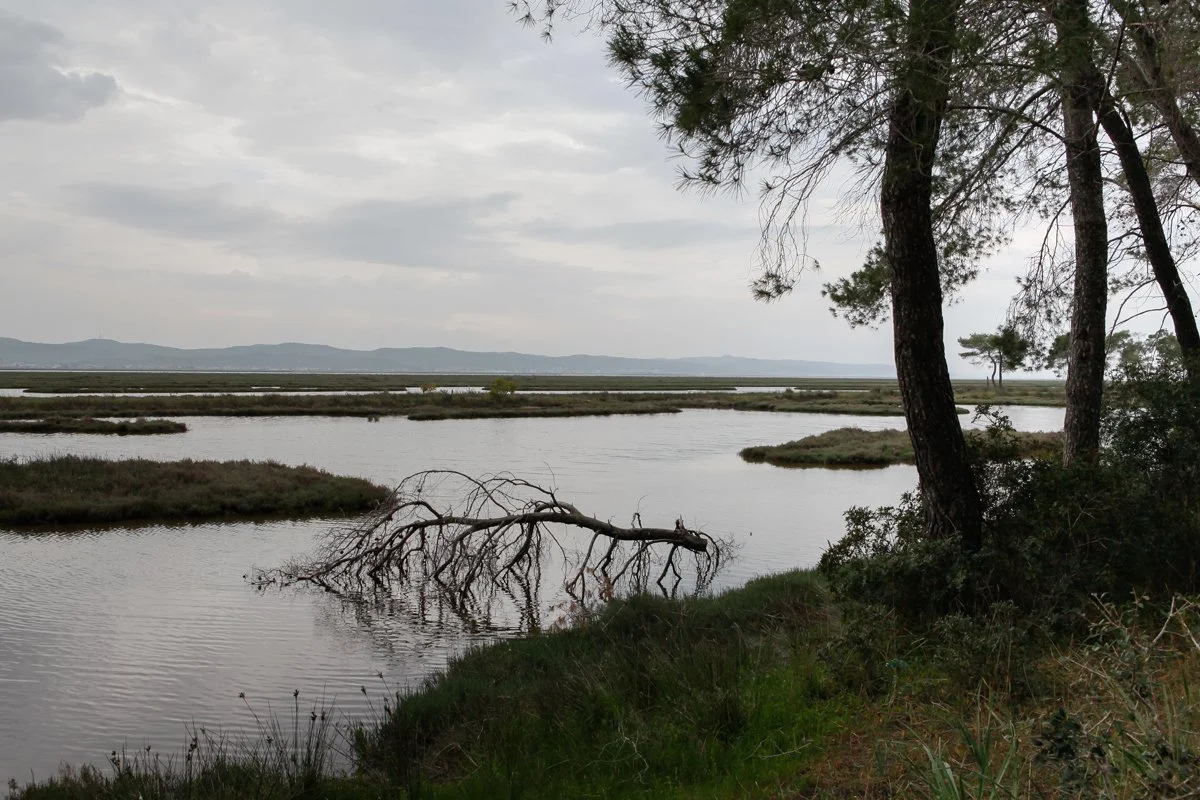
The Photos are taken inside Karavasta Lagoon within the National Park Divjakë-Karavasta,, © Alketa Misja
Albania has 52 protected areas, divided into categories such as national parks, natural parks/managed nature reserves, and protected landscapes. These areas cover approximately 624,460 hectares, representing around 21.8% of Albania’s territory.
In addition, Albania has approximately 330 natural monuments, which constitute the third category of protected areas.
According to Albanian legislation on protected areas, which is based on the categorization established by the IUCN (International Union for Conservation of Nature), the categories of protected areas, ranked according to their level of importance, are:
1. Strict Nature Reserve – Areas subject to a very high level of protection, where human activity is highly restricted and primarily scientific research is permitted.
2. National Park – Large areas of significant natural value and high biodiversity, protected for conservation, education, and sustainable tourism.
3. Natural Monument – Natural features or formations of particular scientific, geological, biological, or aesthetic value, such as caves, waterfalls, canyons, and monumental trees.
4. Managed Nature Reserve (or Natural Park) – Areas where nature conservation is combined with the sustainable use of natural resources.
5. Protected Landscape – Areas where the interaction between nature and human activity has created landscapes of particular natural, cultural, and recreational value.
6. Managed Resource Protected Area – Areas designated for the conservation of ecosystems and the sustainable use of natural resources.
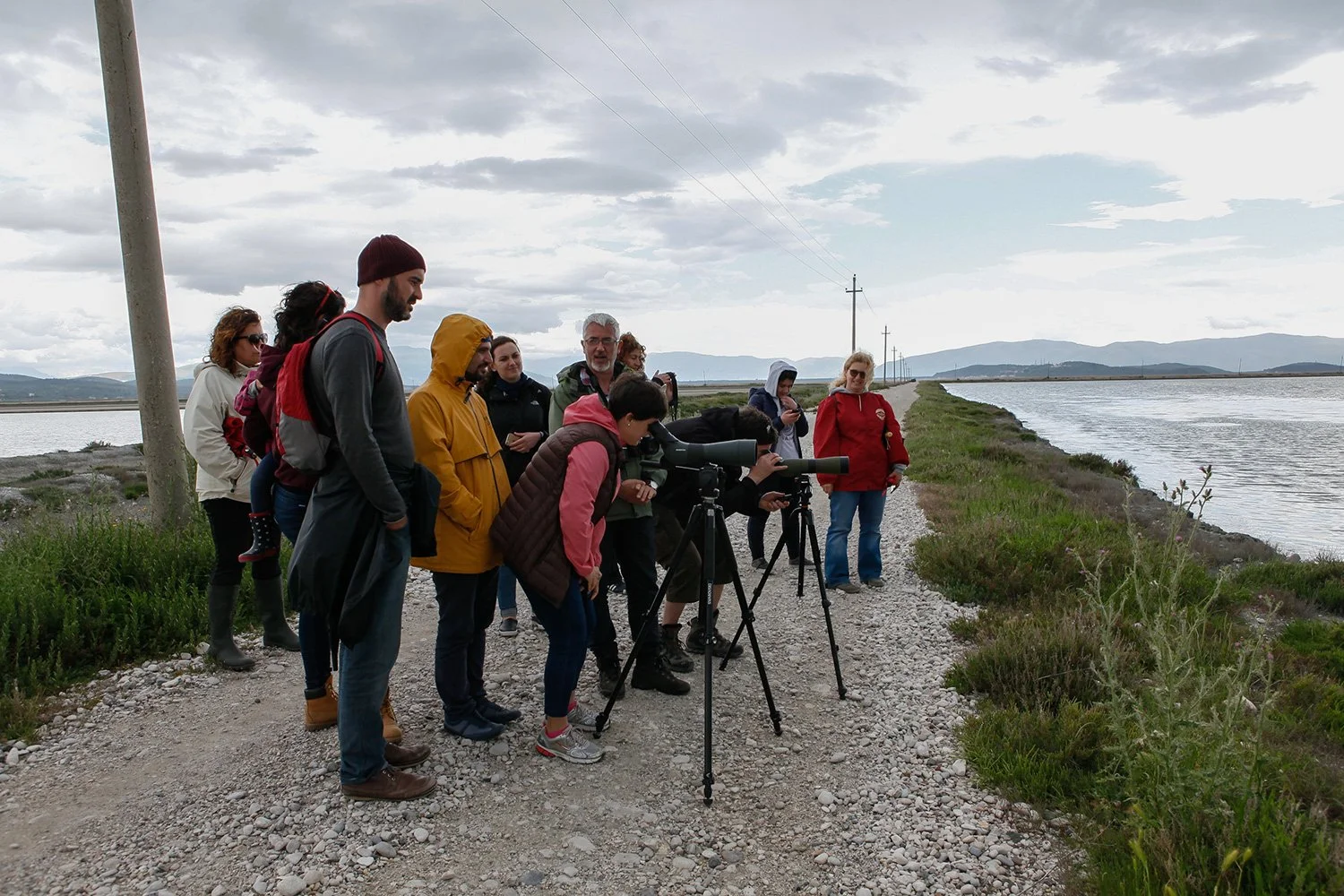
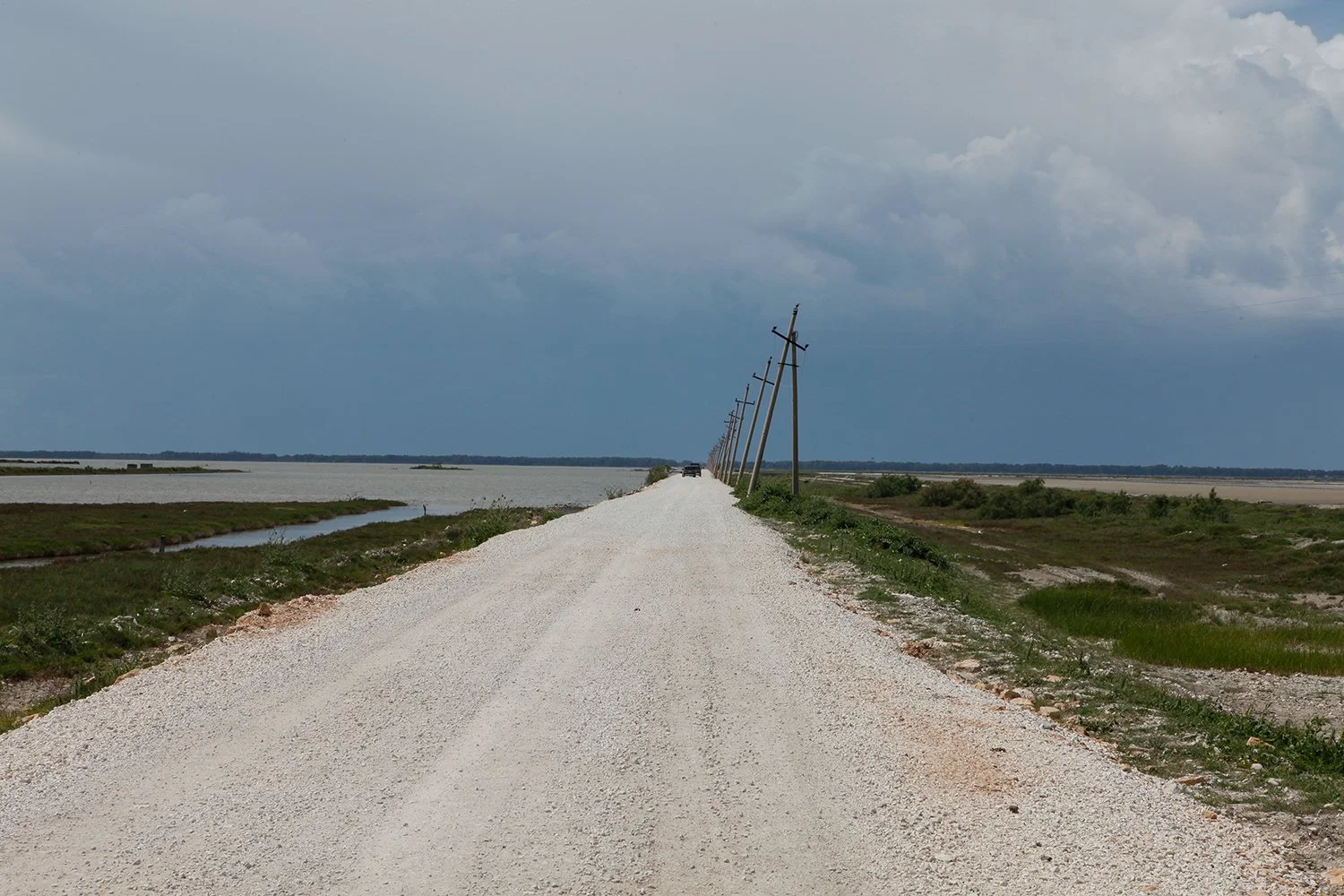
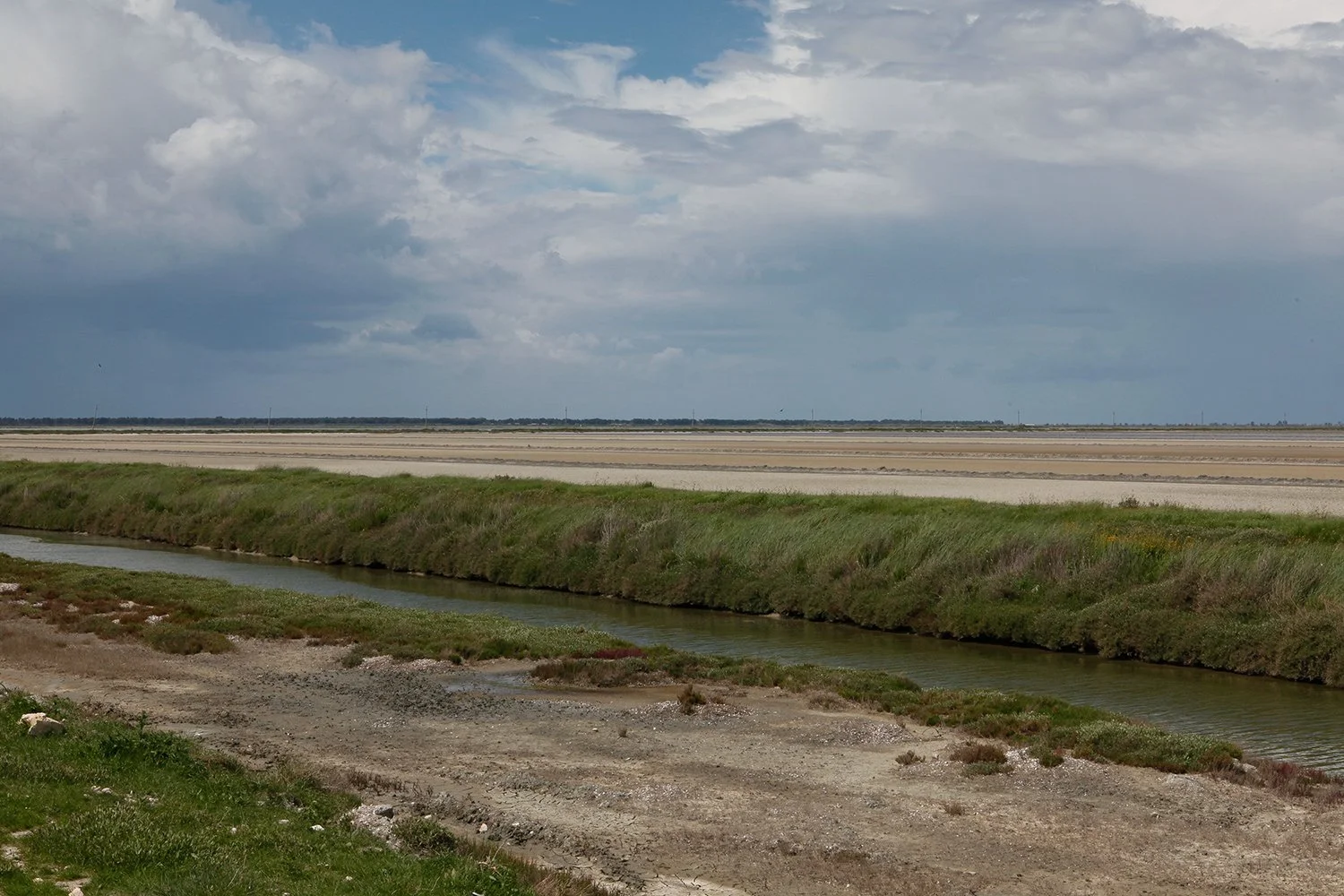
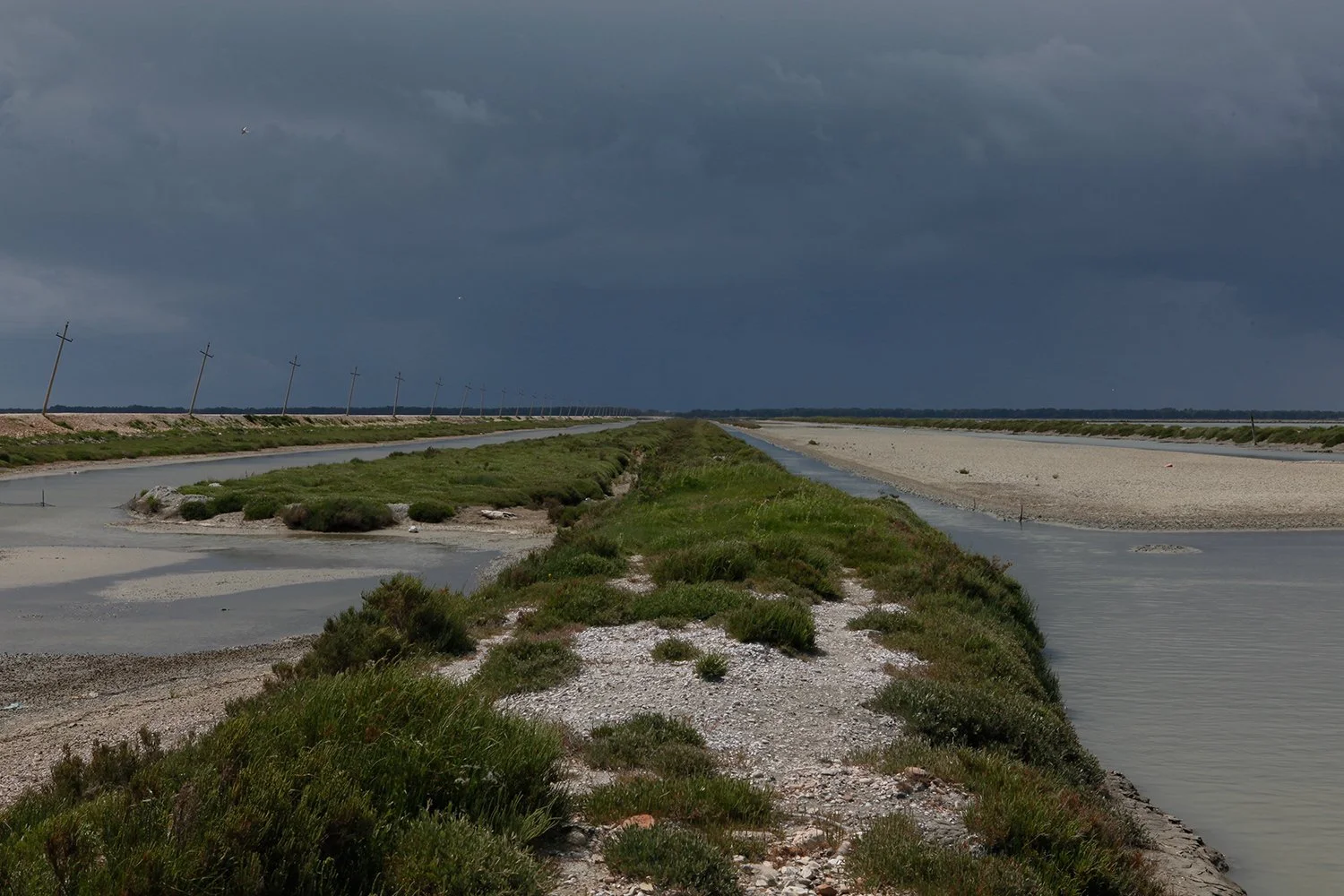
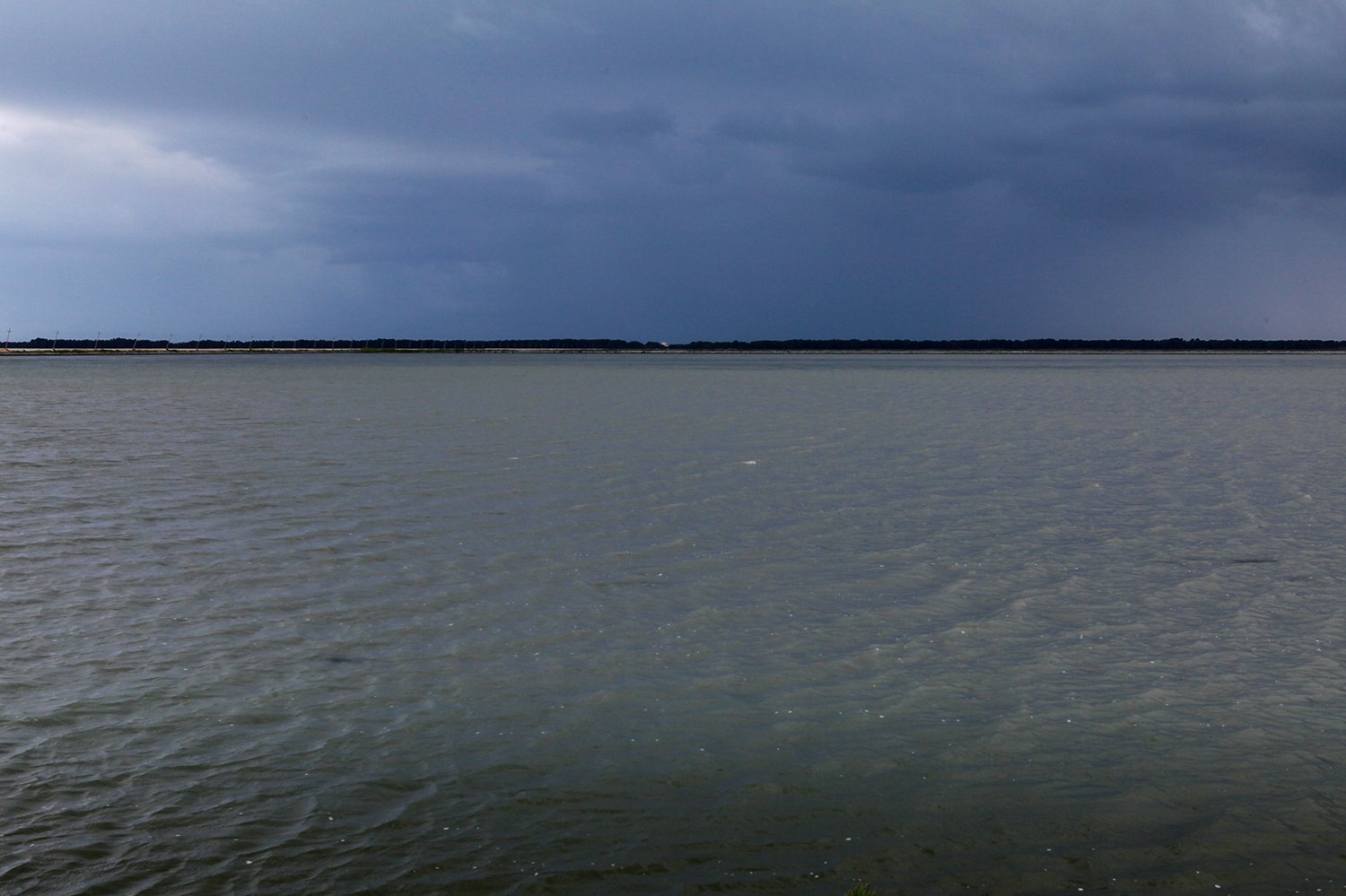
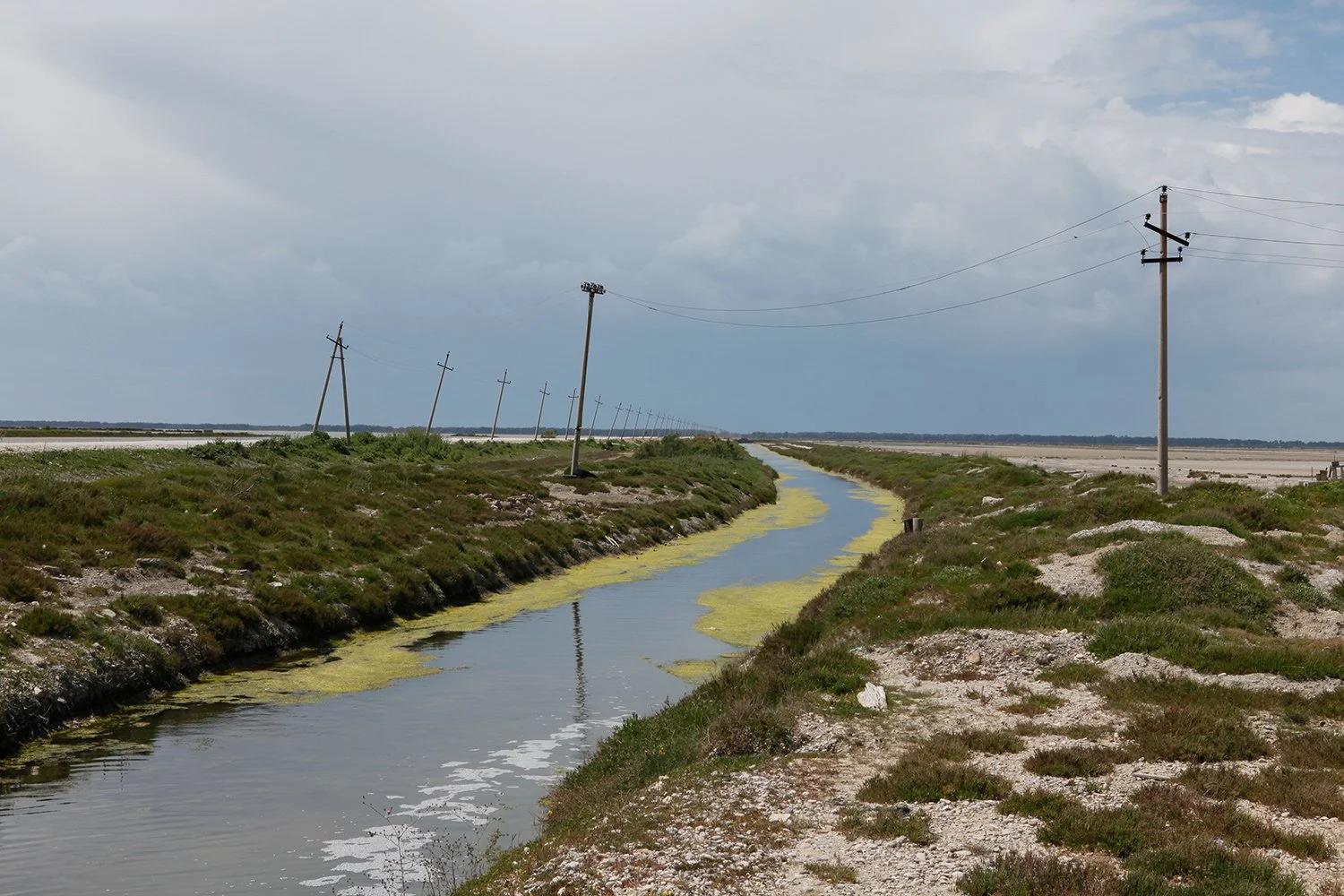
Photos from the Narta Salinas within the Pishë-Porro–Nartë Protected Landscape, © Alketa Misja
*Dritan Dhora is an environmental expert and environmental project coordinator with over 25 years of professional experience in the environmental field. His expertise includes biodiversity, the protection and management of aquatic ecosystems, natural resources, environmental assessment, and sustainable development. He has extensive experience in managing and coordinating national and international projects, as well as collaborating with public institutions, organizations, and academic partners. He also has considerable experience in higher education, scientific research, and the preparation of professional studies and publications. His work focuses particularly on environmental issues in the Shkodër region, including Lake Shkodër, the Buna River, biodiversity, and the integrated management of natural resources.
**© Alketa Misja. The photographs were taken at Karavasta Lagoon, within the Divjakë–Karavasta National Park, and at the Narta Salinas, within the Pishë-Porro–Nartë Protected Landscape, during an organized Bird Guided Tour led by AOS – Albanian Ornithological Society Albania.
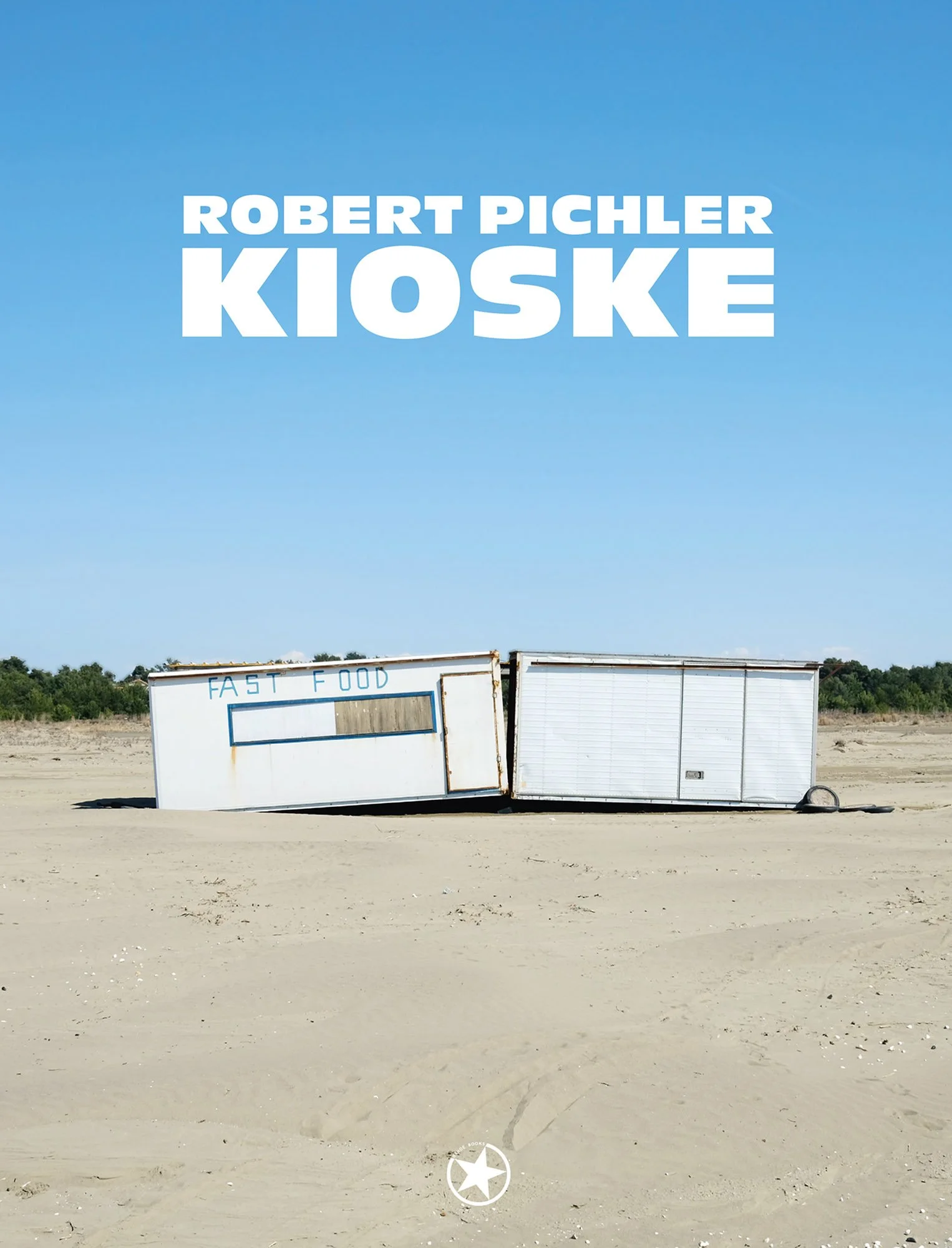
Kiosks by Robert Pichler
“Kiosks” is the latest project by Austrian photographer Robert Pichler, presented in Tirana in the form of the photo book Kiosks: Temporary Architecture and Social Living Environments on the Albanian Coast, published by Bahoe Books, Wien, in German, Albanian and English language.
KIOSKS
Temporary Architecture and Social Living Environments on the Albanian Coast
Pichler Robert, Kiosks, temporary architecture and social living environments on the Albanian coast, Wien, Bahoe books, 2025, (in German, Albanian, English) ISBN 978-3-903478-17-6
“Kiosks” is the latest project by Austrian photographer Robert Pichler, presented in Tirana in the form of the photo book Kiosks: Temporary Architecture and Social Living Environments on the Albanian Coast, published by Bahoe Books, Wien, in German, Albanian and English language.
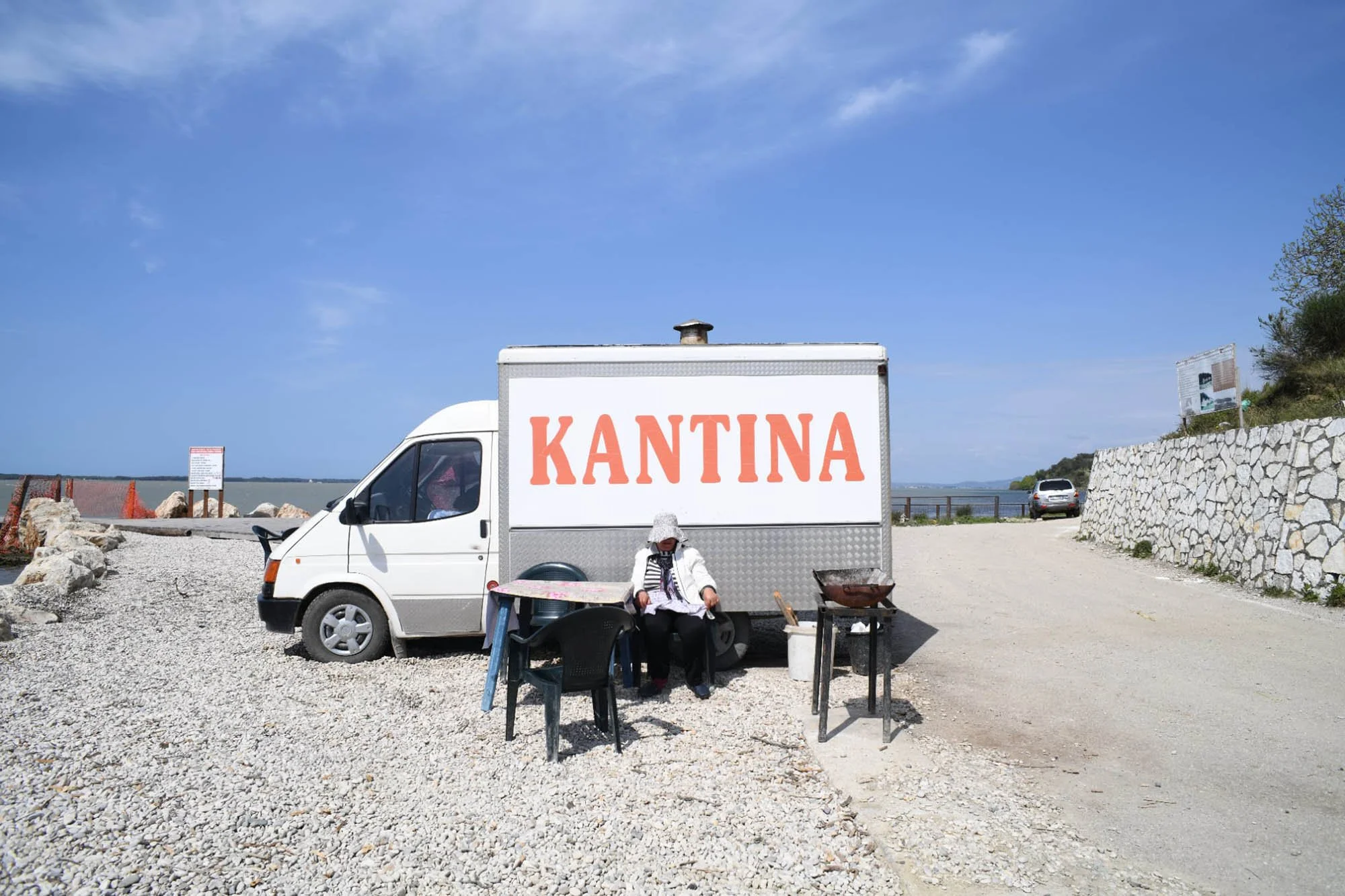
The Albanian kiosks referred to in the book are temporary, improvised structures along the Albanian coast, serving commercial and tourist purposes. As a construction typology, they first appeared in major cities in the early 1990s, coinciding with the country’s transition to a free-market economy and addressing a significant shortage of business premises. Robert Pichler (1), a historical anthropologist who has documented the Albanian transition period since the early 1990s, has observed the kiosk in its evolution, from its beginnings, development and decline. It is interesting how Pichler dedicates this book to the kiosk, precisely at the end of the “kioskization” era in Albania, when it is giving way to another phenomenon, that of concreting and mass tourism. It is precisely about the latter that the accompanying writings of other authors of an urban, ecological and tourism economics nature speak about (2). The Kiosk is the starting point, or the framework that unites these writings as well as all the author’s stories about his encounters with the inhabitants of the coast. In fact, Kiosk is a tribute to individuality, uniqueness, small family businesses, the efforts of Albanians during the transition, but also to simple aesthetics and constructions with minimal impact on nature (3).


The Kiosk was a temporary resident in the Albanian territory, with all its diversity of aesthetics and functionality. It lived for nearly 2 decades, between two different periods, that of the bunkers of the communist regime and the period of the free market economy, characterized by migration and rapid urbanization. My generation is oversaturated with the images of the kiosks, we have even stigmatized as something unaesthetic and informal, outside the rules of architecture and conventional urban planning. However, the kiosk served very well thousands of Albanian families who were left unemployed after the closure of factories and state-owned enterprises after the 1990s. The kiosk is the genesis of small business, the savior of the family economy, a symbol of the beginnings of the free market and individual initiative. The disappearance of the kiosk symbolizes the end of the transition period and the beginning of another era. Through this book, it seems as if the author wants to immortalize in photography the kiosk before it is torn down and disappeared forever. The photographic project speaks of the temporariness but also of what comes next. Although not shown in the photo, the concrete hotels and tourist resorts that have sprouted everywhere on the coast are implied (at least for us Albanians).

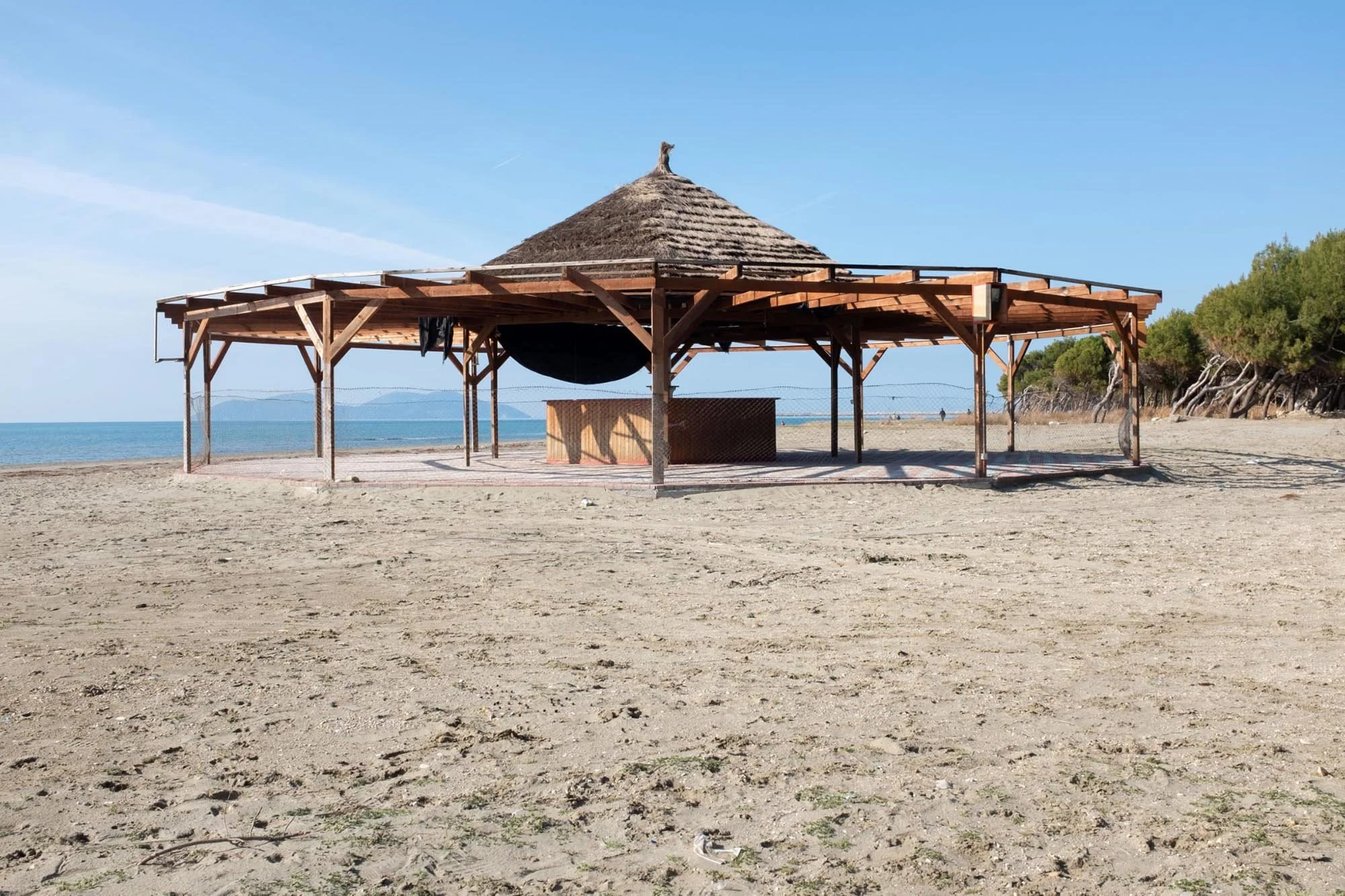
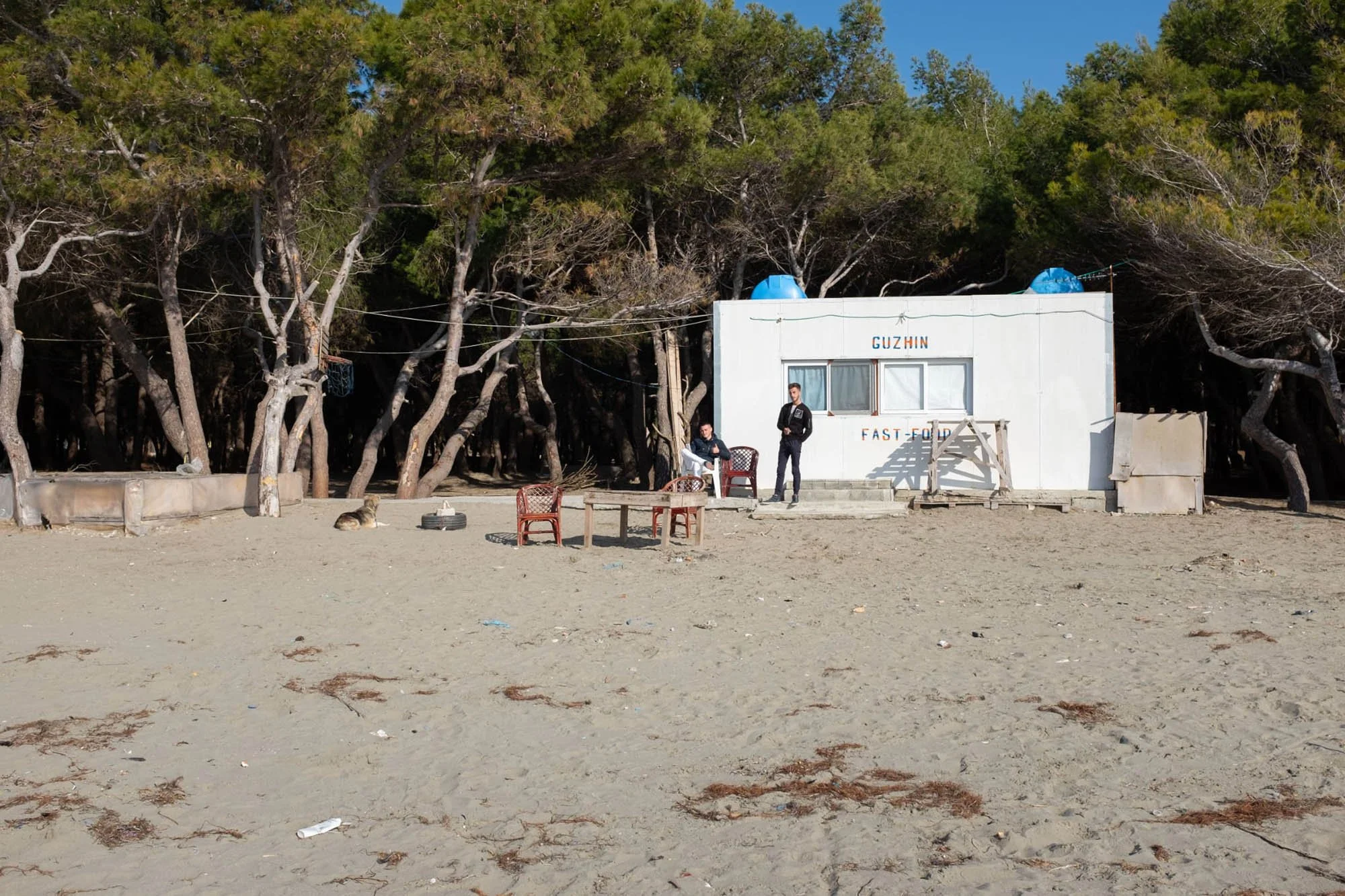


The photographs are a tribute to the Kiosk, as a symbol of informality and transience. In contrast, the photographs are carefully composed, with attention to geometry, which enhance aesthetic appeal and meaning. The vantage point is formal; frontal view, as a photo passport. The horizon line is straight, and divides the frame in half, half earth and half sky. The large number of kiosks photographed indicates the need to recognize and systematize them in an almost scientific manner. It reminds me of the photographs of the Düsseldorf School. The author took several years (from 2010 to 2022), many field visits and meetings with residents to photograph them. The autumn season is preferred, in the end of the tourist season, when the beach is empty, which reinforces the feeling of transience and abandonment. The colorful and minimalist photography highlights the design elements and the poor materials used. The narrative of the kiosks is intertwined with the stories of people met in the beach, about the difficulties of transition and everyday life. As an anthropologist and photographer, Robert Pichler combines photographs of the architecture of the kiosks with photographs of portraits of coastal residents, which completes the picture of the lives of ordinary people in the territory of the Albanian coast.


All photos courtesy of Robert Pichler
(1) Robert Pichler is a historical anthropologist and photographer, who mainly deals with migration and transnationalism, family and kinship, nation building processes, also using the medium of photography. His work lies between anthropological/social research and documentary/artistic photography. He has documented the transitional period of the early 1990s, when Albanian society was moving from the isolation of the communist regime to openness. Robert Pichler is member of Balkan Research Unit of the Austrian Academy of Sciences and serves as Chair of the International Association for Southeast European Anthropology (InASEA)
(2) The accompanying writings in the book are by Mamica Burda, Saimir Kristo, Daniel Göler, Dhimitër Doka, Kristi Bego.
(3) “Kioska” was conceived as an exhibition and publication project. A selection of the photographs was nominated for the Photo Graz Biennale in 2016 and presented there for the first time. An exhibition followed in December 2017 at the Zagreb Cultural Centre as part of the Photo Graz selection. In September 2022, “Kioska” was shown at the Off Gallery in Graz , before the traveling exhibition toured several cities in Albania (Tirana, Vlora, Durrës, Fieri, and Shkodra) until December 2023.